Leave In Conditioners for Curly Hair
Curly hair can be a beautiful and unique feature, but it often requires extra care and attention to keep it looking its best. If you're tired of dealing with frizz, tangles, and dryness, a leave-in conditioner specifically formulated for curly hair could be the game-changer you've been searching for. Leave-in conditioners are an essential addition to any curly hair routine, designed to provide long-lasting moisture, nourishment, and definition. Say goodbye to bad hair days and hello to luscious, bouncy curls with the help of a quality leave-in conditioner tailored to your unique curly hair needs.
Sort
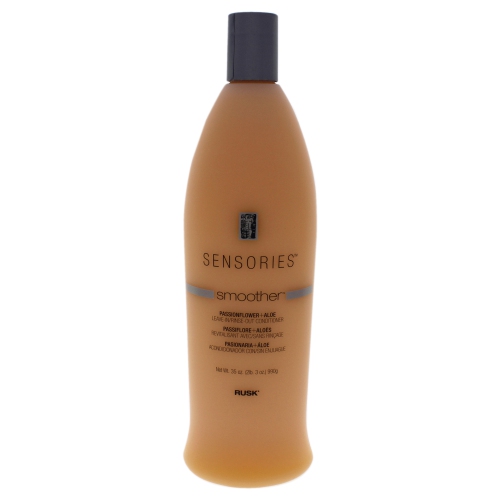
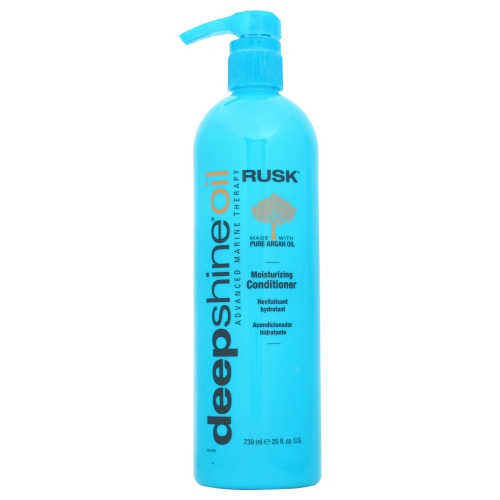
Why curl pattern alone doesn’t determine your conditioner match
Leave-in conditioners for curly hair add softness, help with detangling, and make curls easier to manage without a rinse-out step. Unlike conditioners that are washed away in the shower, these formulas stay on the hair to provide ongoing conditioning as it dries and between washes. Their main role is to improve the feel and manageability of the hair, rather than provide the firm hold of a styling gel or mousse. For curls that catch on one another during detangling, a formula with good slip can help fingers or a wide-tooth comb move through with less pulling. For ends that feel rough even after washing, a richer texture may leave the hair feeling smoother and more supple. The best match depends on strand thickness, hair density, porosity, and the finish someone prefers, not curl pattern alone. Fine strands can form tight curls yet still become weighed down by heavy creams, while loose curls made up of coarse strands may benefit from a more substantial formula. Lightweight sprays and fluid lotions often suit fine hair or routines where movement and volume matter most. Creams and richer lotions can be a better fit for thick, coarse, or coily hair that needs more help with softness and detangling. Hair density matters, too: a full head of fine curls may need careful sectioning for even coverage, but not necessarily a heavier conditioner. A suitable leave-in should make the hair feel conditioned without leaving it sticky, stiff, or coated. Curl definition may look more noticeable when strands are softened and clump together, although a leave-in conditioner does not permanently change the natural curl pattern. This makes the category useful for everyday wash-and-wear curls, twist-outs, braid-outs, and routines that combine a conditioning base with a separate styling product.
Texture and ingredients offer useful clues about how a leave-in conditioner may feel on curly hair. Water-based sprays tend to spread easily and can offer light conditioning without the richness of a butter-heavy cream, though the whole formula determines the finish. Conditioning agents help smooth the hair surface and reduce friction, while ingredients such as glycerin and panthenol are commonly included to support moisture retention. Oils and butters can add lubrication and softness, but a small amount may be enough for fine strands. More is not automatically better: a formula that feels comfortable on dense coils could leave finer curls looking flat or separated into stringy pieces. Silicones can contribute slip, smoothness, and shine, and their suitability depends on the finished formula and the cleansing routine used alongside it. A silicone-free label alone does not establish whether a conditioner will be lighter or better suited to a particular curl type. Some formulas include hydrolyzed proteins, which may temporarily improve the feel of damaged hair; others focus on conditioning without added protein. Colour-treated, bleached, or frequently heat-styled curls may have different needs from untreated hair, especially through the older lengths and ends. Leave-in conditioning can improve manageability and make damaged areas feel smoother, but it cannot permanently mend split ends. Fragrance is another practical consideration because the product remains in the hair after application. Fragrance-free formulas may appeal to people who prefer an unscented routine, while anyone with known sensitivities should check the complete ingredient list rather than rely on front-label descriptions. For shoppers whose main concern is flyaways or a rough-looking finish, leave-in conditioners for frizzy hair offer a related category to explore. Frizz and curl care often overlap, but reducing visible frizz need not mean sacrificing volume or making every strand lie perfectly flat. The right balance leaves curls touchably soft while preserving the shape and fullness that suit the wearer.
How a leave-in fits into an existing routine is just as important as its ingredient list. Many formulas are intended for freshly washed, damp or wet hair, when they can spread through the lengths and support detangling before styling. The directions on the packaging remain the best reference, since concentrated creams, fine mists, and refresher lotions may call for different amounts and application methods. A modest starting amount makes it easier to judge the finish, with extra product reserved for sections that need it rather than applied evenly out of habit. Mid-lengths and ends often need the most attention; applying a rich conditioner close to the scalp can flatten roots or leave an unwanted residue. On dense hair, working through sections helps reach the underneath layers instead of coating only the outer curls. Gentle detangling from the ends upward can limit unnecessary tugging, particularly where knots collect at the nape or around the ends. A leave-in may be enough on its own for a soft, relaxed finish, while a gel or mousse layered over it can provide more lasting hold. Pairings vary, and visible flakes or a gummy feel can signal that the products do not work well together or that too much has been applied. Heat protection is a separate feature: a conditioner should only be treated as a heat protectant when its label explicitly states that use. Between washes, some formulas can refresh dry-feeling ends, but repeated layering may lead to buildup and does not replace cleansing. Packaging also affects everyday convenience. Pumps allow controlled dispensing of lotions, sprays distribute fluid formulas, and squeeze tubes make thicker creams easier to portion. Closures should be kept clean and shut securely, with storage and use-after-opening guidance followed as labelled. For someone establishing a curl routine, a leave-in can fill a straightforward gap between washing and styling; for an experienced user, it can address a more specific need such as easier detangling or softer ends. The most useful choice is one that works with the hair’s texture and the rest of the routine, delivering comfortable conditioning without requiring excessive layering.
Texture and ingredients offer useful clues about how a leave-in conditioner may feel on curly hair. Water-based sprays tend to spread easily and can offer light conditioning without the richness of a butter-heavy cream, though the whole formula determines the finish. Conditioning agents help smooth the hair surface and reduce friction, while ingredients such as glycerin and panthenol are commonly included to support moisture retention. Oils and butters can add lubrication and softness, but a small amount may be enough for fine strands. More is not automatically better: a formula that feels comfortable on dense coils could leave finer curls looking flat or separated into stringy pieces. Silicones can contribute slip, smoothness, and shine, and their suitability depends on the finished formula and the cleansing routine used alongside it. A silicone-free label alone does not establish whether a conditioner will be lighter or better suited to a particular curl type. Some formulas include hydrolyzed proteins, which may temporarily improve the feel of damaged hair; others focus on conditioning without added protein. Colour-treated, bleached, or frequently heat-styled curls may have different needs from untreated hair, especially through the older lengths and ends. Leave-in conditioning can improve manageability and make damaged areas feel smoother, but it cannot permanently mend split ends. Fragrance is another practical consideration because the product remains in the hair after application. Fragrance-free formulas may appeal to people who prefer an unscented routine, while anyone with known sensitivities should check the complete ingredient list rather than rely on front-label descriptions. For shoppers whose main concern is flyaways or a rough-looking finish, leave-in conditioners for frizzy hair offer a related category to explore. Frizz and curl care often overlap, but reducing visible frizz need not mean sacrificing volume or making every strand lie perfectly flat. The right balance leaves curls touchably soft while preserving the shape and fullness that suit the wearer.
How a leave-in fits into an existing routine is just as important as its ingredient list. Many formulas are intended for freshly washed, damp or wet hair, when they can spread through the lengths and support detangling before styling. The directions on the packaging remain the best reference, since concentrated creams, fine mists, and refresher lotions may call for different amounts and application methods. A modest starting amount makes it easier to judge the finish, with extra product reserved for sections that need it rather than applied evenly out of habit. Mid-lengths and ends often need the most attention; applying a rich conditioner close to the scalp can flatten roots or leave an unwanted residue. On dense hair, working through sections helps reach the underneath layers instead of coating only the outer curls. Gentle detangling from the ends upward can limit unnecessary tugging, particularly where knots collect at the nape or around the ends. A leave-in may be enough on its own for a soft, relaxed finish, while a gel or mousse layered over it can provide more lasting hold. Pairings vary, and visible flakes or a gummy feel can signal that the products do not work well together or that too much has been applied. Heat protection is a separate feature: a conditioner should only be treated as a heat protectant when its label explicitly states that use. Between washes, some formulas can refresh dry-feeling ends, but repeated layering may lead to buildup and does not replace cleansing. Packaging also affects everyday convenience. Pumps allow controlled dispensing of lotions, sprays distribute fluid formulas, and squeeze tubes make thicker creams easier to portion. Closures should be kept clean and shut securely, with storage and use-after-opening guidance followed as labelled. For someone establishing a curl routine, a leave-in can fill a straightforward gap between washing and styling; for an experienced user, it can address a more specific need such as easier detangling or softer ends. The most useful choice is one that works with the hair’s texture and the rest of the routine, delivering comfortable conditioning without requiring excessive layering.
Top selling and popular products
-
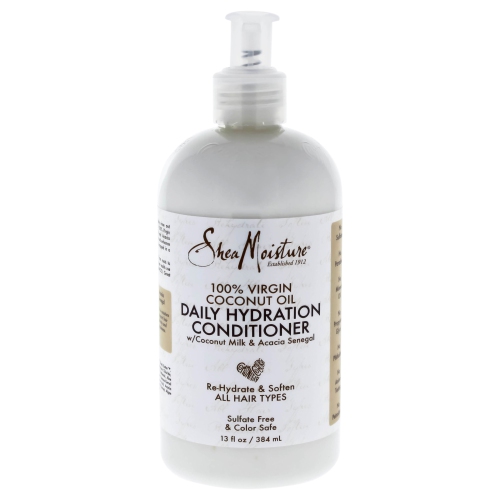 Your price for this item is $23.67
 -
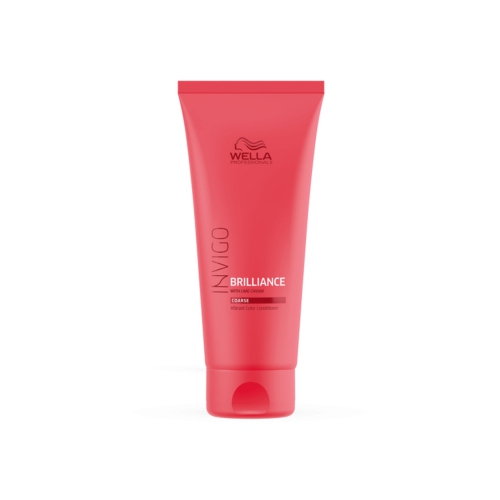 Your price for this item is $18
 -
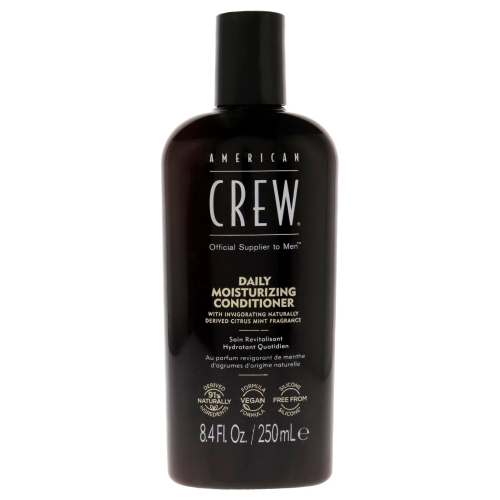 Your price for this item is $23.83
 -
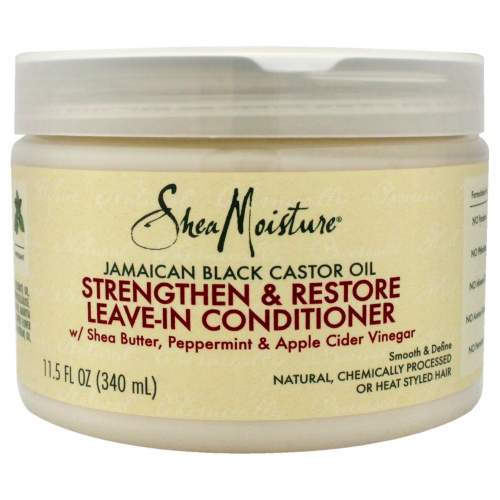 Your price for this item is $26.5
 -
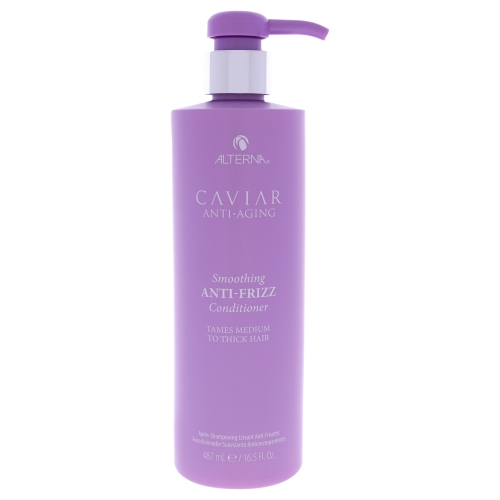 Your price for this item is $45.82
 -
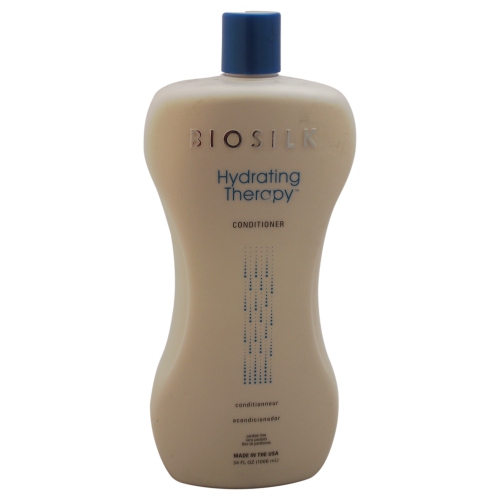 Your price for this item is $48.13
 -
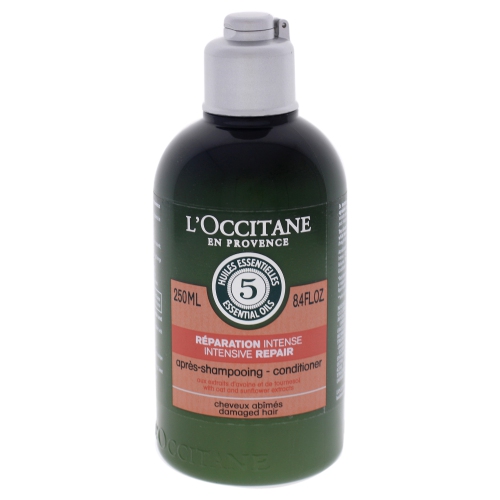 Your price for this item is $37.04
 -
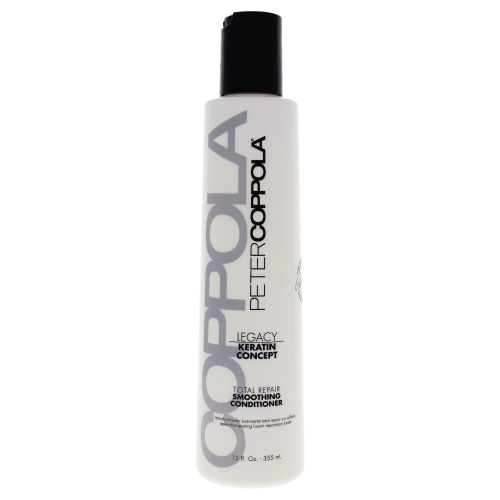 Your price for this item is $23.55
Discover more categories related to Leave In Conditioners for Curly Hair
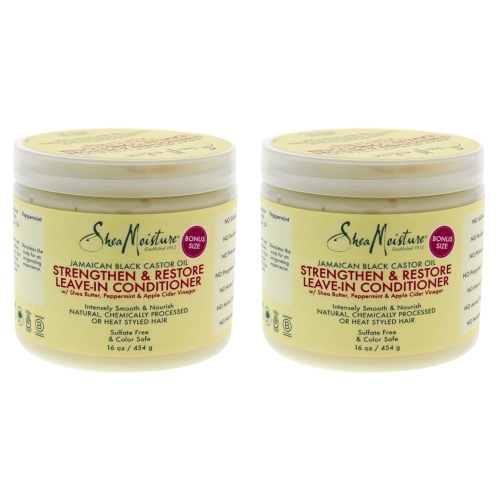
Top Collections:
Pokemon Centers, Kindle Devices, Best Budget Office Chairs, Apple iPhones 16, Best Laptops for Writers, iPhone 15 Apple, Canon G7X Cameras, Refurbished Apple Laptops, Alarm Clock, Motorola Razr Phones
Some products may be subject to Environmental Handling Fees
(EHF) depending on your province.
Learn more about EHFs.