Bikes for 2-Year-Olds
Finding the perfect bike for your little one can be a delightful experience, and our selection of bikes for 2-year-olds is designed to make that journey even more enjoyable. Whether you're looking to introduce your toddler to the joys of cycling or seeking a safe and fun way to help them develop their motor skills, these bikes are crafted with young riders in mind. Explore our range of vibrant colors, sturdy designs, and age-appropriate options that will have your child pedaling into fun and adventure in no time.
Sort
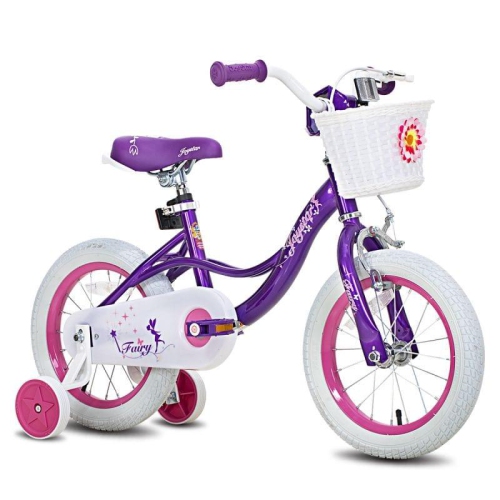
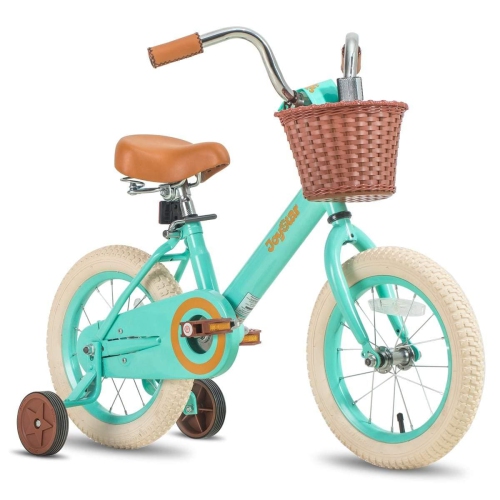
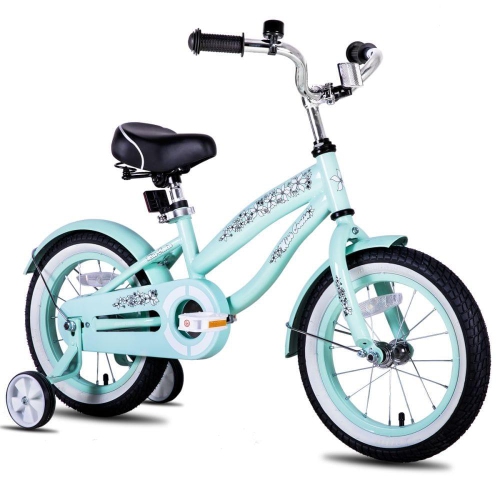
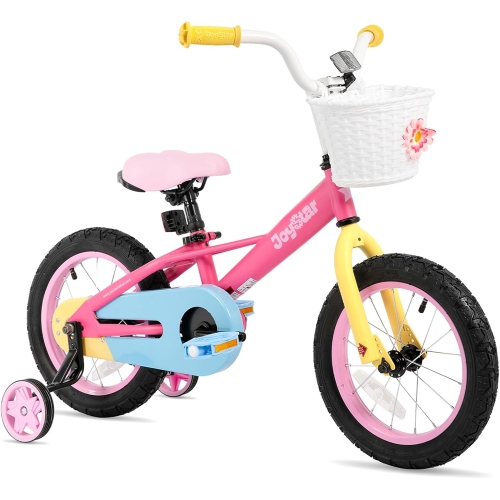
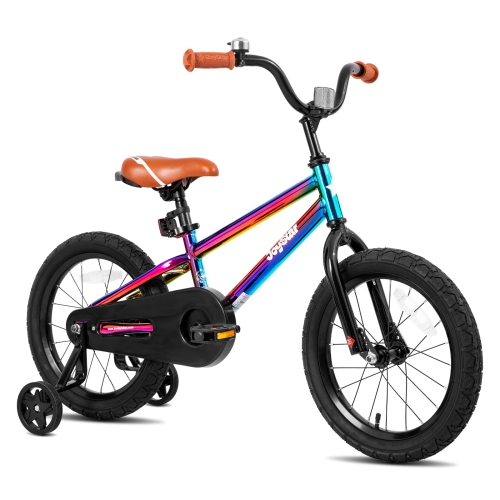
First glides start with a bike that fits
For many 2-year-olds, a lightweight, pedal-free balance bike is a practical first bike because it lets them move with their feet while learning to steer and balance. A child can begin by walking the bike between their legs, progress to longer steps, and eventually lift both feet for a brief glide. There is no need to coordinate pedalling at the same time, and stopping can begin with the familiar action of placing feet on the ground. Readiness matters more than a birthday alone: a toddler should be walking confidently, able to straddle the bike comfortably, and interested in moving it independently. Some children prefer to walk their bike for several outings before trying anything faster. Wider three- or four-wheel ride-ons offer a different starting point, with more support while a child learns to push and steer, but they do not provide the same balancing experience as a two-wheel design. A traditional pedal bike with training wheels also works differently, introducing pedalling while the extra wheels provide lateral support. For a balance bike, the most useful fit details are the minimum seat height, the child’s inseam, and the reach to the handlebars. With riding shoes on and the saddle adjusted correctly, both feet should rest flat on the ground with a slight bend in the knees. This gives a small rider room to push, steady themselves, and slow down without stretching onto their toes. Wheel diameter alone cannot confirm fit; two bikes with the same wheel size can have noticeably different frame shapes and saddle heights. A low step-through frame makes getting on and off less awkward, while a comfortable handlebar position allows relaxed shoulders and slightly bent elbows. Adjustable seats and handlebars can accommodate growth, provided the starting position already fits. Choosing a larger bike to grow into can make those first rides harder if the child cannot reach the ground or manage the steering comfortably.
The details that matter most on bikes for 2-year-olds are often the ones a toddler notices immediately: how easily the bike moves, whether the grips fit small hands, and whether the saddle feels comfortable. Low weight helps a child push off, change direction, and pick the bike up after setting it down. It also matters to the adult carrying it home when a short ride turns into a walk. Frame material contributes to weight and durability, though the complete design matters more than the material name alone. Aluminum frames resist rust and can help keep weight manageable, while steel frames can provide a sturdy structure but are often heavier and need attention if their protective finish becomes damaged. Smooth joins, secure fasteners, and well-finished edges are useful details on either type. Small-diameter grips with covered handlebar ends give little hands a more manageable hold, and a saddle should allow an easy walking stride without rubbing against the inner legs. Tire construction also changes the riding feel. Air-filled tires can cushion small bumps and provide grip, but they require pressure checks and may need puncture repairs. Solid foam tires do not need inflation and avoid punctures, although cushioning and traction vary by construction and riding surface. Neither option makes an uneven route suitable for a beginner. A steering limiter can restrict how far the handlebars turn, but it does not replace supervision or prevent every fall. If a bike includes a hand brake, the lever needs to be within reach and easy enough for the child to operate; a feature that small fingers cannot use offers little practical benefit. Footrests should leave plenty of clearance for pushing feet rather than interrupting the child’s stride. Colour and playful details can help a toddler feel attached to a bike, but comfortable contact points, manageable weight, and uncomplicated handling are what make it pleasant to use repeatedly.
Everyday use is usually a series of small moments rather than a long ride: a few steps across a level paved area, a careful turn towards a parent, or a delighted glide between two familiar stopping points. Short, unhurried sessions give a child time to explore without turning riding into a task. A properly fitted, certified bicycle helmet, closed-toe shoes, and close adult supervision belong with every ride. Choose a smooth, level riding area separated from traffic, driveways, stairs, steep slopes, and water, and follow the bike’s stated age, weight, and use limits. Before each outing, check that the handlebars and saddle are secure, the wheels turn properly, and any brake works as intended. Loose clothing and dangling accessories should stay clear of moving parts. Simple care helps preserve the bike between outings: wipe away dirt with a soft, damp cloth, dry the frame and hardware, and follow the manufacturer’s instructions for cleaning and lubrication. Check air-filled tires against the recommended pressure, inspect solid tires for damage, and look for loose grips, worn parts, or exposed handlebar ends. Store the bike somewhere dry and out of walkways so it is less likely to be knocked over or become a tripping hazard. For a second birthday or another gift-giving occasion, fit information from a parent or caregiver is more useful than age alone. The child’s height, inseam, confidence on their feet, and likely riding space can help narrow the choice, while an easy-to-adjust design can make sharing between suitably sized siblings more practical. As skills develop, the next bike should still be chosen around the rider rather than a fixed timetable. The Bikes for 5 Year Olds collection offers a way to explore options for an older child, with fit and readiness remaining the deciding factors. A well-matched first bike gives a toddler something manageable to return to, whether the day’s achievement is an independent start, a controlled stop, or simply enjoying another lap.
Top selling and popular products
-
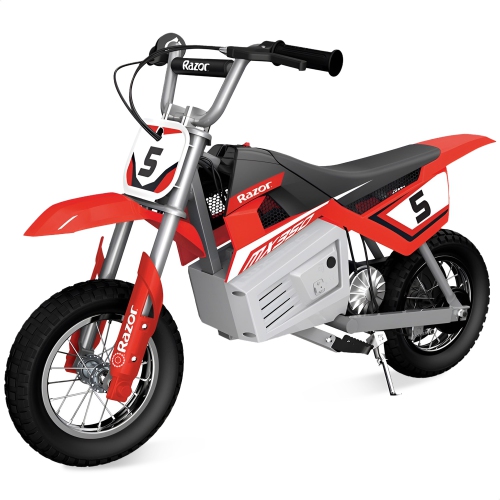 Your price for this item is $814.99
-
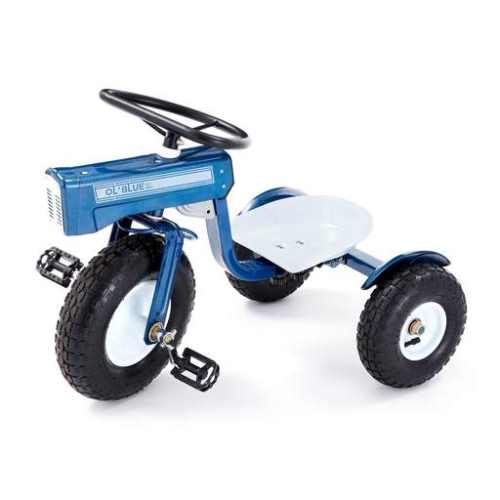 Your price for this item is $384.99
-
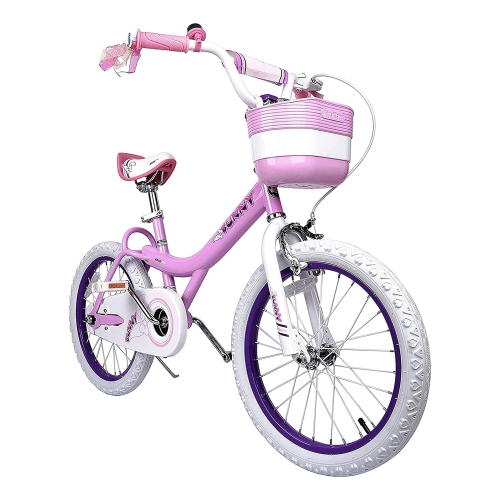 Your price for this item is $408.99
-
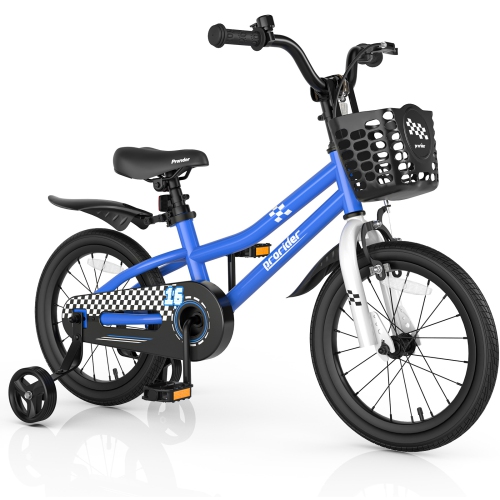 Your price for this item is $132.99
-
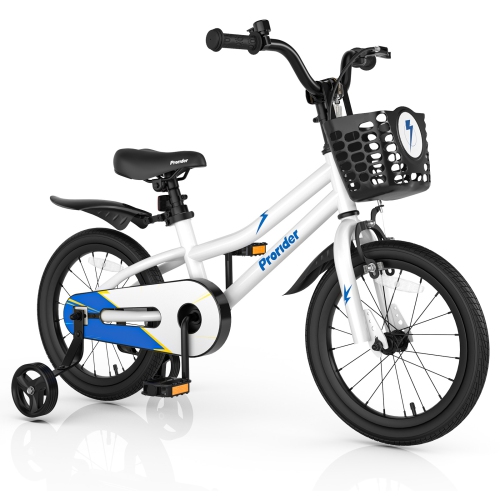 Your price for this item is $128.99
-
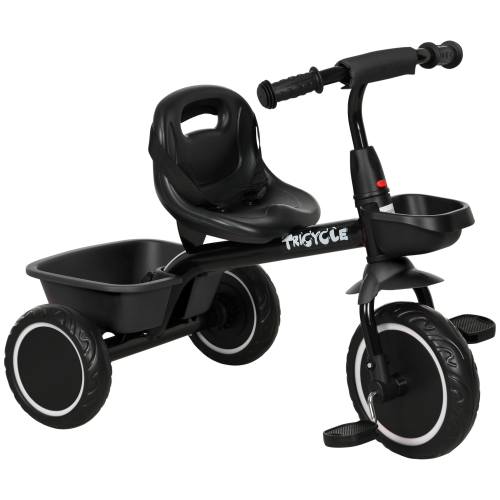 Your price for this item is $84.99
-
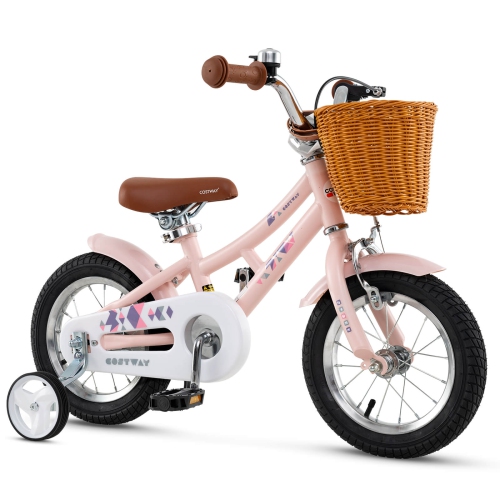 Your price for this item is $147.99
-
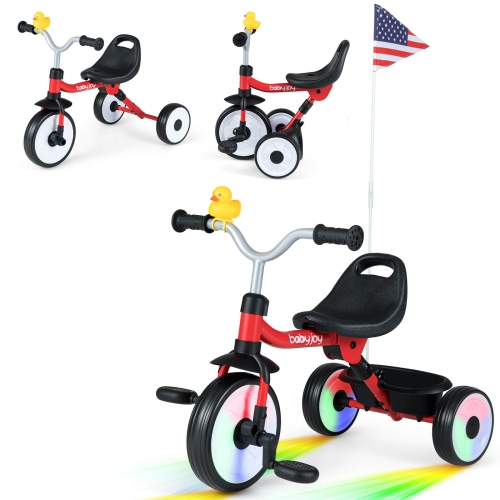 Your price for this item is $75.99
Discover more categories related to Bikes for 2-Year-Olds
Top Collections:
Pokemon Centers, Kindle Devices, Best Black Friday Deals This Year, Pokémon 30th Celebration Cards, Best Black Friday Deals On Electronics, Best Cameras for Sports Photography, Best Black Friday Deals On Apple Products, Canon G7X Cameras, iPhone 15 Apple, Candle Warmer Lights
Some products may be subject to Environmental Handling Fees
(EHF) depending on your province.
Learn more about EHFs.