Creality 3D Printers & Accessories
90 results
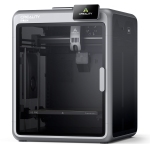
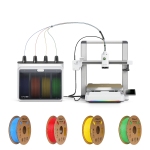
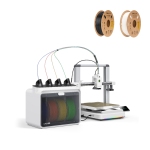
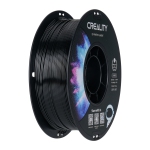
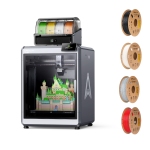
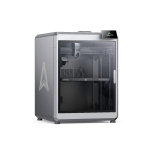
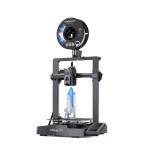
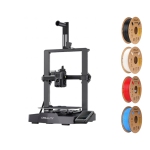
Where Affordability Meets Customization
What are Creality 3D printers known for?
Creality 3D printers are known for offering accessible, affordable, and highly customizable 3D printing solutions. They are one of the most widely used brands globally, especially popular among hobbyists and makers who want control over their setup.
Creality built its reputation with dependable machines that balance performance and price, making 3D printing more accessible without sacrificing flexibility.
What is the difference between Creality Ender and K1 series printers?
Creality offers two of its most popular lineups:
- Ender series: Known for affordability and versatility. These printers are ideal for beginners and hobbyists who want a reliable machine they can learn on and upgrade over time.
- K1 series: Designed for higher speed and more advanced performance. These models include more automation and are better suited for users who want faster printing with less manual tuning.
If you’re looking for a traditional, customizable experience, the Ender series is a strong choice. If speed and convenience are priorities, the K1 series is more advanced.
Are Creality 3D printers good for beginners or hobbyists?
Creality 3D printers are often recommended for beginners because they provide a low-cost entry point into 3D printing. However, they typically involve more hands-on setup compared to fully automated systems.
For hobbyists, this is actually a benefit. Learning how to level the bed, tune settings, and adjust components helps build a deeper understanding of how 3D printing works.
Do Creality 3D printers require assembly and setup?
Many Creality printers, especially in the Ender series, require partial assembly out of the box. This usually involves attaching the frame, connecting components, and performing initial calibration.
While this setup takes some time, it gives users more familiarity with the machine and makes it easier to troubleshoot or upgrade later. Newer models and higher-end Creality printers reduce this setup time with more pre-assembled components.
What makes Creality 3D printers popular with the maker community?
Creality printers have a massive global community, which is one of their biggest advantages. Users benefit from:
- Thousands of tutorials and setup guides
- Community-tested upgrades and modifications
- Shared print profiles and troubleshooting tips
This ecosystem makes it easier to learn, improve print quality, and customize your printer over time.
What can you make with a Creality 3D printer?
Creality 3D printers are used for a wide range of projects, from simple prints to advanced builds. You can create functional parts, repair components, tools, organizers, figurines, cosplay props, and product prototypes.
They are especially popular for DIY and maker projects, where customization and iteration are important. Their flexibility makes them suitable for both everyday use and more technical applications.
What materials work best with Creality 3D printers?
Creality printers typically support a wide range of filament materials, including PLA, PETG, ABS, and TPU. PLA is the easiest to use and ideal for beginners, while PETG and ABS offer greater durability and heat resistance.
More advanced users can experiment with specialty filaments depending on their printer setup and upgrades, expanding the range of possible applications.
Can you upgrade or modify Creality 3D printers?
Yes—one of the biggest advantages of Creality printers is their upgrade potential. Many users choose to enhance their machines over time with upgrades such as improved extruders, automatic bed leveling sensors, upgraded build surfaces, or better cooling systems.
This makes Creality printers a long-term investment, as you can improve performance instead of replacing the entire machine.
Are Creality 3D printers fast or better for reliability?
Creality printers are traditionally known for reliability and value, though newer models like the K1 series are designed to improve print speed significantly.
For most users, Creality offers a balance of dependable performance and flexibility, making them ideal for consistent everyday printing rather than purely speed-focused workflows.
Creality vs Bambu Lab: Which should you choose?
When comparing Creality and Bambu Lab, the main difference comes down to customization vs convenience.
Creality 3D printers are typically more affordable and upgrade-friendly, making them a great choice for users who enjoy hands-on setup and want to customize their printer over time. In contrast, Bambu Lab printers focus on speed, automation, and ease of use, offering a more plug-and-play experience with less manual tuning.
If you’re looking to learn, tweak, and build your setup, Creality is a strong option. If you prefer faster printing with minimal setup and consistent results out of the box, Bambu Lab may be the better fit.
How do you choose the right Creality 3D printer?
Choosing the right Creality printer depends on your goals. If you want an affordable and customizable option to learn and experiment with, the Ender series is a great starting point. If you prefer faster printing with more automation, newer models like the K1 series may be a better fit.
You should also consider build size, material compatibility, and how much time you want to spend on setup and tuning.
You can find many 3D printers and accessories at Best Buy Canada. Compare popular models, explore features, and choose the right printer for your home, workshop, or creative projects.