




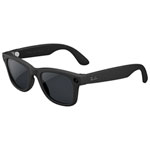
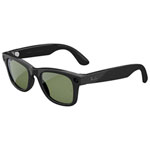
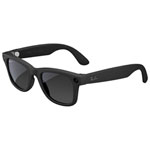
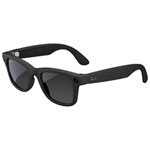
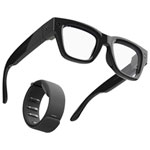
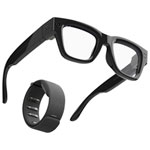
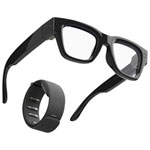
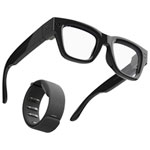
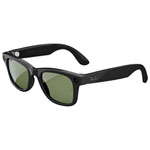
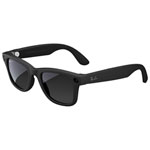
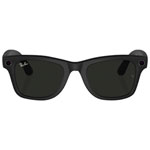
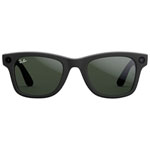
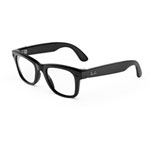
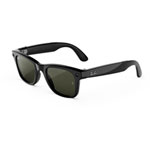
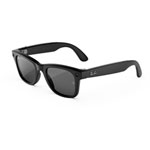
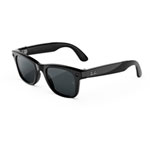
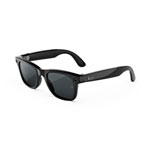
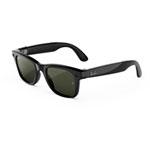
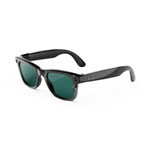
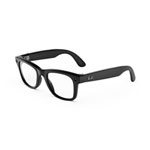
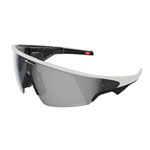
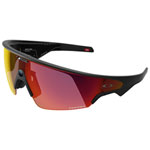
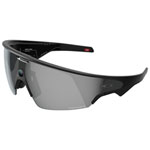


Smart Glasses for Audio, AI, and Everyday Convenience
Smart glasses combine wearable technology with eyewear, offering hands-free ways to listen to audio, communicate, capture content, access AI assistance, or view digital information depending on the model. The category ranges from Bluetooth audio glasses designed for music and calls to camera-equipped AI glasses and display glasses that place supported visual content within your field of view.
Designed to integrate technology into a familiar eyewear form, smart glasses can include features such as open-ear speakers, microphones, cameras, touch controls, Bluetooth connectivity, artificial intelligence, or integrated displays. Features vary significantly between models, making it important to compare the type of smart eyewear and the functions that matter most to you.
Types of Smart Eyewear Available
The range of smart glasses continues to expand, with different technologies designed around audio, artificial intelligence, cameras, displays, and connected features.
AI Smart Glasses
AI glasses combine smart eyewear with artificial intelligence to provide hands-free assistance and information. Depending on the model, features can include voice commands, contextual answers, live translation, cameras for photo and video capture, open-ear audio, calling, messaging, and visual recognition.
Some AI glasses focus on everyday communication and content capture, while others are designed around sport or include integrated displays for supported visual information. Because AI capabilities vary by product, software, language, and connected service, comparing individual models is important when choosing the right pair.
Bluetooth Audio Glasses
Bluetooth smart glasses combine eyewear with built-in audio for hands-free listening and communication. Compatible models can stream music, handle phone calls, provide voice-assistant access, and use open-ear speakers that leave your ears uncovered so you can remain more aware of surrounding sounds.
Some Bluetooth audio glasses also include touch controls, microphones, AI-powered features, cameras, or other connected functions. Exact capabilities vary by model, so audio quality, controls, battery life, and smartphone compatibility are useful factors to compare.
Display Smart Glasses
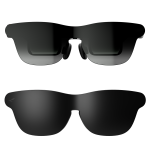
Display glasses add an integrated visual component to smart eyewear. Depending on the product, the display can be used for supported digital content, entertainment, productivity, notifications, translations, navigation, or other information within the wearer’s field of view.
Display technology and use cases vary widely between products. Some models act as wearable displays for entertainment and connected devices, while other smart glasses integrate smaller visual displays into eyewear intended for everyday use. Resolution, field of view, device compatibility, comfort, and display type are important considerations when comparing models.
Key Features to Look For in Smart Glasses
When comparing smart eyewear, focus on the features that match how you plan to use it. Not every pair of smart glasses includes the same technology, so cameras, displays, artificial intelligence, audio, controls, and connectivity should be evaluated on a model-by-model basis.
Wireless Connectivity
Bluetooth connectivity is common across many smart glasses and can enable pairing with compatible smartphones for audio, calls, controls, apps, and other connected features. Some functionality may also require Wi-Fi, a companion app, an account, or an internet connection, depending on the model.
Audio and Microphone Quality
Smart glasses with built-in speakers can provide music, calls, voice-assistant responses, and other compatible audio without requiring traditional headphones. Open-ear designs allow you to listen while keeping your ears uncovered, while integrated microphones support calling, voice controls, and other hands-free interactions. Microphone quantity, noise reduction, and audio performance vary between models.
Cameras and Displays
Camera-equipped smart glasses can capture photos and videos from your point of view, with resolution, stabilization, storage, and recording controls varying by product. Display-equipped models take a different approach by presenting supported visual content through an integrated screen or wearable display. Consider which of these features you actually need, since many smart glasses include one, both, or neither.
Battery Life and Charging
Battery performance can vary considerably depending on the type of smart glasses and how features such as cameras, displays, audio, or AI are used. Some models include portable charging cases, while others recharge directly through a cable or dedicated charging accessory. Compare rated battery life along with charging options if you expect to use your glasses frequently throughout the day.
Comfort, Frames, and Lenses
Frame shape, size, weight, fit, and lens options can be just as important as the technology inside the glasses. Depending on the model, options can include clear, tinted, polarized, photochromic or Transitions® lenses, along with prescription-compatible configurations. For frequent or extended wear, compare the fit and eyewear specifications as carefully as the connected features.
Smart Glasses for Different Lifestyles
Smart glasses can support a variety of everyday activities depending on their feature set. Audio-focused models can provide hands-free music and calling during commutes or daily routines, while camera-equipped models make it easier to capture photos and videos without holding a phone. AI glasses can add voice-based assistance, translation, contextual information, or communication features, while display glasses can provide supported visual content through an integrated display.
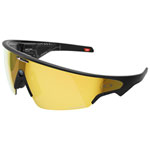
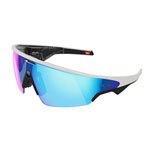
Sport-focused smart glasses can offer more secure frame designs, hands-free capture, audio, or compatibility with supported activity platforms, while other models prioritize everyday styling, entertainment, communication, or productivity. Because capabilities differ widely across the category, choosing smart glasses based on your intended use is more useful than looking for a single feature set that applies to every model.
Shop Smart Glasses
Explore smart glasses across categories including AI glasses, Bluetooth audio glasses, and display glasses. Compare eyewear styles, audio features, cameras, displays, artificial intelligence, battery life, lens options, and connectivity to find a pair that matches how you want to use wearable technology.
From simple hands-free audio to AI-powered eyewear and integrated displays, smart glasses offer different ways to stay connected, access information, enjoy content, and interact with technology in a wearable form.