Ray-Ban | Meta Glasses With AI

"Hey Meta".
Get to know your world - ask Meta AI* for information, translation help and more.
Built-in HD camera.
Be fully present while taking high-quality photos and videos.
Open-ear speakers.
Enjoy music and calls, with losing the ambient sounds of your surroundings.
*Meta AI available in select countries and languages. Full AI functionalities subject to regulatory uncertainty.
21 results


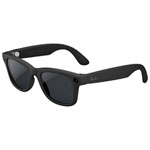
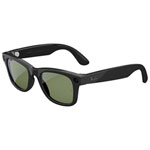
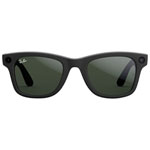
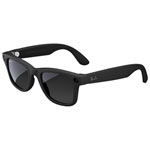
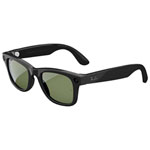
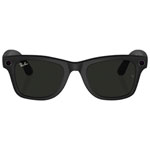
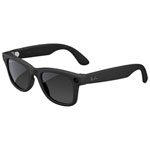

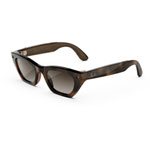
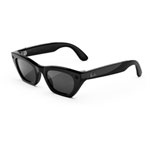
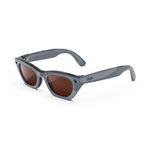




Everything you need to know about Ray-Ban Meta Glasses with AI
What Are Ray-Ban Meta AI Glasses?
Ray-Ban Meta AI glasses are the result of a collaboration between Meta and EssilorLuxottica, bringing together technology and eyewear to combine the timeless aesthetic of Ray-Ban with hands-free AI capabilities built for everyday life. Building on the foundation established by Ray-Ban Stories, the Ray-Ban Meta smart glasses collection has evolved into a full-featured AI glasses platform that puts voice control, a built-in camera, open-ear audio, and Meta AI directly into your eyewear. Whether you're capturing a moment, translating a conversation, asking about what you see, or simply listening to music on the go, these glasses are built to keep up with your day.
Built-In Meta AI and Voice Commands
The most defining feature of Ray-Ban Meta AI glasses is the integration of Meta AI, activated with a simple "Hey Meta" voice command. From there, you can ask questions in real time, use live translation across supported languages, get recommendations, identify landmarks and objects, and receive context-aware answers without reaching for your phone. Meta continues to update its AI features and supported languages over time, so availability can vary by country, language, and software version.
Ray-Ban Meta also supports hands-free calling and messaging through compatible services such as WhatsApp and Messenger, as well as supported phone messaging. Video calling takes this further by letting you use the glasses camera on supported calls to share your point of view. These capabilities make Ray-Ban Meta more than a hands-free camera, combining communication, audio, capture, and AI assistance in one connected pair of glasses.
Camera, Audio, and Key Specifications
Ray-Ban Meta AI glasses pack advanced hardware into frames designed to retain the familiar look of Ray-Ban eyewear. The built-in ultra-wide 12MP camera captures photos and video hands-free, while Gen 2 and Gen 3 models support recording in up to 3K Ultra HD resolution. Supported video modes also include stabilization and additional capture options, depending on the generation and software version.
Open-ear speakers deliver music, calls, and Meta AI responses without covering your ears, helping you remain aware of surrounding sounds. Ray-Ban Meta (Gen 2) uses a five-microphone array, while Gen 3 moves to a six-microphone array with advanced wind and background-noise reduction for clearer calls, voice commands, and recorded audio. A responsive temple touchpad provides quick control over volume and media playback, while a dedicated capture button gives you direct access to the camera.
Battery life varies by generation. Ray-Ban Meta (Gen 2) provides up to eight hours of use on a single charge, with its charging case providing up to 48 additional hours of charging. Ray-Ban Meta (Gen 3) increases battery life to up to nine hours on a single charge, while its fully charged case can provide up to 50 additional hours of charging.
Available Styles and Lens Options
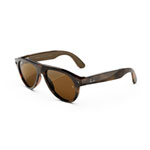
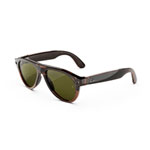
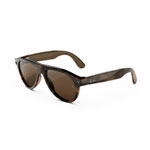
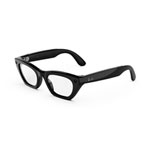
Ray-Ban Meta AI glasses are available in several distinctive Ray-Ban frame silhouettes, including Wayfarer, Skyler, Headliner, Aviator, and Zena. The Gen 3 collection includes Wayfarer alongside two new styles: Aviator, which brings the recognizable pilot-inspired Ray-Ban silhouette to the AI glasses lineup, and Zena, which features a bold cat-eye shape.
Lens options vary by style and configuration and include sun, polarized, clear, and Transitions® lenses. Prescription lenses are also available on eligible Ray-Ban Meta models. With different frame shapes, lens options, colours, and sizes available across the collection, there are multiple ways to choose a pair that suits your style and eyewear needs.
Why Ray-Ban Meta Stands Out
The combination of recognizable Ray-Ban styling, a built-in camera, open-ear audio, hands-free communication, and Meta AI brings wearable technology into an eyewear design made for everyday use. With multiple generations and frame styles to choose from, including the new Aviator and Zena Gen 3 models, the Ray-Ban Meta collection offers different ways to combine connected features with classic and contemporary Ray-Ban designs. Shop the full Ray-Ban Meta collection to find the style and features that suit you.
Ray-Ban Meta FAQs
What are Ray-Ban Meta AI glasses and what do they do?
Ray-Ban Meta AI glasses are wearable technology developed through a collaboration between Meta and EssilorLuxottica. They combine recognizable Ray-Ban frame designs with AI and connected features built for hands-free everyday use.
Core capabilities include:
- Capturing photos and videos hands-free with a built-in 12MP camera
- Listening to music and taking calls through open-ear speakers
- Interacting with Meta AI using "Hey Meta" voice commands
- Sending supported messages and making calls without holding your phone
- Using live translation across supported languages
- Sharing your point of view through the glasses camera on supported video calls
The glasses require a compatible smartphone, a Meta account, the Meta AI app, and wireless internet access for setup and supported connected features.
What AI features does Meta AI add to Ray-Ban Meta glasses?
Meta AI, activated by saying "Hey Meta," adds real-time AI assistance directly to the glasses. Supported features include answering questions, providing information about objects and places you are looking at, offering personalized recommendations, setting reminders, translating supported languages, helping with creative tasks, and using visual context from the camera to provide relevant information. Available Meta AI capabilities and languages can change as Meta releases software updates, and some features vary by country and language.
Which Ray-Ban Meta models are available in Canada?
The Ray-Ban Meta collection in Canada spans several styles and generations, including Wayfarer, Skyler, Headliner, Aviator, and Zena. Ray-Ban Meta (Gen 3) is offered in three primary frame styles: Wayfarer, Aviator, and Zena. Aviator brings the classic pilot-inspired shape to the Gen 3 lineup, while Zena introduces a cat-eye silhouette. Skyler and Headliner remain part of the Ray-Ban Meta collection through earlier-generation configurations.
What is new with Ray-Ban Meta (Gen 3)?
Ray-Ban Meta (Gen 3) builds on the existing camera, audio, voice-control, and Meta AI experience with hardware refinements and new frame options. The Gen 3 lineup includes Wayfarer, Aviator, and Zena, with a 12MP ultra-wide camera and video capture in up to 3K Ultra HD resolution. Gen 3 also introduces a six-microphone array with advanced background and wind-noise reduction, a customizable action button, and up to nine hours of battery life on a single charge.
The Aviator style brings Ray-Ban's recognizable pilot-inspired shape to the Gen 3 AI glasses collection, while Zena offers a distinct cat-eye frame. Both are available with different lens configurations, including options such as polarized and Transitions® lenses, depending on the model.
What camera specs do Gen 3, Gen 2, and earlier Ray-Ban Meta glasses offer?
Ray-Ban Meta generations use an ultra-wide 12MP camera for hands-free photo and video capture. Earlier Ray-Ban Meta models record video at up to 1080p, while Gen 2 increased maximum video resolution to 3K Ultra HD. Gen 3 continues to offer a 12MP ultra-wide camera and up to 3K Ultra HD video while supporting additional capture features such as adjustable stabilization for compatible video settings and multiple recording modes.
Beyond the camera itself, Gen 3 also upgrades the audio capture system from the five-microphone array used by Gen 2 to a six-microphone array designed to reduce wind and background noise during calls, voice interactions, and recordings.