Filament (FDM) 3D Printers
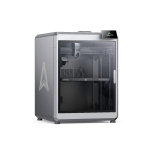
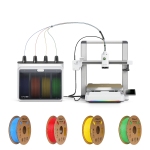
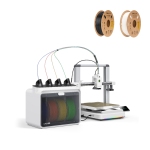
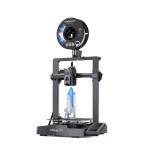
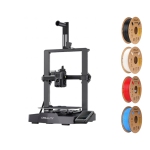
Exploring the World of Filament 3D Printing
What is a filament 3D printer?
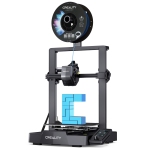
A filament 3D printer is a type of additive manufacturing technology that creates three-dimensional objects by laying down successive layers of material. Also known as FDM or FFF 3D printers, these printers use a spool of thermoplastic filament that is fed through a heated nozzle, melted, and extruded layer by layer to create the final object. They are popular because they are generally affordable, easy to use, and compatible with a wide range of materials, making them suitable for everything from hobby projects and education to prototyping and functional parts.
What types of filament can be used in 3D printers?
Filament 3D printers can use a variety of materials, each offering different benefits. PLA is often bio-based and one of the easiest materials to print with, making it a great option for beginners, school projects, and decorative prints. ABS is durable and heat-resistant, making it suitable for stronger functional parts, although it usually requires higher print temperatures and better ventilation. PETG offers a strong balance of durability, impact resistance, moisture resistance, and easier printing compared to ABS. Other specialty filaments include TPU for flexible prints, Nylon for strong and durable parts, ASA for outdoor or UV-resistant prints, and composite materials infused with wood, metal, or carbon fibre for more specific applications.
How do I choose the right filament 3D printer?
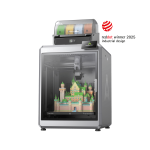
Choosing the right filament 3D printer depends on your needs, experience level, and the types of projects you want to create. For beginners and hobbyists, a compact printer with simple setup, automatic bed levelling, and easy filament loading may be enough. Professionals and enthusiasts may want to look for larger build volumes, higher resolution, faster print speeds, enclosed build chambers, and broader filament compatibility. Features such as multi-colour or multi-material printing, app controls, built-in cameras, and advanced monitoring can also be helpful depending on how you plan to use the printer. It’s also important to check which filament types the printer supports, especially if you want to work with flexible, abrasive, or high-temperature materials.
What accessories are essential for filament 3D printing?
To improve the filament 3D printing experience, several accessories can be useful. Extra build plates, high-quality nozzles, replacement parts, adhesion aids, cleaning tools, and calibration tools can help maintain print quality and reduce downtime. Different nozzle sizes can also support different levels of detail or faster printing, while hardened nozzles are recommended for abrasive filaments such as carbon fibre-infused materials. Filament dryers, dry boxes, or airtight storage containers are especially helpful for moisture-sensitive materials like Nylon, PETG, and TPU. Post-processing tools such as sanding equipment, paints, and varnishes can also be useful for finishing printed objects.
Can filament 3D printers produce detailed models?
Filament 3D printers can produce detailed models, with the final quality depending on the printer’s resolution, nozzle size, filament type, and calibration. Printers that can produce thinner layers can create smoother surfaces and finer details. Using the right nozzle size, print settings, and filament can also make a big difference in the final result. For highly detailed miniatures or very smooth finishes, resin printers may be better suited, but filament 3D printers remain a versatile option for detailed prototypes, models, functional parts, and everyday projects.
Are filament 3D printers suitable for beginners?
Filament 3D printers are a great option for beginners because they are widely available, relatively affordable, and supported by many easy-to-use materials. Beginner-friendly models often include pre-assembled designs, automatic bed levelling, simple touchscreen controls, and helpful software. PLA is usually the best starter filament because it is easy to print with, has low warping, and does not require the same advanced setup as materials like ABS or Nylon. As users become more comfortable, they can explore more advanced filaments, larger prints, and printer features such as faster print speeds or multi-colour printing.
How do I maintain my filament 3D printer?
Regular maintenance helps keep a filament 3D printer running smoothly and producing consistent results. This includes cleaning the build plate, checking the extruder nozzle for clogs, and making sure filament is stored in a dry, cool place. It’s also important to check belts, screws, and moving parts periodically, as loose components can affect print quality. Firmware and software updates should be installed when available, as they may improve printer performance, reliability, and available features. Regular lubrication of moving parts, nozzle cleaning, and proper filament storage can also help extend the life of the printer.
Find other types of 3D printers, such as resin printers, at Best Buy Canada.