
Microdermabrasion & Exfoliation Devices
Smooth, radiant, and evenly toned skin starts with consistent exfoliation, and at-home microdermabrasion and exfoliation devices make it easier than ever to achieve professional-level resurfacing results without leaving the house. By physically removing the outermost layer of dead skin cells, these devices reveal the fresher, healthier skin underneath while simultaneously supporting cell turnover, improving texture, and enhancing the absorption of the skincare products applied afterward. Once available only through dermatologists and professional skincare clinics, microdermabrasion technology has evolved into a range of accessible, user-friendly consumer devices that deliver meaningful, visible improvements with regular use. Whether you are addressing dullness, rough texture, enlarged pores, hyperpigmentation, or the early signs of aging, a microdermabrasion or exfoliation device offers one of the most direct and effective approaches to skin resurfacing available for home use today.
How Microdermabrasion Works
Microdermabrasion is a mechanical exfoliation technique that works by abrading the outermost layer of the skin — known as the stratum corneum — to remove dead skin cells, unclog pores, and stimulate the skin's natural renewal process. At-home devices replicate this process using either a diamond-tip exfoliation head or fine crystal particles combined with a vacuum suction mechanism that simultaneously lifts away loosened skin cells and debris while promoting circulation in the underlying tissue.
The suction component plays an important role beyond simple debris removal. By creating negative pressure against the skin's surface, it stimulates blood flow and lymphatic drainage, supporting the delivery of oxygen and nutrients to skin cells and contributing to a healthier, more vibrant complexion over time. The combination of physical exfoliation and suction makes microdermabrasion one of the most thorough and effective surface-level skin treatments available without a professional appointment, and regular use has been shown to progressively improve skin texture, tone, and overall clarity.
Types of Microdermabrasion & Exfoliation Devices
The at-home microdermabrasion and exfoliation device category encompasses several distinct technologies, each offering a different approach to skin resurfacing:
Diamond-Tip Microdermabrasion Devices
Diamond-tip microdermabrasion devices use a abrasive diamond-encrusted tip to manually exfoliate the skin as the device is moved across the face or body. Combined with built-in suction, these devices offer precise, controlled exfoliation that can be adjusted in intensity to suit different skin types and treatment areas. Diamond-tip devices are among the most popular at-home options due to their durability, hygiene advantages over crystal-based systems, and ability to deliver consistent, repeatable results session after session.
Crystal Microdermabrasion Devices
Crystal microdermabrasion devices work by propelling fine aluminum oxide or sodium bicarbonate crystals onto the skin's surface to abrade and exfoliate, then suctioning away the spent crystals along with the loosened skin cells. While less common in consumer devices than diamond-tip alternatives, crystal systems can deliver a thorough and effective exfoliation and are well suited to those looking for a deeper resurfacing treatment.
Sonic and Vibration Exfoliation Devices
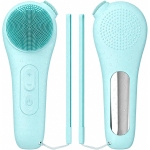
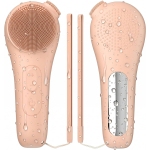
Sonic exfoliation devices use high-frequency vibration or oscillation to loosen and remove dead skin cells, excess oil, and surface impurities without the abrasive action of traditional microdermabrasion. These devices are generally gentler than diamond-tip or crystal systems, making them a strong choice for those with sensitive or reactive skin who still want the benefits of regular mechanical exfoliation. Many sonic exfoliation tools also incorporate silicone bristle heads or textured surfaces to enhance cleansing and exfoliation simultaneously.
Dermaplaning and Blade Exfoliation Devices
Dermaplaning devices use a fine, precision blade to remove dead skin cells and fine vellus hair — commonly known as peach fuzz — from the surface of the face. The result is an exceptionally smooth skin surface that reflects light more evenly and allows skincare products to absorb more effectively. At-home dermaplaning tools have grown significantly in popularity as a quick, low-commitment exfoliation option that can be incorporated into a routine with minimal preparation or downtime.
Exfoliating Cleansing Brushes and Pads
At the gentler end of the exfoliation spectrum, motorized cleansing brushes and exfoliating pads provide a daily or near-daily exfoliation option that removes surface impurities, dead skin cells, and makeup residue while supporting overall skin clarity. These tools are ideal as a complement to deeper exfoliation devices and are particularly well suited to those who are new to mechanical exfoliation or prefer a lighter touch in their daily routine.
Key Benefits of At-Home Microdermabrasion and Exfoliation
Incorporating a microdermabrasion or exfoliation device into a regular skincare routine delivers a wide range of benefits that extend well beyond simple surface smoothness:
Improved Skin Texture and Smoothness
Regular mechanical exfoliation removes the buildup of dead skin cells that contribute to rough, uneven texture, revealing softer, smoother skin with a noticeably more refined surface. Consistent use progressively improves overall skin quality, making skin feel and appear healthier over time.
Brighter, More Radiant Complexion
Dead skin cell accumulation is one of the primary causes of a dull, lackluster complexion. By removing this surface layer, exfoliation devices instantly brighten the skin's appearance and restore natural radiance, giving the face a fresher and more awake look.
Reduction of Hyperpigmentation and Uneven Skin Tone
Microdermabrasion and exfoliation support accelerated cell turnover, which over time helps fade the appearance of dark spots, post-inflammatory hyperpigmentation, sun damage, and uneven skin tone. Regular exfoliation encourages the skin to shed pigmented surface cells more efficiently, progressively revealing a more even and uniform complexion.
Minimized Appearance of Pores By clearing the buildup of dead skin cells and sebum that can stretch and enlarge the appearance of pores, regular exfoliation helps keep pores cleaner and visually smaller. Microdermabrasion's suction component further supports pore clarity by actively drawing out impurities from within.
Enhanced Skincare Product Absorption One of the most practical and immediate benefits of regular exfoliation is its impact on the effectiveness of other skincare products. By removing the barrier of dead skin cells on the surface, exfoliation allows serums, moisturizers, and treatment products to penetrate more deeply and perform more effectively, maximizing the value of your broader skincare investment.
Support for Anti-Aging Goals Microdermabrasion stimulates circulation and cell renewal in ways that support the skin's long-term health and resilience. Over time, consistent exfoliation can help soften the appearance of fine lines, improve skin firmness, and contribute to a more youthful overall complexion by keeping the skin's renewal processes active and efficient.
Microdermabrasion, Exfoliation, and Your Skincare Routine
For best results, microdermabrasion and exfoliation devices should be used on clean skin free of makeup and excess oil. Following a session, the skin will be primed to receive the full benefit of any serums, essences, or moisturizers applied immediately afterward, making post-exfoliation product application an important step in the routine. Sun protection is also essential following any form of mechanical exfoliation, as freshly exfoliated skin is more susceptible to UV damage. Most at-home microdermabrasion devices are recommended for use one to three times per week depending on skin type and sensitivity, while gentler sonic and cleansing brush tools may be suitable for more frequent daily use.
Why Choose an At-Home Microdermabrasion or Exfoliation Device
At-home microdermabrasion and exfoliation devices offer a highly cost-effective way to access professional-level skin resurfacing on a consistent, ongoing basis. A single device replaces the need for repeated clinic visits, delivering comparable results at a fraction of the long-term cost. With a range of technologies available to suit every skin type — from powerful diamond-tip microdermabrasion tools to gentle sonic cleansing devices — there is an exfoliation solution for every concern, budget, and experience level. For anyone serious about maintaining smooth, bright, and healthy skin over the long term, an at-home exfoliation device is one of the most practical and impactful additions to a modern skincare routine.
Frequently Asked Questions About Microdermabrasion Devices
What is the difference between microdermabrasion and regular exfoliation?
Regular exfoliation typically refers to the use of chemical exfoliants such as AHAs and BHAs, or manual scrubs that remove surface dead skin cells. Microdermabrasion goes a step further by combining mechanical abrasion with suction to more thoroughly resurface the skin, unclog pores, and stimulate circulation, delivering a deeper and more comprehensive exfoliation than standard methods.
How often should I use a microdermabrasion device at home?
Most at-home microdermabrasion devices are recommended for use one to three times per week, depending on your skin type and sensitivity level. Those with sensitive skin should begin with once-weekly sessions and gradually increase frequency as the skin adjusts. Over-exfoliating can compromise the skin barrier, so it is important to follow the manufacturer's recommended usage guidelines.
Can microdermabrasion help with acne scars?
At-home microdermabrasion can help improve the appearance of superficial acne scarring and post-inflammatory hyperpigmentation over time by accelerating cell turnover and progressively resurfacing the skin. For deeper or more significant scarring, professional treatments may be more appropriate, and a dermatologist consultation is recommended.
Is microdermabrasion suitable for sensitive skin?
Many at-home microdermabrasion devices offer adjustable intensity settings that can be dialed down to suit more sensitive skin types. For those with highly reactive or compromised skin, sonic or vibration-based exfoliation devices offer a gentler alternative that still delivers meaningful exfoliation benefits without the abrasive action of diamond-tip or crystal systems.
Should I apply skincare products after using a microdermabrasion device?
Yes, applying serums and moisturizers immediately after a microdermabrasion session is highly recommended. Freshly exfoliated skin is significantly more receptive to active ingredients, meaning products will absorb more deeply and perform more effectively. Always follow exfoliation with a broad-spectrum SPF if treating during the day or planning sun exposure shortly after.
Can I use a microdermabrasion device on my body as well as my face?
Many at-home microdermabrasion devices are suitable for use on the body as well as the face and come with interchangeable heads or attachments designed for larger surface areas. Common body treatment areas include the neck, décolletage, hands, and arms. Always check the manufacturer's guidelines to confirm which areas are appropriate for your specific device.