Face Exfoliators
Looking to achieve smooth and radiant skin? Look no further than our selection of face exfoliators. These essential skincare products are designed to gently remove dead skin cells, unclog pores, and reveal a fresh and glowing complexion. Whether you prefer a physical scrub or a chemical exfoliant, we have a wide range of options to suit every skin type and concern. From luxurious formulas infused with natural ingredients to advanced technologies that target specific skin concerns, our collection of face exfoliators has something for everyone. Say goodbye to dullness and hello to a brighter, more youthful-looking complexion with our top-notch selection of face exfoliators.
Sort
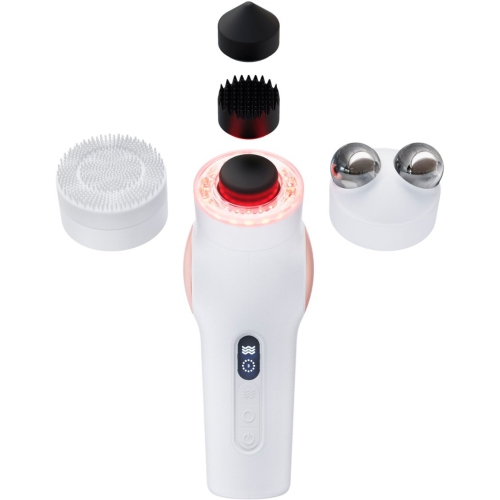
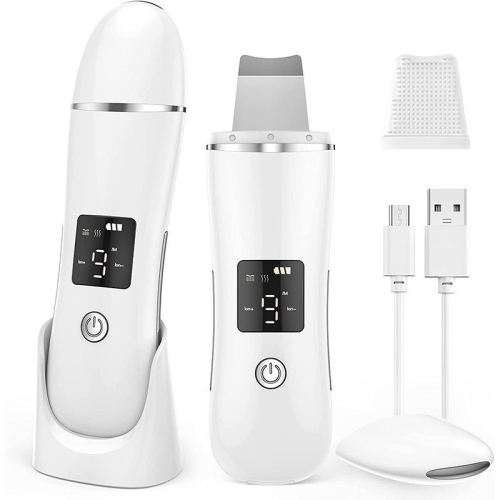

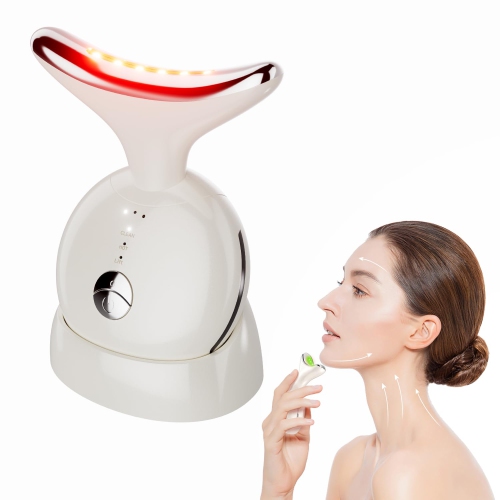
How exfoliating acids support smoother, more comfortable-looking skin
Face exfoliators are designed to lift away dead skin cells and help reveal a smoother, more refreshed-looking complexion. As skin naturally sheds, those cells can remain on the surface, leaving it feeling rough, looking dull, or making skincare and makeup sit unevenly. Exfoliating products approach this process in different ways, so choosing the right format depends on your skin type, comfort level, and routine. Chemical exfoliators use acids to loosen the bonds between dead skin cells, allowing them to be rinsed away without scrubbing. Alpha hydroxy acids, commonly called AHAs, work mainly on the skin’s surface and may be a good choice for people focused on dry patches, uneven texture, or a lacklustre appearance. Glycolic acid is often selected for a more intensive resurfacing effect, while lactic acid is typically associated with a gentler feel. Beta hydroxy acids, or BHAs, are oil-soluble and can travel into pores, making them a popular option for oily or blemish-prone skin. Salicylic acid is the best-known BHA and may help clear away excess oil and buildup. Polyhydroxy acids, or PHAs, have larger molecules that work more gradually at the surface and can suit people looking for a milder exfoliating experience. Enzyme exfoliators use fruit-derived enzymes to break down surface buildup, while physical exfoliators rely on fine particles or textured formulas to manually buff the skin. Each type can have a place in a well-rounded routine, but more intense exfoliation is not necessarily better. The goal is skin that feels comfortable, soft, and balanced rather than tight, stinging, or overly polished.
When comparing face exfoliators, start by considering how your skin usually behaves. Dry skin may respond well to a mild AHA, PHA, or enzyme formula that helps smooth flaky areas without a harsh scrubbing sensation. Oily skin may benefit from a BHA format that targets oil and pore buildup, especially around the forehead, nose, and chin. Combination skin can call for a more selective approach, such as applying exfoliation only to areas that feel congested rather than treating the entire face at the same intensity. Sensitive skin often benefits from fragrance-free options, fewer active ingredients, and a lower-frequency routine. Physical scrubs can feel satisfying, particularly when the particles are fine and the pressure is light, but vigorous rubbing may leave some complexions feeling irritated. Check the ingredient list for the exfoliating agent, its concentration when provided, and supporting ingredients that may make the formula feel more comfortable. A leave-on liquid, serum, or toner can be convenient for someone who prefers a simple evening routine, while a rinse-off mask or cleanser may feel easier to control. Those who already use retinoids, acne treatments, strong vitamin C formulas, or other exfoliating products should avoid layering too many active ingredients at once. Introduce one new product at a time, follow the package directions, and begin with occasional use before increasing frequency if the skin remains comfortable. A patch test can help identify potential sensitivity, and daily sunscreen is especially important because exfoliation can leave skin more vulnerable to sun exposure. During cooler months, indoor heating and brisk weather can make the face feel drier, so alternating exfoliation with a gentle moisturiser can help maintain a comfortable routine. Cleansing beforehand can remove makeup, oil, and surface residue; browse Facial Cleansers to find a complementary step for preparing skin without overcomplicating your regimen.
Face exfoliators can be useful for many routines, from someone building a first skincare collection to an experienced beauty enthusiast refining a familiar ritual. They can also make a thoughtful gift for a friend, family member, or partner who enjoys self-care, provided the formula suits the recipient’s preferences and skin concerns. For a gift, a gentle and versatile option is often easier to choose than a highly concentrated formula, particularly if you do not know whether the recipient has dry, oily, combination, or sensitive skin. Texture and application style matter as much as ingredients: some people enjoy massaging a creamy scrub over the face and rinsing it away, while others prefer the quiet simplicity of applying a liquid with their hands and letting it work as directed. A practical routine might involve cleansing, applying an exfoliator according to its instructions, and following with a moisturiser to help the skin feel supple. Exfoliating should not be used on broken, sunburned, freshly shaved, or visibly irritated skin, and it is wise to pause if persistent redness, burning, or discomfort develops. Avoid the delicate eye area unless the product specifically states that it is suitable there. The right choice is one that fits naturally into everyday habits: a gentle rinse-off formula for someone who likes a quick shower routine, a targeted BHA for someone managing an oily T-zone, or a mild enzyme treatment for a weekend reset. With consistent, moderate use, face exfoliators can help skin feel smoother beneath fingertips, create a more even canvas for moisturiser and makeup, and bring a fresh sense of care to a routine during the cooler seasons.
When comparing face exfoliators, start by considering how your skin usually behaves. Dry skin may respond well to a mild AHA, PHA, or enzyme formula that helps smooth flaky areas without a harsh scrubbing sensation. Oily skin may benefit from a BHA format that targets oil and pore buildup, especially around the forehead, nose, and chin. Combination skin can call for a more selective approach, such as applying exfoliation only to areas that feel congested rather than treating the entire face at the same intensity. Sensitive skin often benefits from fragrance-free options, fewer active ingredients, and a lower-frequency routine. Physical scrubs can feel satisfying, particularly when the particles are fine and the pressure is light, but vigorous rubbing may leave some complexions feeling irritated. Check the ingredient list for the exfoliating agent, its concentration when provided, and supporting ingredients that may make the formula feel more comfortable. A leave-on liquid, serum, or toner can be convenient for someone who prefers a simple evening routine, while a rinse-off mask or cleanser may feel easier to control. Those who already use retinoids, acne treatments, strong vitamin C formulas, or other exfoliating products should avoid layering too many active ingredients at once. Introduce one new product at a time, follow the package directions, and begin with occasional use before increasing frequency if the skin remains comfortable. A patch test can help identify potential sensitivity, and daily sunscreen is especially important because exfoliation can leave skin more vulnerable to sun exposure. During cooler months, indoor heating and brisk weather can make the face feel drier, so alternating exfoliation with a gentle moisturiser can help maintain a comfortable routine. Cleansing beforehand can remove makeup, oil, and surface residue; browse Facial Cleansers to find a complementary step for preparing skin without overcomplicating your regimen.
Face exfoliators can be useful for many routines, from someone building a first skincare collection to an experienced beauty enthusiast refining a familiar ritual. They can also make a thoughtful gift for a friend, family member, or partner who enjoys self-care, provided the formula suits the recipient’s preferences and skin concerns. For a gift, a gentle and versatile option is often easier to choose than a highly concentrated formula, particularly if you do not know whether the recipient has dry, oily, combination, or sensitive skin. Texture and application style matter as much as ingredients: some people enjoy massaging a creamy scrub over the face and rinsing it away, while others prefer the quiet simplicity of applying a liquid with their hands and letting it work as directed. A practical routine might involve cleansing, applying an exfoliator according to its instructions, and following with a moisturiser to help the skin feel supple. Exfoliating should not be used on broken, sunburned, freshly shaved, or visibly irritated skin, and it is wise to pause if persistent redness, burning, or discomfort develops. Avoid the delicate eye area unless the product specifically states that it is suitable there. The right choice is one that fits naturally into everyday habits: a gentle rinse-off formula for someone who likes a quick shower routine, a targeted BHA for someone managing an oily T-zone, or a mild enzyme treatment for a weekend reset. With consistent, moderate use, face exfoliators can help skin feel smoother beneath fingertips, create a more even canvas for moisturiser and makeup, and bring a fresh sense of care to a routine during the cooler seasons.
Top selling and popular products
-
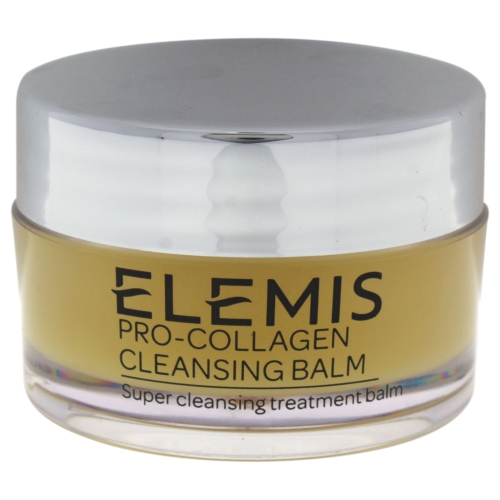 Your price for this item is $32.68
 -
 Your price for this item is $60.13
 -
 Your price for this item is $19.14
 -
 Your price for this item is $49.95
 -
 Your price for this item is $14.98
 -
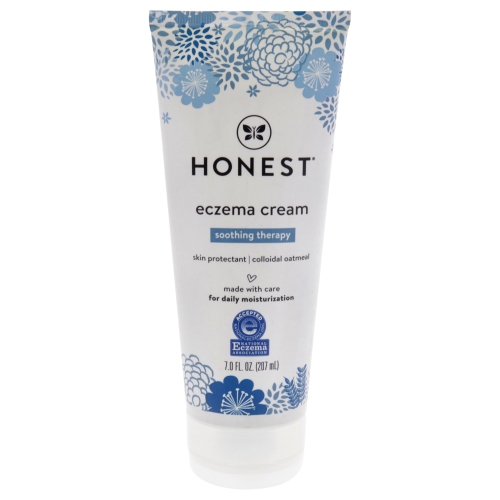 Your price for this item is $28.27
 -
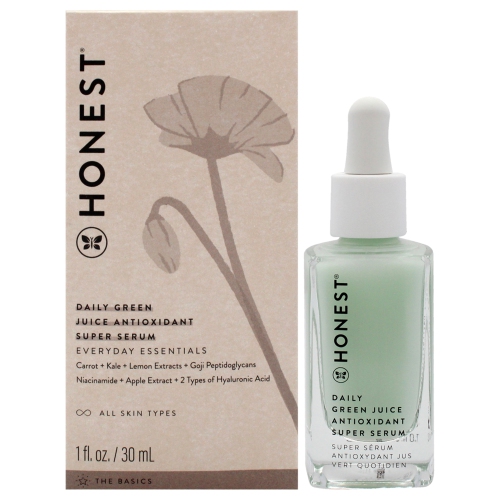 Your price for this item is $40.23
 -
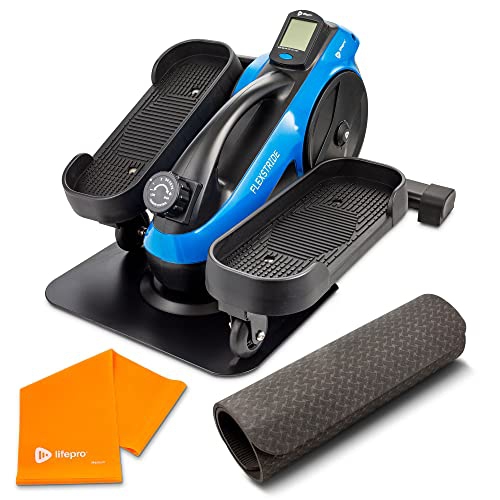 Your price for this item is $239.99
Discover more categories related to Face Exfoliators
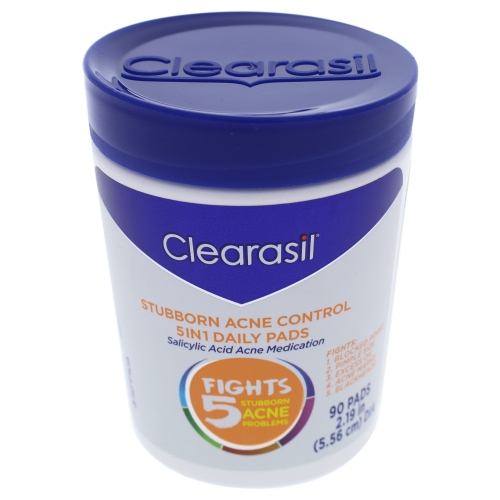
Top Collections:
Pokemon Centers, Kindle Devices, Best Budget Office Chairs, Apple iPhones 16, Best Laptops for Writers, iPhone 15 Apple, Canon G7X Cameras, Refurbished Apple Laptops, Alarm Clock, Motorola Razr Phones
Some products may be subject to Environmental Handling Fees
(EHF) depending on your province.
Learn more about EHFs.