
Back Massagers
Back pain and chronic muscle tension in the back are among the most universally experienced physical complaints in modern life, affecting people across every age group, activity level, and lifestyle. Whether it is the deep, aching tightness that develops in the lower back from prolonged sitting, the sharp tension that accumulates in the upper back and shoulders from desk work and poor posture, or the persistent soreness that follows physical activity and heavy lifting, back discomfort has a way of affecting every dimension of daily life — from productivity and sleep quality to mood, mobility, and overall wellbeing. At-home back massagers offer a targeted, convenient, and increasingly sophisticated solution, delivering professional-quality therapeutic relief across every region of the back through a wide range of devices that combine shiatsu kneading, vibration therapy, heat treatment, percussive massage, and air compression to address back pain and tension at every depth and layer of the muscle tissue. From compact handheld back massagers and portable seat cushion devices to full-coverage back massage pads and wall-mounted shiatsu units, the at-home back massager category provides a comprehensive range of options suited to every type of back pain, lifestyle preference, and budget. For anyone serious about managing back discomfort proactively and maintaining long-term spinal and muscular health, investing in a quality at-home back massager is one of the most impactful and consistently rewarding decisions in personal wellness.
How Back Massagers Work
Back massagers work by applying targeted mechanical stimulation to the complex musculoskeletal structure of the back — an area encompassing multiple layers of muscle, connective tissue, and nerve pathways that extend from the base of the skull to the sacrum and are responsible for supporting posture, facilitating movement, and protecting the spinal column. The primary therapeutic mechanisms used across the back massager category include:
Shiatsu Kneading Shiatsu back massagers use rotating nodes or balls that apply deep, circular kneading pressure to the muscles of the back, replicating the thumb and palm pressure of traditional shiatsu bodywork. The kneading action penetrates deeply into the muscle tissue to release tension, break up adhesions in the fascia, stimulate circulation, and relieve the deep-seated muscular knots and trigger points that are among the most common sources of chronic back pain. Shiatsu kneading is the most widely used and therapeutically effective mechanism in back massager devices, and is particularly well suited to the treatment of the erector spinae, trapezius, rhomboid, and lumbar muscle groups that bear the greatest postural and mechanical load throughout the day.
Vibration Therapy Vibration back massagers deliver high-frequency oscillation across the surface of the back muscles to stimulate nerve endings, improve circulation, and provide broad surface-level relaxation and tension relief. While less penetrating than shiatsu kneading, vibration therapy is an effective and accessible option for everyday back relaxation, mild tension relief, and use in areas where the more intense pressure of a kneading massager would be uncomfortable. Many back massager devices combine vibration with other mechanisms — such as heat or rolling — to deliver a more comprehensive and layered therapeutic experience.
Heat Therapy Integrated heating elements in back massagers warm the muscle tissue and connective structures of the back to a therapeutic temperature that promotes vasodilation, increases local blood flow, and accelerates the release of muscular tension and stiffness. Heat therapy is particularly effective for the lower back, where deep lumbar muscle tension and the inflammation associated with conditions such as sciatica and disc-related pain respond strongly to warming stimulation. The combination of heat with shiatsu kneading or vibration significantly amplifies the overall therapeutic benefit of a back massage session, creating a deeply relaxing and pain-relieving experience that addresses both the surface and deeper layers of back muscle tension simultaneously.
Rolling Massage Rolling back massagers use motorized roller mechanisms that travel up and down the length of the spine — without applying direct pressure to the vertebrae — to provide a continuous, flowing massage stroke that releases tension along the full length of the paraspinal muscles and promotes spinal decompression and alignment. Rolling massage is particularly effective for those with generalized back stiffness and tightness along the full length of the spine, and is a key feature in many back massage pad and seat cushion devices that are designed to treat the entire back in a single session.
Percussive Therapy Handheld massage guns and percussive back massagers deliver rapid, concentrated bursts of deep tissue stimulation to specific muscle groups of the back, providing a level of deep tissue penetration and targeted knot relief that is particularly effective for the treatment of significant chronic tension, trigger points, and post-workout soreness in the large muscle groups of the back. Percussive therapy is the most powerful mechanism available in a handheld back massager format and is the preferred choice for those dealing with deep, stubborn muscle tension that surface-level massage techniques cannot adequately address.
Types of Back Massagers
Shiatsu Back Massager Cushions and Seat Pads Shiatsu back massager cushions are among the most popular and versatile back massager formats available, offering a portable, plug-in device that can be used on any chair, sofa, or car seat to transform any seated surface into a therapeutic massage station. These devices typically feature a set of rotating shiatsu kneading nodes positioned along the lumbar and mid-back regions, often combined with heat therapy and vibration for a comprehensive back massage experience. Many models include adjustable node positions and intensity settings that allow users to target specific areas of the back with precision. Shiatsu seat cushions are particularly well suited to office and car use, offering a practical and accessible way to manage desk-related back tension throughout the workday without leaving the chair.
Back Massage Pads and Full-Coverage Massagers Back massage pads are larger, flat devices designed to be placed against the back of a chair or laid flat on a bed or floor, providing full-coverage massage treatment across the entire back from the shoulders to the lumbar region. These devices typically incorporate multiple massage zones with independent controls, allowing different areas of the back to receive targeted treatment simultaneously. Rolling and kneading mechanisms are common in this format, along with heat therapy and vibration. Back massage pads are an excellent choice for those who want comprehensive, full-back coverage in a single device without the investment required by a full massage chair.
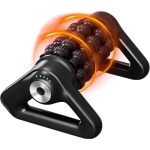
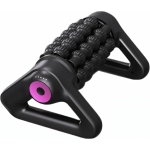
Handheld Back Massagers Handheld back massagers offer a portable, flexible, and user-directed approach to back pain relief, allowing targeted stimulation to be applied precisely where it is needed with full control over pressure, position, and intensity. These devices are available in vibration, percussion, and combination formats, with many models featuring extended handles or flexible heads that allow users to reach difficult areas of the mid and upper back without assistance. Handheld back massagers are the most versatile format in the category, suitable for use on any area of the back as well as other parts of the body, making them a practical and cost-effective choice for those who want a single multi-purpose massage device.
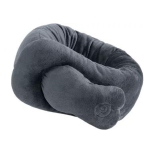
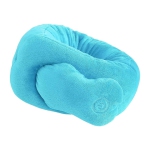
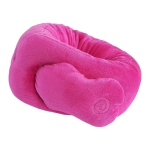
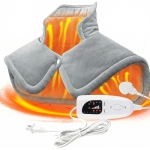
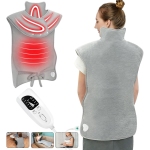
Neck and Back Wrap Massagers Neck and back wrap massagers are wearable, flexible devices that drape over the shoulders and upper back to deliver hands-free shiatsu kneading and heat therapy to the cervical and upper thoracic regions — the areas most commonly affected by desk work, poor posture, and stress-related tension. These devices are particularly convenient for use while seated, as they require no repositioning or active engagement from the user and can be worn while working, reading, or watching television. Neck and back wrap massagers are an excellent choice for those whose primary back pain concern is in the upper back and shoulder region and who value the convenience and accessibility of a hands-free treatment format.
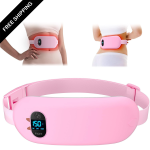
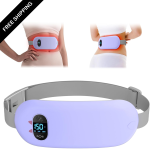
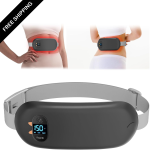
Lumbar Back Massagers Lumbar back massagers are specifically designed for targeted treatment of the lower back — the region most commonly affected by chronic back pain, disc-related discomfort, and the muscular tension associated with prolonged sitting and sedentary behavior. These devices are typically compact and contoured to fit the natural curve of the lumbar spine, delivering focused shiatsu kneading, heat therapy, or vibration directly to the lower back muscles without requiring the user to adjust position or actively hold the device in place. Lumbar massagers are available in plug-in and rechargeable formats, with many models designed for use in both home and office settings for consistent, accessible lower back care throughout the day.
Percussion and Massage Gun Back Attachments For those who already own a massage gun or percussive massager, a range of specialized back attachment heads — including flat heads for broad coverage, fork attachments for paraspinal muscle treatment, and extended arm accessories for reaching the mid and upper back independently — allow the percussive therapy device to be adapted for comprehensive back massage use. This makes a massage gun with appropriate attachments one of the most versatile and cost-effective back massager options available, particularly for those who already use percussive therapy for lower body recovery and want to extend its benefits to the back.
Key Benefits of Back Massagers
Relief from Chronic Back Pain Chronic back pain — whether in the lower, mid, or upper back — is one of the most significant and pervasive sources of physical discomfort and reduced quality of life in the modern population. Regular use of a back massager delivers meaningful, cumulative relief from the muscular tension, trigger points, and fascial adhesions that are among the most common contributors to chronic back pain, addressing the underlying physical causes of discomfort rather than simply masking the symptoms. With consistent use over weeks and months, many back pain sufferers report a significant and progressive reduction in pain severity, frequency, and impact on daily function.
Targeted Relief from Desk-Related Tension The postural demands of prolonged desk work — including forward head posture, rounded shoulders, and sustained lumbar flexion — create predictable patterns of muscular tension and overloading in the upper back, neck, and lower back that accumulate progressively throughout the workday. Regular back massager use — particularly during or after extended work sessions — directly addresses these tension patterns, releasing the contracted muscles, improving circulation in the overloaded tissue, and restoring a more balanced and comfortable postural alignment. For office workers and remote workers who spend the majority of their day seated, a back massager is one of the most practically impactful wellness investments available.
Improved Spinal Health and Posture Chronic muscular tension in the back contributes to postural imbalances that place uneven mechanical load on the spinal structures, accelerating wear on the intervertebral discs and facet joints and increasing the risk of degenerative spinal conditions over time. By regularly releasing the muscular tension that pulls the spine out of optimal alignment, back massagers support better postural balance, reduce mechanical load on the spinal structures, and contribute to the long-term health and resilience of the spine with consistent use.
Accelerated Recovery from Physical Activity The large muscle groups of the back — including the erector spinae, latissimus dorsi, and rhomboids — are heavily recruited during a wide range of athletic and physical activities, from weightlifting and rowing to running and cycling. Regular back massager use following physical training accelerates the recovery of these muscle groups by improving circulation, clearing metabolic waste, reducing delayed onset muscle soreness, and promoting the tissue repair necessary for continued athletic progress. Incorporating a back massager into a post-workout recovery routine alongside a massage gun for the lower body delivers a comprehensive and highly effective approach to full-body athletic recovery.
Stress Relief and Nervous System Regulation The back — and particularly the upper back, shoulders, and neck — is one of the primary sites of stress-related tension holding in the body. The act of releasing this tension through massage activates the parasympathetic nervous system, reducing cortisol levels, lowering heart rate, and promoting a state of deep physical and mental relaxation that extends well beyond the immediate area of treatment. Regular back massage therapy is a highly effective and accessible component of a broader stress management routine, offering fast, reliable, and deeply restorative relief from the physical and emotional burden of everyday stress.
Better Sleep Quality The relationship between back pain, muscle tension, and disrupted sleep is well established — chronic back discomfort is one of the most commonly cited causes of difficulty falling asleep and maintaining restful sleep throughout the night. By relieving the physical tension and pain that interfere with comfortable sleep positioning and relaxation, regular back massager use — particularly in the evening as part of a pre-sleep wind-down routine — can meaningfully improve both sleep onset and sleep quality, contributing to better overall health, energy levels, and cognitive function during the day.
Back Massagers and Common Back Conditions
Lower Back Pain Lower back pain is the most prevalent musculoskeletal complaint worldwide, and shiatsu lumbar massagers with heat therapy are among the most effective at-home devices for managing its symptoms. Targeted kneading and heat address the muscular and fascial contributors to lower back pain, while improved circulation supports the tissue healing and inflammation reduction necessary for progressive recovery.
Sciatica Sciatica — pain, numbness, and tingling that radiates from the lower back through the buttock and down the leg along the path of the sciatic nerve — often has a significant muscular component, with tension in the piriformis and lumbar muscles contributing to sciatic nerve compression and irritation. Gentle heat therapy and low-intensity vibration or shiatsu massage of the lower back and gluteal region can help relieve the muscular tension contributing to sciatic symptoms. Always consult a healthcare professional for persistent or severe sciatica before beginning a back massage therapy routine.
Upper Back and Shoulder Tension The upper back and shoulder region — including the trapezius, rhomboids, and levator scapulae — is the area most commonly affected by desk-related tension and stress-related muscle holding. Shiatsu neck and back wrap massagers, seat cushion devices with upper back coverage, and handheld percussive massagers are all highly effective for targeting this region, delivering deep kneading and heat relief that addresses the chronic tension patterns associated with prolonged screen use and poor postural habits.
Muscle Spasms Back muscle spasms — sudden, involuntary contractions of the back muscles that cause intense, sharp pain and restricted movement — respond well to the combination of heat therapy and gentle vibration massage, which helps relax the contracted muscle, improve circulation to the affected area, and reduce the pain and protective muscle guarding that perpetuate the spasm cycle. Avoid applying intense kneading or percussive pressure directly to an area in active spasm, and allow the acute phase to resolve before introducing more intensive massage therapy.
Choosing the Right Back Massager
Selecting the right back massager depends on the specific region of the back most affected, the type and severity of discomfort being managed, and the practical requirements of your daily routine:
For lower back pain and lumbar tension, a dedicated lumbar shiatsu massager with heat therapy or a full-coverage back massage pad with a focused lumbar zone delivers the most targeted and effective relief. For upper back and shoulder tension, a shiatsu neck and back wrap massager or a seat cushion with upper back kneading nodes addresses the most common desk-related tension patterns with hands-free convenience. For deep muscle knots and trigger points, a handheld percussive massage gun with appropriate back attachments delivers the most powerful and targeted deep tissue treatment available in a portable format. For full-back coverage and comprehensive treatment, a back massage pad or seat cushion with multiple independent zones provides the most versatile and thorough at-home back massage experience without the investment of a full massage chair.
Why Choose an At-Home Back Massager
At-home back massagers deliver professional-quality therapeutic relief from one of the most common and impactful sources of physical discomfort in modern life, on demand and without the recurring cost or scheduling constraints of professional massage appointments. With a wide range of technologies, formats, and price points available — from accessible seat cushion massagers to powerful handheld percussive devices — there is a back massager suited to every type of back pain, lifestyle, and budget. For anyone dealing with chronic back discomfort, desk-related tension, or the physical demands of an active lifestyle, investing in a quality at-home back massager is one of the most practical, impactful, and consistently rewarding decisions in personal wellness and self-care.
Frequently Asked Questions
What type of back massager is best for lower back pain?
A shiatsu lumbar back massager with built-in heat therapy is widely considered the most effective at-home device for lower back pain relief. The deep kneading action targets the lumbar muscle groups and plantar fascia directly, while heat therapy reduces inflammation and improves circulation in the affected tissue. For deeper, more stubborn tension and trigger points, a handheld percussive massage gun with a flat or ball attachment head delivers the most powerful targeted deep tissue treatment available outside of a professional clinic.
Can a back massager help with sciatica?
A back massager can provide meaningful symptomatic relief for sciatica by releasing the lumbar and gluteal muscle tension that contributes to sciatic nerve compression and irritation. Gentle heat therapy and low-intensity vibration or shiatsu massage of the lower back are the most appropriate starting points for those managing sciatica at home. Always consult a healthcare professional or physiotherapist for persistent or severe sciatic pain before beginning a back massage therapy routine, as the underlying cause of sciatica varies significantly between individuals.
How often should I use a back massager?
Daily use of a back massager for fifteen to thirty minutes is safe and beneficial for most people and delivers the most consistent cumulative relief from chronic back tension and pain. Those using a back massager specifically for post-workout recovery may benefit from a session immediately following physical activity, while those managing desk-related tension may find the most relief from a session at the end of the workday or before bed. Always follow the manufacturer's recommended usage guidelines for your specific device.
What is the difference between a back massager and a massage chair?
A back massager is a standalone device — such as a seat cushion, massage pad, handheld device, or wrap massager — that targets specific areas of the back with one or more therapeutic massage mechanisms. A massage chair is a fully integrated seating system that delivers comprehensive full-body massage treatment across the back, neck, shoulders, arms, legs, and feet simultaneously, with advanced features such as body scanning, zero-gravity recline, and multiple pre-programmed massage styles. Back massagers are more accessible, portable, and affordable, while massage chairs offer the most comprehensive and immersive at-home therapeutic massage experience available.