Lower Back Massagers
Ease your lower back tension and soothe sore muscles with this selection of innovative lower back massagers. Designed to provide targeted relief, these devices are perfect for anyone seeking relaxation and comfort after a long day. Whether you're working from home, hitting the gym, or simply in need of some self-care, this range of lower back massagers offers a variety of options to help you unwind and rejuvenate your body.
Sort
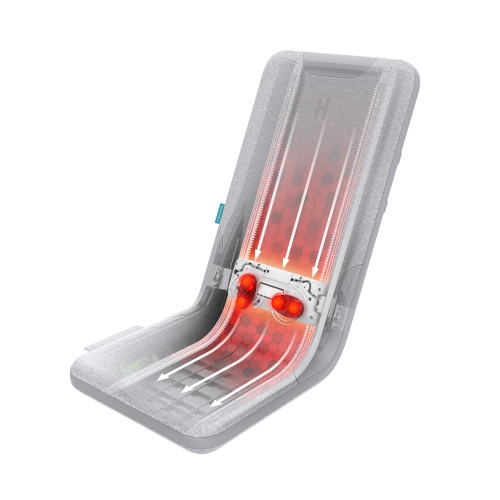
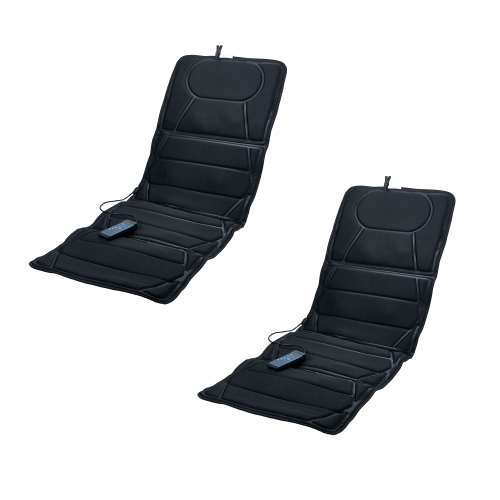

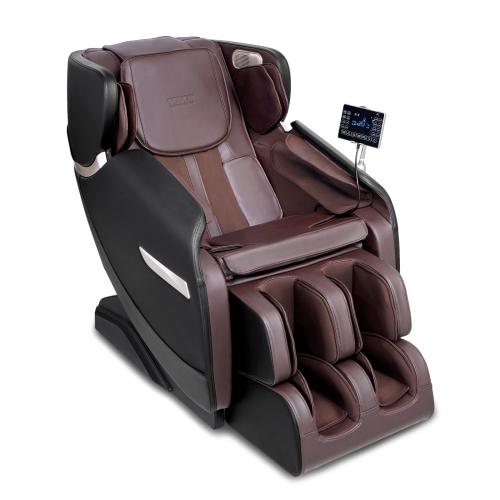
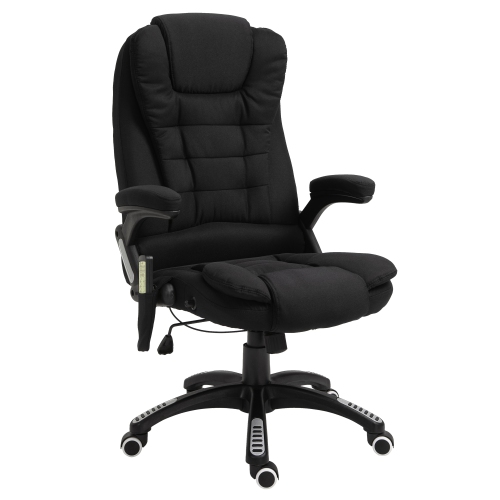
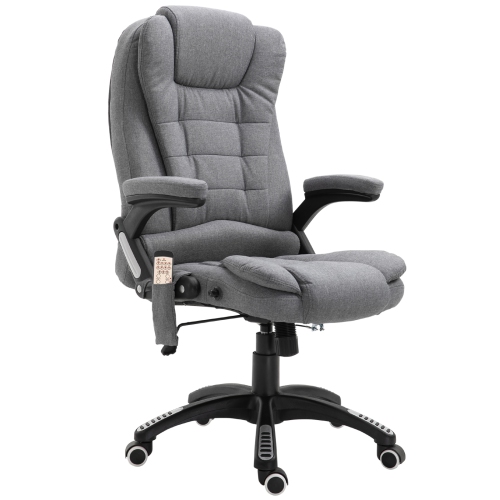
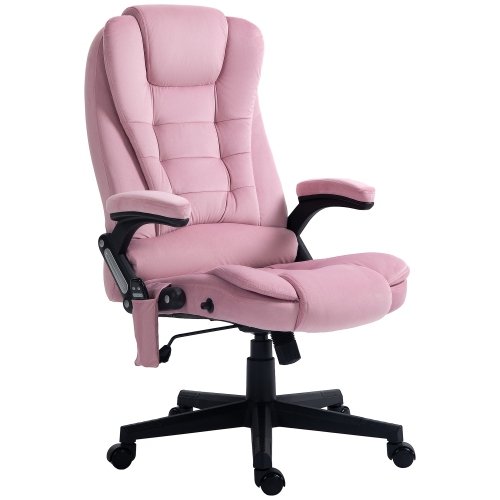
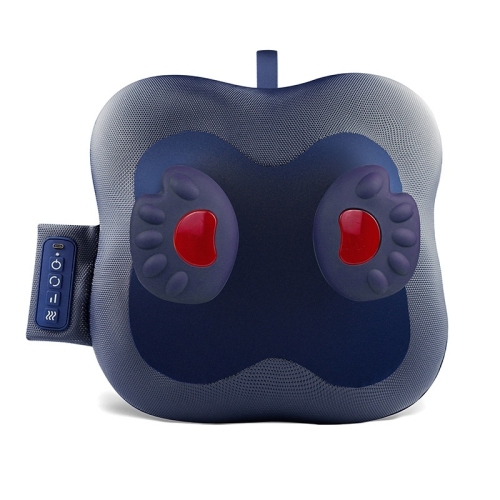
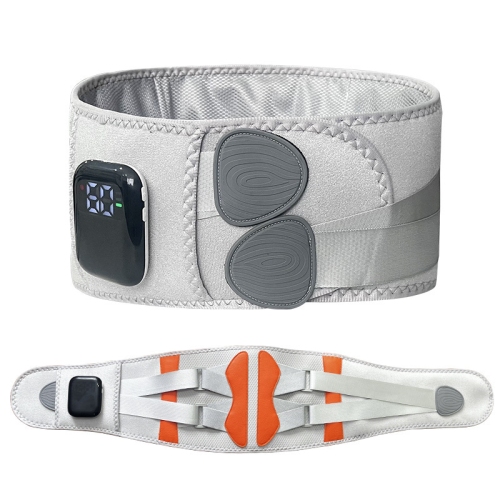
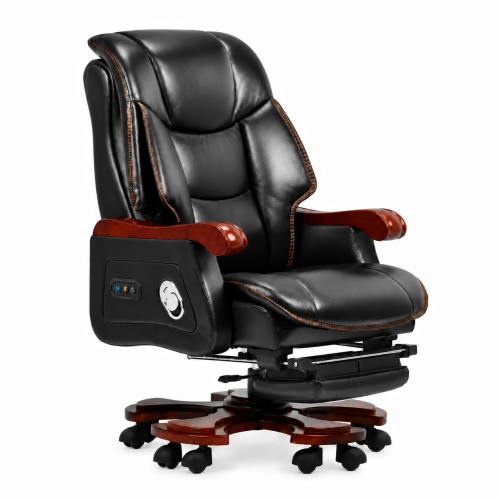
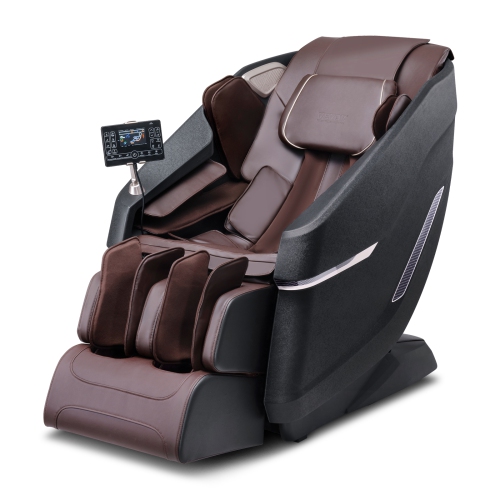
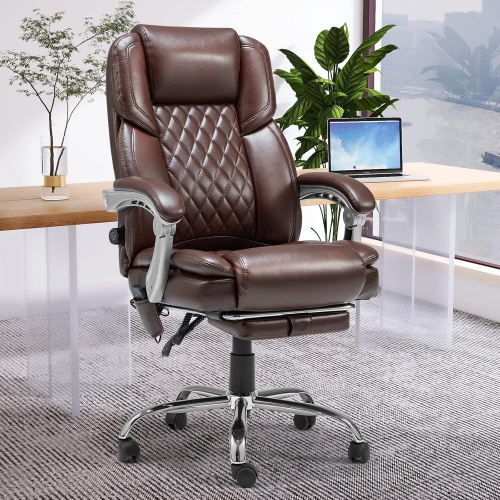
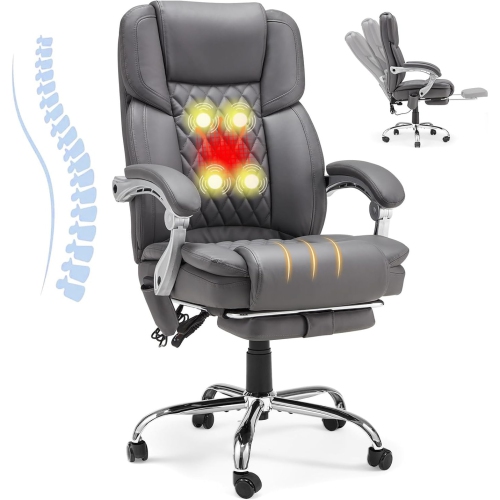
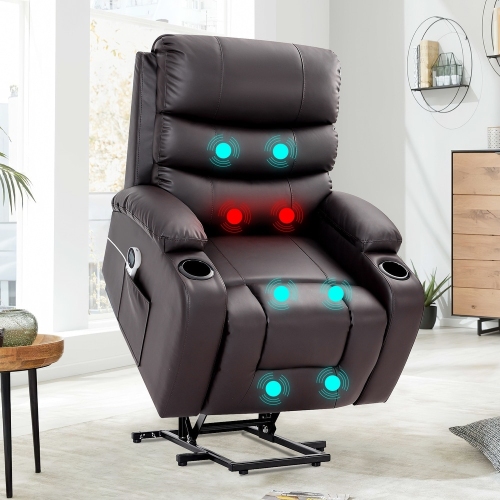
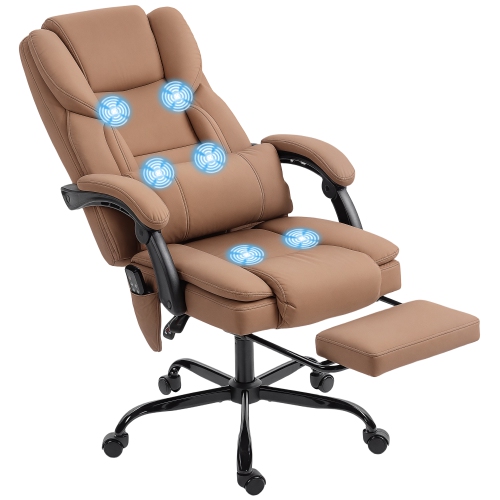
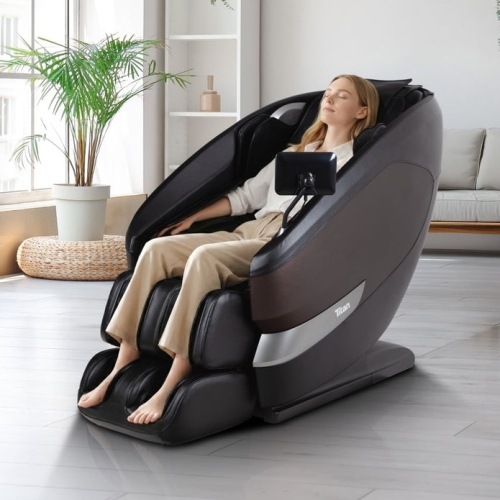
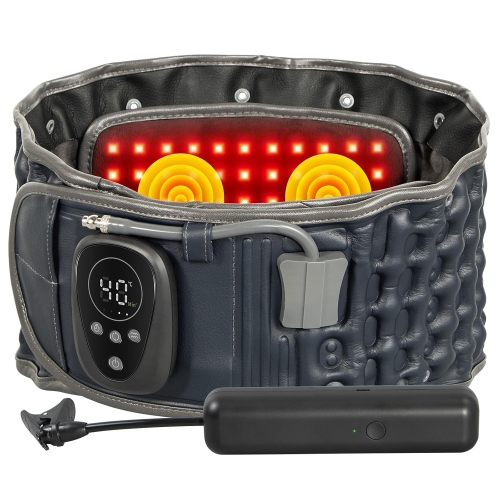
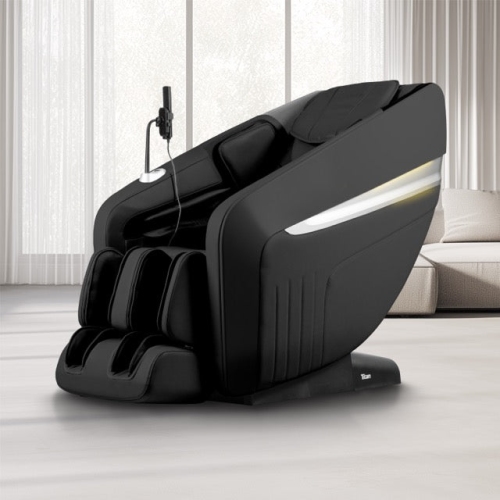
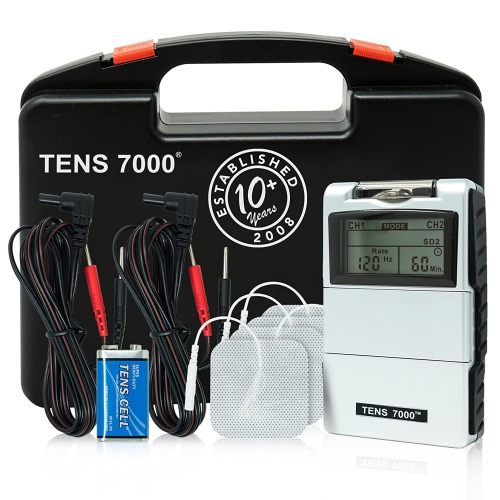
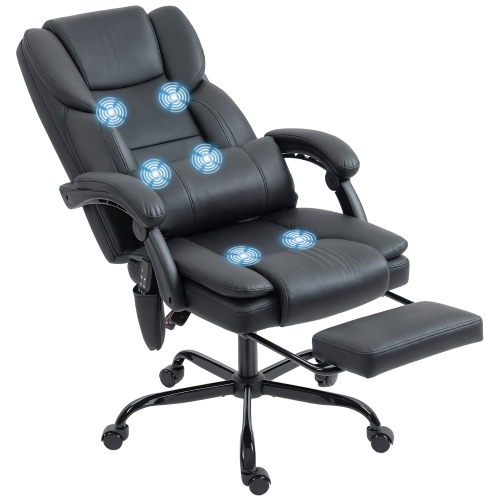
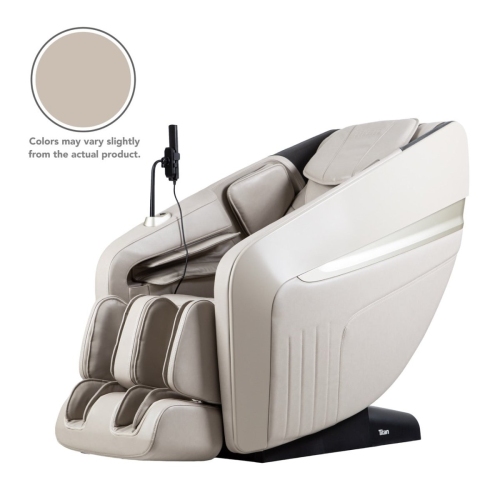
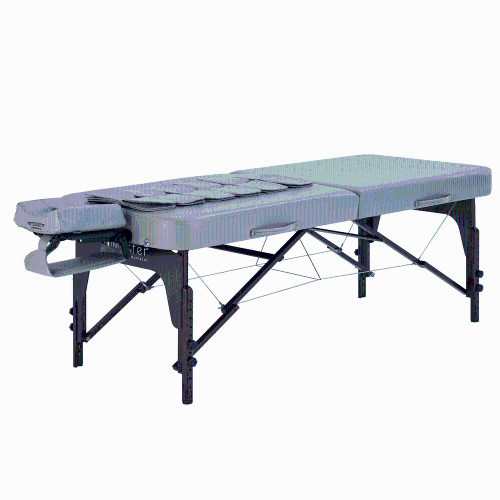
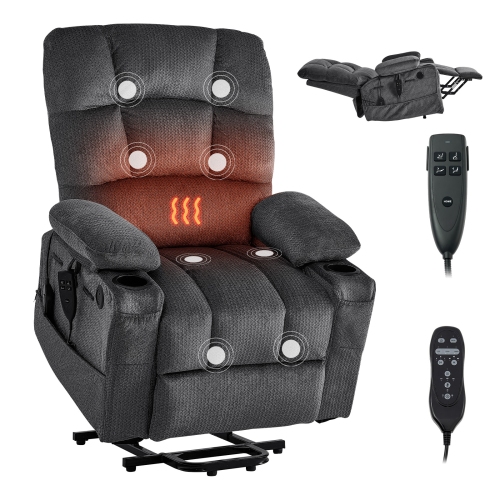
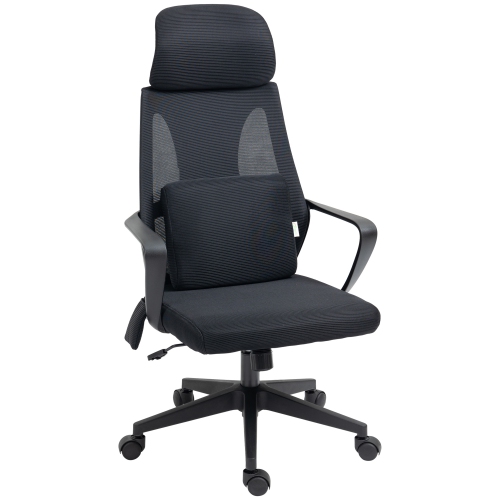
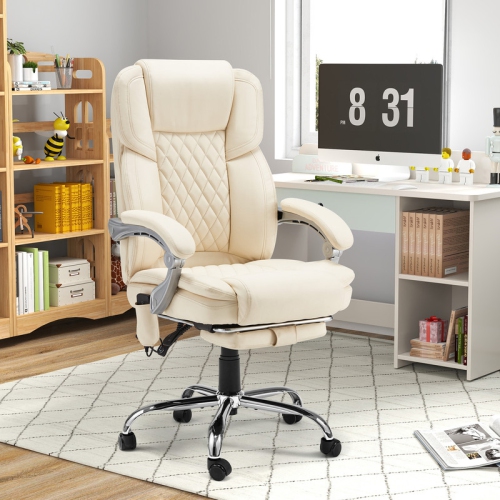
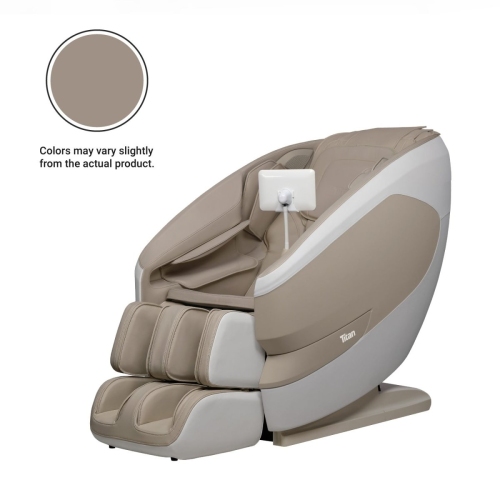
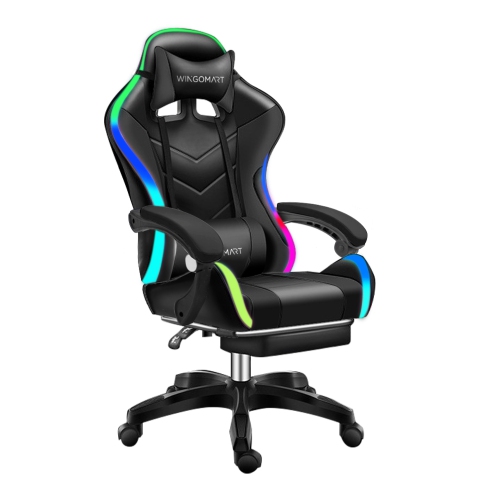
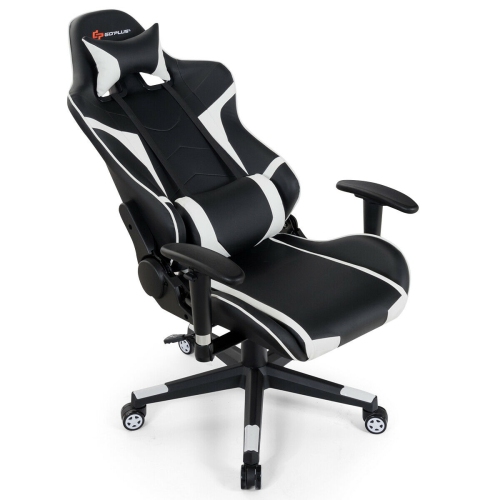
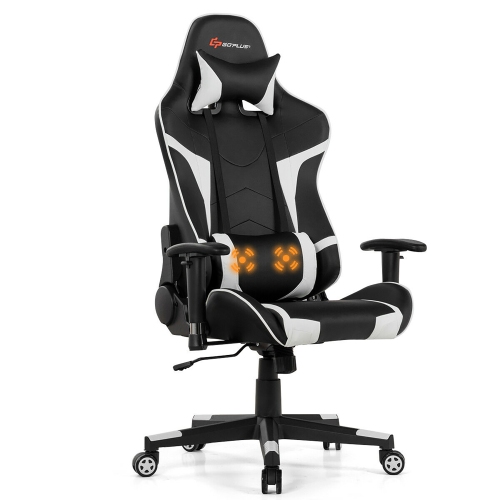
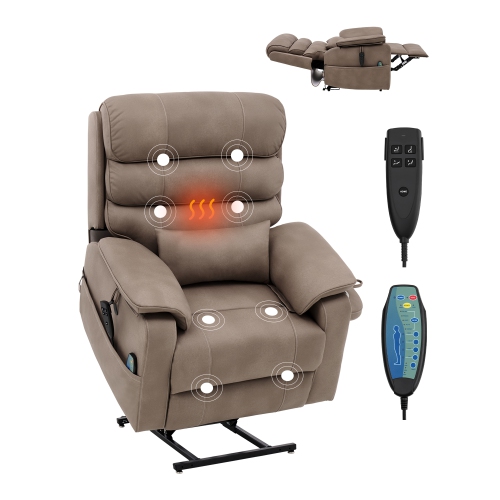
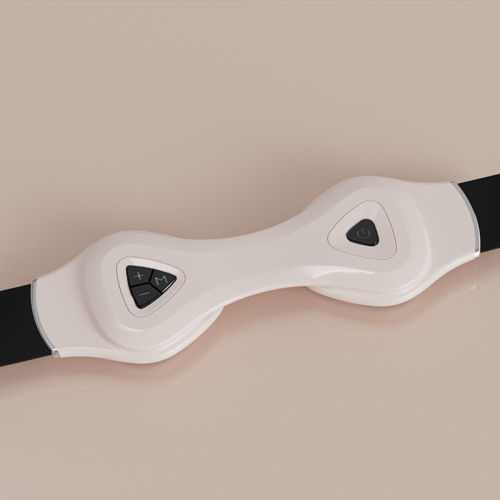
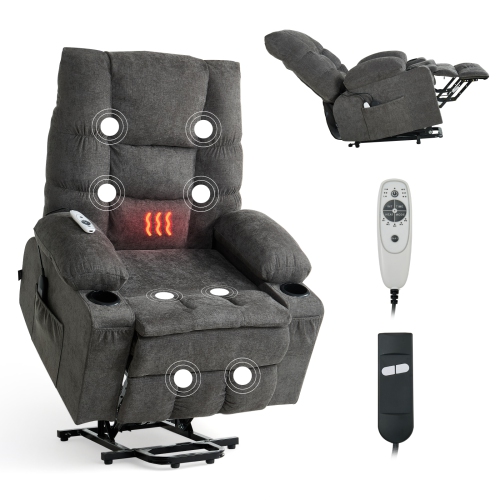
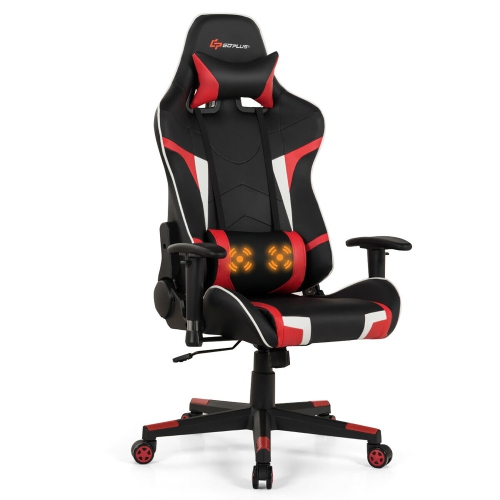
Targeted comfort after long days and commutes
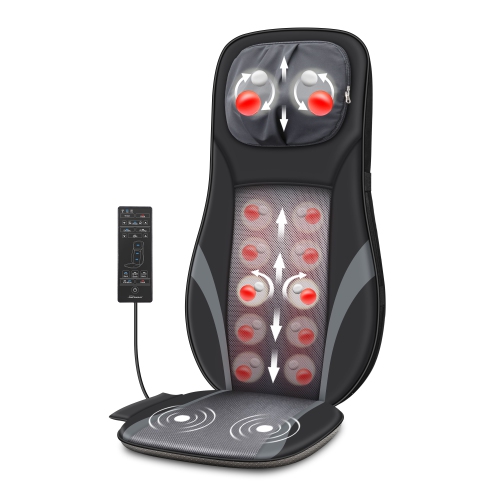
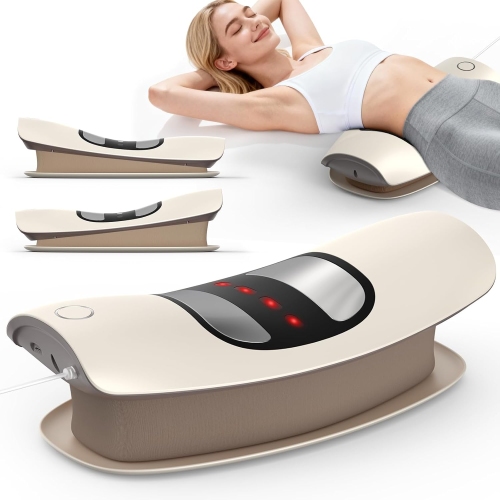
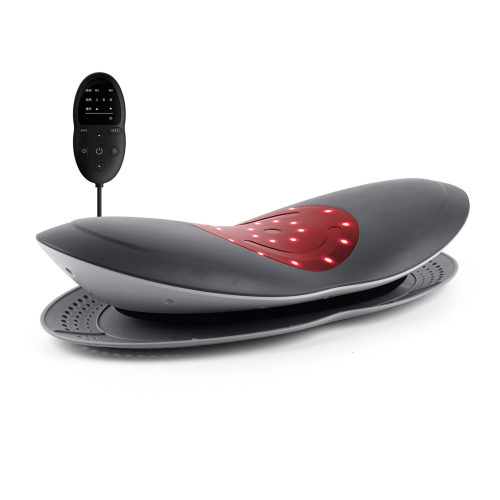
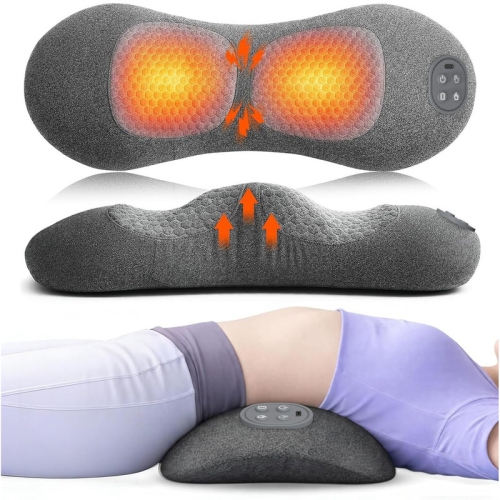
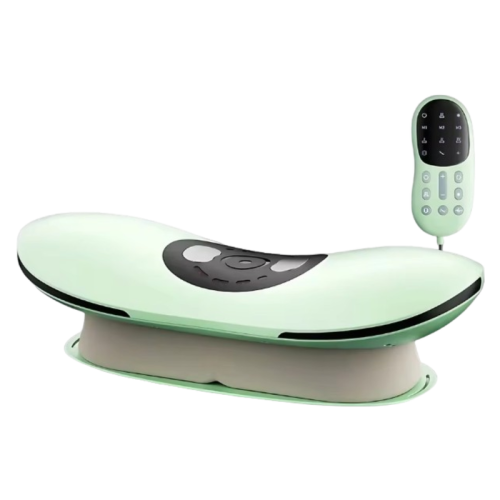
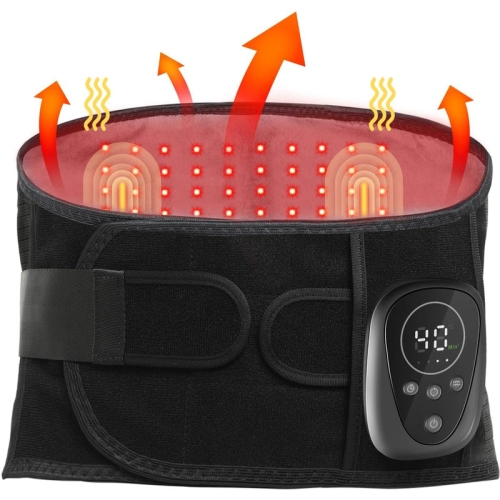
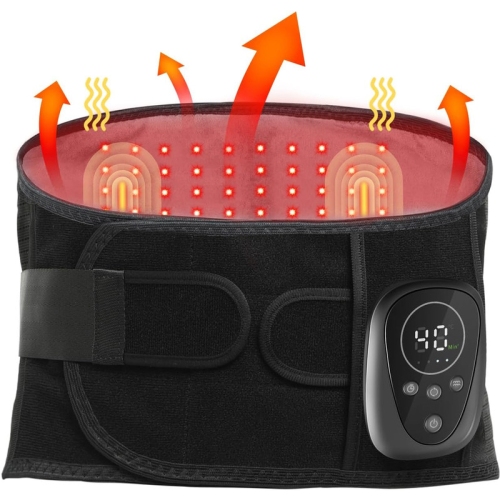
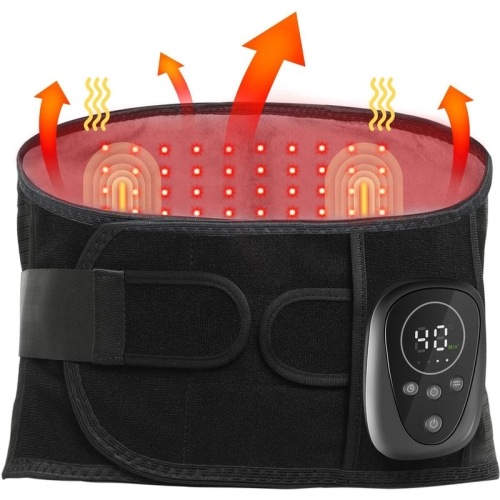
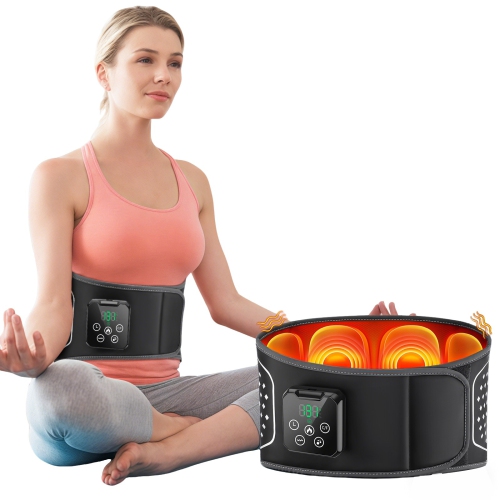
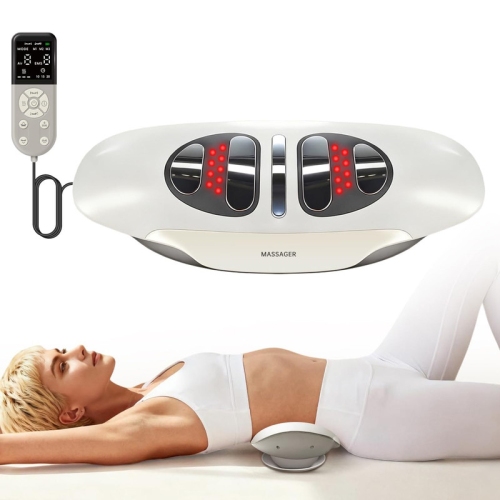
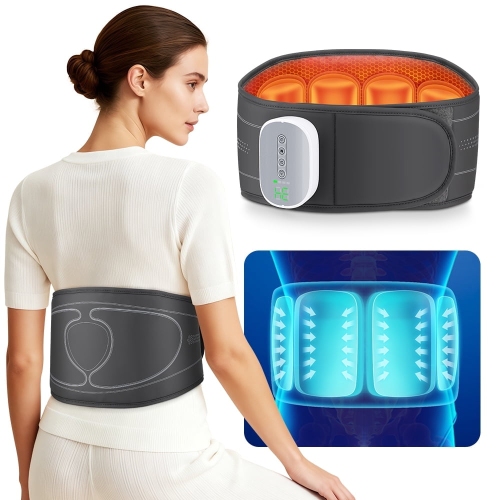
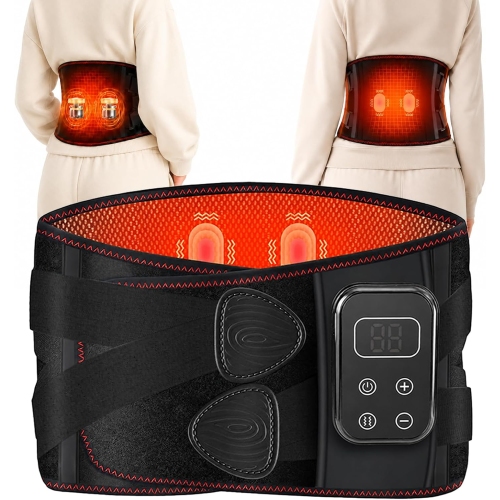
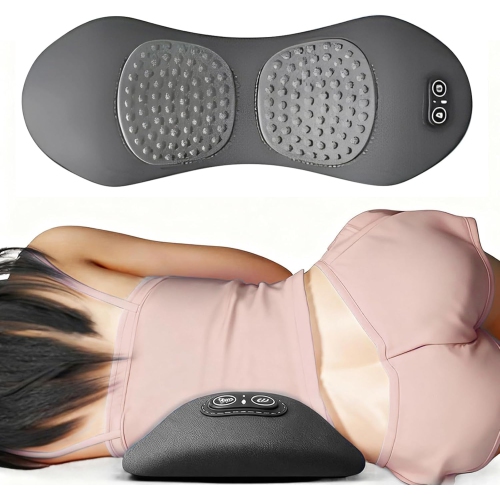
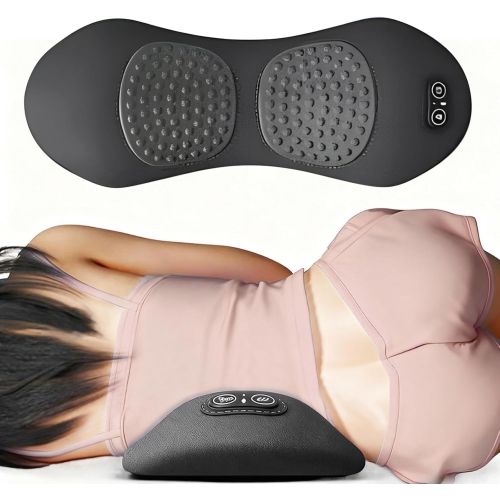
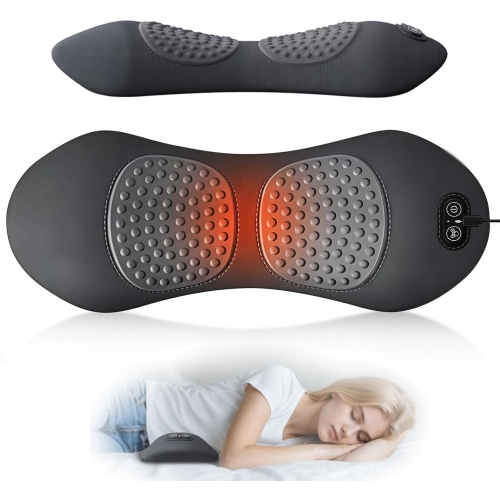
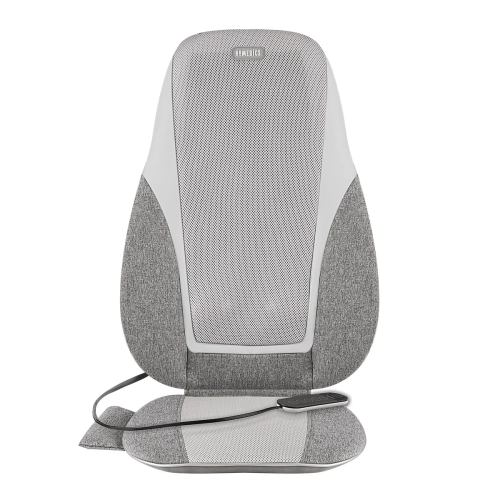
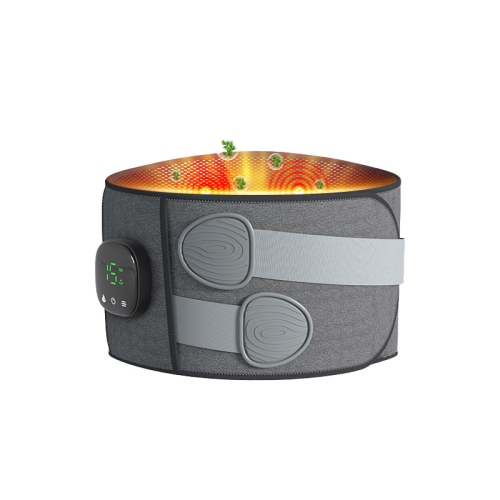
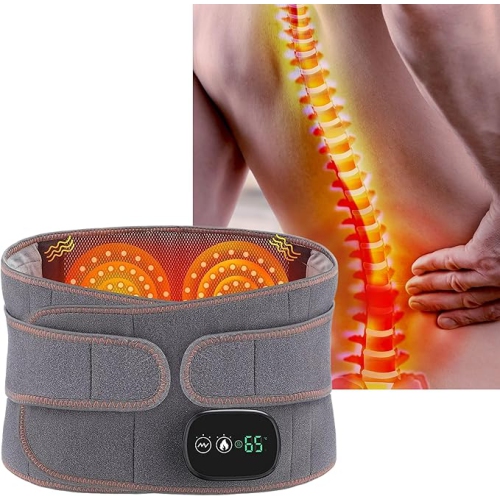
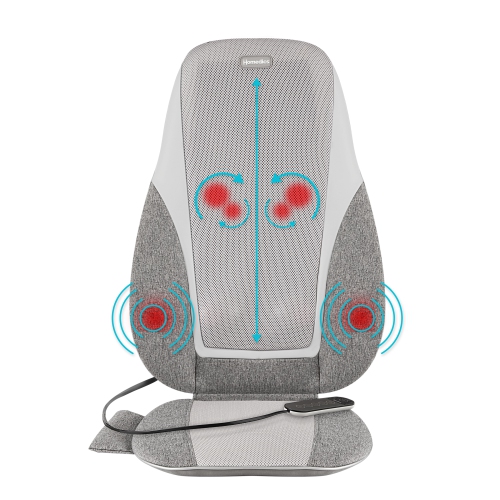
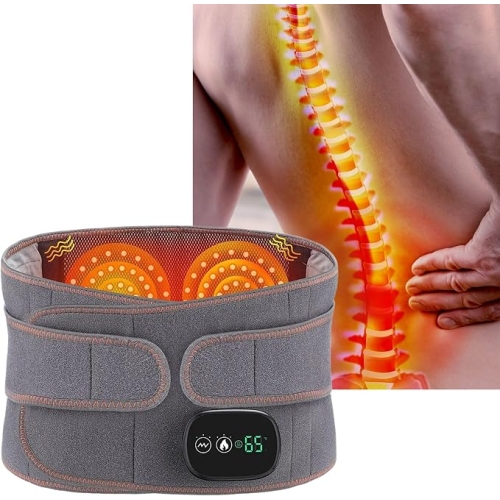
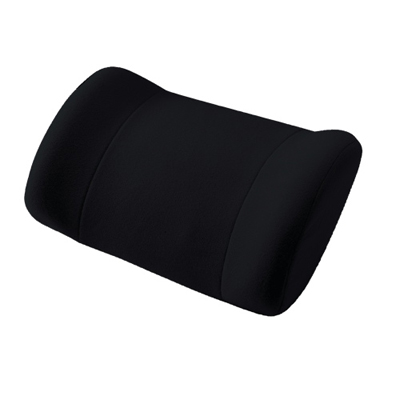
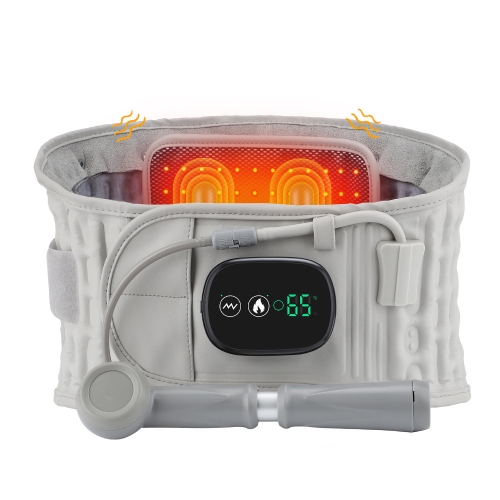
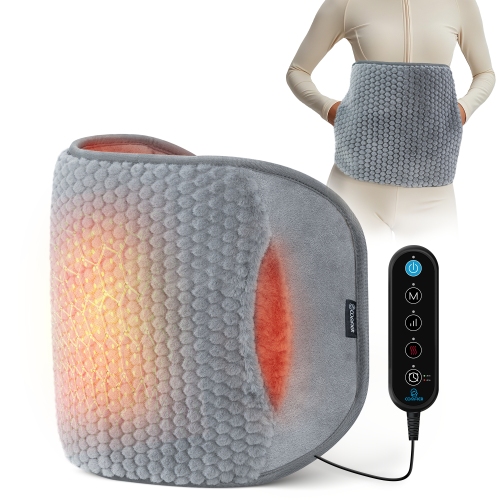
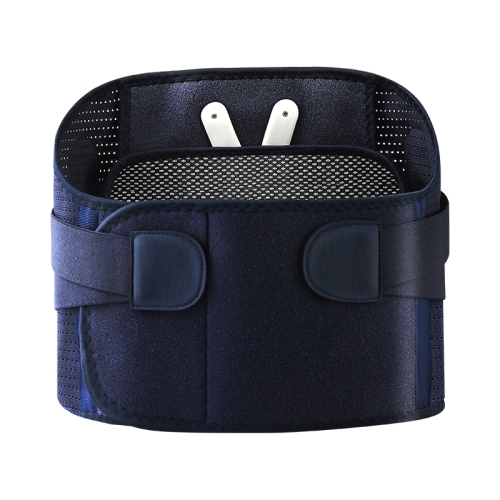
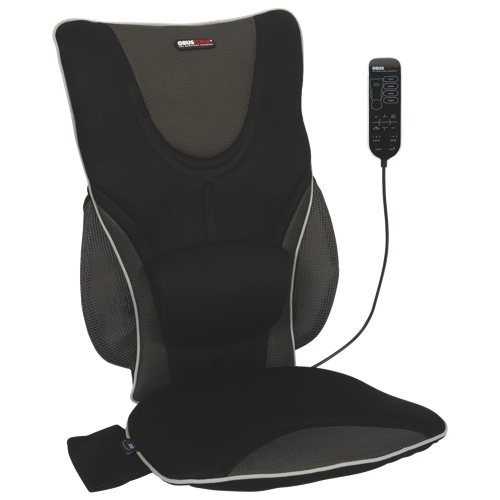
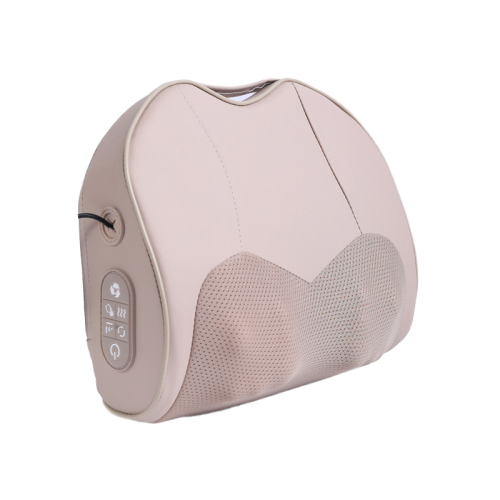
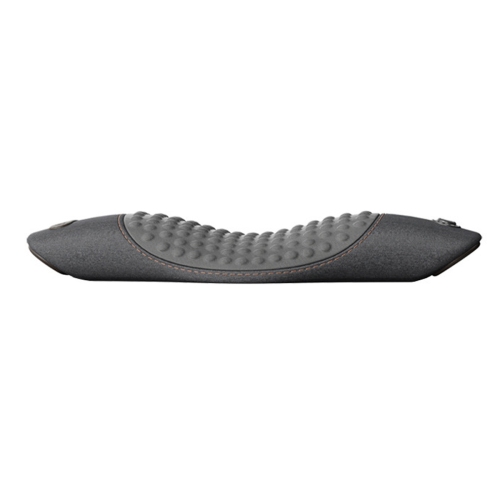
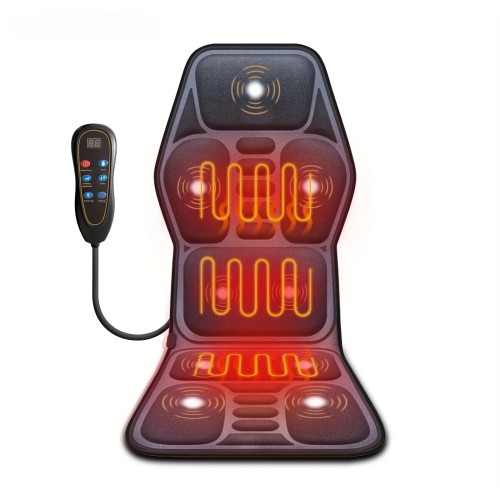
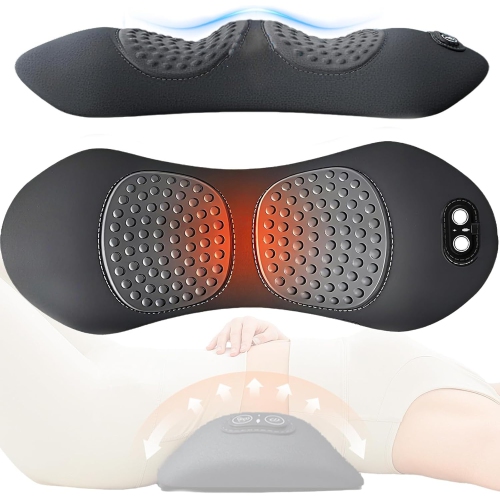
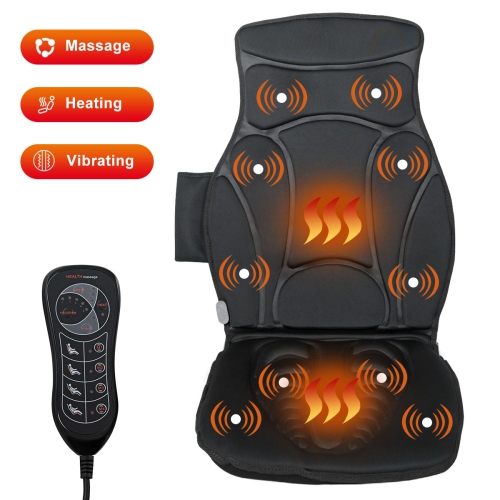
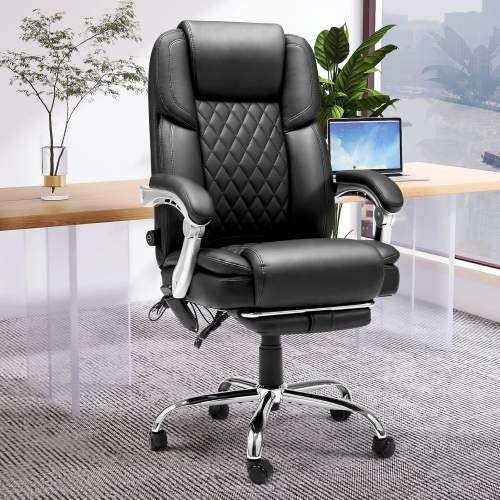
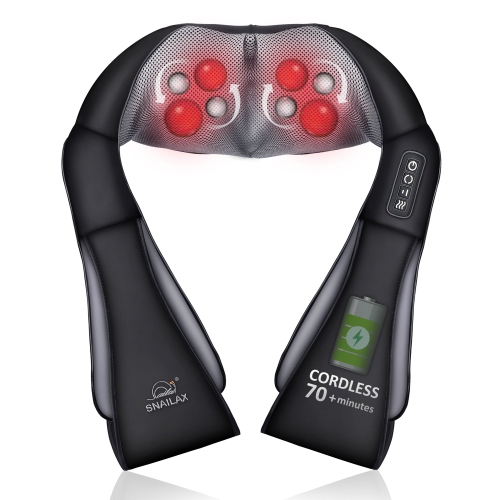
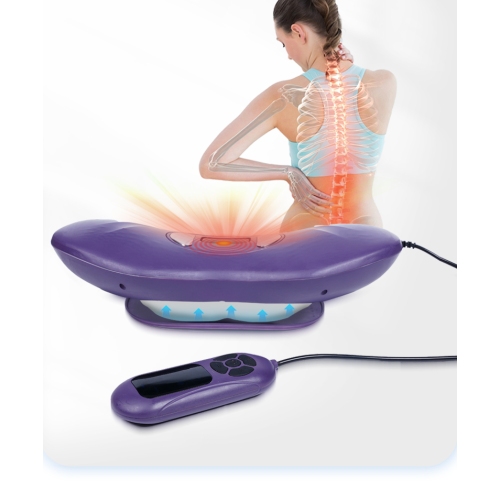
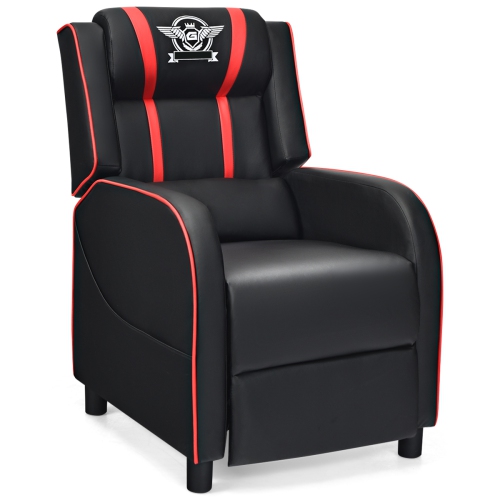
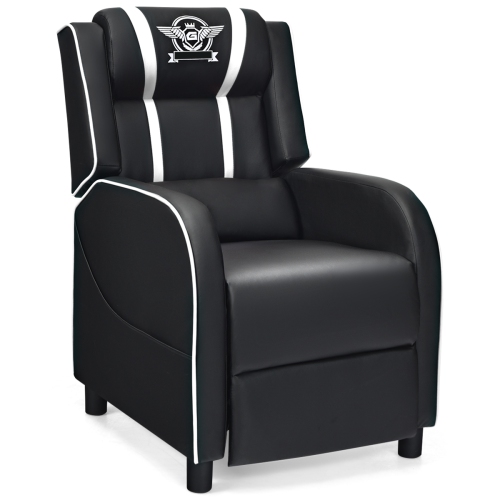
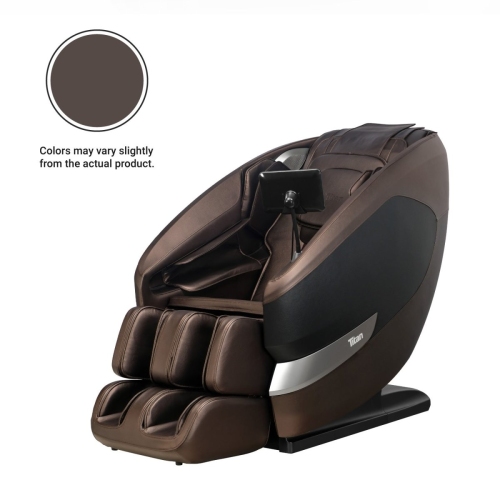
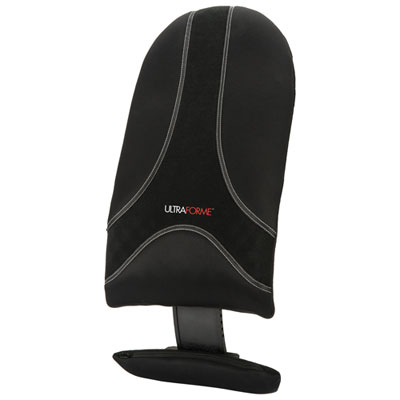
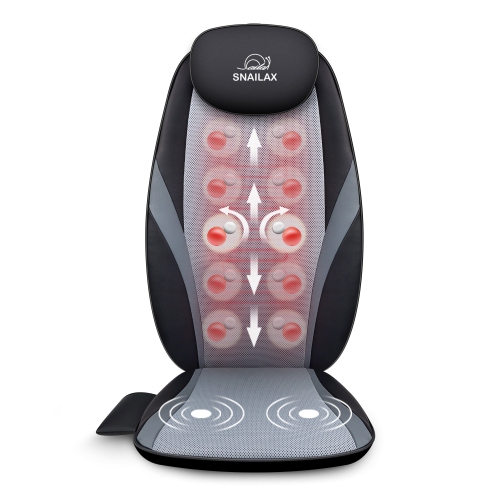
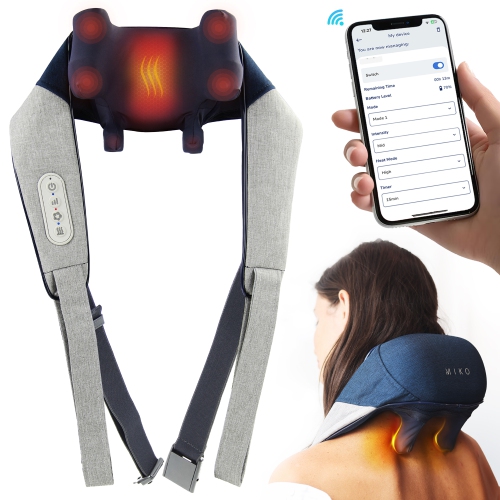
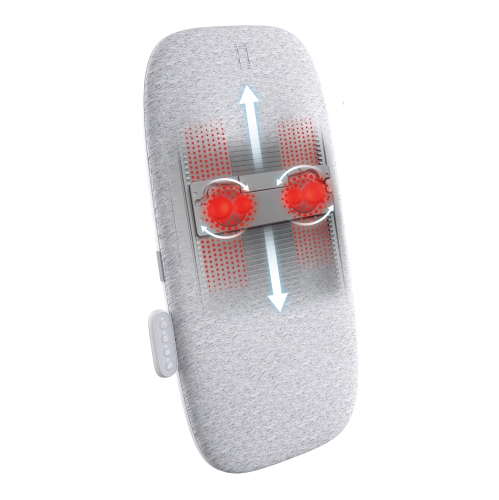
Lower back massagers are designed to bring targeted comfort to the lumbar area, where tension can build after long periods of sitting, standing, driving, lifting, or everyday activity. The right design can turn a dining chair, office seat, sofa, or bed into a more relaxing place to unwind. Shiatsu massage pillows are a popular choice because their rotating massage nodes create a kneading sensation that resembles the steady pressure of hands working through tight muscles. They are compact enough to move from room to room and can often be positioned precisely against the lower back rather than used across the entire body. Massage cushions offer broader support, with a larger surface that may cover the back while concentrating movement around the lumbar region. Some include travelling nodes that move up and down, while others provide a fixed massage zone for a more focused experience. Heat therapy is another common feature, adding gentle warmth that can feel especially soothing after a chilly commute or a day spent outdoors during the cooler months. Since heat and massage affect people differently, look for controls that let you operate each function separately and choose the combination that feels most comfortable. A timer or automatic shutoff is useful for relaxing without keeping track of the clock, while washable covers and straightforward controls make regular use easier. For a closer look at seating-style options, explore Massage Cushions for Lower Back Pain.
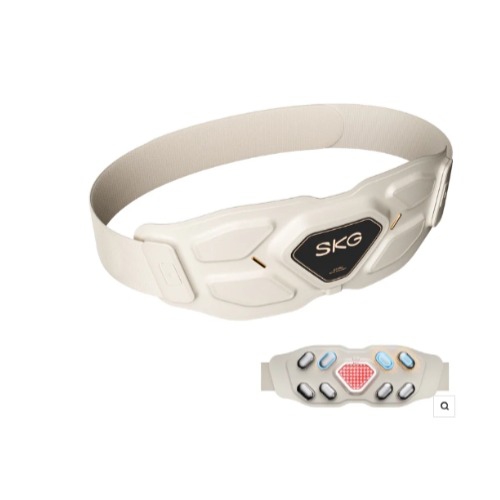
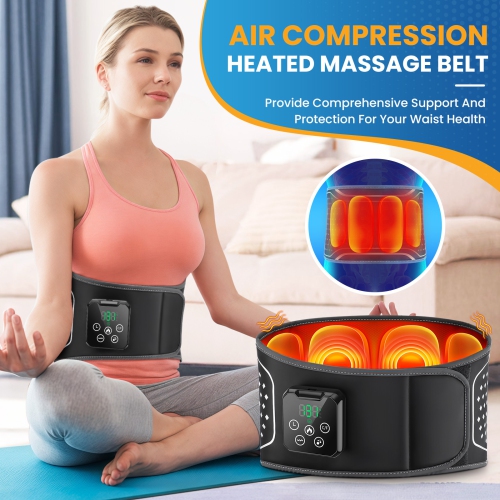
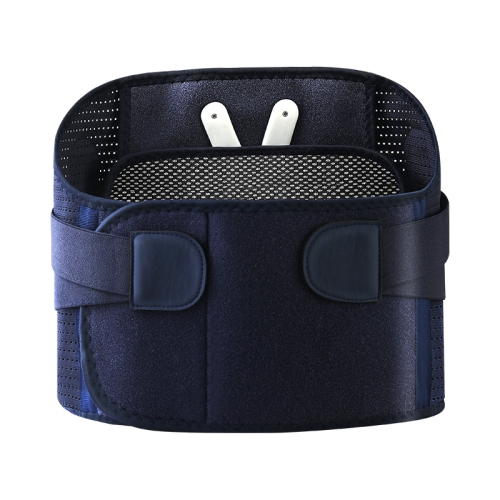
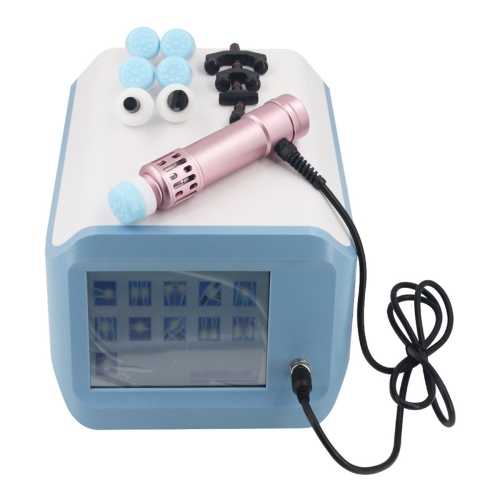
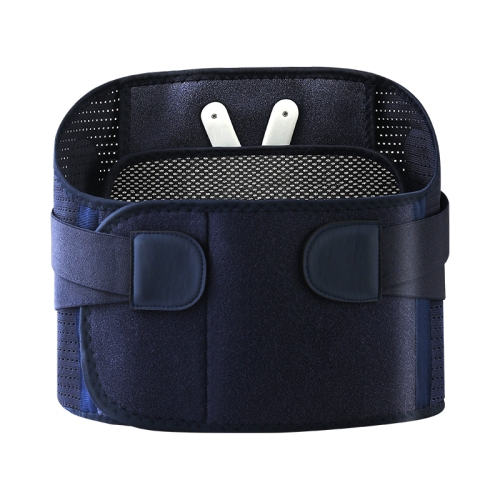
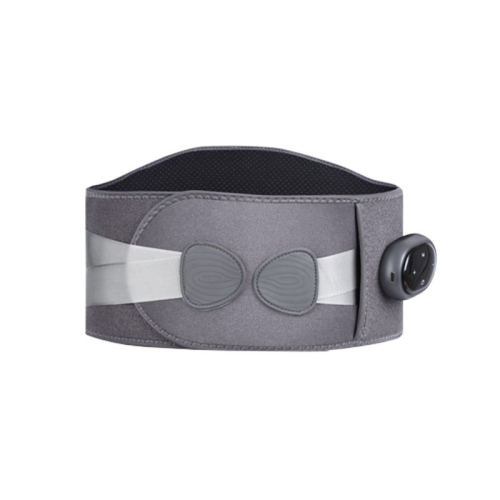
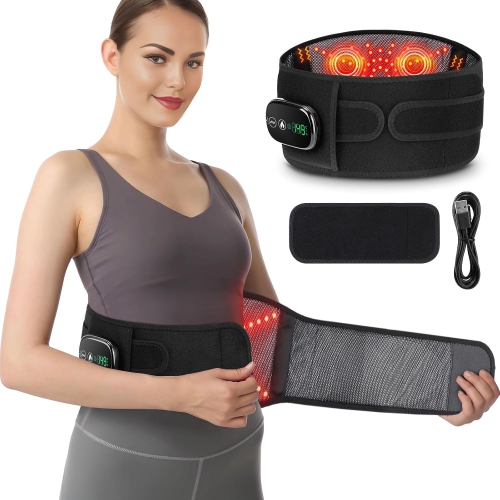
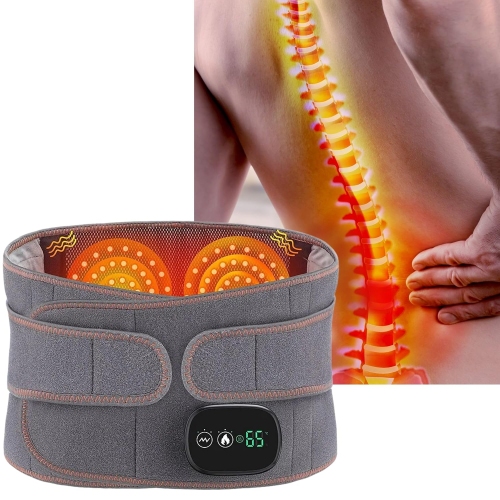
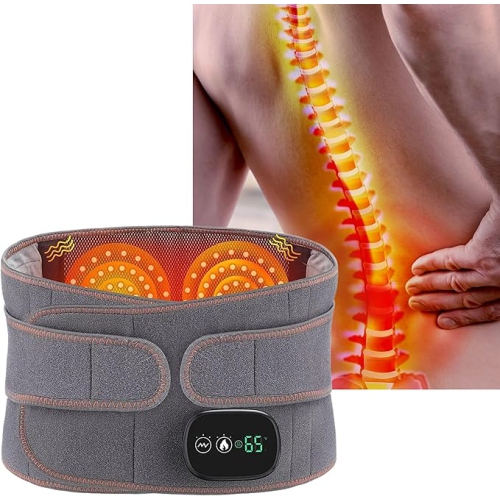
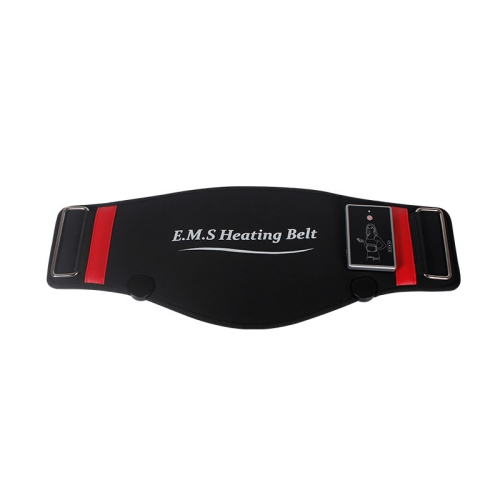
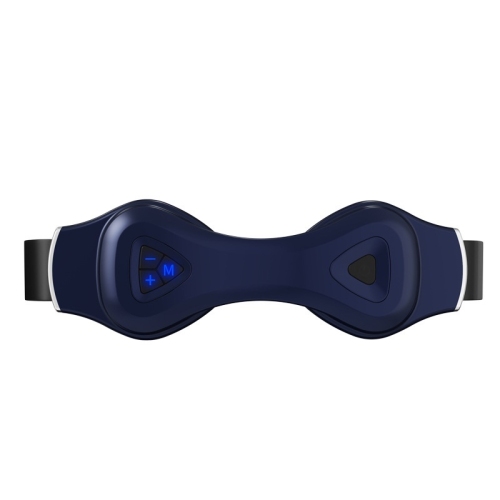
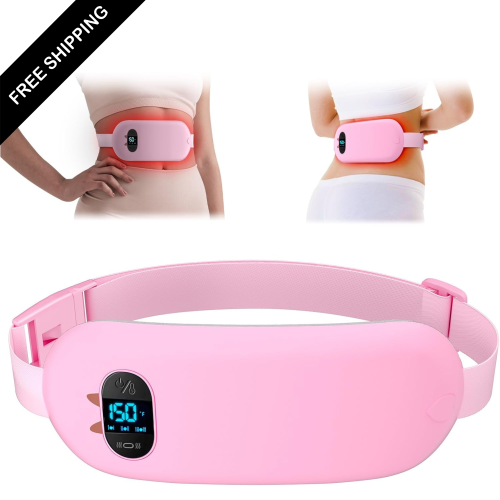
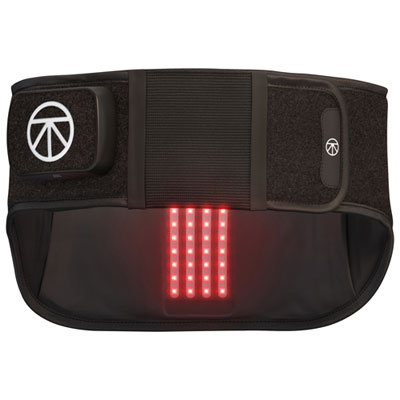
Choosing among lower back massagers starts with thinking about where, when, and how you expect to use one. A pillow-style massager suits someone who wants portability and flexibility: it can rest behind the lower back on a work chair, fit into a favourite reading chair, or be positioned against the sofa after a busy day. Straps can help secure a cushion to a chair so it stays in place instead of sliding down whenever you shift position. Full-back cushions may be preferable for people who want a more structured seat with massage across several areas, including the upper back, shoulders, and lower back. If you prefer a highly focused approach, a percussion massager with an appropriate attachment can be used on surrounding muscles, although it requires more control and may feel too intense for sensitive areas. TENS or EMS belts use low-voltage electrical pulses rather than rotating or percussion movement, making them a distinct option for people interested in a wraparound design and adjustable stimulation. These devices are not interchangeable with kneading massagers, and anyone with a medical condition, implanted electronic device, pregnancy-related concerns, reduced sensation, or questions about electrical stimulation should seek professional advice before use. With any style, adjustable intensity is important. A lower setting may be better for easing into a session, while a stronger setting can suit someone accustomed to deeper pressure. Pay attention to the shape of the massage area, the firmness of the nodes, cord length, battery operation, and whether the unit is easy to store. A portable design can be particularly helpful for moving between an office chair, a living-room sofa, and a guest room, while a plug-in cushion may be the better fit for a dedicated relaxation spot.
Lower back massagers can be useful for adults who spend much of the day at a desk, people who drive for work, home cooks who remain on their feet, and active individuals who want a comfortable way to relax after normal daily exertion. They may also make a thoughtful gift for a parent, partner, student, remote worker, or friend who enjoys practical personal-care accessories. Picture someone returning home with that familiar stiffness that comes from a long stretch in one position: settling into a chair, fastening a massage cushion, selecting a gentle setting, and feeling warmth spread across the lower back can create a clear boundary between the day’s responsibilities and an evening of rest. They can also be convenient during late summer road trips, after recreational activities, or when cooler weather encourages more time indoors. For the best experience, use the massager on a stable seat, keep sessions within the manufacturer’s recommended duration, and adjust your position if the pressure feels sharp, uncomfortable, or uneven. Massage should feel soothing rather than painful, and it is wise to stop using the device if you notice numbness, tingling, skin irritation, dizziness, or worsening discomfort. These products are intended for relaxation and personal comfort, not to diagnose or treat an injury or ongoing medical condition. If lower back discomfort is persistent, severe, follows an accident, or is accompanied by weakness or other concerning symptoms, consult a qualified health professional. Comparing massage styles, heat settings, intensity controls, portability, and support features makes it easier to find a lower back massager that fits naturally into your routine, whether it is used for a few minutes between tasks or as part of a calming wind-down at the end of the day.
Choosing among lower back massagers starts with thinking about where, when, and how you expect to use one. A pillow-style massager suits someone who wants portability and flexibility: it can rest behind the lower back on a work chair, fit into a favourite reading chair, or be positioned against the sofa after a busy day. Straps can help secure a cushion to a chair so it stays in place instead of sliding down whenever you shift position. Full-back cushions may be preferable for people who want a more structured seat with massage across several areas, including the upper back, shoulders, and lower back. If you prefer a highly focused approach, a percussion massager with an appropriate attachment can be used on surrounding muscles, although it requires more control and may feel too intense for sensitive areas. TENS or EMS belts use low-voltage electrical pulses rather than rotating or percussion movement, making them a distinct option for people interested in a wraparound design and adjustable stimulation. These devices are not interchangeable with kneading massagers, and anyone with a medical condition, implanted electronic device, pregnancy-related concerns, reduced sensation, or questions about electrical stimulation should seek professional advice before use. With any style, adjustable intensity is important. A lower setting may be better for easing into a session, while a stronger setting can suit someone accustomed to deeper pressure. Pay attention to the shape of the massage area, the firmness of the nodes, cord length, battery operation, and whether the unit is easy to store. A portable design can be particularly helpful for moving between an office chair, a living-room sofa, and a guest room, while a plug-in cushion may be the better fit for a dedicated relaxation spot.
Lower back massagers can be useful for adults who spend much of the day at a desk, people who drive for work, home cooks who remain on their feet, and active individuals who want a comfortable way to relax after normal daily exertion. They may also make a thoughtful gift for a parent, partner, student, remote worker, or friend who enjoys practical personal-care accessories. Picture someone returning home with that familiar stiffness that comes from a long stretch in one position: settling into a chair, fastening a massage cushion, selecting a gentle setting, and feeling warmth spread across the lower back can create a clear boundary between the day’s responsibilities and an evening of rest. They can also be convenient during late summer road trips, after recreational activities, or when cooler weather encourages more time indoors. For the best experience, use the massager on a stable seat, keep sessions within the manufacturer’s recommended duration, and adjust your position if the pressure feels sharp, uncomfortable, or uneven. Massage should feel soothing rather than painful, and it is wise to stop using the device if you notice numbness, tingling, skin irritation, dizziness, or worsening discomfort. These products are intended for relaxation and personal comfort, not to diagnose or treat an injury or ongoing medical condition. If lower back discomfort is persistent, severe, follows an accident, or is accompanied by weakness or other concerning symptoms, consult a qualified health professional. Comparing massage styles, heat settings, intensity controls, portability, and support features makes it easier to find a lower back massager that fits naturally into your routine, whether it is used for a few minutes between tasks or as part of a calming wind-down at the end of the day.
Top selling and popular products
-
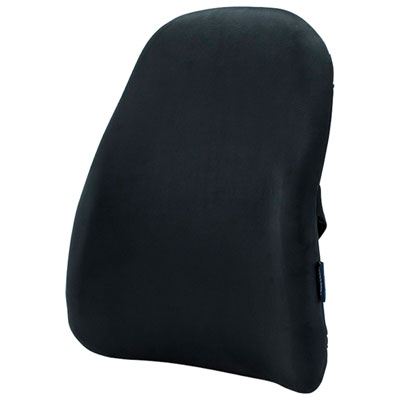 Your price for this item is $79.98
 -
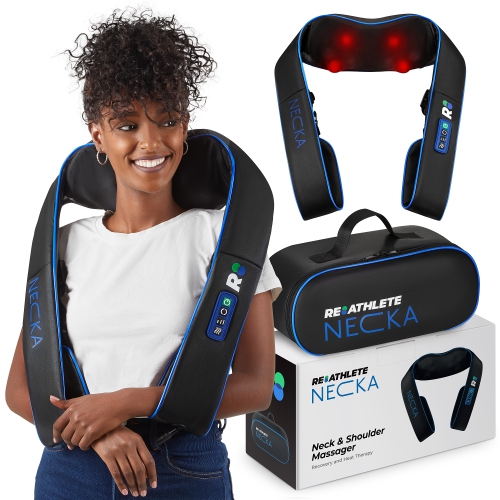 Your price for this item is $109
 -
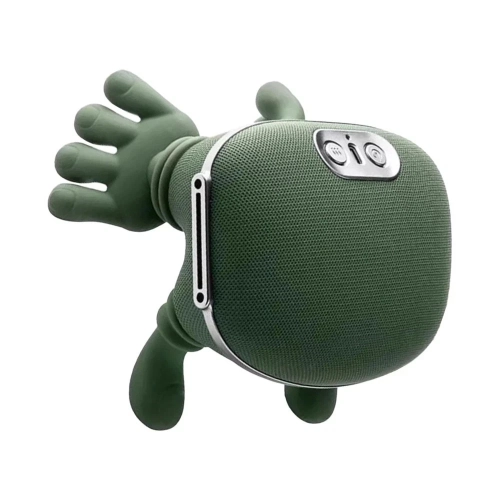 Your price for this item is $70.88
 -
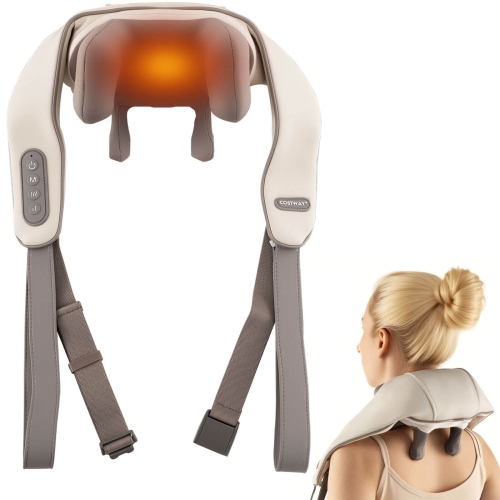 Your price for this item is $73.99
 -
 Your price for this item is $129.99
 -
 Your price for this item is $109.99
 -
 Your price for this item is $54.99
 -
 Your price for this item is $169.99
Discover more categories related to Lower Back Massagers
Top Collections:
Pokemon Centers, Best Cameras for Sports Photography, Kindle Devices, Samsung Galaxy Phones, Canon G7X Cameras, Pokémon 30th Celebration Cards, Refurbished Apple Laptops, iPhone 15 Apple, Laptops for Students, Budget Smartphones
Some products may be subject to Environmental Handling Fees
(EHF) depending on your province.
Learn more about EHFs.