Upper Back Massagers
Relieve tension and enjoy soothing comfort with our selection of upper back massagers, designed to enhance your relaxation experience at home or on the go. Whether you're unwinding after a long day or seeking targeted relief for muscle soreness, these innovative devices offer an array of options to suit your needs. Explore various styles and functionalities to find the perfect solution for easing discomfort and promoting overall well-being. Discover how upper back massagers can be an essential addition to your self-care routine, helping you feel rejuvenated and ready to take on whatever comes next.
Sort





Why massager fit matters as much as massage style
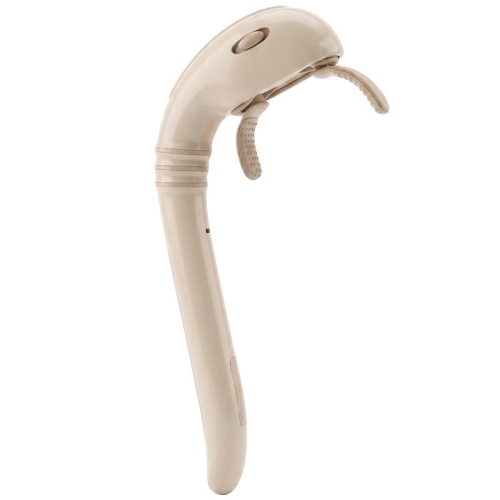
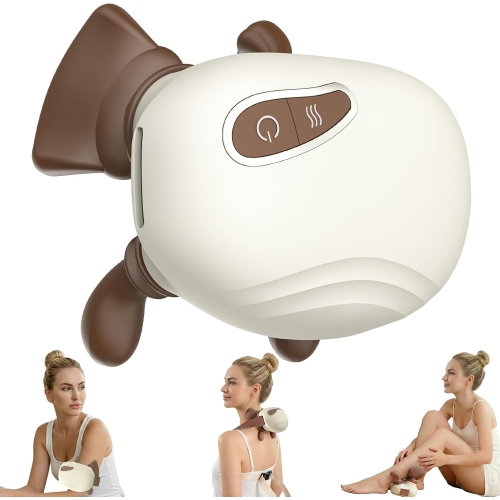
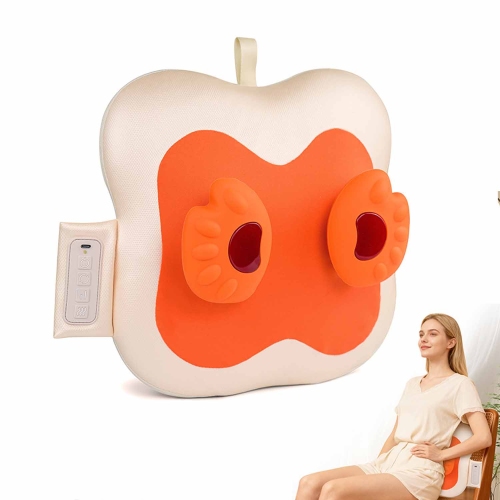
Upper back massagers are designed to apply kneading, vibration, or percussion to the muscles around the shoulders and upper back, offering a convenient way to add a short massage to a daily relaxation routine. The main formats include shoulder wraps, massage pillows, chair cushions, and handheld massagers, with each shape suited to a different way of sitting, reaching, and controlling pressure. A wrap-style massager rests across the shoulders and often has arm loops that help hold its massage nodes against the upper back. These loops can make positioning easier, although pulling harder is not necessarily more comfortable; gentle contact is a better starting point. Massage pillows provide a smaller contact area and can be repositioned behind the upper back when used with a suitable chair, according to the manufacturer’s directions. Chair cushions cover a larger section of the back, and some let the user select an upper-back zone rather than running a full-back massage. Handheld percussion massagers deliver repeated tapping through an attachment, making them useful for accessible muscle areas, but reaching between the shoulder blades independently can be awkward. A longer handle may improve reach, while a compact handle may be easier to hold but less practical for that particular spot. For someone who spends much of the day at a desk, a securely fitted cushion may feel more convenient than holding a device behind one shoulder. Someone who prefers to relax in an armchair might appreciate a wrap that can be adjusted without moving the whole cushion. Fit matters as much as the massage style: shoulder width, torso length, chair shape, and the spacing of the massage nodes all affect where pressure lands. An upper back massager should contact the intended muscles comfortably rather than press directly against the spine or other bony areas. The most suitable format is one that reaches the desired area without requiring a strained posture, raised shoulders, or a tight grip throughout the session.
Massage action and controls help distinguish how an upper back massager feels in everyday use. Shiatsu-style designs generally use rotating nodes to create a kneading sensation, while vibration produces a lighter buzzing movement and percussion creates a more concentrated tapping action. None of these sensations suits everyone equally. A person who enjoys firm massage may prefer a different motion from someone who finds even moderate pressure uncomfortable. Adjustable speed, selectable massage zones, and a clear stop control make it easier to tailor a session, but speed settings do not always change the force of the massage. With some pillows and cushions, pressure depends partly on how much body weight rests against the device, so a supportive seat and a relaxed position are important. Rotating nodes that reverse direction can vary the kneading pattern, while optional heat adds warmth for those who find it soothing. Heat is a comfort feature rather than a requirement, and separate heat controls offer more flexibility than a setting that always combines warmth with massage. Automatic shut-off can help limit session length, though it does not replace following the stated usage time. Practical details become especially noticeable during repeated use: raised buttons can be easier to locate by touch, a reachable remote avoids twisting, and a secure chair strap can reduce the need for constant repositioning. Corded designs need a nearby outlet and enough cable length to reach the seat without stretching across a walkway. Cordless designs allow more freedom of placement, but battery runtime, charging time, and the location of the charging port still deserve attention. Materials also influence comfort. Mesh panels, padded fabric, and synthetic leather coverings vary in texture and cleaning requirements, and seams should not create uncomfortable pressure where the massager touches the body. A soft outer layer does not necessarily mean a gentle massage, because the shape and movement of the nodes underneath have a greater effect on intensity. Motor sound may also matter when sharing a room or trying to hear a television at a comfortable volume.
Care, construction, and intended use determine how well an upper back massager fits into a routine over time. Secure stitching, firmly attached straps, accessible controls, and a cable connection that is not repeatedly bent under a chair are useful details to consider. Covers described as removable are not automatically machine washable; the care label should specify whether washing, hand cleaning, or surface wiping is appropriate. Unplug the device before cleaning, keep moisture away from electrical parts, and allow cleaned surfaces to dry fully before use. Unless the manufacturer specifically permits it, massage oils and lotions should stay away from the covering and moving components. Storing a massager without tightly winding its cable or crushing its padded sections helps avoid unnecessary wear, while a dedicated shelf or drawer keeps straps and attachments together. For shared use, an approved washable cover or an easy-to-clean contact surface can be particularly practical. Upper back massagers can suit adults who enjoy massage after everyday activities, people who want a comfortable pause from desk work, or gift recipients who already appreciate personal relaxation products. A gift is more likely to be used when its weight, controls, reach, and cleaning needs match the recipient’s preferences rather than simply offering the strongest sensation. Those exploring another related selection can also browse Homedics Back Massagers. Whatever the format, begin with the gentlest suitable setting and follow the manufacturer’s instructions for placement and session length. Avoid using a massager while sleeping or placing it against injured skin, and stop if it causes pain, numbness, dizziness, or worsening discomfort. People with reduced sensation, a recent injury or surgery, or a medical condition that could affect safe use should check with a healthcare professional before starting, especially when considering heat or firm percussion. These devices are intended for personal comfort and relaxation, not for diagnosing or treating the cause of persistent upper-back pain. Comfortable positioning, manageable controls, and appropriate pressure make a more useful combination than intensity alone.
Top selling and popular products
-
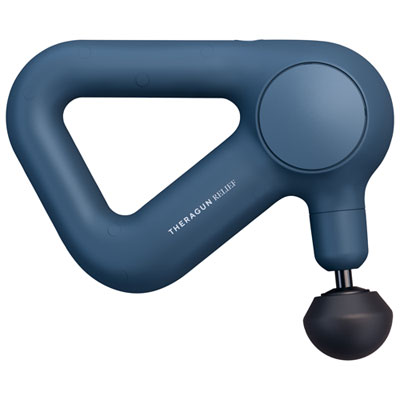 Your price for this item is $199.99
-
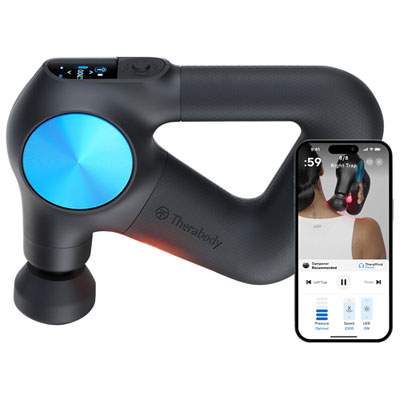 Your price for this item is $799.99
-
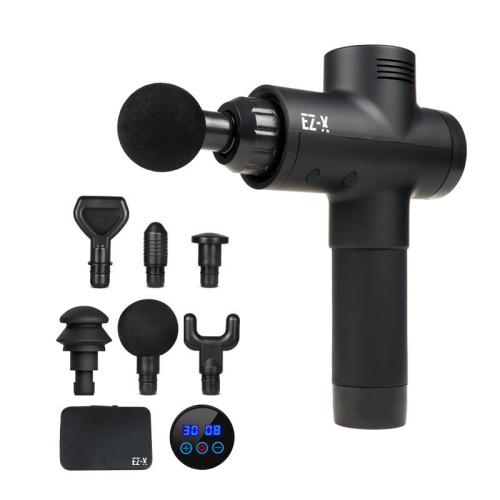 Your price for this item is $99.72
-
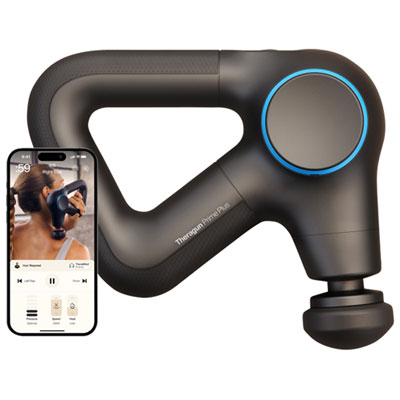 Your price for this item is $529.99
-
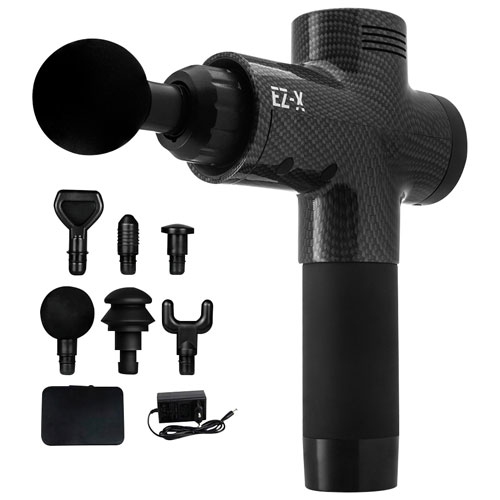 Your price for this item is $99.72
-
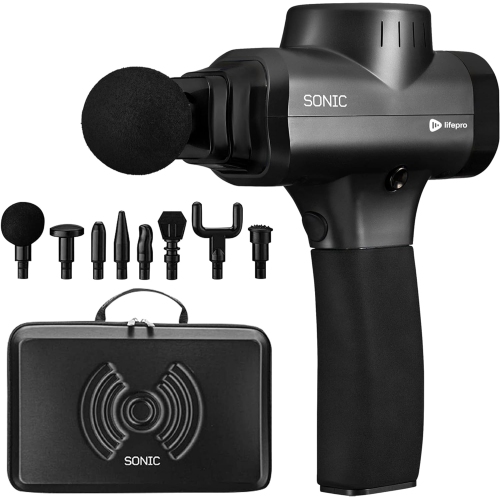 Your price for this item is $89.99
-
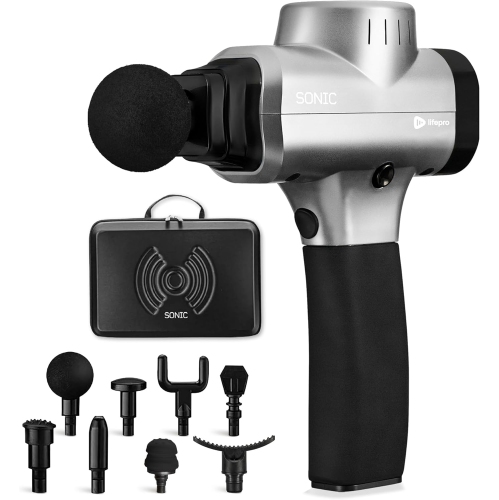 Your price for this item is $89.99
-
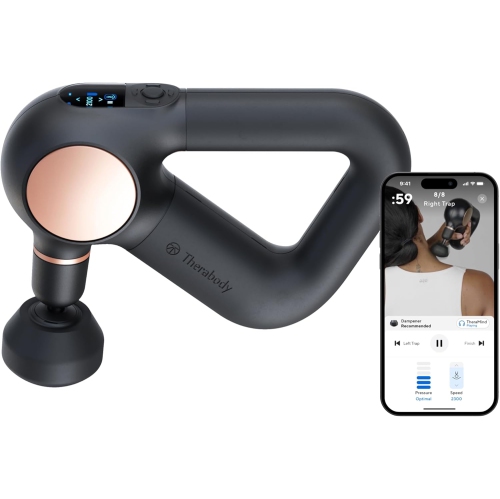 Your price for this item is $379
Discover more categories related to Upper Back Massagers


Top Collections:
Pokemon Centers, Best Cameras for Sports Photography, Kindle Devices, Samsung Galaxy Phones, Canon G7X Cameras, Pokémon 30th Celebration Cards, Refurbished Apple Laptops, iPhone 15 Apple, Laptops for Students, Budget Smartphones
Some products may be subject to Environmental Handling Fees
(EHF) depending on your province.
Learn more about EHFs.