Therapy Massagers
Whether you're looking to unwind after a long day at work or soothe sore muscles after an intense workout, our selection of therapy massagers offers the perfect solution for relaxation and rejuvenation. With various styles and features to choose from, these innovative devices are designed to target specific areas of tension, promoting improved circulation and overall well-being. Discover the benefits of at-home massage therapy with our range of high-quality massagers that cater to your individual needs.
Sort


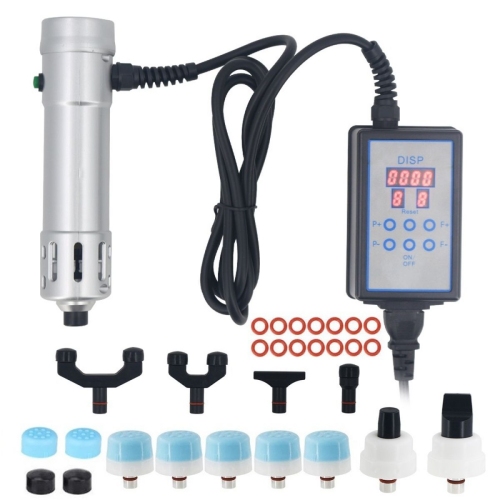

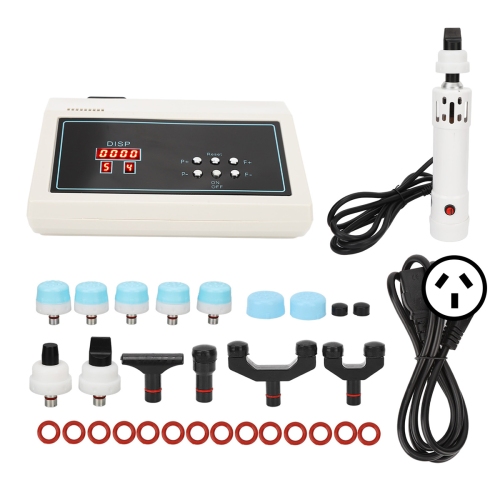
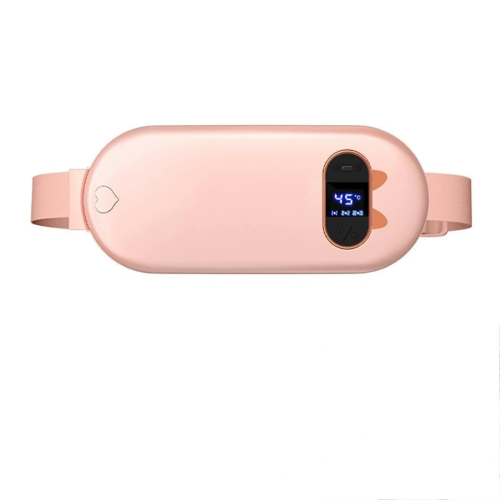


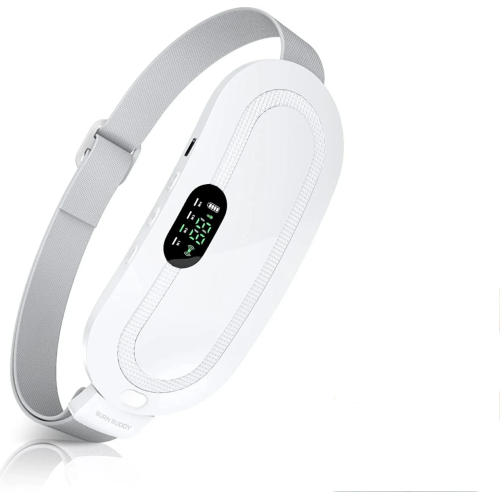
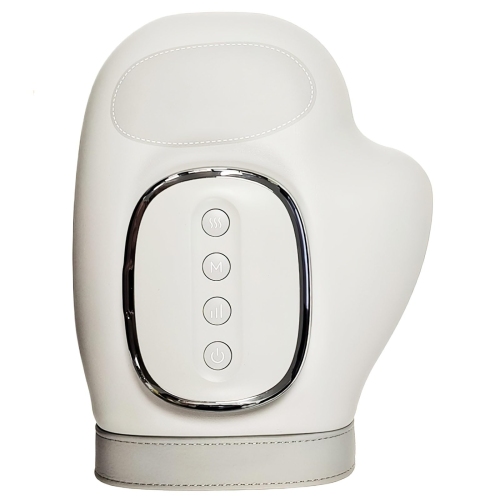
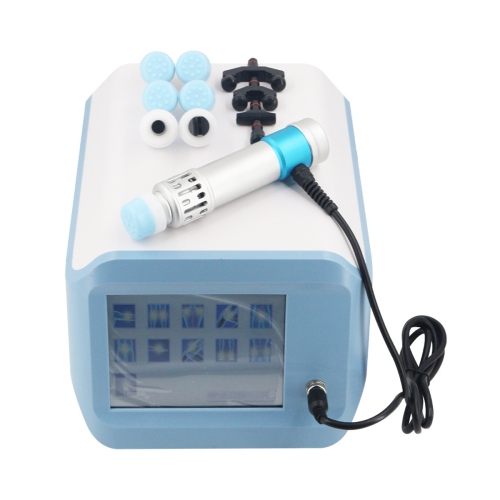

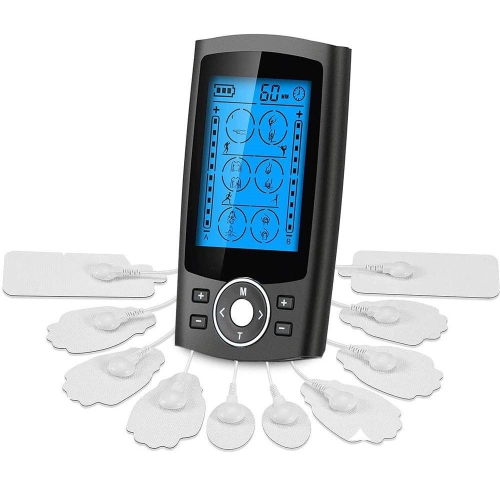
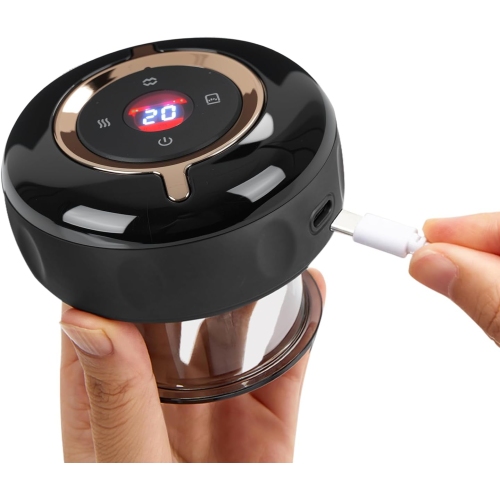
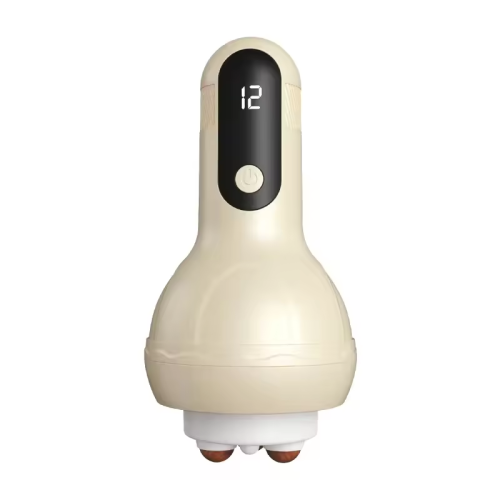


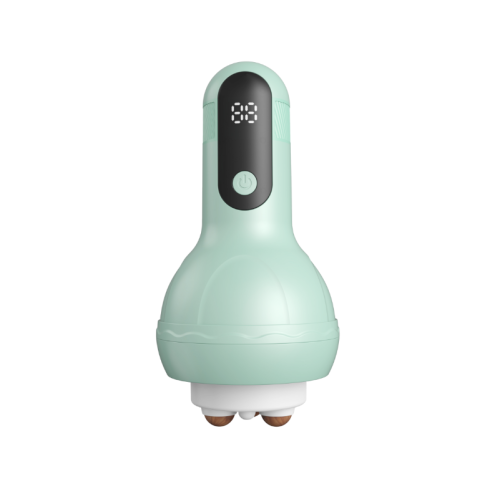


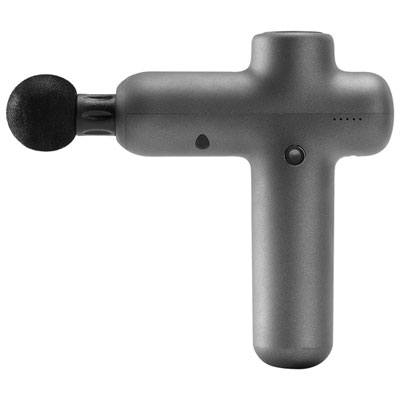

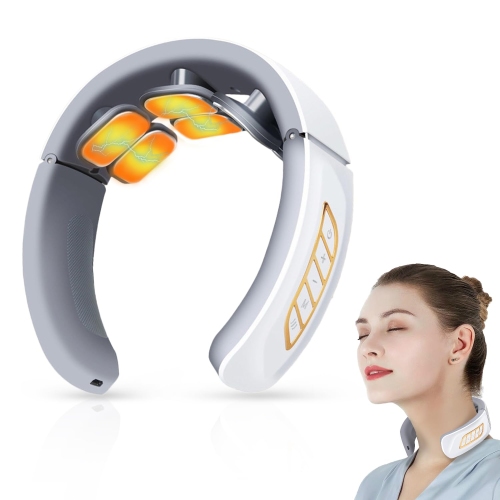

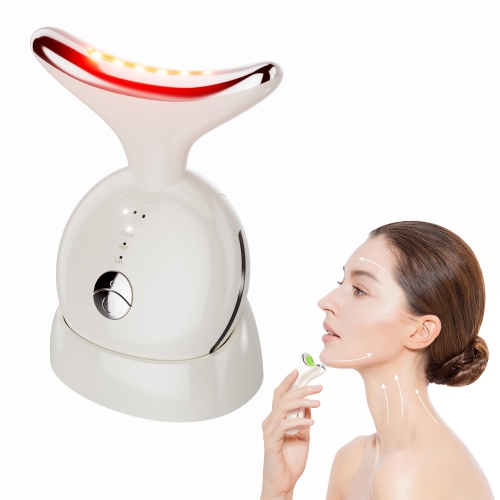


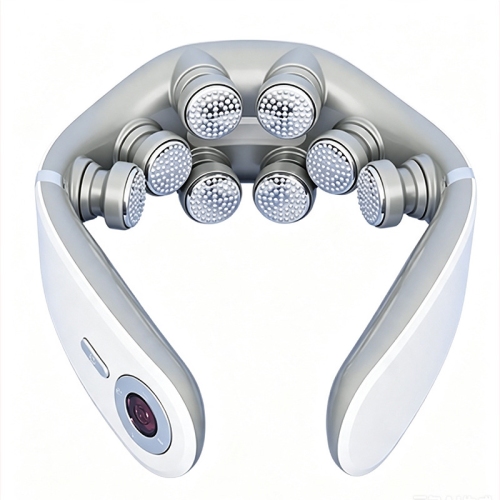
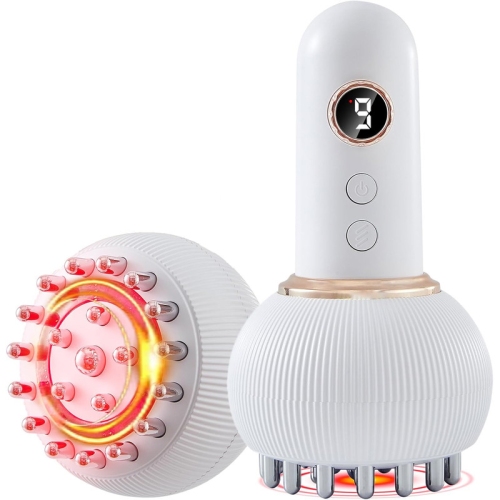
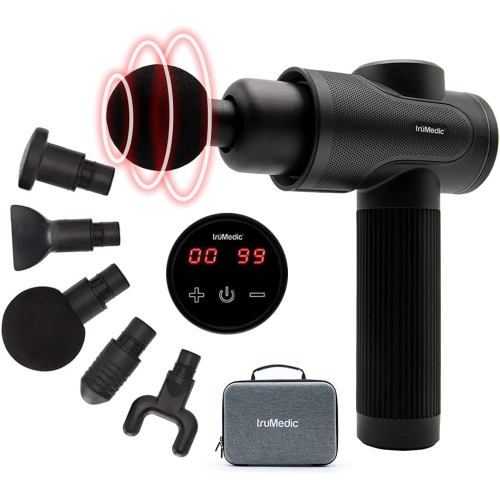
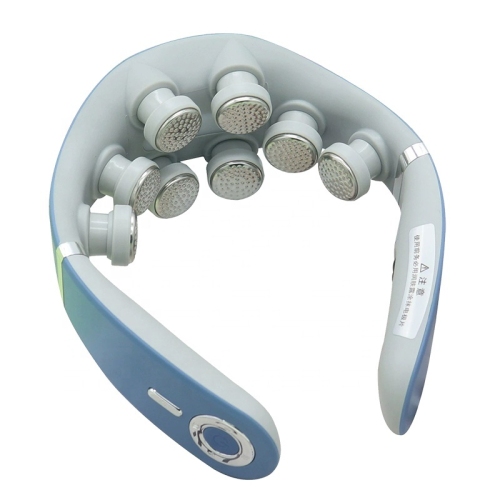


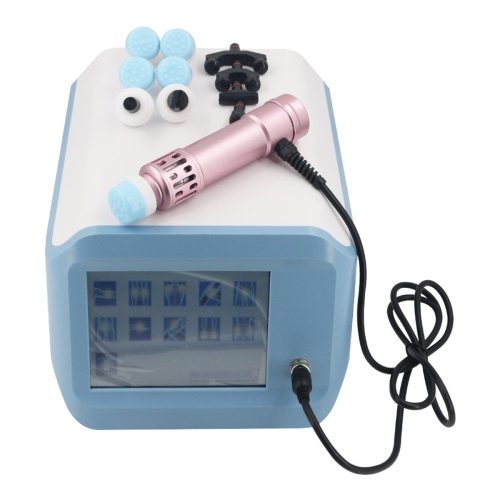

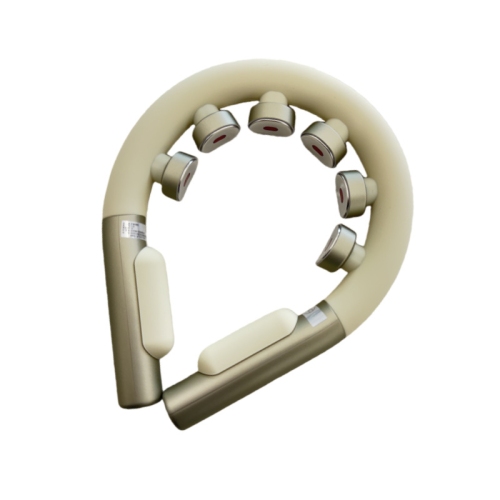
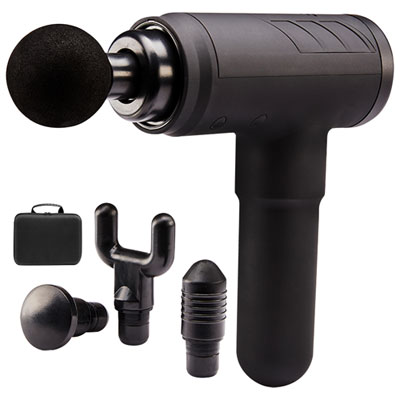
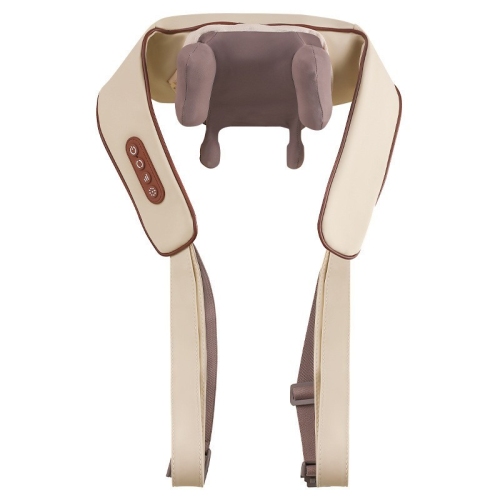

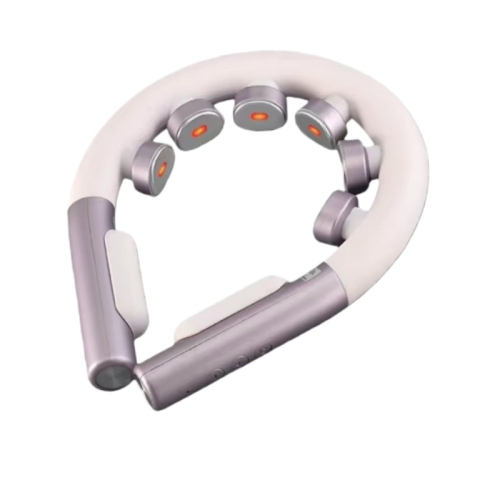

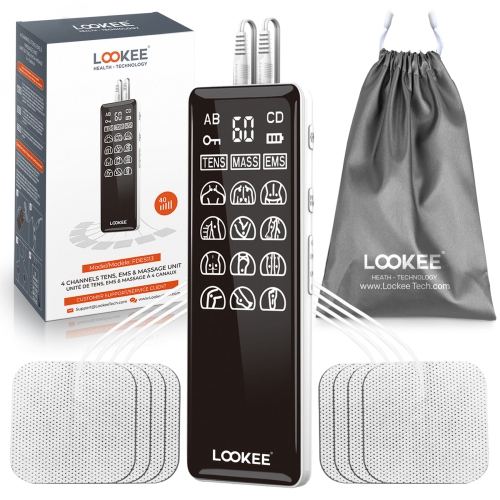

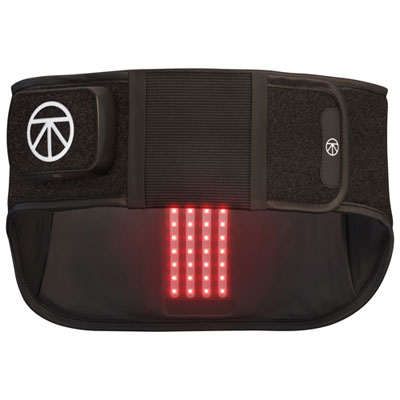
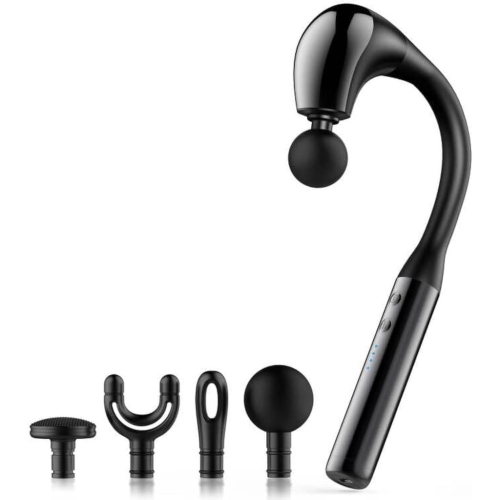


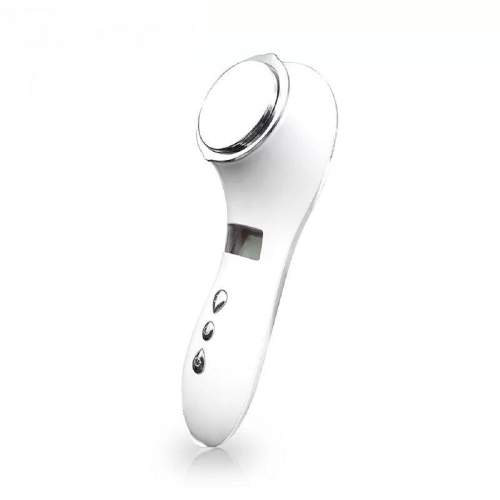

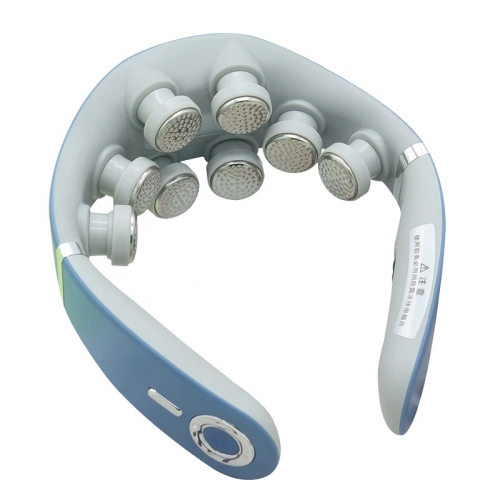
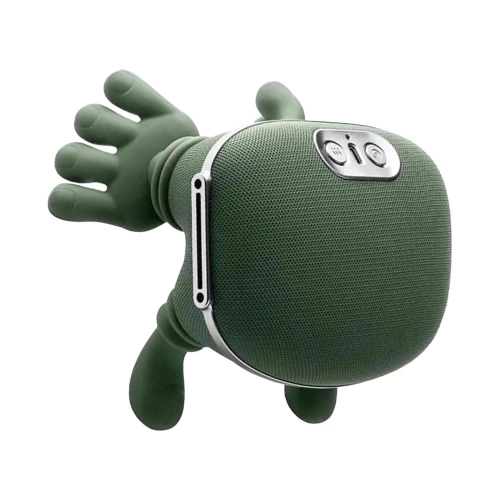
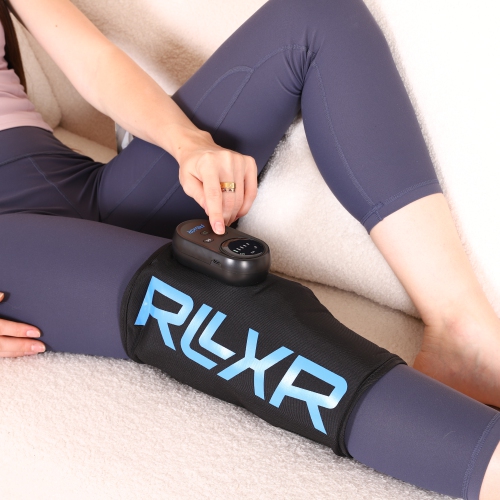
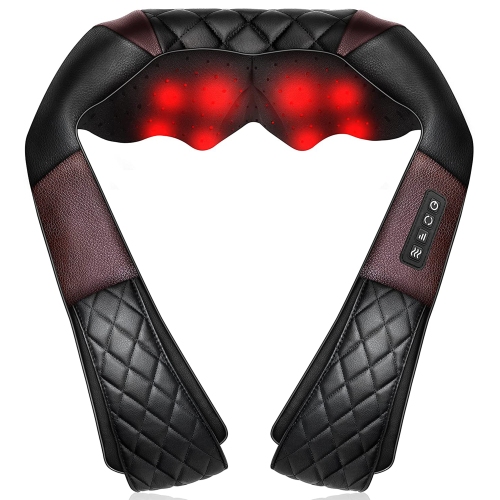
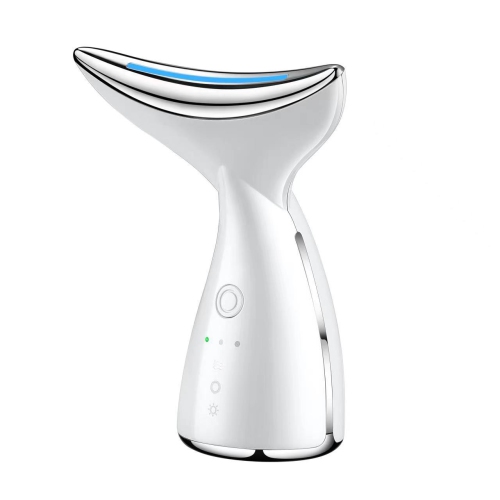
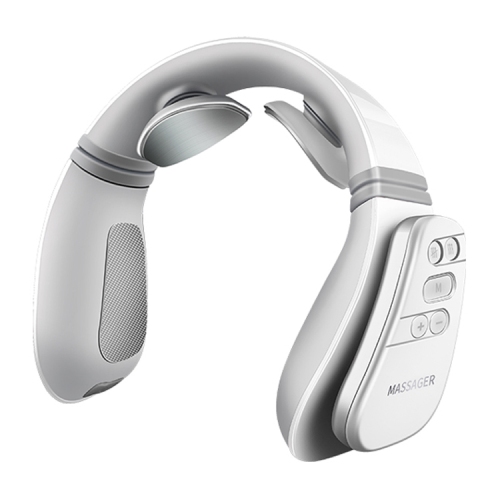

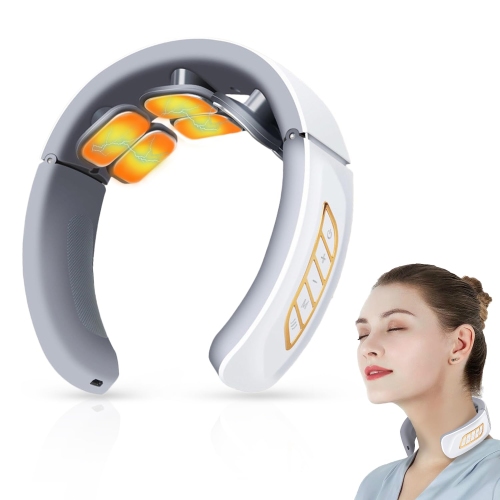

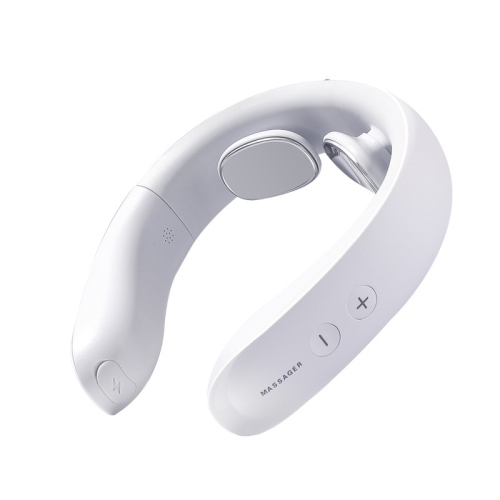


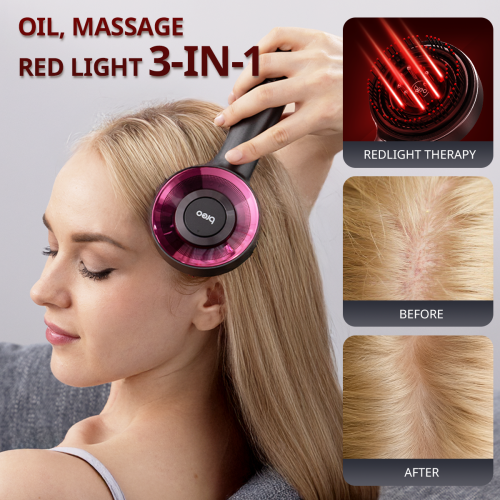
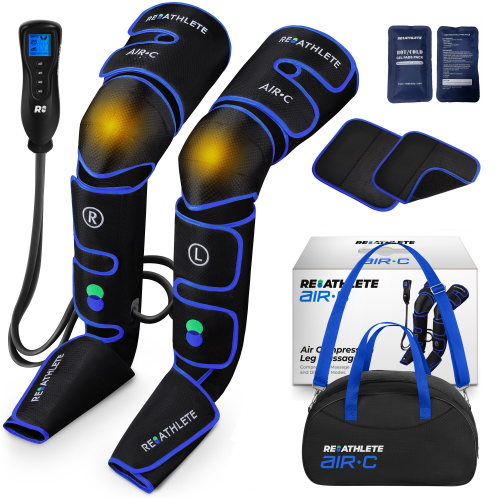


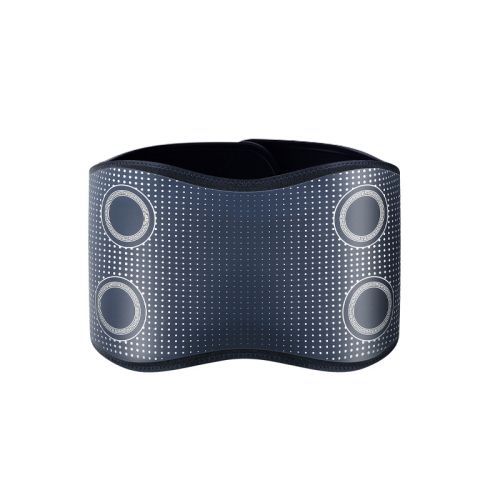


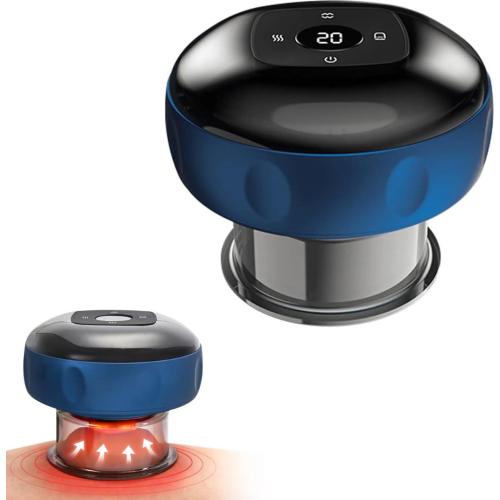


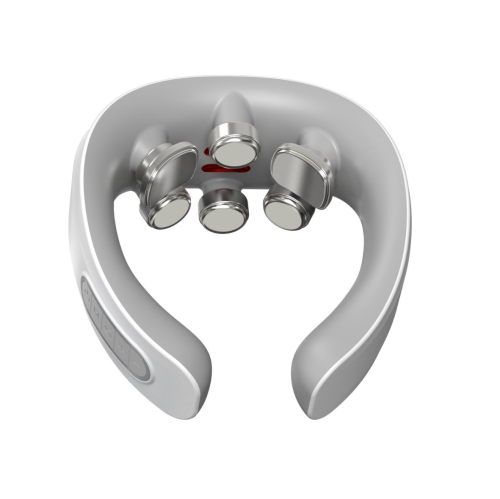
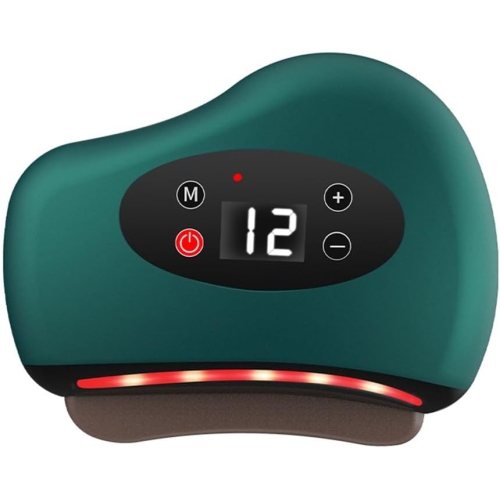


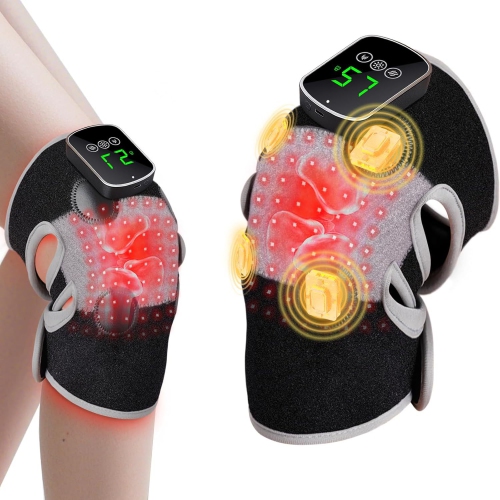


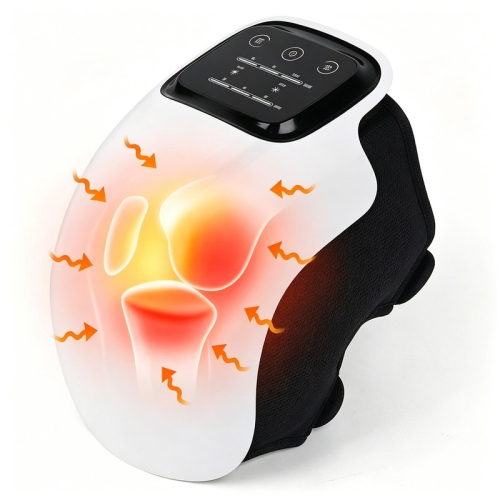

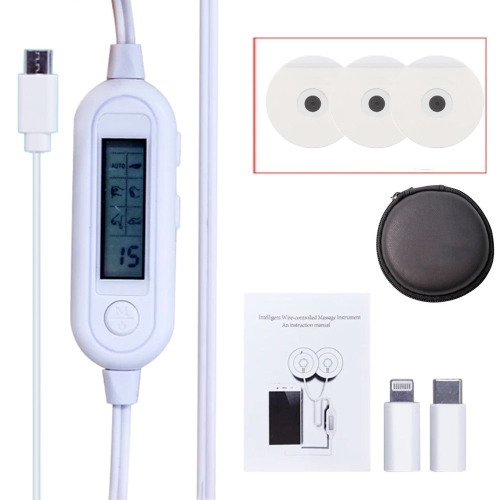


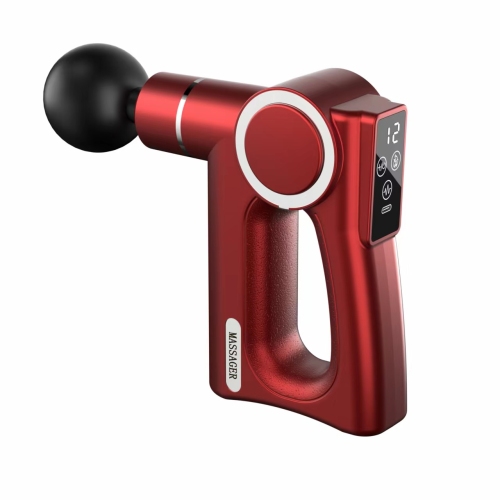
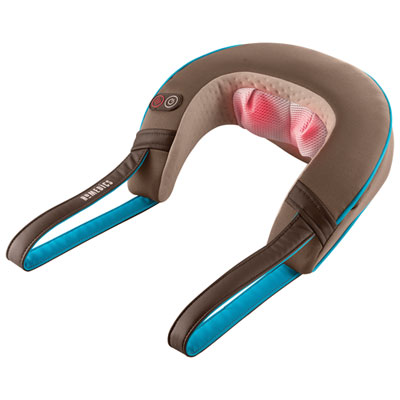
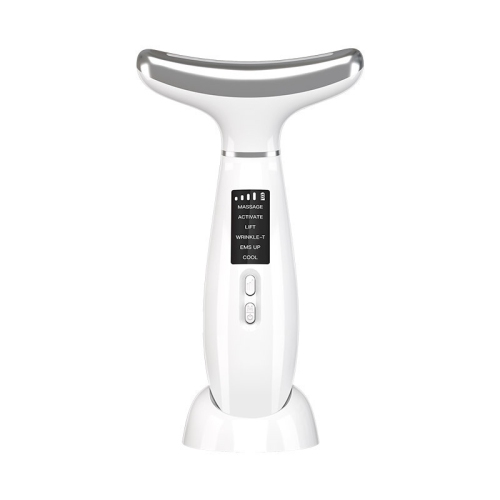
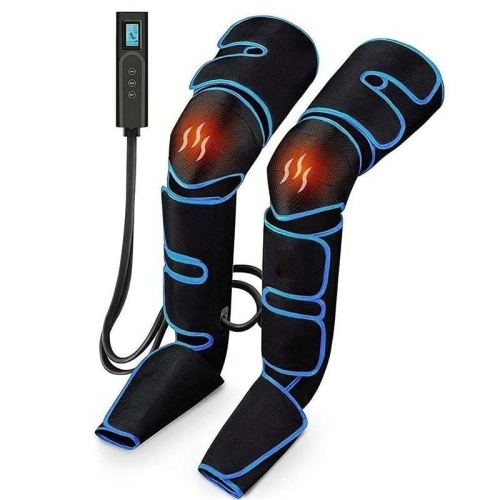
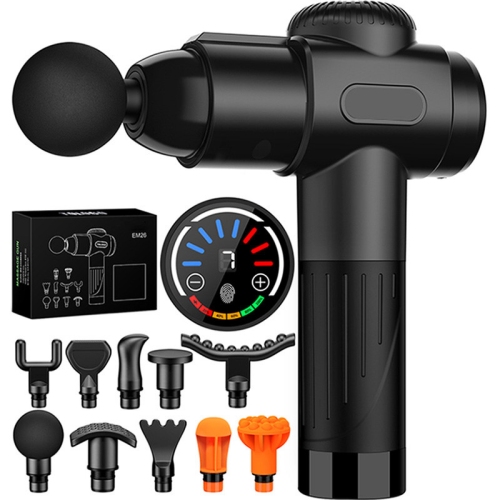
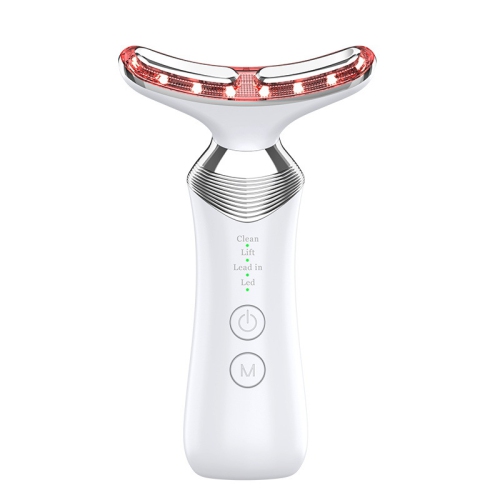

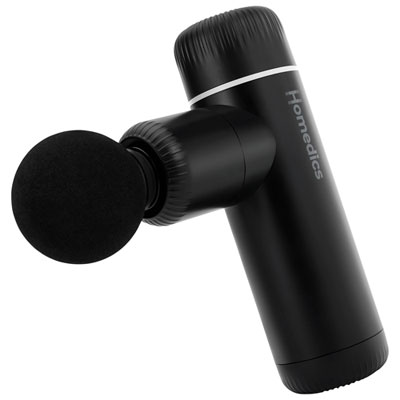
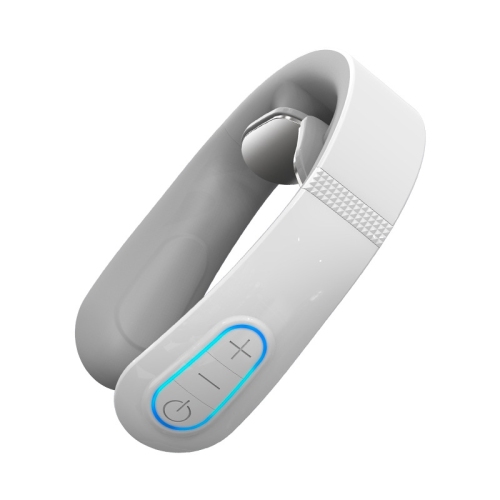
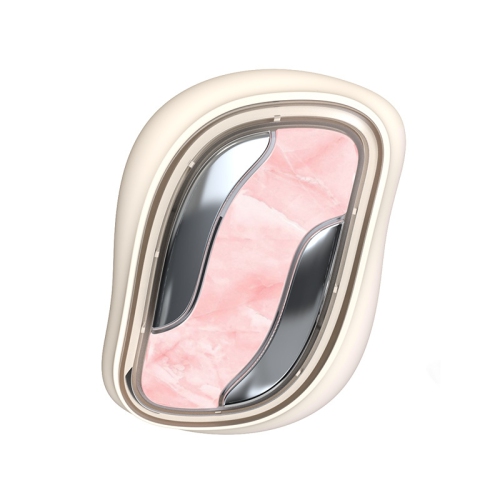

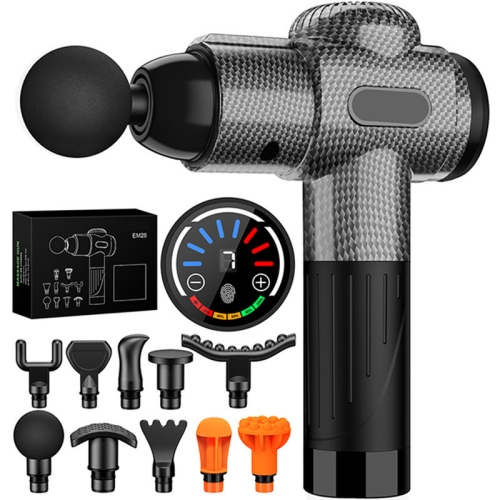

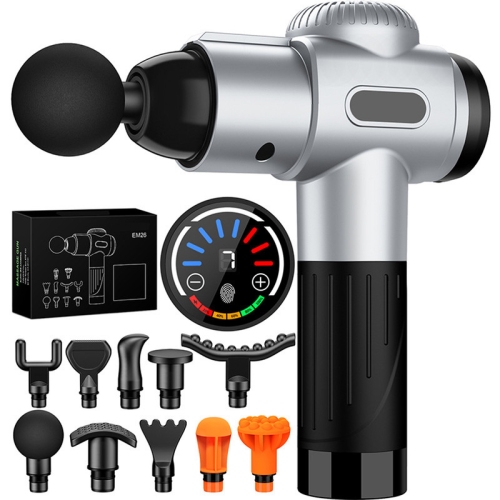


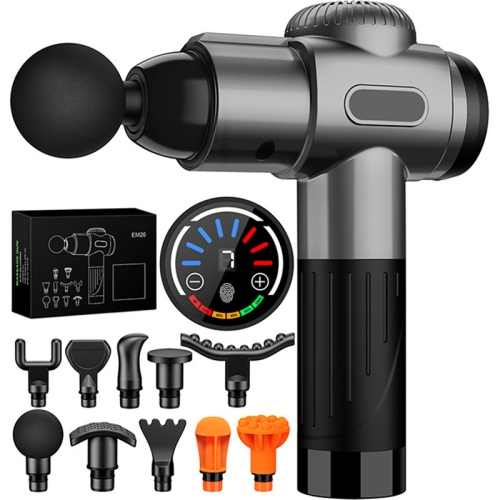


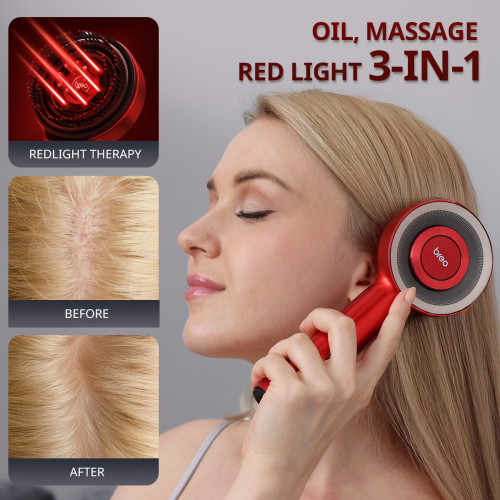


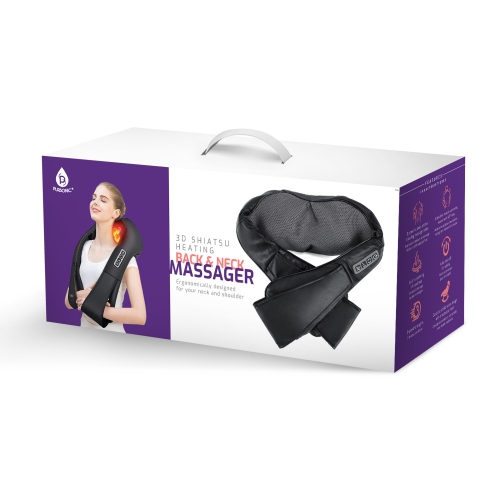


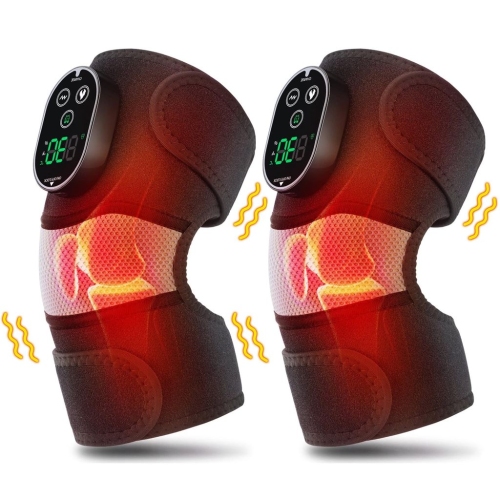


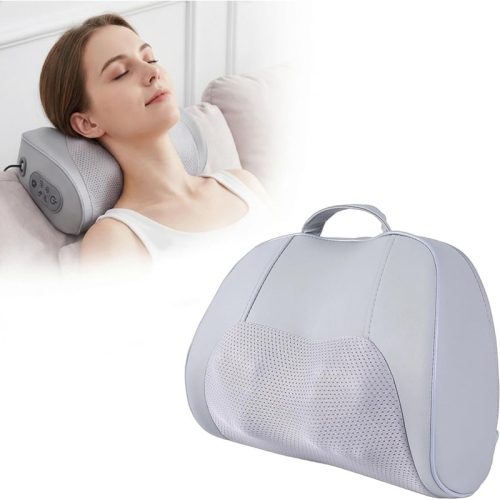

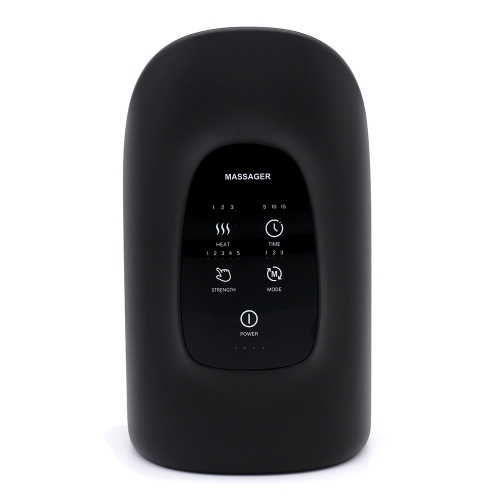


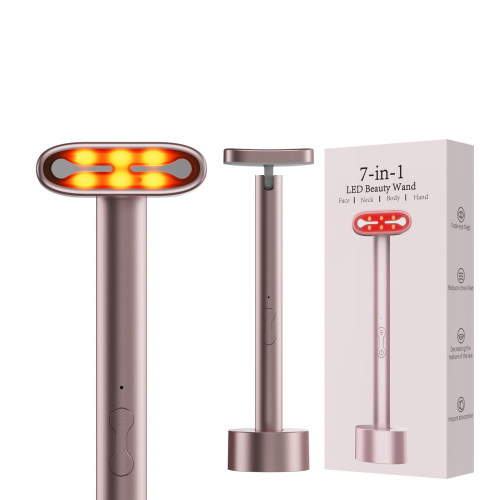

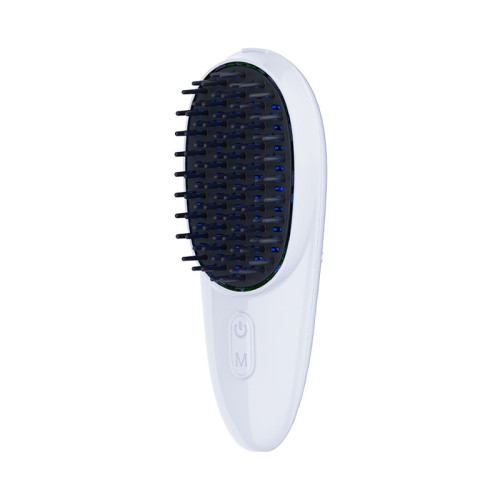

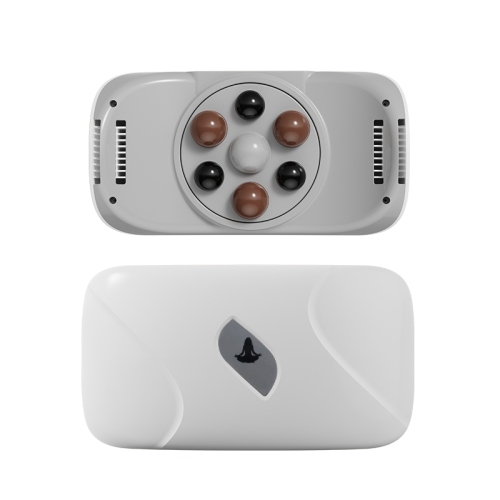


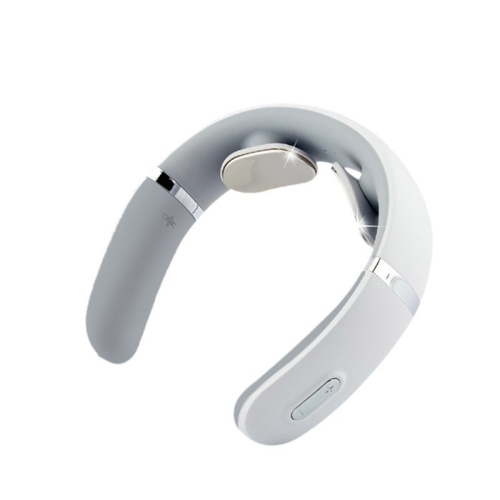


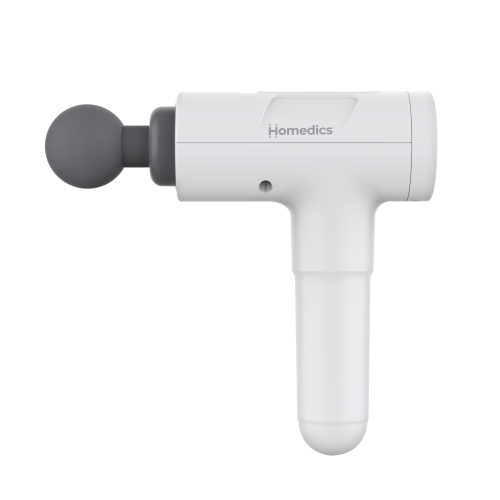


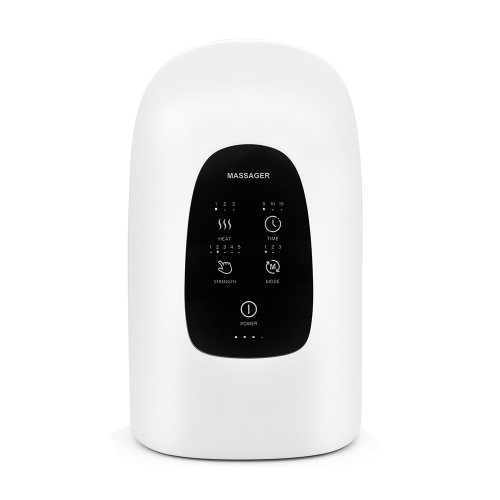


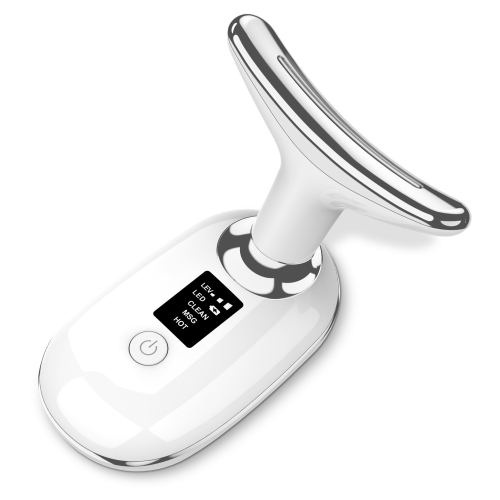
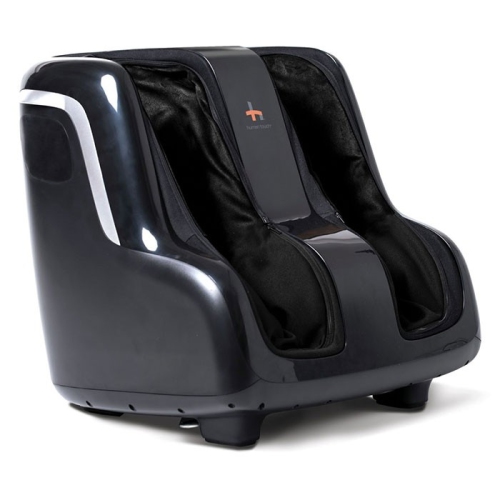
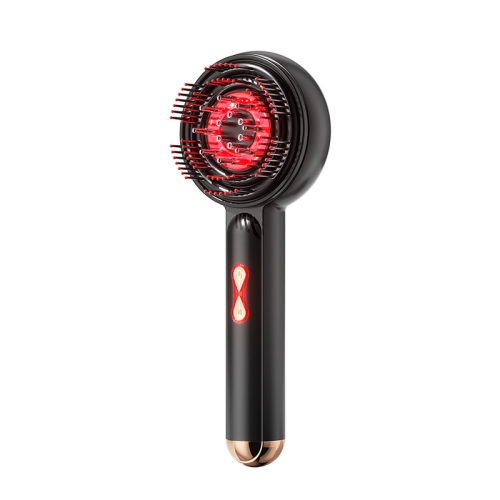

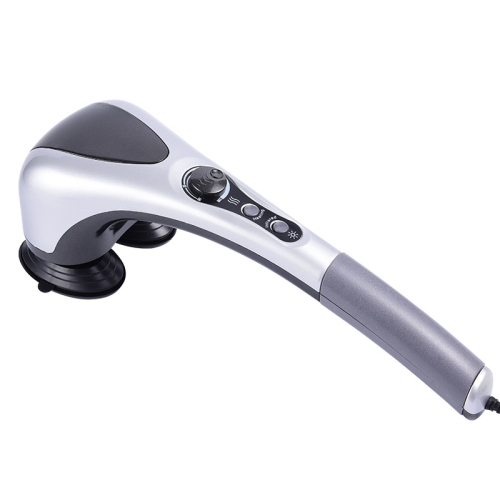
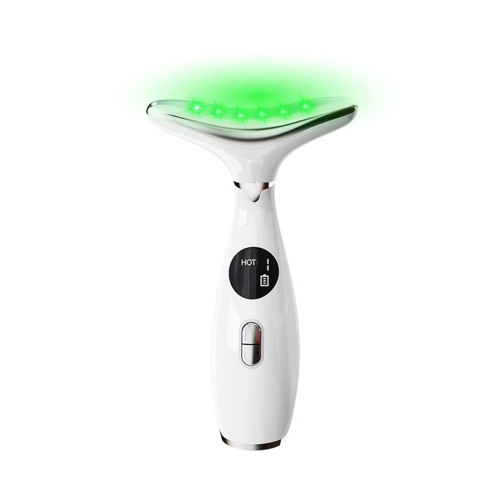
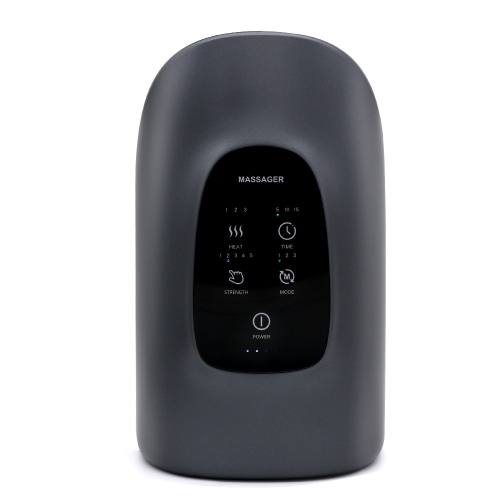

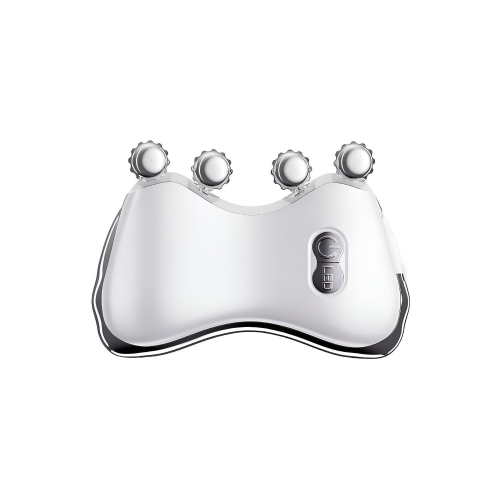
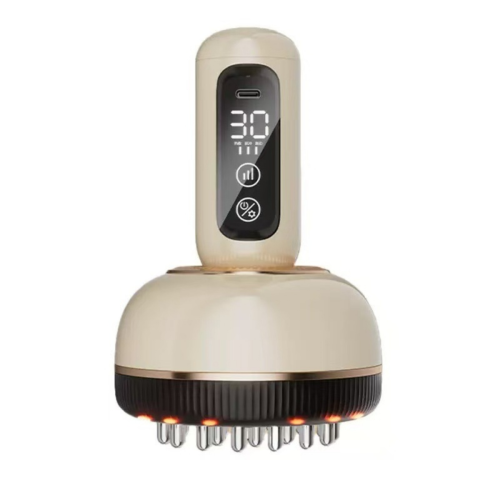


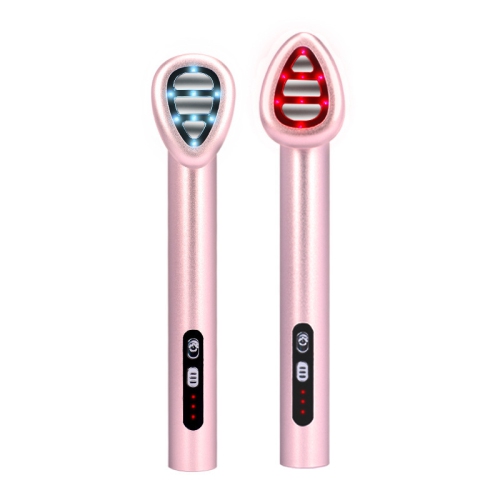
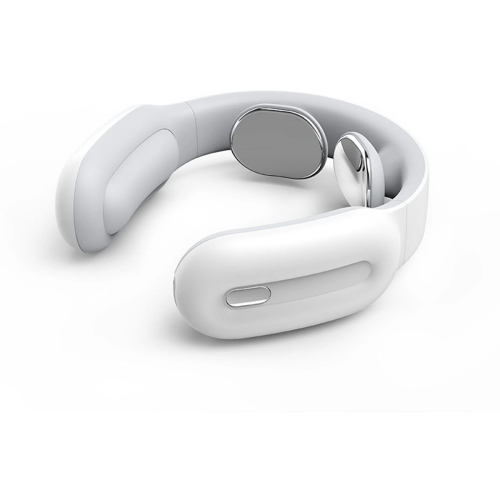




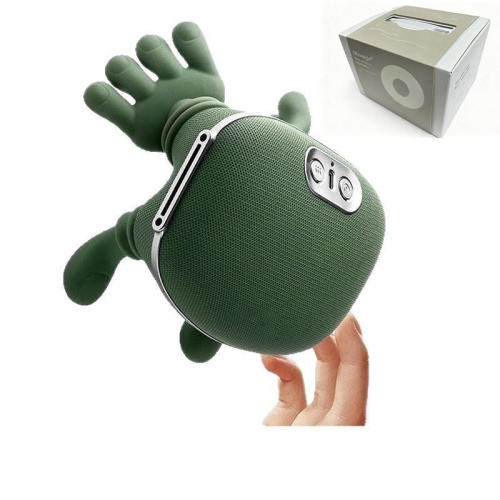
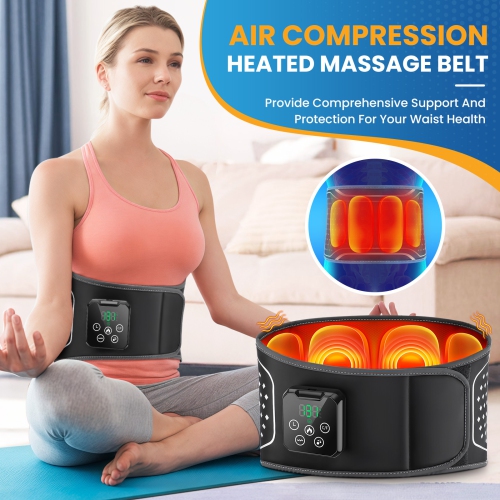
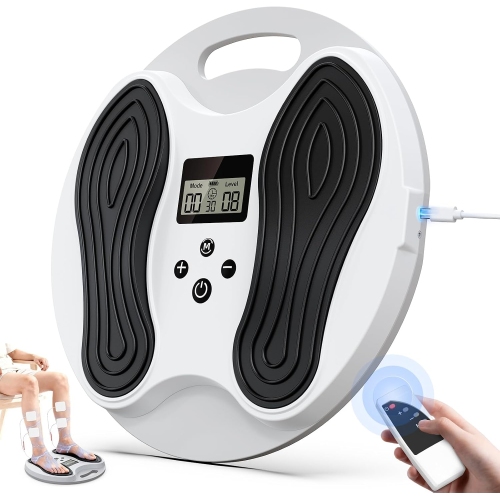
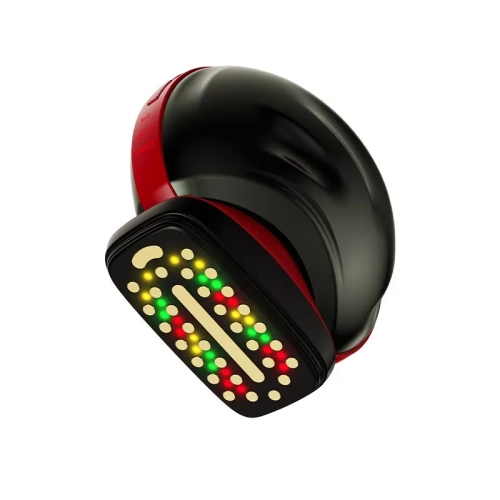
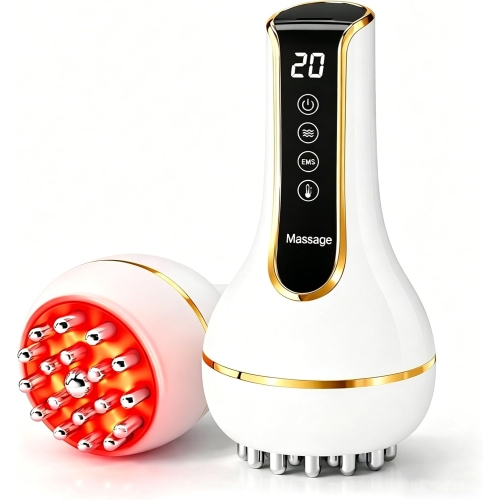
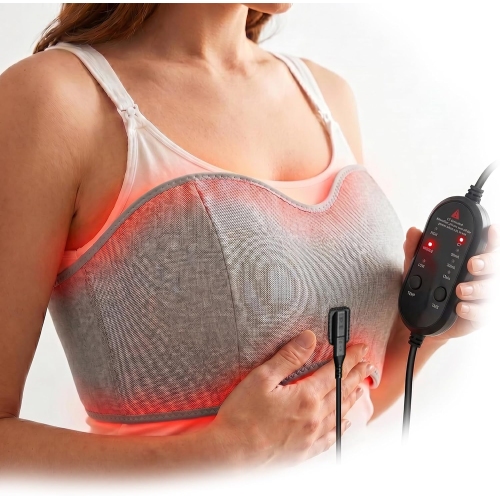

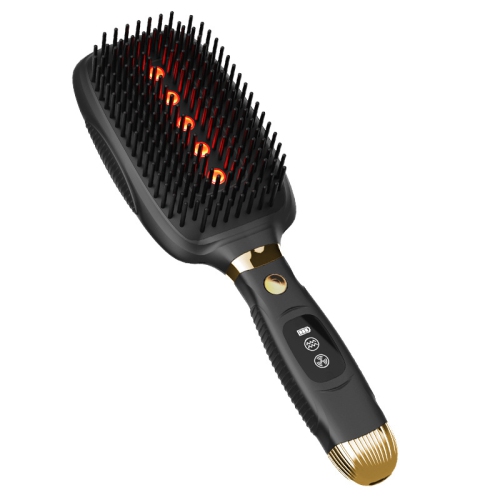

Massage options for everyday comfort, recovery and relaxation
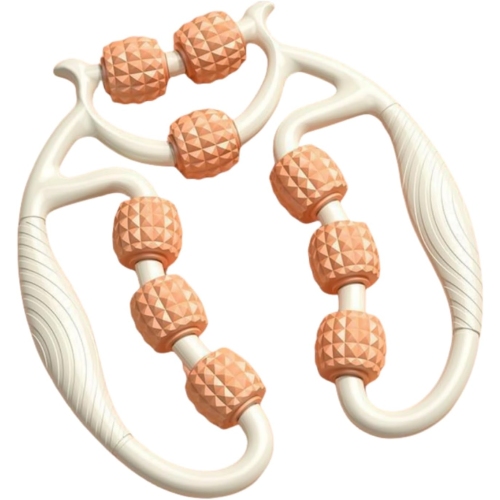
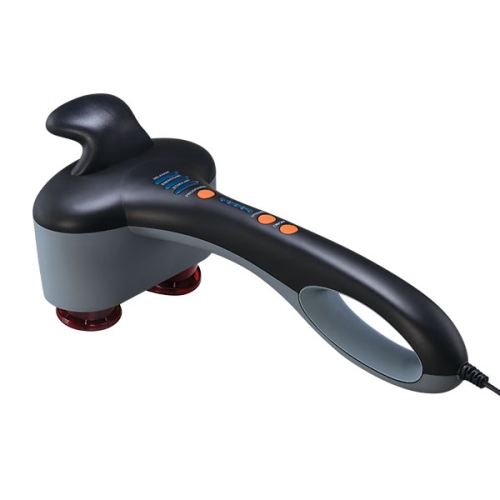
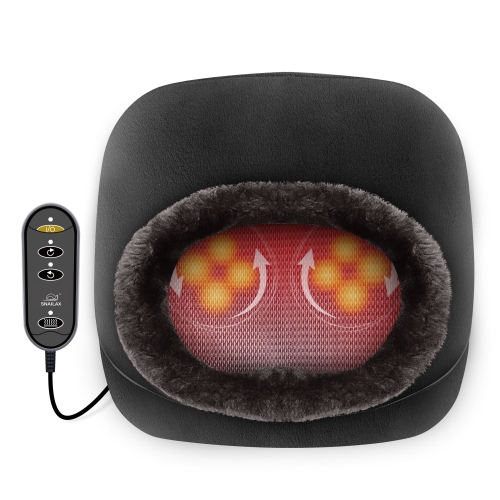
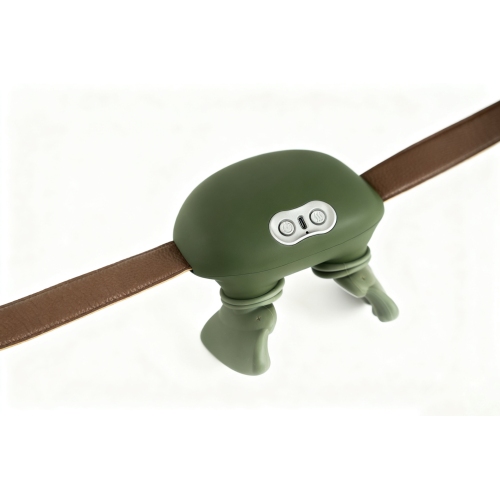
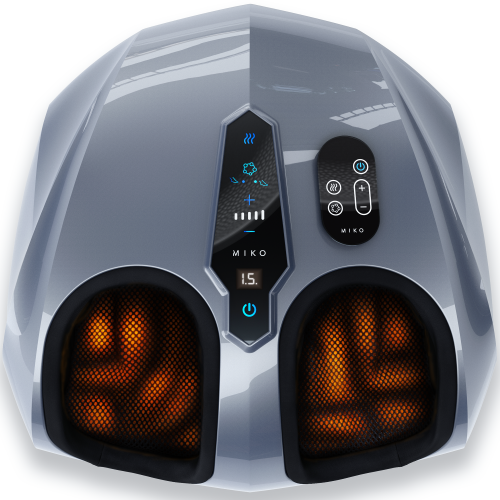
Therapy massagers can make it easier to build short, restorative moments into a busy day, whether you are easing tight shoulders after desk work, loosening tired legs after exercise, or creating a calming routine before bed. This broad category includes several types of devices and tools, each designed for a different style of massage. Percussion massagers use rapid pulses to work through muscle tissue and may be useful for larger areas such as the thighs, calves, glutes, back and shoulders. Their adjustable speed and intensity settings allow you to begin gently and increase pressure gradually as you become familiar with the sensation. Heat massagers add warmth to the massage experience, which many people find comforting when muscles feel stiff during the cooler months. Electrical stimulation devices, including TENS and EMS systems, use controlled impulses and may be chosen by people looking for targeted support around areas of discomfort or muscle fatigue. Manual trigger-point tools, rollers, balls and massage hooks offer a simple, battery-free option, allowing you to control the pressure and angle yourself. Compact options such as Mini Massagers can be convenient for a desk drawer, gym bag, suitcase or bedside table, while larger devices may be better suited to a dedicated home recovery space. When comparing therapy massagers, consider the body areas you plan to treat, how frequently you expect to use the device, and whether portability matters. A lightweight design may be easier to hold over the shoulders or carry between rooms, while a heavier model may offer a more substantial feel but require more effort during longer sessions.
The right features depend on your preferred massage style and comfort level. Look for multiple intensity or speed settings if different parts of your body respond better to different pressure. A gentle setting can be useful for warming up a muscle or becoming accustomed to a new device, while a stronger setting may suit larger muscle groups when used carefully. Attachments can also affect the experience: broad heads may cover more surface area, while smaller or more focused heads can help you work around a particular knot without pressing too hard. Consider battery life, charging time, cord length, control placement and storage, especially if you plan to use the massager away from an outlet. Noise level is another practical detail; a quieter device may be more comfortable in a shared home, office or bedroom. For electrotherapy devices, check the available modes, intensity range, pad placement instructions and replacement-pad requirements. With any mechanical massager, use slow, controlled movements over soft tissue rather than holding the device in one spot for an extended period. Avoid applying percussion directly over the spine, bones, joints, the front of the neck or areas with reduced sensation. A few minutes on one muscle group is generally preferable to prolonged pressure, and stopping is appropriate if the sensation becomes sharp, uncomfortable or unusual. Therapy massagers are intended to complement everyday wellness and recovery routines, not replace professional assessment or treatment. Anyone with unexplained or persistent pain, an injury, circulation concerns, vascular disease, reduced sensation, a pacemaker or another implanted medical device should speak with a healthcare professional before using a massager, particularly an electrical stimulation device. People who are pregnant, taking medication that affects bleeding, or managing a chronic condition may also benefit from checking with a qualified healthcare provider first.
Therapy massagers can be useful for a wide range of routines and may suit active adults, people who spend long hours seated, commuters, travellers and anyone who appreciates a few quiet minutes of self-care. A runner may use a percussion device after a long route to focus on tired calves and thighs, while someone working at a computer may prefer gentle massage around the upper back and shoulders at the end of the day. A manual roller can be handy before stretching, and a heat-enabled option may feel especially inviting after outdoor activities during cooler weather. These products can also make thoughtful gifts for a partner, parent, friend, athlete or colleague who enjoys fitness, relaxation or practical wellness accessories. For gifting, consider the recipient’s comfort with technology, preferred intensity and available storage space. A simple handheld tool may suit someone who values straightforward controls, while a person who enjoys detailed routines may appreciate adjustable settings and interchangeable attachments. If the massager is intended for shared use, choose a design that is easy to clean and comfortable to hold for different users. Keep expectations realistic: massage may temporarily ease feelings of tightness or discomfort for some people, but results vary, and a device should not be used to push through significant pain. Read the instructions before the first session, start with the lowest comfortable setting, drink water as part of your usual routine and allow muscles time to recover between demanding activities. With thoughtful selection and sensible use, a therapy massager can become a convenient addition to a home relaxation area, a post-workout routine or a compact travel kit, offering an accessible way to focus attention on tired muscles whenever your schedule allows.
Top selling and popular products
-
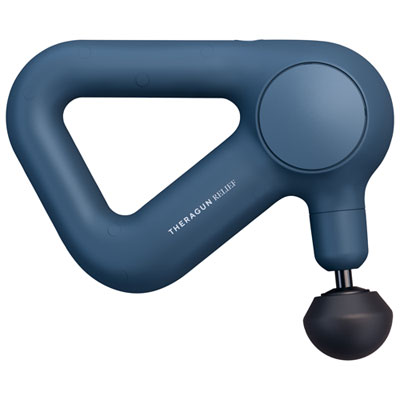 Your price for this item is $199.99
-
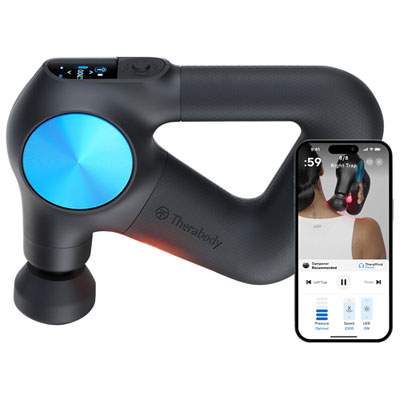 Your price for this item is $799.99
-
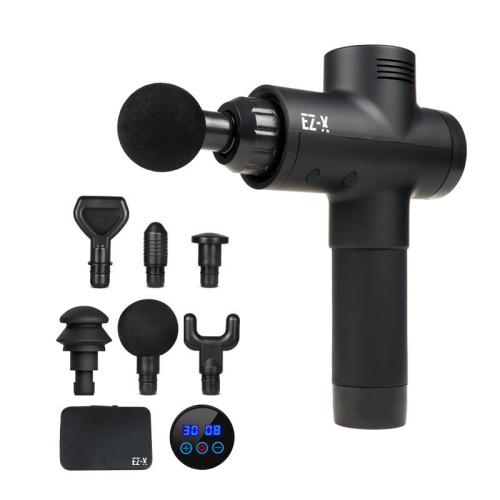 Your price for this item is $99.72
-
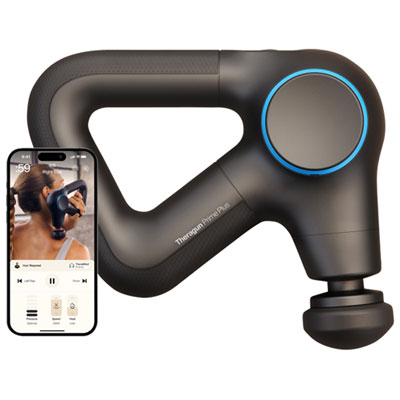 Your price for this item is $529.99
-
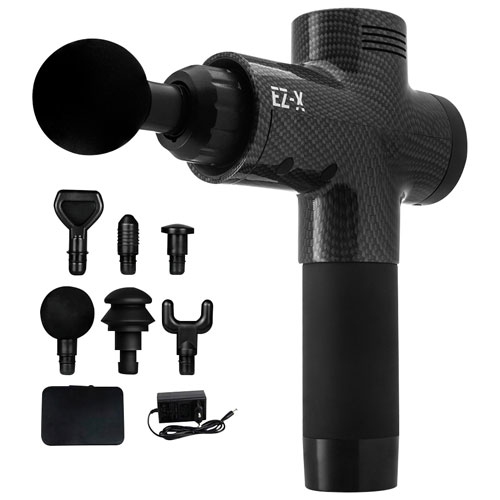 Your price for this item is $99.72
-
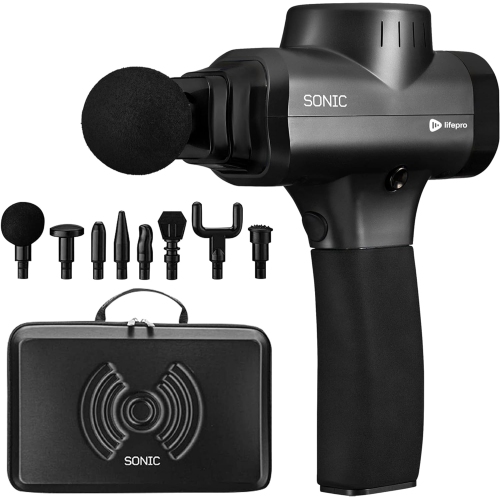 Your price for this item is $89.99
-
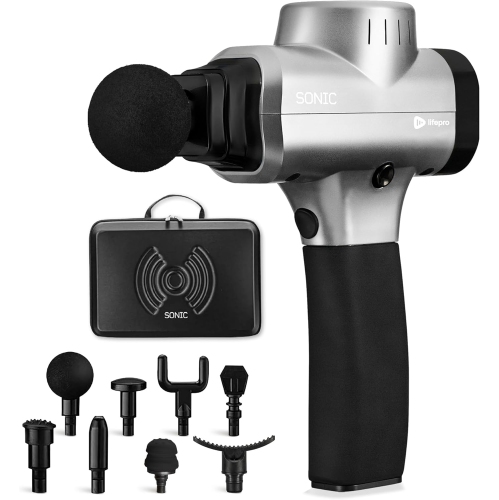 Your price for this item is $89.99
-
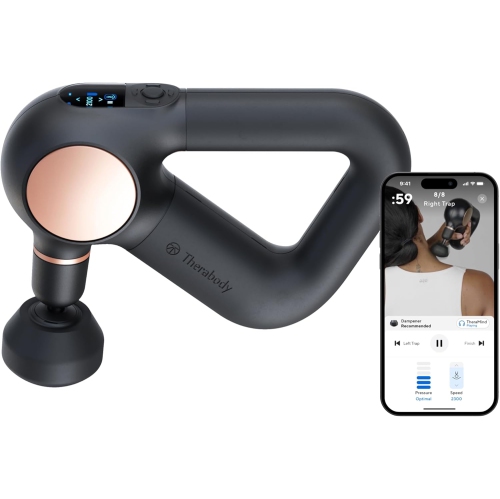 Your price for this item is $379
Discover more categories related to Therapy Massagers

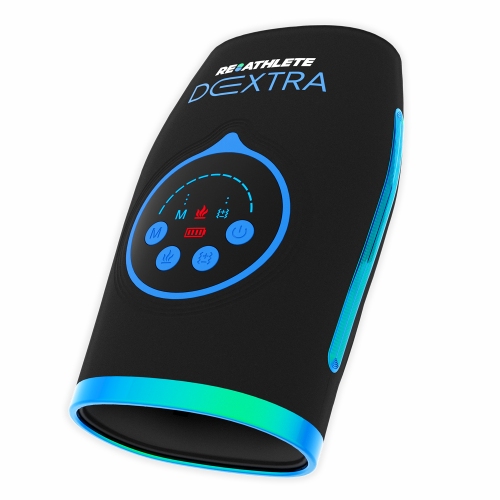

Top Collections:
Pokemon Centers, Best Cameras for Sports Photography, Kindle Devices, Samsung Galaxy Phones, Canon G7X Cameras, Pokémon 30th Celebration Cards, Refurbished Apple Laptops, iPhone 15 Apple, Laptops for Students, Budget Smartphones
Some products may be subject to Environmental Handling Fees
(EHF) depending on your province.
Learn more about EHFs.