Top Home Exercise Bikes
Exercise bikes are a great way to get a full body workout. They're easy to use, and they don't require much space. If you're looking for a home exercise bike, here are some of the best ones on the market.
Sort
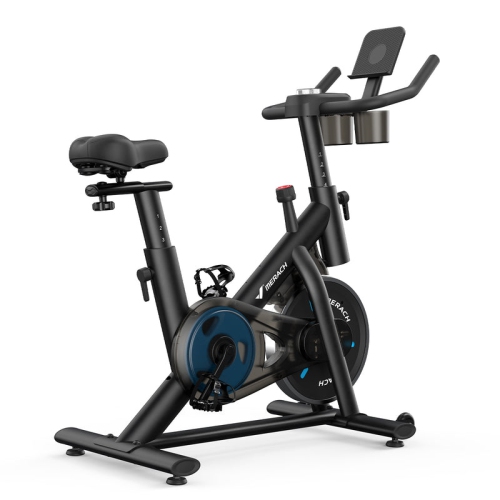
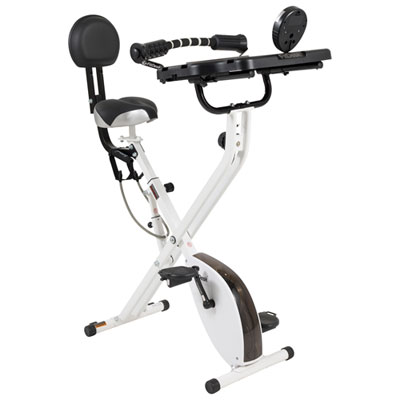
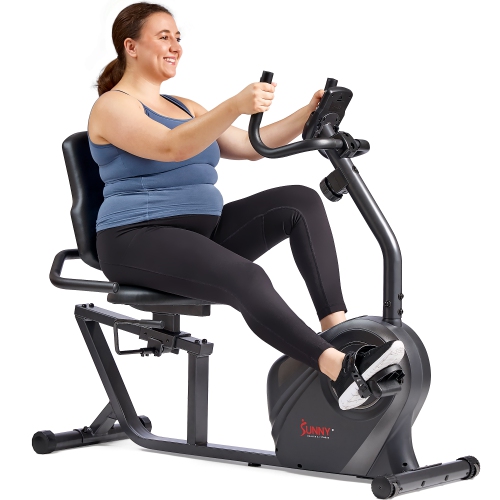
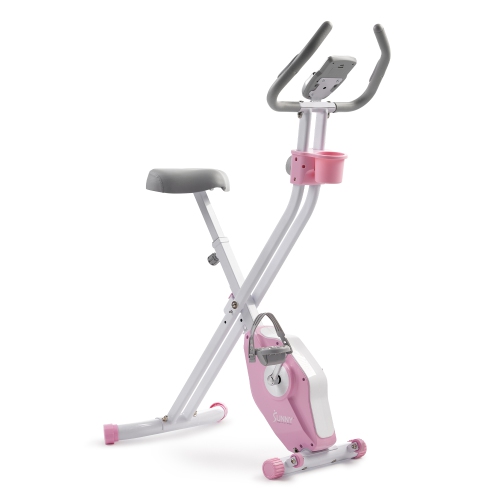
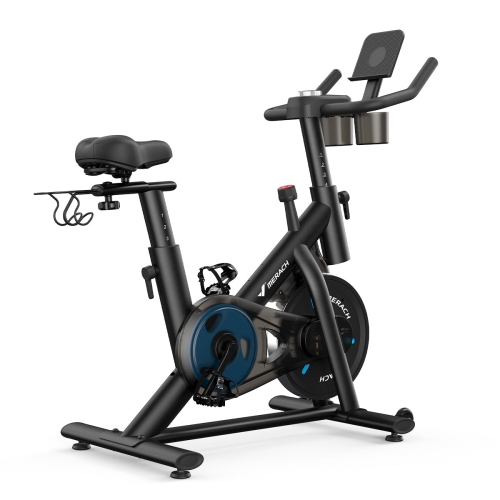
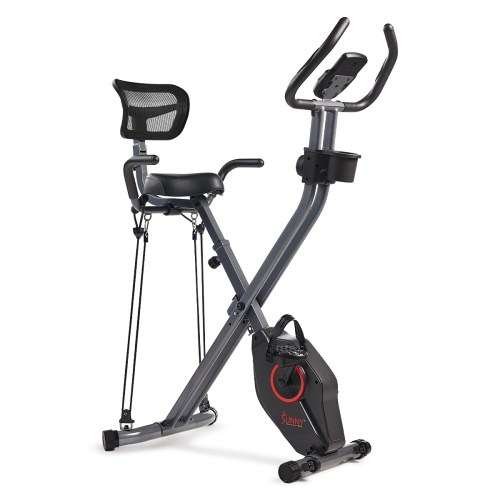
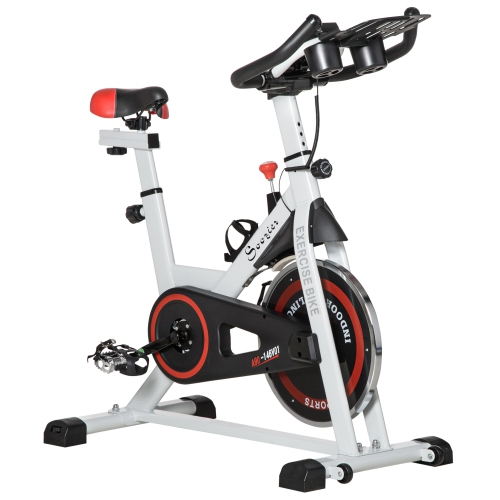
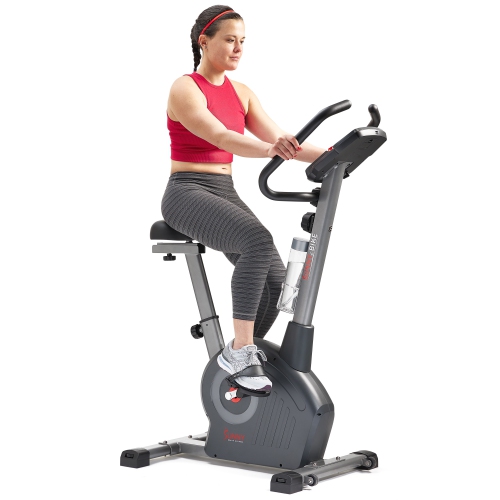
How bike fit shapes your ride at home
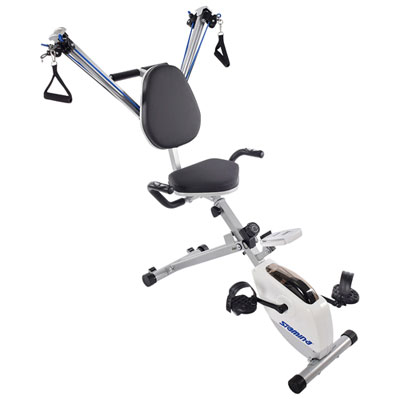
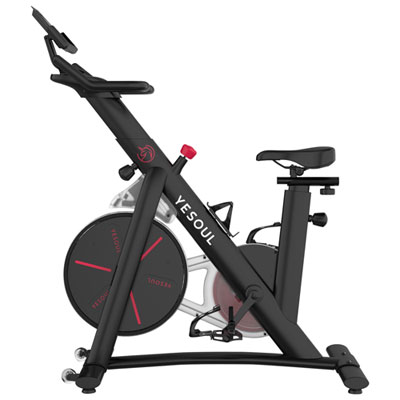
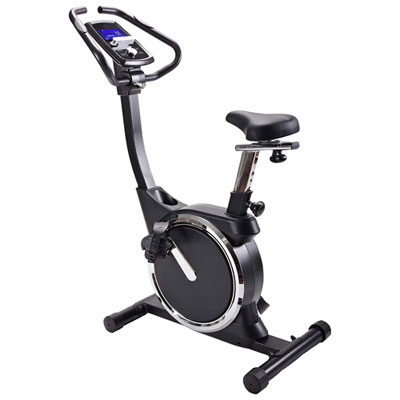
Top home exercise bikes combine adjustable resistance, a stable frame, and a riding position that suits the person using them. Stationary cycling provides a way to build a regular cardio routine at home, whether that means a steady half-hour ride, a short session between other commitments, or intervals that alternate easier pedalling with greater effort. The main styles offer distinctly different experiences. Upright exercise bikes typically place the pedals beneath the rider, with a relatively compact layout and a posture that can feel familiar to someone accustomed to recreational cycling. Indoor cycling bikes often have a more forward riding position, adjustable handlebars, and a saddle shaped for an active cycling posture. Some support standing efforts as well as seated riding, depending on their construction and intended use. Recumbent exercise bikes position the pedals farther forward and provide a seat with a backrest, creating a supported riding position that may appeal to people who prefer not to lean over handlebars. A step-through frame can also make getting on and off more straightforward, although the height and width of the opening still matter. Comfort depends on more than the bike style alone. Saddle height, fore-and-aft seat adjustment, handlebar reach, and pedal placement all influence how naturally the rider moves. At the bottom of a pedal stroke, a slight bend in the knee is generally preferable to locking the leg straight or rocking the hips to reach the pedal. In a shared household, a generous adjustment range and easy-to-read position markings can make switching between riders less fiddly. Seat cushioning is another personal preference: a broad padded seat may feel welcoming for relaxed sessions, while a narrower saddle can allow freer leg movement during more active rides. Pedals with adjustable straps accommodate suitable athletic shoes, whereas clip-in pedal systems require compatible cycling shoes and cleats. These details help distinguish a bike that merely fits in a room from one that fits comfortably into a person’s routine.
Construction and resistance design shape how a home exercise bike feels over repeated use. Steel and aluminium are common frame materials, but overall stability also depends on the base, connections, levelling feet, and the surface beneath the bike. A frame that stays planted during an intended workout helps the rider concentrate on a consistent pedal stroke rather than unwanted movement. Magnetic resistance uses magnets to create braking force without a friction pad pressing against the flywheel, and it is often associated with smooth resistance changes and relatively quiet operation. Friction resistance relies on contact with the flywheel and may require periodic pad adjustment or replacement. Air-resistance bikes use a fan, with effort generally increasing as pedalling speed rises; some also have moving handles for upper-body participation. These systems feel different, so resistance-level counts alone do not establish how challenging or refined a ride will be. Flywheel weight is only part of the picture, too, since drive design and resistance control contribute to the overall sensation. For home use, practical dimensions deserve as much attention as the riding mechanism. The footprint needs to allow room for mounting, dismounting, and moving around the equipment, while the delivery route may include narrow doors, stairs, or tight corners. Folding frames and transport wheels can help with storage, but a bike’s weight and folding procedure affect how manageable that process is. A suitable equipment mat can protect flooring and reduce some transmitted vibration, though it will not eliminate all sound. Care is usually straightforward: wiping away perspiration with a soft cloth, keeping electronics dry, and checking accessible fasteners and pedal attachments according to the manufacturer’s directions help support reliable use. Cleaning products, lubrication, and replacement parts should match the bike’s care requirements. Maximum user weight and any stated rider-height range remain important fit limits, and children and pets need to be kept away from pedals and other moving parts.
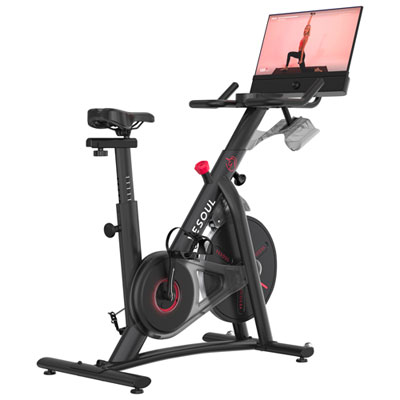
Displays and connected features can make exercise bikes useful for different habits without changing the essentials of a comfortable ride. A simple console may show elapsed time, speed, distance, and estimated calories, giving someone an easy reference for repeating a familiar session. Cadence measures pedal revolutions per minute, which can be helpful for maintaining a steady rhythm, while power readings describe output in watts when the bike supports that measurement. Measurement methods vary, and calorie figures are estimates rather than precise accounts of an individual’s energy use. Heart-rate information may come from contact sensors or a compatible wearable, with connection requirements depending on the equipment. Connected exercise bikes can add instructor-led workouts, scenic routes, or training records, but the details of that connection matter. Bluetooth support might transmit workout data without allowing an app to control resistance, and a built-in screen does not necessarily provide the same functions as a tablet paired with a separate app. Account requirements, supported devices, Wi-Fi needs, and access to basic riding functions without an active membership all influence everyday usability. A tablet holder can suit someone who likes following a session on their own device, while clearly placed physical controls may appeal to a rider who wants to adjust effort without navigating menus. Small conveniences also become noticeable over time: a bottle holder within reach, handlebars that remain comfortable through a longer session, or a console that is easy to read from the normal riding position. An exercise bike can serve as the main cardio station in a home workout area or sit alongside equipment used for strength and mobility work. The Best Home Exercise Equipment page offers a broader view of options for those complementary activities. Whether the bike is intended for a beginner establishing a repeatable habit, an experienced cyclist adding indoor sessions, or several people sharing one machine, the most useful features are those that make regular riding comfortable, practical, and easy to return to.
Construction and resistance design shape how a home exercise bike feels over repeated use. Steel and aluminium are common frame materials, but overall stability also depends on the base, connections, levelling feet, and the surface beneath the bike. A frame that stays planted during an intended workout helps the rider concentrate on a consistent pedal stroke rather than unwanted movement. Magnetic resistance uses magnets to create braking force without a friction pad pressing against the flywheel, and it is often associated with smooth resistance changes and relatively quiet operation. Friction resistance relies on contact with the flywheel and may require periodic pad adjustment or replacement. Air-resistance bikes use a fan, with effort generally increasing as pedalling speed rises; some also have moving handles for upper-body participation. These systems feel different, so resistance-level counts alone do not establish how challenging or refined a ride will be. Flywheel weight is only part of the picture, too, since drive design and resistance control contribute to the overall sensation. For home use, practical dimensions deserve as much attention as the riding mechanism. The footprint needs to allow room for mounting, dismounting, and moving around the equipment, while the delivery route may include narrow doors, stairs, or tight corners. Folding frames and transport wheels can help with storage, but a bike’s weight and folding procedure affect how manageable that process is. A suitable equipment mat can protect flooring and reduce some transmitted vibration, though it will not eliminate all sound. Care is usually straightforward: wiping away perspiration with a soft cloth, keeping electronics dry, and checking accessible fasteners and pedal attachments according to the manufacturer’s directions help support reliable use. Cleaning products, lubrication, and replacement parts should match the bike’s care requirements. Maximum user weight and any stated rider-height range remain important fit limits, and children and pets need to be kept away from pedals and other moving parts.
Displays and connected features can make exercise bikes useful for different habits without changing the essentials of a comfortable ride. A simple console may show elapsed time, speed, distance, and estimated calories, giving someone an easy reference for repeating a familiar session. Cadence measures pedal revolutions per minute, which can be helpful for maintaining a steady rhythm, while power readings describe output in watts when the bike supports that measurement. Measurement methods vary, and calorie figures are estimates rather than precise accounts of an individual’s energy use. Heart-rate information may come from contact sensors or a compatible wearable, with connection requirements depending on the equipment. Connected exercise bikes can add instructor-led workouts, scenic routes, or training records, but the details of that connection matter. Bluetooth support might transmit workout data without allowing an app to control resistance, and a built-in screen does not necessarily provide the same functions as a tablet paired with a separate app. Account requirements, supported devices, Wi-Fi needs, and access to basic riding functions without an active membership all influence everyday usability. A tablet holder can suit someone who likes following a session on their own device, while clearly placed physical controls may appeal to a rider who wants to adjust effort without navigating menus. Small conveniences also become noticeable over time: a bottle holder within reach, handlebars that remain comfortable through a longer session, or a console that is easy to read from the normal riding position. An exercise bike can serve as the main cardio station in a home workout area or sit alongside equipment used for strength and mobility work. The Best Home Exercise Equipment page offers a broader view of options for those complementary activities. Whether the bike is intended for a beginner establishing a repeatable habit, an experienced cyclist adding indoor sessions, or several people sharing one machine, the most useful features are those that make regular riding comfortable, practical, and easy to return to.
Top selling and popular products
-
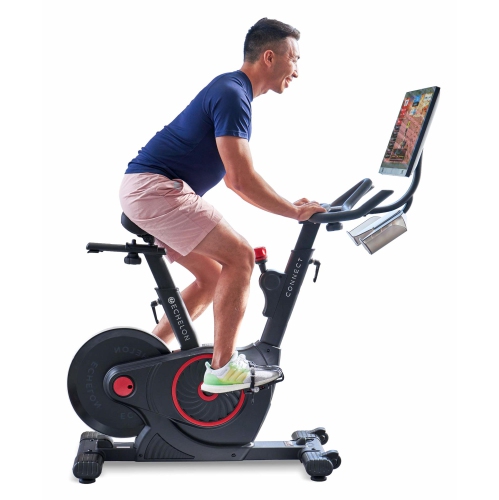 Your price for this item is $1899.99
 -
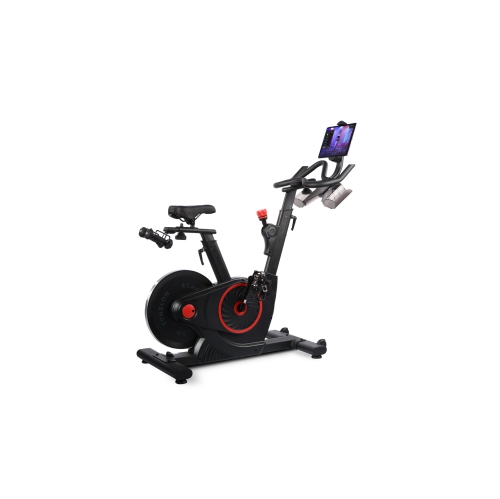 Your price for this item is $1299.99
 -
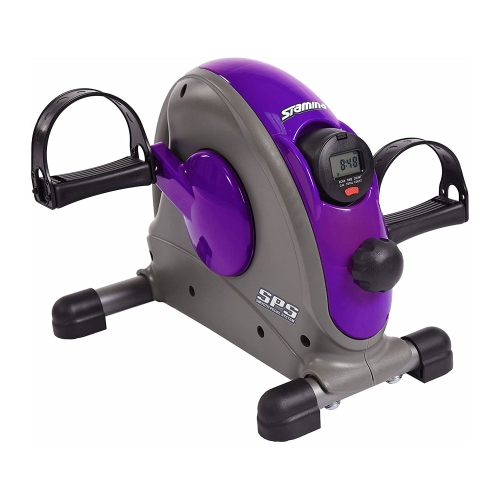 Your price for this item is $169.99
 -
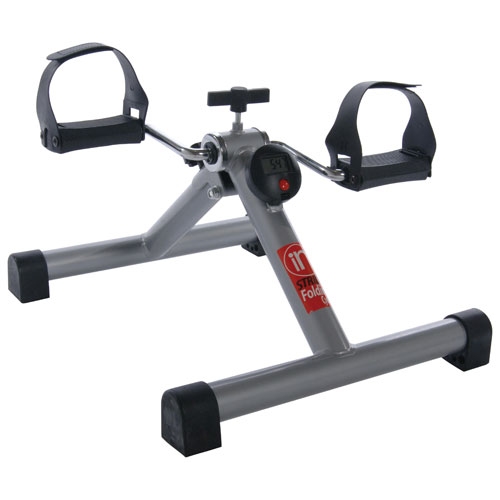 Your price for this item is $104.99
 -
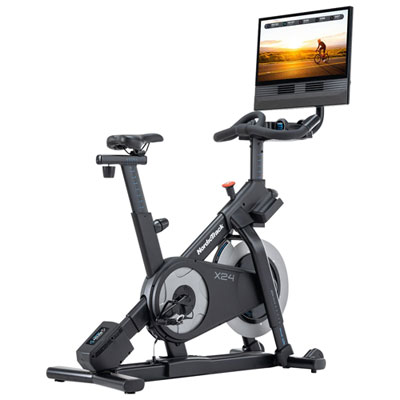 Your price for this item is $2701.98
 -
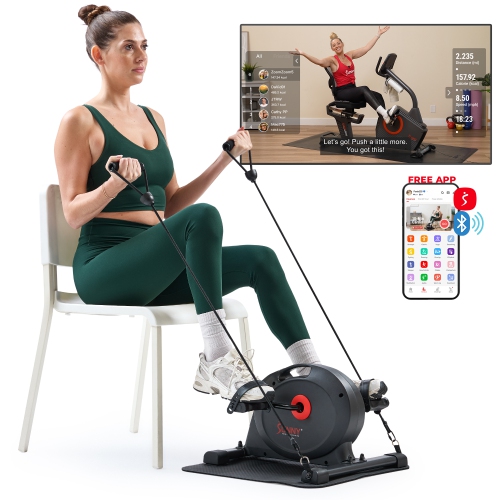 Your price for this item is $129.95
 -
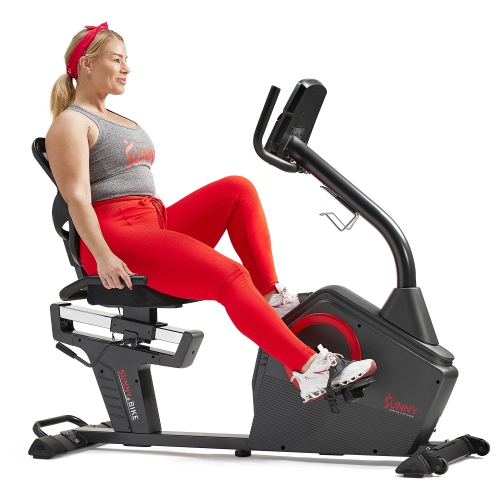 Your price for this item is $899.99
 -
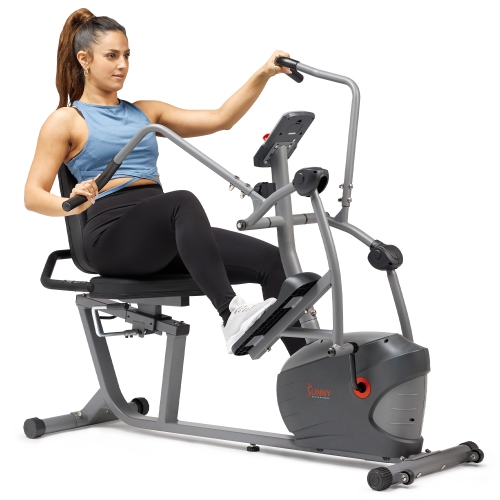 Your price for this item is $769.99
Discover more categories related to Top Home Exercise Bikes
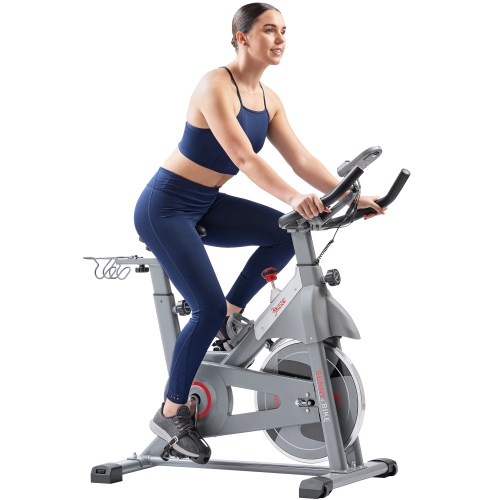
Top Collections:
Pokemon Centers, Kindle Devices, Best Budget Office Chairs, Apple iPhones 16, Samsung Galaxy Phones, Canon G7X Cameras, iPhone 15 Apple, Flip Phones, Best Laptops for Writers, Alarm Clock
Some products may be subject to Environmental Handling Fees
(EHF) depending on your province.
Learn more about EHFs.