Gift Cards for Stocking Stuffers
Gift Cards For Stocking Stuffers make holiday gifting easy and exciting for everyone on your list. Perfectly sized to slip into any stocking, these versatile options let friends and family choose exactly what they want. Whether you’re shopping for tech enthusiasts, home chefs, or anyone in between, gift cards are a thoughtful way to spread cheer. Discover how Gift Cards For Stocking Stuffers can add a personal touch to your holiday celebrations and make every stocking a little more special.
Sort









A personal gift without guessing their next purchase
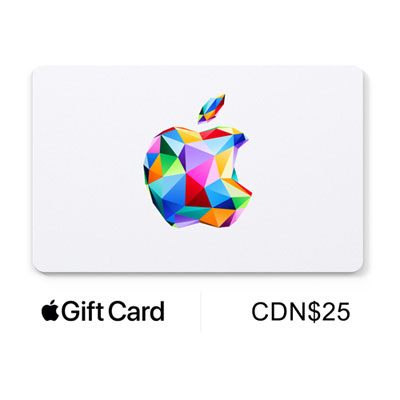
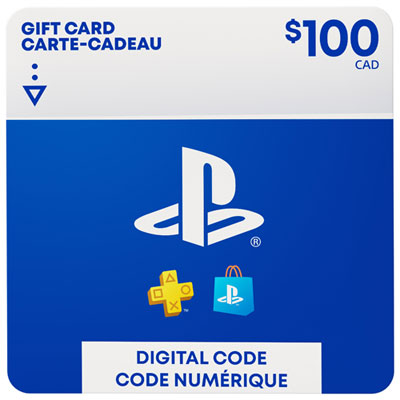
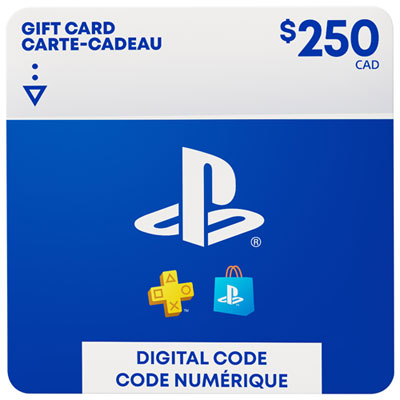
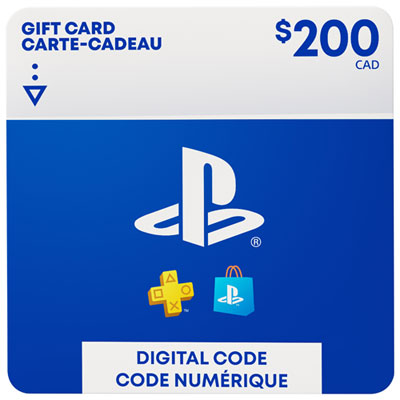
Gift cards for stocking stuffers bring together a small, easy-to-wrap format and the freedom to choose something personal. A physical card slips neatly into a Christmas stocking, while a digital gift card can become part of the same tradition through a printed message or a handwritten note explaining how it will arrive. Their appeal goes beyond convenience: they let the giver acknowledge a favourite hobby or everyday pleasure without having to choose the exact purchase. Retail gift cards suit recipients who enjoy picking out something for themselves; dining cards can support a familiar coffee stop or a meal out; and entertainment or gaming cards can offer a choice of content within a compatible service. The most thoughtful match is usually somewhere the recipient already shops or a service they genuinely use. For a teenager with a well-established gaming routine, compatibility matters more than a festive design. For a relative whose preferences are harder to pin down, a card with a broader range of eligible uses may feel more natural than one tied to a narrow interest. These compact gifts also work well for adult children, partners, friends, and extended family members sharing a stocking exchange. They leave room for a personal message while avoiding the guesswork involved in clothing sizes, colours, or choosing something the recipient may already own. A simple note connecting the card to the recipient’s interests makes the gesture feel considered rather than generic. Even when several people receive gift cards, different messages and carefully matched categories can give each one its own character. A stocking stuffer need not dictate the final gift to feel meaningful; it can leave that enjoyable decision with the person opening it. For related Christmas gifting ideas, Holiday Gift Cards offers another way to explore the theme beyond the stocking itself.
Physical and digital formats serve slightly different purposes, especially when a gift is part of a shared Christmas morning. A physical gift card gives the recipient something tangible to open, tuck into a wallet, and bring along when shopping. Its compact shape generally fits inside a small envelope or folded greeting card, although the outer packaging may take up more space than the card itself. Card construction varies, with plastic or paper-based formats and protective carriers depending on the issuer. For this type of gift, material and durability are mostly practical considerations: the card needs to remain readable, and any barcode, magnetic stripe, card number, or redemption code needs to stay intact. Keeping it flat and dry, away from spills or heavy creasing, helps protect those details. Tape and decorative adhesives belong on the envelope rather than across the card or its readable areas. If a security panel covers a code, leaving it undisturbed preserves the recipient’s ability to check that it has not been exposed before gifting. A digital card removes the need to carry a physical card, but its presentation and delivery deserve just as much attention. The recipient needs access to the email address, account, or other delivery method specified by the issuer. A printed greeting can provide the small wrapped moment in the stocking, while the actual redemption information stays in the intended digital channel. Where scheduled delivery is supported, timing can help keep the surprise intact; delivery methods and processing times depend on the service. Neither format is automatically better for every recipient. Someone who prefers shopping in person may appreciate a physical card, while someone comfortable managing purchases through an account may prefer a digital version. Clear presentation matters in both cases, particularly when several gift cards are being exchanged in the same household. Keeping each card with its matching message and any relevant purchase record helps prevent confusion without making the gift feel overly formal.
The usefulness of a stocking stuffer gift card depends on its redemption terms as much as its presentation. Retail cards, dining cards, and entertainment cards are not interchangeable, and even cards within the same broad category can have different rules. Some can be redeemed online and in person, while others work through a particular website, app, or account. A gaming or digital entertainment card may be restricted to a platform, account region, or type of eligible purchase, so matching the recipient’s existing setup is essential. A familiar category alone does not guarantee a fit. For a recipient in Canada, Canadian redemption eligibility is especially important when their accounts or shopping habits involve services operating in more than one country. Account requirements, age restrictions, and parental controls may also affect how younger recipients can use a card. In a family stocking exchange, a parent or guardian may need to help a child redeem the gift through an appropriate account. Dining and service-related cards deserve the same attention to everyday practicality: a recipient should be able to reach a participating location or use the supported ordering method without an inconvenient detour. The issuer’s terms clarify eligible purchases, participating locations, account requirements, and any restrictions, rather than leaving the recipient to discover them during checkout. Where a card is intended for a subscription service, it is worth distinguishing between eligible account credit and a specific period of access, since those arrangements may work differently. Some services may also require a separate payment method. Once the gift is opened, retaining the card or digital message until redemption is complete gives the recipient access to the details they may need later. Purchase records can be helpful if assistance is required, although replacement and lost-card policies vary by issuer. Private codes should remain private, including in photographs of opened stockings shared online. These practical details support what makes gift cards such a comfortable fit for stocking traditions: a small package can acknowledge a person’s interests without making the final choice for them. Whether it supports a familiar routine or lets someone explore a hobby at their own pace, a well-matched card carries its personal touch through the thought behind it.
Physical and digital formats serve slightly different purposes, especially when a gift is part of a shared Christmas morning. A physical gift card gives the recipient something tangible to open, tuck into a wallet, and bring along when shopping. Its compact shape generally fits inside a small envelope or folded greeting card, although the outer packaging may take up more space than the card itself. Card construction varies, with plastic or paper-based formats and protective carriers depending on the issuer. For this type of gift, material and durability are mostly practical considerations: the card needs to remain readable, and any barcode, magnetic stripe, card number, or redemption code needs to stay intact. Keeping it flat and dry, away from spills or heavy creasing, helps protect those details. Tape and decorative adhesives belong on the envelope rather than across the card or its readable areas. If a security panel covers a code, leaving it undisturbed preserves the recipient’s ability to check that it has not been exposed before gifting. A digital card removes the need to carry a physical card, but its presentation and delivery deserve just as much attention. The recipient needs access to the email address, account, or other delivery method specified by the issuer. A printed greeting can provide the small wrapped moment in the stocking, while the actual redemption information stays in the intended digital channel. Where scheduled delivery is supported, timing can help keep the surprise intact; delivery methods and processing times depend on the service. Neither format is automatically better for every recipient. Someone who prefers shopping in person may appreciate a physical card, while someone comfortable managing purchases through an account may prefer a digital version. Clear presentation matters in both cases, particularly when several gift cards are being exchanged in the same household. Keeping each card with its matching message and any relevant purchase record helps prevent confusion without making the gift feel overly formal.
The usefulness of a stocking stuffer gift card depends on its redemption terms as much as its presentation. Retail cards, dining cards, and entertainment cards are not interchangeable, and even cards within the same broad category can have different rules. Some can be redeemed online and in person, while others work through a particular website, app, or account. A gaming or digital entertainment card may be restricted to a platform, account region, or type of eligible purchase, so matching the recipient’s existing setup is essential. A familiar category alone does not guarantee a fit. For a recipient in Canada, Canadian redemption eligibility is especially important when their accounts or shopping habits involve services operating in more than one country. Account requirements, age restrictions, and parental controls may also affect how younger recipients can use a card. In a family stocking exchange, a parent or guardian may need to help a child redeem the gift through an appropriate account. Dining and service-related cards deserve the same attention to everyday practicality: a recipient should be able to reach a participating location or use the supported ordering method without an inconvenient detour. The issuer’s terms clarify eligible purchases, participating locations, account requirements, and any restrictions, rather than leaving the recipient to discover them during checkout. Where a card is intended for a subscription service, it is worth distinguishing between eligible account credit and a specific period of access, since those arrangements may work differently. Some services may also require a separate payment method. Once the gift is opened, retaining the card or digital message until redemption is complete gives the recipient access to the details they may need later. Purchase records can be helpful if assistance is required, although replacement and lost-card policies vary by issuer. Private codes should remain private, including in photographs of opened stockings shared online. These practical details support what makes gift cards such a comfortable fit for stocking traditions: a small package can acknowledge a person’s interests without making the final choice for them. Whether it supports a familiar routine or lets someone explore a hobby at their own pace, a well-matched card carries its personal touch through the thought behind it.
Top selling and popular products
-
 Your price for this item is $100
 -
 Your price for this item is $50
 -
 Your price for this item is $20
 -
 Your price for this item is $20
 -
 Your price for this item is $100
 -
 Your price for this item is $25
 -
 Your price for this item is $30
 -
 Your price for this item is $50
Discover more categories related to Gift Cards for Stocking Stuffers

Top Collections:
Pokemon Centers, Kindle Devices, Best Budget Office Chairs, Apple iPhones 16, Samsung Galaxy Phones, Canon G7X Cameras, iPhone 15 Apple, Flip Phones, Best Laptops for Writers, Alarm Clock
Some products may be subject to Environmental Handling Fees
(EHF) depending on your province.
Learn more about EHFs.