Travel Scooters
Are you ready to explore the world with ease and convenience? Look no further than our collection of travel scooters. Designed to provide mobility and independence, these scooters are perfect for those who love to travel but require a little extra assistance. Whether you're planning a weekend getaway or a long-awaited vacation, our travel scooters offer a comfortable and reliable way to navigate through airports, cruise ships, and city streets. With their versatile features and user-friendly designs, these scooters are sure to become your trusted companion on your next adventure.
Sort
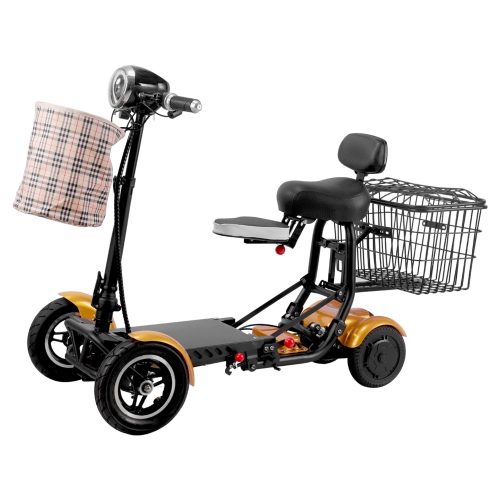
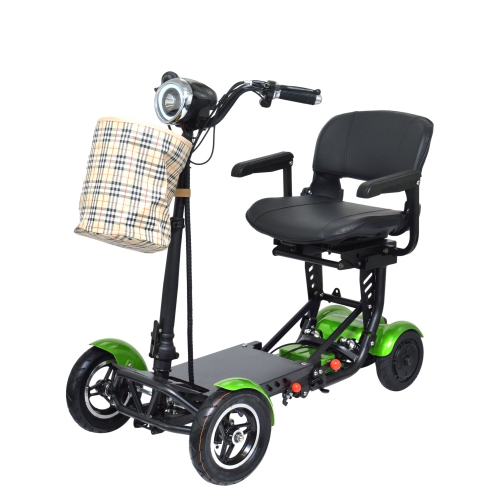
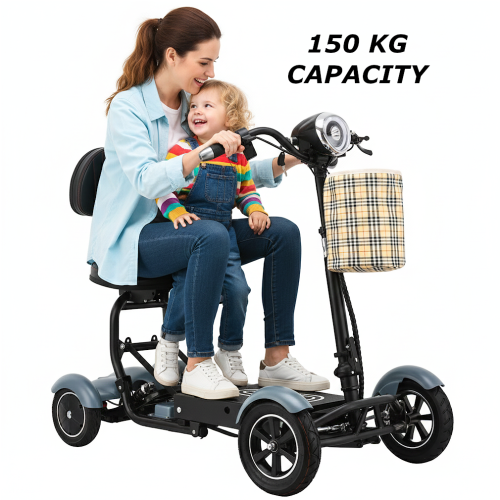
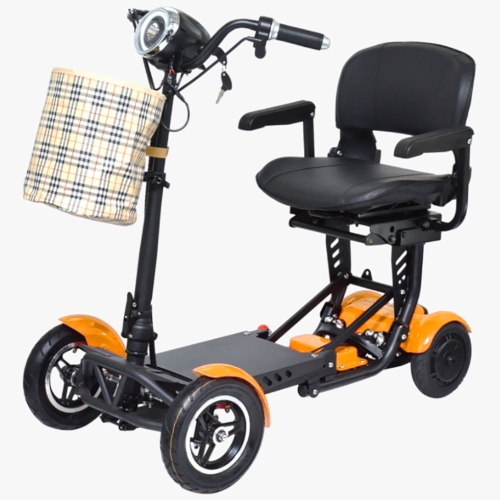
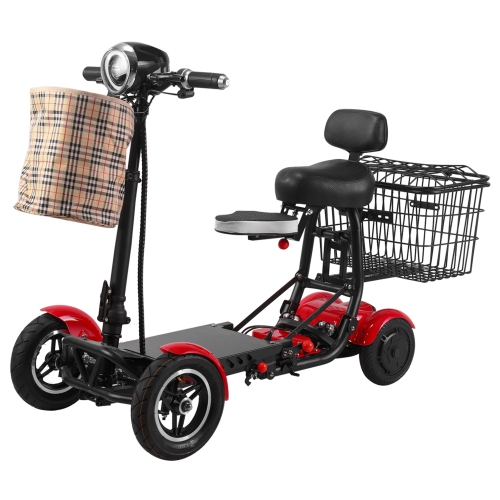
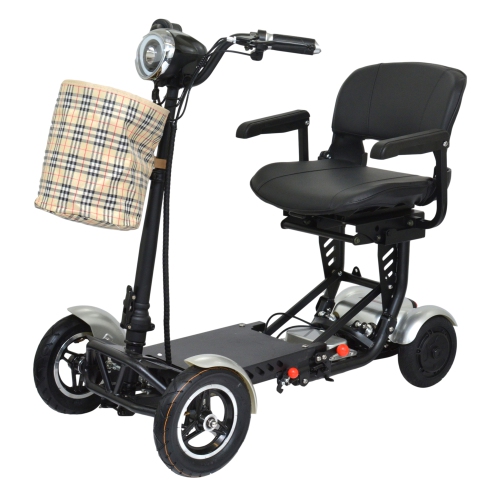
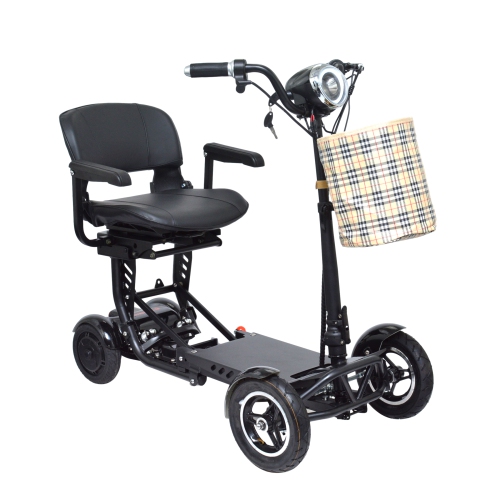
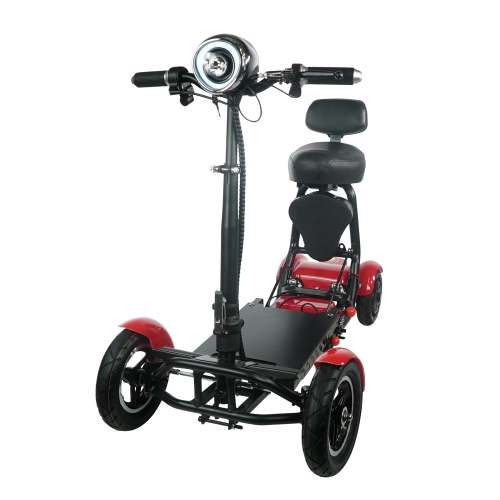

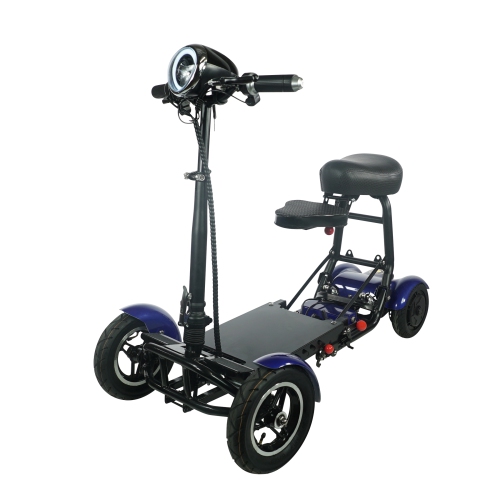
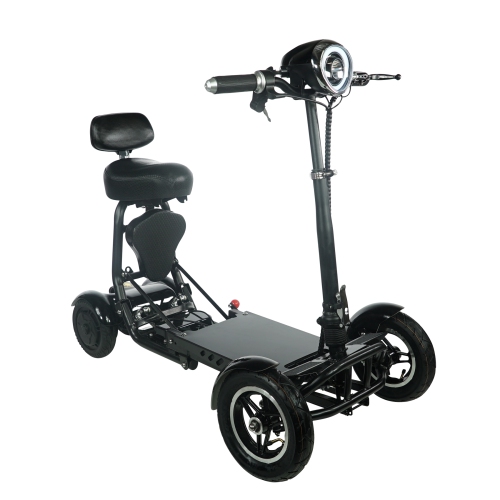
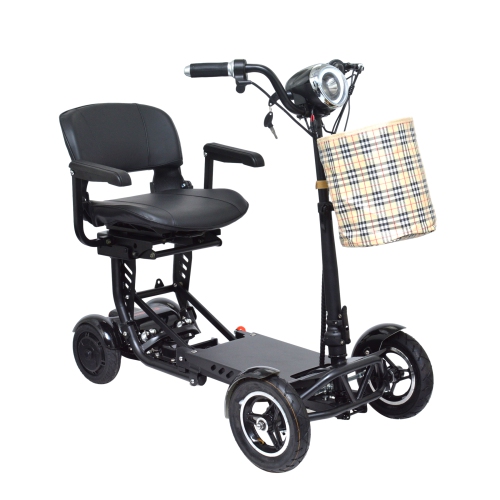
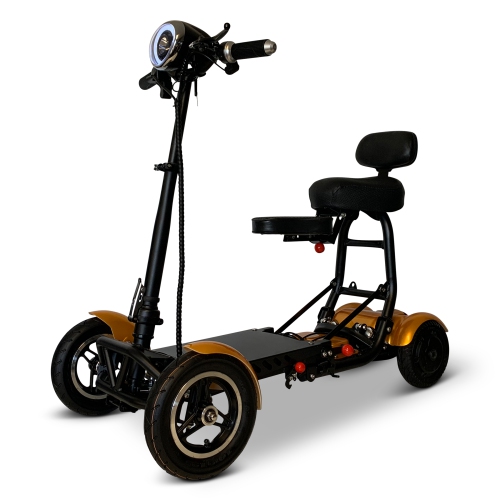
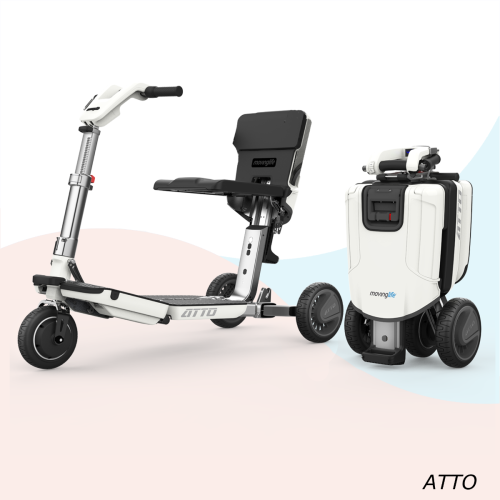
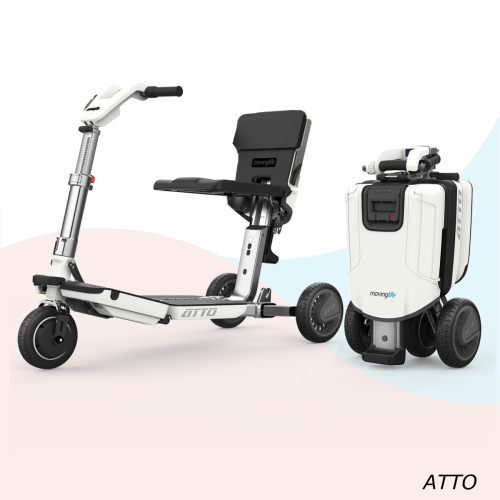
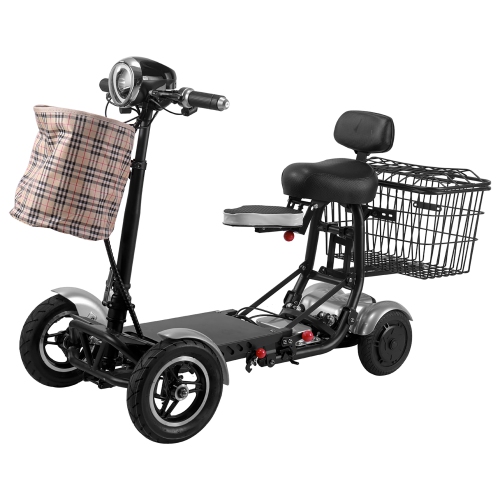
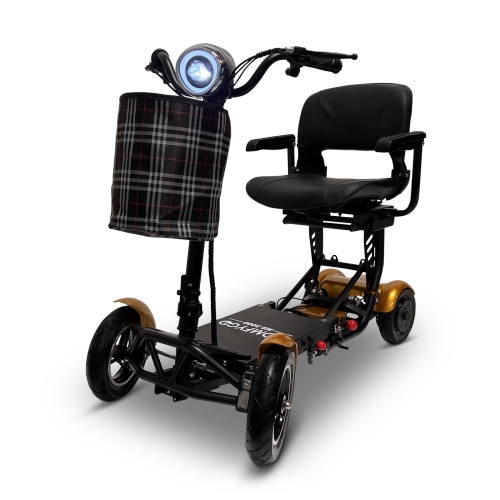
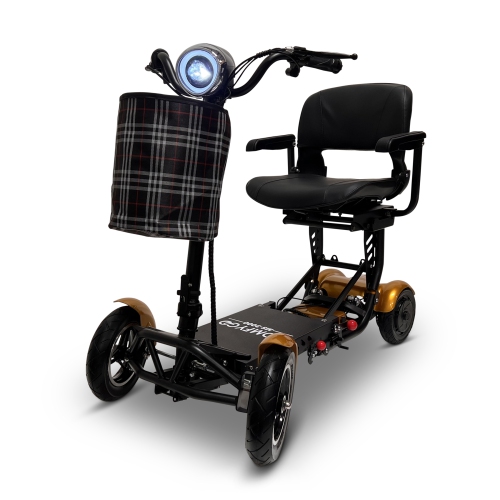
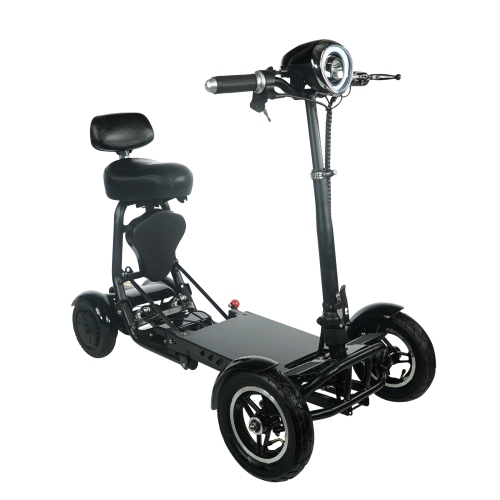
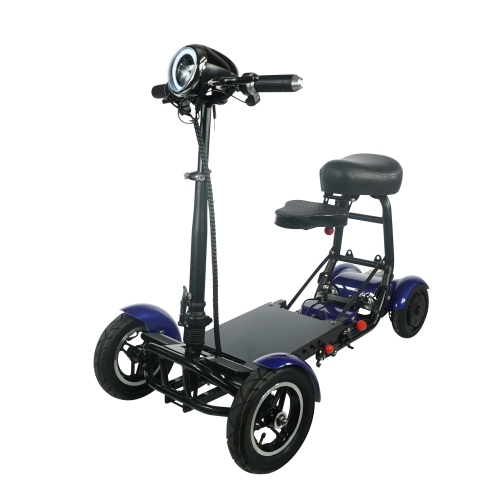
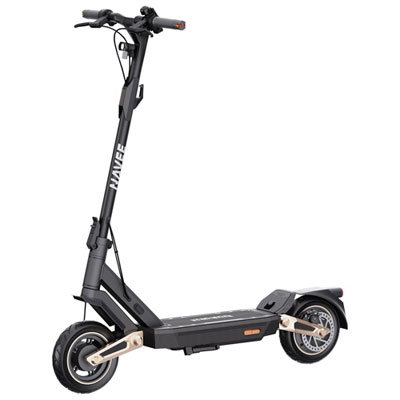
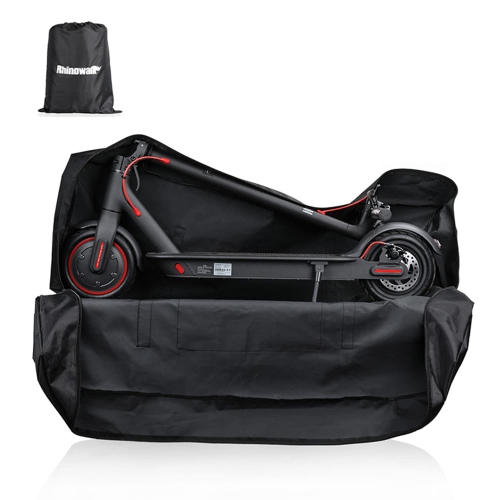
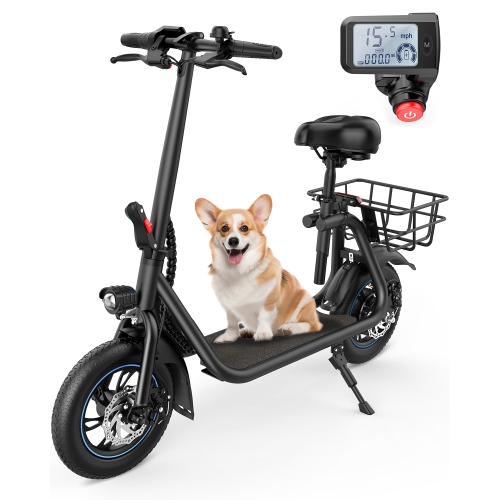
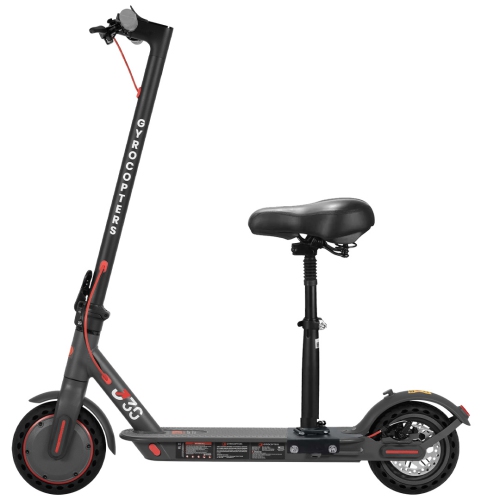
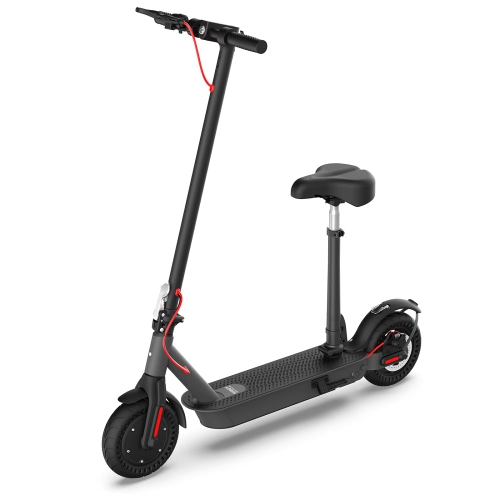
Portable mobility means more than a folding frame
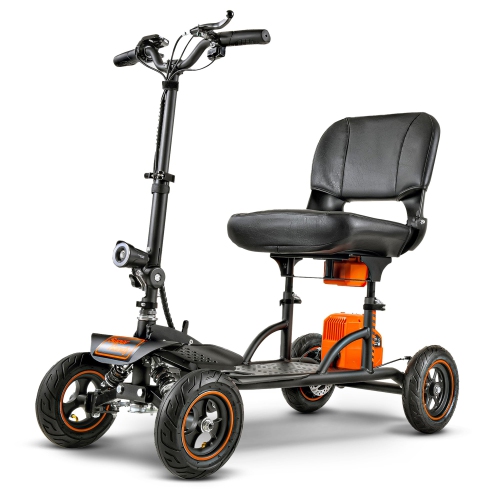
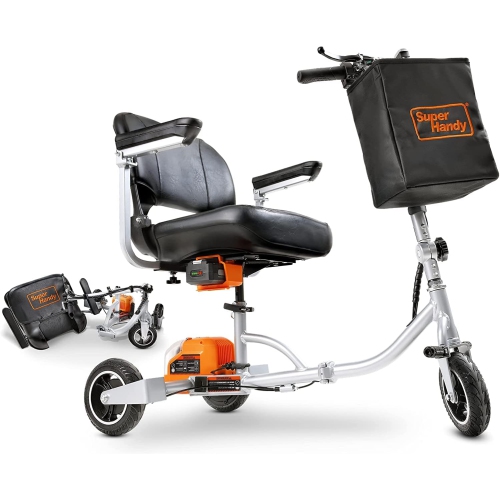
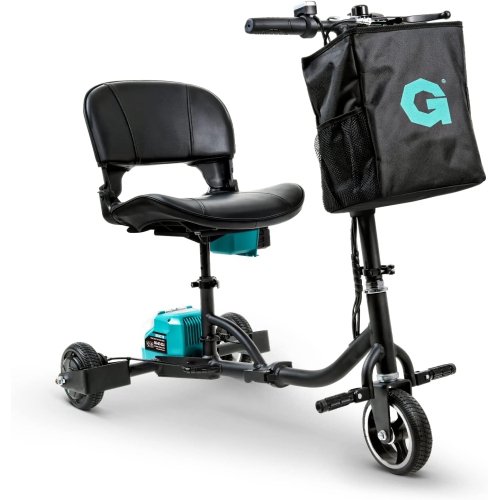
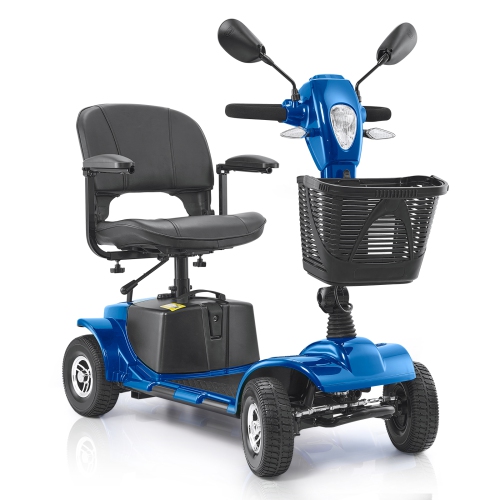
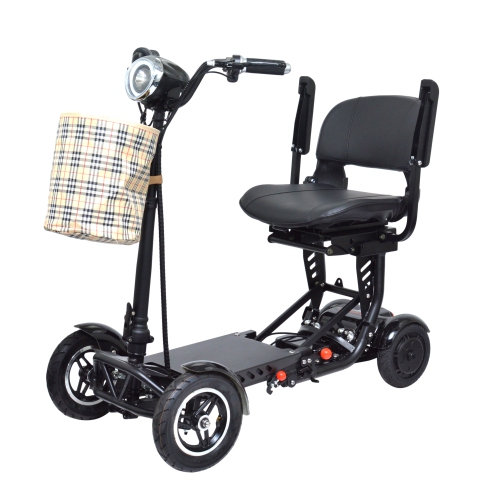
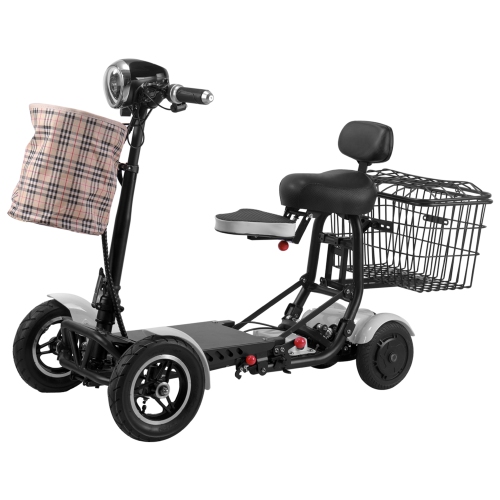
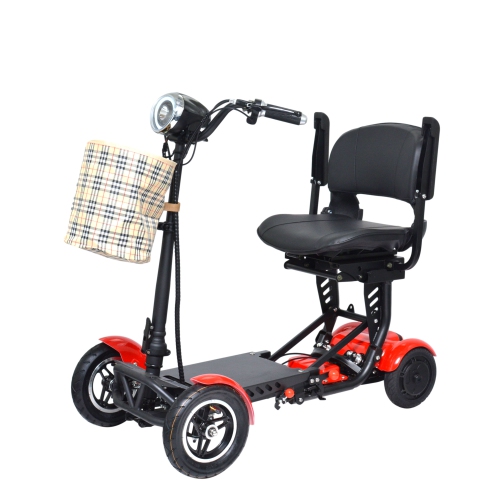
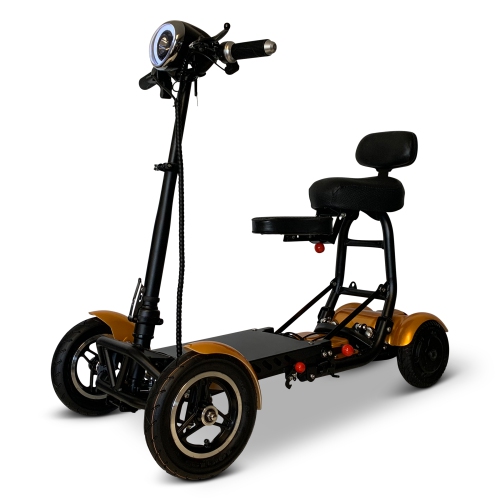
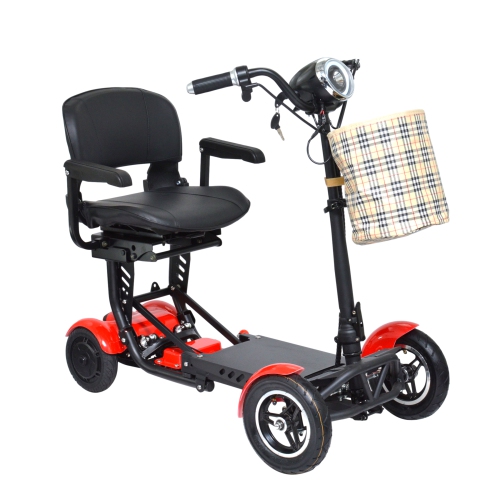
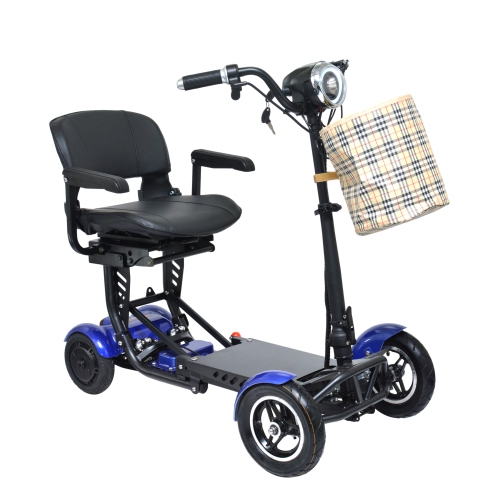
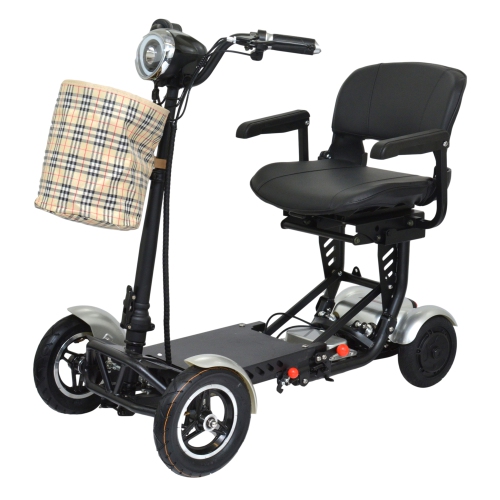
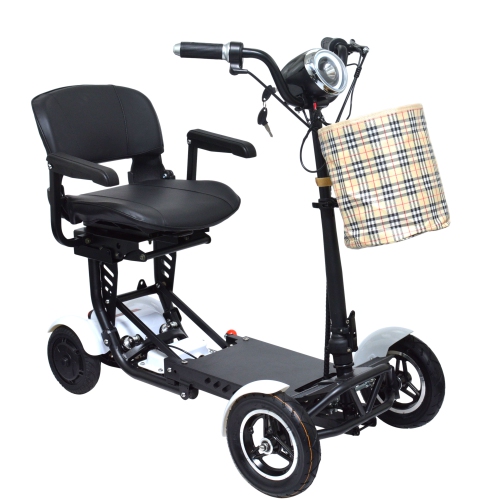
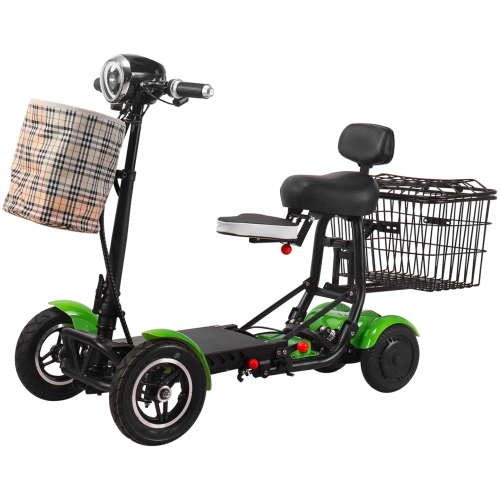
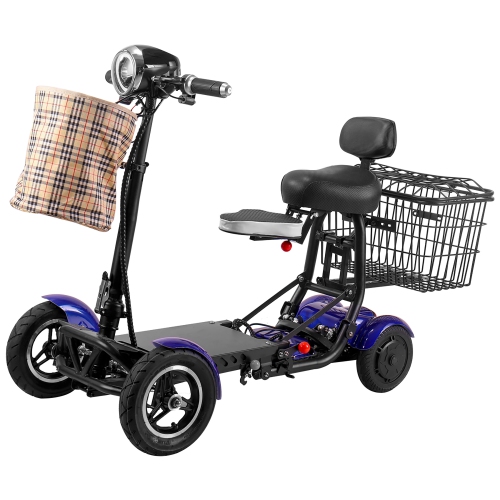
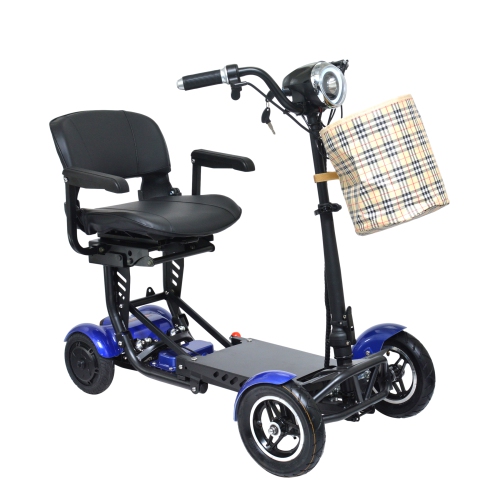
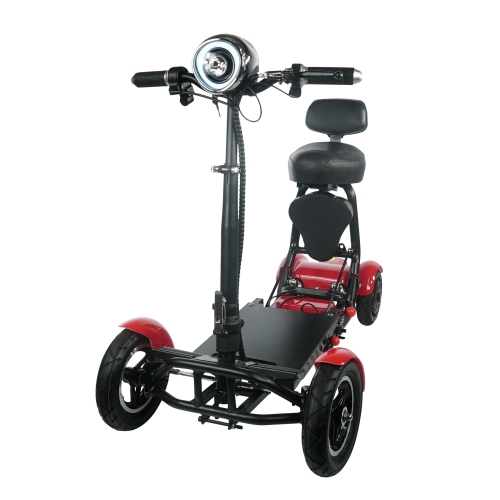
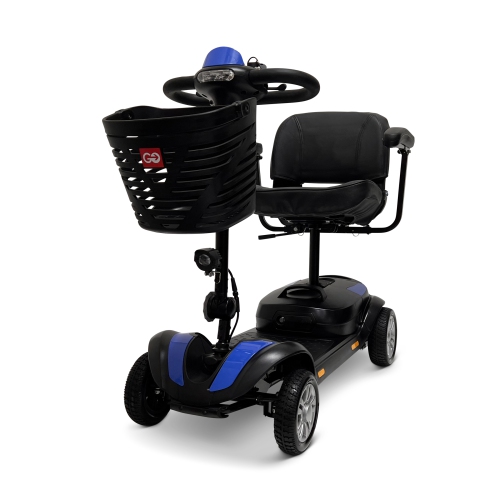
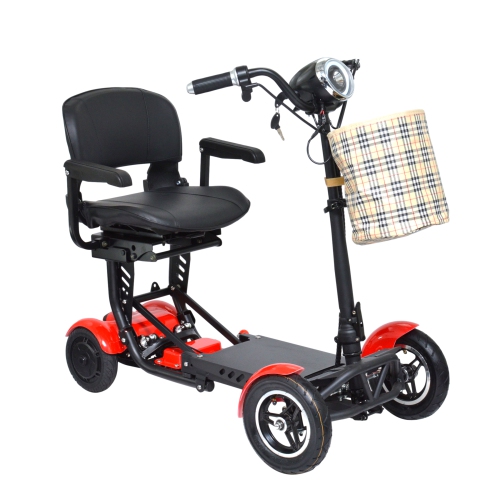
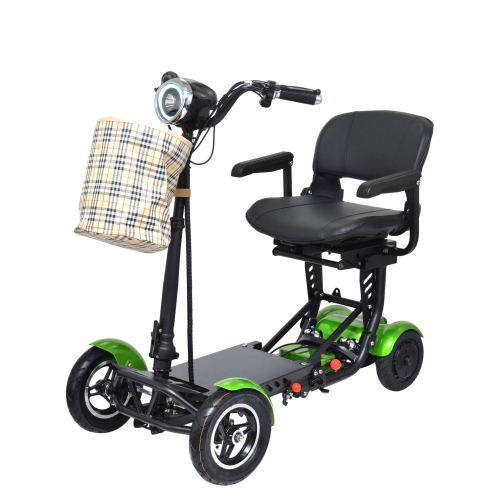
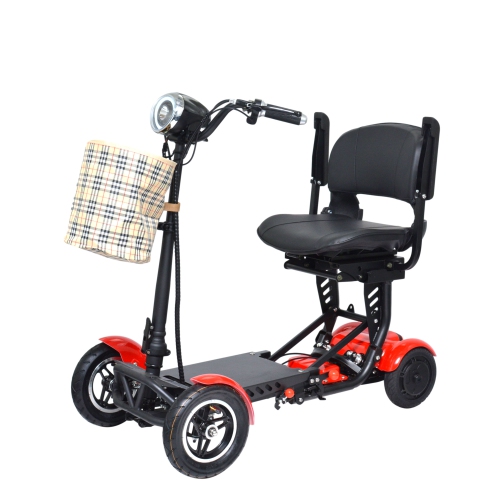
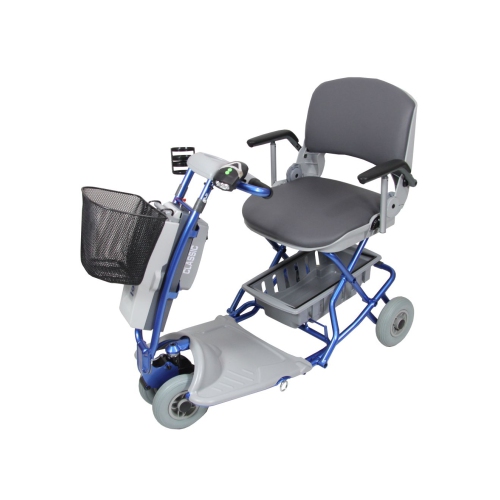
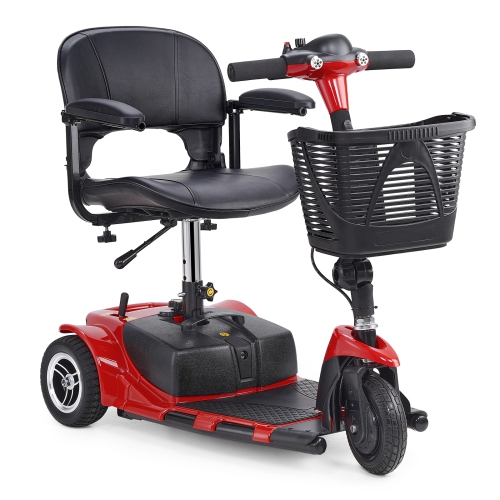
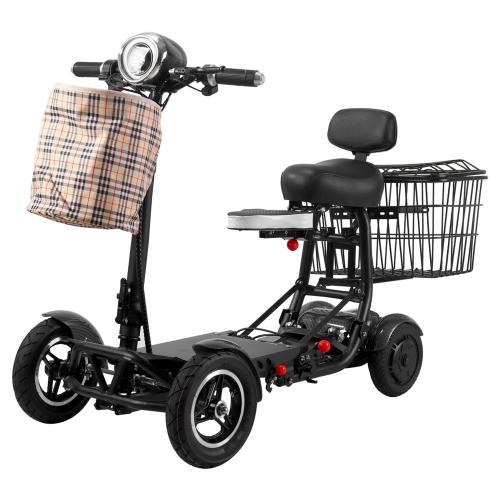
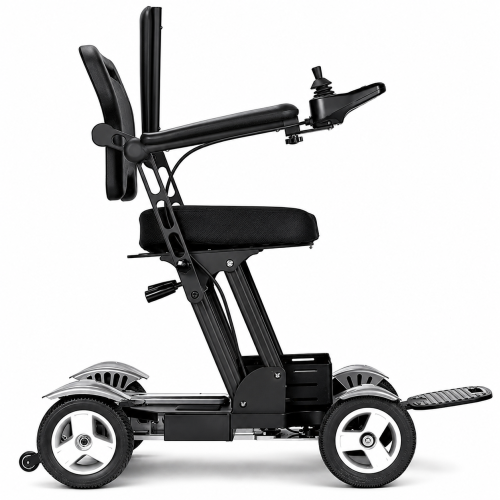
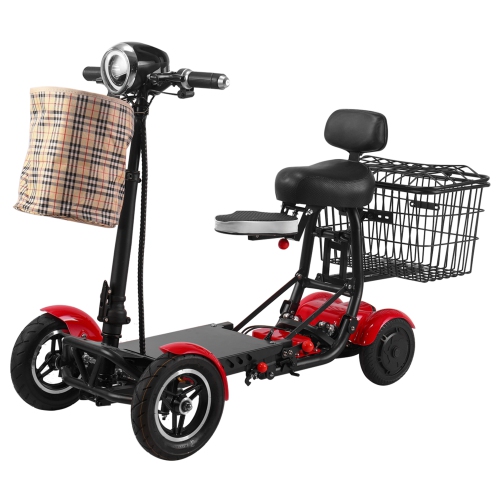
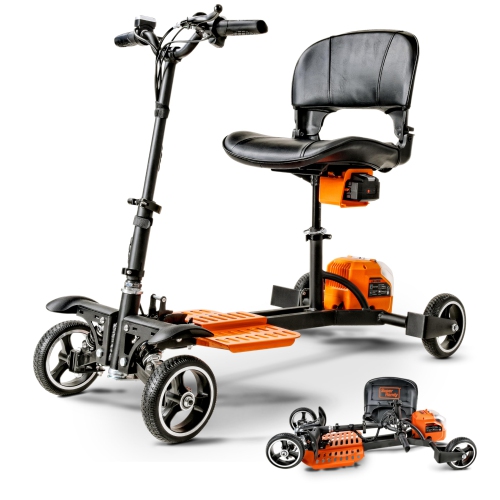
Travel scooters are compact, powered mobility scooters designed to make getting around away from home more manageable. Unlike recreational standing scooters, they typically have a seat, a foot platform, and a tiller with steering and speed controls. Their defining feature is portability: a travel mobility scooter folds into a smaller shape or separates into pieces for transport and storage. That design can suit car journeys, hotel stays, shopping trips, museum visits, and outings that involve more walking than a person can comfortably manage. People with limited walking endurance may use one for longer distances while continuing to walk shorter stretches, depending on their abilities and needs. Travel scooters also overlap with Portable Mobility Scooters, with both categories emphasizing manageable transport rather than the larger frames and features often associated with full-size mobility scooters. A folding design keeps most of the scooter together, which can simplify packing, but the folded unit may still require substantial lifting. A take-apart design spreads the load across separate components, although it requires space to place those components and the ability to put them back together securely. For a scooter travelling in a car boot, the weight of the heaviest piece matters as much as the total weight. Folded length, width, and height also need to fit through the boot opening, not just within the luggage area. A compact shape is especially useful when suitcases or a companion’s mobility aid must share that space. Some designs can be rolled while folded, while others need to be carried; those differences affect the journey between a parked vehicle and a hotel entrance. Frame materials such as aluminium and steel influence weight and durability, but the complete construction matters more than the material alone. Secure folding joints, sturdy connection points, and accessible release mechanisms help make repeated packing and unpacking less demanding. For someone who travels with a companion, practical portability includes whether that person can safely handle the scooter without awkward lifting or twisting.
Comfort and control determine how well a travel scooter works once it is out of the vehicle. Seat width and depth, back support, armrest position, and the distance between the seat and tiller all affect the seated fit. Enough foot space allows the rider to keep both feet supported without crowding the steering column, while an adjustable tiller can bring the controls within a comfortable reach. A swivel seat or movable armrests may make transfers easier, depending on the design and the rider’s abilities. Compact travel seats often provide less padding and fewer adjustments than larger mobility seating systems, so a short trip through a shopping centre can feel different from several hours of sightseeing. Someone who needs specialized postural support may require a different mobility solution and an assessment by a qualified professional. Weight capacity should account for the rider and anything carried on the scooter, with baskets and other storage areas kept within their separate load limits. Steering layout, throttle operation, and braking behaviour deserve equal attention: the rider needs to be able to operate the controls reliably and respond to people and obstacles along the route. Three-wheel travel scooters often offer a tighter turning radius and an open foot area, which can be useful around shop displays or in compact accommodation. Four-wheel designs generally provide a broader support base, although stability still depends on the scooter’s geometry, the surface, speed, and how it is driven. Wheel count alone does not establish whether a scooter is suitable for a particular route. Small wheels and low ground clearance can limit access over raised thresholds, broken pavement, or uneven paths. Solid tyres avoid punctures and reduce tyre maintenance, while pneumatic tyres require pressure checks and can offer a different ride feel. Suspension, where fitted, may reduce some vibration, but it does not turn a compact travel scooter into an all-terrain vehicle. Intended use should remain within the manufacturer’s limits for surfaces, slopes, and obstacles, including on familiar journeys close to home.
Battery range is another important part of everyday usefulness, particularly when an outing includes a station concourse, several attractions, and the return trip to the vehicle. Published range figures are estimates measured under stated conditions, not a promise that every rider will travel the same distance on a charge. Rider weight, luggage, gradients, stop-start driving, tyre condition, and battery age can all affect the distance achieved. A sensible reserve leaves room for a longer accessible route or a change of plans. Removable batteries can make charging more convenient when the scooter stays in a vehicle or storage area, provided the battery can be carried safely and charged in a suitable location. Charging should follow the manufacturer’s instructions using the specified compatible charger. Air travel adds requirements that are separate from a scooter’s ability to fold. A description such as travel-friendly does not establish acceptance on every flight: battery chemistry, watt-hour rating, removability, and protection against accidental operation all matter. For flights to or from Canada, Transport Canada requirements and the operating airline’s procedures need to be checked before departure. The airline may ask for the scooter’s dimensions, weight, battery specifications, and handling instructions, and acceptance can depend on the aircraft and itinerary. Train operators and cruise lines can also have limits involving doorway clearance, storage, charging, and accessible accommodation. At the destination, suitable lifts, room layouts, and step-free routes help make the scooter genuinely useful beyond the terminal. Ongoing care supports that usefulness over repeated journeys. Upholstery and touchpoints can be cleaned with materials permitted by the manufacturer, while folding joints, fasteners, tyres, and electrical connections need regular checks for wear or damage. Batteries require the specified charging and storage routine even between trips. A protective transport cover may reduce scuffs, but fragile controls and exposed connectors still need careful handling. When a travel scooter is a gift or a purchase for a family member, involving the intended rider helps ensure that portability, seating, controls, and daily routines all work together.
Comfort and control determine how well a travel scooter works once it is out of the vehicle. Seat width and depth, back support, armrest position, and the distance between the seat and tiller all affect the seated fit. Enough foot space allows the rider to keep both feet supported without crowding the steering column, while an adjustable tiller can bring the controls within a comfortable reach. A swivel seat or movable armrests may make transfers easier, depending on the design and the rider’s abilities. Compact travel seats often provide less padding and fewer adjustments than larger mobility seating systems, so a short trip through a shopping centre can feel different from several hours of sightseeing. Someone who needs specialized postural support may require a different mobility solution and an assessment by a qualified professional. Weight capacity should account for the rider and anything carried on the scooter, with baskets and other storage areas kept within their separate load limits. Steering layout, throttle operation, and braking behaviour deserve equal attention: the rider needs to be able to operate the controls reliably and respond to people and obstacles along the route. Three-wheel travel scooters often offer a tighter turning radius and an open foot area, which can be useful around shop displays or in compact accommodation. Four-wheel designs generally provide a broader support base, although stability still depends on the scooter’s geometry, the surface, speed, and how it is driven. Wheel count alone does not establish whether a scooter is suitable for a particular route. Small wheels and low ground clearance can limit access over raised thresholds, broken pavement, or uneven paths. Solid tyres avoid punctures and reduce tyre maintenance, while pneumatic tyres require pressure checks and can offer a different ride feel. Suspension, where fitted, may reduce some vibration, but it does not turn a compact travel scooter into an all-terrain vehicle. Intended use should remain within the manufacturer’s limits for surfaces, slopes, and obstacles, including on familiar journeys close to home.
Battery range is another important part of everyday usefulness, particularly when an outing includes a station concourse, several attractions, and the return trip to the vehicle. Published range figures are estimates measured under stated conditions, not a promise that every rider will travel the same distance on a charge. Rider weight, luggage, gradients, stop-start driving, tyre condition, and battery age can all affect the distance achieved. A sensible reserve leaves room for a longer accessible route or a change of plans. Removable batteries can make charging more convenient when the scooter stays in a vehicle or storage area, provided the battery can be carried safely and charged in a suitable location. Charging should follow the manufacturer’s instructions using the specified compatible charger. Air travel adds requirements that are separate from a scooter’s ability to fold. A description such as travel-friendly does not establish acceptance on every flight: battery chemistry, watt-hour rating, removability, and protection against accidental operation all matter. For flights to or from Canada, Transport Canada requirements and the operating airline’s procedures need to be checked before departure. The airline may ask for the scooter’s dimensions, weight, battery specifications, and handling instructions, and acceptance can depend on the aircraft and itinerary. Train operators and cruise lines can also have limits involving doorway clearance, storage, charging, and accessible accommodation. At the destination, suitable lifts, room layouts, and step-free routes help make the scooter genuinely useful beyond the terminal. Ongoing care supports that usefulness over repeated journeys. Upholstery and touchpoints can be cleaned with materials permitted by the manufacturer, while folding joints, fasteners, tyres, and electrical connections need regular checks for wear or damage. Batteries require the specified charging and storage routine even between trips. A protective transport cover may reduce scuffs, but fragile controls and exposed connectors still need careful handling. When a travel scooter is a gift or a purchase for a family member, involving the intended rider helps ensure that portability, seating, controls, and daily routines all work together.
Top selling and popular products
-
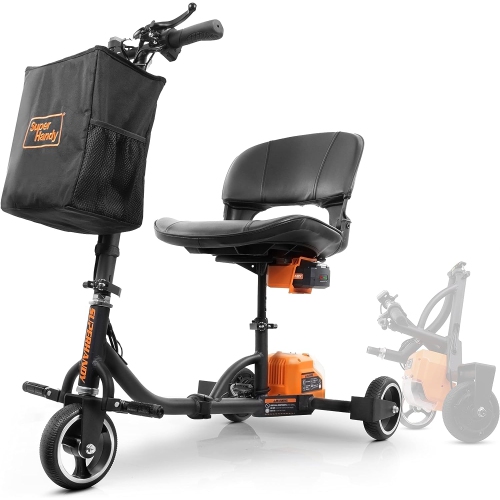 Your price for this item is $1199.99
 -
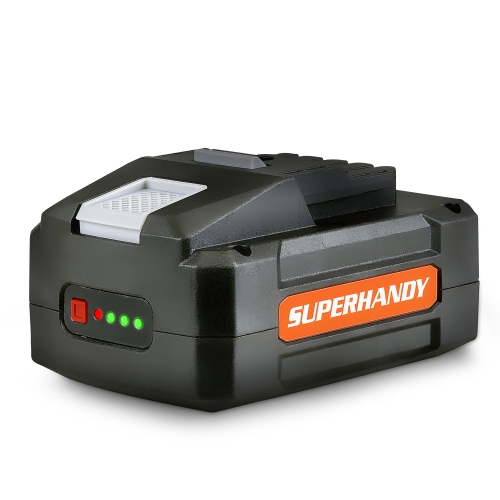 Your price for this item is $129.99
 -
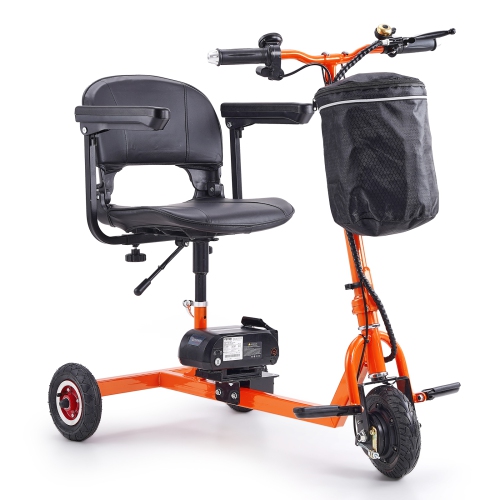 Your price for this item is $611.9
 -
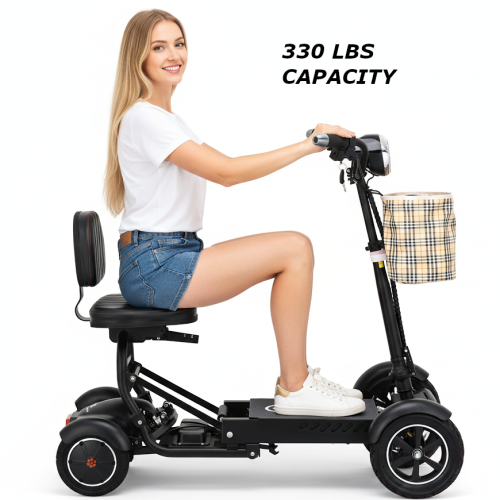 Your price for this item is $1239
 -
 Your price for this item is $856.13
 -
 Your price for this item is $1239
 -
 Your price for this item is $1339
 -
 Your price for this item is $1239
Discover more categories related to Travel Scooters
Top Collections:
Pokemon Centers, Kindle Devices, Best Budget Office Chairs, Apple iPhones 16, Samsung Galaxy Phones, Canon G7X Cameras, iPhone 15 Apple, Flip Phones, Best Laptops for Writers, Alarm Clock
Some products may be subject to Environmental Handling Fees
(EHF) depending on your province.
Learn more about EHFs.