Bathroom Ceiling Lights
Elevate the ambiance of your bathroom with our selection of ceiling lights designed to brighten up your space while adding a touch of style. Whether you prefer modern, minimalist designs or classic fixtures, our range of bathroom ceiling lights offers a variety of options to suit your taste and decor. Illuminate your morning routine with ease and create a relaxing atmosphere for unwinding after a long day. Upgrade your bathroom lighting today and transform your space into a tranquil oasis.
Sort
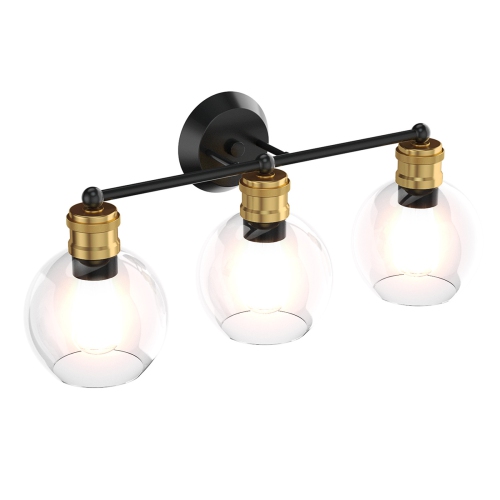
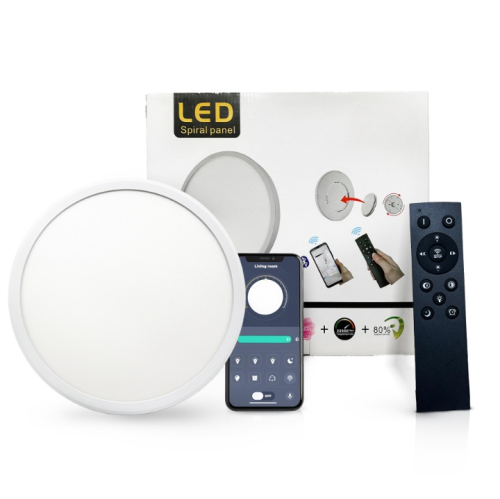
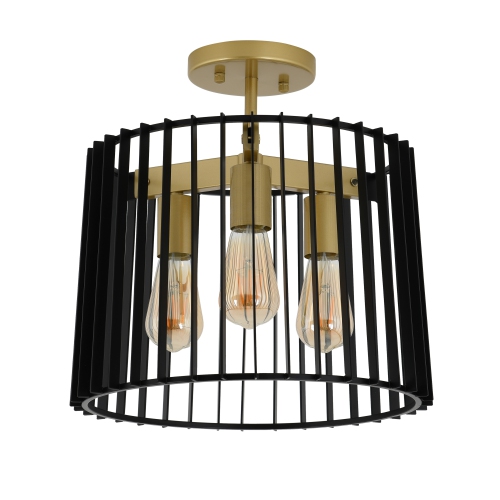
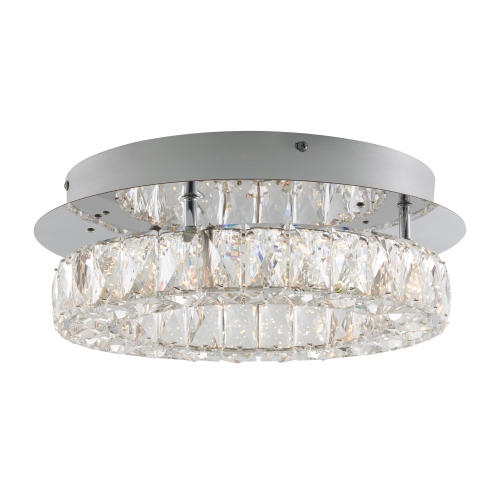
Plan layered lighting for comfort, safety, and everyday routines
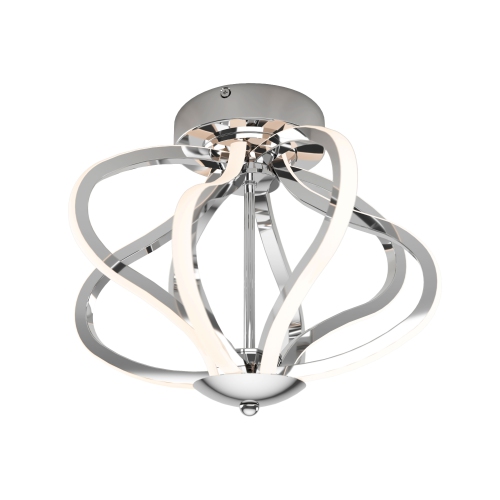
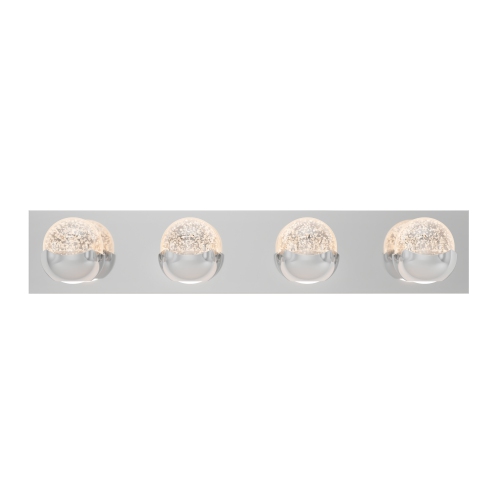
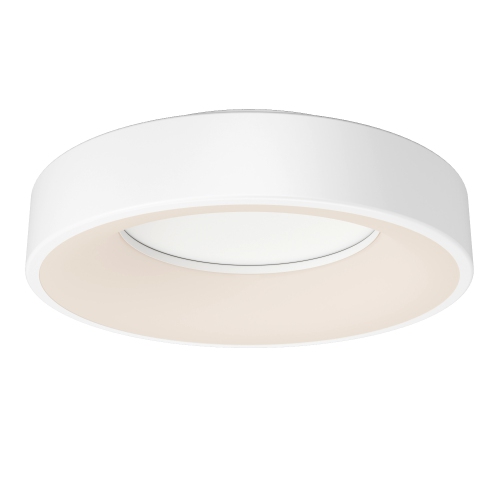
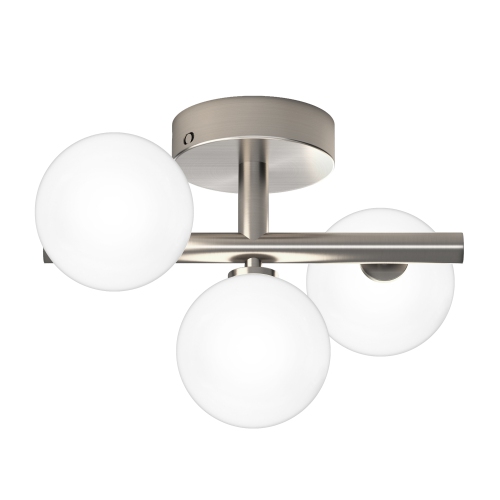
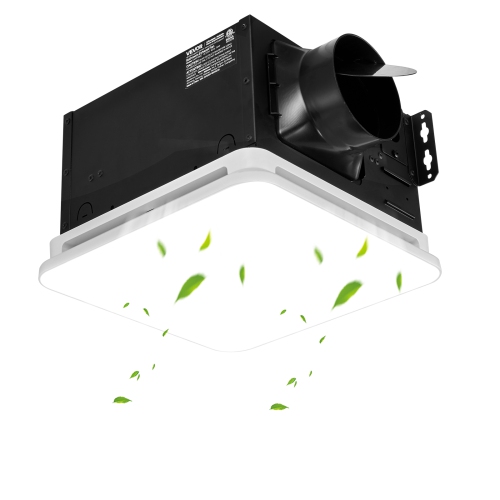
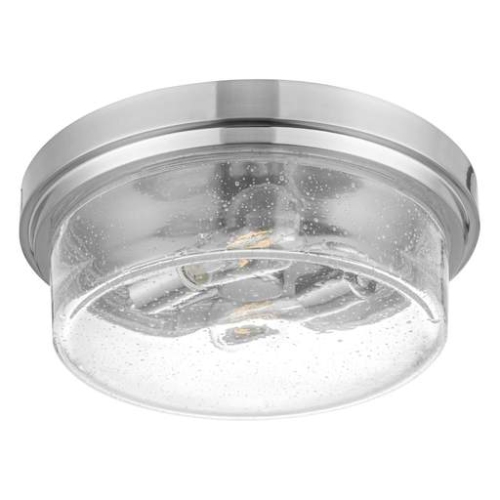
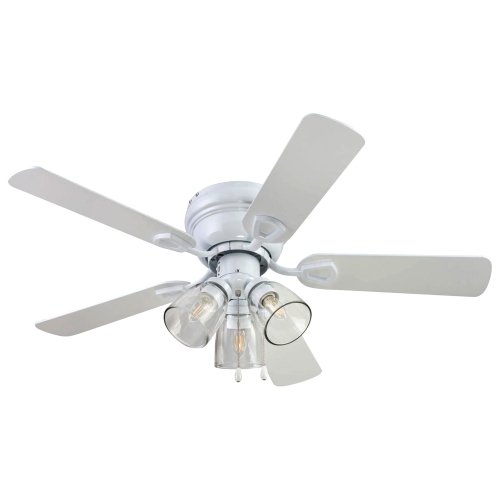
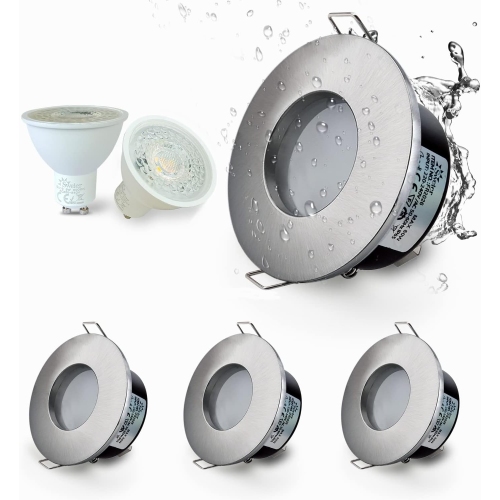
Bathroom ceiling lights provide the general illumination that makes a bathroom feel comfortable, practical, and easy to use from morning routines through evening wind-downs. Unlike a vanity light, which focuses on the mirror area, a ceiling fixture spreads light throughout the room so you can move safely, find toiletries, clean surfaces, and see details in corners that might otherwise remain dim. Flush mount lights sit close to the ceiling and are a practical choice for bathrooms with standard or lower ceilings, where a hanging fixture could feel intrusive. Semi-flush mount designs extend slightly from the ceiling and can add a more decorative touch in rooms with extra height. Recessed pot lights offer a streamlined appearance and can create even coverage when several are placed throughout the room, while fan-light combinations pair illumination with ventilation to help clear warm, humid air after a shower. When browsing bathroom ceiling lights, consider the room’s size, ceiling height, existing wiring, and the way people use the space. A compact powder room may need only one well-positioned fixture, while a larger family bathroom may benefit from several ceiling lights working together with lighting near the vanity. A clear, evenly lit bathroom can make a small room feel more open, while a softer glow can bring a spa-like feeling to a bathroom with pale tile, wood-look cabinetry, or brushed metal hardware. For more ways to coordinate overhead lighting with fixtures around the mirror and other areas, browse Bathroom Lights.
Moisture and electrical safety should be central to any bathroom lighting decision. Bathrooms naturally contain steam, splashes, and condensation, so look for fixtures with the appropriate certification and rating for their intended location. Damp-rated lights are generally suited to areas exposed to moisture in the air, such as a ceiling outside the shower or tub. Wet-rated fixtures are designed for locations where water may make direct contact, including certain positions inside a shower enclosure or directly above a tub, when permitted by local electrical requirements. Always check the manufacturer’s installation instructions and follow applicable Canadian electrical codes; fixtures installed near water may require specific clearances, junction boxes, or professional installation. An electrician can also confirm whether the existing ceiling box, wiring, and dimmer switch are compatible with the chosen light. Brightness is another important consideration. As a general starting point, a bathroom may need approximately 75 to 100 lumens per square foot for useful overall illumination, although the ideal amount depends on wall colour, natural light, ceiling height, fixture design, and personal preference. A frosted diffuser can soften glare and distribute light more comfortably, while a clear or open design may create stronger highlights and shadows. Integrated LED fixtures and LED-compatible bulbs are available in a range of brightness levels and colour temperatures, making it easier to create a look that suits the room. Warm light around 2700K to 3000K produces a gentle, inviting glow that works well in guest bathrooms and relaxing spaces. A cooler range of approximately 4000K to 5000K offers a crisp, daylight-like appearance that can help with grooming, shaving, applying makeup, and checking clothing colours. If the bathroom has a dimmer, verify that the fixture or bulb is specifically marked as dimmable to avoid flickering or uneven performance.
The most useful bathroom lighting plans usually combine several layers instead of relying on one overhead fixture for every task. A ceiling light can handle general illumination, while vanity sconces or a lighted mirror can brighten the face from both sides and reduce the shadows that often appear beneath the eyes, nose, and chin when light comes only from above. A night light or low-level accent fixture can make late-night visits easier without producing the full brightness of the main ceiling light, particularly in a bathroom used by children, older adults, or anyone who prefers a gentler glow during sleeping hours. Motion-sensing options may be convenient in busy family bathrooms, guest suites, or homes where hands are often full of towels and toiletries, while a simple wall switch offers familiar, dependable control. Style and finish also matter because a ceiling fixture is part of the room’s visual composition. Rounded shades can complement curved mirrors and freestanding fixtures, whereas square or linear designs may suit modern cabinetry and geometric tile. White fixtures can blend quietly into a painted ceiling, while black, chrome, nickel, and other finishes can echo taps, towel bars, shelving, or cabinet hardware. Before choosing, measure the room and note the location of the existing electrical connection, then compare the fixture’s dimensions with the available ceiling space and door swing. Think about who uses the bathroom, how much daylight reaches it, and whether the room needs a welcoming glow for guests, clear visibility for daily grooming, or dependable illumination during the darker, cooler months. A well-matched bathroom ceiling light can bring together function, comfort, and style while making everyday routines feel simpler and more pleasant.
Moisture and electrical safety should be central to any bathroom lighting decision. Bathrooms naturally contain steam, splashes, and condensation, so look for fixtures with the appropriate certification and rating for their intended location. Damp-rated lights are generally suited to areas exposed to moisture in the air, such as a ceiling outside the shower or tub. Wet-rated fixtures are designed for locations where water may make direct contact, including certain positions inside a shower enclosure or directly above a tub, when permitted by local electrical requirements. Always check the manufacturer’s installation instructions and follow applicable Canadian electrical codes; fixtures installed near water may require specific clearances, junction boxes, or professional installation. An electrician can also confirm whether the existing ceiling box, wiring, and dimmer switch are compatible with the chosen light. Brightness is another important consideration. As a general starting point, a bathroom may need approximately 75 to 100 lumens per square foot for useful overall illumination, although the ideal amount depends on wall colour, natural light, ceiling height, fixture design, and personal preference. A frosted diffuser can soften glare and distribute light more comfortably, while a clear or open design may create stronger highlights and shadows. Integrated LED fixtures and LED-compatible bulbs are available in a range of brightness levels and colour temperatures, making it easier to create a look that suits the room. Warm light around 2700K to 3000K produces a gentle, inviting glow that works well in guest bathrooms and relaxing spaces. A cooler range of approximately 4000K to 5000K offers a crisp, daylight-like appearance that can help with grooming, shaving, applying makeup, and checking clothing colours. If the bathroom has a dimmer, verify that the fixture or bulb is specifically marked as dimmable to avoid flickering or uneven performance.
The most useful bathroom lighting plans usually combine several layers instead of relying on one overhead fixture for every task. A ceiling light can handle general illumination, while vanity sconces or a lighted mirror can brighten the face from both sides and reduce the shadows that often appear beneath the eyes, nose, and chin when light comes only from above. A night light or low-level accent fixture can make late-night visits easier without producing the full brightness of the main ceiling light, particularly in a bathroom used by children, older adults, or anyone who prefers a gentler glow during sleeping hours. Motion-sensing options may be convenient in busy family bathrooms, guest suites, or homes where hands are often full of towels and toiletries, while a simple wall switch offers familiar, dependable control. Style and finish also matter because a ceiling fixture is part of the room’s visual composition. Rounded shades can complement curved mirrors and freestanding fixtures, whereas square or linear designs may suit modern cabinetry and geometric tile. White fixtures can blend quietly into a painted ceiling, while black, chrome, nickel, and other finishes can echo taps, towel bars, shelving, or cabinet hardware. Before choosing, measure the room and note the location of the existing electrical connection, then compare the fixture’s dimensions with the available ceiling space and door swing. Think about who uses the bathroom, how much daylight reaches it, and whether the room needs a welcoming glow for guests, clear visibility for daily grooming, or dependable illumination during the darker, cooler months. A well-matched bathroom ceiling light can bring together function, comfort, and style while making everyday routines feel simpler and more pleasant.
Top selling and popular products
-
 Your price for this item is $93.99
 -
 Your price for this item is $87.99
 -
 Your price for this item is $49.95
 -
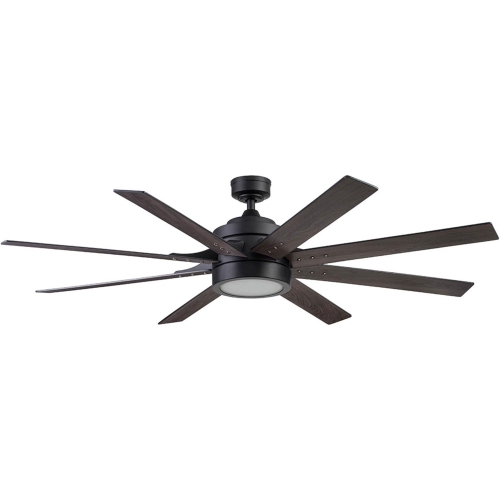 Your price for this item is $419.99
 -
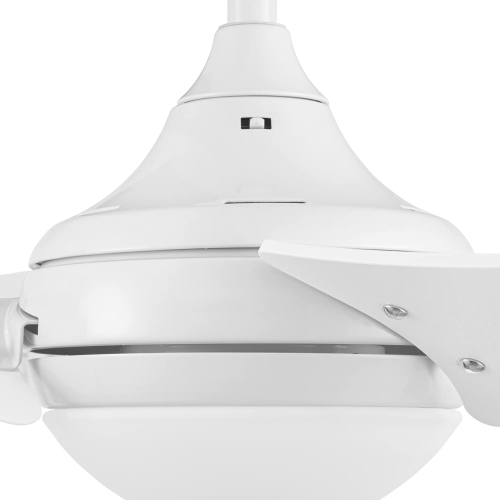 Your price for this item is $182.99
 -
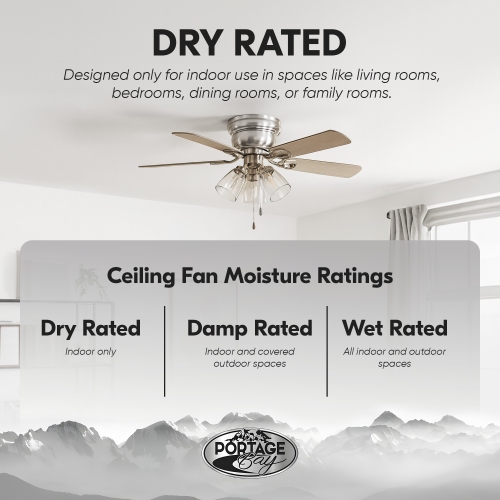 Your price for this item is $178.99
 -
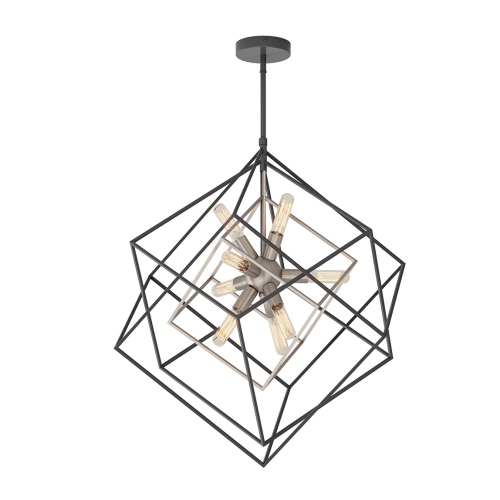 Your price for this item is $299
 -
 Your price for this item is $188.99
Discover more categories related to Bathroom Ceiling Lights
Top Collections:
Pokemon Centers, Kindle Devices, Best Cell Phones Under $500, Alarm Clock, Canon G7X Cameras, iPhone 15 Apple, Apple iPhones 16, Laptops for Students, iPhone 14 256GB, Budget Smartphones
Some products may be subject to Environmental Handling Fees
(EHF) depending on your province.
Learn more about EHFs.