Black And White Comforters
Enhance the elegance and sophistication of your bedroom with black and white comforters. These timeless combinations of these two contrasting hues effortlessly add a touch of modernity to almost any space. Whether you're looking to create a minimalist retreat or want to make a bold statement, black and white comforters are the perfect choice. Here are some great options available.
Sort
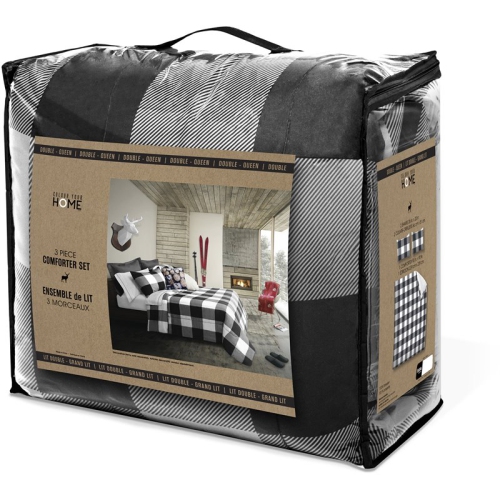
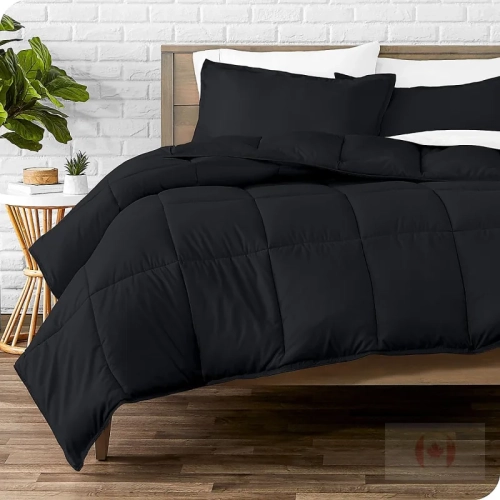
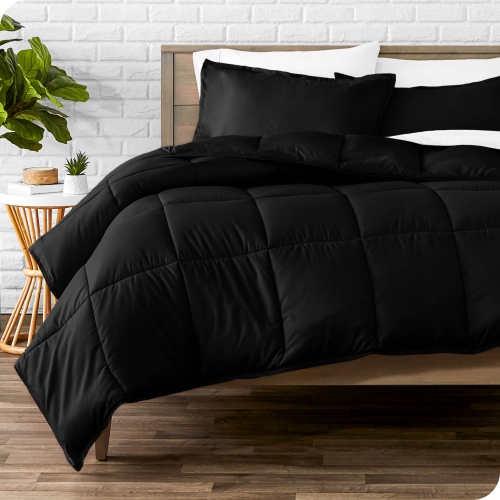
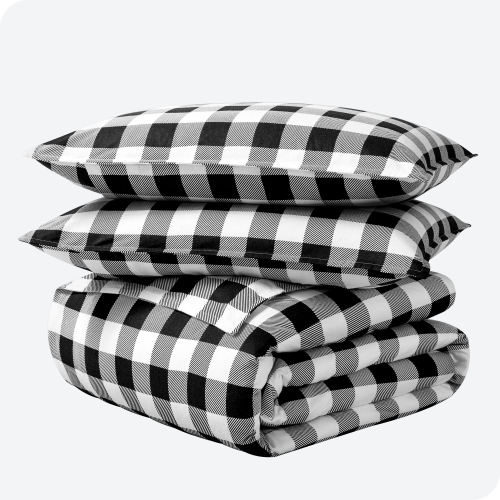
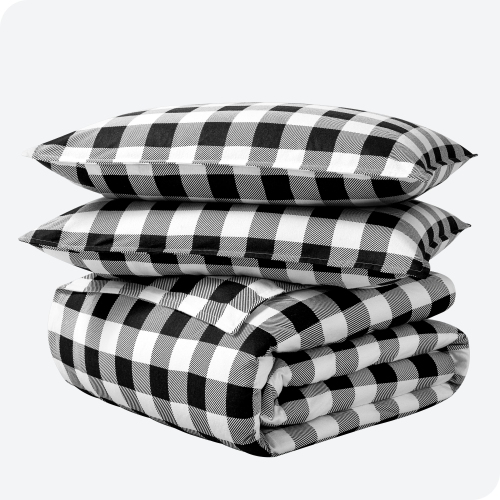
Styling inspiration plus guidance on comforter size and care
Black and white comforters bring a balanced, adaptable look to the bedroom, pairing crisp brightness with the depth and contrast of dark accents. This classic colour combination can suit many decorating styles, from clean-lined contemporary rooms to relaxed farmhouse-inspired spaces, traditional bedrooms, student accommodations, guest rooms, and children’s or teens’ rooms. Depending on the design, a black and white comforter can create a calm, understated backdrop or become the main visual feature of the bed. Stripes and repeating geometric patterns often give a room a neat, modern feel, while abstract shapes, florals, and artistic prints can add movement and personality. A simple monochrome design can also make it easier to update the rest of the room over time. Add soft grey cushions for a quiet, coordinated appearance, or introduce a measured touch of colour through pillows, a throw, artwork, or a bedside accessory. Rich jewel tones can make the room feel dramatic, while muted blue, terracotta, sage, or natural wood tones can soften the contrast. Layering is another practical way to make a black and white comforter feel personal. A textured throw folded across the foot of the bed, cushions in different fabrics, or a quilted coverlet can add warmth and dimension without overwhelming the pattern. For a more restrained look, keep the sheets and surrounding décor in white, cream, grey, or black. Those who prefer a lighter atmosphere may also wish to explore White Comforters as another versatile bedding option.
When choosing a black and white comforter, start with the bed size and the preferred amount of coverage. Twin and twin XL options are commonly suited to children’s rooms, teens’ rooms, dorm-style spaces, and single sleepers, while full or double sizes can work well in smaller bedrooms or for sleepers who like extra room. Queen sizes are a popular fit for many bedrooms, and king sizes provide a generous surface for larger mattresses or couples who prefer more coverage. It is worth checking the dimensions rather than relying on the label alone, since comforters can vary in width and length between collections. Consider the mattress depth, bed frame, and whether the comforter should fall neatly at the sides or extend farther for a more enveloping appearance. The fill and outer fabric also influence comfort. Cotton can provide a familiar, breathable feel, while microfiber and blended fabrics are often smooth, lightweight, and easy to care for. Down-alternative filling may be appealing to sleepers who want soft loft and warmth with a lighter, more uniform feel. Lightweight comforters can be comfortable in warmer rooms or when used with additional blankets, whereas medium or heavier fills may feel more inviting during cooler months. Personal sleeping preferences matter as much as room temperature: someone who tends to sleep warm may prefer a breathable shell and lighter fill, while a person who enjoys a bundled-up bed may appreciate additional loft. Look at the stitching and construction as well. Quilted sections can help keep the filling distributed, reducing the chance of thin or overly full spots, and secure edging may help the comforter maintain its shape through regular use. Fabric feel, fill weight, dimensions, and construction together provide a more useful picture than any single specification.
Care instructions should be part of the decision, particularly for a comforter used every night or placed in a busy guest room. Machine-washable options can simplify routine cleaning, but the recommended water temperature, cycle, detergent, drying method, and capacity of the washer should be reviewed before purchase. Larger queen and king comforters may require a spacious machine or professional cleaning if the care label advises it. Using a duvet cover, when the design allows, can provide another layer of protection and make seasonal changes easier, while regular airing and prompt treatment of spills can help maintain a fresh sleeping space. Black and white patterns are often forgiving in different ways: darker areas can provide visual depth, and white areas help keep the overall appearance bright and defined. At the same time, high-contrast bedding may make lint, pet hair, or stains more noticeable, so a practical household routine and the right care method are useful considerations. These comforters can be thoughtful gifts for someone moving into a first home, refreshing a bedroom, setting up a guest space, or preparing a dorm room. The neutral palette works well when the recipient’s decorating preferences are unknown, and the range of available patterns makes it possible to choose something subtle, graphic, artistic, or playful. In a guest bedroom, black and white bedding creates a polished foundation that can be adjusted with seasonal blankets and accent cushions. In a primary bedroom, it can establish a refined look without requiring every piece of furniture and décor to match. As the weather warms, a lighter comforter can keep the bed looking inviting without feeling overly heavy; during cooler months, it can be paired with layers for extra comfort. With the right size, fill, fabric, care requirements, and pattern, a black and white comforter can provide an easy-to-style centrepiece that remains useful through changing routines and room updates.
When choosing a black and white comforter, start with the bed size and the preferred amount of coverage. Twin and twin XL options are commonly suited to children’s rooms, teens’ rooms, dorm-style spaces, and single sleepers, while full or double sizes can work well in smaller bedrooms or for sleepers who like extra room. Queen sizes are a popular fit for many bedrooms, and king sizes provide a generous surface for larger mattresses or couples who prefer more coverage. It is worth checking the dimensions rather than relying on the label alone, since comforters can vary in width and length between collections. Consider the mattress depth, bed frame, and whether the comforter should fall neatly at the sides or extend farther for a more enveloping appearance. The fill and outer fabric also influence comfort. Cotton can provide a familiar, breathable feel, while microfiber and blended fabrics are often smooth, lightweight, and easy to care for. Down-alternative filling may be appealing to sleepers who want soft loft and warmth with a lighter, more uniform feel. Lightweight comforters can be comfortable in warmer rooms or when used with additional blankets, whereas medium or heavier fills may feel more inviting during cooler months. Personal sleeping preferences matter as much as room temperature: someone who tends to sleep warm may prefer a breathable shell and lighter fill, while a person who enjoys a bundled-up bed may appreciate additional loft. Look at the stitching and construction as well. Quilted sections can help keep the filling distributed, reducing the chance of thin or overly full spots, and secure edging may help the comforter maintain its shape through regular use. Fabric feel, fill weight, dimensions, and construction together provide a more useful picture than any single specification.
Care instructions should be part of the decision, particularly for a comforter used every night or placed in a busy guest room. Machine-washable options can simplify routine cleaning, but the recommended water temperature, cycle, detergent, drying method, and capacity of the washer should be reviewed before purchase. Larger queen and king comforters may require a spacious machine or professional cleaning if the care label advises it. Using a duvet cover, when the design allows, can provide another layer of protection and make seasonal changes easier, while regular airing and prompt treatment of spills can help maintain a fresh sleeping space. Black and white patterns are often forgiving in different ways: darker areas can provide visual depth, and white areas help keep the overall appearance bright and defined. At the same time, high-contrast bedding may make lint, pet hair, or stains more noticeable, so a practical household routine and the right care method are useful considerations. These comforters can be thoughtful gifts for someone moving into a first home, refreshing a bedroom, setting up a guest space, or preparing a dorm room. The neutral palette works well when the recipient’s decorating preferences are unknown, and the range of available patterns makes it possible to choose something subtle, graphic, artistic, or playful. In a guest bedroom, black and white bedding creates a polished foundation that can be adjusted with seasonal blankets and accent cushions. In a primary bedroom, it can establish a refined look without requiring every piece of furniture and décor to match. As the weather warms, a lighter comforter can keep the bed looking inviting without feeling overly heavy; during cooler months, it can be paired with layers for extra comfort. With the right size, fill, fabric, care requirements, and pattern, a black and white comforter can provide an easy-to-style centrepiece that remains useful through changing routines and room updates.
Top selling and popular products
-
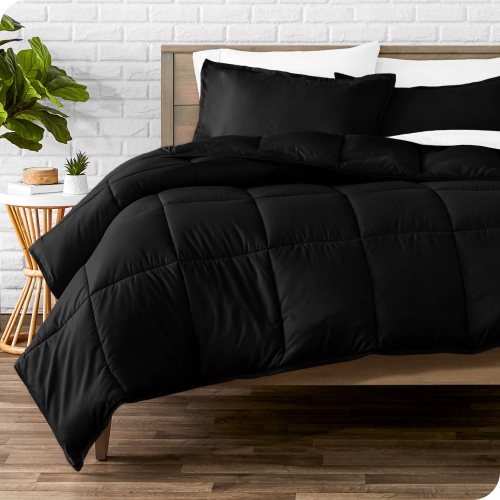 Your price for this item is $114.99
 -
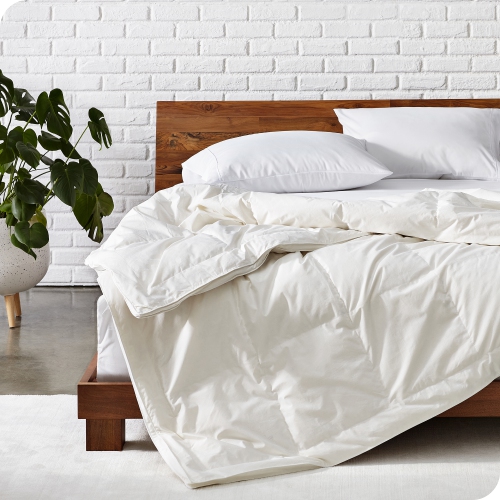 Your price for this item is $300.99
 -
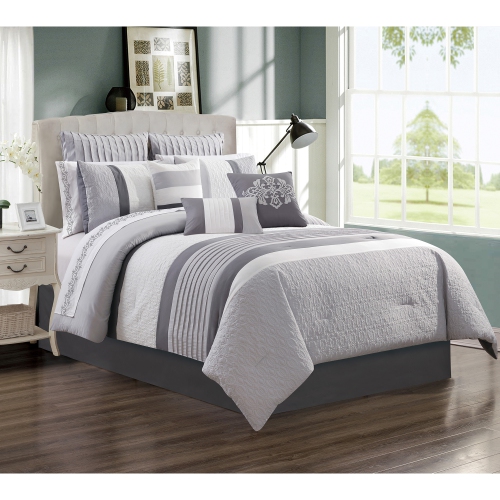 Your price for this item is $99.99
 -
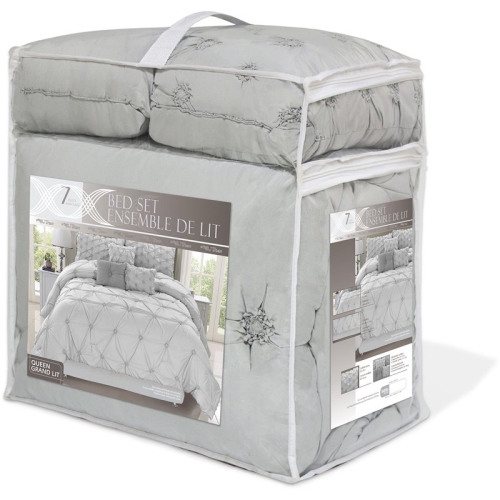 Your price for this item is $128.2
 -
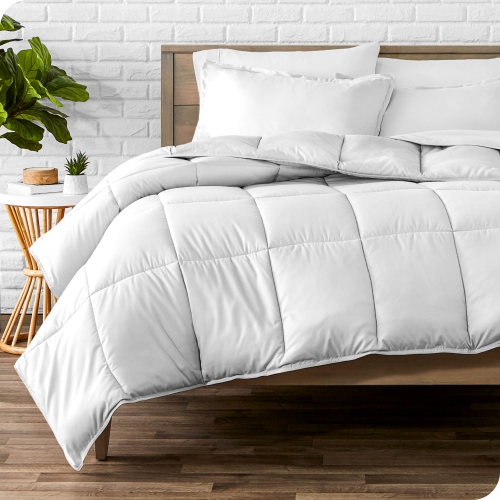 Your price for this item is $129.99
 -
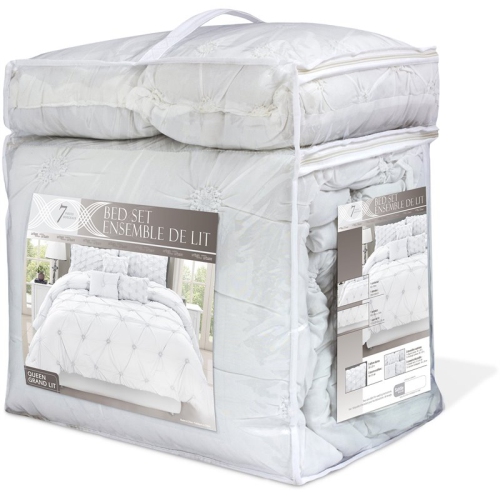 Your price for this item is $128.2
 -
 Your price for this item is $165.18
 -
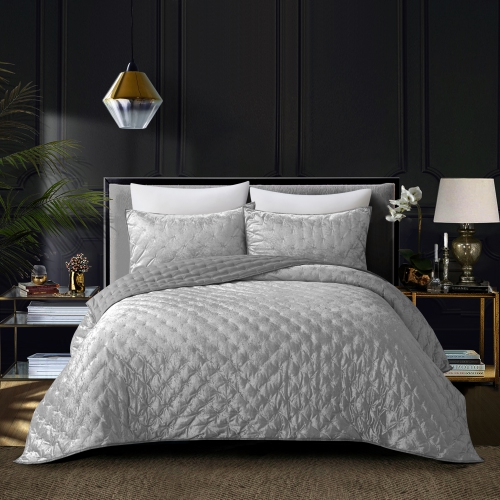 Your price for this item is $88
Discover more categories related to Black And White Comforters

Top Collections:
Pokemon Centers, Kindle Devices, Best Cell Phones Under $500, Alarm Clock, Canon G7X Cameras, iPhone 15 Apple, Apple iPhones 16, Laptops for Students, iPhone 14 256GB, Budget Smartphones
Some products may be subject to Environmental Handling Fees
(EHF) depending on your province.
Learn more about EHFs.