Bunny Hutch
For those seeking a cozy and stylish home for their furry friends, look no further than this collection of bunny hutches. These charming and functional enclosures provide the perfect blend of comfort and security for your beloved rabbits or small pets. Crafted with quality materials and thoughtful design, these bunny hutches offer a safe haven for your pets to rest, play, and thrive. Explore this range of options to find the ideal hutch that suits both your pet's needs and your home decor preferences.
Sort
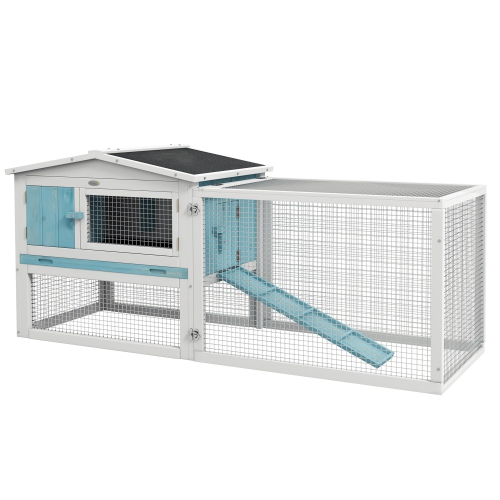
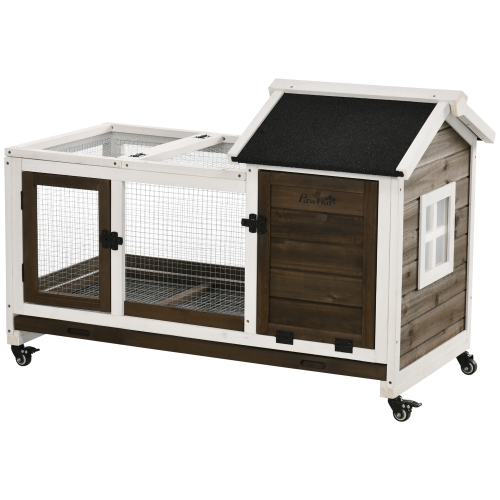
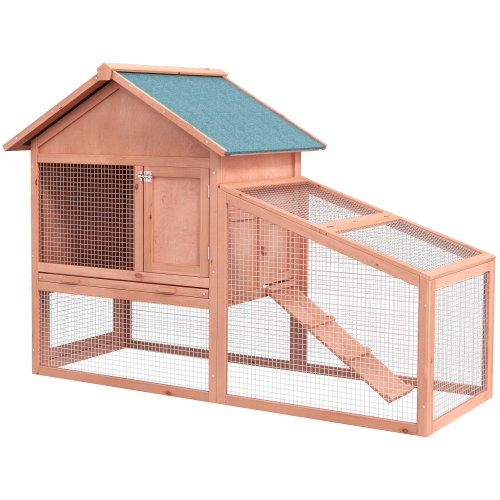
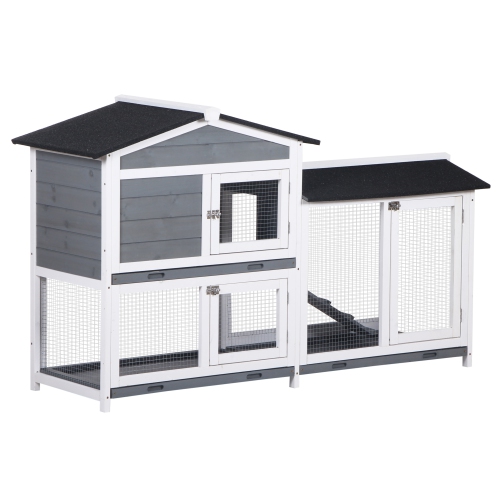
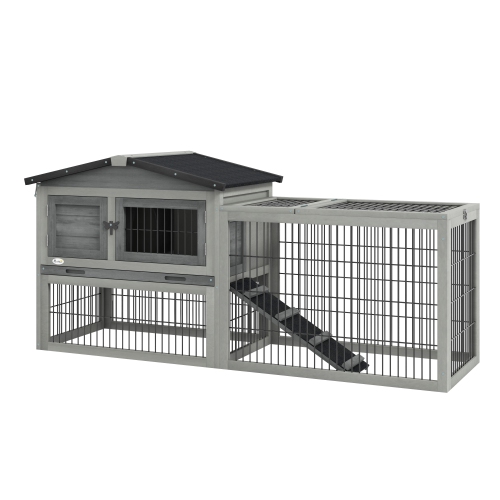
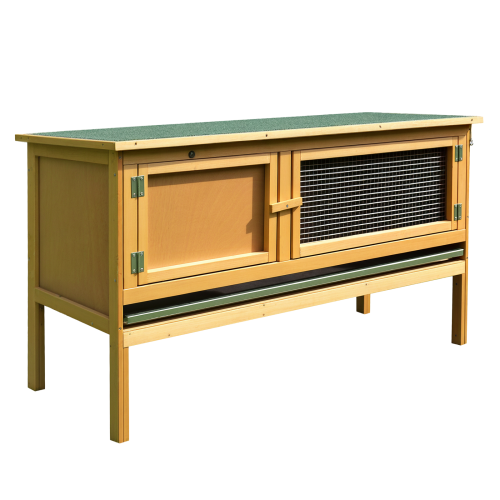
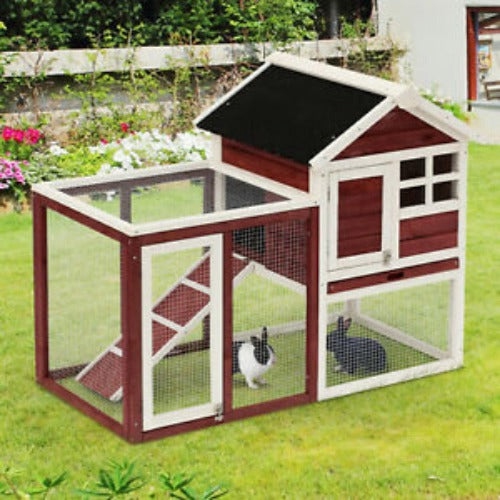
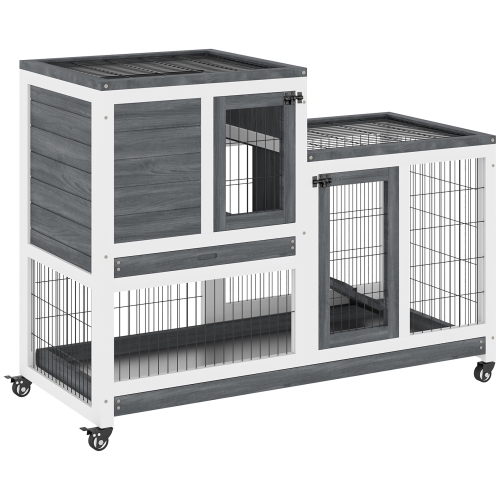
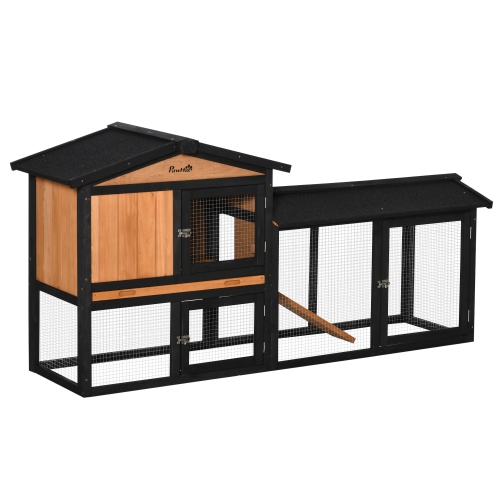
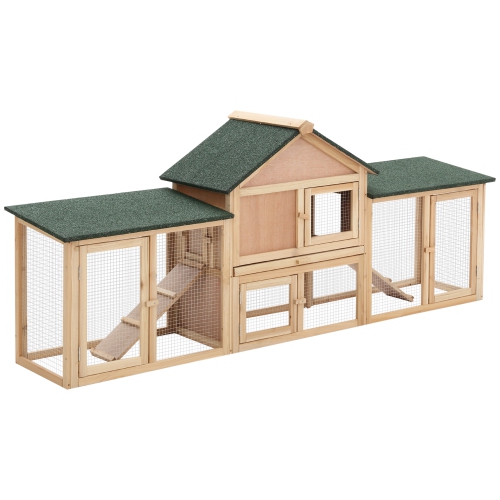
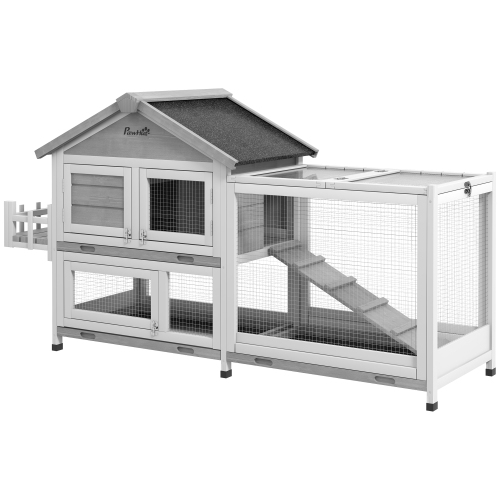
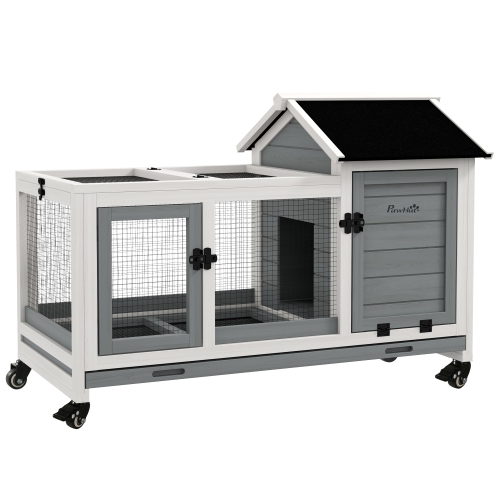
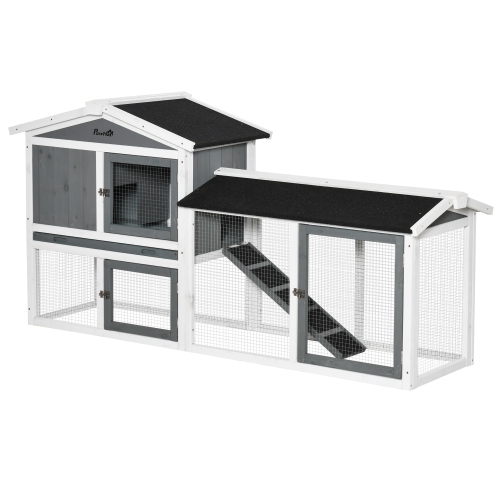
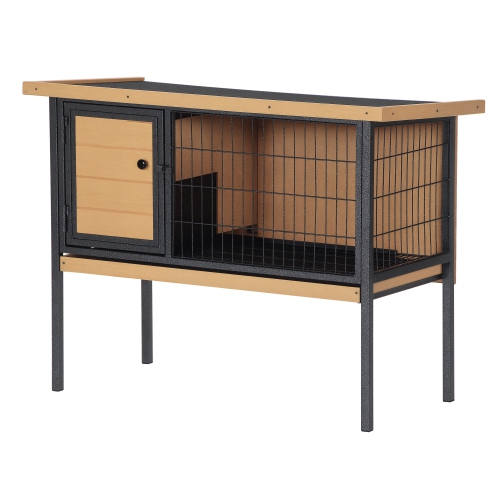
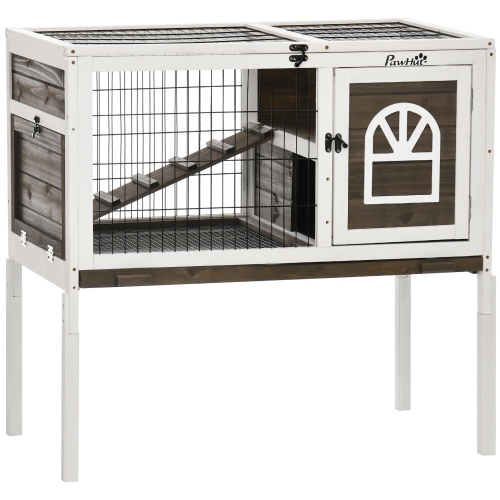
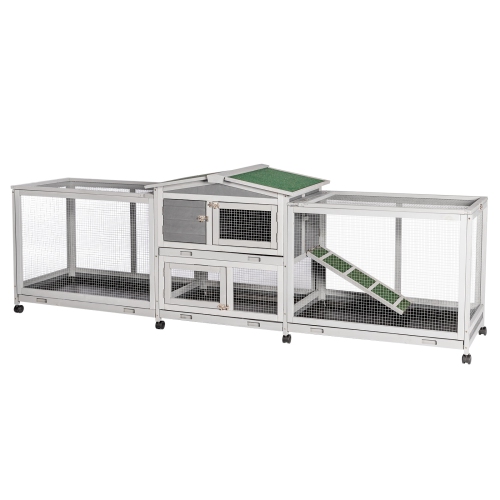
Practical considerations for a secure and comfortable rabbit home
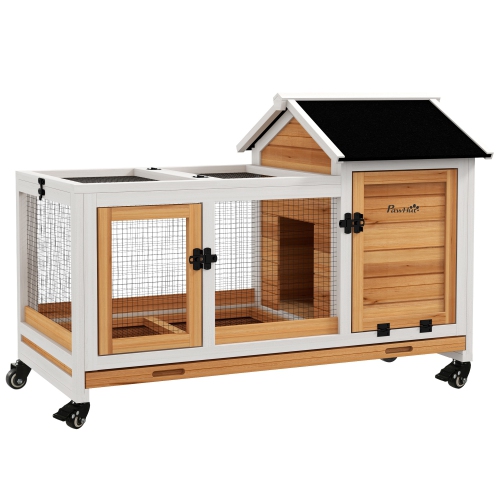
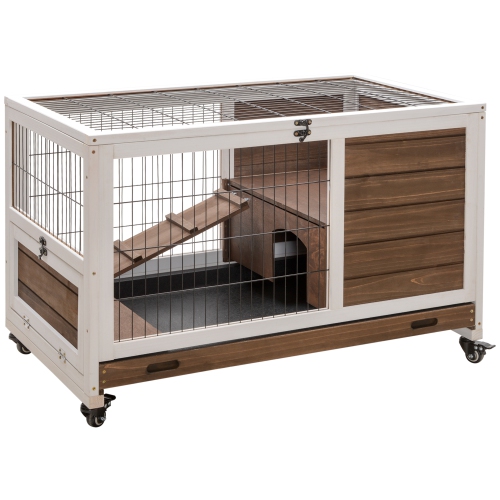
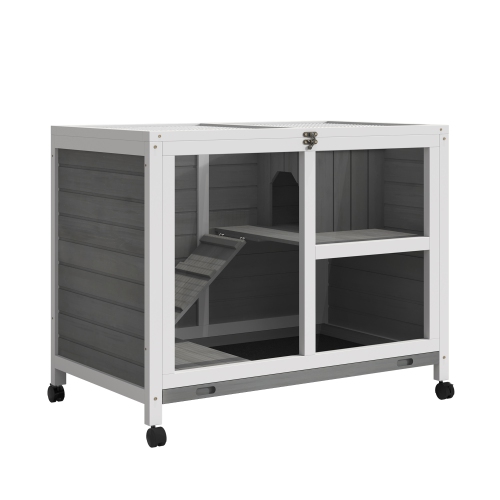
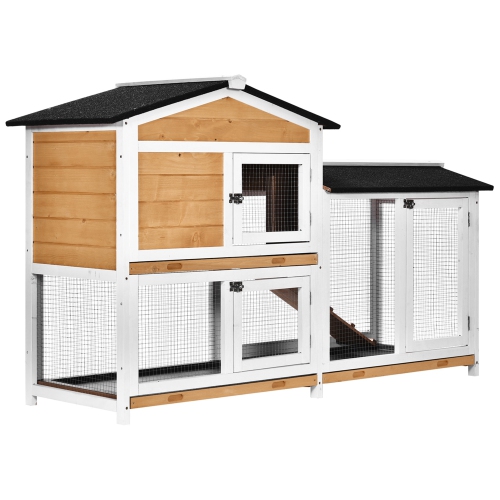
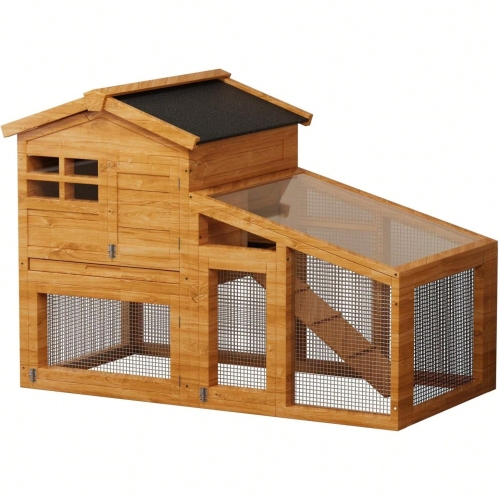
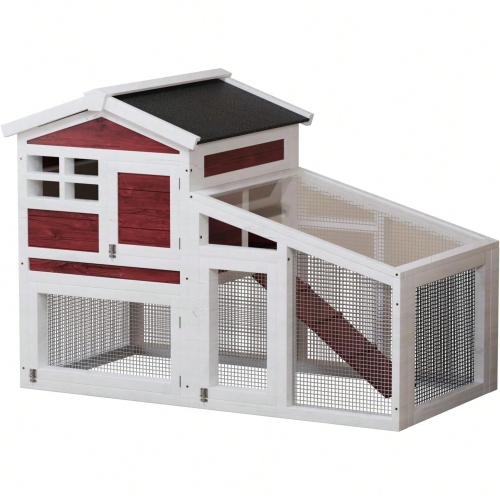
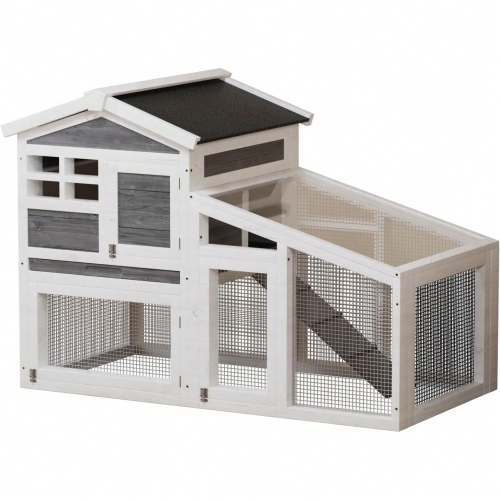
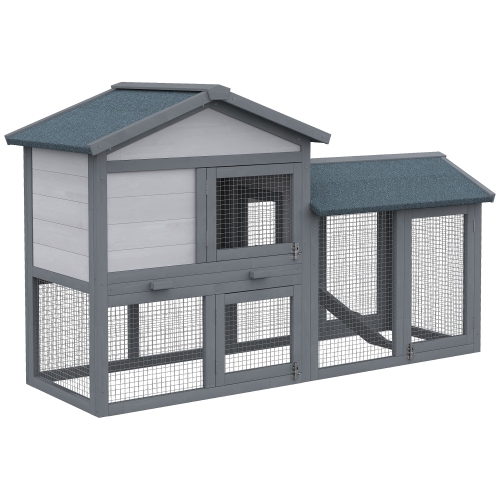
A bunny hutch provides a defined, sheltered space for a domestic rabbit, while also helping pet owners organize feeding, resting and cleaning routines. When comparing options, start with the rabbit’s current size and expected adult size rather than choosing a hutch based only on its exterior dimensions. Your rabbit should be able to take at least three comfortable hops, stretch out fully and stand upright without its ears touching the roof. As a general starting point, many rabbit keepers use at least one square foot of enclosed floor space per pound of body weight, although more room is always beneficial when available. A hutch is most effective as a secure home base within a larger exercise area, not as the only place a rabbit spends time. Look for enough height for natural movement, a layout that separates sleeping and active areas, and an opening that allows easy access without awkward handling. Solid panels can create a quiet retreat, while carefully spaced wire sections allow ventilation and visibility. The wire should be sturdy and securely attached, with spacing that prevents paws, heads or other body parts from becoming trapped. Smooth edges, stable doors and reliable latches are important details, particularly for households with children or other pets nearby. Elevated designs can create a shaded, cooler area underneath and may help keep the living space away from damp ground, though the entire structure should remain steady and easy to reach for daily checks. Whether you are setting up a first home for a newly adopted rabbit, improving an existing enclosure or preparing a comfortable space for a small-animal household, browsing a dedicated Rabbit Hutch selection can help you compare formats, sizes and practical features in one place.
Location and construction have a major effect on how well a bunny hutch works from day to day. For outdoor use, place the hutch in a sheltered area away from strong wind, direct afternoon sun and places where rain or melting snow can collect. A covered roof, weather-resistant finish and raised base can help protect the enclosure from changing conditions, but no hutch should be treated as completely weatherproof without regular inspection. Check seams, roof panels, fasteners and wire for signs of wear, moisture or damage, especially after periods of heavy rain or during the cooler months. The enclosure should also be positioned where you can hear and see your rabbit easily, while remaining protected from raccoons, coyotes, dogs and other potential predators. A secure surrounding run or fenced exercise area adds valuable room for movement, but it should not replace a properly latched hutch. Indoor hutches may be useful in a dedicated pet area, utility room or quiet corner where temperature and light are easier to control. Whichever setting you choose, avoid placing the hutch beside loud equipment, busy doorways or heating and cooling vents. Rabbits are sensitive to heat, dampness and sudden changes in their surroundings, so a calm, well-ventilated location supports more comfortable rest. During warmer weather, shade, airflow and access to a cool surface are especially important. As temperatures fall, provide appropriate bedding and make sure the sleeping area is dry and protected from draughts. Bedding should be selected and changed according to your rabbit’s needs, and it should never block ventilation or create an easy route over the enclosure walls.
Cleaning features can make the difference between a hutch that is simple to maintain and one that quickly becomes difficult to manage. A removable or pull-out tray allows you to clear soiled bedding and droppings without dismantling the entire enclosure, while wide doors make it easier to reach corners, replace supplies and inspect the interior. Choose a design with surfaces that wipe clean and fewer inaccessible gaps where hay or debris can collect. Establish a routine that includes removing wet bedding, refreshing food and water, checking the floor and examining latches or wire connections. A deeper clean can be scheduled as needed, using pet-safe cleaning practices and allowing all surfaces to dry before your rabbit returns. Alongside shelter, rabbits need regular exercise, opportunities to explore and enrichment that encourages natural behaviours such as hopping, stretching, chewing and foraging. Include suitable toys and accessories only when they are made for small animals and cannot be easily swallowed or broken into sharp pieces. Food, water, hay and resting materials should be positioned so the rabbit can reach them comfortably without creating unnecessary clutter. A bunny hutch can be a thoughtful choice for someone welcoming a rabbit into their home, but the recipient should also be prepared for daily care, veterinary attention, cleaning and supervised activity. Selecting a size that will remain suitable as a young rabbit grows, allowing room for movement and choosing secure, accessible construction will help create a dependable space for companionship throughout the changing seasons.
Location and construction have a major effect on how well a bunny hutch works from day to day. For outdoor use, place the hutch in a sheltered area away from strong wind, direct afternoon sun and places where rain or melting snow can collect. A covered roof, weather-resistant finish and raised base can help protect the enclosure from changing conditions, but no hutch should be treated as completely weatherproof without regular inspection. Check seams, roof panels, fasteners and wire for signs of wear, moisture or damage, especially after periods of heavy rain or during the cooler months. The enclosure should also be positioned where you can hear and see your rabbit easily, while remaining protected from raccoons, coyotes, dogs and other potential predators. A secure surrounding run or fenced exercise area adds valuable room for movement, but it should not replace a properly latched hutch. Indoor hutches may be useful in a dedicated pet area, utility room or quiet corner where temperature and light are easier to control. Whichever setting you choose, avoid placing the hutch beside loud equipment, busy doorways or heating and cooling vents. Rabbits are sensitive to heat, dampness and sudden changes in their surroundings, so a calm, well-ventilated location supports more comfortable rest. During warmer weather, shade, airflow and access to a cool surface are especially important. As temperatures fall, provide appropriate bedding and make sure the sleeping area is dry and protected from draughts. Bedding should be selected and changed according to your rabbit’s needs, and it should never block ventilation or create an easy route over the enclosure walls.
Cleaning features can make the difference between a hutch that is simple to maintain and one that quickly becomes difficult to manage. A removable or pull-out tray allows you to clear soiled bedding and droppings without dismantling the entire enclosure, while wide doors make it easier to reach corners, replace supplies and inspect the interior. Choose a design with surfaces that wipe clean and fewer inaccessible gaps where hay or debris can collect. Establish a routine that includes removing wet bedding, refreshing food and water, checking the floor and examining latches or wire connections. A deeper clean can be scheduled as needed, using pet-safe cleaning practices and allowing all surfaces to dry before your rabbit returns. Alongside shelter, rabbits need regular exercise, opportunities to explore and enrichment that encourages natural behaviours such as hopping, stretching, chewing and foraging. Include suitable toys and accessories only when they are made for small animals and cannot be easily swallowed or broken into sharp pieces. Food, water, hay and resting materials should be positioned so the rabbit can reach them comfortably without creating unnecessary clutter. A bunny hutch can be a thoughtful choice for someone welcoming a rabbit into their home, but the recipient should also be prepared for daily care, veterinary attention, cleaning and supervised activity. Selecting a size that will remain suitable as a young rabbit grows, allowing room for movement and choosing secure, accessible construction will help create a dependable space for companionship throughout the changing seasons.
Top selling and popular products
-
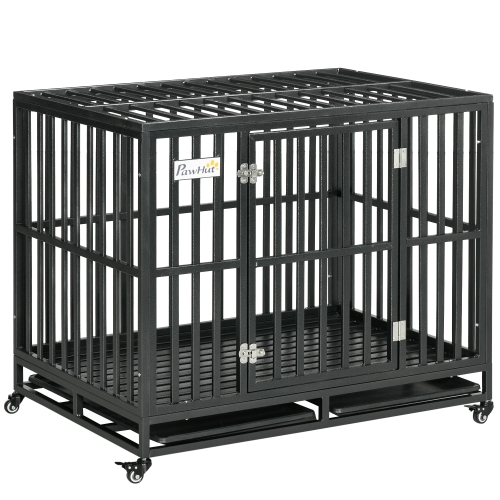 Your price for this item is $229.99
 -
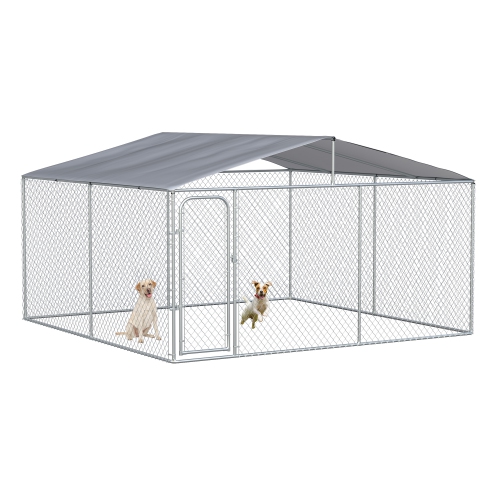 Your price for this item is $519.99
 -
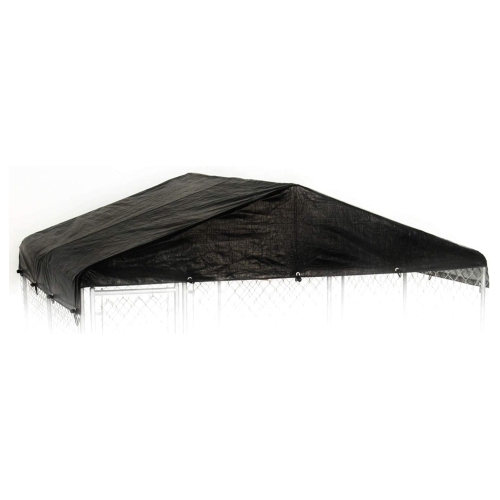 Your price for this item is $527.99
 -
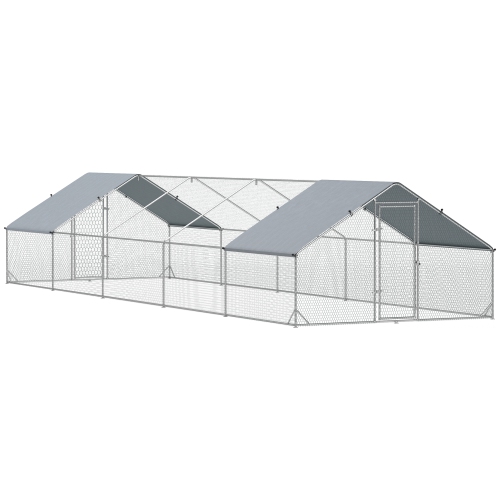 Your price for this item is $479.99
 -
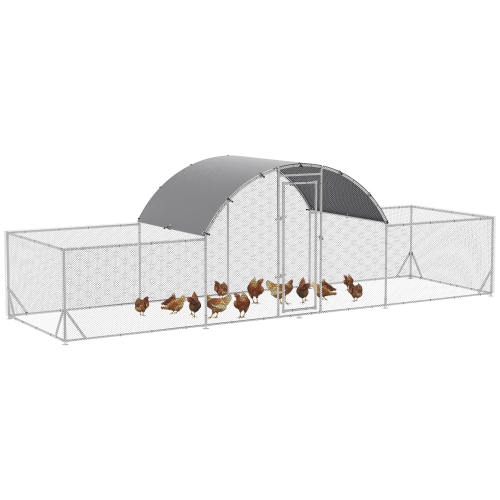 Your price for this item is $236.99
 -
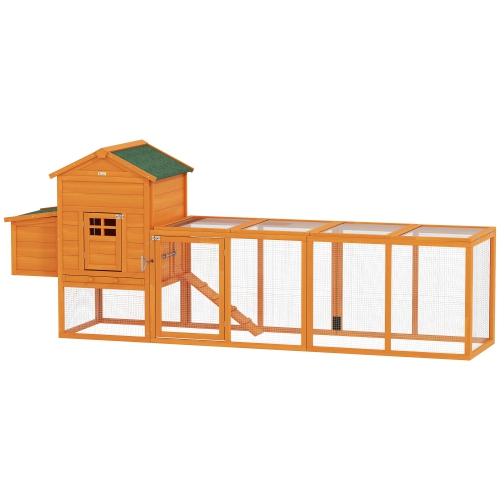 Your price for this item is $269.99
 -
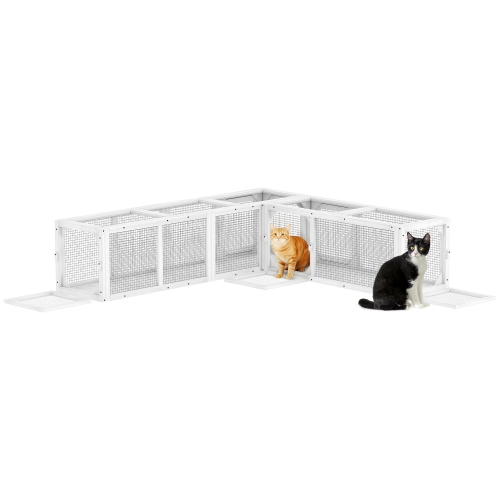 Your price for this item is $174.99
 -
 Your price for this item is $174.99
Discover more categories related to Bunny Hutch
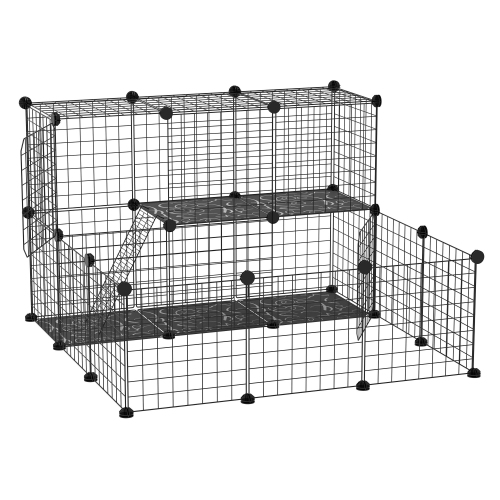
Top Collections:
Pokemon Centers, Kindle Devices, Best Cell Phones Under $500, Alarm Clock, Canon G7X Cameras, iPhone 15 Apple, Apple iPhones 16, Laptops for Students, iPhone 14 256GB, Budget Smartphones
Some products may be subject to Environmental Handling Fees
(EHF) depending on your province.
Learn more about EHFs.