Pools Canada
Pools Canada offers everything you need to transform your backyard into a refreshing retreat. Discover a wide selection of pools and accessories designed to help you make the most of the summer months. Whether you’re planning for family fun or relaxing afternoons, Pools Canada provides options to suit every space and budget. Enjoy easy shopping and find the perfect addition for your outdoor living area.
Sort
The right pool fit goes beyond your yard’s dimensions
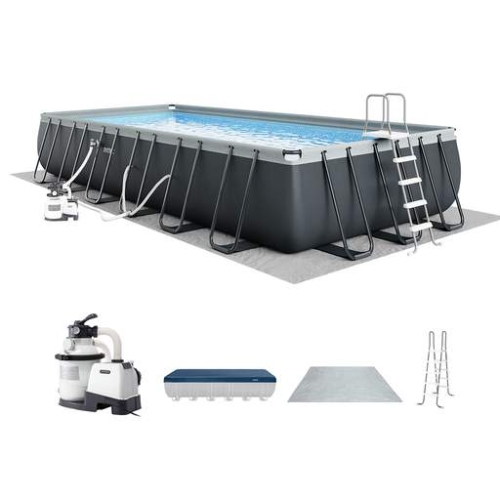
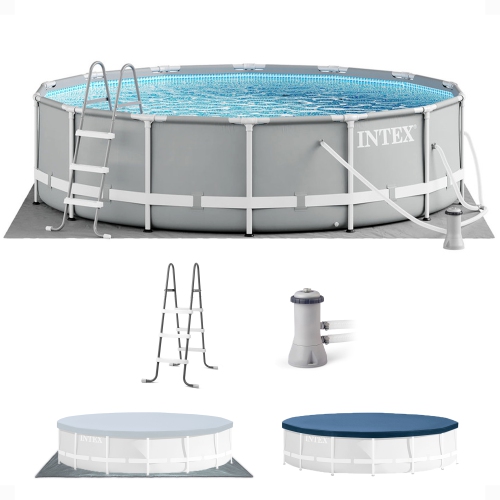
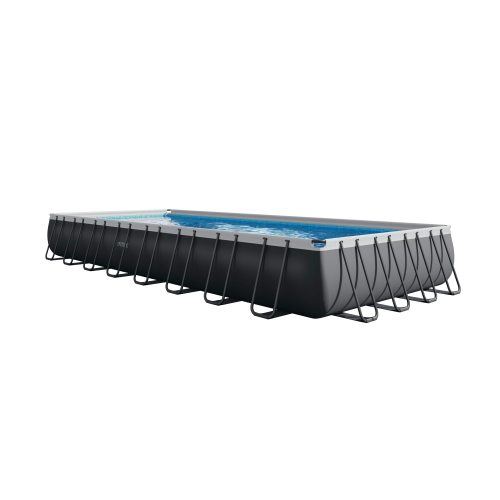
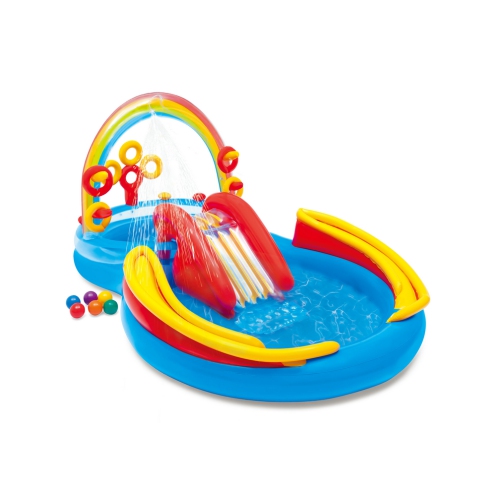
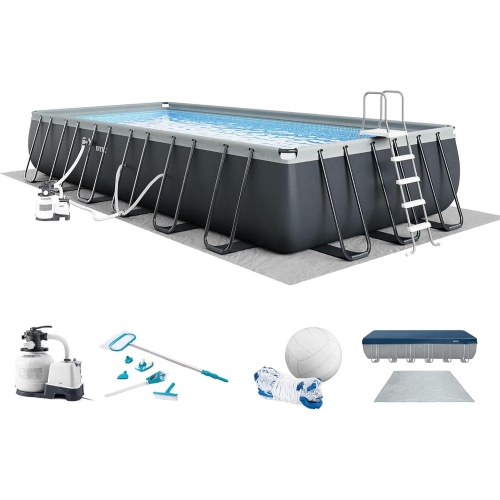
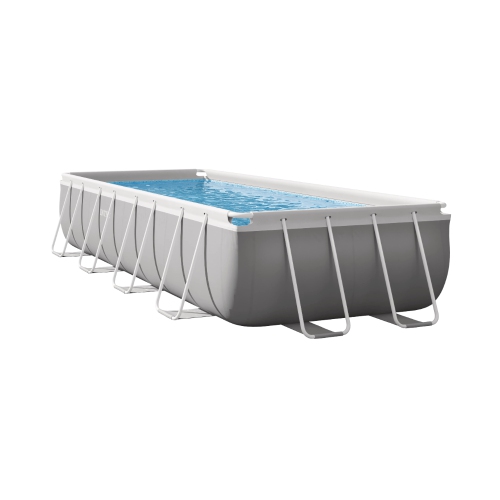
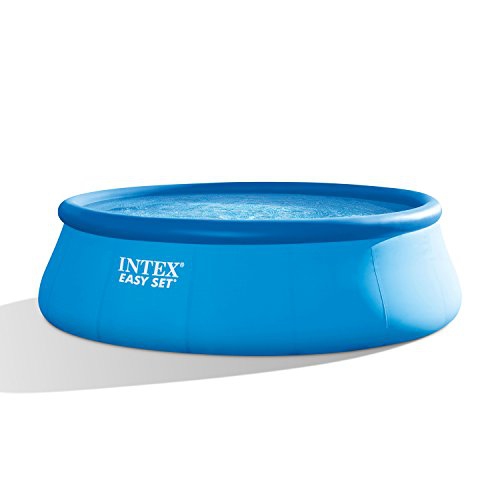
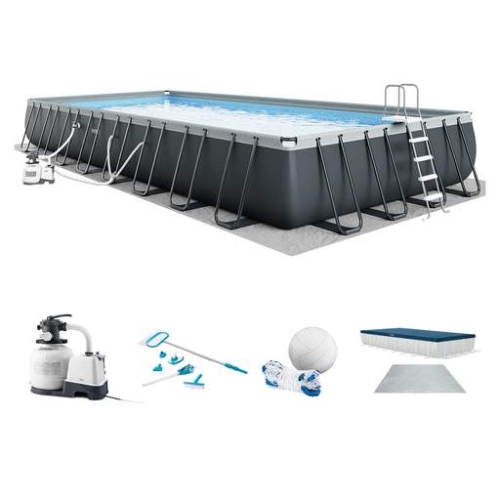
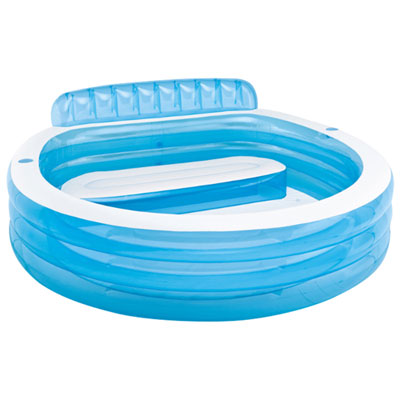
A backyard pool brings a different pace to time at home: children practising their first kicks under close supervision, adults enjoying a quiet float, or a family gathering for a splash after an afternoon of play. Pools in Canada range from compact designs for seated water play to larger above-ground structures with room for several people to move comfortably. The right fit depends as much on the space around the water as on the pool’s dimensions. A small yard may suit a shallow, compact shape, while a broader lawn can accommodate a round or rectangular footprint with clearance for entry, maintenance, and any required barriers. Round pools offer an open central area for casual play; rectangular layouts can make better use of a long, narrow space. Listed dimensions deserve a close look, since the overall footprint may include supports that extend beyond the walls, and wall height is not necessarily the same as the permitted water depth. Interior swimming space, usable depth, and the manufacturer’s age and capacity limits give a clearer sense of how a pool will suit its users. For families with young children, shallow water still requires constant, attentive adult supervision within arm’s reach of inexperienced swimmers. Larger pools may suit older children and adults, but depth alone does not make a pool suitable for diving; entry and activities must follow the manufacturer’s safety directions. The setting matters, too. Filled pools are extremely heavy and generally need firm, level ground prepared to the manufacturer’s requirements, rather than an ordinary deck or balcony. A route that leaves room to carry equipment, reach the filter, and move safely around the perimeter can make daily use much easier. Municipal rules, property restrictions, fencing requirements, and access controls also shape what belongs in a particular yard, even when a pool is portable or intended for temporary use.
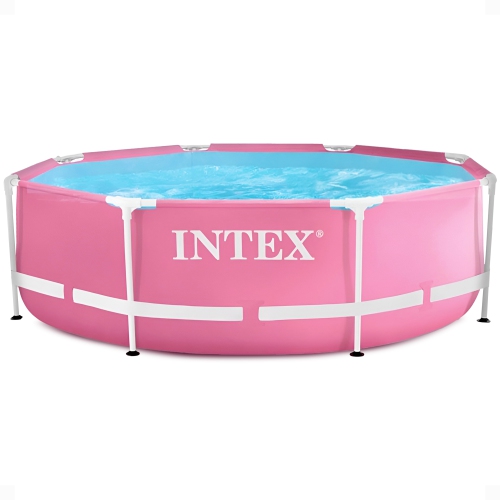
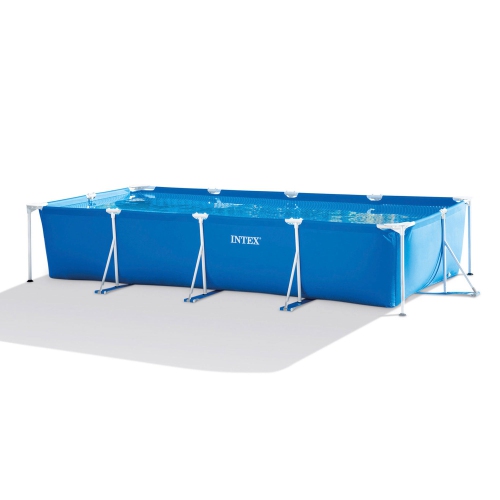
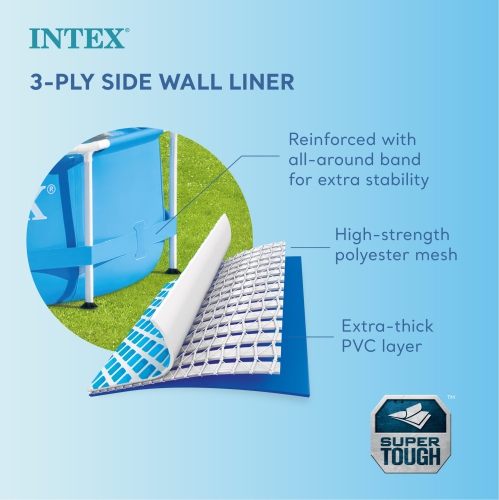
Materials and construction influence how a pool feels, how it is assembled, and how much attention it needs over time. Inflatable designs commonly use flexible PVC walls with air chambers that provide their shape. Their softer edges and compact storage can suit occasional use, although they still need protection from sharp stones, pet claws, and rough surfaces. Some designs use an inflatable upper ring that rises as the pool fills, while others rely on multiple inflated chambers; each has its own setup and filling requirements. Framed pools typically combine a flexible liner with a metal support structure, giving the walls a defined shape without relying entirely on air pressure. Reinforced liners may use layered material or a mesh core to help resist stretching and wear, but no flexible liner is puncture-proof. Coated steel components can help resist corrosion, provided scratched finishes, joints, and fittings receive the care specified by the manufacturer. More substantial above-ground structures can involve additional site preparation and more complex installation, making the intended length of use an important consideration. For a household that wants to pack a pool away between periods of use, manageable sections, accessible drain connections, and enough space to dry the liner matter as much as assembly time. For a pool intended to remain installed, long-term care requirements deserve closer attention. Ground protection must be compatible with the pool and its prepared base; adding an improvised soft layer does not correct an uneven surface. Nearby trees can mean more leaves in the water, while placement directly beside a busy play area can increase the chance of bumps or damage. Practical comfort comes from details such as a stable, appropriate entry system, smooth liner placement, and space to leave towels safely away from walking routes. Ladders, pumps, hoses, and covers need to match the pool’s dimensions and connection requirements rather than simply looking similar.
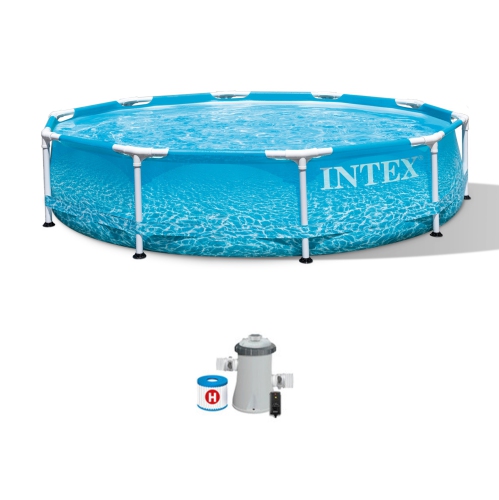
Water care is part of pool ownership, whether the pool is used for an occasional afternoon or regular family recreation. A larger water volume takes longer to fill and drain and calls for equipment sized to that volume. Filtration helps capture debris, while appropriate water treatment addresses concerns that a filter alone cannot resolve. Clear-looking water is not proof that the water is properly balanced or sanitized. Testing, cleaning, and treatment should follow the pool and equipment instructions, with chemicals handled according to their labels and stored securely away from children. Small pools without filtration may require frequent emptying, cleaning, drying, and refilling as directed by their manufacturer rather than the same maintenance routine used for a larger installation. With filtered pools, circulation needs, filter cleaning, and compatible replacement parts all affect the ongoing workload. A fitted cover can help keep out leaves and debris when the pool is not in use, but an ordinary cover is not a substitute for supervision, fencing, or a certified safety barrier. Electrical equipment requires particular care near water, including suitable outdoor connections and protection that meet local requirements; a qualified electrician can assess the setup where needed. Drainage also deserves planning before the first fill, with discharge managed according to local rules and kept away from foundations and neighbouring properties. In areas where freezing temperatures occur, some pools must be completely drained, cleaned, dried, and stored, while others require a specific closing procedure. The manufacturer’s directions determine which approach applies. Thorough drying before storage helps prevent trapped moisture, and a sheltered storage location can protect flexible materials and fittings from damage. These practical details help distinguish a pool that suits a household’s routines from one that demands more time or space than expected. For a different kind of recreation centred on cue sports rather than swimming, Pool Tables Canada offers a separate direction for home leisure. For backyard water play, the strongest match remains a pool whose size, construction, safety requirements, and upkeep fit both the property and the people using it.
Materials and construction influence how a pool feels, how it is assembled, and how much attention it needs over time. Inflatable designs commonly use flexible PVC walls with air chambers that provide their shape. Their softer edges and compact storage can suit occasional use, although they still need protection from sharp stones, pet claws, and rough surfaces. Some designs use an inflatable upper ring that rises as the pool fills, while others rely on multiple inflated chambers; each has its own setup and filling requirements. Framed pools typically combine a flexible liner with a metal support structure, giving the walls a defined shape without relying entirely on air pressure. Reinforced liners may use layered material or a mesh core to help resist stretching and wear, but no flexible liner is puncture-proof. Coated steel components can help resist corrosion, provided scratched finishes, joints, and fittings receive the care specified by the manufacturer. More substantial above-ground structures can involve additional site preparation and more complex installation, making the intended length of use an important consideration. For a household that wants to pack a pool away between periods of use, manageable sections, accessible drain connections, and enough space to dry the liner matter as much as assembly time. For a pool intended to remain installed, long-term care requirements deserve closer attention. Ground protection must be compatible with the pool and its prepared base; adding an improvised soft layer does not correct an uneven surface. Nearby trees can mean more leaves in the water, while placement directly beside a busy play area can increase the chance of bumps or damage. Practical comfort comes from details such as a stable, appropriate entry system, smooth liner placement, and space to leave towels safely away from walking routes. Ladders, pumps, hoses, and covers need to match the pool’s dimensions and connection requirements rather than simply looking similar.
Water care is part of pool ownership, whether the pool is used for an occasional afternoon or regular family recreation. A larger water volume takes longer to fill and drain and calls for equipment sized to that volume. Filtration helps capture debris, while appropriate water treatment addresses concerns that a filter alone cannot resolve. Clear-looking water is not proof that the water is properly balanced or sanitized. Testing, cleaning, and treatment should follow the pool and equipment instructions, with chemicals handled according to their labels and stored securely away from children. Small pools without filtration may require frequent emptying, cleaning, drying, and refilling as directed by their manufacturer rather than the same maintenance routine used for a larger installation. With filtered pools, circulation needs, filter cleaning, and compatible replacement parts all affect the ongoing workload. A fitted cover can help keep out leaves and debris when the pool is not in use, but an ordinary cover is not a substitute for supervision, fencing, or a certified safety barrier. Electrical equipment requires particular care near water, including suitable outdoor connections and protection that meet local requirements; a qualified electrician can assess the setup where needed. Drainage also deserves planning before the first fill, with discharge managed according to local rules and kept away from foundations and neighbouring properties. In areas where freezing temperatures occur, some pools must be completely drained, cleaned, dried, and stored, while others require a specific closing procedure. The manufacturer’s directions determine which approach applies. Thorough drying before storage helps prevent trapped moisture, and a sheltered storage location can protect flexible materials and fittings from damage. These practical details help distinguish a pool that suits a household’s routines from one that demands more time or space than expected. For a different kind of recreation centred on cue sports rather than swimming, Pool Tables Canada offers a separate direction for home leisure. For backyard water play, the strongest match remains a pool whose size, construction, safety requirements, and upkeep fit both the property and the people using it.
Top selling and popular products
-
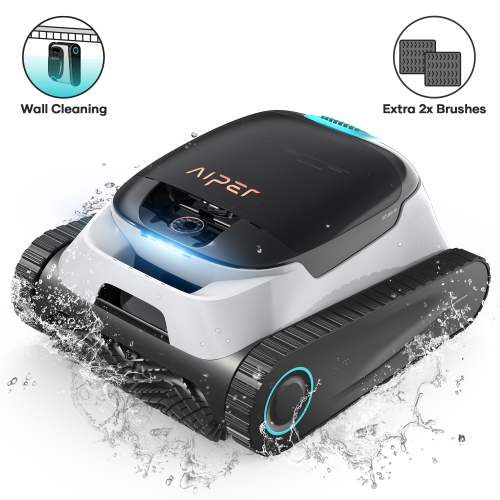 Your price for this item is $679.99
 -
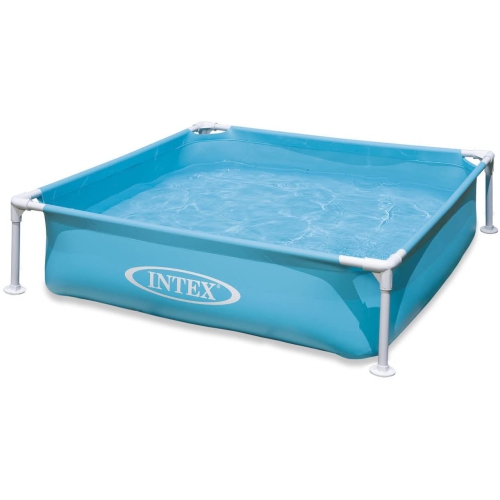 Your price for this item is $75.99
 -
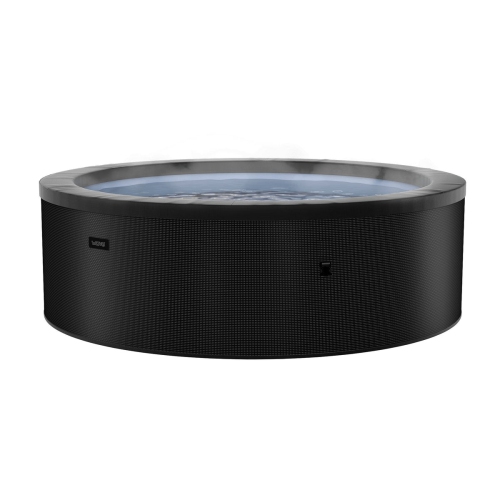 Your price for this item is $3489
 -
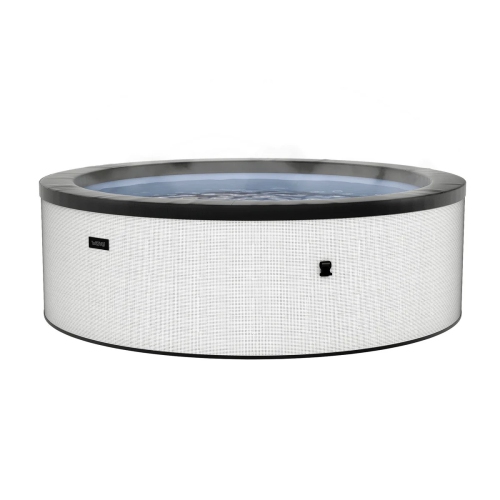 Your price for this item is $3489
 -
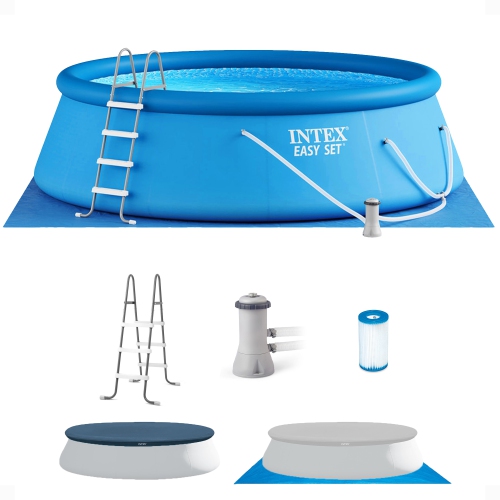 Your price for this item is $542.99
 -
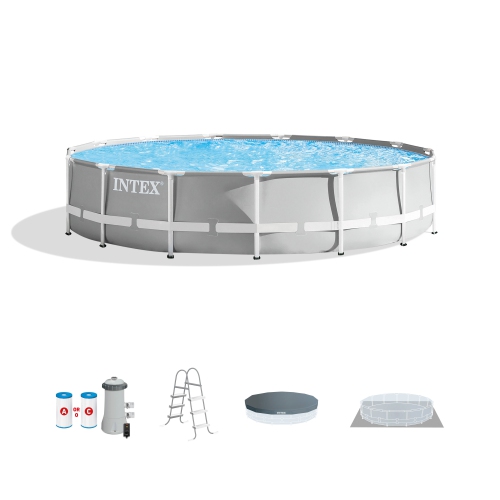 Your price for this item is $1098.99
 -
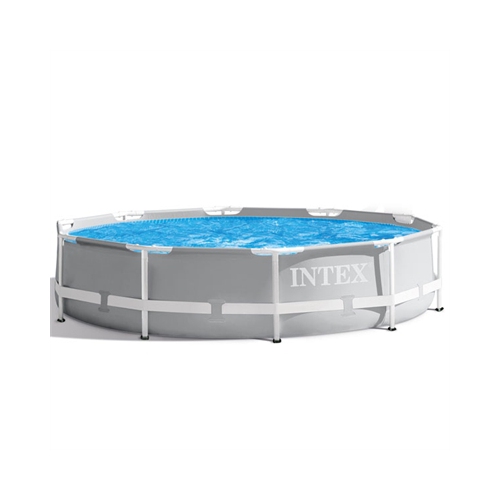 Your price for this item is $287.99
 -
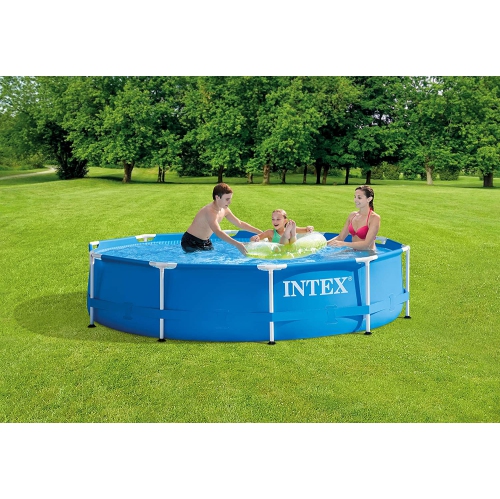 Your price for this item is $252.99
Discover more categories related to Pools Canada
Top Collections:
Pokemon Centers, Kindle Devices, Best Budget Office Chairs, Apple iPhones 16, Samsung Galaxy Phones, Canon G7X Cameras, iPhone 15 Apple, Flip Phones, Best Laptops for Writers, Alarm Clock
Some products may be subject to Environmental Handling Fees
(EHF) depending on your province.
Learn more about EHFs.