Storage Cabinets With Doors And Shelves
Discover the perfect blend of style and functionality with storage cabinets featuring doors and shelves, ideal for organizing any space in your home or office. These versatile pieces not only enhance your interior decor but also provide ample storage solutions to keep your belongings tidy and accessible. Whether you're looking to declutter a living room, organize an office, or add extra storage to a kitchen, these cabinets offer diverse options to suit every need. With various designs, materials, and finishes available, you can easily find a cabinet that complements your aesthetic while maximizing space efficiency. Transform your spaces into organized havens with these essential storage solutions.
Sort
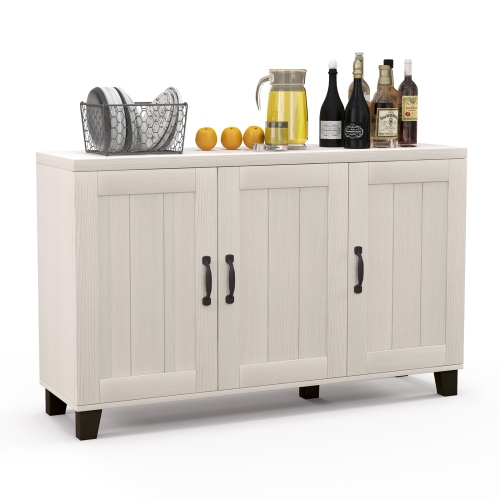
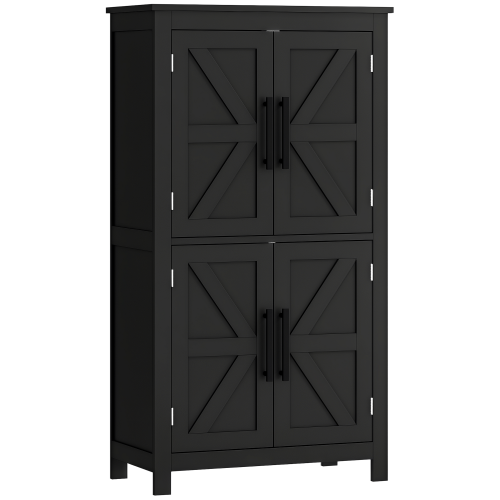
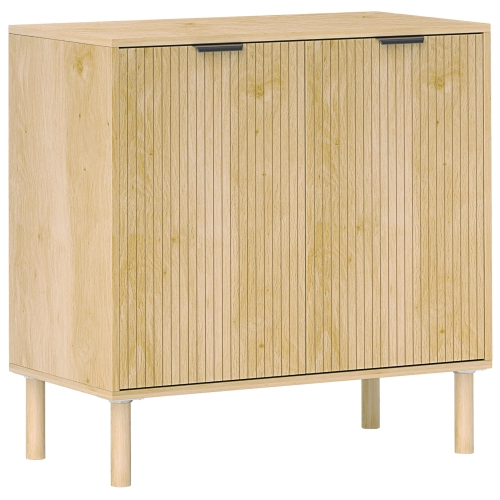
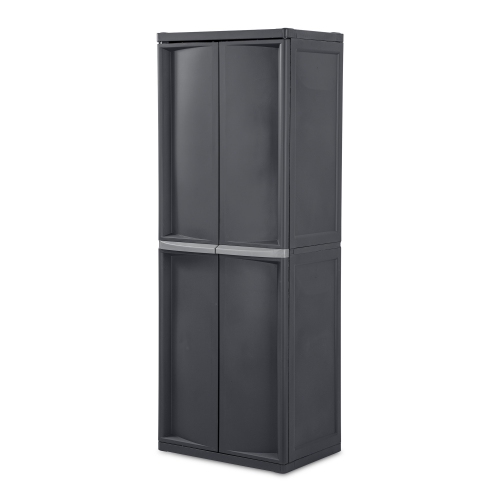
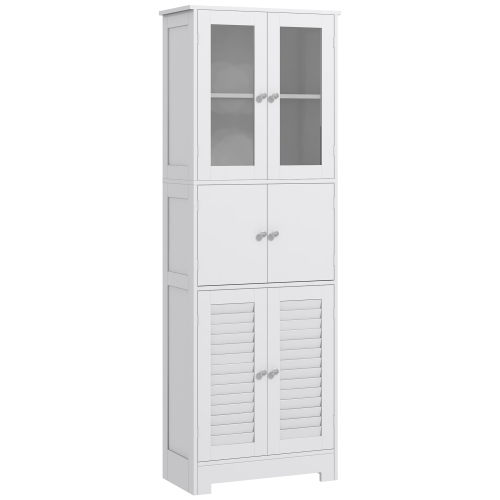
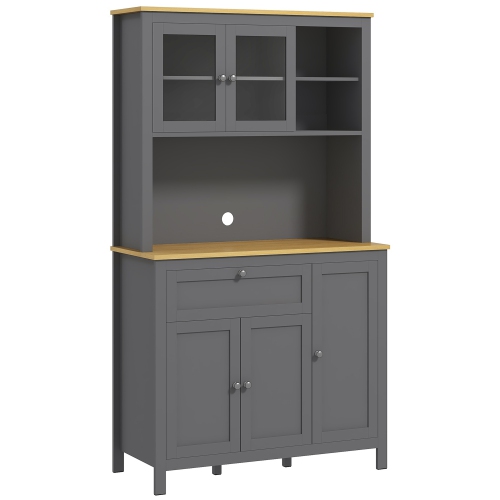
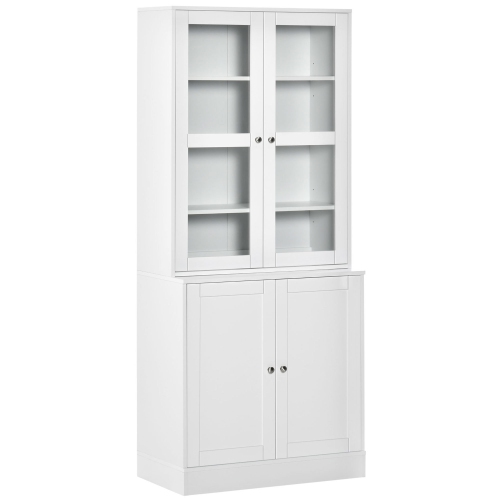
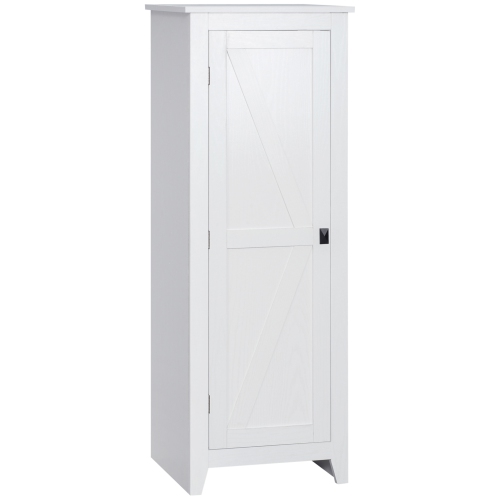
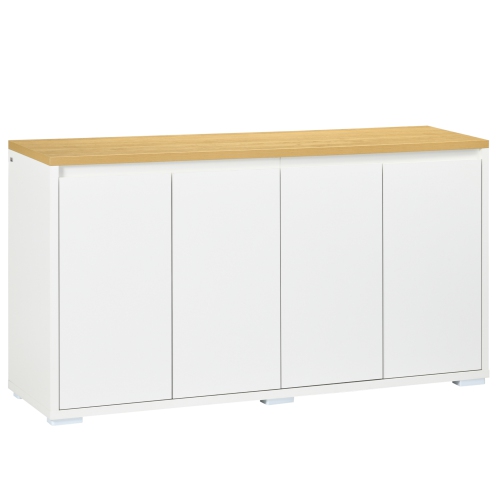
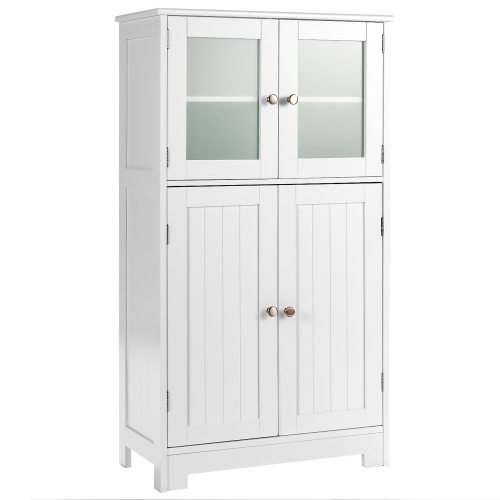
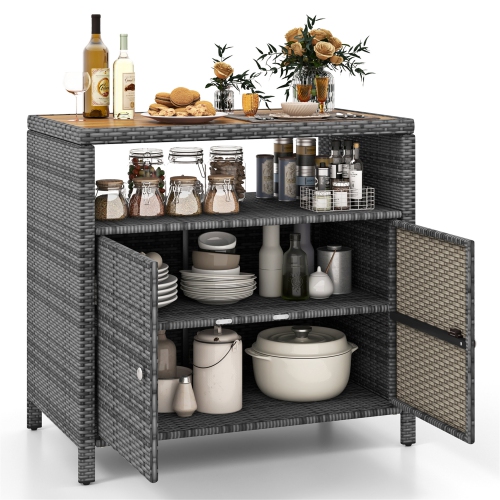
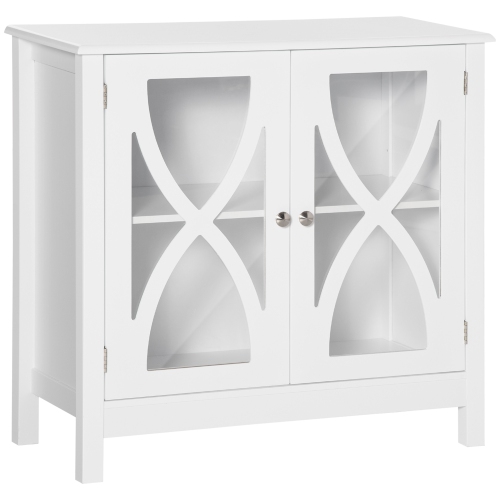
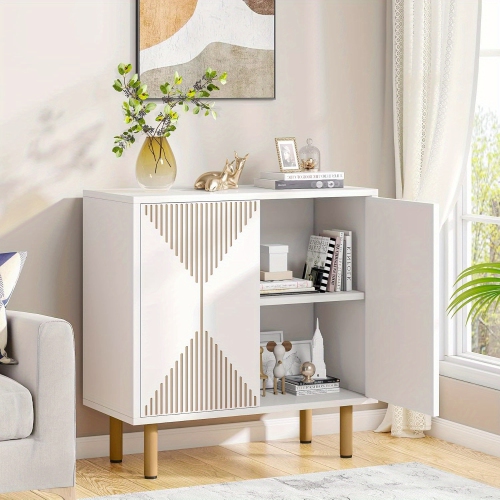
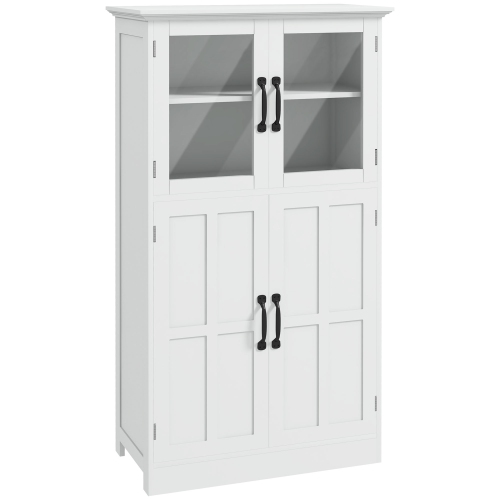
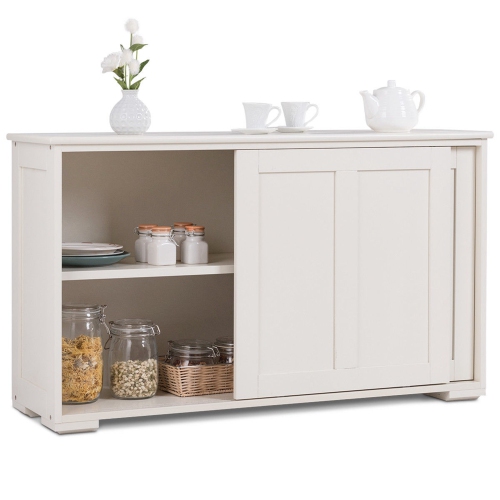
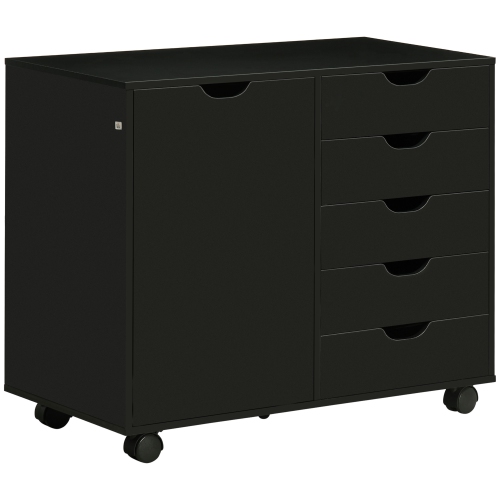
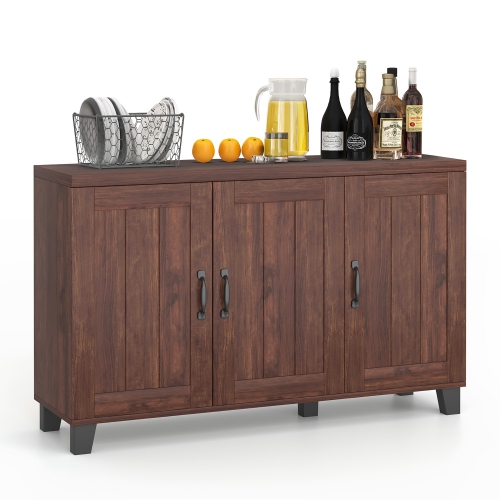
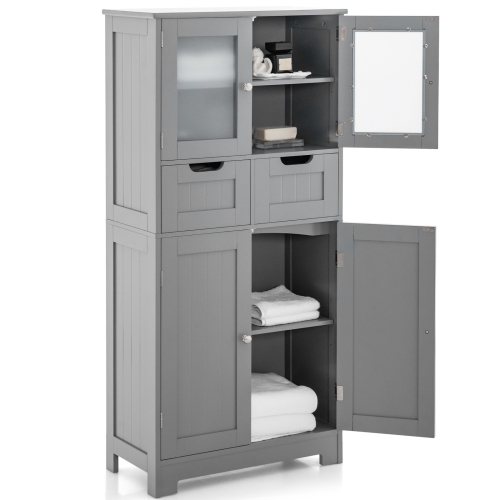
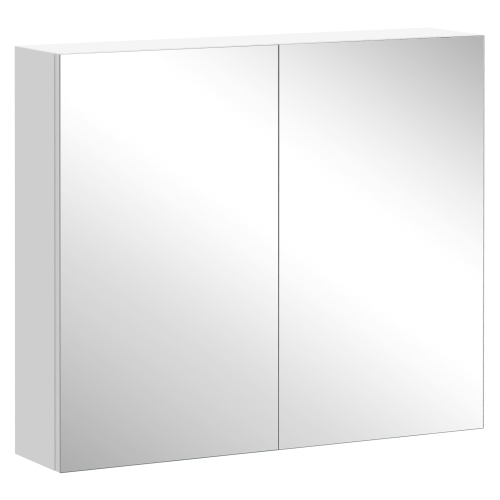
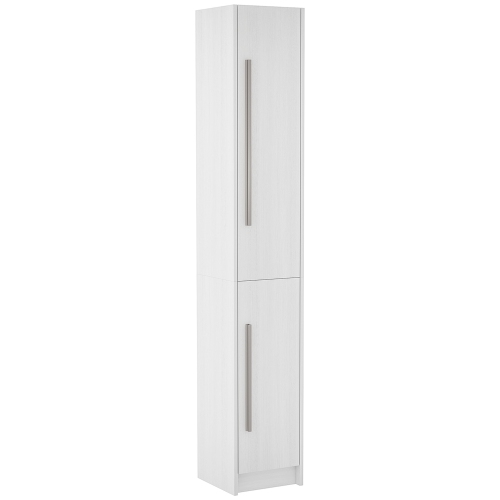
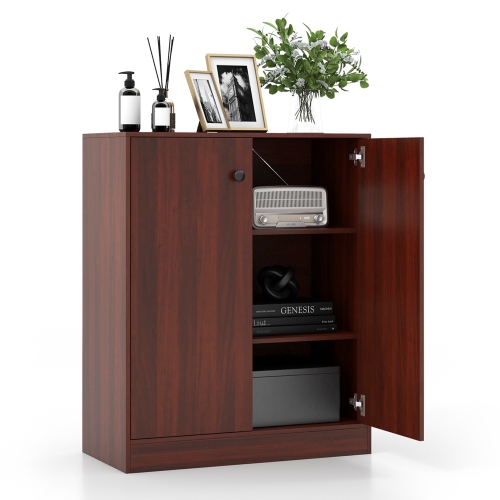
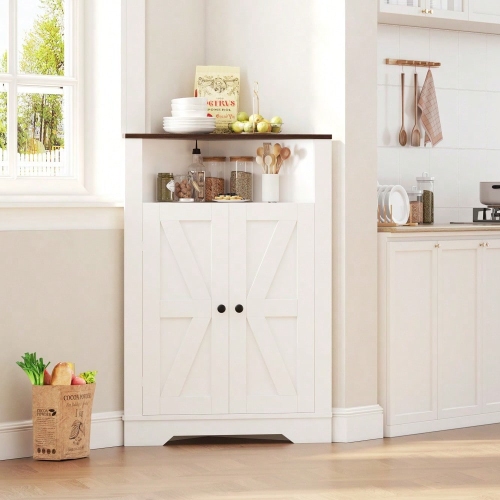
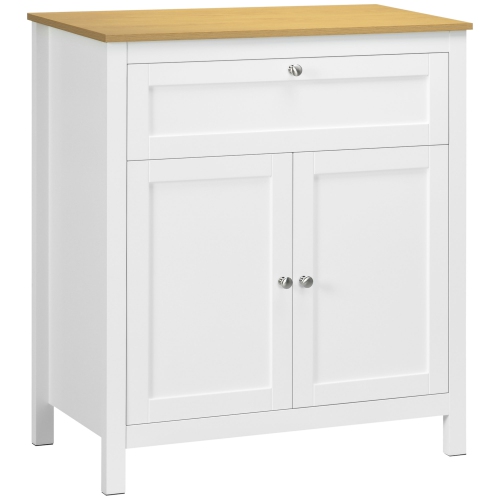
Concealed storage that keeps everyday belongings sorted
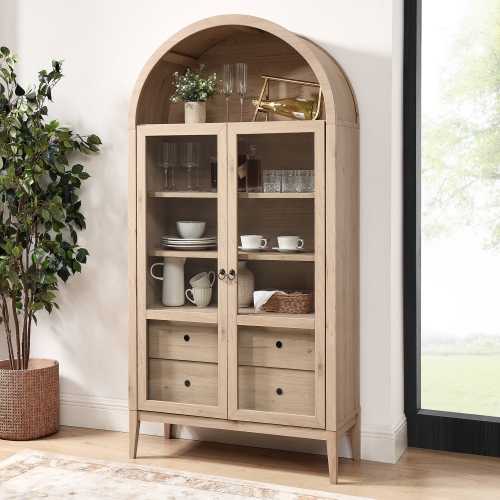
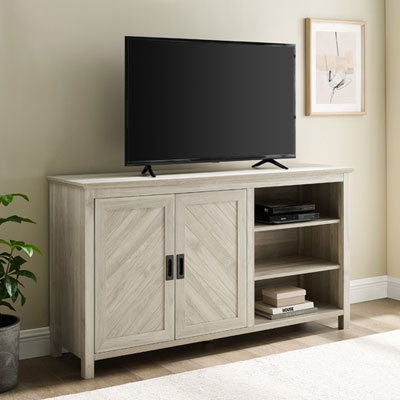
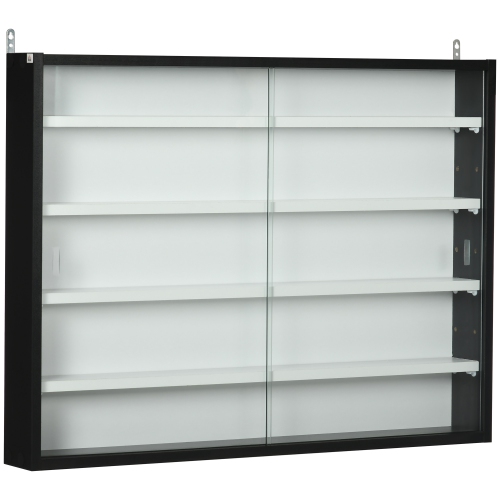
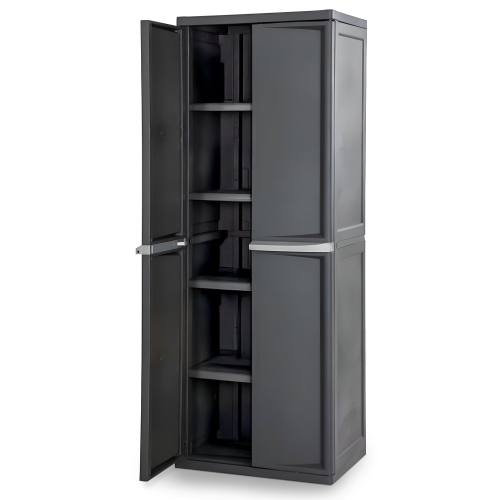
Storage cabinets with doors and shelves combine concealed storage with divided interior space, making it easier to keep everyday belongings organized without leaving everything on display. Doors give a room a more settled appearance, while shelves separate contents so that finding a serving bowl, a stack of towels, or a folder does not mean unpacking an entire cupboard. These cabinets suit living rooms, dining areas, home offices, bedrooms, and utility spaces, with the best fit depending on what needs storing and how often it gets used. A tall cabinet can make good use of vertical space in a room with limited floor area, while a low cabinet may sit comfortably beneath wall art or alongside other furniture. Narrow designs can work beside a desk or in an alcove, provided there is enough clearance to open the doors fully. Adjustable shelves offer flexibility for belongings of different heights, such as binders on one level and small storage baskets on another. Fixed shelves create consistent compartments and may also contribute to the cabinet’s structure, depending on its construction. A mix of both can provide useful separation without making every section the same size. Solid doors keep contents out of view; glass-panelled doors let selected belongings remain visible while providing a barrier against direct handling. Neither style should be assumed to create a dustproof seal. For a broader look at enclosed storage styles, storage cabinets with doors can complement different room layouts and furniture arrangements. Within this category, interior shelving makes a particular difference when the goal is to separate household supplies rather than store everything in one open compartment. Shared households may appreciate distinct shelves for each person’s belongings, while someone working from home might use separate sections for paperwork, stationery, and spare accessories. The result is practical furniture that helps a room serve several purposes without every activity remaining visible after it is finished.
Materials, construction, and finish influence how a storage cabinet looks, feels, and stands up to everyday use. Solid wood brings natural grain and variation, although its weight, finish, and care requirements differ by wood type and design. Engineered wood, including MDF and particleboard, is common in indoor storage furniture and may be finished with laminate, veneer, or a painted surface. These finishes are not interchangeable: a wood veneer has a thin layer of real wood at the surface, while laminate provides a manufactured outer layer with its own care requirements. Well-finished edges and secure joints matter, particularly around door corners and shelf supports that receive repeated handling. Metal cabinets can suit work areas and utility rooms, but resistance to scratches, moisture, and corrosion depends on the material and protective finish. A cabinet intended for a dry indoor room should not be treated as suitable for a damp garage or bathroom unless its specifications support that use. For dining room storage, smooth, easy-to-wipe shelves can be helpful beneath table linens and serving pieces. In a home office, shelf depth and load capacity matter when storing rows of heavy binders or paper. Capacity should be checked for each shelf as well as for the cabinet overall, since an evenly distributed load is different from a concentrated weight in one spot. Door hardware also deserves attention. Hinges should support the doors properly, handles should be comfortable to grasp, and closing mechanisms should suit how the cabinet will be used. Soft-close hinges, where fitted, can reduce slamming, but they do not replace careful alignment during assembly. For routine care, follow the manufacturer’s directions, wipe spills promptly, and avoid leaving standing water on shelves or around seams. A soft cloth and a suitable mild cleaner are often enough for everyday marks, though the finish determines what is appropriate. Abrasive pads and harsh chemicals can damage surfaces, and dragging a loaded cabinet can strain joints or scratch flooring. Emptying it before moving helps protect both the furniture and its contents.
Fit involves more than finding a cabinet with the right outside dimensions. Measure the intended position, including baseboards, nearby furniture, wall outlets, and the path through the room. Then account for the swing of the doors and enough standing space to reach the shelves comfortably. A cabinet that fits neatly into a corner may still be awkward if a door strikes an adjacent wall before opening far enough to remove a basket. Internal dimensions are equally important: shelf thickness, hinges, and the centre divider in some designs can reduce usable space. Deep shelves suit larger belongings, but smaller objects may be easier to locate in shallower compartments or grouped in removable bins. In a hallway, a slim cabinet can keep frequently used accessories close at hand without crowding the passage. In a dining area, wider compartments may better accommodate serving pieces, while a bedroom cabinet can separate folded clothing from spare bedding. Keeping heavier contents low and everyday essentials within comfortable reach makes the arrangement easier to use, although sensible loading does not replace proper anchoring. Follow the assembly instructions and secure the cabinet as directed, using hardware appropriate for the wall type; supplied fittings may not suit every installation. Anti-tip protection is especially important in homes with children or pets, and shelves should never be used as steps. Where a locking cabinet is needed, confirm that a lock is included and suitable for the intended purpose rather than assuming closed doors provide restricted access. Appearance matters too, particularly when storage sits in a main living space. A wood-look finish can add texture beside upholstered furniture, while a simple painted finish may blend with walls or existing cabinetry. Panelled doors introduce detail; flat fronts create a quieter backdrop. Matching every piece is not essential, but repeating a colour, handle finish, or proportion can help the cabinet feel connected to the room. With suitable dimensions, dependable construction, and a shelf layout matched to daily routines, enclosed storage can earn its place as useful, lasting household furniture.
Materials, construction, and finish influence how a storage cabinet looks, feels, and stands up to everyday use. Solid wood brings natural grain and variation, although its weight, finish, and care requirements differ by wood type and design. Engineered wood, including MDF and particleboard, is common in indoor storage furniture and may be finished with laminate, veneer, or a painted surface. These finishes are not interchangeable: a wood veneer has a thin layer of real wood at the surface, while laminate provides a manufactured outer layer with its own care requirements. Well-finished edges and secure joints matter, particularly around door corners and shelf supports that receive repeated handling. Metal cabinets can suit work areas and utility rooms, but resistance to scratches, moisture, and corrosion depends on the material and protective finish. A cabinet intended for a dry indoor room should not be treated as suitable for a damp garage or bathroom unless its specifications support that use. For dining room storage, smooth, easy-to-wipe shelves can be helpful beneath table linens and serving pieces. In a home office, shelf depth and load capacity matter when storing rows of heavy binders or paper. Capacity should be checked for each shelf as well as for the cabinet overall, since an evenly distributed load is different from a concentrated weight in one spot. Door hardware also deserves attention. Hinges should support the doors properly, handles should be comfortable to grasp, and closing mechanisms should suit how the cabinet will be used. Soft-close hinges, where fitted, can reduce slamming, but they do not replace careful alignment during assembly. For routine care, follow the manufacturer’s directions, wipe spills promptly, and avoid leaving standing water on shelves or around seams. A soft cloth and a suitable mild cleaner are often enough for everyday marks, though the finish determines what is appropriate. Abrasive pads and harsh chemicals can damage surfaces, and dragging a loaded cabinet can strain joints or scratch flooring. Emptying it before moving helps protect both the furniture and its contents.
Fit involves more than finding a cabinet with the right outside dimensions. Measure the intended position, including baseboards, nearby furniture, wall outlets, and the path through the room. Then account for the swing of the doors and enough standing space to reach the shelves comfortably. A cabinet that fits neatly into a corner may still be awkward if a door strikes an adjacent wall before opening far enough to remove a basket. Internal dimensions are equally important: shelf thickness, hinges, and the centre divider in some designs can reduce usable space. Deep shelves suit larger belongings, but smaller objects may be easier to locate in shallower compartments or grouped in removable bins. In a hallway, a slim cabinet can keep frequently used accessories close at hand without crowding the passage. In a dining area, wider compartments may better accommodate serving pieces, while a bedroom cabinet can separate folded clothing from spare bedding. Keeping heavier contents low and everyday essentials within comfortable reach makes the arrangement easier to use, although sensible loading does not replace proper anchoring. Follow the assembly instructions and secure the cabinet as directed, using hardware appropriate for the wall type; supplied fittings may not suit every installation. Anti-tip protection is especially important in homes with children or pets, and shelves should never be used as steps. Where a locking cabinet is needed, confirm that a lock is included and suitable for the intended purpose rather than assuming closed doors provide restricted access. Appearance matters too, particularly when storage sits in a main living space. A wood-look finish can add texture beside upholstered furniture, while a simple painted finish may blend with walls or existing cabinetry. Panelled doors introduce detail; flat fronts create a quieter backdrop. Matching every piece is not essential, but repeating a colour, handle finish, or proportion can help the cabinet feel connected to the room. With suitable dimensions, dependable construction, and a shelf layout matched to daily routines, enclosed storage can earn its place as useful, lasting household furniture.
Top selling and popular products
-
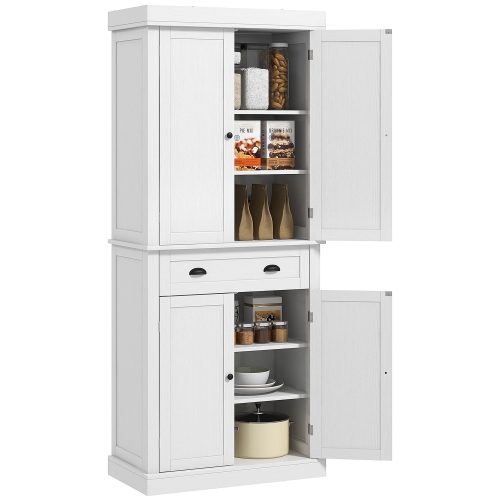 Your price for this item is $269.99
 -
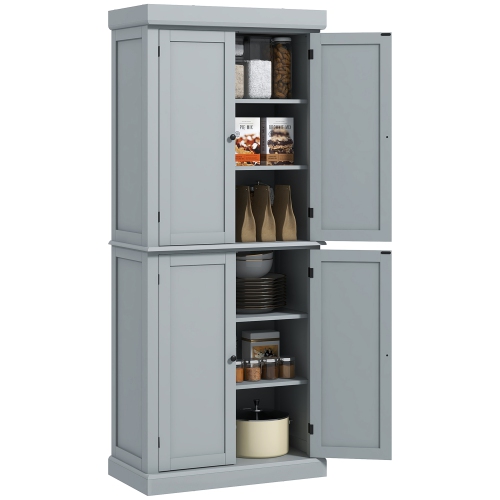 Your price for this item is $299.99
 -
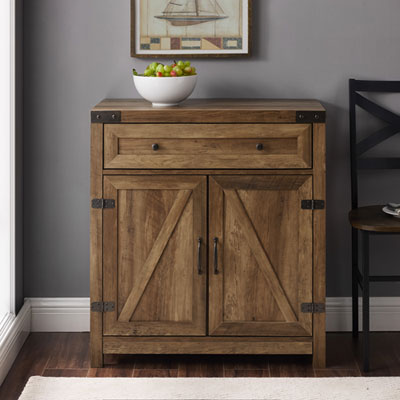 Your price for this item is $401.99
 -
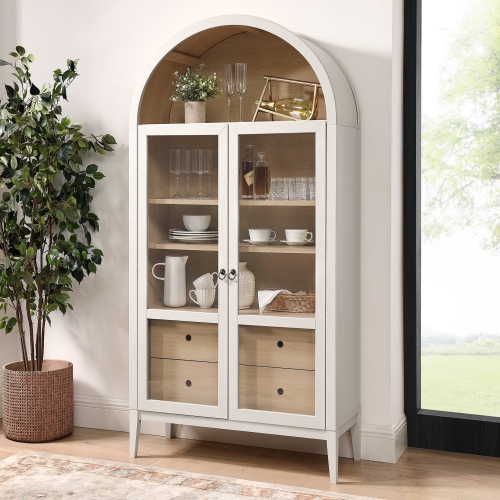 Your price for this item is $1028.59
 -
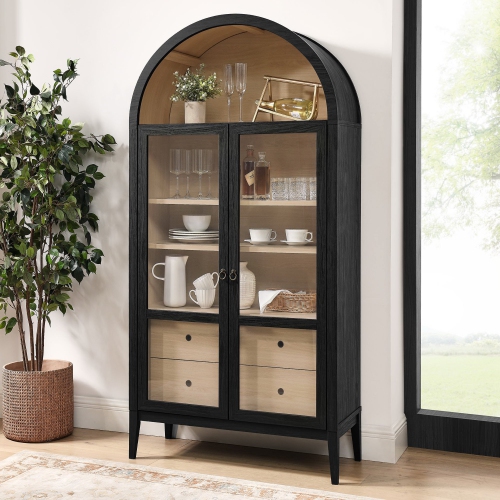 Your price for this item is $1028.59
 -
 Your price for this item is $1028.59
 -
 Your price for this item is $593.99
 -
 Your price for this item is $154.99
Discover more categories related to Storage Cabinets With Doors And Shelves
Top Collections:
Pokemon Centers, Kindle Devices, Best Budget Office Chairs, Apple iPhones 16, Samsung Galaxy Phones, Canon G7X Cameras, iPhone 15 Apple, Flip Phones, Best Laptops for Writers, Alarm Clock
Some products may be subject to Environmental Handling Fees
(EHF) depending on your province.
Learn more about EHFs.