White Pantry Shelves
Create a clean and organized space in your kitchen with our selection of white pantry shelves. These versatile storage solutions are designed to maximize the functionality of your pantry while adding a touch of elegance to your kitchen decor. Whether you need additional space for storing canned goods, dry ingredients, or small appliances, white pantry shelves offer ample room to keep everything neatly organized and easily accessible. Here are some great options available.
Sort
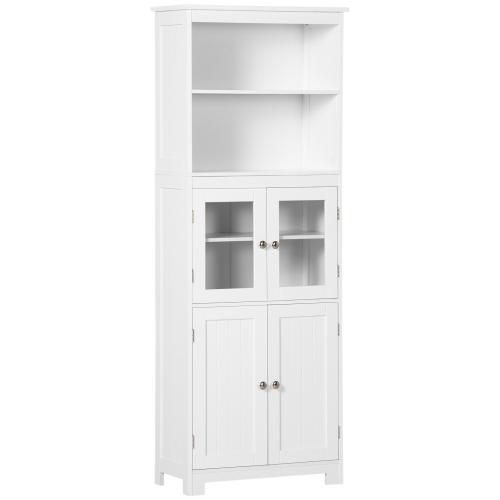
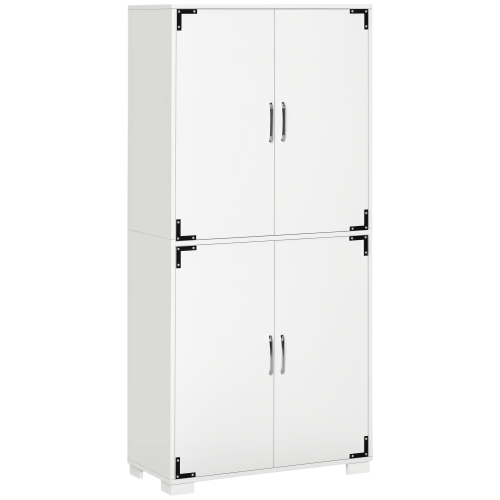
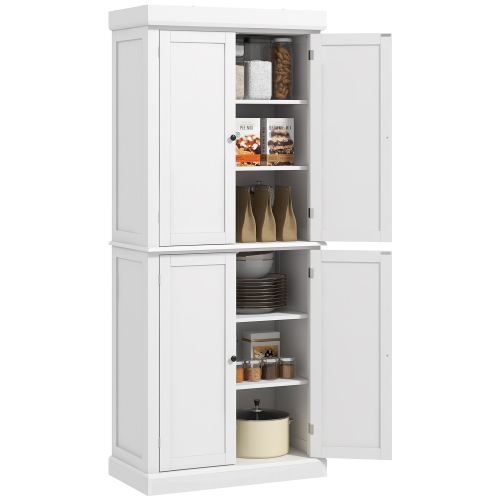
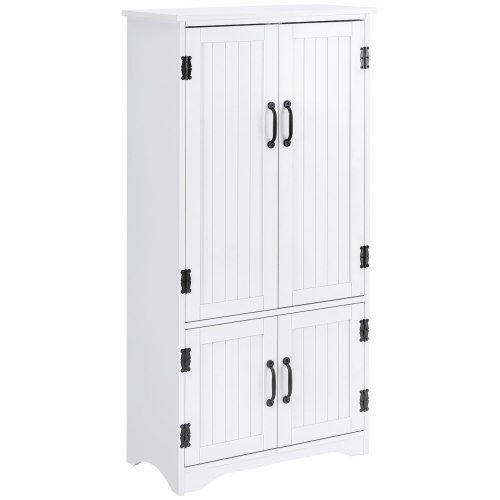
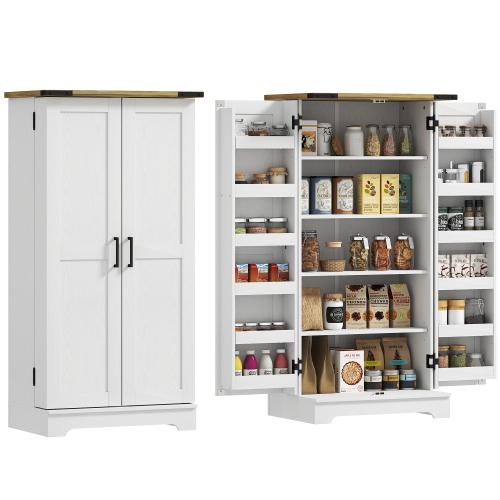
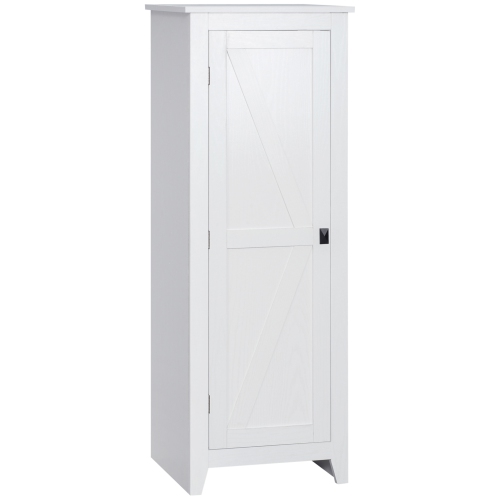
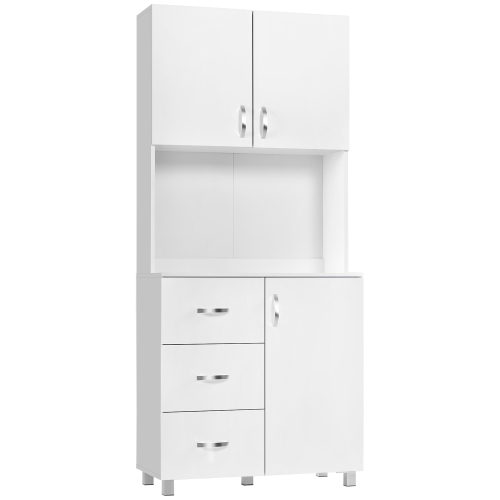
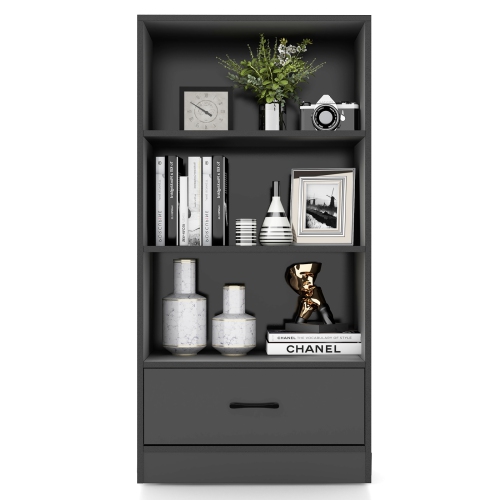
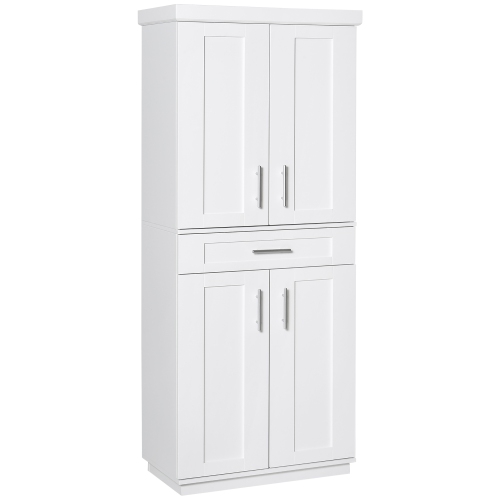

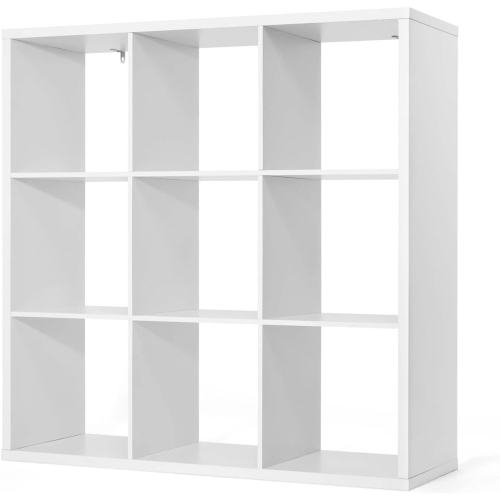
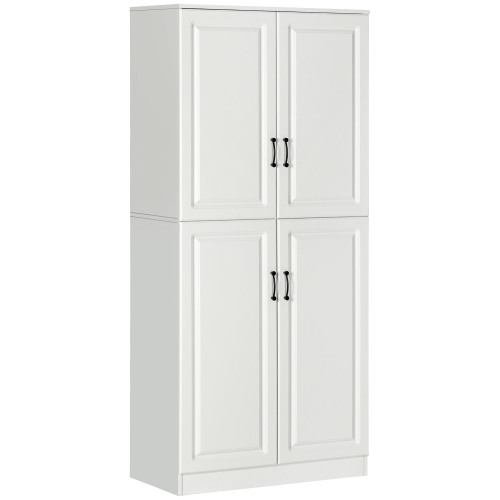
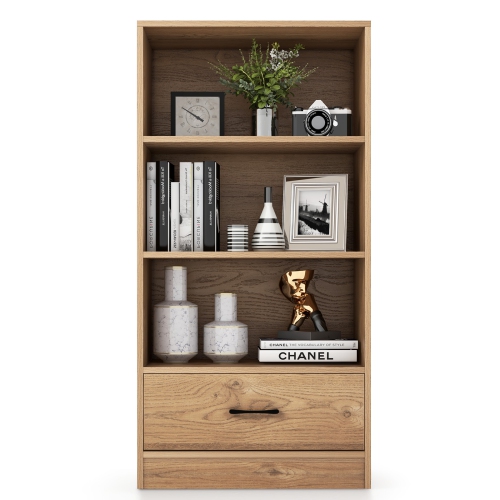
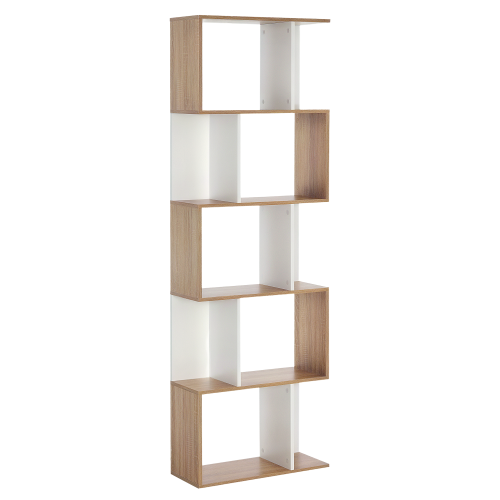
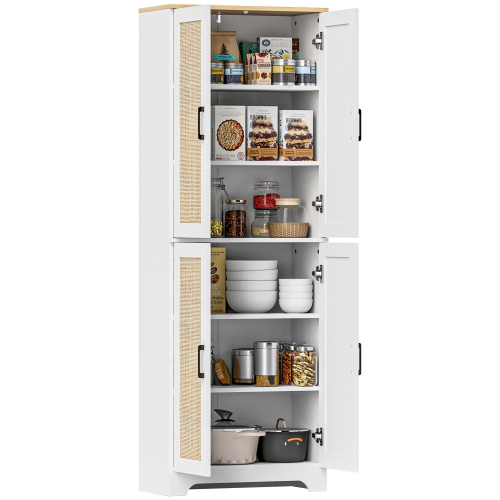
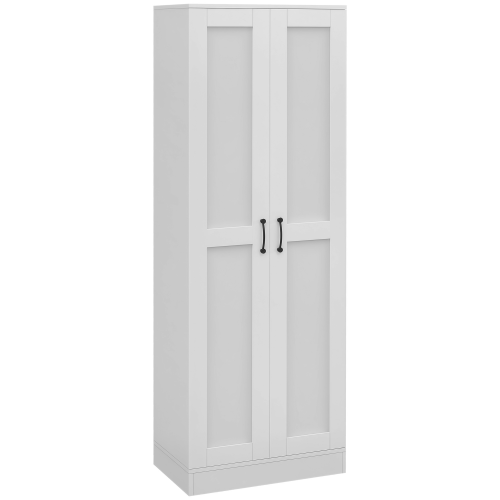
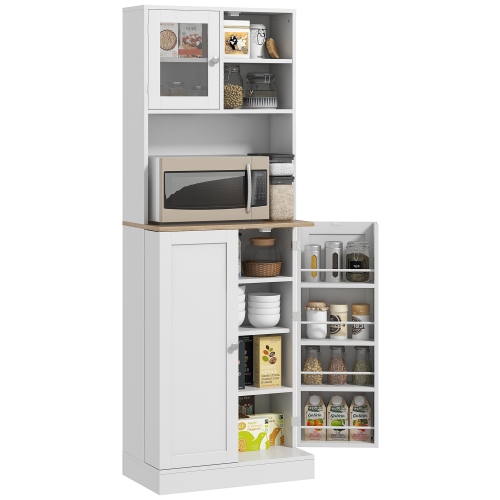
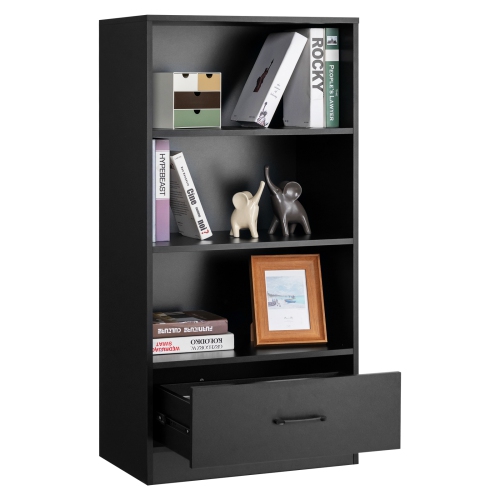
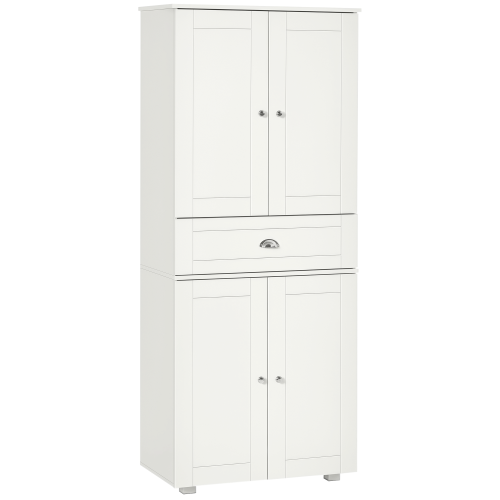
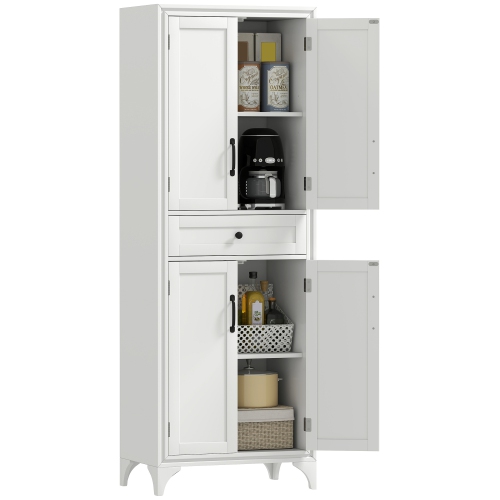
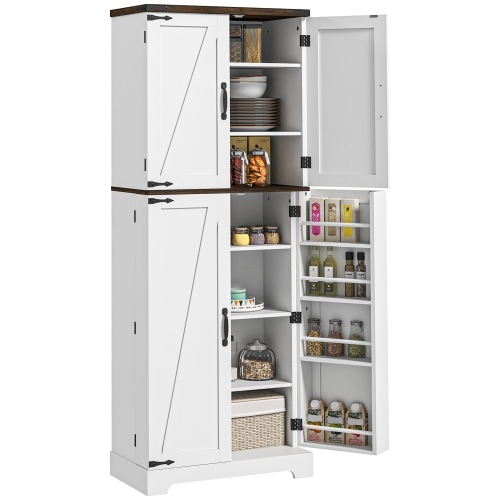
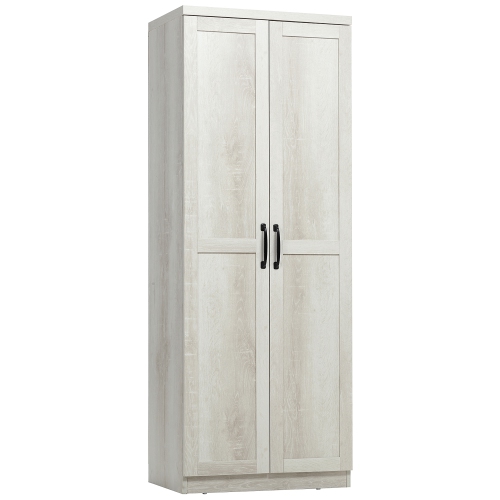
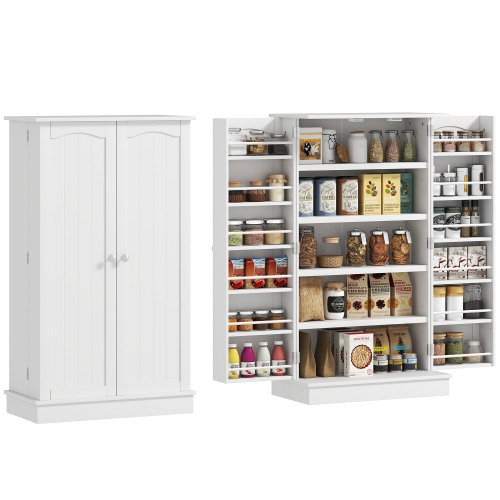
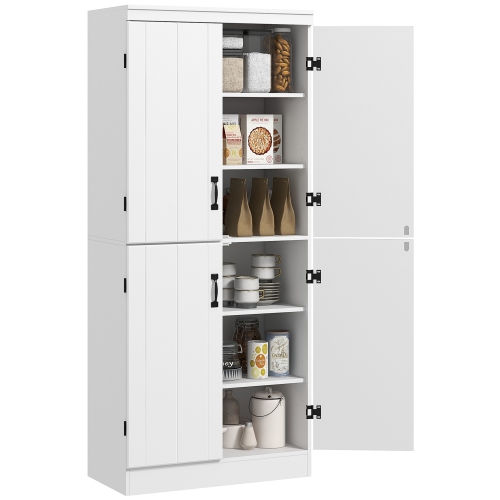
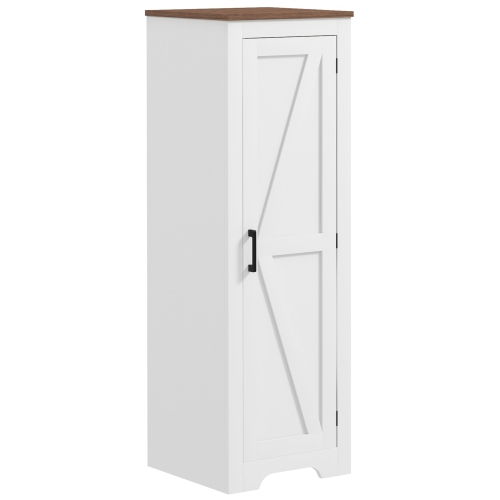
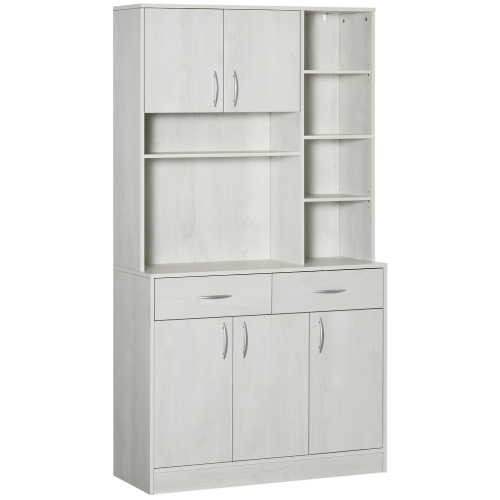
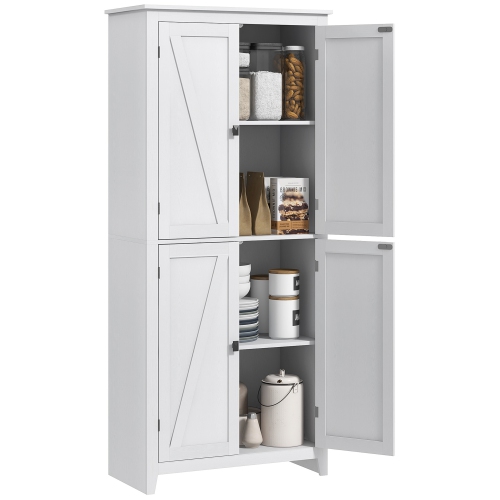
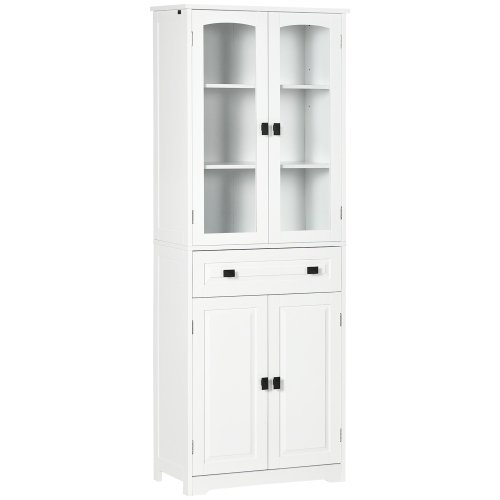
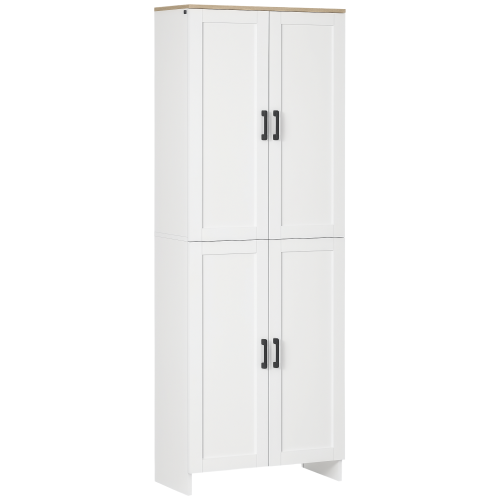
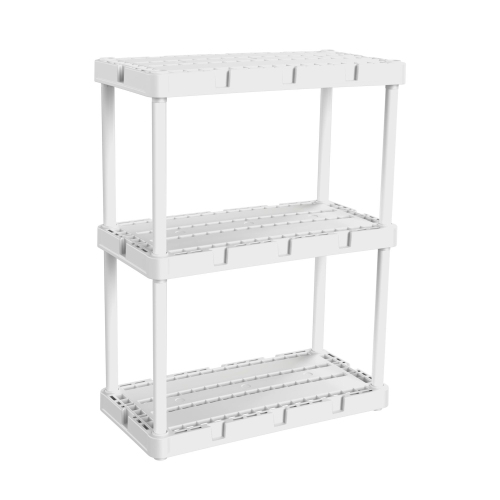
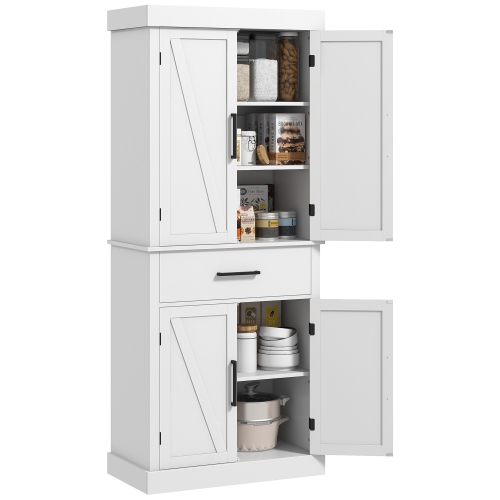
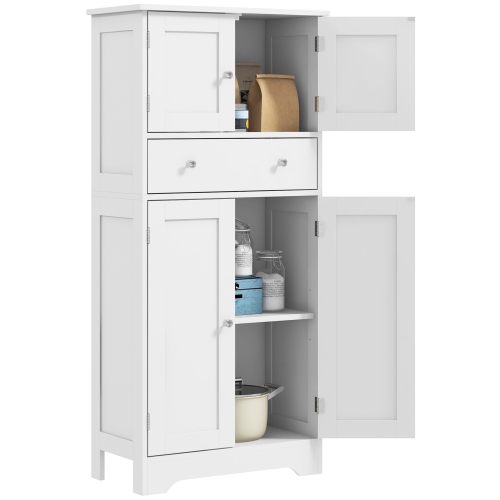
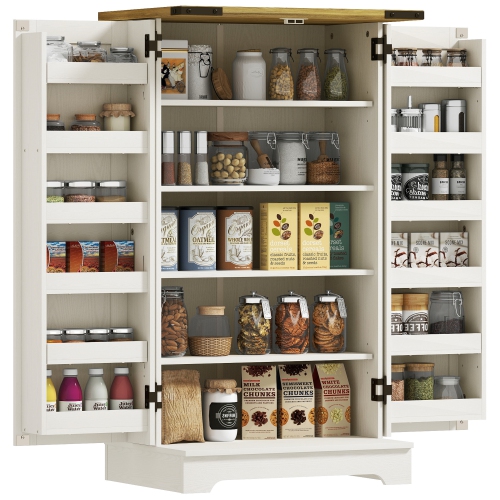

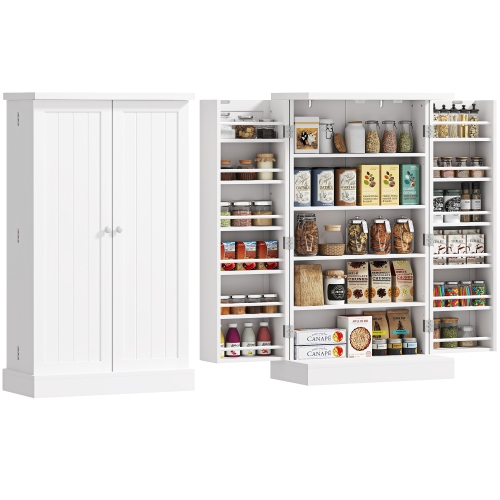
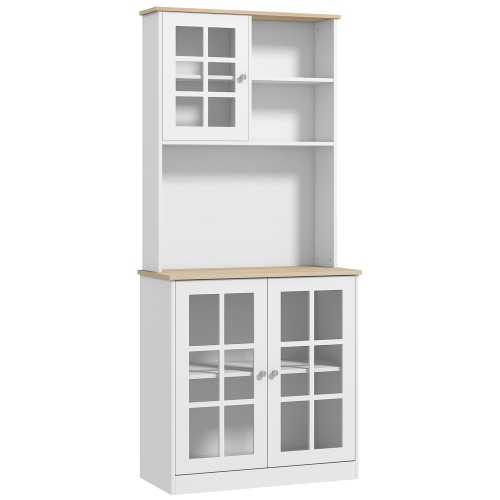

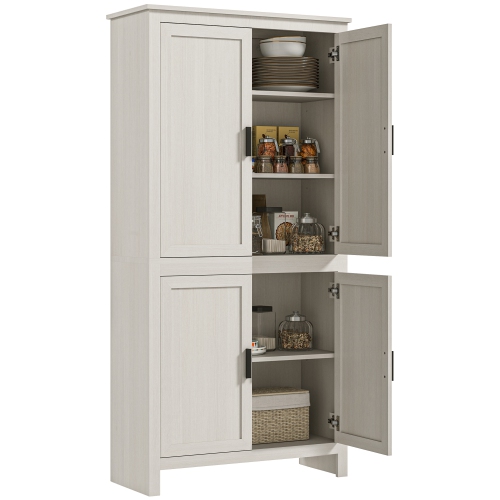

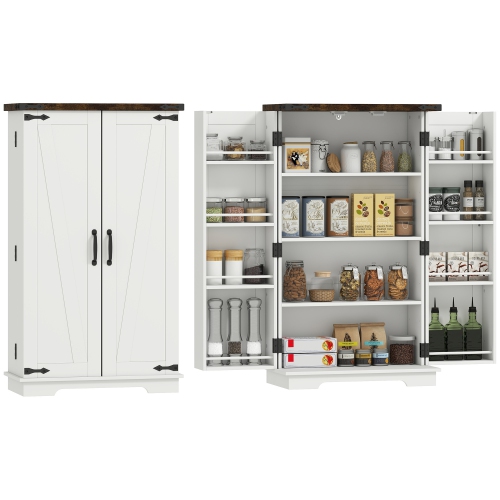
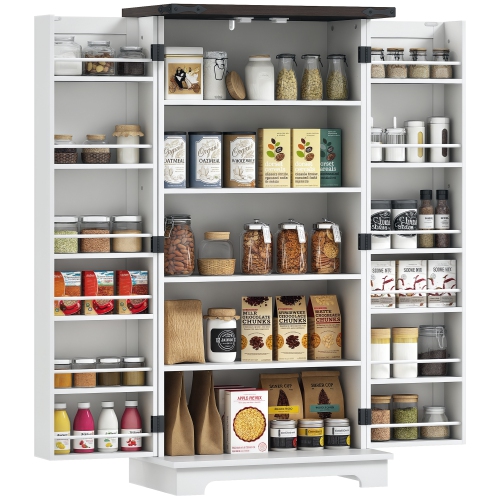
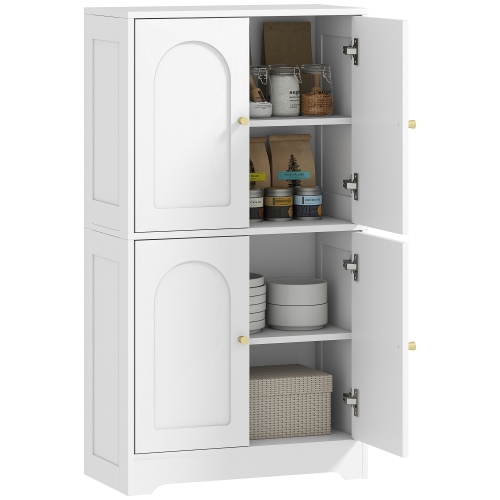
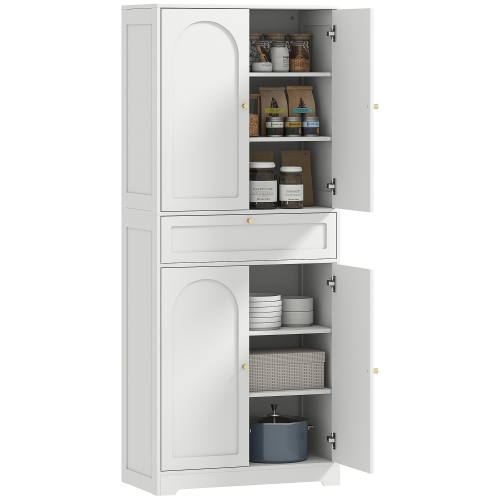
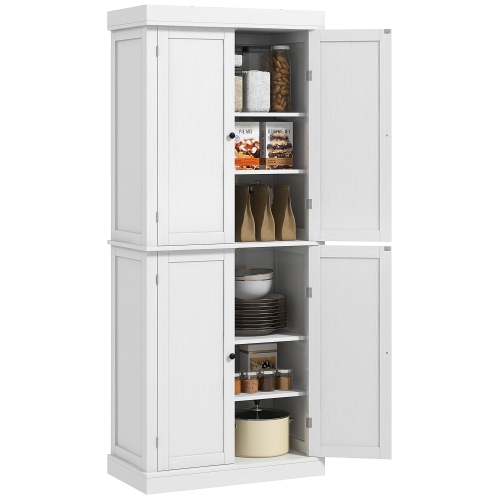


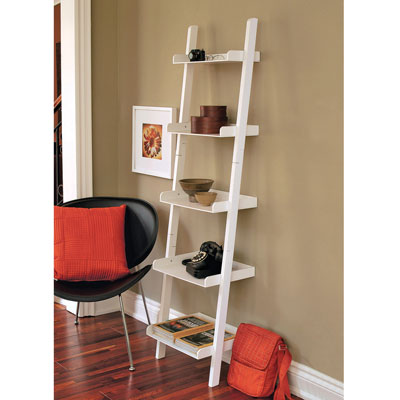
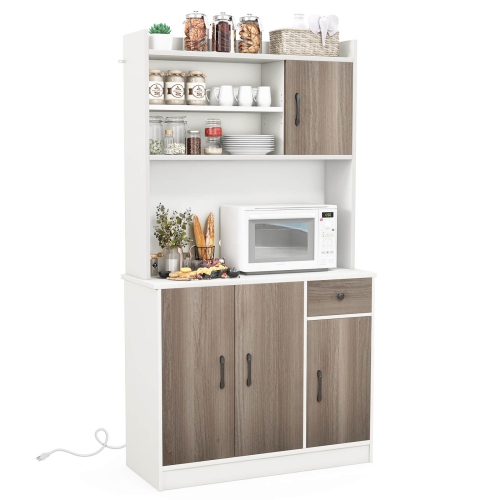
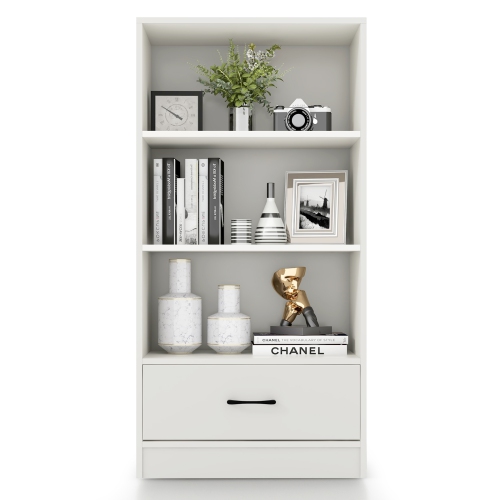
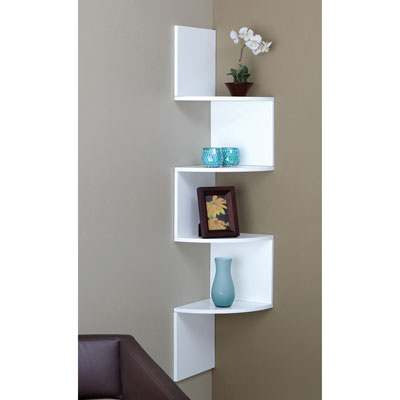
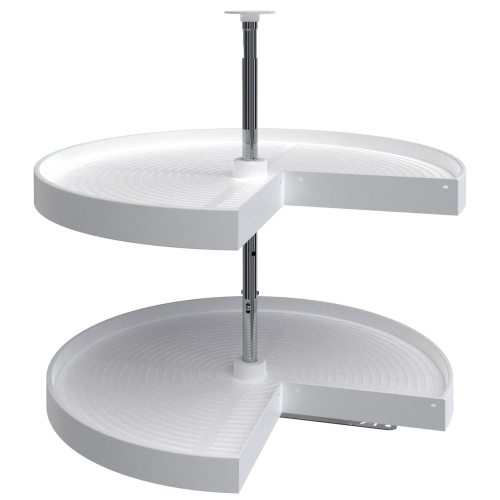
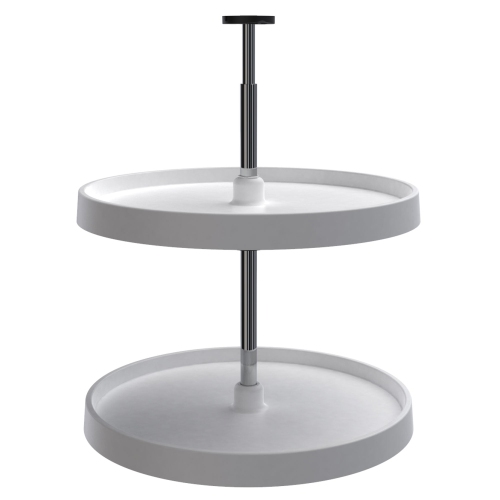
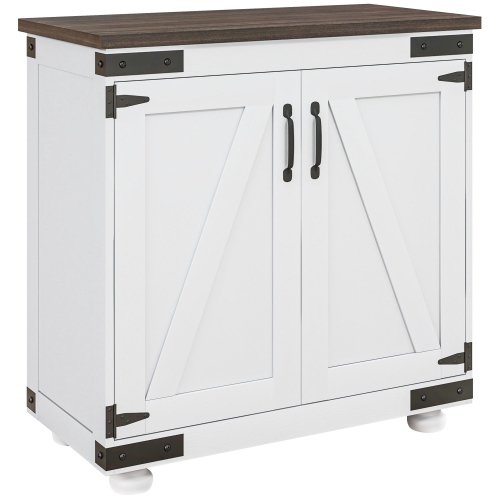

Everyday ingredients in view and within easy reach
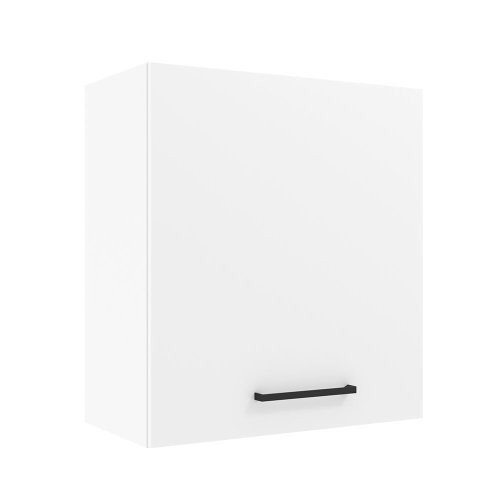
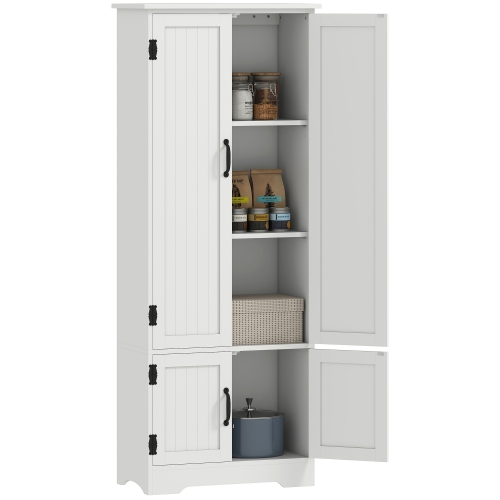
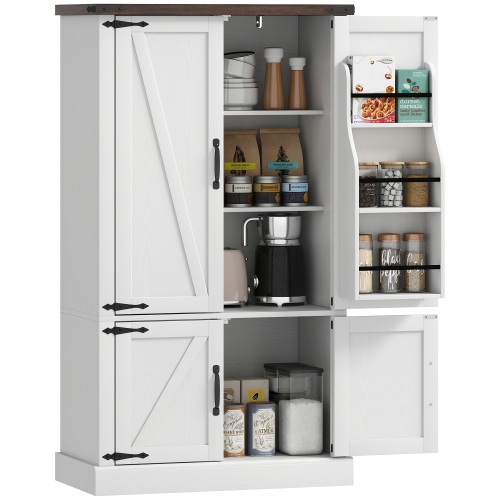
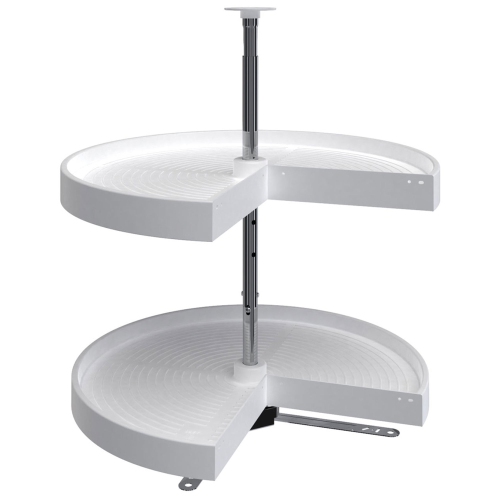
White pantry shelves provide open storage for food, kitchen supplies, and everyday essentials, with a light finish that works alongside many cabinet colours and countertop materials. The category includes wall-mounted shelves, freestanding shelving units, and shallow over-the-door designs, each suited to a different kind of space. In a walk-in pantry, shelving can keep ingredients visible along one wall while leaving room to move through the centre. In a compact kitchen, a narrow freestanding unit can make use of an alcove without requiring a full bank of cabinetry. Over-the-door shelving uses space that might otherwise go unused, although its suitability depends on the door, the mounting method, and the clearance around the frame. White shelving can blend into pale walls for a quieter look or create a crisp contrast against darker paint and wood finishes. The finish also provides a simple backdrop for labelled containers, woven baskets, and familiar food packaging, helping the storage area feel orderly without making every container match. Open shelves are particularly useful for ingredients that get used often: breakfast supplies within easy reach, baking ingredients grouped together, and larger serving pieces placed where they can be retrieved comfortably. For households that share cooking duties, visible storage makes it easier to find what is needed without opening several cupboards. The most practical arrangement depends on how the pantry is used, rather than how much can be fitted onto every shelf. Shallow shelves can keep smaller packages from disappearing behind one another, while deeper shelves offer room for larger containers and grouped supplies. Adjustable shelf spacing adds flexibility when tall bottles, compact tins, and bulky packages need different amounts of headroom. A white finish does not determine the shelving’s strength or function; those qualities come from its materials, construction, supports, and stated load limits. Together, these details distinguish a shelf intended for light everyday supplies from one suitable for heavier pantry storage.
Materials influence how white pantry shelving looks, feels, and performs over time. Painted solid wood offers a substantial appearance, while engineered wood with a laminate or melamine surface provides a smooth finish that is often straightforward to wipe clean. Edges and joints deserve attention because repeated spills or standing moisture can damage some wood-based panels, especially where a protective surface is chipped or unfinished. Coated metal shelving can have a slim profile and an open appearance, with durability depending on the gauge, connections, finish, and overall design. Wire shelves allow visibility through the storage area, but small jars and narrow containers may sit more securely on a compatible solid liner. A liner should fit properly and remain within the shelving manufacturer’s recommendations; it does not increase the shelf’s rated capacity. Moulded plastic shelving offers another option for indoor pantry storage, with its suitability for heavier loads determined by the particular construction and specifications. Across all materials, both the maximum load per shelf and the total unit capacity matter. Closely packed tins or several large containers can add considerable weight, so evenly distributed loads and heavier supplies on lower shelves generally support a more stable arrangement. Fit involves more than measuring the empty wall. Usable shelf depth, space above each shelf, door swing, skirting boards, nearby outlets, and room to lift a container all affect everyday access. A deep unit that technically fits into a pantry may still leave an awkward passage or make the back row difficult to reach. Wall-mounted shelving needs brackets and fasteners appropriate to the wall construction and intended load, installed according to the manufacturer’s directions. Freestanding units may also require wall anchoring, particularly tall designs or shelving used around children. Over-the-door units need compatible hooks or fittings and enough clearance for the door to close without scraping. Adjustable feet, where included, can help accommodate an uneven floor, but they are not a substitute for secure assembly or required anchoring. Shelf spacing is most useful when it can accommodate the containers already used in the household, rather than forcing familiar supplies into an inconvenient layout.
Day-to-day care helps white pantry shelves retain their clean appearance and keeps the storage area pleasant to use. A pale surface makes crumbs, drips, and marks easy to notice, so small spills can be addressed before they spread beneath containers. Cleaning methods should match the material and finish: many coated or laminated surfaces can be wiped with a soft cloth and a suitable mild cleaner, then dried, while abrasive pads and harsh chemicals may scratch or dull the surface. Wooden and engineered-wood shelves should not be left wet, and coated metal benefits from prompt drying where the finish has been damaged. Removable liners can simplify cleaning when they are compatible with the shelves, especially beneath supplies that sometimes leak or leave residue. Care also includes checking that brackets, shelf clips, and other fittings remain properly seated, particularly after changing the shelf layout or moving a freestanding unit. Organization works best when it follows ordinary routines. A household that cooks from scratch may benefit from a dedicated baking shelf, while a busy shared kitchen may need clear sections for breakfast, snacks, and meal ingredients. Keeping frequently used supplies between waist and shoulder height can reduce repeated bending and stretching; lighter, less-used supplies can occupy higher shelves where they can still be reached safely. Baskets can gather small packages without hiding the whole pantry, and labels help distinguish similar containers at a glance. Leaving enough room to lift a jar straight out is often more useful than filling every gap. Open shelving also pairs naturally with enclosed storage. A White Pantry Cupboard can keep less frequently used supplies behind doors while nearby shelves hold everyday essentials. Whether used by a couple in a small kitchen, a family managing shared food storage, or someone creating a dedicated baking area, white pantry shelves offer a straightforward way to make supplies easier to see and reach, with the right dimensions and construction supporting comfortable everyday use.
Materials influence how white pantry shelving looks, feels, and performs over time. Painted solid wood offers a substantial appearance, while engineered wood with a laminate or melamine surface provides a smooth finish that is often straightforward to wipe clean. Edges and joints deserve attention because repeated spills or standing moisture can damage some wood-based panels, especially where a protective surface is chipped or unfinished. Coated metal shelving can have a slim profile and an open appearance, with durability depending on the gauge, connections, finish, and overall design. Wire shelves allow visibility through the storage area, but small jars and narrow containers may sit more securely on a compatible solid liner. A liner should fit properly and remain within the shelving manufacturer’s recommendations; it does not increase the shelf’s rated capacity. Moulded plastic shelving offers another option for indoor pantry storage, with its suitability for heavier loads determined by the particular construction and specifications. Across all materials, both the maximum load per shelf and the total unit capacity matter. Closely packed tins or several large containers can add considerable weight, so evenly distributed loads and heavier supplies on lower shelves generally support a more stable arrangement. Fit involves more than measuring the empty wall. Usable shelf depth, space above each shelf, door swing, skirting boards, nearby outlets, and room to lift a container all affect everyday access. A deep unit that technically fits into a pantry may still leave an awkward passage or make the back row difficult to reach. Wall-mounted shelving needs brackets and fasteners appropriate to the wall construction and intended load, installed according to the manufacturer’s directions. Freestanding units may also require wall anchoring, particularly tall designs or shelving used around children. Over-the-door units need compatible hooks or fittings and enough clearance for the door to close without scraping. Adjustable feet, where included, can help accommodate an uneven floor, but they are not a substitute for secure assembly or required anchoring. Shelf spacing is most useful when it can accommodate the containers already used in the household, rather than forcing familiar supplies into an inconvenient layout.
Day-to-day care helps white pantry shelves retain their clean appearance and keeps the storage area pleasant to use. A pale surface makes crumbs, drips, and marks easy to notice, so small spills can be addressed before they spread beneath containers. Cleaning methods should match the material and finish: many coated or laminated surfaces can be wiped with a soft cloth and a suitable mild cleaner, then dried, while abrasive pads and harsh chemicals may scratch or dull the surface. Wooden and engineered-wood shelves should not be left wet, and coated metal benefits from prompt drying where the finish has been damaged. Removable liners can simplify cleaning when they are compatible with the shelves, especially beneath supplies that sometimes leak or leave residue. Care also includes checking that brackets, shelf clips, and other fittings remain properly seated, particularly after changing the shelf layout or moving a freestanding unit. Organization works best when it follows ordinary routines. A household that cooks from scratch may benefit from a dedicated baking shelf, while a busy shared kitchen may need clear sections for breakfast, snacks, and meal ingredients. Keeping frequently used supplies between waist and shoulder height can reduce repeated bending and stretching; lighter, less-used supplies can occupy higher shelves where they can still be reached safely. Baskets can gather small packages without hiding the whole pantry, and labels help distinguish similar containers at a glance. Leaving enough room to lift a jar straight out is often more useful than filling every gap. Open shelving also pairs naturally with enclosed storage. A White Pantry Cupboard can keep less frequently used supplies behind doors while nearby shelves hold everyday essentials. Whether used by a couple in a small kitchen, a family managing shared food storage, or someone creating a dedicated baking area, white pantry shelves offer a straightforward way to make supplies easier to see and reach, with the right dimensions and construction supporting comfortable everyday use.
Top selling and popular products
-
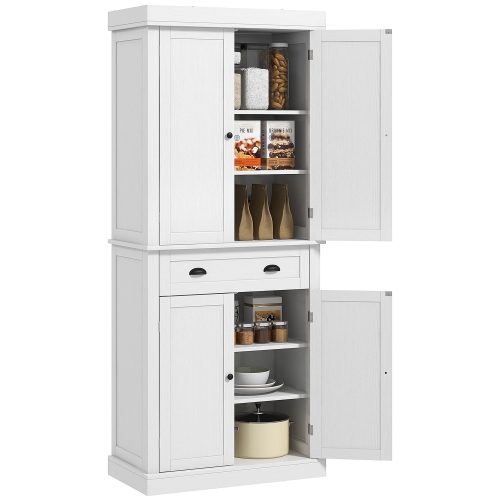 Your price for this item is $269.99
 -
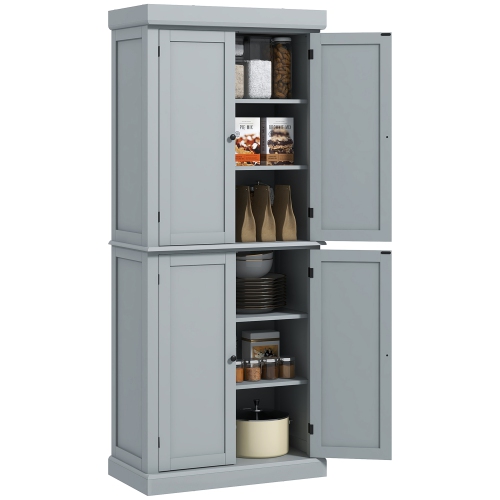 Your price for this item is $299.99
 -
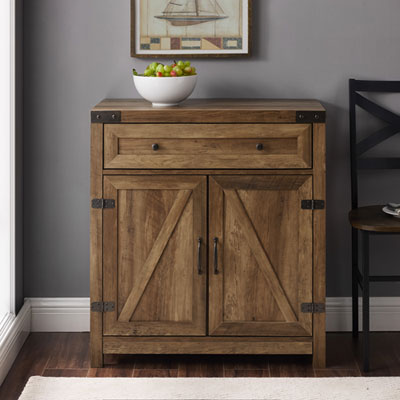 Your price for this item is $401.99
 -
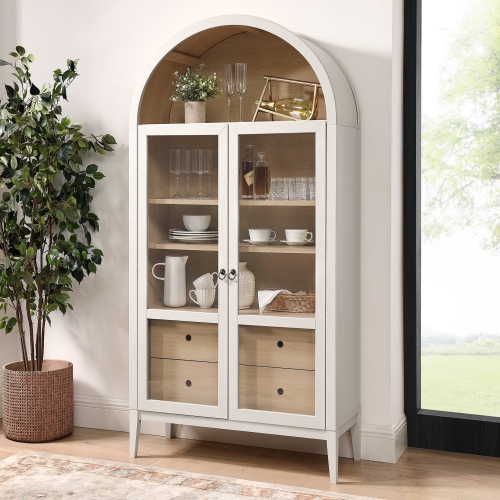 Your price for this item is $1028.59
 -
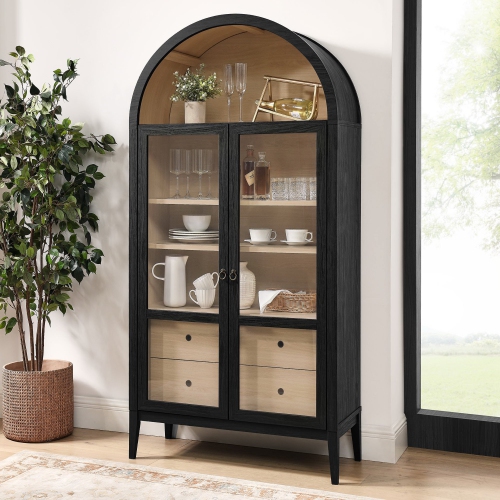 Your price for this item is $1028.59
 -
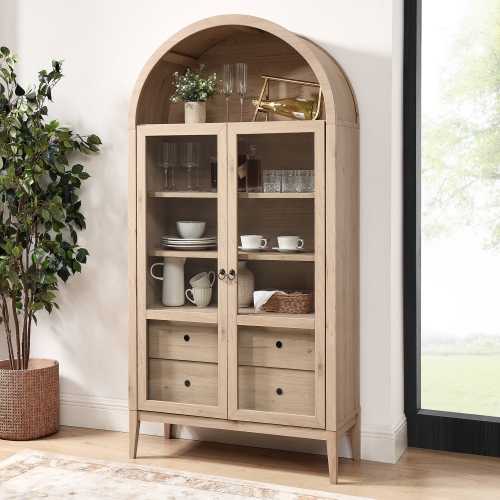 Your price for this item is $1028.59
 -
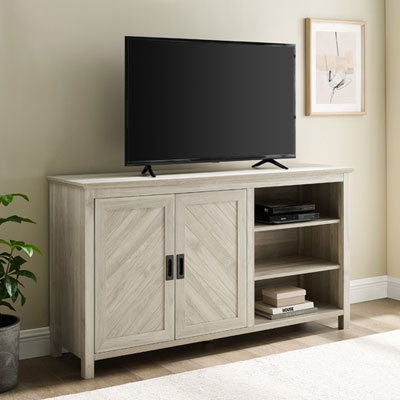 Your price for this item is $593.99
 -
 Your price for this item is $154.99
Discover more categories related to White Pantry Shelves
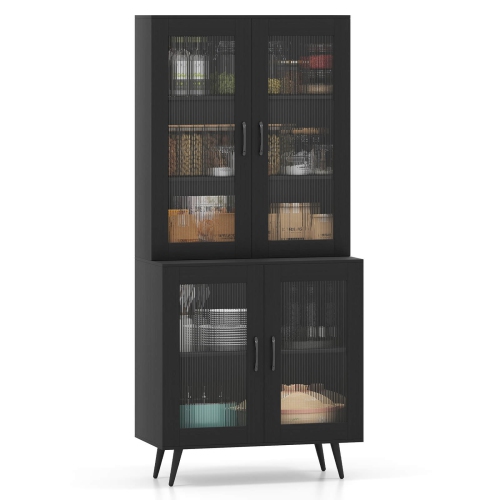

Top Collections:
Pokemon Centers, Kindle Devices, Best Budget Office Chairs, Apple iPhones 16, Samsung Galaxy Phones, Canon G7X Cameras, iPhone 15 Apple, Flip Phones, Best Laptops for Writers, Alarm Clock
Some products may be subject to Environmental Handling Fees
(EHF) depending on your province.
Learn more about EHFs.