Helix Power Bank
Stay connected wherever you go with the Helix Power Bank, your reliable solution for charging devices on the move. Whether you’re traveling, working, or enjoying outdoor activities, a portable power bank ensures your smartphone, tablet, or other electronics stay powered up throughout the day. Discover a range of Helix Power Bank options designed to fit various needs and lifestyles, making it easy to keep your essential devices ready whenever you need them most.
Sort
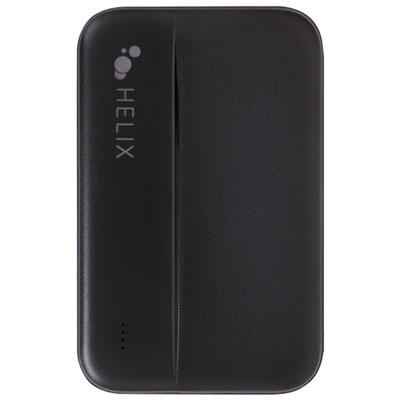
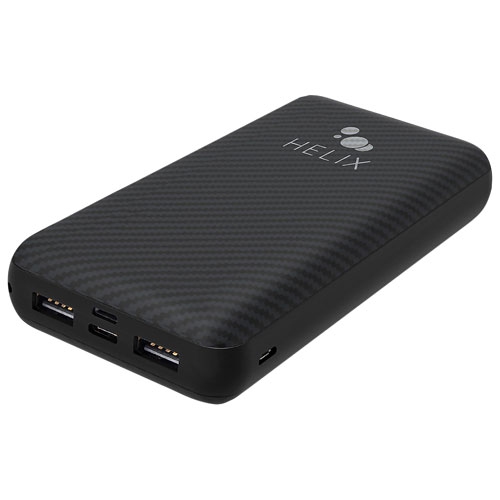
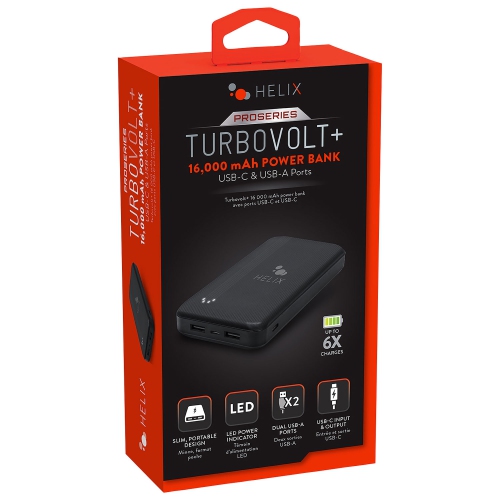
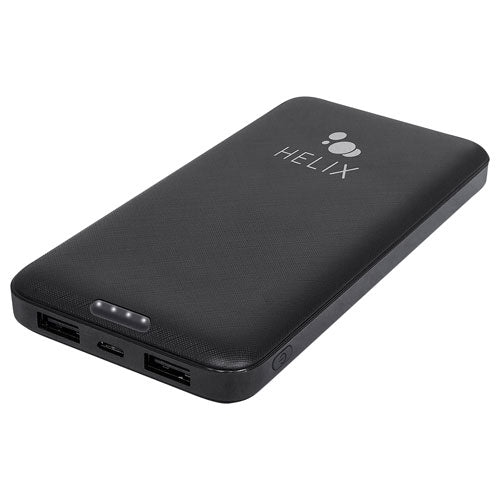
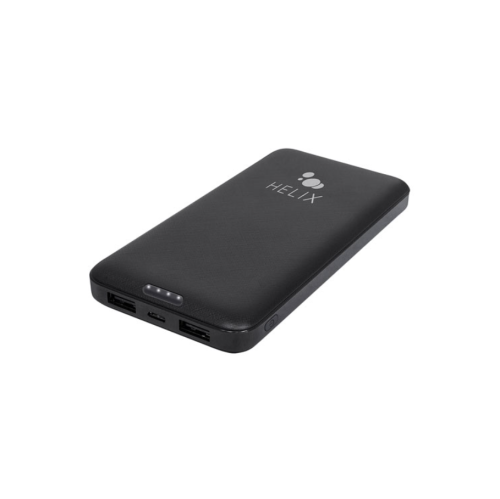
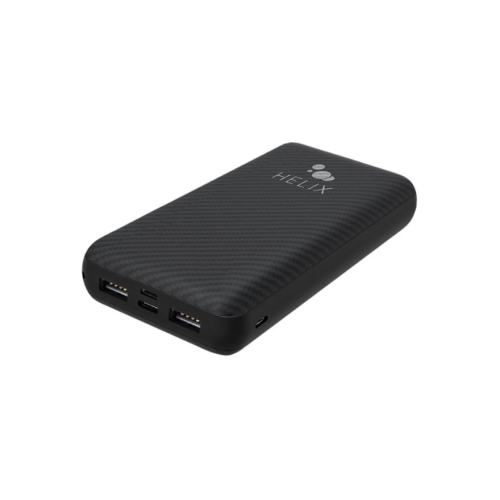
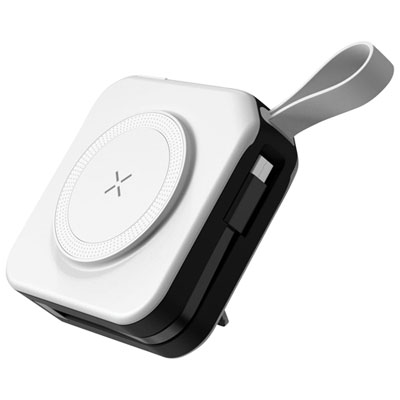
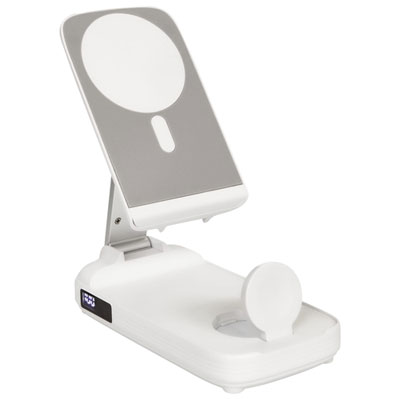
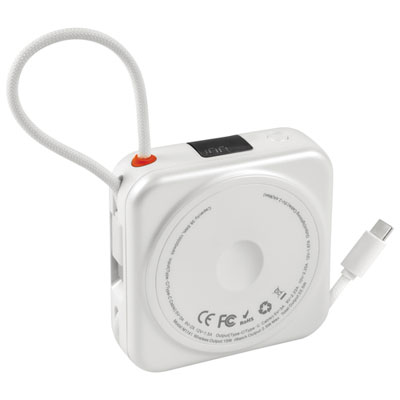
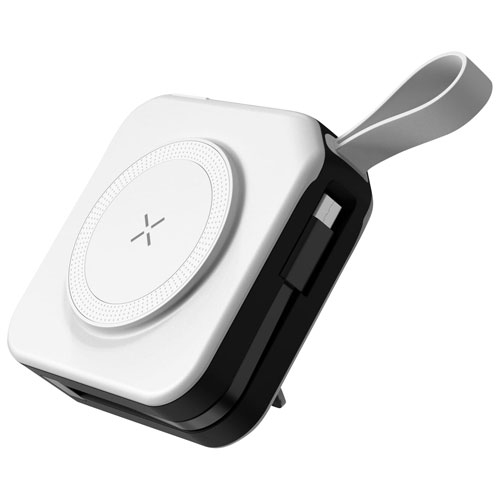
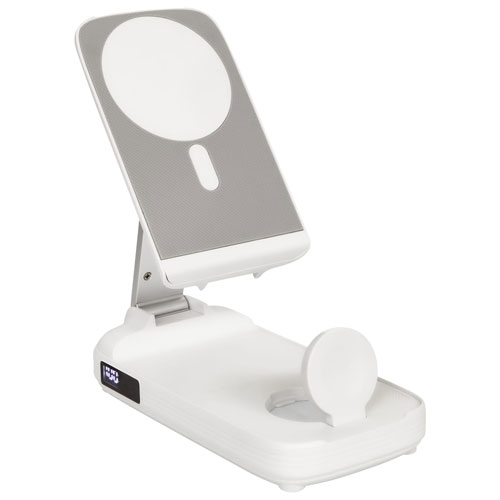
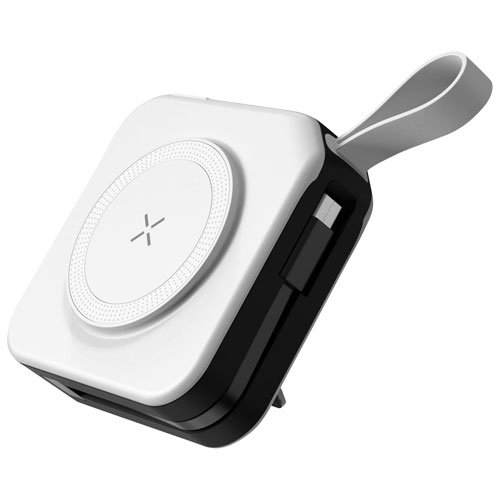
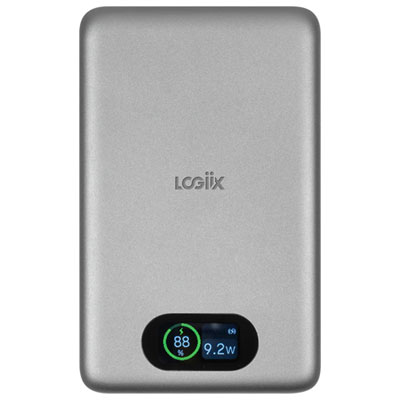
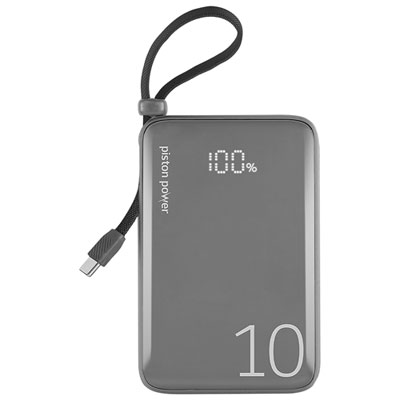
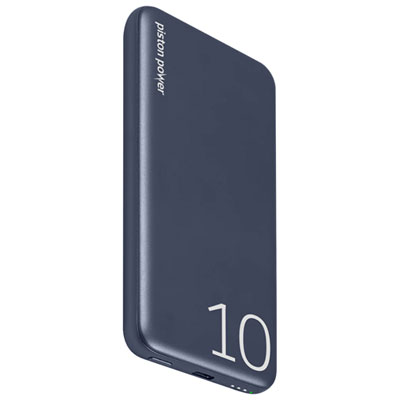
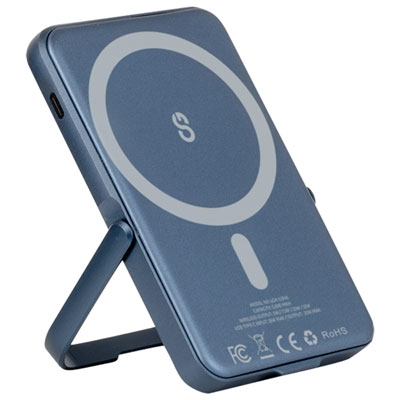
Portable charging that fits your devices and daily routine
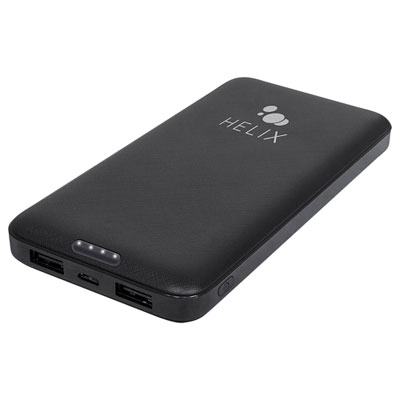
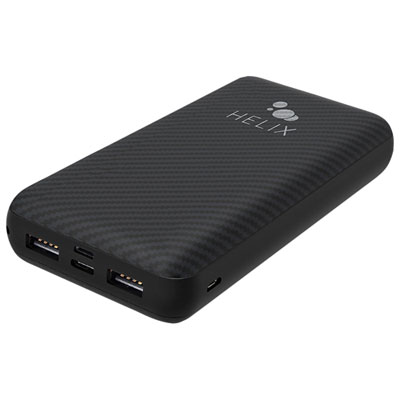
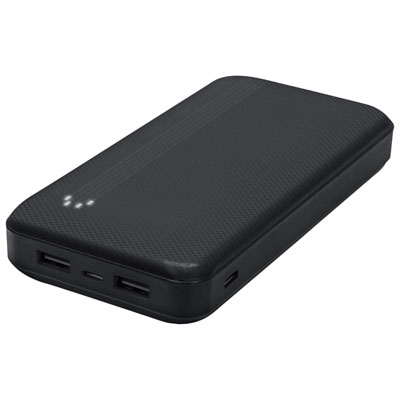
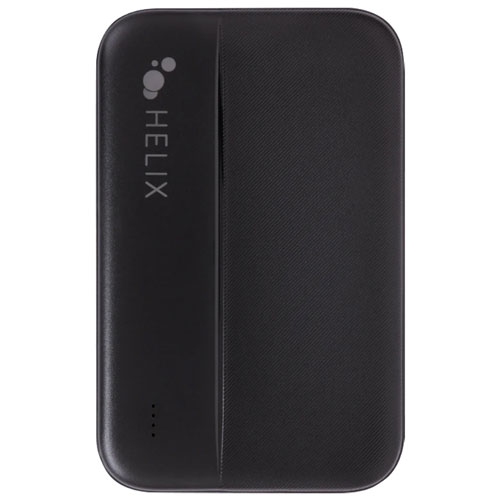
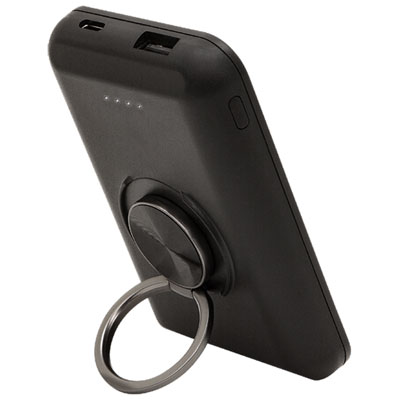
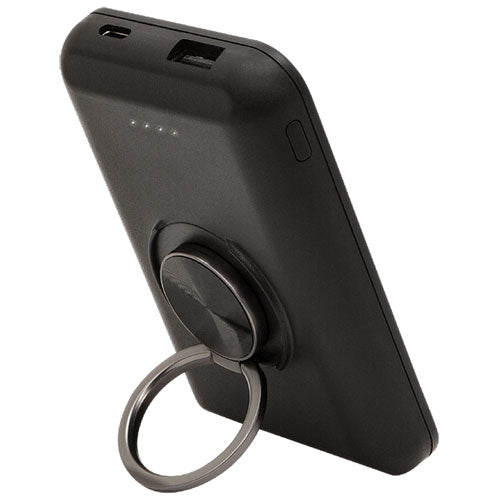
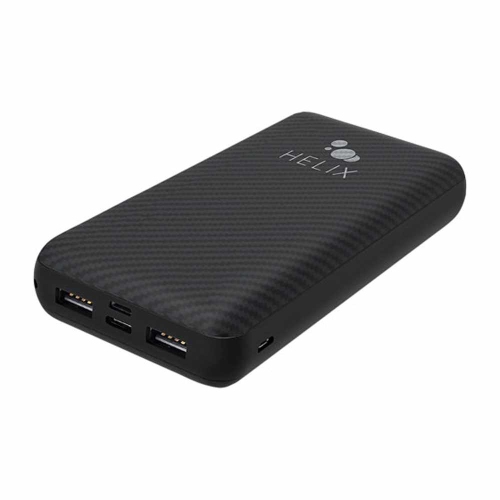
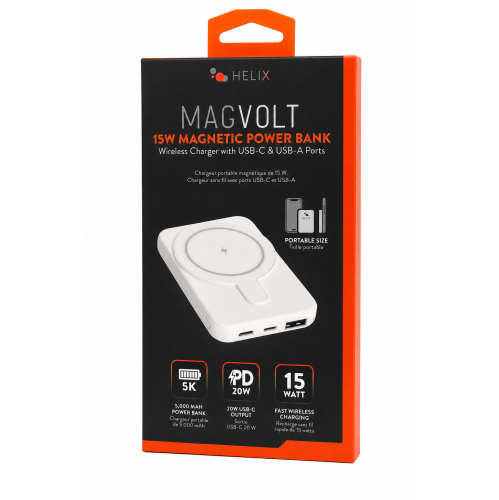
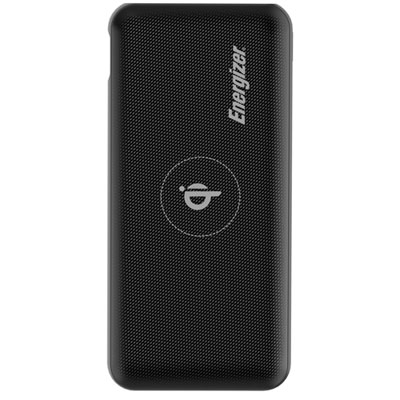
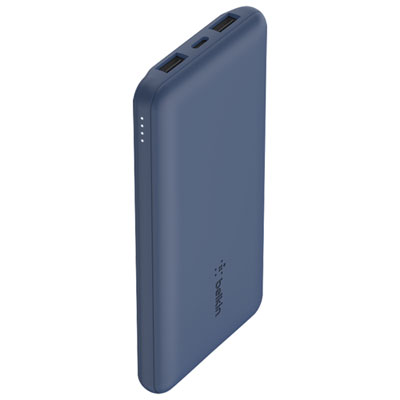
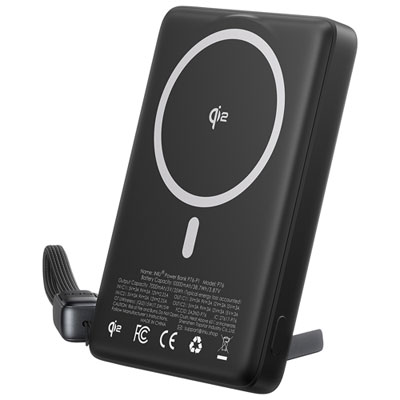
A power bank is a rechargeable portable battery that supplies power to compatible devices when a wall outlet is out of reach. It can keep a smartphone running through a commute, provide backup for a tablet during a long journey, or top up wireless earbuds before a workout. For everyday use, the appeal is straightforward: a charged battery and the right cable turn a bag pocket into a convenient source of extra power. Capacity is typically expressed in milliamp-hours, or mAh, with ratings such as 5,000 mAh, 10,000 mAh, and 20,000 mAh helping distinguish lighter backup options from larger reserves. A lower-capacity power bank can suit occasional top-ups, while a higher-capacity design may be more practical for extended outings or charging more than one device. Those figures describe the battery’s rated capacity, not the exact amount of charge that reaches a phone. Energy is used during voltage conversion and charging, and the receiving device’s battery size also affects the result. A phone being used for navigation, video calls, or photography while connected will draw power differently from one sitting idle with its screen off. For that reason, the number of full recharges cannot be determined from the power bank’s mAh rating alone. Physical size matters just as much in daily use. A slim charger can sit beside a phone in a small crossbody bag, while a larger battery may fit more comfortably in a backpack compartment with a tablet and charging cables. Someone who needs a small reserve between work and an evening appointment has different needs from someone spending the day away from outlets. The most useful balance is enough capacity for the devices being carried, without unnecessary bulk. Dimensions, weight, and shape help establish that balance, especially when the charger will be carried every day rather than kept in a drawer for occasional use.
Charging connections and power output determine how well a portable battery works with a particular device. USB-A ports remain useful for many existing charging cables, while USB-C connections are common on newer phones, tablets, and accessories. However, the presence of a USB-C port does not, by itself, confirm fast charging or even that the port supplies power to another device. Depending on the design, a port may accept power to recharge the battery, provide power to connected electronics, or support both functions. Input and output specifications make those roles clearer. Output is usually expressed in watts, and a compatible fast-charging standard, such as USB Power Delivery, can allow supported devices to charge more quickly than they would through a basic USB connection. The power bank, cable, and receiving device must all support the required charging arrangement; a higher output rating alone does not guarantee a faster result. Cable quality and connector fit also matter. A cable should match the device’s port, support the intended power level, and connect securely without needing to be held at an angle. Multiple charging ports can be useful when a phone and earbuds both need attention, or when two people are sharing a battery during a day out. Some designs divide their available output between ports, so charging several devices at once may reduce the power delivered to each one. Laptop charging requires particular care with compatibility because many laptops need substantially more power than phones or small accessories. A large capacity rating does not automatically make a battery suitable for a laptop. Recharging the power bank itself is another practical consideration: its supported input, the wall charger used, and its capacity all influence how long that takes. Indicator lights or a numerical display can make the remaining charge easier to judge before leaving home. Support for low-power accessories and charging while the power bank itself is plugged in varies by design, so these functions are worth confirming when they are important to everyday use.
The casing, finish, and overall construction influence how a power bank feels in the hand and holds up to regular carrying. Plastic housings can keep weight down, while metal housings offer a different feel and finish; neither material alone establishes durability. Rounded corners may be more comfortable in a jacket pocket, and a textured surface can be easier to grip when handling a phone, cable, and battery together. A smooth, slim profile is convenient in a narrow bag compartment, although the fit should leave enough room to avoid pressing against connected plugs. For shoppers who prefer a streamlined shape, Sleek Power Banks offer a related category to explore. Built-in cables, where included, can reduce the number of loose accessories to carry, while separate cables provide flexibility for devices with different connectors. A small pouch can keep cables organized and help prevent keys or other hard objects from scratching the casing. Care is generally simple: keep the battery dry, avoid drops and crushing pressure, and clean the exterior with a soft, dry cloth according to the manufacturer’s directions. Damaged cables, loose ports, a cracked housing, or swelling are reasons to stop using the charger rather than continue carrying it. When storing a power bank for an extended period, follow its instructions for charge level and maintenance instead of assuming that leaving it fully drained is suitable. Travellers also need to account for airline rules, which generally require power banks to travel in carry-on baggage and may impose capacity and usage restrictions. As a gift, a portable charger can be practical for students, commuters, frequent travellers, or anyone who relies on a phone throughout the day. The most thoughtful choice reflects the recipient’s routine: comfortable pocket-sized backup for short outings, enough reserve for several accessories, or compatible output for a more demanding device. Matching the connections and carrying size to that routine makes the charger easier to use and more likely to become part of the recipient’s everyday essentials.
Charging connections and power output determine how well a portable battery works with a particular device. USB-A ports remain useful for many existing charging cables, while USB-C connections are common on newer phones, tablets, and accessories. However, the presence of a USB-C port does not, by itself, confirm fast charging or even that the port supplies power to another device. Depending on the design, a port may accept power to recharge the battery, provide power to connected electronics, or support both functions. Input and output specifications make those roles clearer. Output is usually expressed in watts, and a compatible fast-charging standard, such as USB Power Delivery, can allow supported devices to charge more quickly than they would through a basic USB connection. The power bank, cable, and receiving device must all support the required charging arrangement; a higher output rating alone does not guarantee a faster result. Cable quality and connector fit also matter. A cable should match the device’s port, support the intended power level, and connect securely without needing to be held at an angle. Multiple charging ports can be useful when a phone and earbuds both need attention, or when two people are sharing a battery during a day out. Some designs divide their available output between ports, so charging several devices at once may reduce the power delivered to each one. Laptop charging requires particular care with compatibility because many laptops need substantially more power than phones or small accessories. A large capacity rating does not automatically make a battery suitable for a laptop. Recharging the power bank itself is another practical consideration: its supported input, the wall charger used, and its capacity all influence how long that takes. Indicator lights or a numerical display can make the remaining charge easier to judge before leaving home. Support for low-power accessories and charging while the power bank itself is plugged in varies by design, so these functions are worth confirming when they are important to everyday use.
The casing, finish, and overall construction influence how a power bank feels in the hand and holds up to regular carrying. Plastic housings can keep weight down, while metal housings offer a different feel and finish; neither material alone establishes durability. Rounded corners may be more comfortable in a jacket pocket, and a textured surface can be easier to grip when handling a phone, cable, and battery together. A smooth, slim profile is convenient in a narrow bag compartment, although the fit should leave enough room to avoid pressing against connected plugs. For shoppers who prefer a streamlined shape, Sleek Power Banks offer a related category to explore. Built-in cables, where included, can reduce the number of loose accessories to carry, while separate cables provide flexibility for devices with different connectors. A small pouch can keep cables organized and help prevent keys or other hard objects from scratching the casing. Care is generally simple: keep the battery dry, avoid drops and crushing pressure, and clean the exterior with a soft, dry cloth according to the manufacturer’s directions. Damaged cables, loose ports, a cracked housing, or swelling are reasons to stop using the charger rather than continue carrying it. When storing a power bank for an extended period, follow its instructions for charge level and maintenance instead of assuming that leaving it fully drained is suitable. Travellers also need to account for airline rules, which generally require power banks to travel in carry-on baggage and may impose capacity and usage restrictions. As a gift, a portable charger can be practical for students, commuters, frequent travellers, or anyone who relies on a phone throughout the day. The most thoughtful choice reflects the recipient’s routine: comfortable pocket-sized backup for short outings, enough reserve for several accessories, or compatible output for a more demanding device. Matching the connections and carrying size to that routine makes the charger easier to use and more likely to become part of the recipient’s everyday essentials.
Top selling and popular products
-
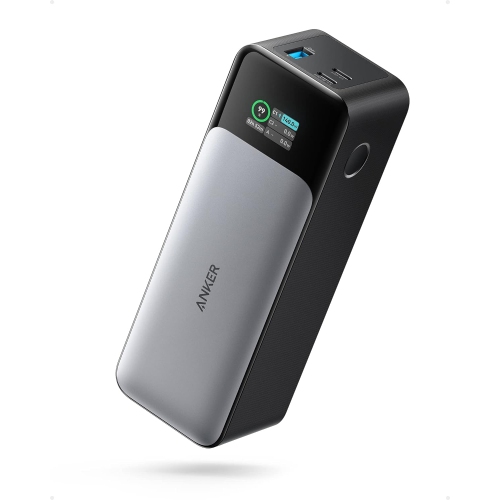 Your price for this item is $234
 -
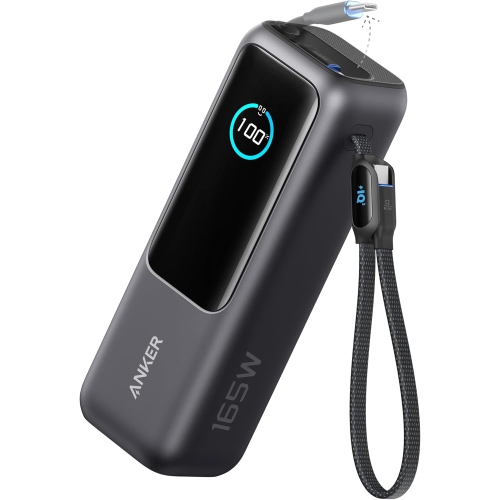 Your price for this item is $238.9
 -
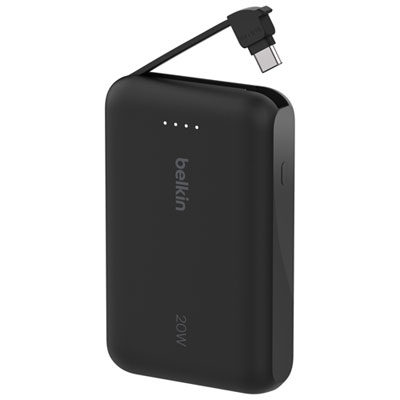 Your price for this item is $49.99
 -
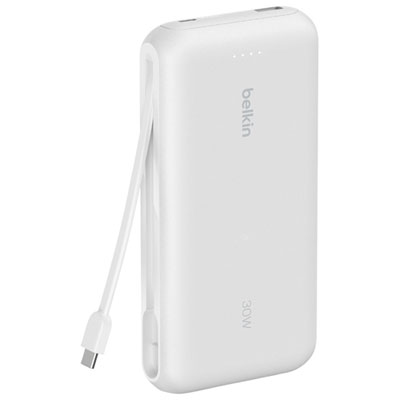 Your price for this item is $59.99
 -
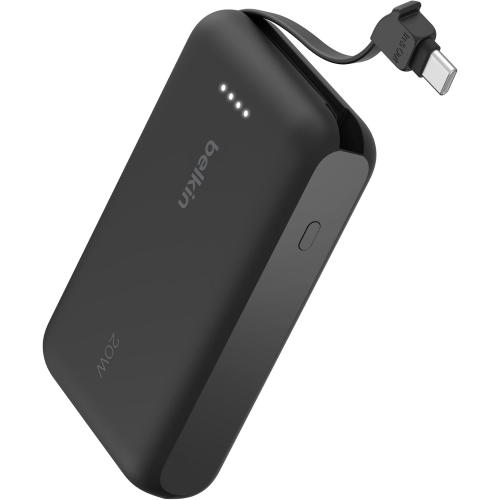 Your price for this item is $74.99
 -
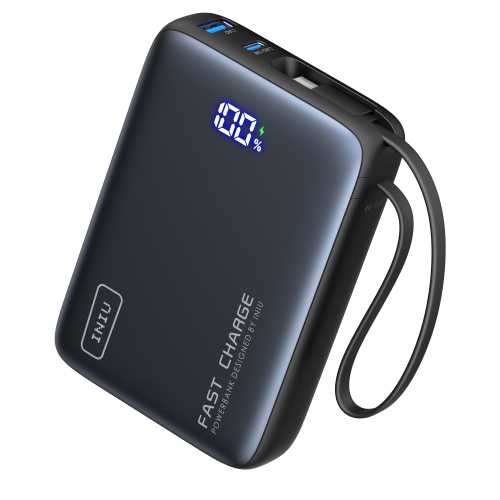 Your price for this item is $54.99
 -
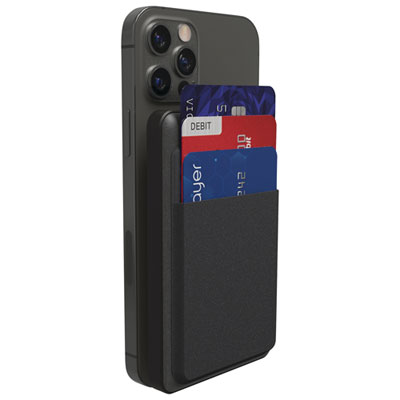 Your price for this item is $48.97
 -
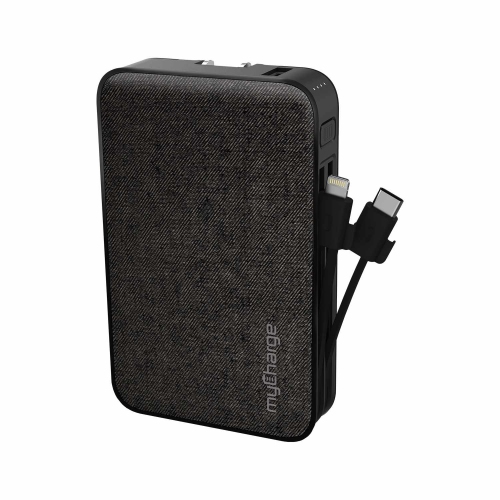 Your price for this item is $109.99
Discover more categories related to Helix Power Bank
Top Collections:
Pokemon Centers, Kindle Devices, Best Budget Office Chairs, Apple iPhones 16, Samsung Galaxy Phones, Canon G7X Cameras, iPhone 15 Apple, Flip Phones, Best Laptops for Writers, Alarm Clock
Some products may be subject to Environmental Handling Fees
(EHF) depending on your province.
Learn more about EHFs.