Acoustic Pickup
Looking to amplify the sweet sounds of your acoustic guitar? Look no further than an acoustic pickup. Designed to capture the natural tones and nuances of your instrument, an acoustic pickup allows you to easily connect to an amplifier or sound system, giving you the ability to share your music with a larger audience. Whether you're a professional musician performing on stage or a casual player jamming with friends, an acoustic pickup is a must-have accessory for any guitarist looking to take their sound to the next level. At Best Buy Canada, we offer a wide selection of acoustic pickups that are sure to enhance your musical experience.
How pickup styles shape acoustic guitar sound and performance
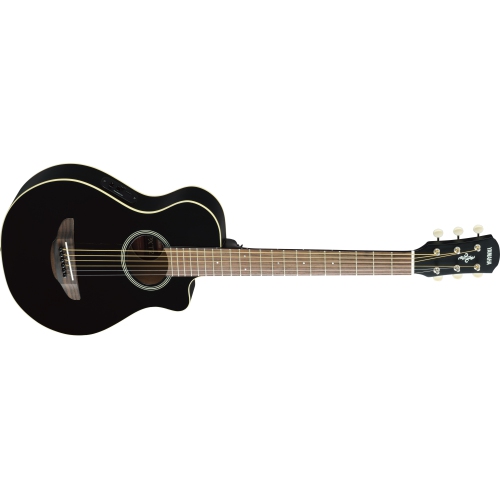
An acoustic pickup converts the vibration of an acoustic guitar’s strings and body into an electric signal, allowing the instrument to connect to an amplifier, PA system, audio interface, or recording setup. It can be a practical upgrade for a guitarist who enjoys the natural tone and feel of an acoustic instrument but needs more volume, consistency, or control in a larger space. Without a pickup, an acoustic guitar can struggle to carry across a busy café, rehearsal room, community hall, or outdoor gathering. With the right system, the familiar character of the guitar can be brought forward in a mix while leaving both hands free for expressive playing. Acoustic pickups are also useful for home recording, online performances, songwriting sessions, lessons, and informal jam nights. Some guitarists install a pickup as part of their regular setup, while others keep one available for occasional performances when a microphone alone is less convenient. For those shopping for a guitar that is ready for amplification, an acoustic guitar with a built-in pickup may also be worth considering; browse Acoustic Guitars With Pickups for instruments designed to connect more easily to stage and recording equipment.
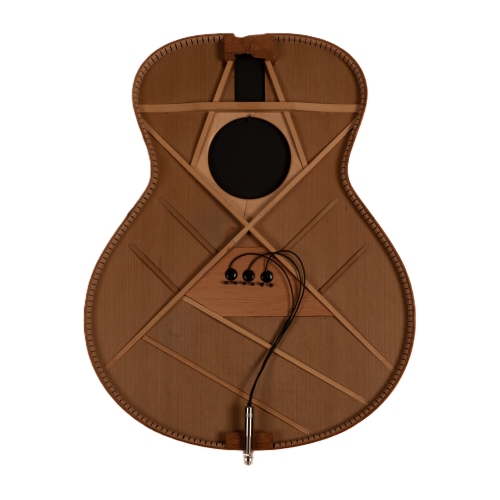
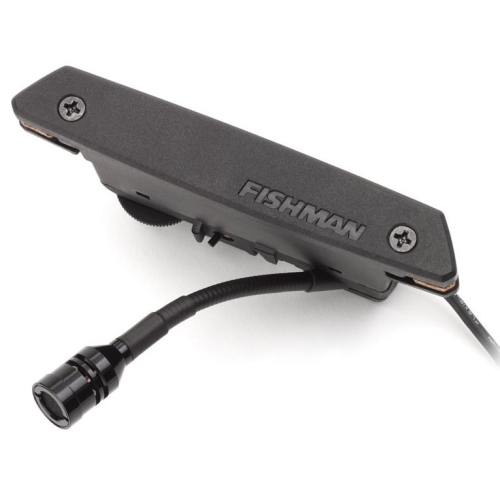
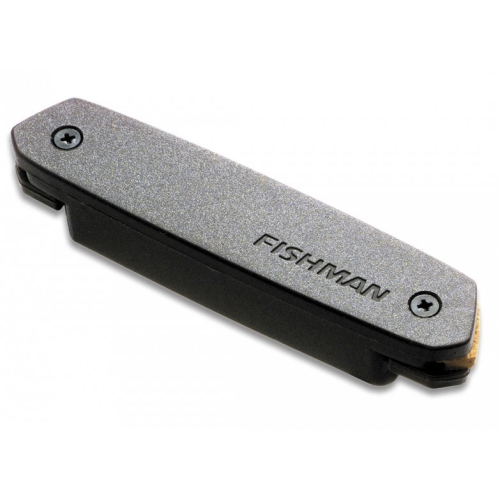
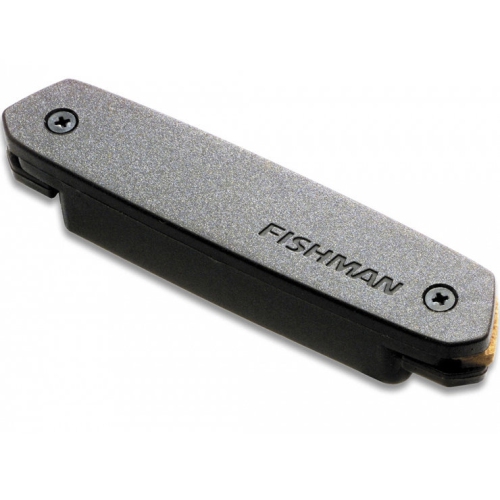
The three main acoustic pickup styles are piezo, magnetic, and soundboard transducer or microphone systems, and each captures the instrument in a different way. A piezo or under-saddle pickup sits beneath the bridge saddle, sensing the pressure created as the strings vibrate against the guitar. This design is popular for live playing because it responds quickly and can help the guitar cut through vocals, drums, keyboards, and other instruments. It is often paired with onboard controls or a preamp for adjusting volume, tone, and sometimes equalization, although some piezo systems can sound bright or slightly sharp without careful amplification and setup. A magnetic soundhole pickup fits across the soundhole and detects the movement of the strings in a way that is similar to an electric guitar pickup. It is typically straightforward to install and remove, making it appealing to players who do not want to drill into or permanently alter their guitar. Magnetic systems can offer a warm, focused sound and are convenient for rehearsals, performances, and travel. Soundboard transducers attach to the guitar’s top or bridge plate and sense the movement of the wood itself, while microphone-based systems capture more of the air and resonance inside the instrument. These approaches can deliver a more natural, spacious character that reflects the guitar’s body and playing dynamics, though they may require more attention to placement, feedback control, and stage volume. Hybrid systems combine pickup technologies to balance clarity, body resonance, and resistance to feedback, which can be helpful for performers who move between gentle fingerpicking and stronger strumming.
Before choosing an acoustic pickup, consider how the guitar will be used, how much installation work is comfortable, and what kind of sound needs to come through the speakers. A soundhole pickup may suit a player looking for a removable option, while an under-saddle or soundboard system may be a better fit for a guitar that will be amplified regularly. Permanent installations can involve routing, drilling, wiring, or removing the endpin, so professional installation may be worthwhile, particularly for a valuable or delicate instrument. Check the guitar’s body style, bridge design, soundhole dimensions, string type, and available space before buying, since not every pickup fits every instrument. A passive pickup does not use a battery but may need a suitable preamp or amplifier to provide enough volume and tonal control. An active system includes battery-powered electronics, which can make it easier to shape the sound but adds another maintenance detail before a performance. Also consider the connection type, cable routing, onboard controls, compatibility with pedals, and whether the pickup will be used with a full-band PA or a small practice amplifier. Feedback resistance matters in louder settings, while recording players may place greater value on natural response and sensitivity. For a gift, an acoustic pickup can be a thoughtful choice for a guitarist who performs at open mics, plays in a worship or folk group, records original songs, or enjoys sharing music around a campfire during the cooler months. A player who has recently begun performing may appreciate the confidence of being heard clearly, while an experienced guitarist may value a dependable backup or a new tonal option. With careful matching to the instrument and playing environment, an acoustic pickup can make a familiar guitar more versatile without changing the comfort, craftsmanship, or musical habits that make it special.
The three main acoustic pickup styles are piezo, magnetic, and soundboard transducer or microphone systems, and each captures the instrument in a different way. A piezo or under-saddle pickup sits beneath the bridge saddle, sensing the pressure created as the strings vibrate against the guitar. This design is popular for live playing because it responds quickly and can help the guitar cut through vocals, drums, keyboards, and other instruments. It is often paired with onboard controls or a preamp for adjusting volume, tone, and sometimes equalization, although some piezo systems can sound bright or slightly sharp without careful amplification and setup. A magnetic soundhole pickup fits across the soundhole and detects the movement of the strings in a way that is similar to an electric guitar pickup. It is typically straightforward to install and remove, making it appealing to players who do not want to drill into or permanently alter their guitar. Magnetic systems can offer a warm, focused sound and are convenient for rehearsals, performances, and travel. Soundboard transducers attach to the guitar’s top or bridge plate and sense the movement of the wood itself, while microphone-based systems capture more of the air and resonance inside the instrument. These approaches can deliver a more natural, spacious character that reflects the guitar’s body and playing dynamics, though they may require more attention to placement, feedback control, and stage volume. Hybrid systems combine pickup technologies to balance clarity, body resonance, and resistance to feedback, which can be helpful for performers who move between gentle fingerpicking and stronger strumming.
Before choosing an acoustic pickup, consider how the guitar will be used, how much installation work is comfortable, and what kind of sound needs to come through the speakers. A soundhole pickup may suit a player looking for a removable option, while an under-saddle or soundboard system may be a better fit for a guitar that will be amplified regularly. Permanent installations can involve routing, drilling, wiring, or removing the endpin, so professional installation may be worthwhile, particularly for a valuable or delicate instrument. Check the guitar’s body style, bridge design, soundhole dimensions, string type, and available space before buying, since not every pickup fits every instrument. A passive pickup does not use a battery but may need a suitable preamp or amplifier to provide enough volume and tonal control. An active system includes battery-powered electronics, which can make it easier to shape the sound but adds another maintenance detail before a performance. Also consider the connection type, cable routing, onboard controls, compatibility with pedals, and whether the pickup will be used with a full-band PA or a small practice amplifier. Feedback resistance matters in louder settings, while recording players may place greater value on natural response and sensitivity. For a gift, an acoustic pickup can be a thoughtful choice for a guitarist who performs at open mics, plays in a worship or folk group, records original songs, or enjoys sharing music around a campfire during the cooler months. A player who has recently begun performing may appreciate the confidence of being heard clearly, while an experienced guitarist may value a dependable backup or a new tonal option. With careful matching to the instrument and playing environment, an acoustic pickup can make a familiar guitar more versatile without changing the comfort, craftsmanship, or musical habits that make it special.
Top selling and popular products
-
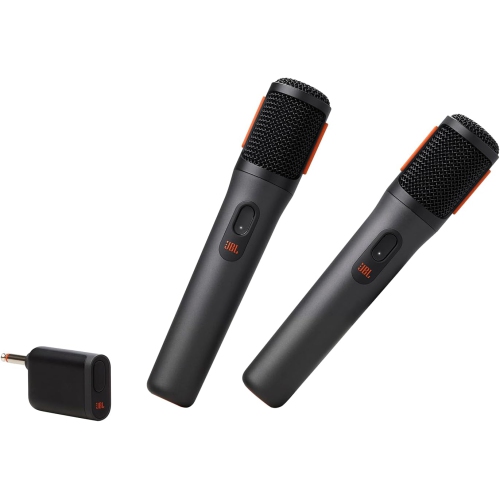 Your price for this item is $173.89
 -
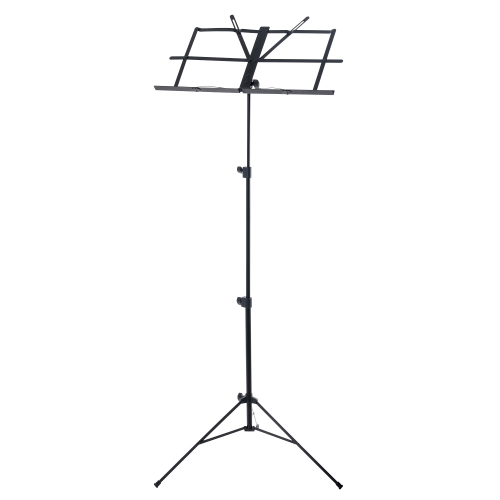 Your price for this item is $34.99
 -
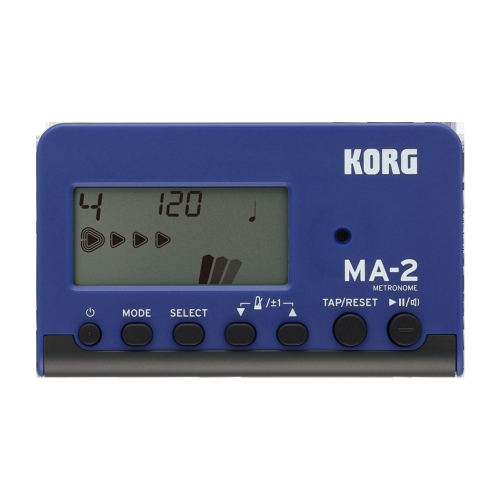 Your price for this item is $31.99
 -
 Your price for this item is $2.29
 -
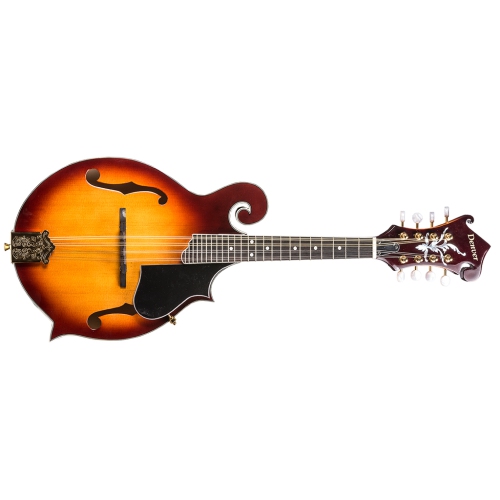 Your price for this item is $349.99
 -
 Your price for this item is $25.49
 -
 Your price for this item is $97.99
 -
 Your price for this item is $55.99
Discover more categories related to Acoustic Pickup


Top Collections:
Pokemon Centers, Kindle Devices, Best Cell Phones Under $500, Alarm Clock, Canon G7X Cameras, iPhone 15 Apple, Apple iPhones 16, Laptops for Students, iPhone 14 256GB, Budget Smartphones
Some products may be subject to Environmental Handling Fees
(EHF) depending on your province.
Learn more about EHFs.