Complex Calculators
If you're looking to simplify complex equations and streamline your calculations, dive into this collection of advanced calculators designed to meet the needs of students, professionals, and math enthusiasts alike. Whether you're tackling intricate scientific functions or delving into complex financial analyses, these cutting-edge calculators are equipped with the latest features to help you crunch numbers with precision and ease. Explore this range of sophisticated calculators that offer a plethora of functions to elevate your mathematical tasks to new heights.
Sort
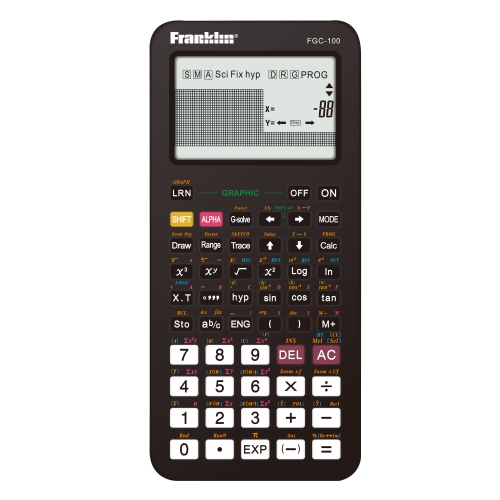
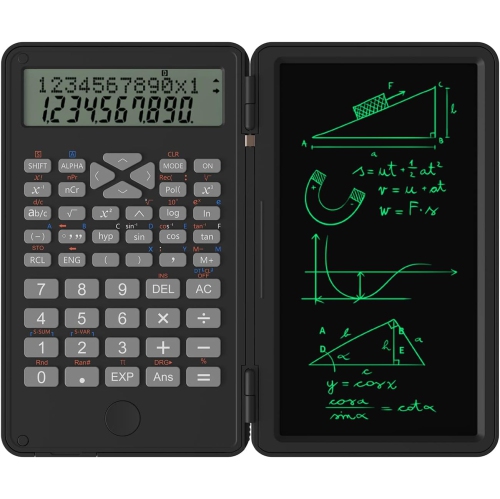
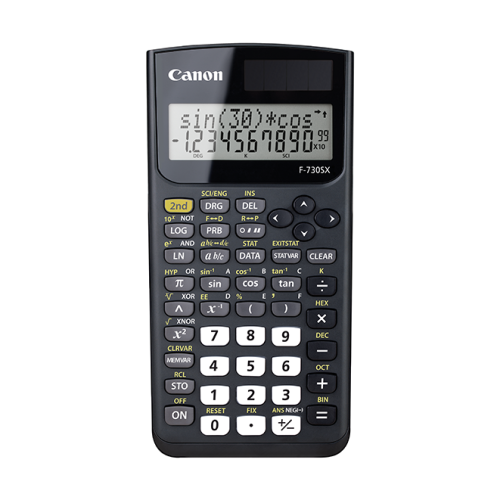
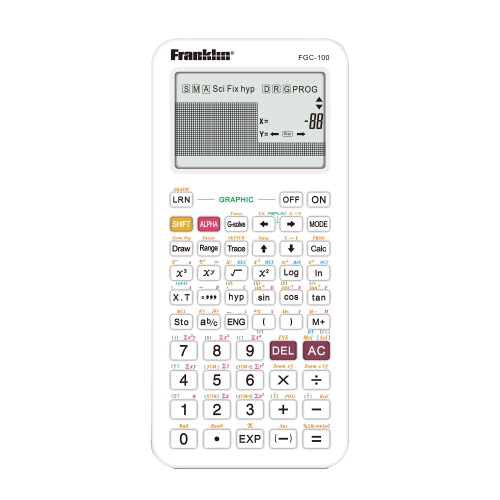
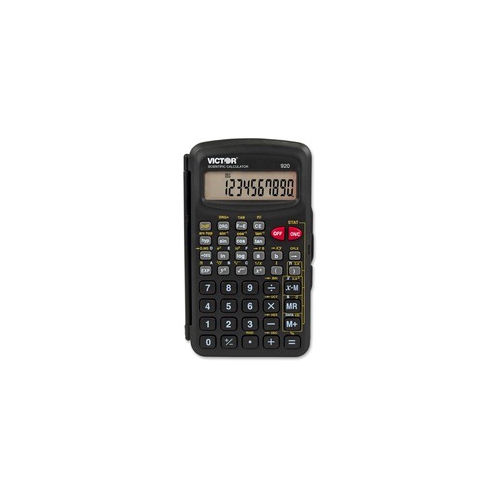
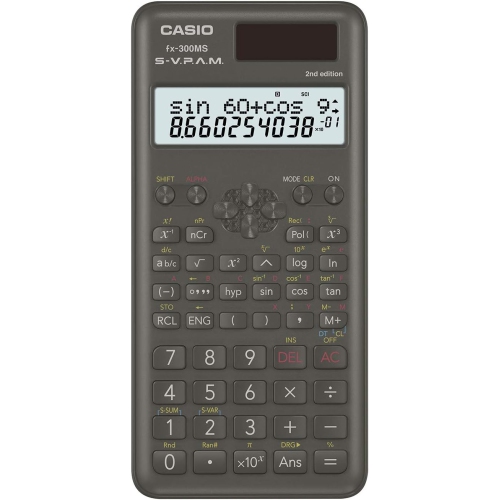

Tools for higher-level mathematics and complex notation
Complex calculators are designed for mathematics that goes beyond everyday arithmetic, percentages, and basic trigonometry. Depending on the model, they can work with complex numbers written in rectangular form, such as a + bi, as well as polar form, such as r∠θ. This makes them useful for adding, subtracting, multiplying, and dividing expressions that include real and imaginary components, along with converting between rectangular and polar notation. Many advanced scientific and graphing calculators also support powers, roots, logarithms, trigonometric functions, equations, matrices, vectors, statistics, and calculus-related operations. For students, engineers, technicians, and anyone working through higher-level mathematics, having these functions in a dedicated handheld device can make complicated calculations more manageable. Instead of rewriting every step on scrap paper or moving between several tools, users can enter an expression, review it on the display, and check the result in the format required for an assignment, lab, design calculation, or technical exercise. A complex calculator can be especially helpful when calculations involve repeated substitutions, unfamiliar notation, or a mixture of real and imaginary values. For desk-based work, a larger display may make formulas easier to read and entries simpler to verify; shoppers comparing display-focused options can also browse Large Calculators for models that suit a more spacious workspace.
When choosing among complex calculators, start by matching the calculator’s capabilities to the mathematics you expect to perform. A scientific model with a dedicated complex-number mode may be suitable for algebra, physics, electronics, introductory engineering, and coursework that mainly requires numerical answers. Look for support for both a + bi and polar notation, along with straightforward conversion functions, so you can enter values in the format used by your textbook or instructor. A graphing calculator with a computer algebra system may be a better fit for advanced courses and professional tasks involving symbolic manipulation, graphing, systems of equations, matrices, vectors, or more involved calculus. It is also worth checking the calculator’s input method and display. Natural textbook-style entry can make fractions, exponents, roots, and nested expressions easier to review, while a multi-line screen lets you scroll through previous calculations and correct an entry without starting over. Pay attention to memory functions, equation-solving tools, table features, graphing capabilities, and the calculator’s ability to show exact answers before rounding to decimals. Battery type and charging options matter as well, particularly for students who carry a calculator between home, campus, the library, and a laboratory. A protective cover, durable keys, and a clear, responsive screen can make a noticeable difference during long study sessions. Before buying, confirm whether the calculator is permitted for the intended class, examination, certification, or workplace, since some settings restrict programmable functions, symbolic algebra, wireless features, or graphing tools. The most advanced model is not always the most practical choice; a calculator that feels familiar and provides the required functions can be easier to use accurately under time pressure.
Complex calculators are often chosen by senior high school and post-secondary students studying mathematics, physics, chemistry, computer science, electrical engineering, mechanical engineering, architecture, or related technical subjects. They can also be useful for instructors preparing examples, hobbyists exploring electronics and signal behaviour, and professionals who need a dependable way to verify figures away from a full computer workstation. In an electrical or engineering context, complex-number functions can help with impedance, phase angles, alternating-current calculations, and relationships between magnitude and direction. In mathematics, they can support work with roots, equations, transformations, and coordinate representations. A graphing model may help users see how an equation behaves, while a scientific model can provide a compact, focused tool for checking calculations during a lecture, lab, repair project, or study session. These calculators can make thoughtful gifts for a student beginning a technical programme, a graduate preparing for advanced coursework, or a colleague building a portable kit for field or shop work. During the cooler months, they are equally at home beside a notebook at the kitchen table, in a backpack on the way to class, or on a workbench beside a ruler and a set of technical drawings. For the best fit, consider the user’s current level, the subjects they are studying, the type of notation they use, and whether they need numerical calculation, graphing, or symbolic solving. Clear menus and an uncluttered layout may be more valuable than a long list of rarely used functions, while advanced users may appreciate programmable tools, expanded memory, and the ability to move between several representations of the same result. With the right combination of functions, visibility, durability, and ease of entry, a complex calculator becomes more than a way to obtain an answer: it becomes a reliable companion for understanding how that answer is formed.
When choosing among complex calculators, start by matching the calculator’s capabilities to the mathematics you expect to perform. A scientific model with a dedicated complex-number mode may be suitable for algebra, physics, electronics, introductory engineering, and coursework that mainly requires numerical answers. Look for support for both a + bi and polar notation, along with straightforward conversion functions, so you can enter values in the format used by your textbook or instructor. A graphing calculator with a computer algebra system may be a better fit for advanced courses and professional tasks involving symbolic manipulation, graphing, systems of equations, matrices, vectors, or more involved calculus. It is also worth checking the calculator’s input method and display. Natural textbook-style entry can make fractions, exponents, roots, and nested expressions easier to review, while a multi-line screen lets you scroll through previous calculations and correct an entry without starting over. Pay attention to memory functions, equation-solving tools, table features, graphing capabilities, and the calculator’s ability to show exact answers before rounding to decimals. Battery type and charging options matter as well, particularly for students who carry a calculator between home, campus, the library, and a laboratory. A protective cover, durable keys, and a clear, responsive screen can make a noticeable difference during long study sessions. Before buying, confirm whether the calculator is permitted for the intended class, examination, certification, or workplace, since some settings restrict programmable functions, symbolic algebra, wireless features, or graphing tools. The most advanced model is not always the most practical choice; a calculator that feels familiar and provides the required functions can be easier to use accurately under time pressure.
Complex calculators are often chosen by senior high school and post-secondary students studying mathematics, physics, chemistry, computer science, electrical engineering, mechanical engineering, architecture, or related technical subjects. They can also be useful for instructors preparing examples, hobbyists exploring electronics and signal behaviour, and professionals who need a dependable way to verify figures away from a full computer workstation. In an electrical or engineering context, complex-number functions can help with impedance, phase angles, alternating-current calculations, and relationships between magnitude and direction. In mathematics, they can support work with roots, equations, transformations, and coordinate representations. A graphing model may help users see how an equation behaves, while a scientific model can provide a compact, focused tool for checking calculations during a lecture, lab, repair project, or study session. These calculators can make thoughtful gifts for a student beginning a technical programme, a graduate preparing for advanced coursework, or a colleague building a portable kit for field or shop work. During the cooler months, they are equally at home beside a notebook at the kitchen table, in a backpack on the way to class, or on a workbench beside a ruler and a set of technical drawings. For the best fit, consider the user’s current level, the subjects they are studying, the type of notation they use, and whether they need numerical calculation, graphing, or symbolic solving. Clear menus and an uncluttered layout may be more valuable than a long list of rarely used functions, while advanced users may appreciate programmable tools, expanded memory, and the ability to move between several representations of the same result. With the right combination of functions, visibility, durability, and ease of entry, a complex calculator becomes more than a way to obtain an answer: it becomes a reliable companion for understanding how that answer is formed.
Top selling and popular products
-
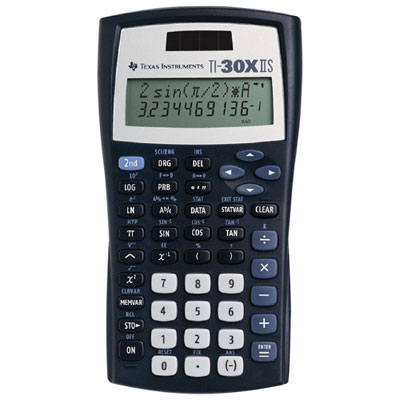 Your price for this item is $18.99
 -
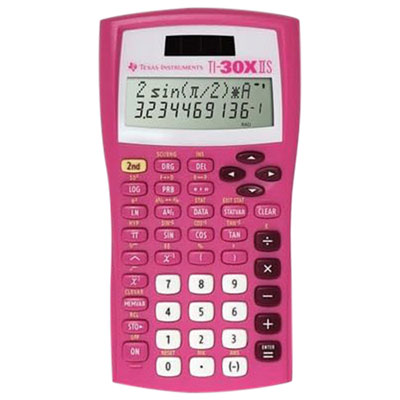 Your price for this item is $25.99
 -
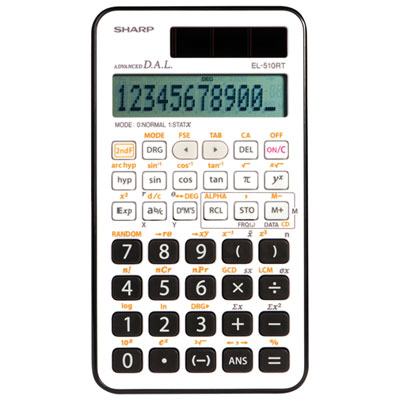 Your price for this item is $16.99
 -
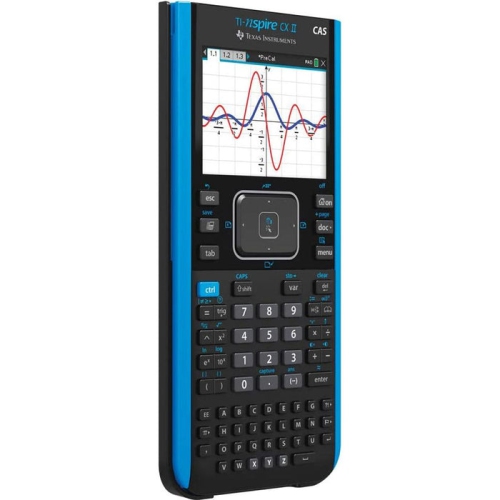 Your price for this item is $1822.99
 -
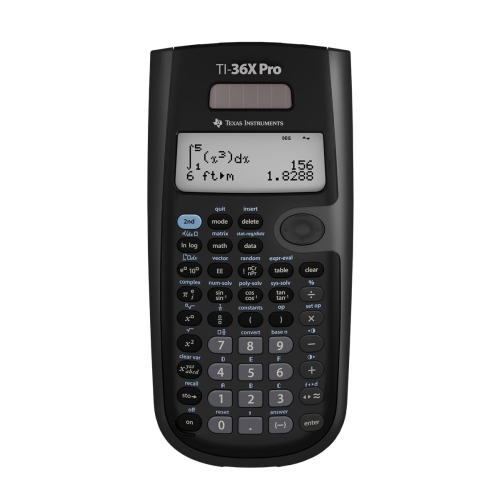 Your price for this item is $55.99
 -
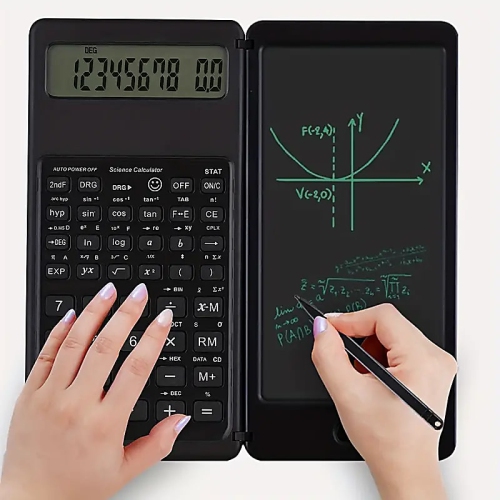 Your price for this item is $29.98
 -
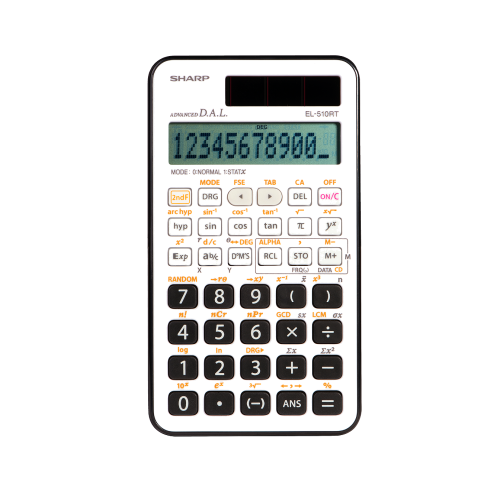 Your price for this item is $13.99
 -
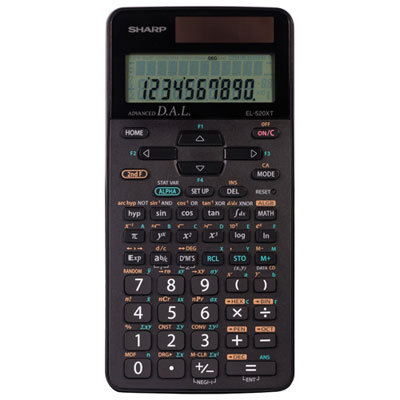 Your price for this item is $25.99
Discover more categories related to Complex Calculators
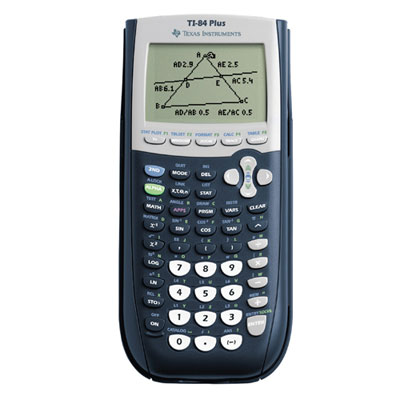
Top Collections:
Pokemon Centers, Kindle Devices, Best Cell Phones Under $500, Alarm Clock, Canon G7X Cameras, iPhone 15 Apple, Apple iPhones 16, Laptops for Students, iPhone 14 256GB, Budget Smartphones
Some products may be subject to Environmental Handling Fees
(EHF) depending on your province.
Learn more about EHFs.