Hearing Aid Batteries
Discover the perfect power source for your hearing aids with our wide selection of hearing aid batteries. Designed to keep your devices running smoothly, these batteries ensure you never miss a moment, whether you're enjoying a quiet conversation or experiencing the vibrant sounds of nature. Explore various sizes and types to find the ideal match for your hearing aid model, all while enjoying reliable performance and longevity. With hearing aid batteries from Best Buy Canada, you can stay connected to the world around you with confidence and ease.
Sort
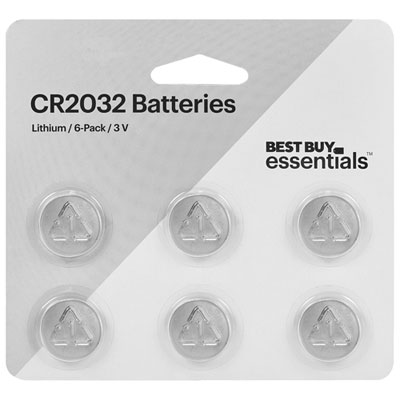
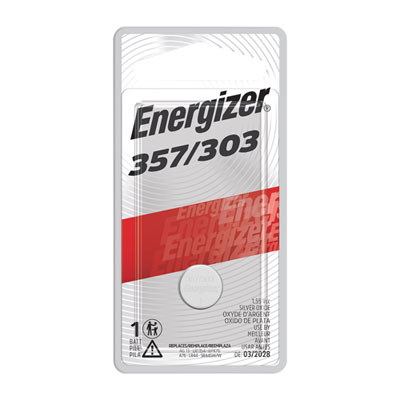
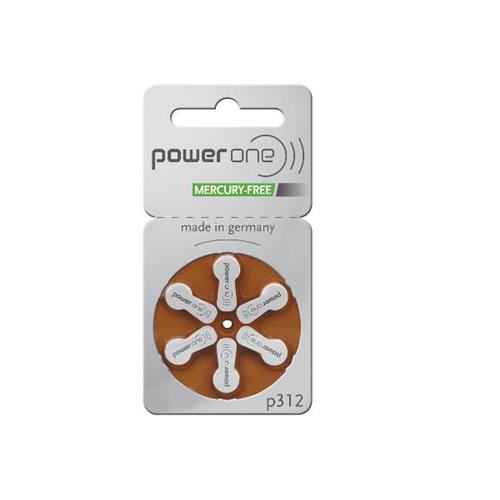
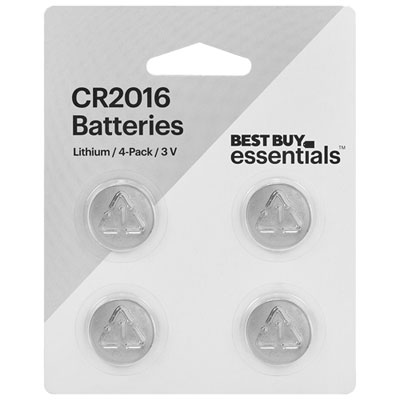

How zinc-air cells support more dependable daily listening
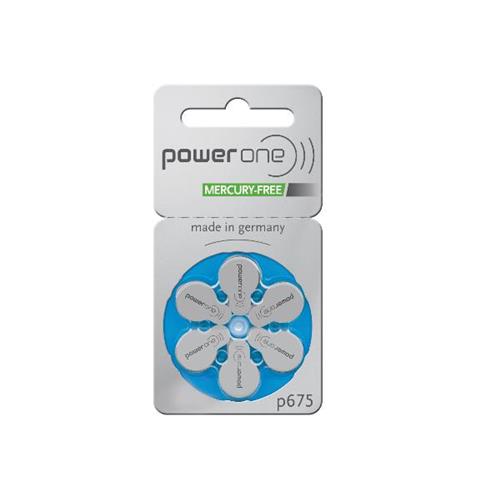
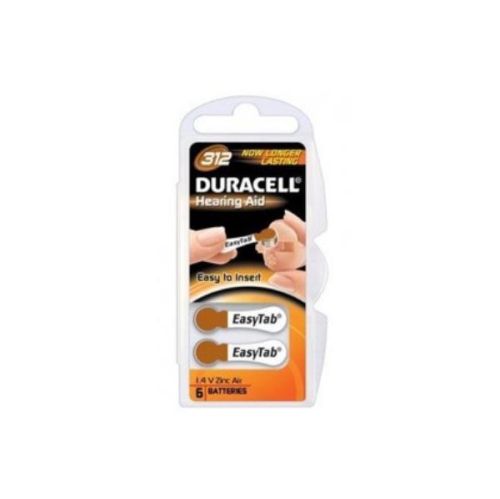
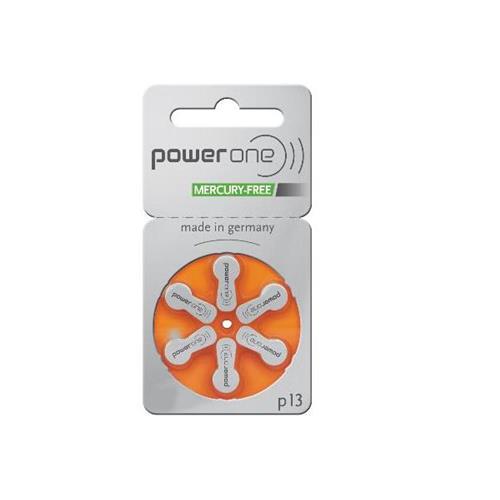
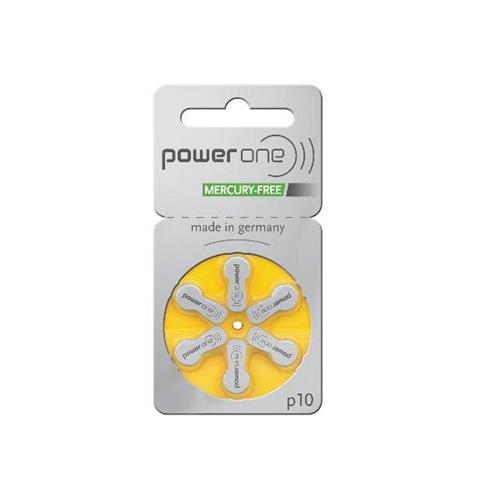
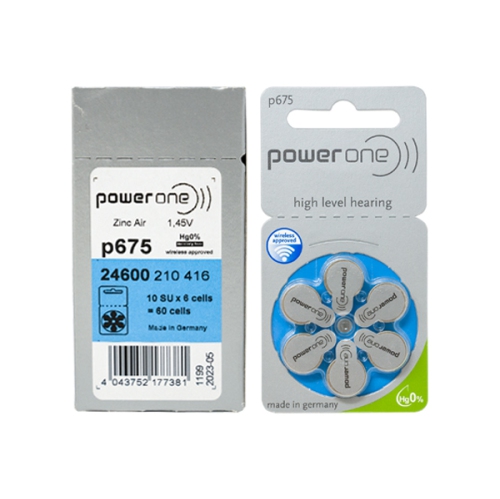
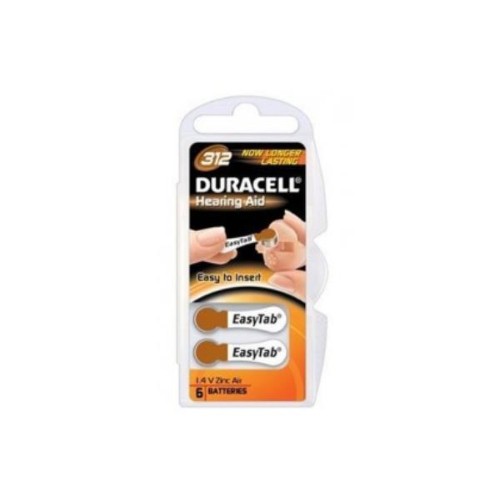
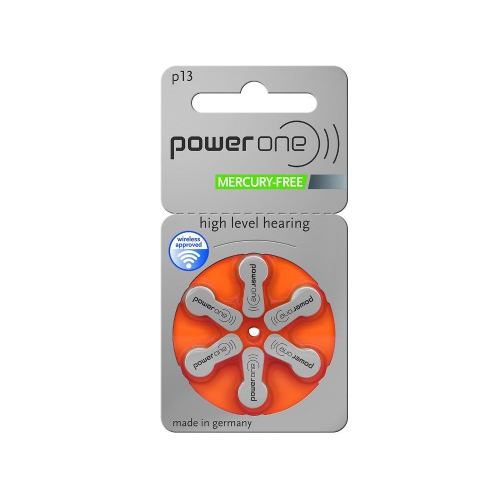
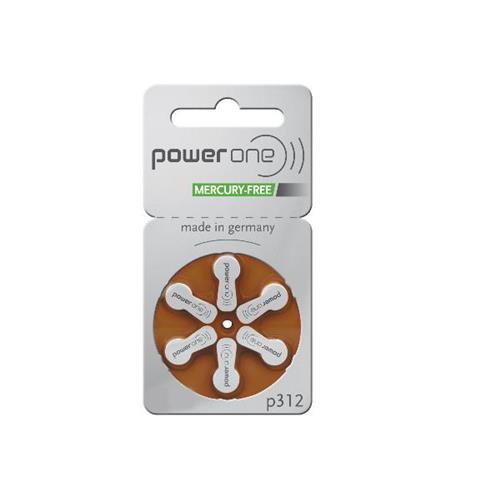
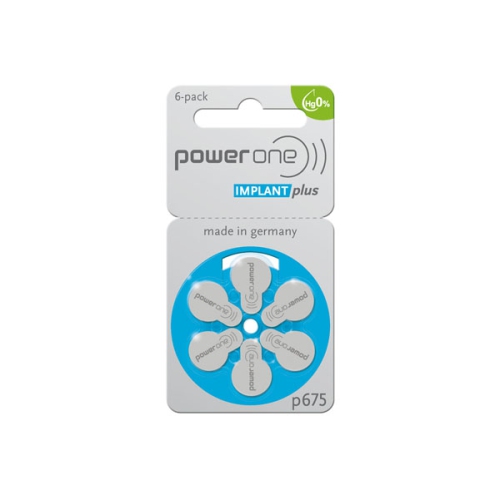
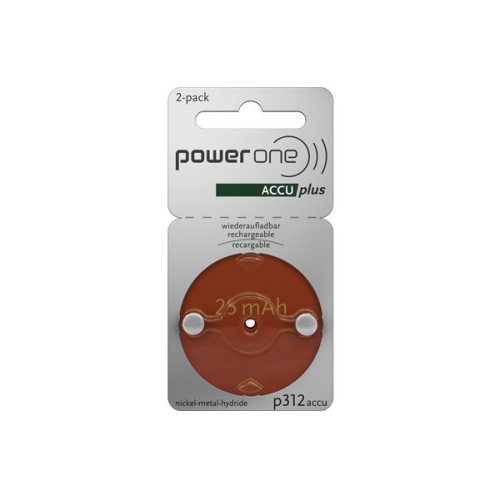
Hearing aid batteries are small, everyday essentials that help keep conversations, announcements, music, and familiar sounds within reach. Most disposable hearing aid batteries are zinc-air cells, which use air to activate the battery after the coloured protective tab is removed. They are available in four standard sizes, each identified by a universal number and colour: Size 10 has a yellow tab, Size 312 has a brown tab, Size 13 has an orange tab, and Size 675 has a blue tab. Size 10 batteries are commonly used in very small in-the-ear or completely-in-canal hearing aids, while Size 312 batteries are often found in mini behind-the-ear and receiver-in-canal devices. Size 13 batteries are typically used in larger behind-the-ear hearing aids, and Size 675 batteries are designed for high-power hearing aids and some cochlear implant accessories. Battery life varies according to the hearing aid, volume level, listening environment, streaming habits, and daily hours of use. As a general guide, Size 10 may last about three to seven days, Size 312 about three to ten days, Size 13 about six to fourteen days, and Size 675 about nine to twenty days. These ranges are estimates rather than guarantees, so the most reliable way to choose a replacement is to match the number and colour shown on the old battery pack or printed in the hearing aid’s instructions. Hearing aid models can look remarkably similar while using different battery sizes, and choosing by appearance alone may lead to a poor fit or a battery that cannot supply the required power. If the old packaging is unavailable, a hearing care professional can help confirm the correct size. Disposable hearing aid batteries should not be confused with ordinary coin or button cells, even though they may look similar; for broader information about other small-format batteries, visit Button Cell Batteries, and always follow the hearing aid manufacturer’s compatibility guidance before making a purchase.
A simple battery routine can make busy days feel much less interrupted. Before inserting a fresh zinc-air battery, peel away the coloured tab and allow the cell to rest in the open air for about five minutes. This pause gives the zinc-air chemistry time to activate fully and may help the battery deliver consistent performance from the beginning. Avoid removing the tab until the battery is ready to use, since replacing the tab does not reliably stop activation once air has reached the cell. With clean, dry hands, place the battery into the hearing aid according to the compartment’s markings, then close the door gently rather than forcing it. At bedtime, switch the device off and leave the battery compartment open if the manufacturer recommends this practice. Leaving the door open can help air circulate and reduce moisture buildup, while turning the hearing aid off helps prevent unnecessary drain. Moisture can enter during exercise, outdoor walks, snowy commutes, or ordinary changes between a warm room and cooler air, so allow a damp device to dry according to the manufacturer’s instructions instead of applying direct heat. Store unused batteries at room temperature in a dry location, away from bathroom humidity, radiators, windowsills, and places where condensation may form. Keep them in their original packaging until needed, and avoid carrying loose batteries in a pocket, purse, or drawer with coins, keys, or other metal objects. Batteries should be kept away from children and pets; if a battery is swallowed, seek emergency medical assistance immediately. Used batteries should be handled according to local disposal requirements, and they should never be placed where a child or pet could mistake one for a small toy. A compact supply kept in a hearing aid case, desk drawer, overnight bag, or travel pouch can be reassuring, particularly during the cooler months when a dead battery can become inconvenient during a walk, family visit, or long drive.
Keeping more than one replacement pack on hand is helpful for anyone who wears hearing aids regularly, including people who use them at work, while attending classes, during social gatherings, or around the house. A spare pack can also be a thoughtful and practical gift for a parent, grandparent, partner, or friend who manages hearing loss, especially when paired with a protective case or a reminder to check the size before opening the package. Batteries are easy to overlook until the familiar low-power signal sounds, speech becomes faint, or a device stops working during an important conversation. A small supply in a coat pocket or travel bag can provide welcome peace of mind when visiting family, attending appointments, or travelling between communities. Usage patterns differ from person to person: someone who streams audio throughout the day may use batteries more quickly than someone who wears hearing aids for only a few hours, while a high-power device may require a larger size even when it has a similar shape. It can be useful to note the date a new battery is inserted and the date it needs replacing, helping reveal an individual pattern over time without relying only on general estimates. When preparing for a change in routine or the cooler months, check that the battery size matches the hearing aid, that packs are sealed, and that stored batteries have been kept dry and at room temperature. If a fresh battery does not power the device, check that the protective tab has been removed, wait the recommended activation period, confirm that the battery is facing the right direction, and inspect the hearing aid for moisture or a blocked component. Persistent issues, unusually short battery life, irritation, or changes in hearing should be discussed with a hearing care professional. With the right size, sensible storage, and a few steady habits, hearing aid batteries can help make daily listening more dependable and keep essential devices ready when they are needed.
A simple battery routine can make busy days feel much less interrupted. Before inserting a fresh zinc-air battery, peel away the coloured tab and allow the cell to rest in the open air for about five minutes. This pause gives the zinc-air chemistry time to activate fully and may help the battery deliver consistent performance from the beginning. Avoid removing the tab until the battery is ready to use, since replacing the tab does not reliably stop activation once air has reached the cell. With clean, dry hands, place the battery into the hearing aid according to the compartment’s markings, then close the door gently rather than forcing it. At bedtime, switch the device off and leave the battery compartment open if the manufacturer recommends this practice. Leaving the door open can help air circulate and reduce moisture buildup, while turning the hearing aid off helps prevent unnecessary drain. Moisture can enter during exercise, outdoor walks, snowy commutes, or ordinary changes between a warm room and cooler air, so allow a damp device to dry according to the manufacturer’s instructions instead of applying direct heat. Store unused batteries at room temperature in a dry location, away from bathroom humidity, radiators, windowsills, and places where condensation may form. Keep them in their original packaging until needed, and avoid carrying loose batteries in a pocket, purse, or drawer with coins, keys, or other metal objects. Batteries should be kept away from children and pets; if a battery is swallowed, seek emergency medical assistance immediately. Used batteries should be handled according to local disposal requirements, and they should never be placed where a child or pet could mistake one for a small toy. A compact supply kept in a hearing aid case, desk drawer, overnight bag, or travel pouch can be reassuring, particularly during the cooler months when a dead battery can become inconvenient during a walk, family visit, or long drive.
Keeping more than one replacement pack on hand is helpful for anyone who wears hearing aids regularly, including people who use them at work, while attending classes, during social gatherings, or around the house. A spare pack can also be a thoughtful and practical gift for a parent, grandparent, partner, or friend who manages hearing loss, especially when paired with a protective case or a reminder to check the size before opening the package. Batteries are easy to overlook until the familiar low-power signal sounds, speech becomes faint, or a device stops working during an important conversation. A small supply in a coat pocket or travel bag can provide welcome peace of mind when visiting family, attending appointments, or travelling between communities. Usage patterns differ from person to person: someone who streams audio throughout the day may use batteries more quickly than someone who wears hearing aids for only a few hours, while a high-power device may require a larger size even when it has a similar shape. It can be useful to note the date a new battery is inserted and the date it needs replacing, helping reveal an individual pattern over time without relying only on general estimates. When preparing for a change in routine or the cooler months, check that the battery size matches the hearing aid, that packs are sealed, and that stored batteries have been kept dry and at room temperature. If a fresh battery does not power the device, check that the protective tab has been removed, wait the recommended activation period, confirm that the battery is facing the right direction, and inspect the hearing aid for moisture or a blocked component. Persistent issues, unusually short battery life, irritation, or changes in hearing should be discussed with a hearing care professional. With the right size, sensible storage, and a few steady habits, hearing aid batteries can help make daily listening more dependable and keep essential devices ready when they are needed.
Top selling and popular products
-
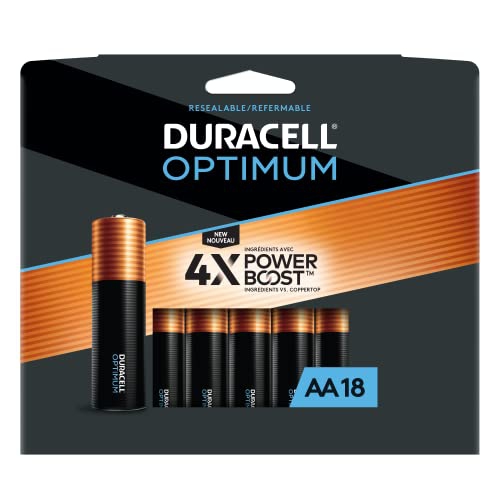 Your price for this item is $95
 -
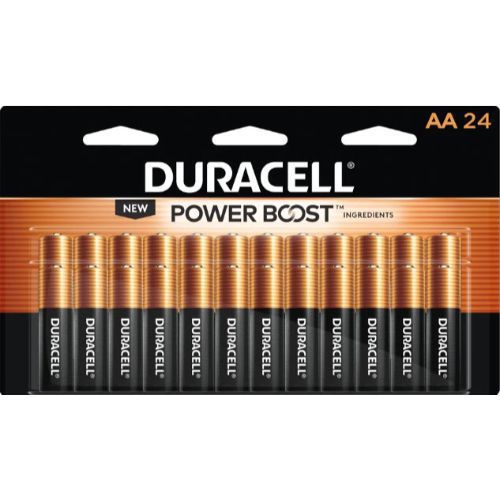 Your price for this item is $24.99
 -
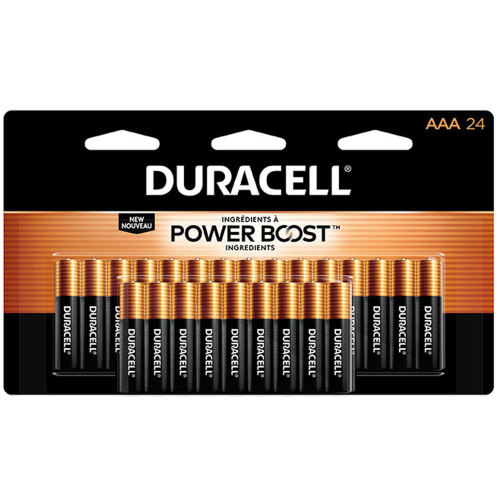 Your price for this item is $26.74
 -
 Your price for this item is $22.97
 -
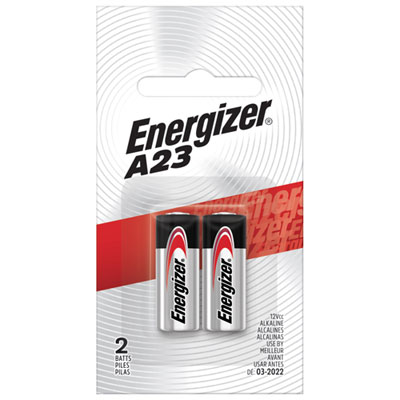 Your price for this item is $11.99
 -
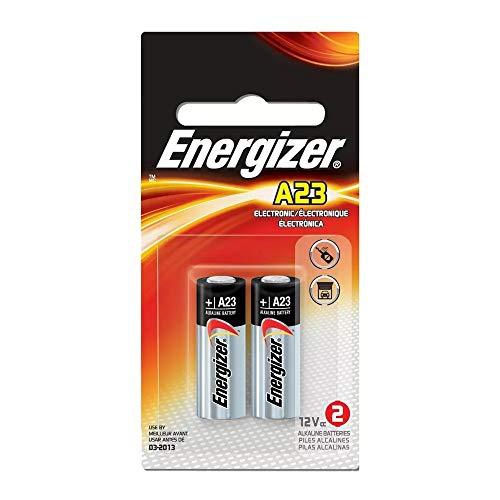 Your price for this item is $6.99
 -
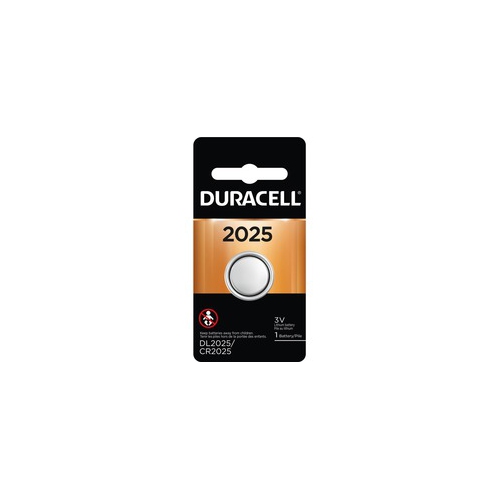 Your price for this item is $4.89
 -
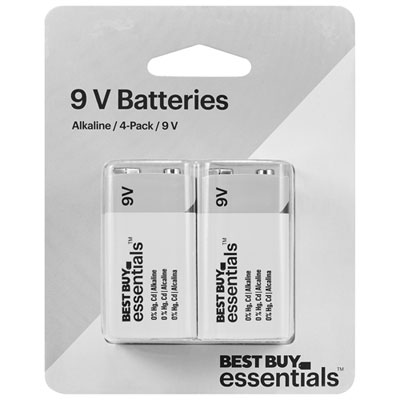 Your price for this item is $13.99
Discover more categories related to Hearing Aid Batteries
Top Collections:
Pokemon Centers, Kindle Devices, Best Cell Phones Under $500, Alarm Clock, Canon G7X Cameras, iPhone 15 Apple, Apple iPhones 16, Laptops for Students, iPhone 14 256GB, Budget Smartphones
Some products may be subject to Environmental Handling Fees
(EHF) depending on your province.
Learn more about EHFs.