Electric Bikes Under $1500
If you're looking for a new way to get around, an electric bike can be a great option. They're fun to ride, they're easy to use, and they can help you get to where you need to go faster than ever before. But with so many options available, it can be hard to know which one is right for you. Fortunately, there are plenty of electric bikes available for under $1500 that can provide you with a great ride.
Sort



How to match motor power and fit to your routine
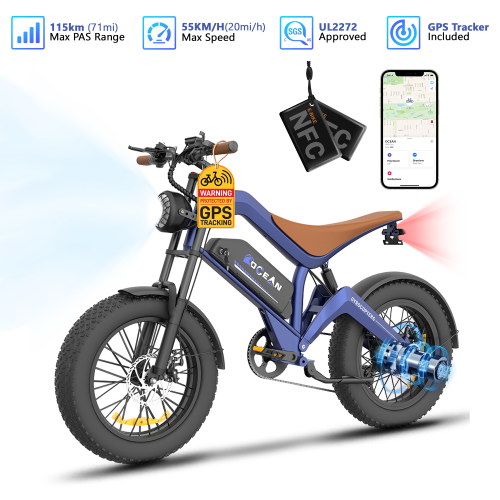
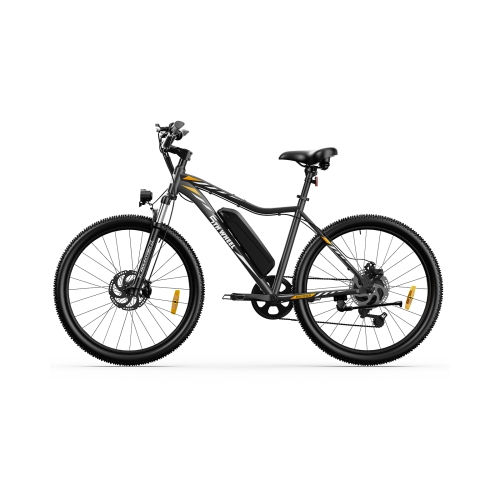
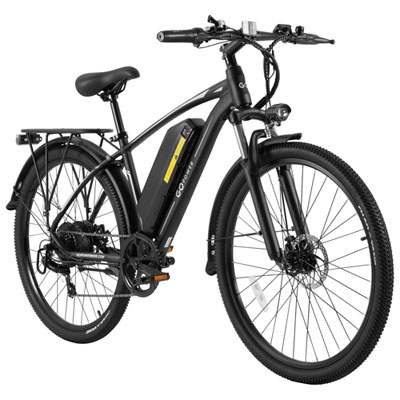
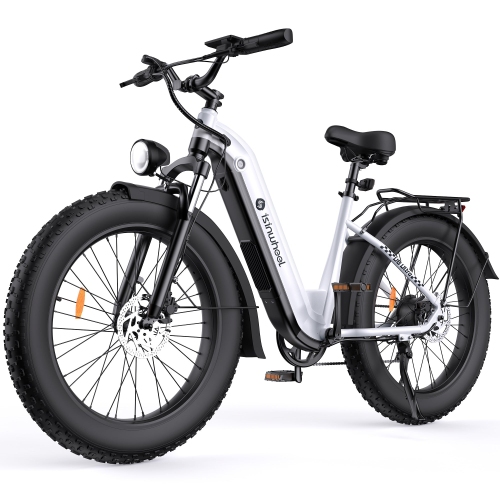
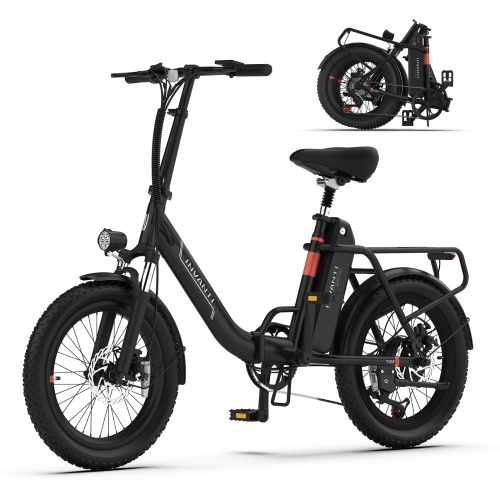
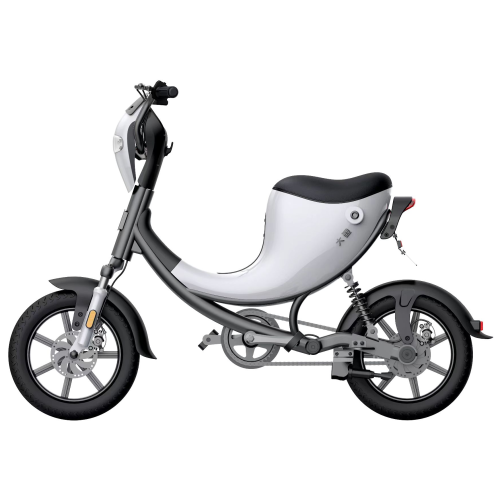
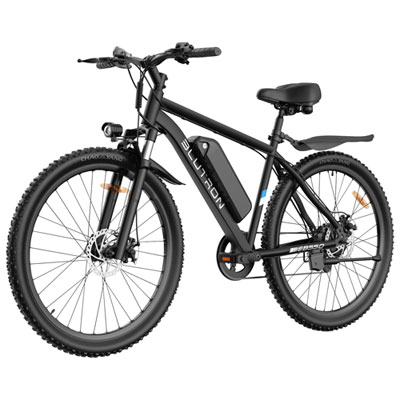
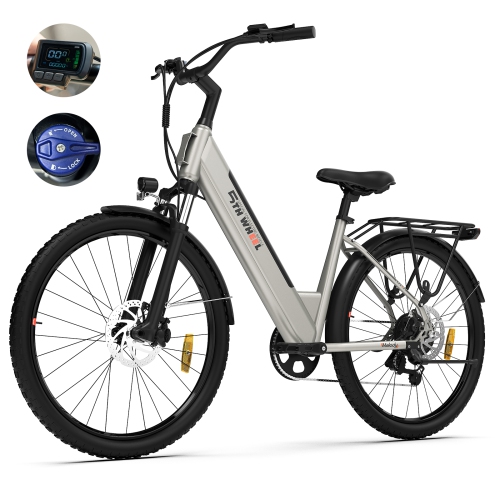
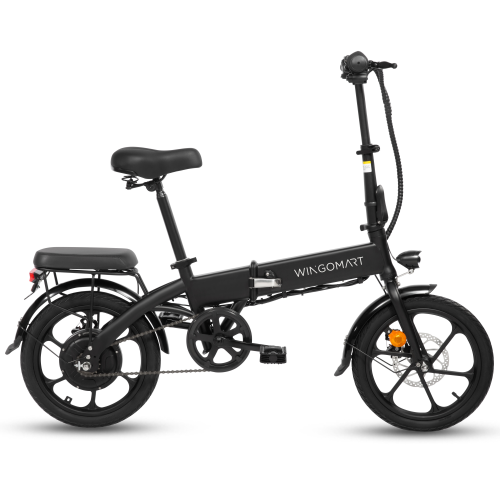
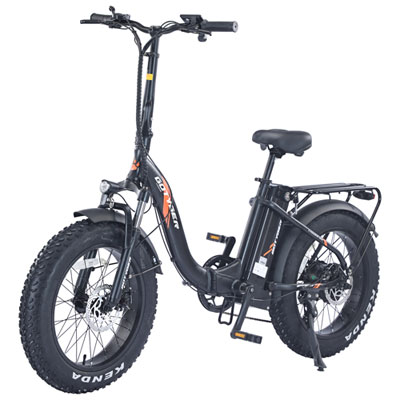
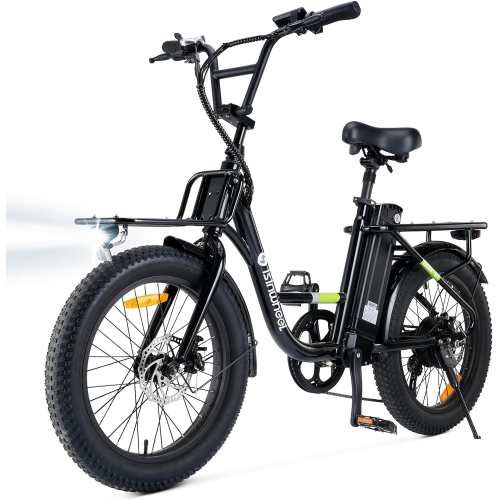
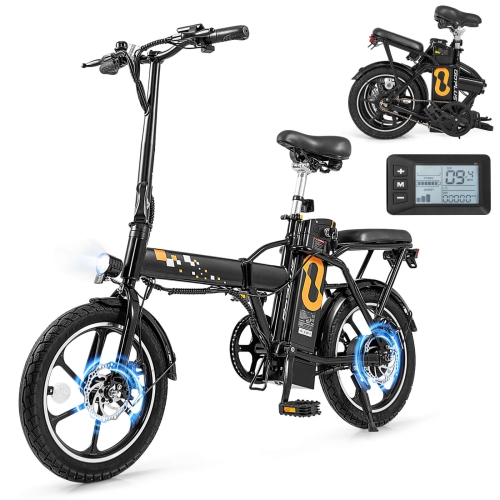
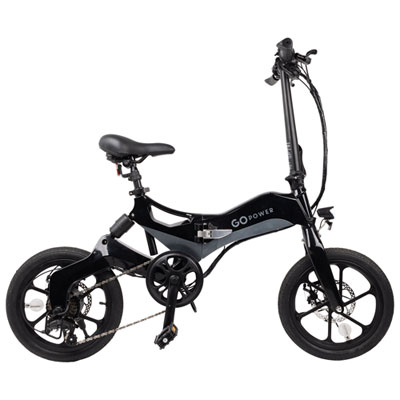
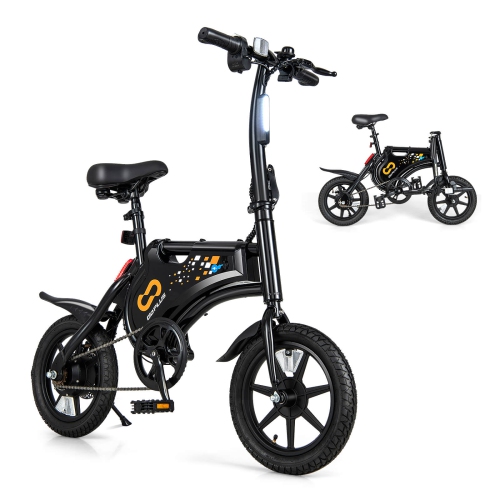
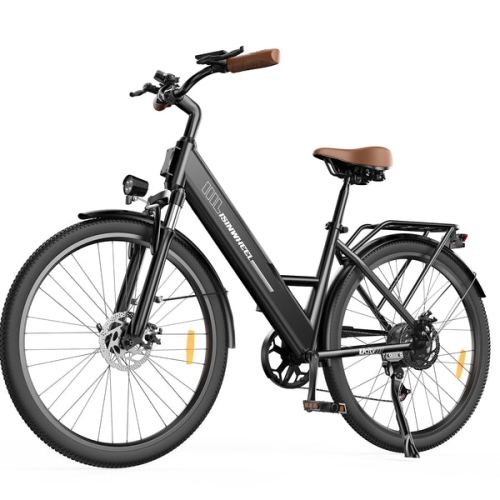
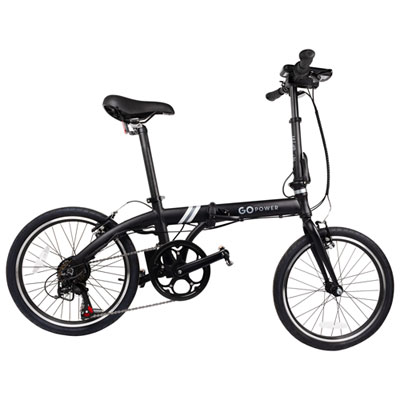
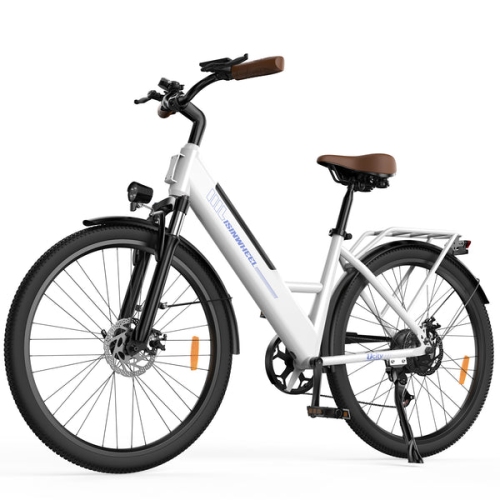
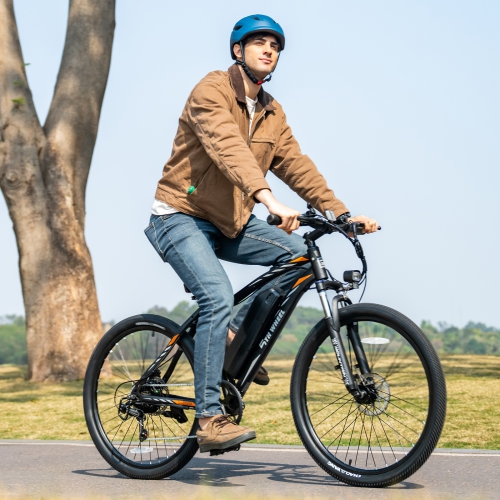
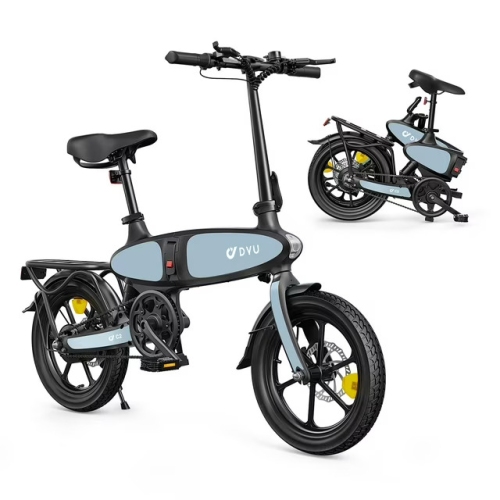
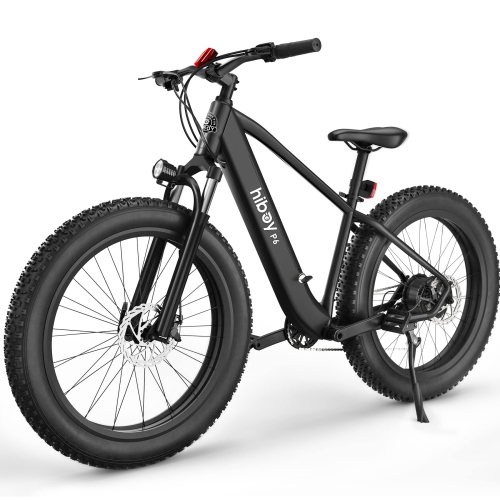
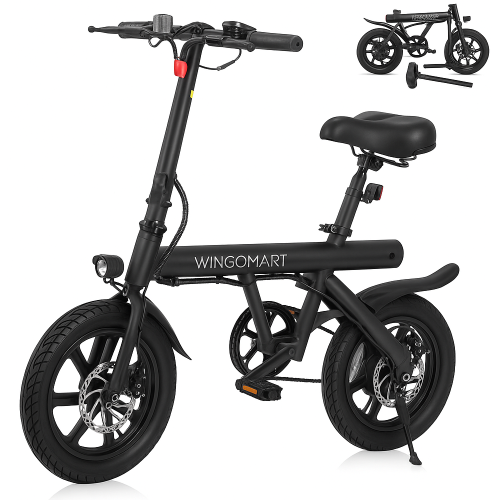
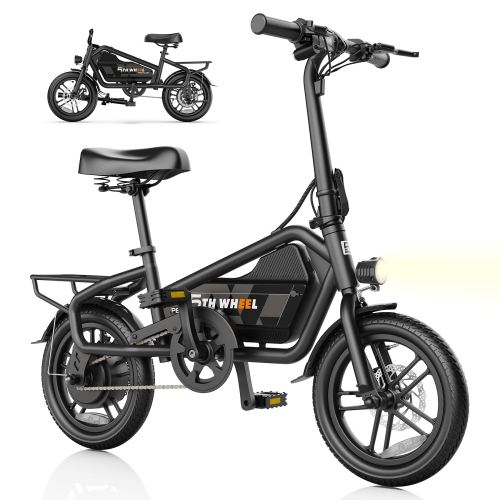
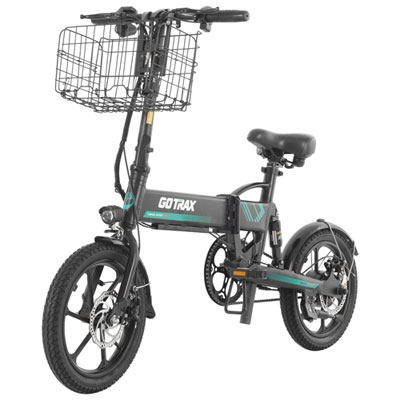
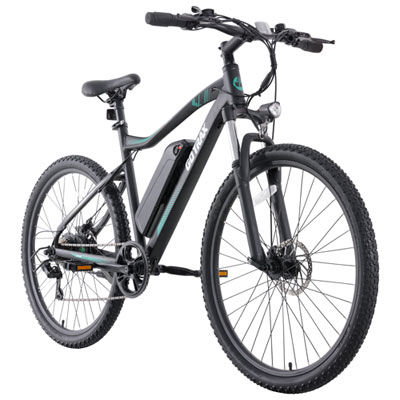
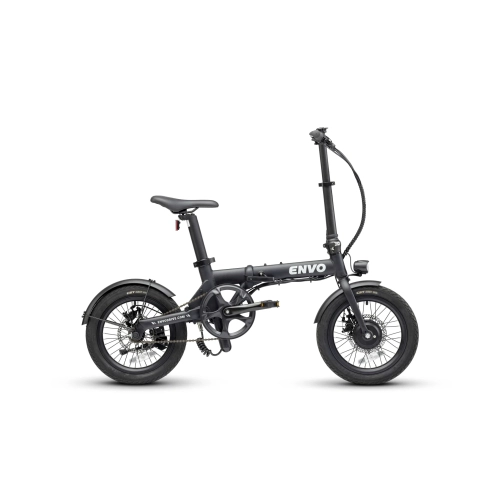
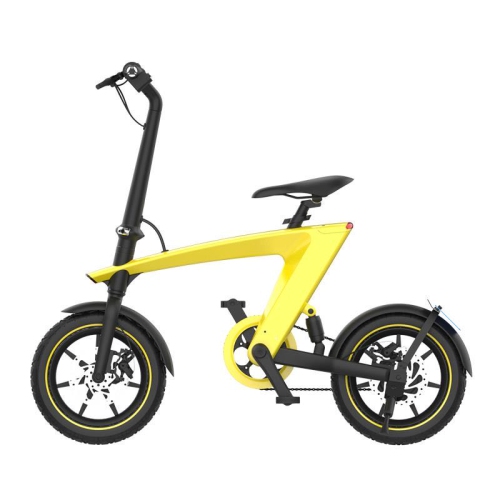
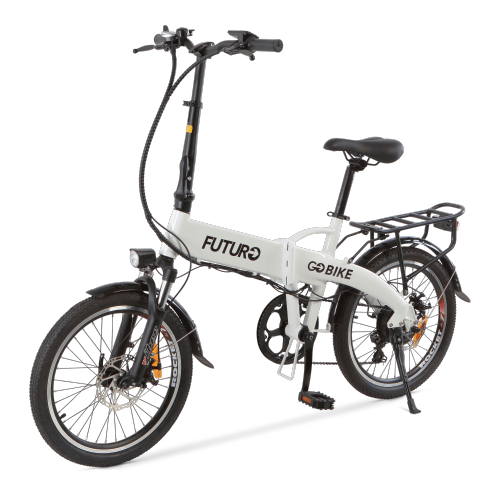
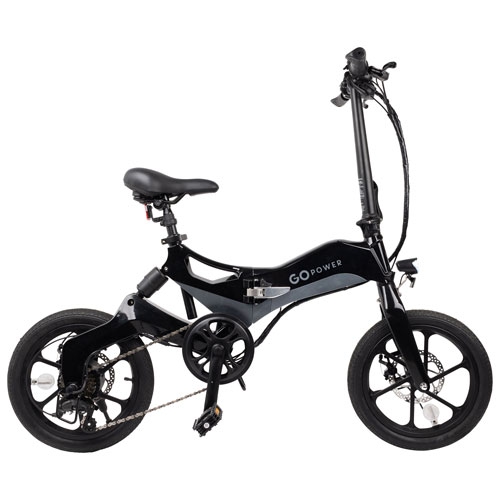
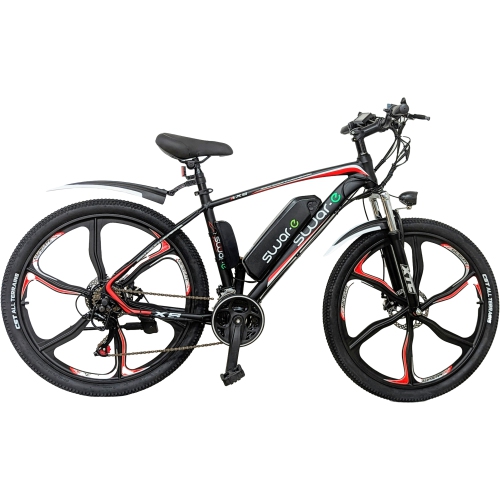
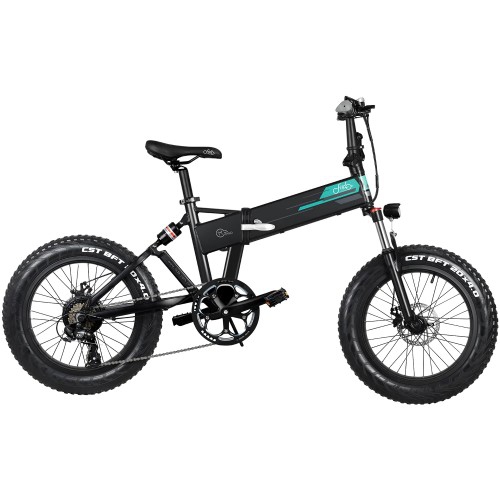
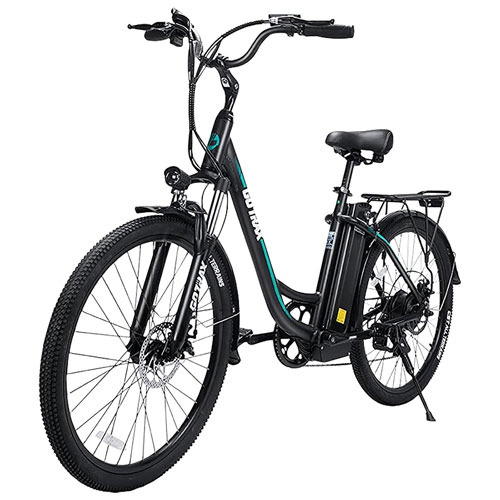
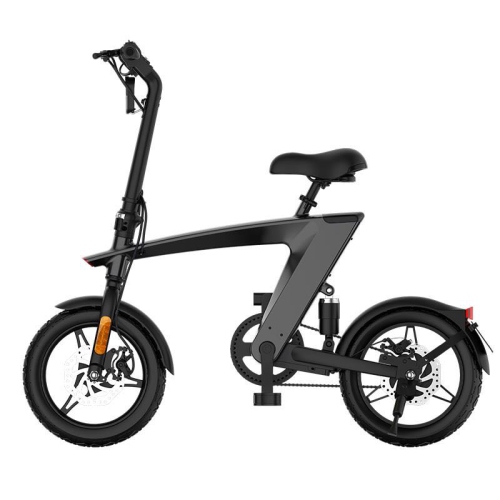
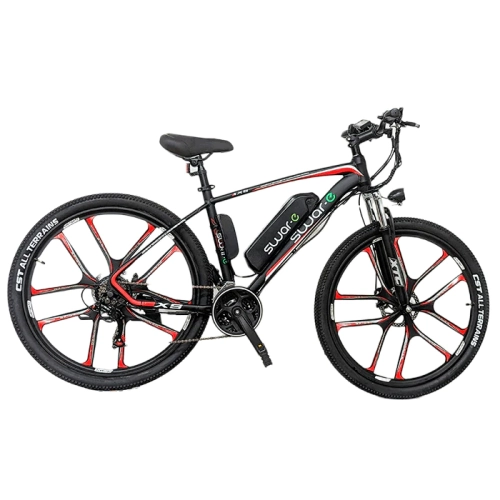
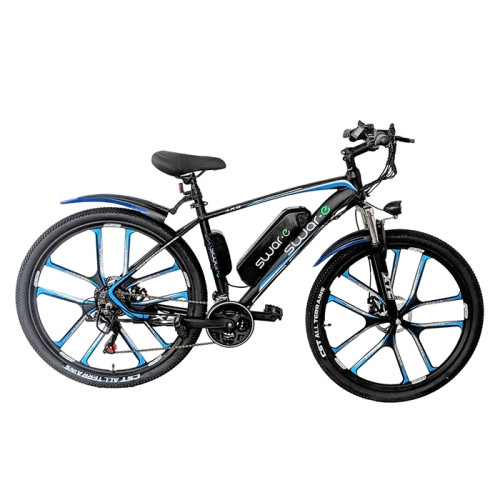
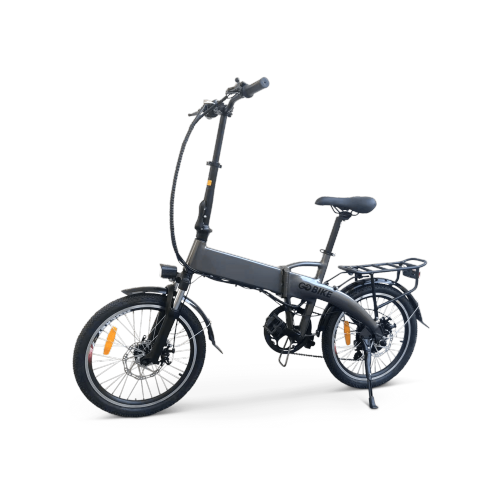
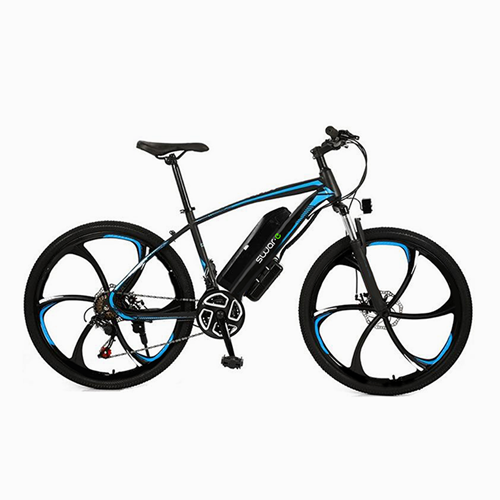
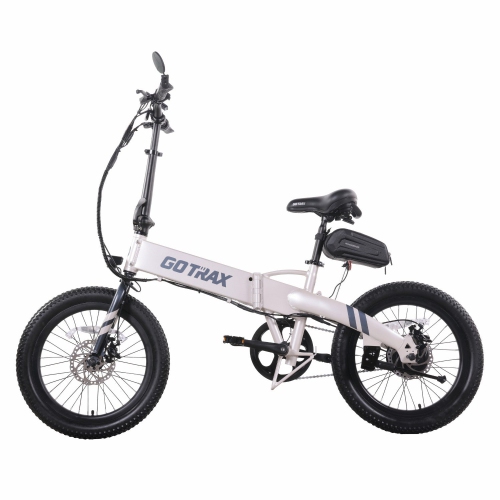
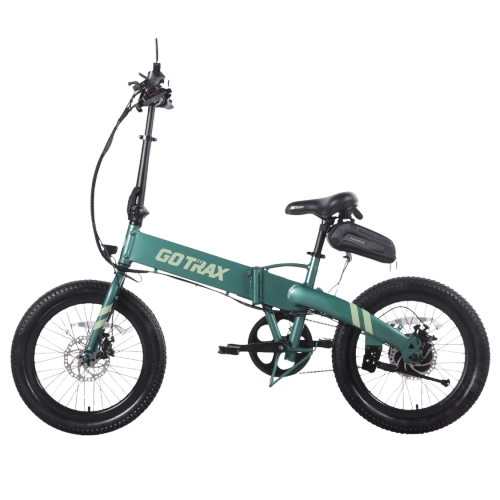
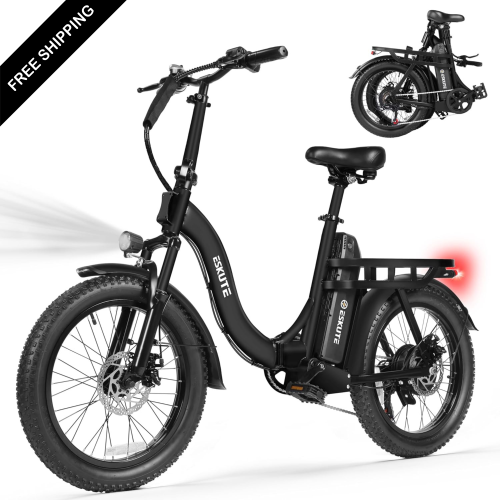
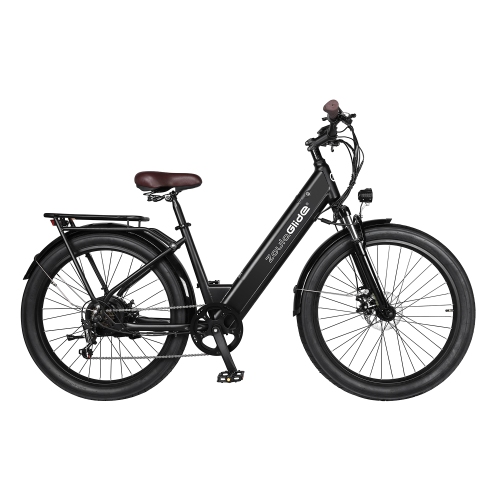
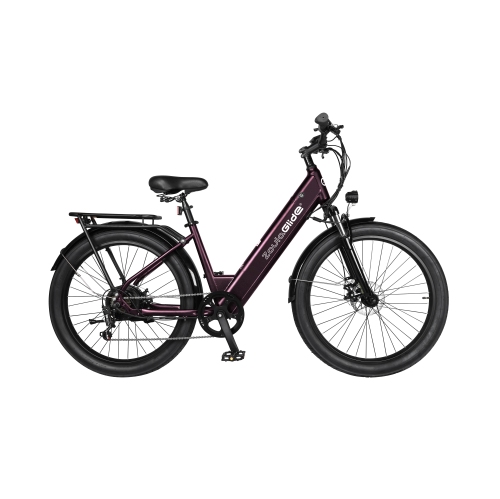
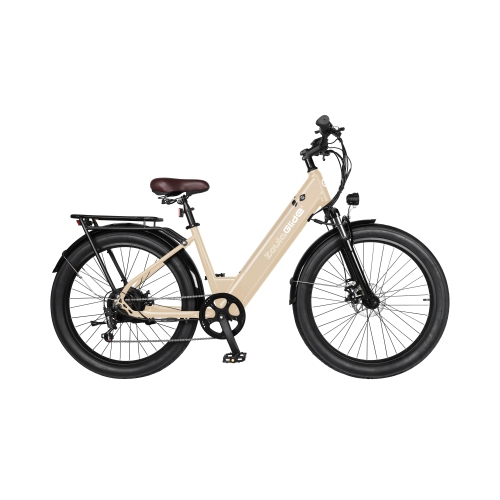
Electric bikes under $1,500 can make everyday riding more practical, comfortable, and enjoyable without requiring a premium budget. These bikes are suited to a wide range of uses, from commuting along city streets and paved paths to running errands, visiting friends, or enjoying a relaxed ride through the neighbourhood. A motor provides pedal assistance when you need extra support, such as when starting from a stop, climbing a hill, carrying a bag, or riding into a headwind. The level of assistance can usually be adjusted, allowing you to conserve battery power on flatter stretches or add more support when the route becomes demanding. For someone who wants an alternative to driving for short trips, an electric bike can help make a daily routine feel more manageable. Picture a ride to work with a backpack, a stop at a local market, and a return journey that includes a gradual incline; pedal assist can take the strain out of that final stretch while still allowing you to remain active. These bikes can also be a thoughtful gift for a commuter, recreational rider, student, or family member who enjoys being outdoors. Before choosing one, consider where and how it will be used. A traditional commuter-style frame may be a good match for paved roads and bike lanes, while a fat-tire design can provide added stability and a more cushioned feel on loose paths or uneven surfaces. Step-through frames can make mounting and dismounting easier, particularly for riders who prefer a lower frame opening. Folding designs may be useful in apartments, offices, cottages, or other spaces where storage is limited, although folded dimensions and bike weight are important to check before purchasing. The right electric bike under $1,500 should fit both the rider and the routine, with a frame size, riding position, handlebar shape, and overall weight that feel comfortable to manage.
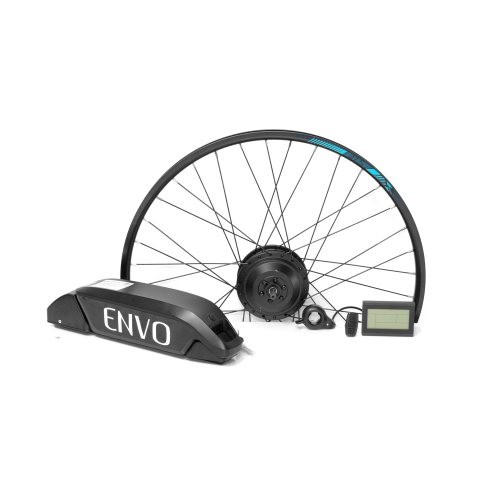
Motor output is another important consideration when comparing electric bikes under $1,500. Models in this price range may offer motors from approximately 350W to 750W of peak output, and the ideal choice depends on the rider’s route, load, and expectations. A lower-output motor can be suitable for relatively flat urban riding, while more power may be helpful on hills, in strong wind, or when carrying groceries or a child seat that is approved for the bike. It is also useful to understand the difference between nominal and peak motor ratings, since peak output describes the short bursts of power available under heavier demand rather than the continuous operating level. The battery affects how far a bike can travel between charges, but advertised range is only an estimate. Rider weight, terrain, temperature, tyre pressure, assist level, cargo, and frequent stops can all change real-world performance. If a route includes several hills or the bike will be used with high pedal assistance, choosing a battery with more capacity can provide additional flexibility. Look for clear battery specifications, a removable battery if charging indoors is important, and safety certification such as UL 2849 where available. Charging should take place with the supplied equipment in a dry, suitable location, and the owner’s manual should be followed for storage and care during cooler weather. Sensor type also influences the riding experience. Cadence sensors engage assistance when the pedals turn, offering straightforward support that can be useful for casual cruising and stop-and-go trips. Torque sensors respond to how firmly the rider presses the pedals, which can create a more natural, responsive feeling as effort changes. Neither option is automatically best for every rider; the choice comes down to whether the priority is simple assistance, smoother control, or a particular riding style. Mechanical or hydraulic disc brakes, front suspension, integrated lights, a display, a rear rack, fenders, and a kickstand can all add convenience, but it is worth considering which features will be used regularly rather than selecting a bike based only on a long specification list.
Comfort, control, and after-purchase practicality matter just as much as motor and battery figures. Check the maximum rider and cargo weight, tyre size, recommended rider height, brake type, and whether replacement parts or accessories are readily available. A well-adjusted saddle and handlebar can make a noticeable difference on longer rides, while properly inflated tyres help the bike feel more stable and efficient. Riders should also consider the bike’s unladen weight, particularly if it must be lifted over a step, stored in a locker, or loaded onto a vehicle. A secure lock, helmet, reflective clothing, front and rear lights, and weather-appropriate layers are useful additions for regular riding, especially during the cooler months when daylight can change quickly. After taking an electric bike home, allow time to check the tyre pressure, tighten accessible fasteners, adjust the saddle, and become familiar with the assistance settings in a quiet area before joining busier paths or roads. Start with a lower assistance level, practise braking smoothly, and remember that the extra speed and weight may make handling different from a conventional bicycle. Local rules can vary, so confirm requirements for electric bike classification, helmet use, permitted paths, and lighting in your area. During early fall and the transition into winter, wet leaves, frost, wind, and reduced daylight may affect traction and visibility, so riders should plan routes carefully and store the bike away from moisture and extreme cold whenever possible. For shoppers working with a tighter budget, comparing features across categories can also be helpful; the selection of Bikes Under $500 may offer additional options for conventional riding or simpler cycling needs. With the right fit, sensible safety equipment, and a clear understanding of the intended route, an electric bike under $1,500 can be a dependable choice for short commutes, casual outings, errands, and active time outdoors as the weather changes.
Motor output is another important consideration when comparing electric bikes under $1,500. Models in this price range may offer motors from approximately 350W to 750W of peak output, and the ideal choice depends on the rider’s route, load, and expectations. A lower-output motor can be suitable for relatively flat urban riding, while more power may be helpful on hills, in strong wind, or when carrying groceries or a child seat that is approved for the bike. It is also useful to understand the difference between nominal and peak motor ratings, since peak output describes the short bursts of power available under heavier demand rather than the continuous operating level. The battery affects how far a bike can travel between charges, but advertised range is only an estimate. Rider weight, terrain, temperature, tyre pressure, assist level, cargo, and frequent stops can all change real-world performance. If a route includes several hills or the bike will be used with high pedal assistance, choosing a battery with more capacity can provide additional flexibility. Look for clear battery specifications, a removable battery if charging indoors is important, and safety certification such as UL 2849 where available. Charging should take place with the supplied equipment in a dry, suitable location, and the owner’s manual should be followed for storage and care during cooler weather. Sensor type also influences the riding experience. Cadence sensors engage assistance when the pedals turn, offering straightforward support that can be useful for casual cruising and stop-and-go trips. Torque sensors respond to how firmly the rider presses the pedals, which can create a more natural, responsive feeling as effort changes. Neither option is automatically best for every rider; the choice comes down to whether the priority is simple assistance, smoother control, or a particular riding style. Mechanical or hydraulic disc brakes, front suspension, integrated lights, a display, a rear rack, fenders, and a kickstand can all add convenience, but it is worth considering which features will be used regularly rather than selecting a bike based only on a long specification list.
Comfort, control, and after-purchase practicality matter just as much as motor and battery figures. Check the maximum rider and cargo weight, tyre size, recommended rider height, brake type, and whether replacement parts or accessories are readily available. A well-adjusted saddle and handlebar can make a noticeable difference on longer rides, while properly inflated tyres help the bike feel more stable and efficient. Riders should also consider the bike’s unladen weight, particularly if it must be lifted over a step, stored in a locker, or loaded onto a vehicle. A secure lock, helmet, reflective clothing, front and rear lights, and weather-appropriate layers are useful additions for regular riding, especially during the cooler months when daylight can change quickly. After taking an electric bike home, allow time to check the tyre pressure, tighten accessible fasteners, adjust the saddle, and become familiar with the assistance settings in a quiet area before joining busier paths or roads. Start with a lower assistance level, practise braking smoothly, and remember that the extra speed and weight may make handling different from a conventional bicycle. Local rules can vary, so confirm requirements for electric bike classification, helmet use, permitted paths, and lighting in your area. During early fall and the transition into winter, wet leaves, frost, wind, and reduced daylight may affect traction and visibility, so riders should plan routes carefully and store the bike away from moisture and extreme cold whenever possible. For shoppers working with a tighter budget, comparing features across categories can also be helpful; the selection of Bikes Under $500 may offer additional options for conventional riding or simpler cycling needs. With the right fit, sensible safety equipment, and a clear understanding of the intended route, an electric bike under $1,500 can be a dependable choice for short commutes, casual outings, errands, and active time outdoors as the weather changes.
Top selling and popular products
-
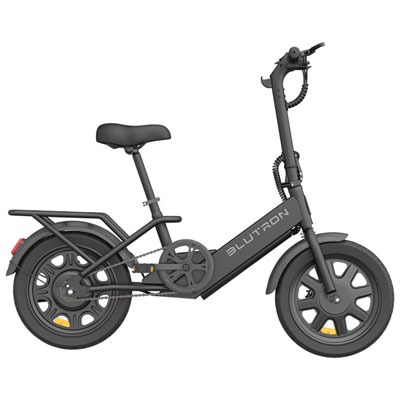 Your price for this item is $499.99
 -
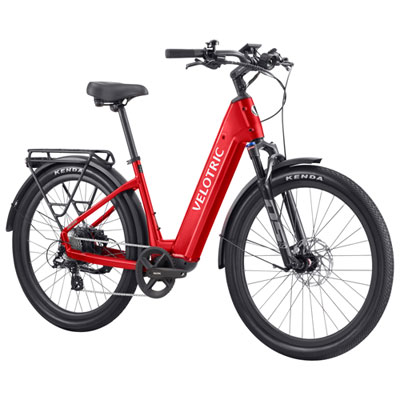 Your price for this item is $2499.99
 -
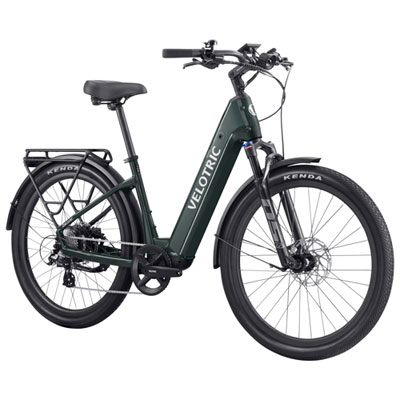 Your price for this item is $2499.99
 -
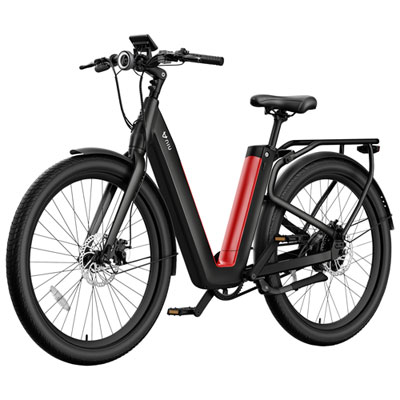 Your price for this item is $2699.99
 -
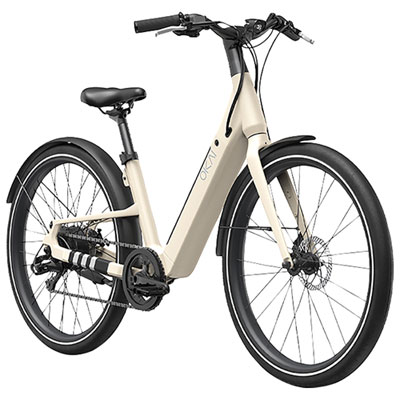 Your price for this item is $2199.99
 -
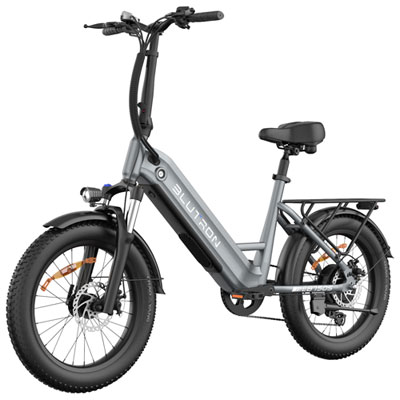 Your price for this item is $999.99
 -
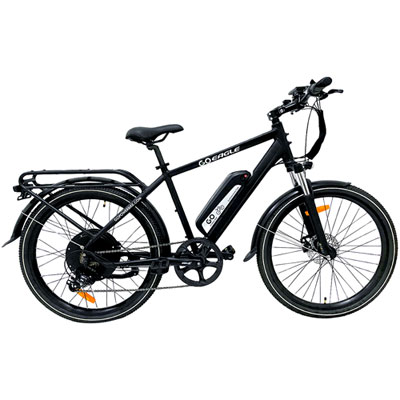 Your price for this item is $1399.97
 -
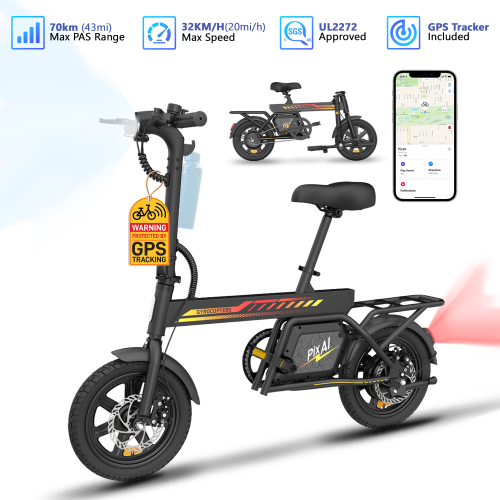 Your price for this item is $399.97
Discover more categories related to Electric Bikes Under $1500
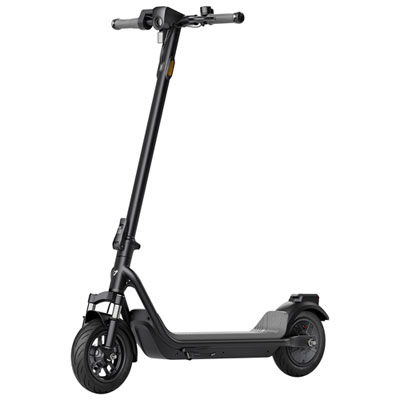
Top Collections:
Pokemon Centers, Kindle Devices, Best Budget Office Chairs, Apple iPhones 16, Samsung Galaxy Phones, Canon G7X Cameras, iPhone 15 Apple, Flip Phones, Best Laptops for Writers, Alarm Clock
Some products may be subject to Environmental Handling Fees
(EHF) depending on your province.
Learn more about EHFs.