Golf Equipment for Seniors
As we age, our needs and preferences change, especially when it comes to sports and recreational activities. For seniors who enjoy hitting the links, having the right golf equipment can make all the difference in maintaining a high level of play and enjoyment on the course. From specially designed clubs that promote easier swings to lightweight bags that reduce strain on the body, our selection of golf equipment for seniors is curated to enhance performance and comfort for seasoned golfers looking to keep their game sharp.
Sort
Why club fit matters more than age
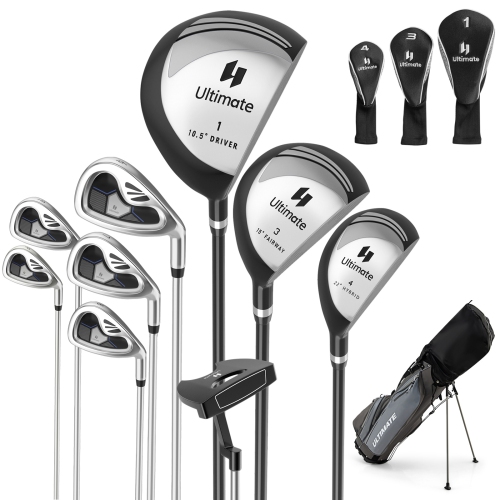
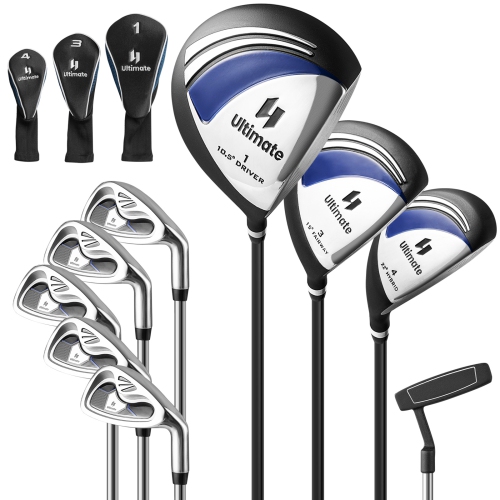
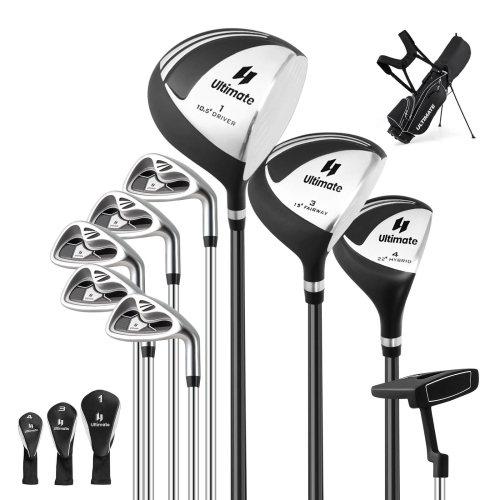
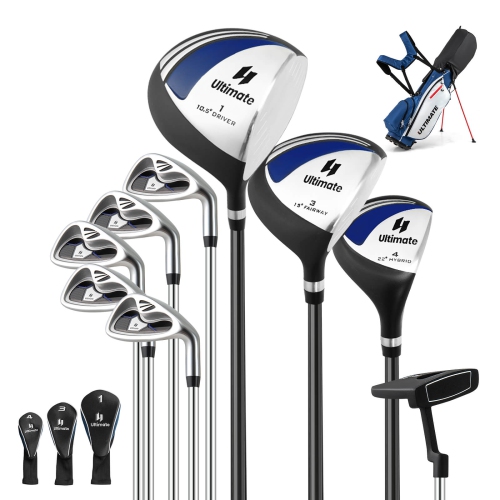
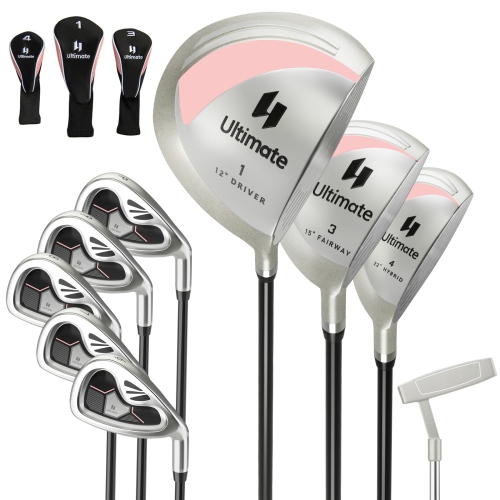
Golf equipment for seniors brings together clubs, bags, practice accessories, and distance-measuring tools that can make a round more comfortable and help players get consistent results from their natural swing. For golfers with a moderate or slower swing speed, useful club features often include lighter graphite shafts, an appropriate amount of shaft flex, and forgiving heads that help launch the ball without demanding a forceful swing. Age alone does not determine the right equipment: a player with a brisk tempo may prefer a firmer shaft, while someone with a smoother motion may find a lighter, more flexible option easier to time. Senior flex, sometimes labelled A or light flex, is a starting point rather than a universal fit, and flex ratings can differ between manufacturers. Overall club weight, shaft length, loft, and balance matter alongside that label. A driver with suitable loft can help produce a more useful flight for a golfer whose tee shots tend to stay low, while a head with weight positioned low and deep can support a higher launch. Forgiving irons often combine perimeter weighting with wider soles, helping limit the effect of contact away from the centre and reducing the tendency to dig into the turf. Hybrids and higher-lofted fairway woods offer alternatives to long irons, particularly for players who struggle to get longer approach shots airborne. The number stamped on a hybrid does not guarantee that it will travel the same distance as an iron with that number; actual carry distance is more useful when building an evenly spaced set. A familiar scenario is the golfer who strikes a shorter iron comfortably but has several longer clubs that all finish near the same spot. A better-matched combination can create clearer distance differences without adding unnecessary clubs to the bag. Complete golf sets can provide a coordinated foundation for someone returning to the game, while individual club categories allow an experienced player to refine the parts of a set that no longer suit their swing.
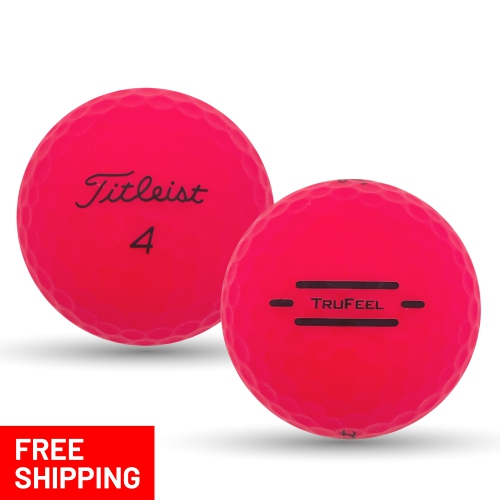
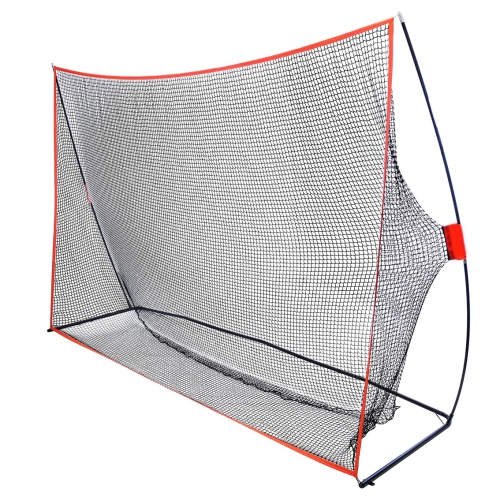
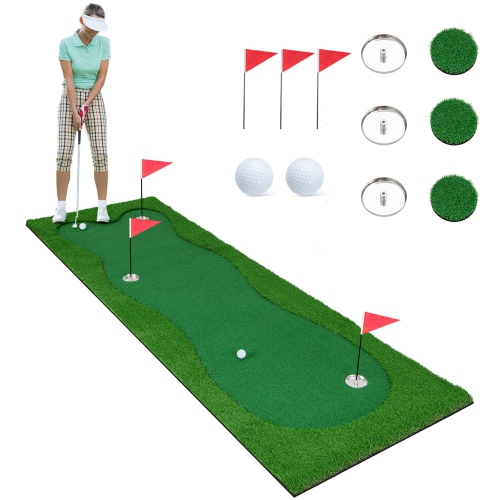
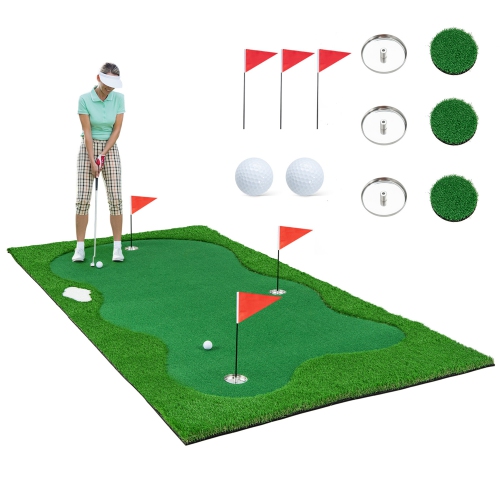
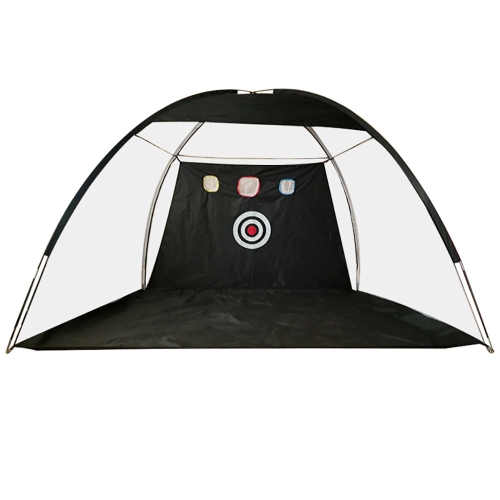
Comfort also depends on the details a golfer notices at address, through impact, and while moving between shots. Graphite shafts are often lighter than steel and can soften the vibration felt through the hands, though weight and feel vary by construction. Steel remains a practical option for players who prefer its feedback and find a particular weight comfortable. Neither material is automatically the right choice for every senior golfer. Grip size deserves similar attention: a grip that feels too narrow may encourage an unnecessarily tight hold, while one that is too large can make the club harder to control comfortably. Midsize and oversized grips may suit some hands, but the best match allows the fingers to wrap naturally without squeezing. Softer rubber compounds offer cushioning, and textured surfaces provide a secure feel; both need routine cleaning to remove residue that can leave the surface slippery. Club length and lie angle should suit height, posture, and the way the player delivers the head to the ball, rather than being selected solely from an age or gender label. Golfers comparing lighter builds, different lengths, and grip dimensions can also explore Golfing Gear for Women, with fit and swing characteristics remaining the deciding factors. Around the green, wedges with suitable loft spacing and sole designs can support a range of shorter shots without requiring a different technique for every distance. Putters with clear alignment markings may make it easier to aim consistently, while head shape and balance influence how the stroke feels. Golf balls are another part of the setup: softer-feeling, lower-compression designs may appeal to players with moderate swing speeds, but feel, launch, distance, and greenside response should be considered together. A ball that feels pleasant off the putter is not necessarily the longest from the tee. For practice, a putting mat with a smooth surface and edges that lie flat provides a convenient way to work on pace, while an appropriately sized hitting net requires sufficient space, secure positioning, and use within its stated limits.
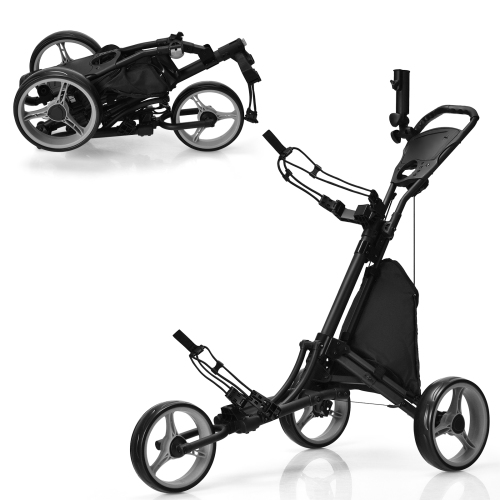
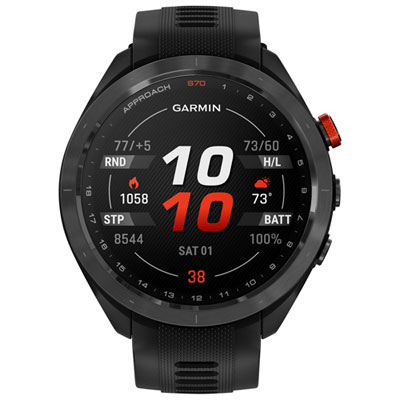
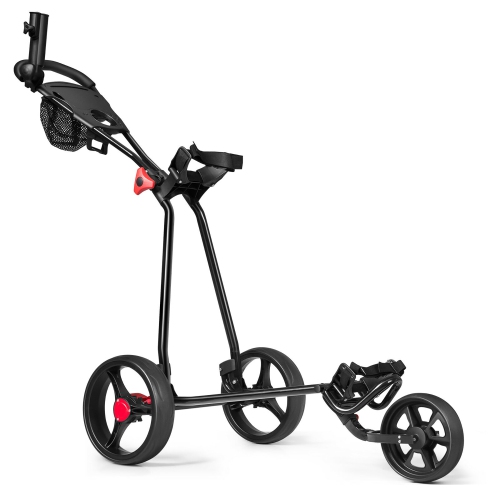
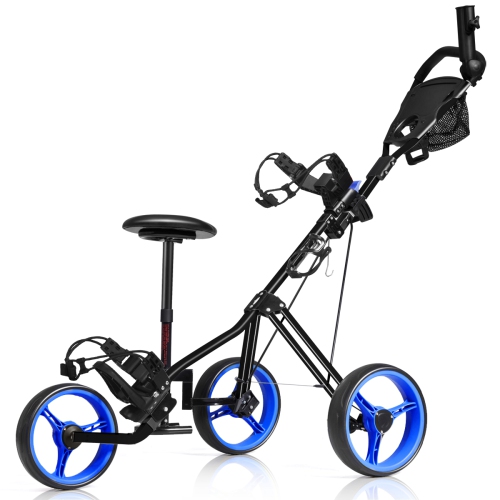
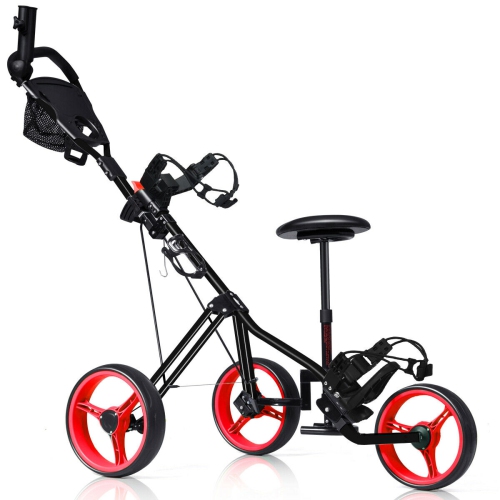
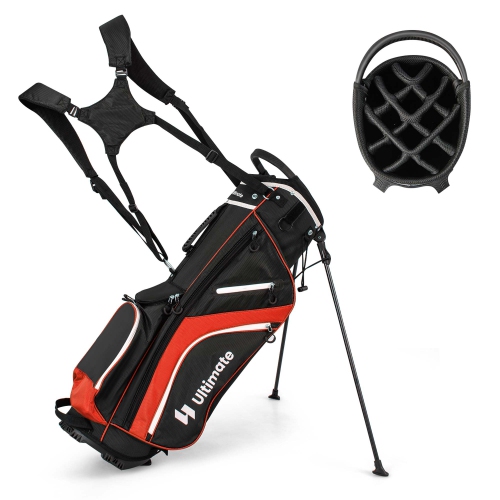
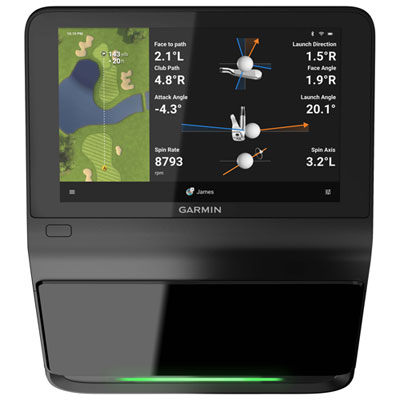
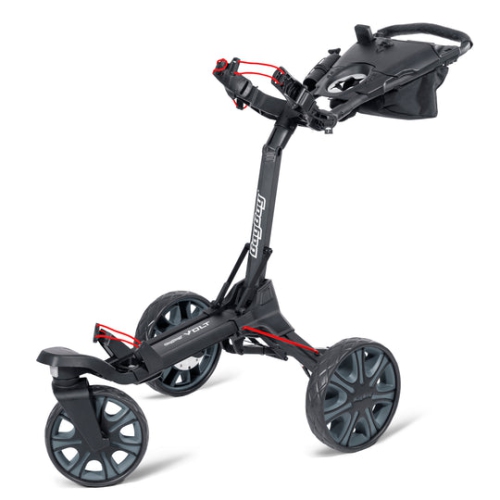
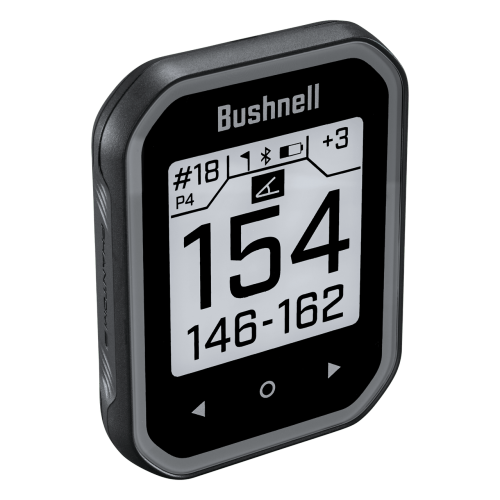
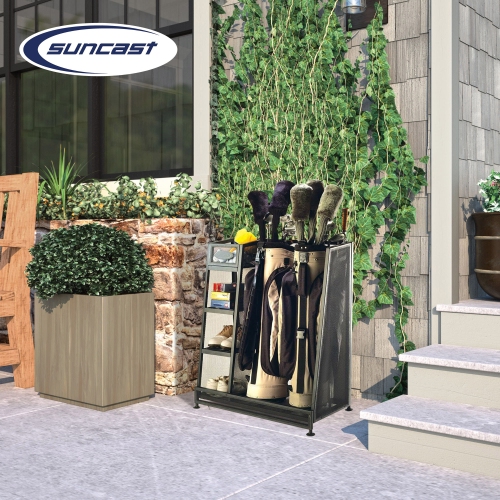
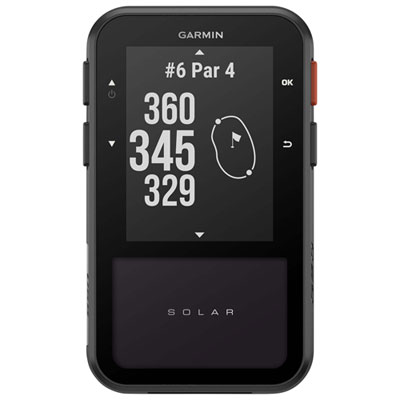
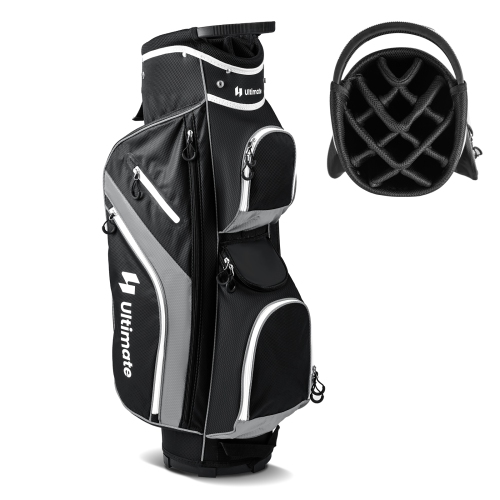
Beyond the clubs themselves, golf accessories for seniors can simplify the practical side of playing, from lifting a bag out of a vehicle to checking the distance before an approach shot. A lightweight stand bag with accessible handles can be easier to manoeuvre, while a cart bag generally prioritizes storage and a stable fit on a trolley or riding cart. Padded straps, clearly separated club compartments, and pockets that open without awkward reaching all contribute to everyday usability. Durable woven fabrics, reinforced stitching, and sturdy zips are useful construction details, especially around lift handles and the base. Push carts reduce the need to carry a full bag, but their own weight, folded dimensions, brake controls, and handle adjustment are worth considering. A compact folded shape is particularly useful when vehicle boot space is shared with another golfer’s equipment. Electric golf caddies can reduce pushing effort, although lifting the unit, charging its battery, and operating its controls remain part of ownership. GPS watches and handheld golf GPS devices provide course distances in an accessible format, while rangefinders can measure the distance to a selected target. Large, legible displays, straightforward controls, and comfortable watch straps may matter more during a round than a long list of features. Some rangefinders require a steadier hold than others, and features that adjust for elevation may need to be disabled for certain competitions. Accessories such as ball retrievers, easy-to-handle tees, and pickup attachments can reduce repeated bending when compatible with the golfer’s setup. These practical additions can also make thoughtful gifts for a parent, grandparent, partner, or friend, particularly when their club preferences are already established. Personal-fit purchases such as clubs, gloves, and shoes benefit from knowing the recipient’s measurements and preferences; a glove should feel close-fitting without restricting finger movement, and shoes should provide secure footing without pinching. Regular care helps keep equipment ready for use: clean dirt from club grooves with a suitable soft brush, wipe grips, dry equipment before storing it, and check shafts and heads for damage. Headcovers help protect woods and hybrids during transport, while following charging and storage instructions supports the dependable use of electronic accessories.
Comfort also depends on the details a golfer notices at address, through impact, and while moving between shots. Graphite shafts are often lighter than steel and can soften the vibration felt through the hands, though weight and feel vary by construction. Steel remains a practical option for players who prefer its feedback and find a particular weight comfortable. Neither material is automatically the right choice for every senior golfer. Grip size deserves similar attention: a grip that feels too narrow may encourage an unnecessarily tight hold, while one that is too large can make the club harder to control comfortably. Midsize and oversized grips may suit some hands, but the best match allows the fingers to wrap naturally without squeezing. Softer rubber compounds offer cushioning, and textured surfaces provide a secure feel; both need routine cleaning to remove residue that can leave the surface slippery. Club length and lie angle should suit height, posture, and the way the player delivers the head to the ball, rather than being selected solely from an age or gender label. Golfers comparing lighter builds, different lengths, and grip dimensions can also explore Golfing Gear for Women, with fit and swing characteristics remaining the deciding factors. Around the green, wedges with suitable loft spacing and sole designs can support a range of shorter shots without requiring a different technique for every distance. Putters with clear alignment markings may make it easier to aim consistently, while head shape and balance influence how the stroke feels. Golf balls are another part of the setup: softer-feeling, lower-compression designs may appeal to players with moderate swing speeds, but feel, launch, distance, and greenside response should be considered together. A ball that feels pleasant off the putter is not necessarily the longest from the tee. For practice, a putting mat with a smooth surface and edges that lie flat provides a convenient way to work on pace, while an appropriately sized hitting net requires sufficient space, secure positioning, and use within its stated limits.
Beyond the clubs themselves, golf accessories for seniors can simplify the practical side of playing, from lifting a bag out of a vehicle to checking the distance before an approach shot. A lightweight stand bag with accessible handles can be easier to manoeuvre, while a cart bag generally prioritizes storage and a stable fit on a trolley or riding cart. Padded straps, clearly separated club compartments, and pockets that open without awkward reaching all contribute to everyday usability. Durable woven fabrics, reinforced stitching, and sturdy zips are useful construction details, especially around lift handles and the base. Push carts reduce the need to carry a full bag, but their own weight, folded dimensions, brake controls, and handle adjustment are worth considering. A compact folded shape is particularly useful when vehicle boot space is shared with another golfer’s equipment. Electric golf caddies can reduce pushing effort, although lifting the unit, charging its battery, and operating its controls remain part of ownership. GPS watches and handheld golf GPS devices provide course distances in an accessible format, while rangefinders can measure the distance to a selected target. Large, legible displays, straightforward controls, and comfortable watch straps may matter more during a round than a long list of features. Some rangefinders require a steadier hold than others, and features that adjust for elevation may need to be disabled for certain competitions. Accessories such as ball retrievers, easy-to-handle tees, and pickup attachments can reduce repeated bending when compatible with the golfer’s setup. These practical additions can also make thoughtful gifts for a parent, grandparent, partner, or friend, particularly when their club preferences are already established. Personal-fit purchases such as clubs, gloves, and shoes benefit from knowing the recipient’s measurements and preferences; a glove should feel close-fitting without restricting finger movement, and shoes should provide secure footing without pinching. Regular care helps keep equipment ready for use: clean dirt from club grooves with a suitable soft brush, wipe grips, dry equipment before storing it, and check shafts and heads for damage. Headcovers help protect woods and hybrids during transport, while following charging and storage instructions supports the dependable use of electronic accessories.
Top selling and popular products
-
 Your price for this item is $699.99
 -
 Your price for this item is $7249.99
 -
 Your price for this item is $2249.95
 -
 Your price for this item is $250
 -
 Your price for this item is $1020.99
 -
 Your price for this item is $449.99
 -
 Your price for this item is $439.95
 -
 Your price for this item is $119.99
Discover more categories related to Golf Equipment for Seniors
Top Collections:
Pokemon Centers, Kindle Devices, Best Budget Office Chairs, Apple iPhones 16, Samsung Galaxy Phones, Canon G7X Cameras, iPhone 15 Apple, Flip Phones, Best Laptops for Writers, Alarm Clock
Some products may be subject to Environmental Handling Fees
(EHF) depending on your province.
Learn more about EHFs.