Golf Putting Mats
Transform your home or office into a personal putting green with a golf putting mat, the perfect tool to elevate your golf game without stepping outside. Ideal for golfers of all skill levels, these mats provide an excellent way to practice precision and improve your putting skills in the comfort of your own space. Crafted to mimic the feel of a real green, they offer convenience and versatility, making them an essential addition for any golf enthusiast looking to refine their technique. Whether you're aiming to shave strokes off your game or simply enjoy a relaxing pastime, a golf putting mat is an investment in both fun and performance.
Sort


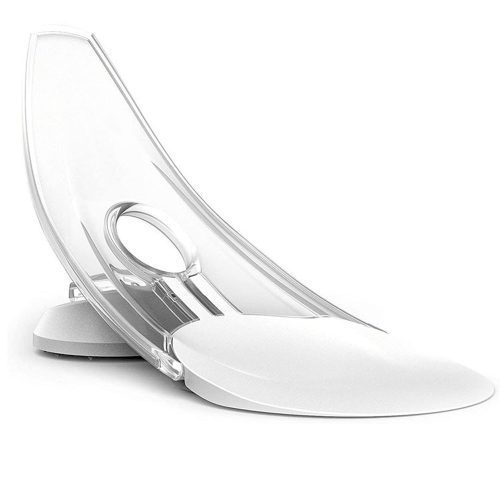
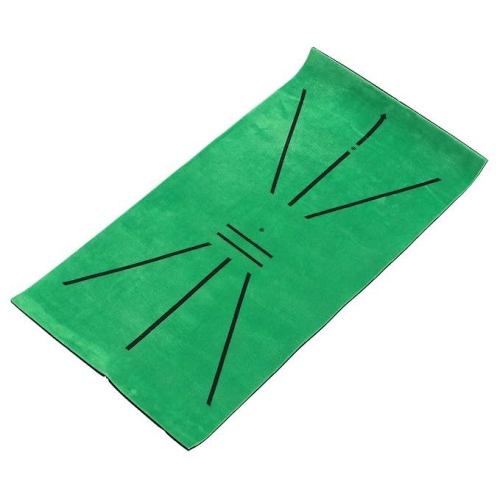
What a consistent roll can reveal about your putting
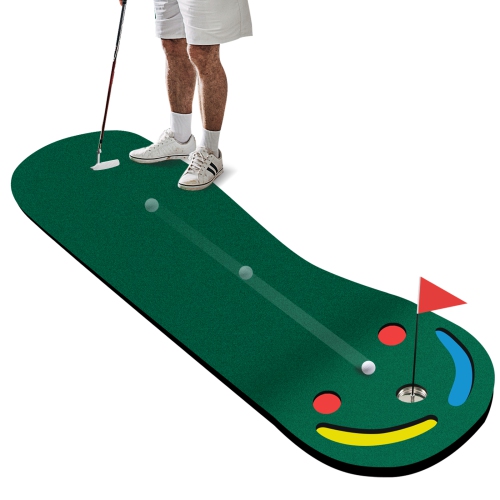
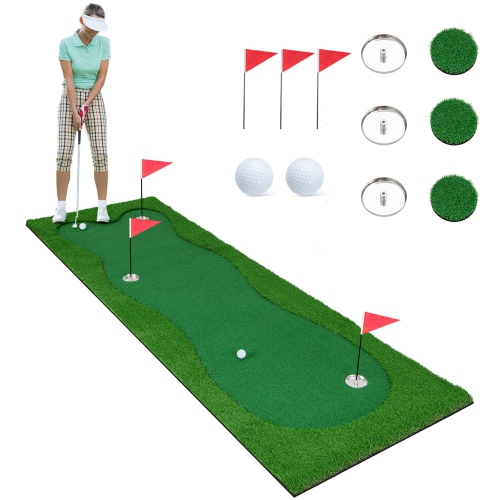
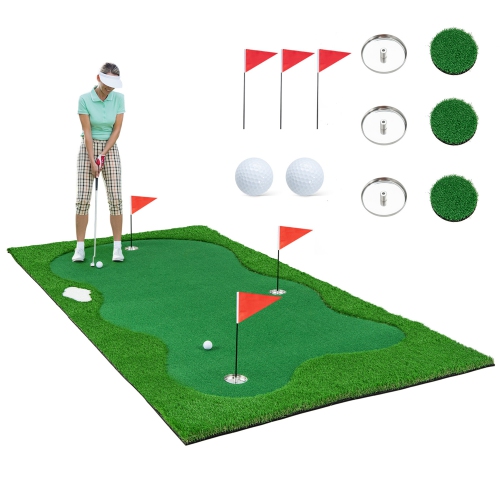
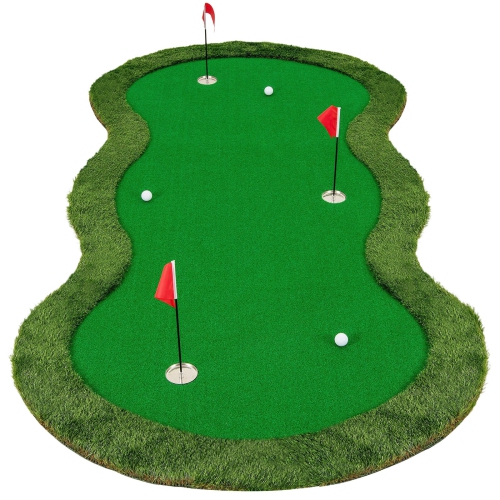
Golf putting mats bring a dedicated practice surface into a home, office, or recreation room, making it easier to work on the short strokes that matter on the green. Unlike an ordinary rug, a putting mat is designed to let a golf ball roll across a consistent surface towards a cup, target, or marked finishing zone. That consistency helps golfers notice differences in face alignment, starting direction, and distance control without needing a full golf setup. A narrow mat can suit someone repeating straight putts beside a desk, while a wider surface gives room to vary the starting position and approach a target from different angles. Length matters, but the usable putting distance is more useful than the overall dimensions: raised cup sections, return channels, and space behind the ball can reduce the distance available for a stroke. There also needs to be enough room alongside the mat for a comfortable stance and an unobstructed putter swing. In a shared living space, a roll-up design can make a short practice session easier to fit into the day; in a dedicated practice area, a larger mat can stay in place with several balls ready at one end. A level, firm floor generally provides a more consistent base than thick, soft carpet, which can allow the surface to shift underfoot or introduce unintended slopes. Putting mats are intended for controlled putting strokes rather than full swings, chips, or iron shots, so the surrounding space should suit that purpose. For a broader home practice setup, Golf Mats for Home Use provides a related category to explore, with the intended use of each mat remaining an important distinction. A surface built for striking golf balls serves a different role from one built for smooth putting roll, and neither should be assumed to replace the other.
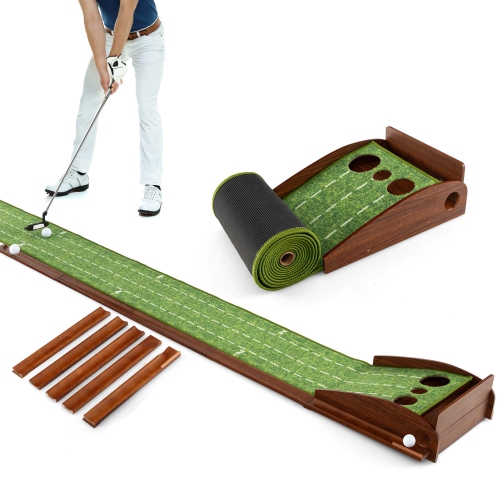
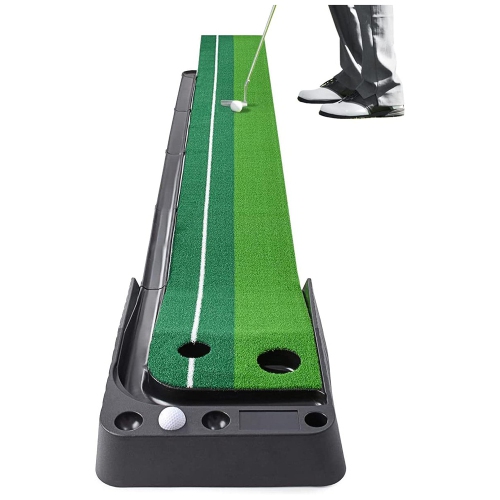
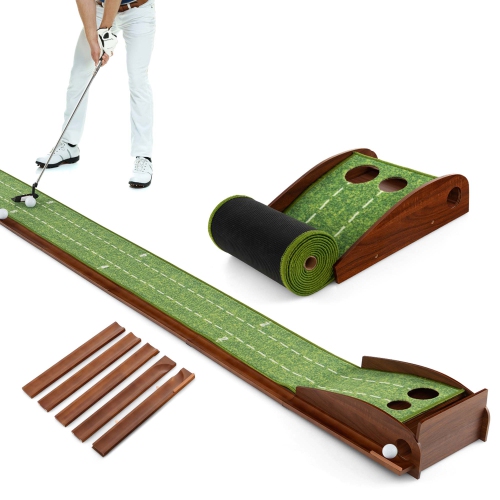
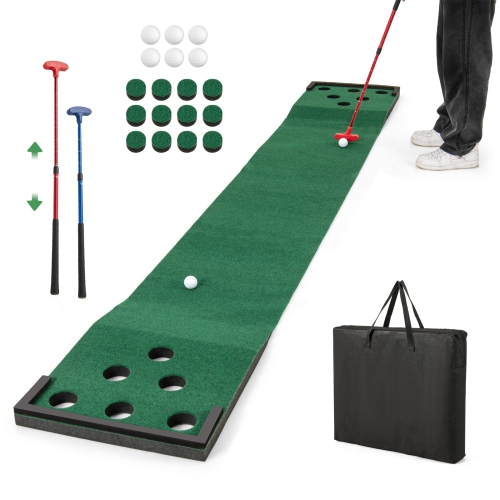
The feel of a golf putting mat depends on its surface fibres, backing, and construction working together. Synthetic turf made from materials such as nylon or polypropylene can provide a closely trimmed putting surface, while some designs use a smoother textile finish. Fibre type alone does not determine performance: pile height, density, directional grain, and the base beneath the mat all influence how a ball travels. A useful practice surface lets the ball roll without unexplained hops or sideways movement when the mat is laid correctly on a level floor. Some surfaces roll differently in opposite directions, which can offer variety but also means that identical strokes may finish at different distances. Green speed is sometimes described using a Stimpmeter rating, a measure of how far a ball rolls after release from a standardized device. A higher rating indicates a faster surface, although a stated mat speed should not be treated as a guarantee that it will match a particular golf course. Installation, surface condition, and the manufacturer's testing method can affect that comparison. Alignment lines and distance markings provide a different kind of feedback, helping golfers see whether the putter face is square to the intended line and whether the ball starts on that line. Target zones can make it easier to distinguish a putt that reaches the hole from one that would finish well beyond it. Raised ramps and recessed cups offer the satisfaction of holing a putt, but an uphill finish requires extra pace and does not behave exactly like a flat green. Ball-return channels reduce trips to retrieve balls, especially during repeated short-putt practice, although the return route needs to sit correctly to work smoothly. A flat target design offers a simpler way to observe finishing distance without a ramp altering the final part of the roll. Neither layout is automatically better; the practical difference is the kind of feedback a golfer wants from each stroke.
Durability and ease of care are especially important when a putting mat will be rolled out frequently or used in a room with other purposes. Rubber or foam backing can add cushioning and help the surface stay in position, though grip depends on the floor underneath and how clean both surfaces are. A heavier backing may resist movement more effectively, while a lighter construction can be easier to carry between rooms. Neatly finished edges help limit fraying, and a mat that settles flat is less likely to interrupt the roll or catch a foot along its border. Storage design matters just as much as the putting surface: a rolled mat needs suitable storage space, and rigid cup assemblies or return tracks may need to be stored separately. Following the manufacturer's rolling direction and keeping the surface free of tight folds can help reduce persistent creases. Heat, ironing, or heavy objects should not be used to flatten a mat unless the care instructions specifically allow them. Routine upkeep is usually straightforward, with loose debris removed using the recommended brush or vacuum setting and spills treated according to the material's cleaning directions. Clean golf balls and a clean putter face also help prevent grit from being worked into the fibres. For beginners, a simple straight target can make starting direction easier to understand; more experienced golfers may appreciate precise distance markings or enough width to change their setup between putts. A few balls aimed at a finishing zone can turn a brief break into focused distance-control practice, while alternating between marked starting points adds variety without requiring extra equipment. Putting mats can also make thoughtful gifts for golfers who enjoy practising at home, provided the recipient has enough floor space and a convenient place to store the mat. A compact layout may be more useful than a large one if it gets used regularly. The strongest fit is a mat that suits the golfer's space, offers clear feedback, and is easy enough to set up that practice becomes a natural part of the day.
The feel of a golf putting mat depends on its surface fibres, backing, and construction working together. Synthetic turf made from materials such as nylon or polypropylene can provide a closely trimmed putting surface, while some designs use a smoother textile finish. Fibre type alone does not determine performance: pile height, density, directional grain, and the base beneath the mat all influence how a ball travels. A useful practice surface lets the ball roll without unexplained hops or sideways movement when the mat is laid correctly on a level floor. Some surfaces roll differently in opposite directions, which can offer variety but also means that identical strokes may finish at different distances. Green speed is sometimes described using a Stimpmeter rating, a measure of how far a ball rolls after release from a standardized device. A higher rating indicates a faster surface, although a stated mat speed should not be treated as a guarantee that it will match a particular golf course. Installation, surface condition, and the manufacturer's testing method can affect that comparison. Alignment lines and distance markings provide a different kind of feedback, helping golfers see whether the putter face is square to the intended line and whether the ball starts on that line. Target zones can make it easier to distinguish a putt that reaches the hole from one that would finish well beyond it. Raised ramps and recessed cups offer the satisfaction of holing a putt, but an uphill finish requires extra pace and does not behave exactly like a flat green. Ball-return channels reduce trips to retrieve balls, especially during repeated short-putt practice, although the return route needs to sit correctly to work smoothly. A flat target design offers a simpler way to observe finishing distance without a ramp altering the final part of the roll. Neither layout is automatically better; the practical difference is the kind of feedback a golfer wants from each stroke.
Durability and ease of care are especially important when a putting mat will be rolled out frequently or used in a room with other purposes. Rubber or foam backing can add cushioning and help the surface stay in position, though grip depends on the floor underneath and how clean both surfaces are. A heavier backing may resist movement more effectively, while a lighter construction can be easier to carry between rooms. Neatly finished edges help limit fraying, and a mat that settles flat is less likely to interrupt the roll or catch a foot along its border. Storage design matters just as much as the putting surface: a rolled mat needs suitable storage space, and rigid cup assemblies or return tracks may need to be stored separately. Following the manufacturer's rolling direction and keeping the surface free of tight folds can help reduce persistent creases. Heat, ironing, or heavy objects should not be used to flatten a mat unless the care instructions specifically allow them. Routine upkeep is usually straightforward, with loose debris removed using the recommended brush or vacuum setting and spills treated according to the material's cleaning directions. Clean golf balls and a clean putter face also help prevent grit from being worked into the fibres. For beginners, a simple straight target can make starting direction easier to understand; more experienced golfers may appreciate precise distance markings or enough width to change their setup between putts. A few balls aimed at a finishing zone can turn a brief break into focused distance-control practice, while alternating between marked starting points adds variety without requiring extra equipment. Putting mats can also make thoughtful gifts for golfers who enjoy practising at home, provided the recipient has enough floor space and a convenient place to store the mat. A compact layout may be more useful than a large one if it gets used regularly. The strongest fit is a mat that suits the golfer's space, offers clear feedback, and is easy enough to set up that practice becomes a natural part of the day.
Top selling and popular products
-
 Your price for this item is $699.99
 -
 Your price for this item is $7249.99
 -
 Your price for this item is $2249.95
 -
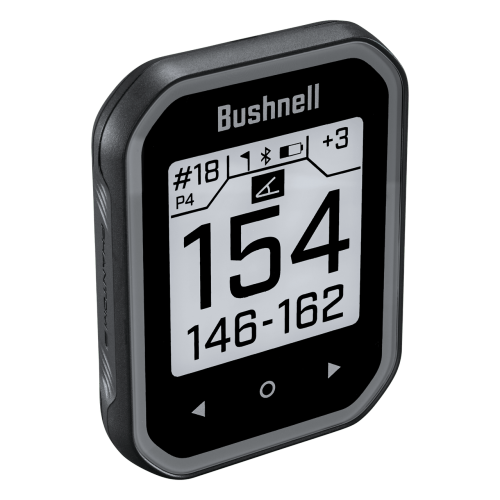 Your price for this item is $250
 -
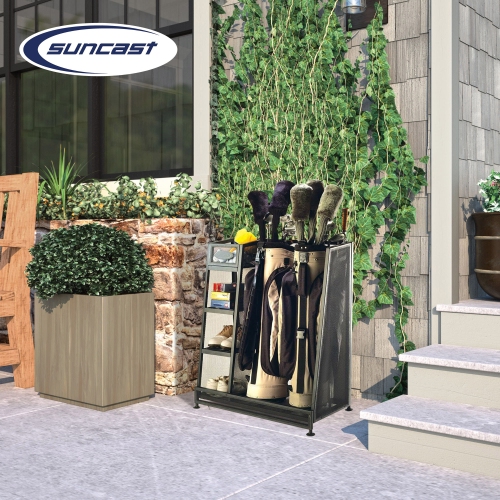 Your price for this item is $1020.99
 -
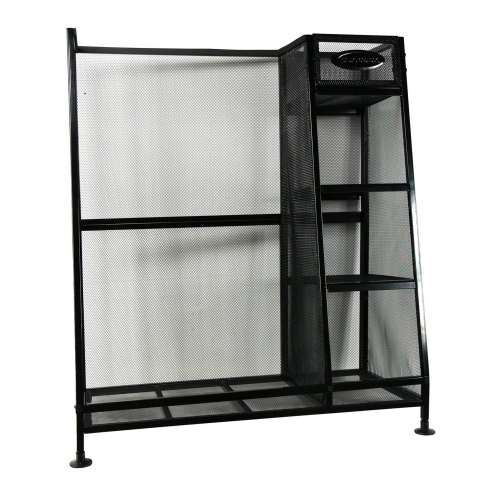 Your price for this item is $449.99
 -
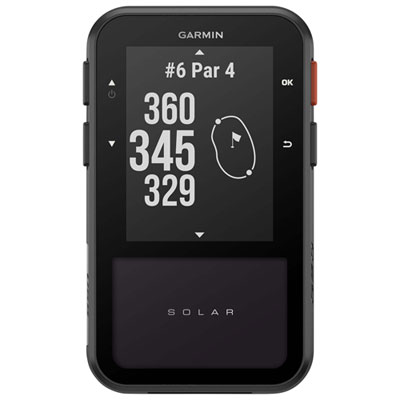 Your price for this item is $439.95
 -
 Your price for this item is $119.99
Discover more categories related to Golf Putting Mats

Top Collections:
Pokemon Centers, Kindle Devices, Best Budget Office Chairs, Apple iPhones 16, Samsung Galaxy Phones, Canon G7X Cameras, iPhone 15 Apple, Flip Phones, Best Laptops for Writers, Alarm Clock
Some products may be subject to Environmental Handling Fees
(EHF) depending on your province.
Learn more about EHFs.