Pro V1x Golf Balls
Elevate your game with Pro V1x Golf Balls, designed for golfers seeking reliable performance on the course. Whether you’re perfecting your swing at the driving range or competing in a tournament, these golf balls offer consistent quality for every round. Explore options that cater to all skill levels and playing styles, and find the right fit to help you achieve your best shot. Shop Pro V1x Golf Balls and get ready to experience enhanced play from tee to green.
Sort
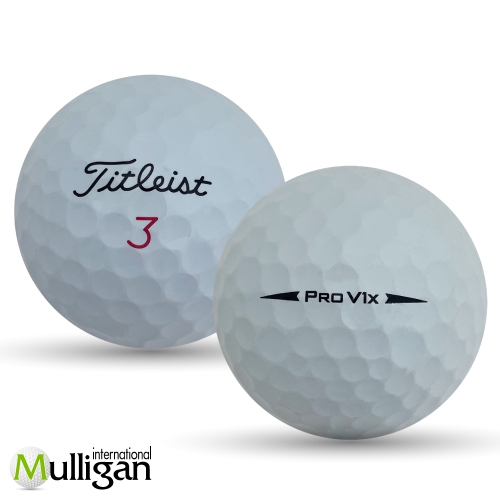
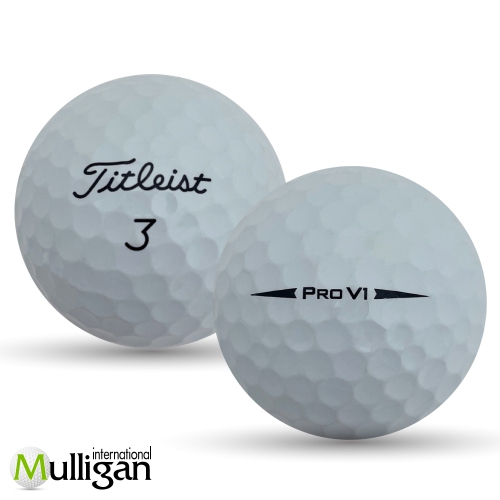
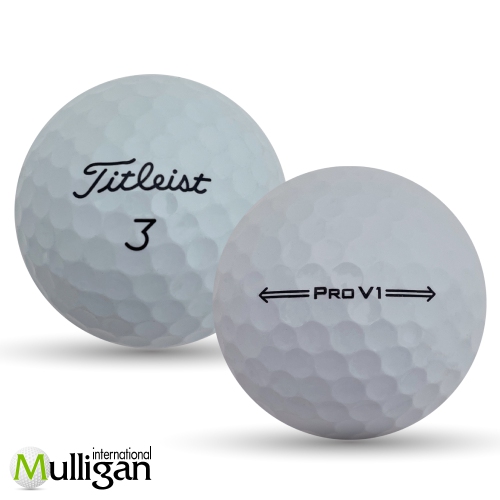
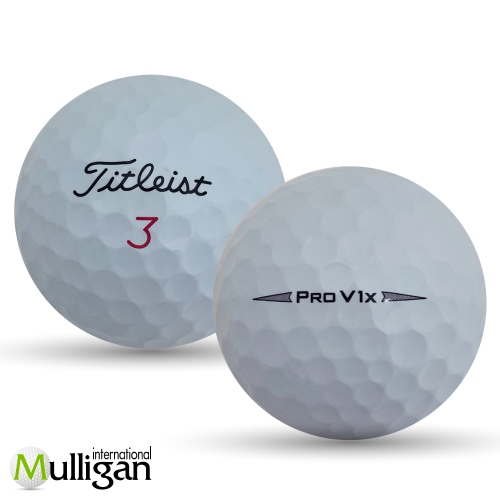
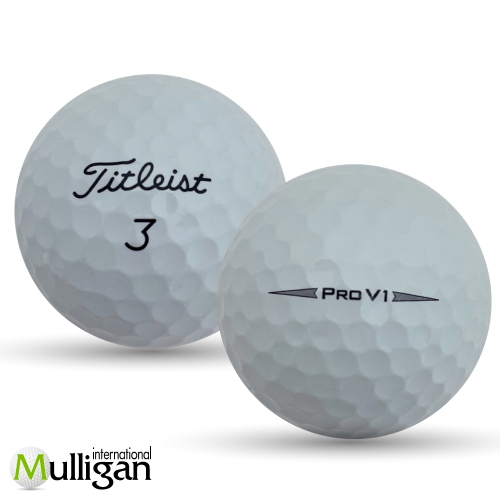
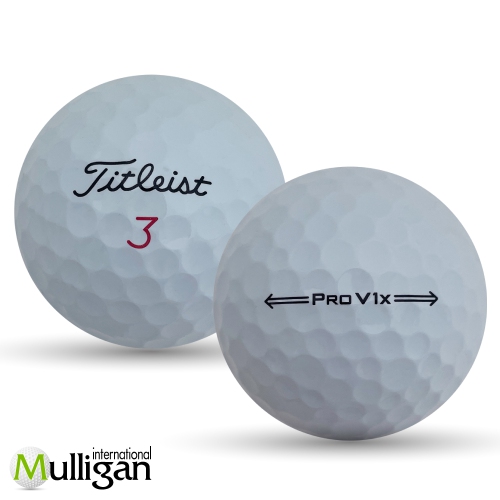
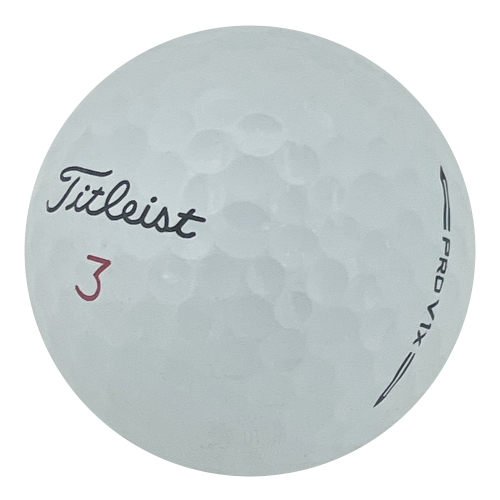
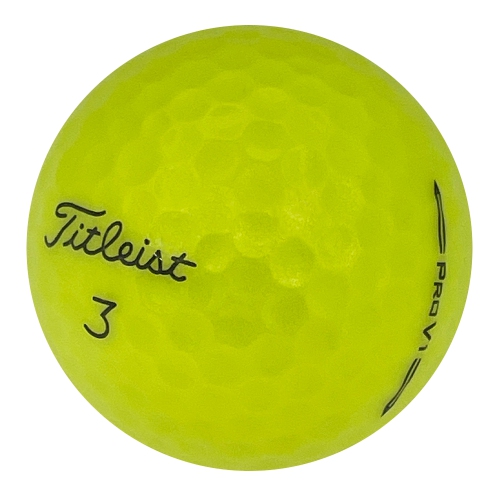
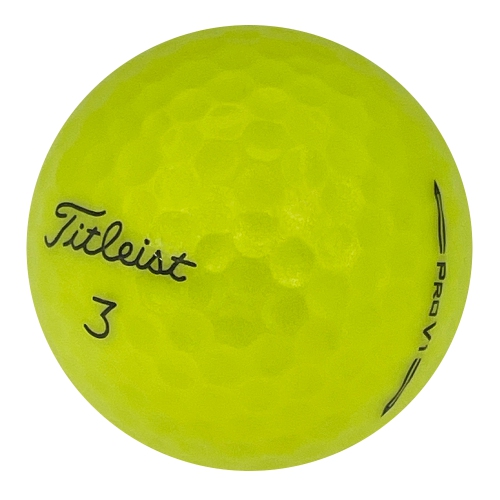
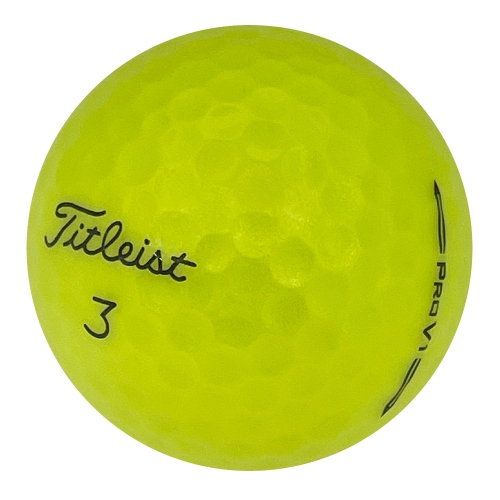
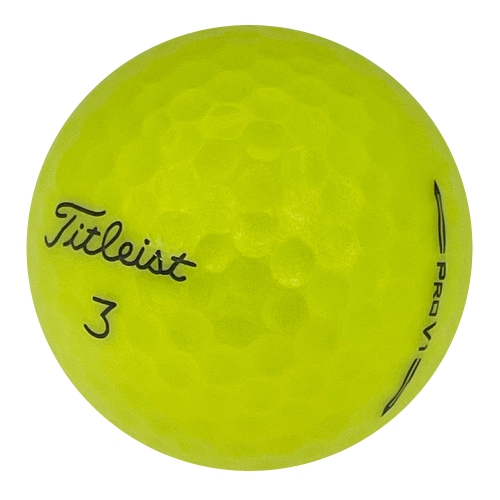
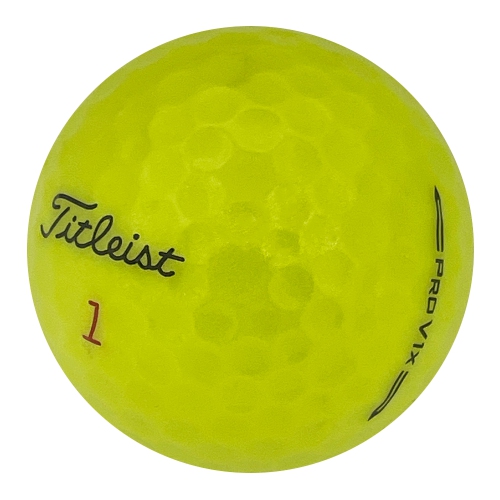
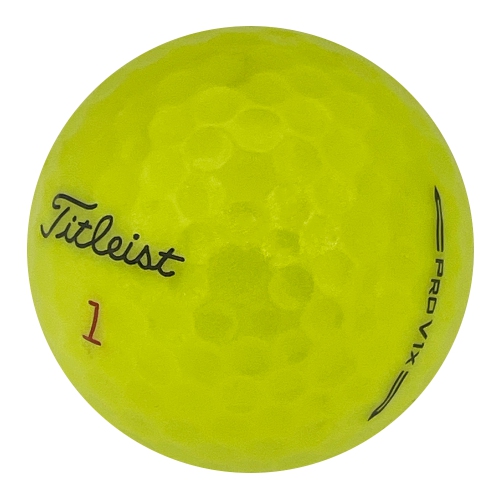
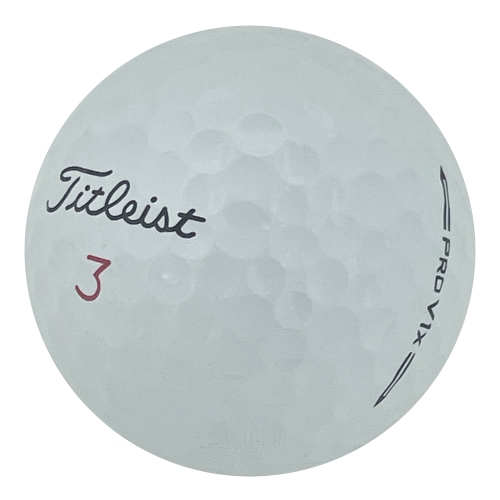
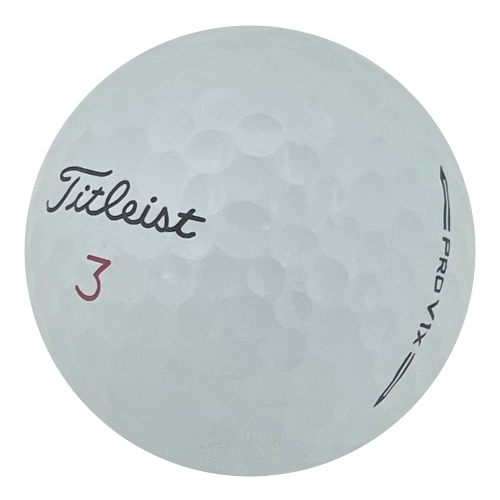
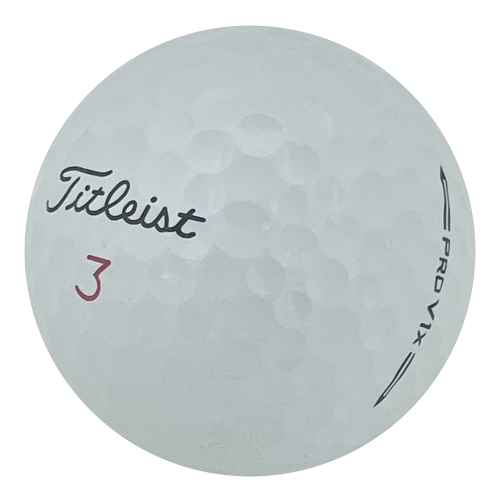

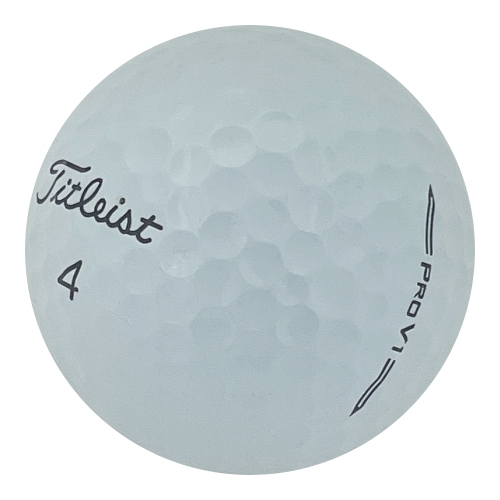
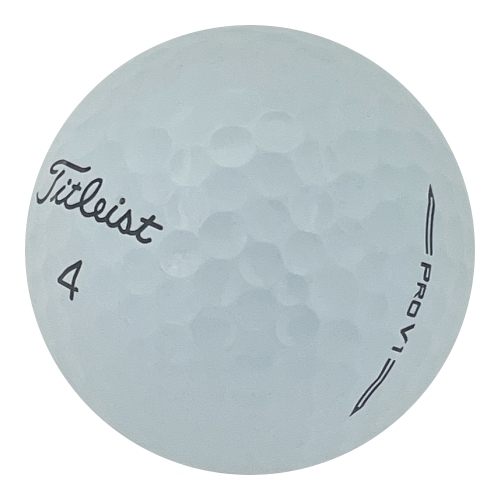
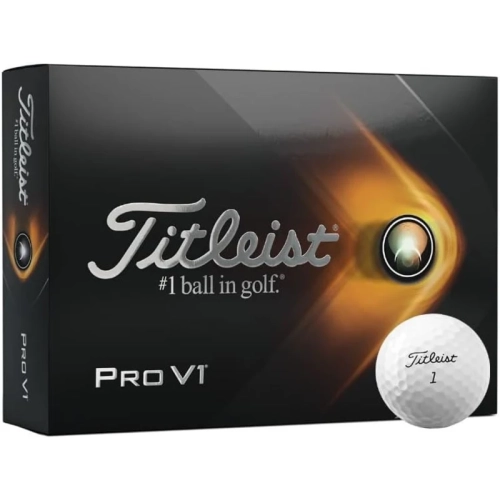
How four-piece design balances distance and greenside control
Tour-level, four-piece golf balls bring together distance, a higher flight, controlled spin and a distinctly responsive feel. Their appeal lies in how those qualities work across a full round: a solid drive from the tee, an iron approach that lands steeply, a wedge shot that checks on the green and a putt that leaves the face with a familiar sound. A typical four-piece construction uses a dual core, a casing layer and a thin outer cover, with each component contributing to performance. The core and casing help manage ball speed and spin on full swings, while a soft urethane cover supports the friction needed for greenside control. This layered design allows a ball to produce relatively low spin with the driver without giving up the higher spin useful on iron and wedge shots. Higher flight and a steeper descent can also help an approach stop closer to its landing point, although the result depends on strike quality, club delivery and the firmness of the green. A firmer impact sensation does not necessarily mean a hard cover or limited short-game touch; feel reflects the way the entire construction responds, as well as the club used to strike it. Dimple patterns contribute to aerodynamic performance, helping shape lift and drag as the ball travels. Neither dimple count nor the number of layers, taken alone, tells the whole story. The useful distinction is how the design balances flight, spin and feedback from tee to green. For golfers who want height on their approaches and a clear sense of contact through the putter, this performance profile offers a combination worth considering. It is particularly relevant when carrying a greenside bunker, holding a shallow putting surface or controlling the rollout of a short pitch matters as much as total distance.
The right fit for a golf ball is about playing characteristics rather than a physical size or a single swing-speed threshold. Golfers with different handicaps can appreciate a consistent tour-level ball, but the benefits will show up differently depending on their delivery and shot patterns. A player whose iron shots tend to arrive too flat may value a higher trajectory, while someone who already launches the ball very high may prefer a different flight profile. More wedge spin can be useful for an experienced player who varies trajectory and landing spots, yet it cannot replace clean contact or compensate fully for grass caught between the clubface and the ball. For many golfers, the most revealing differences appear within scoring distance rather than on the longest drive of the day. A half wedge from the fairway, a chip from the fringe and a long putt each reveal a different part of the ball’s character. Using the same type throughout a round helps make those responses more familiar, reducing one variable when judging carry and release. Compression is another consideration, but it should not be treated as a simple rating that assigns every golfer to a particular ball. Speed, launch, spin, strike location and personal feel preferences all contribute to suitability. Colour and markings matter in more practical ways. White and high-visibility finishes provide different visual contrast against grass, sand and the putting surface, while a clearly identifiable personal mark helps distinguish one ball from another during play. Alignment lines can provide a visual reference when setting up a putt, though their usefulness depends on a player’s routine. These golf balls can also make a thoughtful gift for a regular golfer, a playing partner or someone preparing for a golf trip. Matching a recipient’s familiar construction, colour and feel is generally more useful than choosing solely by appearance or assuming that a firmer ball belongs only in the bag of a highly skilled player.
Cover condition, care and intended use all affect how reliably a golf ball performs over time. Urethane covers combine a soft contact surface with durability for normal play, but they are not immune to damage. A crisp wedge strike may leave a light mark, while contact with a cart path, tree or exposed stone can cut or scrape the surface more noticeably. Superficial discolouration is different from a raised scuff, deep cut or distorted cover: damage that changes the surface can affect flight and is a reason to take a ball out of competitive play. A quick inspection after an unusual impact helps catch those changes. Gentle cleaning with water, mild soap and a soft cloth removes dirt without unnecessary abrasion; harsh solvents and stiff scraping tools can damage the finish. Drying balls before putting them back into a pocket or storage container keeps them clean and easier to inspect before the next round. For previously played balls, appearance alone cannot establish their history, and condition descriptions deserve attention. Refinished surfaces may make it harder to judge original wear, while mixed batches can include different constructions that do not respond identically. Golfers seeking repeatable feedback often prefer a clearly identified, consistent type for on-course play and short-game sessions. Dedicated practice serves a different purpose depending on the setting. Full-distance balls suit an approved driving range or practice area with adequate space, whereas foam or limited-flight designs are intended for more restricted settings and do not reproduce every aspect of on-course flight or spin. Golf Balls for Practice offer options for those distinct routines, with the appropriate choice depending on space, impact surfaces and facility rules. Around a practice green, using a ball with the same cover and performance profile as the one played on the course can make landing-point drills more meaningful. Familiar feedback from repeated chips, pitches and putts helps connect practice to the shots that matter during a round, while sensible care and regular inspection support dependable performance from the first tee to the final green.
The right fit for a golf ball is about playing characteristics rather than a physical size or a single swing-speed threshold. Golfers with different handicaps can appreciate a consistent tour-level ball, but the benefits will show up differently depending on their delivery and shot patterns. A player whose iron shots tend to arrive too flat may value a higher trajectory, while someone who already launches the ball very high may prefer a different flight profile. More wedge spin can be useful for an experienced player who varies trajectory and landing spots, yet it cannot replace clean contact or compensate fully for grass caught between the clubface and the ball. For many golfers, the most revealing differences appear within scoring distance rather than on the longest drive of the day. A half wedge from the fairway, a chip from the fringe and a long putt each reveal a different part of the ball’s character. Using the same type throughout a round helps make those responses more familiar, reducing one variable when judging carry and release. Compression is another consideration, but it should not be treated as a simple rating that assigns every golfer to a particular ball. Speed, launch, spin, strike location and personal feel preferences all contribute to suitability. Colour and markings matter in more practical ways. White and high-visibility finishes provide different visual contrast against grass, sand and the putting surface, while a clearly identifiable personal mark helps distinguish one ball from another during play. Alignment lines can provide a visual reference when setting up a putt, though their usefulness depends on a player’s routine. These golf balls can also make a thoughtful gift for a regular golfer, a playing partner or someone preparing for a golf trip. Matching a recipient’s familiar construction, colour and feel is generally more useful than choosing solely by appearance or assuming that a firmer ball belongs only in the bag of a highly skilled player.
Cover condition, care and intended use all affect how reliably a golf ball performs over time. Urethane covers combine a soft contact surface with durability for normal play, but they are not immune to damage. A crisp wedge strike may leave a light mark, while contact with a cart path, tree or exposed stone can cut or scrape the surface more noticeably. Superficial discolouration is different from a raised scuff, deep cut or distorted cover: damage that changes the surface can affect flight and is a reason to take a ball out of competitive play. A quick inspection after an unusual impact helps catch those changes. Gentle cleaning with water, mild soap and a soft cloth removes dirt without unnecessary abrasion; harsh solvents and stiff scraping tools can damage the finish. Drying balls before putting them back into a pocket or storage container keeps them clean and easier to inspect before the next round. For previously played balls, appearance alone cannot establish their history, and condition descriptions deserve attention. Refinished surfaces may make it harder to judge original wear, while mixed batches can include different constructions that do not respond identically. Golfers seeking repeatable feedback often prefer a clearly identified, consistent type for on-course play and short-game sessions. Dedicated practice serves a different purpose depending on the setting. Full-distance balls suit an approved driving range or practice area with adequate space, whereas foam or limited-flight designs are intended for more restricted settings and do not reproduce every aspect of on-course flight or spin. Golf Balls for Practice offer options for those distinct routines, with the appropriate choice depending on space, impact surfaces and facility rules. Around a practice green, using a ball with the same cover and performance profile as the one played on the course can make landing-point drills more meaningful. Familiar feedback from repeated chips, pitches and putts helps connect practice to the shots that matter during a round, while sensible care and regular inspection support dependable performance from the first tee to the final green.
Top selling and popular products
-
 Your price for this item is $699.99
 -
 Your price for this item is $7249.99
 -
 Your price for this item is $2249.95
 -
 Your price for this item is $250
 -
 Your price for this item is $1020.99
 -
 Your price for this item is $449.99
 -
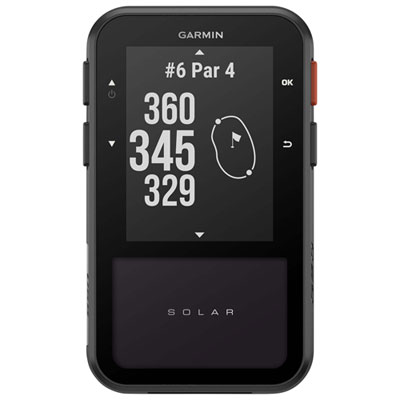 Your price for this item is $439.95
 -
 Your price for this item is $119.99
Discover more categories related to Pro V1x Golf Balls
Top Collections:
Pokemon Centers, Kindle Devices, Best Budget Office Chairs, Apple iPhones 16, Samsung Galaxy Phones, Canon G7X Cameras, iPhone 15 Apple, Flip Phones, Best Laptops for Writers, Alarm Clock
Some products may be subject to Environmental Handling Fees
(EHF) depending on your province.
Learn more about EHFs.