Side Mount Rod Holders
Looking to take your fishing game to the next level? Look no further than our selection of side mount rod holders. These versatile accessories are designed to securely hold your fishing rods in place, allowing you to keep your hands free while waiting for that perfect catch. Whether you're an avid angler or just enjoy the occasional fishing trip, our range of side mount rod holders offers a convenient and practical solution for keeping your rods organized and within easy reach. Explore our collection today and get ready to elevate your fishing experience like never before.
Sort

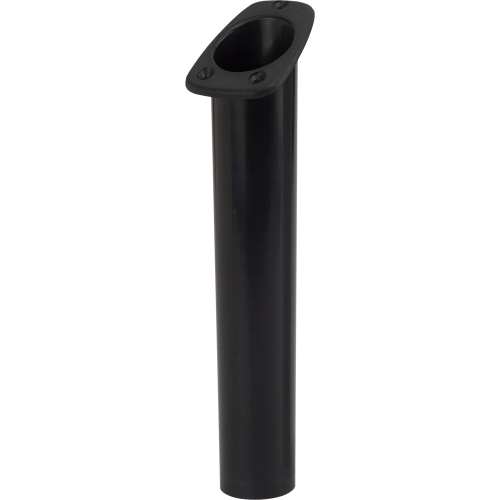
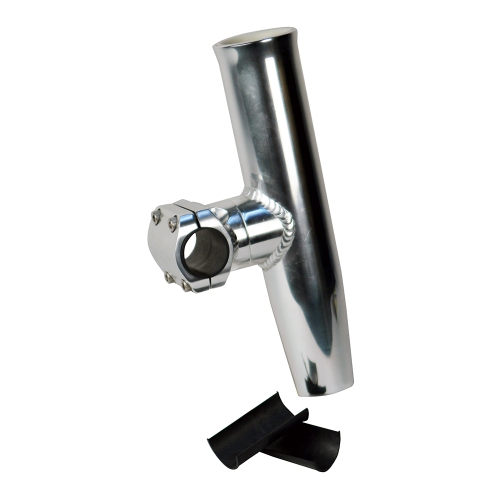

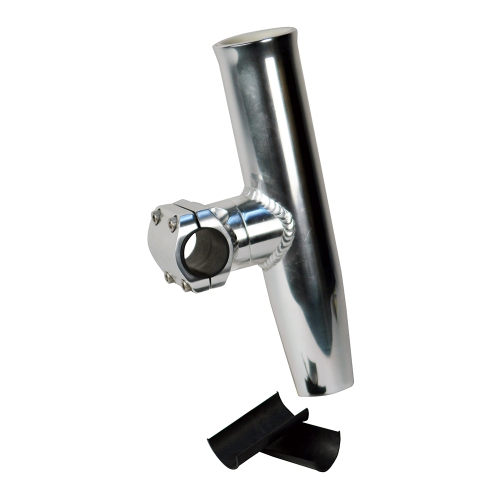
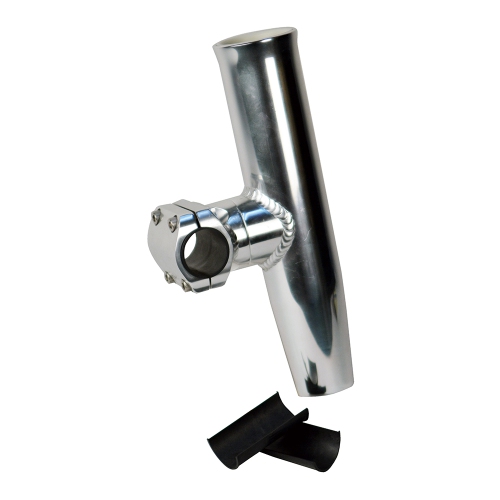


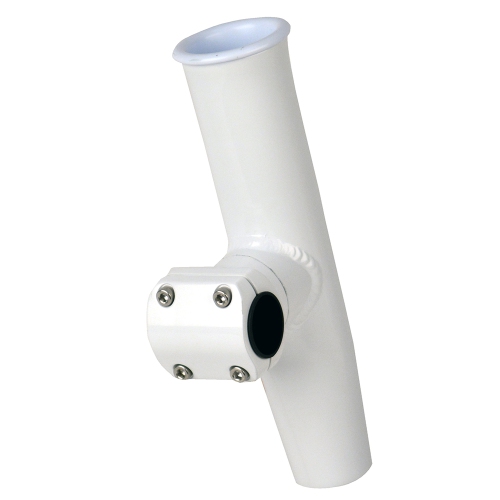
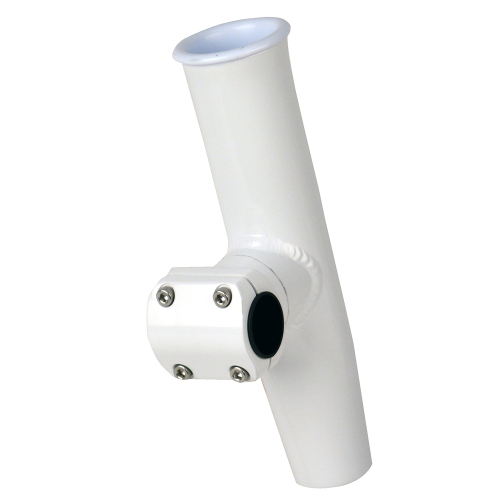

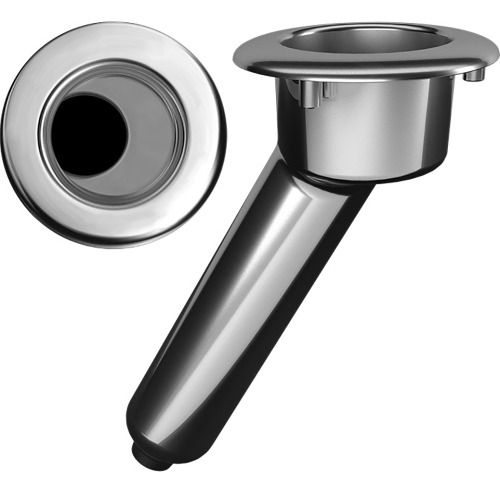
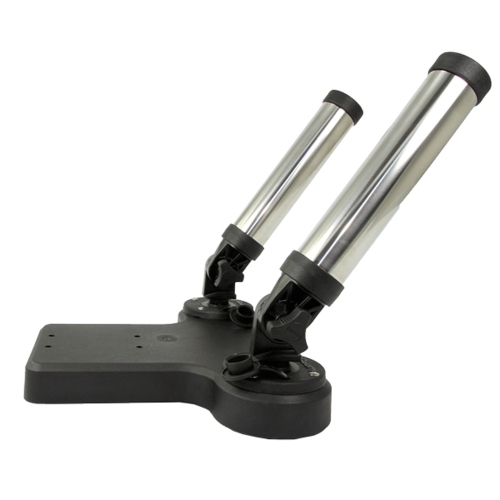

The right rod support goes beyond a snug fit
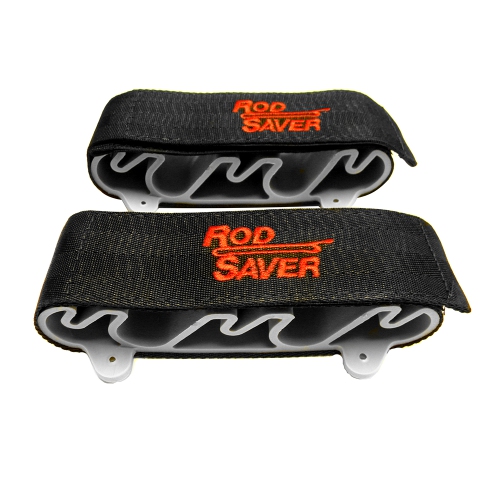
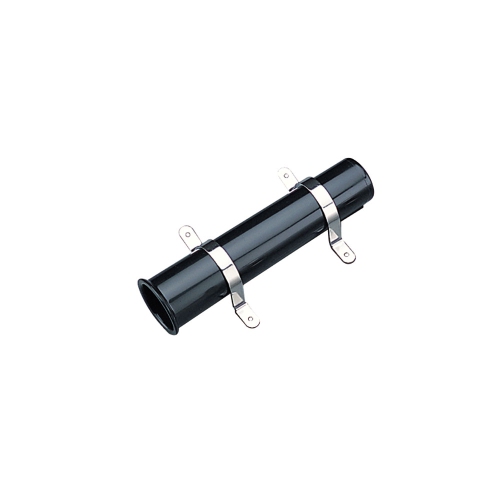
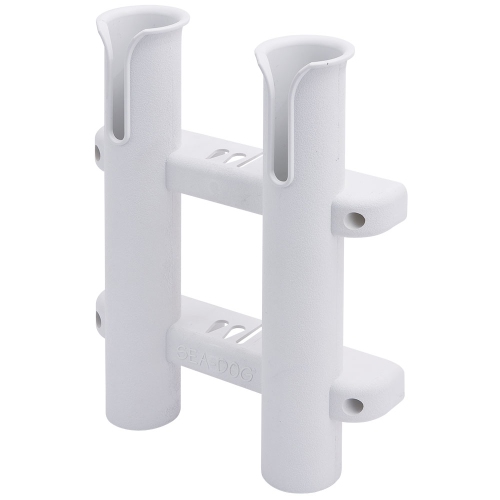
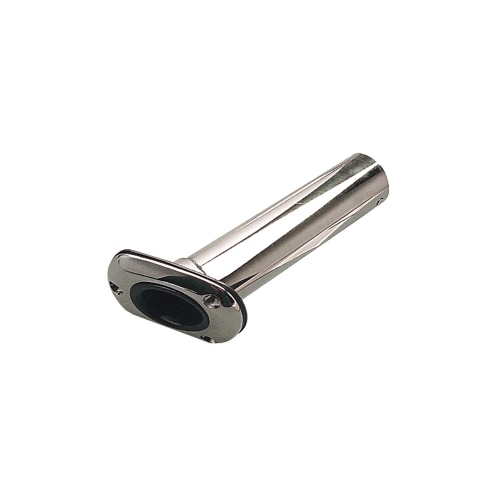
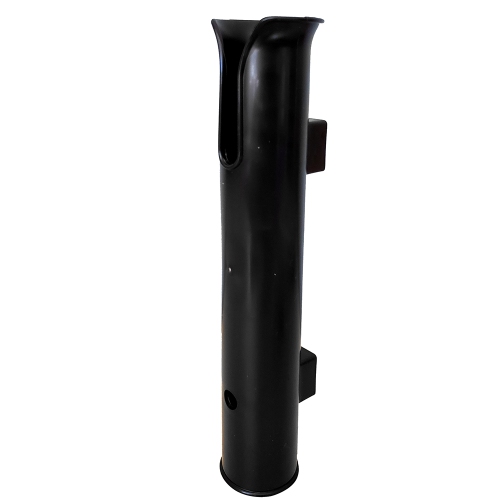
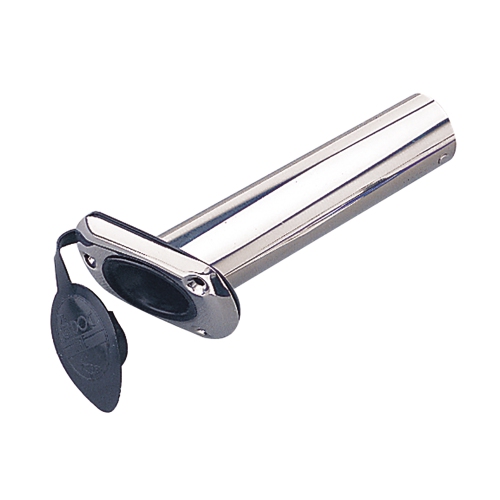
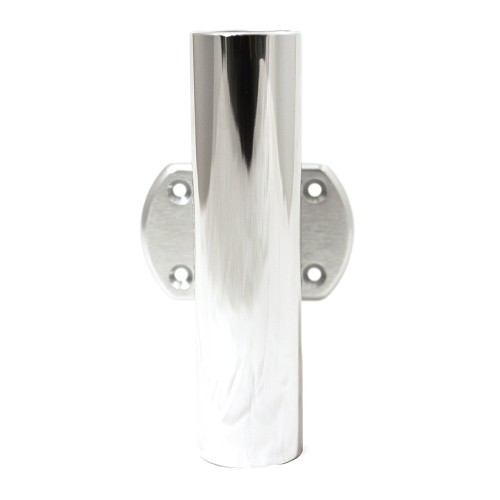
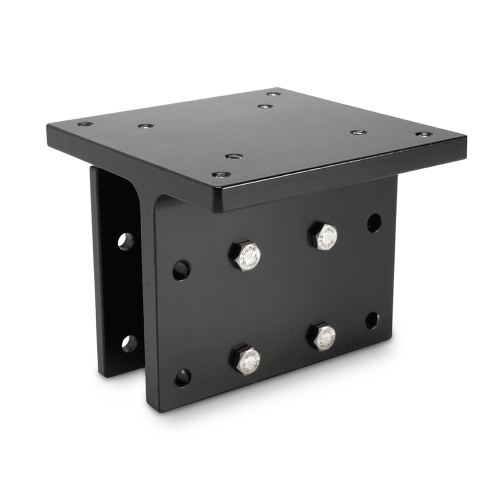
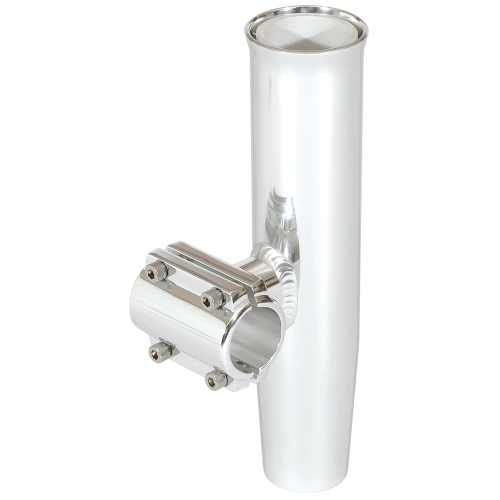
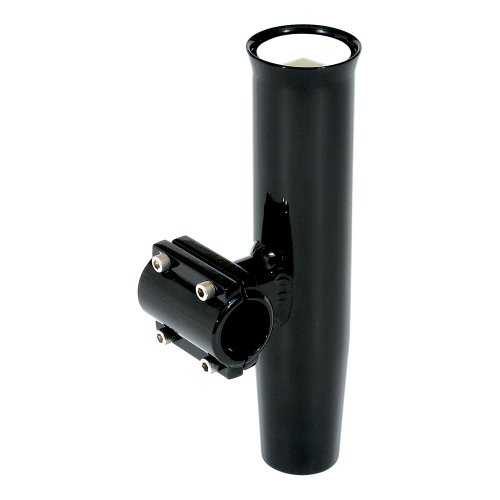
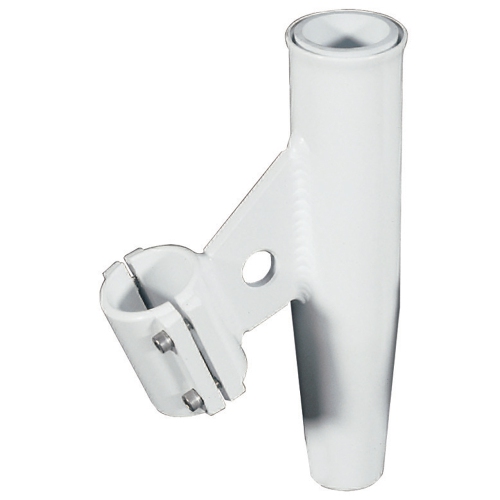
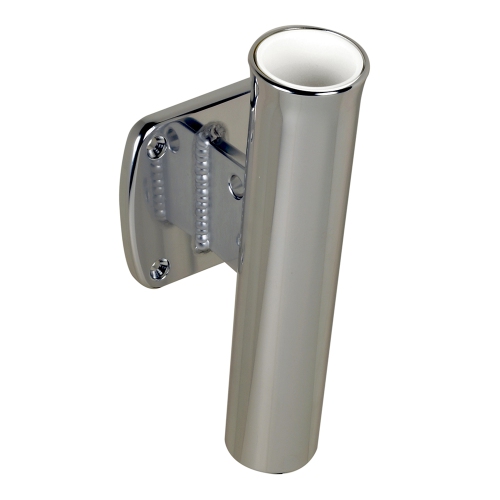
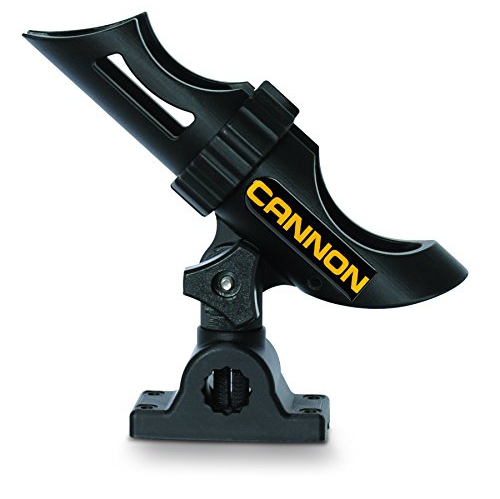
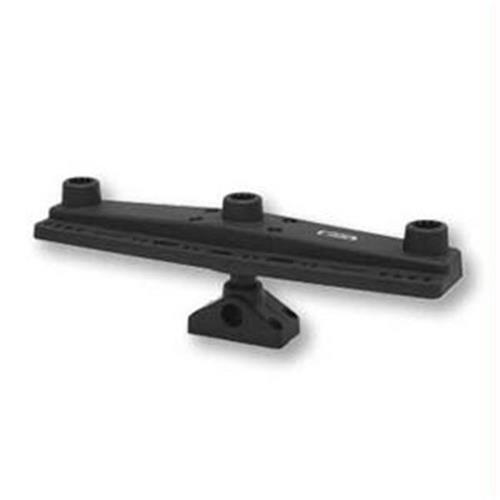
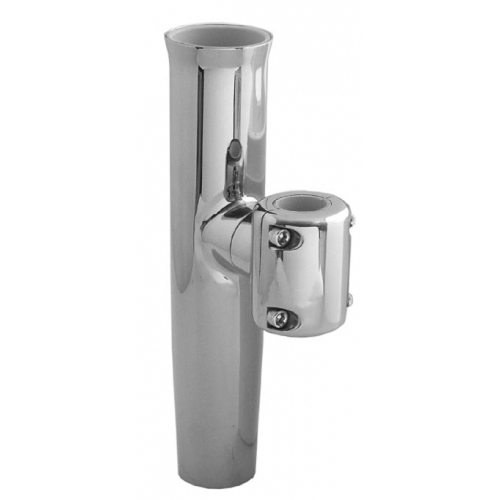
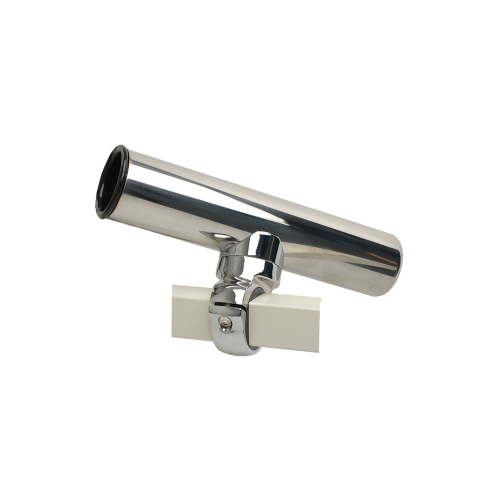
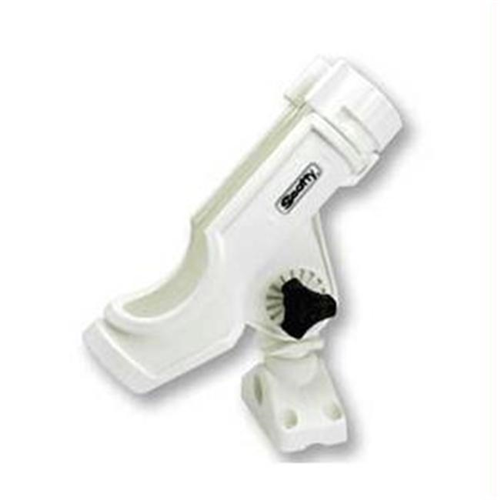
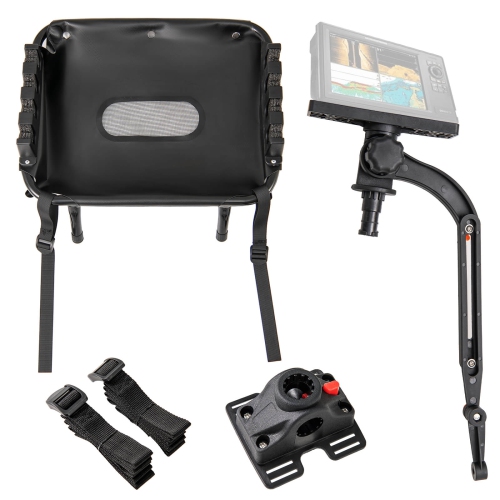
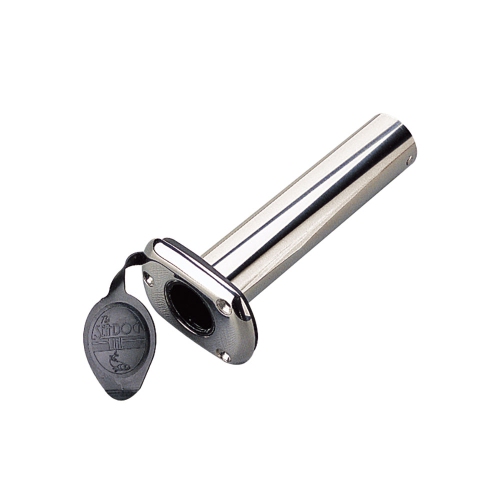
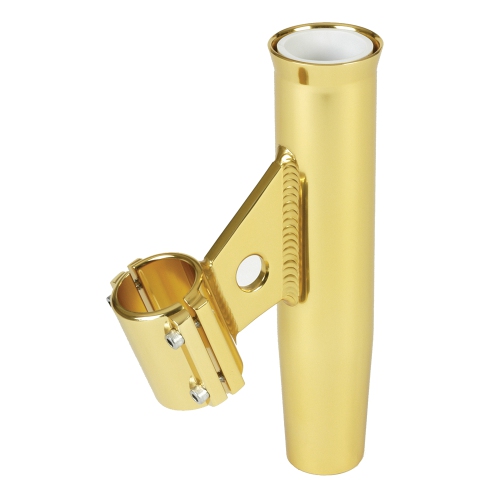
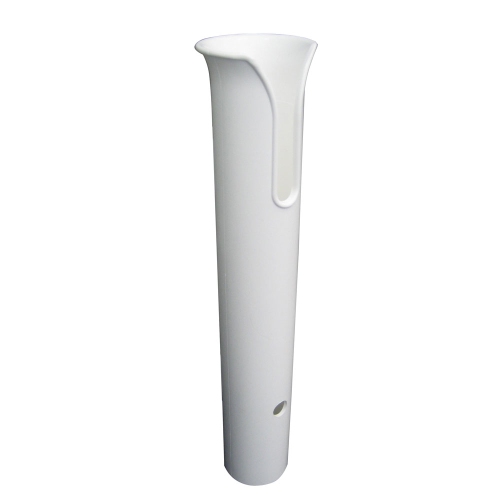
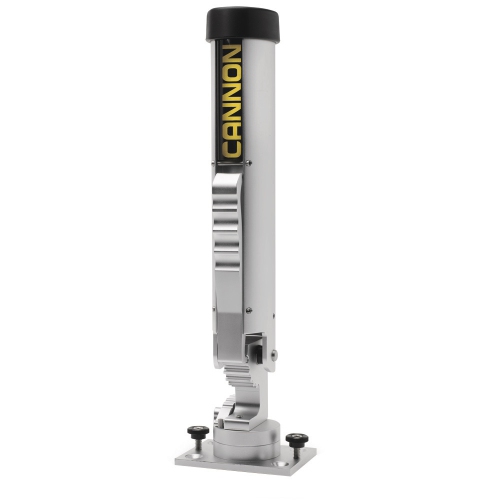
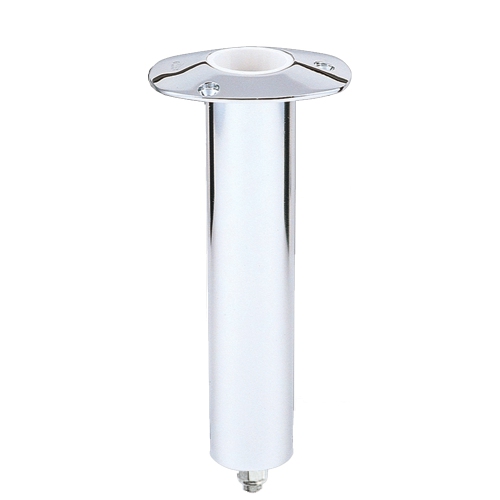
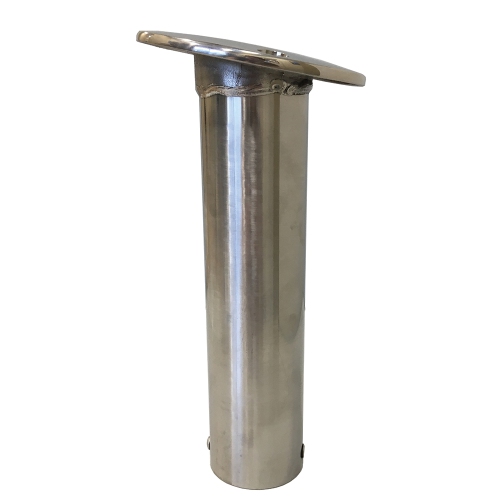
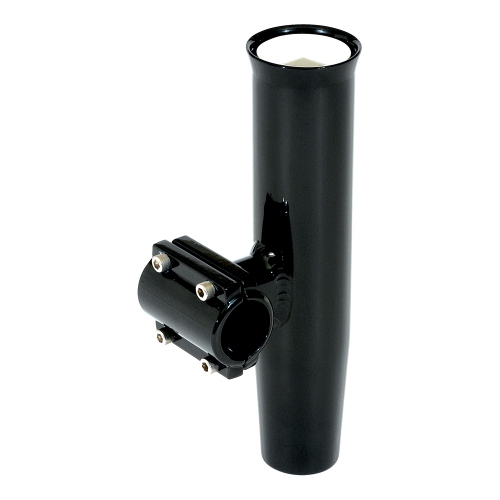
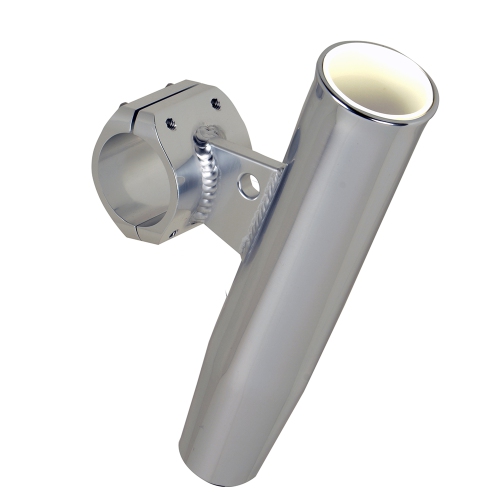
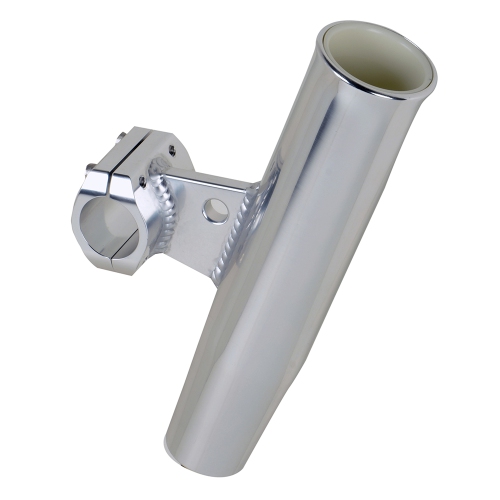
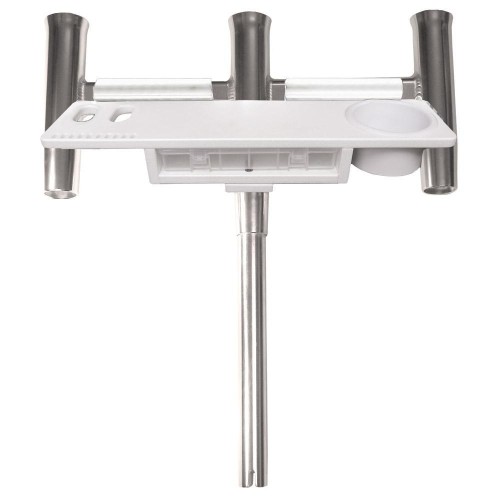
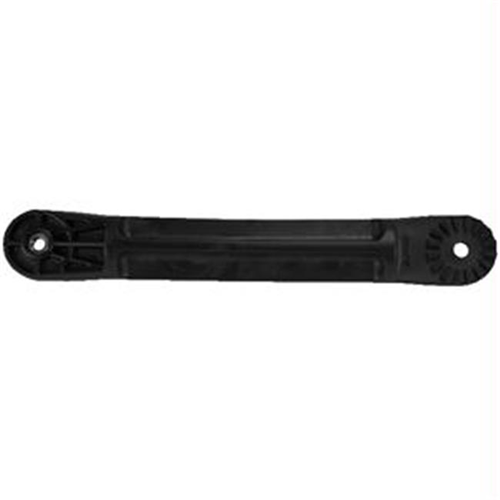
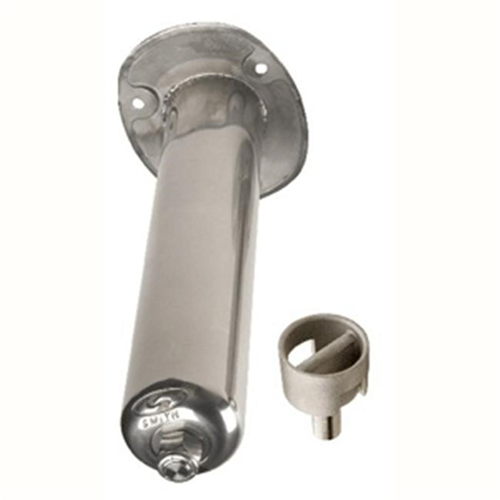
Side mount rod holders attach to the side of a boat, kayak, canoe, or another suitable vertical surface to support fishing rods without occupying the centre of the deck. Depending on their design, they can keep rods upright for storage or hold them at an angle while fishing. That distinction matters: a simple open tube designed to organize spare rods is not necessarily intended to withstand the pull of a lure during trolling. Fishing-oriented holders may include an adjustable cradle, a rotating base, or a retaining strap that helps keep a rod seated while leaving it accessible. Fixed-angle designs offer a straightforward setup with fewer moving parts, while adjustable designs let anglers position the rod tip away from the hull, separate fishing lines, or bring the handle within comfortable reach. Some assemblies allow horizontal rotation and vertical tilt, but the movement range and locking mechanism vary by design. On a compact kayak, a well-positioned side mount can free up space around the paddler’s legs and keep a spare rod from lying across the cockpit. Along a boat’s gunwale, it can create a dedicated place for tackle between casts or support a suitable rod during still fishing. The mounting location should allow room for the reel, handle, and rod tip without obstructing steering controls, paddle strokes, seating, or access to safety equipment. A flat mounting plate needs a compatible surface, while a rail clamp or track-mounted assembly requires matching hardware; these attachment styles are not automatically interchangeable. Side mounting also differs from a flush-mounted tube, which typically fits into an opening in the boat’s surface. Anglers comparing mounting layouts across a larger vessel can explore Boat Rod Holders for the broader category. For a side-mounted setup, the most useful starting points are the available mounting space, the rods being carried, and whether the holder is meant for storage, active fishing, or both.
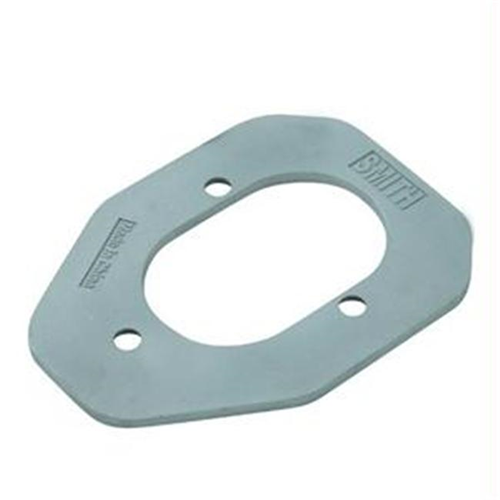
Materials and construction influence how a side mount rod holder feels in use and how well it stands up to repeated trips on the water. Marine-grade stainless steel is a common choice for rigid tube holders because it combines strength with corrosion resistance, although the steel grade, weld quality, and surface finish all matter. Stainless steel is not completely immune to staining or corrosion, especially around joints and fasteners exposed to saltwater. Fibre-reinforced nylon can provide a relatively light structure for adjustable holders, with moulded shapes that accommodate rod handles and reel stems. Depending on the design, plastic liners, cushioned collars, or smooth interior surfaces help limit abrasion where the rod contacts the holder. Aluminium can also offer a lighter metal option, though its finish and compatibility with neighbouring metals deserve attention. The mounting hardware is just as important as the visible holder: a sturdy body cannot compensate for an attachment point that flexes or fasteners that are unsuitable for the mounting surface. Thin panels, hollow spaces, and curved gunwales may require an appropriate backing arrangement or a different mounting location, as specified by the watercraft and holder manufacturers. Any installation that penetrates a hull or panel also needs suitable sealing and an understanding of what lies behind that surface. For trolling, resistance from the lure and sudden strikes can place substantial force on the rod, holder, and mount, so the assembly needs to be expressly suitable for that use. For stationary fishing, comfortable positioning and easy rod removal may be more important than extensive adjustment. A locking joint should hold its selected angle securely, while a retention feature should be easy to release when a fish takes the bait. Rod holders support tackle; they are not grab handles, boarding aids, or tie-down points. Choosing a mounting position with those limits in mind helps keep the fishing setup practical without encouraging unintended use.
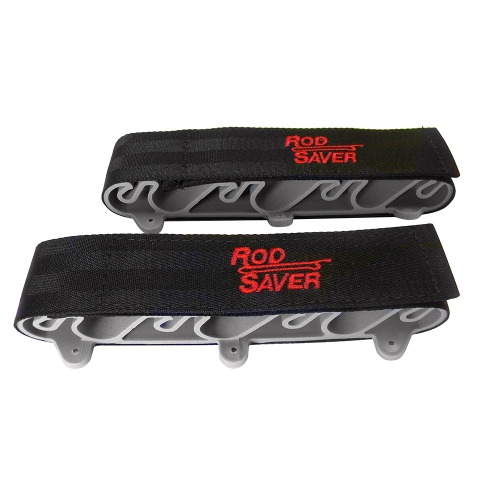
Fit involves more than whether a rod handle slides into an opening. Handle diameter, butt length, reel position, and the shape of the holder all affect how securely a rod sits and how easily it can be lifted out. A long butt section may extend below a side-mounted tube and interfere with a seat or nearby storage compartment. A spinning reel may need additional clearance beneath the rod, while a baitcasting reel can require a different cradle position. Holders with slots or shaped supports may accommodate certain reel arrangements more comfortably, but compatibility should be checked rather than assumed. Where several holders sit along the same side of a boat, spacing should leave room for reel handles and prevent neighbouring rods from knocking together. It should also keep hooks and lures away from passengers moving through the boat. For kayak anglers, a seated reach check can reveal whether a holder is conveniently placed or forces an awkward twist; rod leashes may provide an additional safeguard when used without creating an entanglement hazard. Care is generally straightforward, but it makes a difference to long-term performance. A fresh-water rinse after saltwater use helps remove residue from tubes, joints, and fasteners, and allowing the assembly to dry before storage reduces trapped moisture. Sand and grit should be cleared from adjustment mechanisms so they do not interfere with engagement or wear against moving surfaces. Periodic checks for loose hardware, cracks, worn liners, and corrosion help identify problems before a holder is relied on during a fishing trip. Removable designs can make cleaning and transport easier, provided their bases and locking parts remain secure when reassembled. Side mount rod holders can be a thoughtful gift for an angler who is outfitting a boat or refining a kayak setup, especially when the recipient’s mounting system and rod dimensions are already known. The best match is one that suits the craft, supports the intended fishing method, and keeps frequently used tackle within an easy, unobstructed reach.
Materials and construction influence how a side mount rod holder feels in use and how well it stands up to repeated trips on the water. Marine-grade stainless steel is a common choice for rigid tube holders because it combines strength with corrosion resistance, although the steel grade, weld quality, and surface finish all matter. Stainless steel is not completely immune to staining or corrosion, especially around joints and fasteners exposed to saltwater. Fibre-reinforced nylon can provide a relatively light structure for adjustable holders, with moulded shapes that accommodate rod handles and reel stems. Depending on the design, plastic liners, cushioned collars, or smooth interior surfaces help limit abrasion where the rod contacts the holder. Aluminium can also offer a lighter metal option, though its finish and compatibility with neighbouring metals deserve attention. The mounting hardware is just as important as the visible holder: a sturdy body cannot compensate for an attachment point that flexes or fasteners that are unsuitable for the mounting surface. Thin panels, hollow spaces, and curved gunwales may require an appropriate backing arrangement or a different mounting location, as specified by the watercraft and holder manufacturers. Any installation that penetrates a hull or panel also needs suitable sealing and an understanding of what lies behind that surface. For trolling, resistance from the lure and sudden strikes can place substantial force on the rod, holder, and mount, so the assembly needs to be expressly suitable for that use. For stationary fishing, comfortable positioning and easy rod removal may be more important than extensive adjustment. A locking joint should hold its selected angle securely, while a retention feature should be easy to release when a fish takes the bait. Rod holders support tackle; they are not grab handles, boarding aids, or tie-down points. Choosing a mounting position with those limits in mind helps keep the fishing setup practical without encouraging unintended use.
Fit involves more than whether a rod handle slides into an opening. Handle diameter, butt length, reel position, and the shape of the holder all affect how securely a rod sits and how easily it can be lifted out. A long butt section may extend below a side-mounted tube and interfere with a seat or nearby storage compartment. A spinning reel may need additional clearance beneath the rod, while a baitcasting reel can require a different cradle position. Holders with slots or shaped supports may accommodate certain reel arrangements more comfortably, but compatibility should be checked rather than assumed. Where several holders sit along the same side of a boat, spacing should leave room for reel handles and prevent neighbouring rods from knocking together. It should also keep hooks and lures away from passengers moving through the boat. For kayak anglers, a seated reach check can reveal whether a holder is conveniently placed or forces an awkward twist; rod leashes may provide an additional safeguard when used without creating an entanglement hazard. Care is generally straightforward, but it makes a difference to long-term performance. A fresh-water rinse after saltwater use helps remove residue from tubes, joints, and fasteners, and allowing the assembly to dry before storage reduces trapped moisture. Sand and grit should be cleared from adjustment mechanisms so they do not interfere with engagement or wear against moving surfaces. Periodic checks for loose hardware, cracks, worn liners, and corrosion help identify problems before a holder is relied on during a fishing trip. Removable designs can make cleaning and transport easier, provided their bases and locking parts remain secure when reassembled. Side mount rod holders can be a thoughtful gift for an angler who is outfitting a boat or refining a kayak setup, especially when the recipient’s mounting system and rod dimensions are already known. The best match is one that suits the craft, supports the intended fishing method, and keeps frequently used tackle within an easy, unobstructed reach.
Top selling and popular products
-
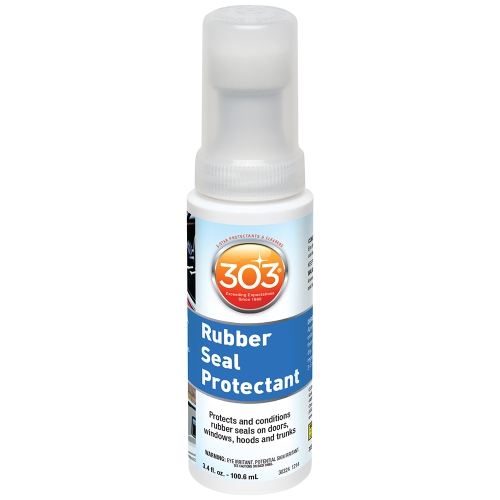 Your price for this item is $31.43
 -
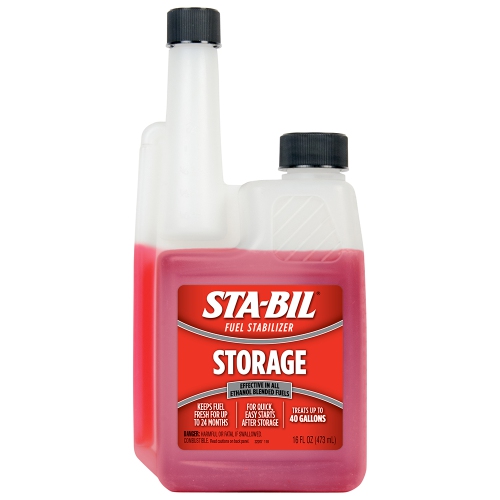 Your price for this item is $30.54
 -
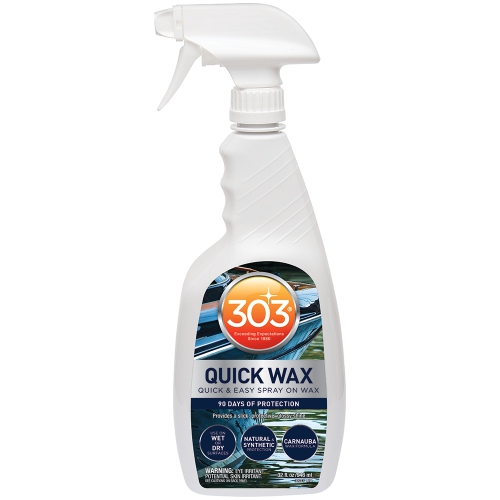 Your price for this item is $38.85
 -
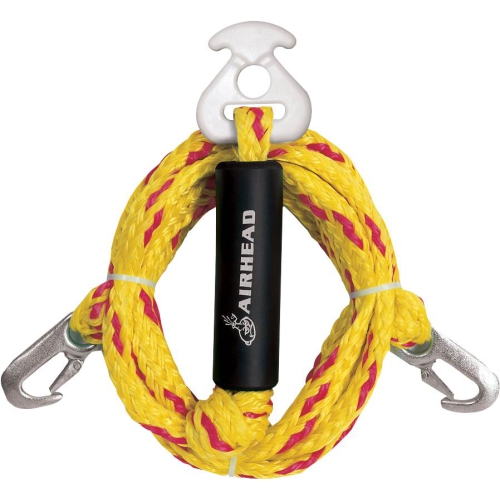 Your price for this item is $92.99
 -
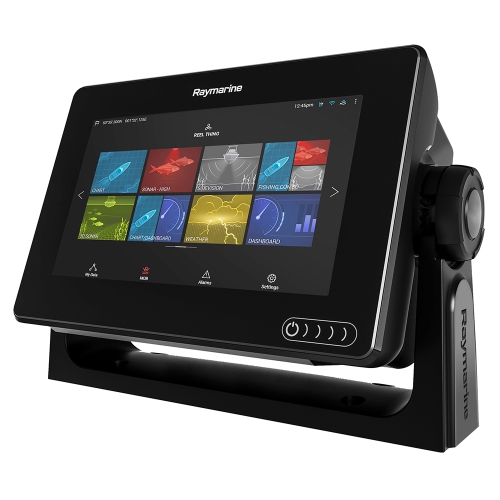 Your price for this item is $917.79
 -
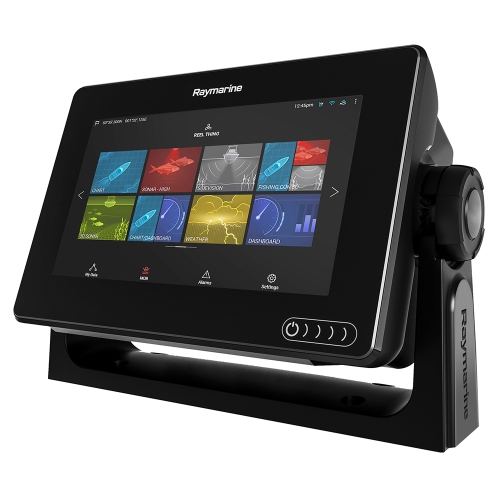 Your price for this item is $844.31
 -
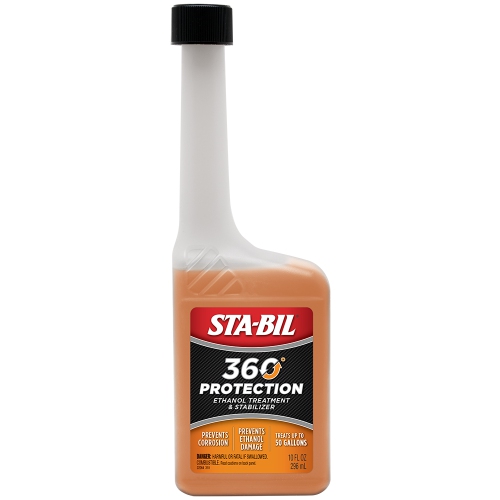 Your price for this item is $31.46
 -
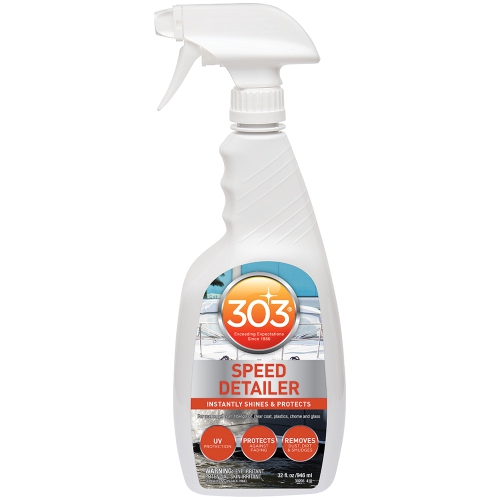 Your price for this item is $34.93
Discover more categories related to Side Mount Rod Holders
Top Collections:
Pokemon Centers, Kindle Devices, Best Budget Office Chairs, Apple iPhones 16, Samsung Galaxy Phones, Canon G7X Cameras, iPhone 15 Apple, Flip Phones, Best Laptops for Writers, Alarm Clock
Some products may be subject to Environmental Handling Fees
(EHF) depending on your province.
Learn more about EHFs.