Table Hockey
Get ready to bring the excitement of the arcade into your own home with our selection of table hockey games. Whether you're a seasoned pro or new to the game, these tabletop setups provide hours of fun for players of all ages. Perfect for family game nights, friendly competitions with friends, or just honing your skills solo, table hockey is a classic pastime that never goes out of style. Browse our collection to find the perfect addition to your game room or entertainment space.
Sort
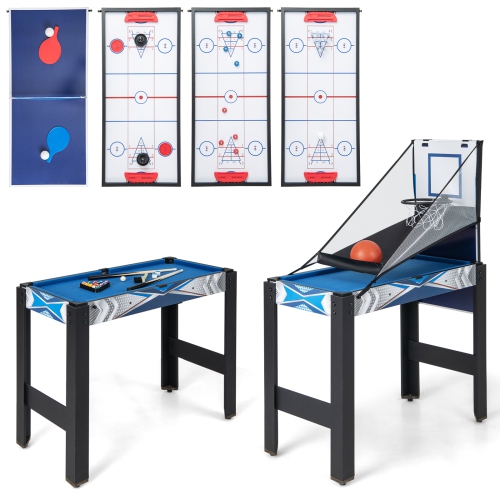
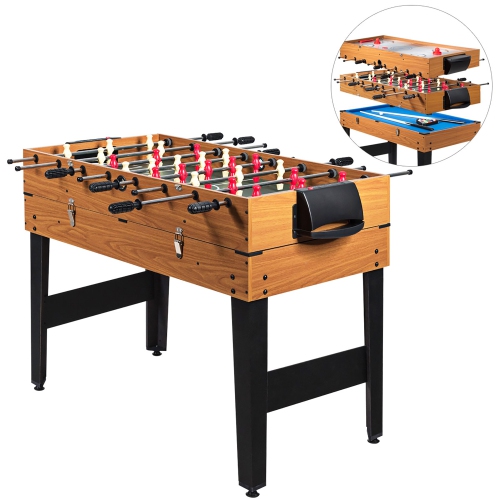
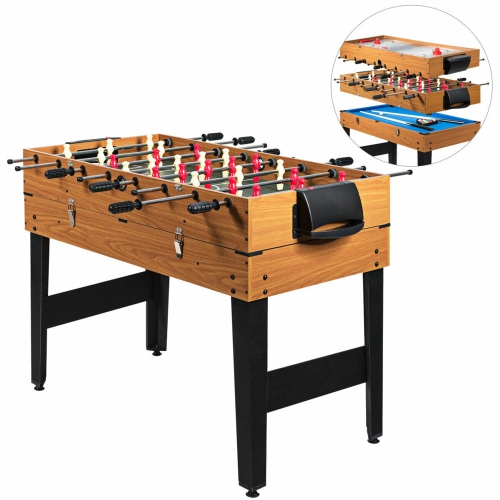
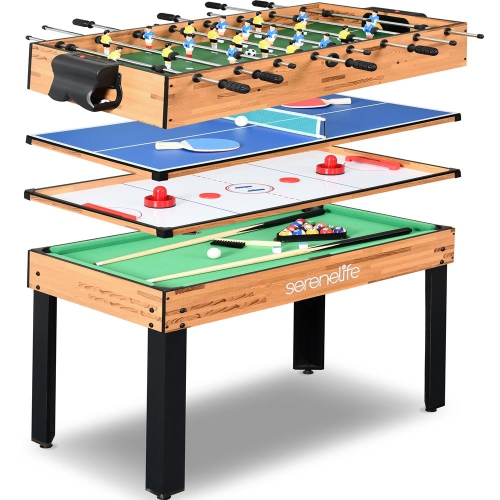
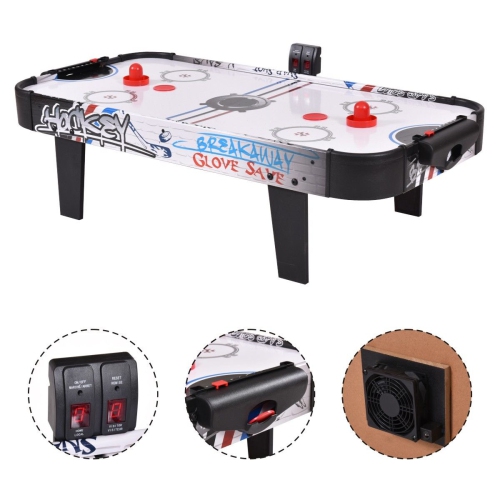
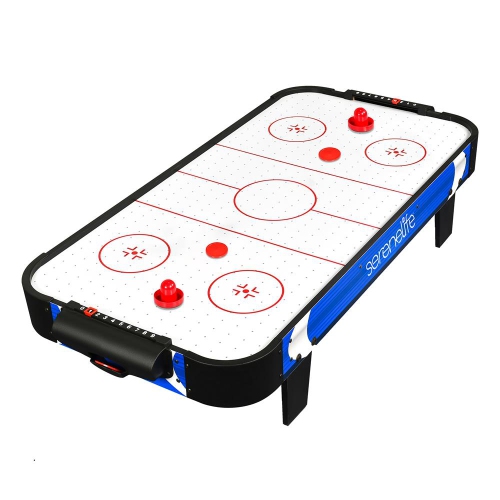
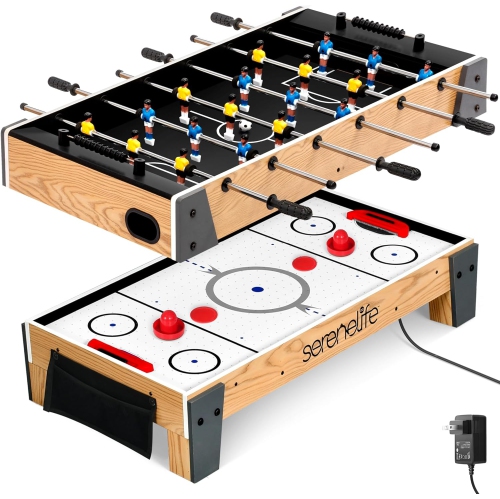
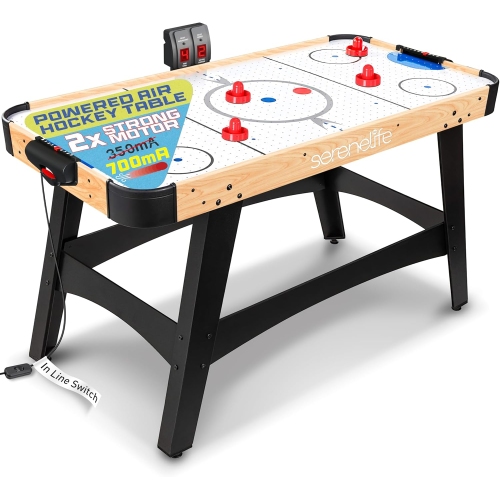
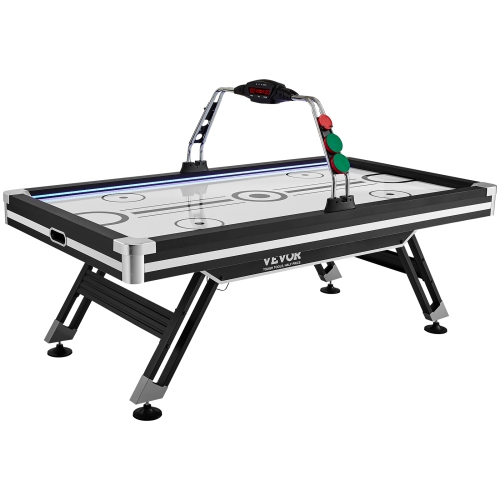
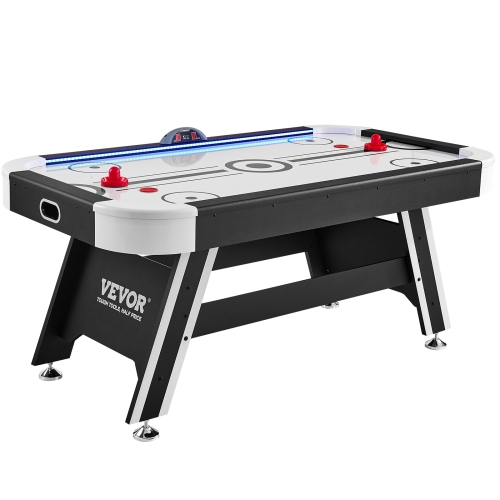
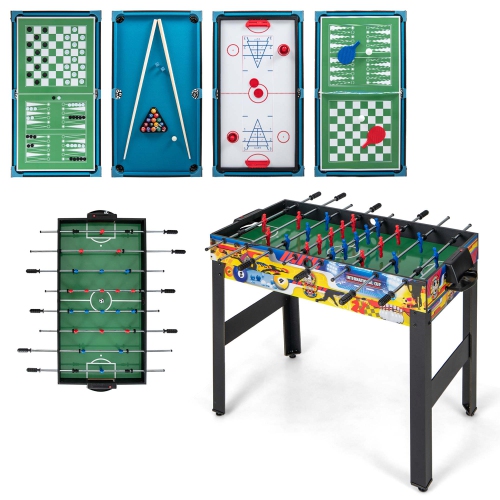
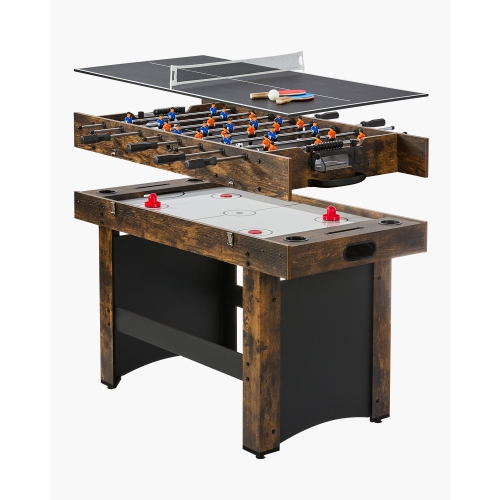
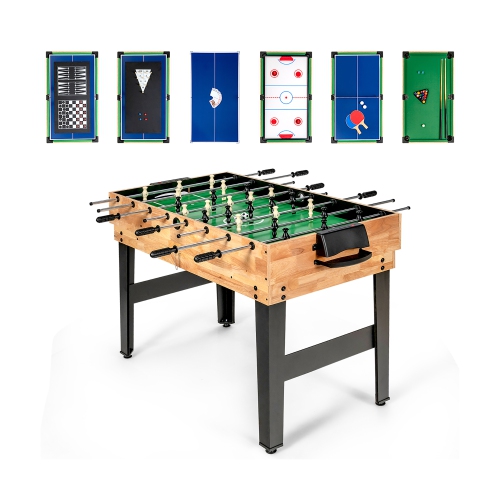
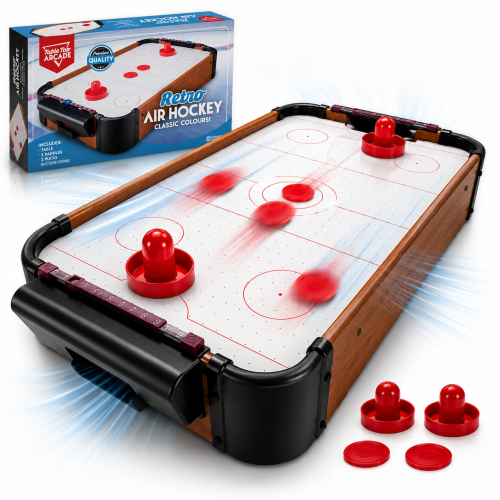
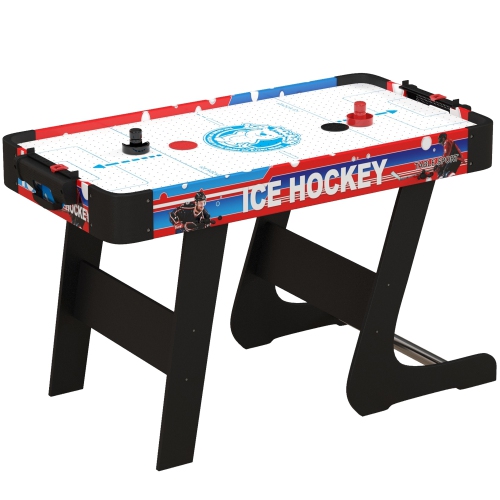
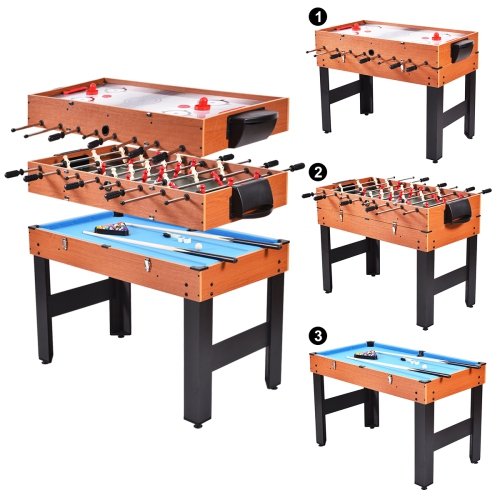
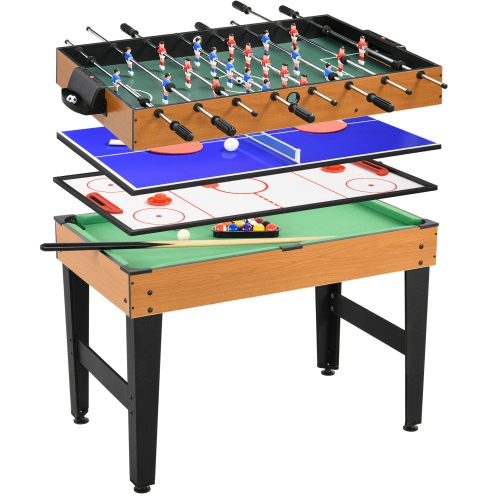
Big saves and quick passes on a miniature rink
Table hockey is a two-player game that brings the passing, shooting, and defending of ice hockey to a miniature rink. In classic rod hockey, each person controls a team of small figures by pushing, pulling, and turning rods that extend from beneath the playing surface. Sliding a rod moves a figure along its slot, while twisting it turns the figure’s stick to pass the puck or shoot towards the opposing net. The appeal is easy to picture: a pass across the rink, a quick turn of the wrist, and a goalie moved into position just before the shot arrives. Unlike a video game, the action is entirely physical, with both opponents sharing the same board and reacting to the puck in front of them. Traditional tabletop versions sit on a suitable table or other stable surface, making them a natural fit for family game nights, casual matches between friends, and indoor play during the cooler months. Larger versions may have their own base or legs, while bubble hockey places the rink beneath a clear dome that helps keep the puck inside the playing area. These formats share a hockey theme, but their footprint, control mechanisms, and setup requirements can differ considerably. Air hockey is a related but distinct game: instead of moving miniature hockey figures, players use handheld strikers to send a puck across a perforated surface, where air from an electric fan reduces friction. For that open-surface style of play, Air Hockey Tables offer a different way to bring fast-paced competition into a games room. Rod hockey is especially appealing to people who enjoy working passes between figures, covering shooting lanes, and controlling a goalie as part of the same match. Its familiar rink layout gives hockey fans an immediate connection to the game, while newcomers can enjoy the simple objective of putting the puck into the other net without needing to know every rule of ice hockey.
The way a table hockey game fits a room matters as much as the size of its rink. The full playing footprint includes the board or cabinet, the rods at their greatest extension, and enough space for both people to move their hands comfortably. A board that fits neatly on a dining table when packed away may need considerably more clearance during a match, particularly near walls, chair backs, or a busy walkway. For tabletop play, a level, sturdy support helps keep the puck moving fairly and prevents the board from shifting when someone makes an enthusiastic save. Surface protection beneath the base may also be useful, provided it does not make the game unstable or block any moving parts. Playing height deserves attention in a household where children and adults will take turns: the controls should be within comfortable reach without forcing players to lean heavily against the edge. Freestanding formats need a dedicated spot with room around the playing ends, and larger cabinets can be awkward to move between floors or through narrow doorways. Materials vary, with moulded plastic often used for rink walls and figures, metal used for control rods or other working components, and wood-based panels used in some cabinets and supports. No single material tells the whole durability story. Secure connections, a rigid base, smooth rod movement, and a flat playing surface all contribute to a game that feels steady through repeated matches. Figures should move through their intended paths without catching, and handles should feel comfortable during repeated passing and shooting movements. A raised rink edge helps contain the puck, while a clear dome can further limit interruptions caused by a puck leaving the board. Manual scoring keeps the setup straightforward; electronic scoring or sound features, where included, may require batteries or access to power. For a shared living space, the clack of the puck and the movement of the controls are worth considering alongside the table’s dimensions, especially when someone nearby may be reading, working, or watching television.
Table hockey suits a wide range of occasions, from a quick match after dinner to a friendly series played over an afternoon. Children can practise timing, hand-eye coordination, and taking turns, while older players may enjoy building passing combinations and finding gaps in an opponent’s defence. A mixed-age household often gets more enjoyment from comfortable controls and a stable setup than from extra features that rarely get used. For younger players, the manufacturer’s age guidance is important because pucks and detachable components can present small-part hazards, and projecting rods need space away from passersby. Adult supervision can help keep early matches focused on controlled movements rather than forceful pushing or bending of the handles. As a gift, a table hockey game can suit a hockey fan, a family that enjoys screen-free activities, or someone creating a welcoming games room, provided there is a practical place to play and store it. A compact board can be easier to put away between visits, whereas a larger cabinet makes more sense when it can remain set up. Long-term enjoyment also depends on simple care. Dust and crumbs can interrupt puck movement or collect around the slots, so keeping food and drinks off the rink helps protect both the playing surface and the mechanisms underneath. Cleaning should follow the manufacturer’s directions, using suitable cloths and products rather than abrasive cleaners that might scratch printed surfaces or a clear dome. Rods should move within their intended range without being forced, and the game should be lifted by its supporting structure rather than its handles. Before storing a tabletop version, securing loose pucks and removable pieces helps keep the next match from starting with a search under the sofa. Checking fittings periodically and keeping the board dry can also help it remain steady and ready for regular play. With a comfortable setup and a little care, the miniature rink becomes an inviting place for close games, well-timed saves, and another friendly rematch.
The way a table hockey game fits a room matters as much as the size of its rink. The full playing footprint includes the board or cabinet, the rods at their greatest extension, and enough space for both people to move their hands comfortably. A board that fits neatly on a dining table when packed away may need considerably more clearance during a match, particularly near walls, chair backs, or a busy walkway. For tabletop play, a level, sturdy support helps keep the puck moving fairly and prevents the board from shifting when someone makes an enthusiastic save. Surface protection beneath the base may also be useful, provided it does not make the game unstable or block any moving parts. Playing height deserves attention in a household where children and adults will take turns: the controls should be within comfortable reach without forcing players to lean heavily against the edge. Freestanding formats need a dedicated spot with room around the playing ends, and larger cabinets can be awkward to move between floors or through narrow doorways. Materials vary, with moulded plastic often used for rink walls and figures, metal used for control rods or other working components, and wood-based panels used in some cabinets and supports. No single material tells the whole durability story. Secure connections, a rigid base, smooth rod movement, and a flat playing surface all contribute to a game that feels steady through repeated matches. Figures should move through their intended paths without catching, and handles should feel comfortable during repeated passing and shooting movements. A raised rink edge helps contain the puck, while a clear dome can further limit interruptions caused by a puck leaving the board. Manual scoring keeps the setup straightforward; electronic scoring or sound features, where included, may require batteries or access to power. For a shared living space, the clack of the puck and the movement of the controls are worth considering alongside the table’s dimensions, especially when someone nearby may be reading, working, or watching television.
Table hockey suits a wide range of occasions, from a quick match after dinner to a friendly series played over an afternoon. Children can practise timing, hand-eye coordination, and taking turns, while older players may enjoy building passing combinations and finding gaps in an opponent’s defence. A mixed-age household often gets more enjoyment from comfortable controls and a stable setup than from extra features that rarely get used. For younger players, the manufacturer’s age guidance is important because pucks and detachable components can present small-part hazards, and projecting rods need space away from passersby. Adult supervision can help keep early matches focused on controlled movements rather than forceful pushing or bending of the handles. As a gift, a table hockey game can suit a hockey fan, a family that enjoys screen-free activities, or someone creating a welcoming games room, provided there is a practical place to play and store it. A compact board can be easier to put away between visits, whereas a larger cabinet makes more sense when it can remain set up. Long-term enjoyment also depends on simple care. Dust and crumbs can interrupt puck movement or collect around the slots, so keeping food and drinks off the rink helps protect both the playing surface and the mechanisms underneath. Cleaning should follow the manufacturer’s directions, using suitable cloths and products rather than abrasive cleaners that might scratch printed surfaces or a clear dome. Rods should move within their intended range without being forced, and the game should be lifted by its supporting structure rather than its handles. Before storing a tabletop version, securing loose pucks and removable pieces helps keep the next match from starting with a search under the sofa. Checking fittings periodically and keeping the board dry can also help it remain steady and ready for regular play. With a comfortable setup and a little care, the miniature rink becomes an inviting place for close games, well-timed saves, and another friendly rematch.
Top selling and popular products
-
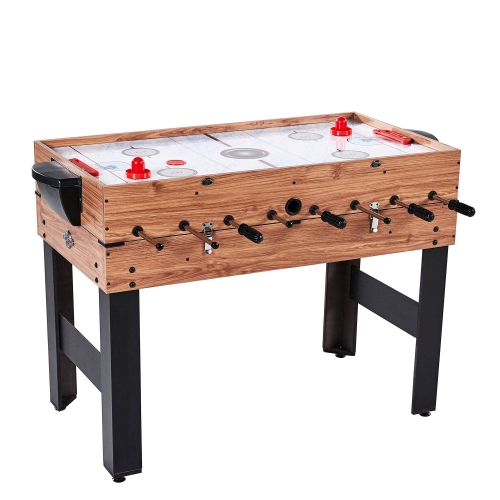 Your price for this item is $358.99
 -
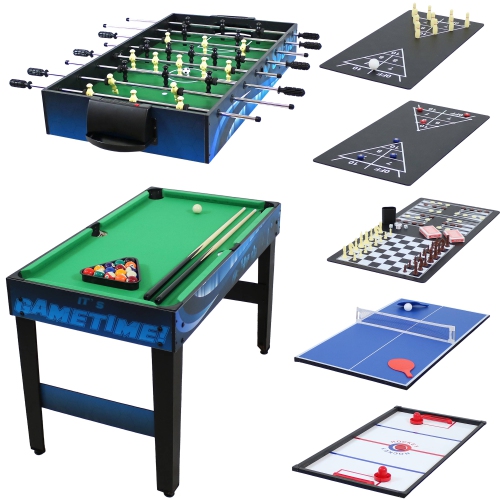 Your price for this item is $368.05
 -
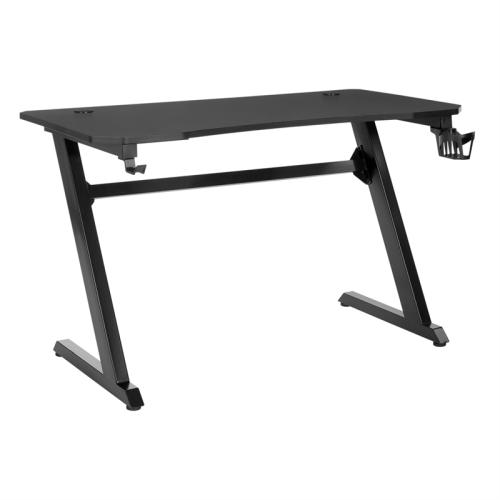 Your price for this item is $388.87
 -
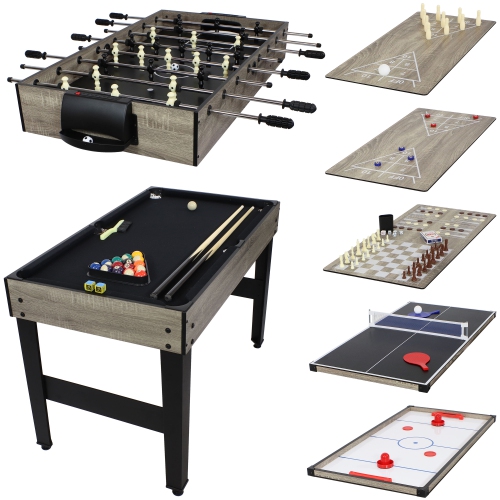 Your price for this item is $368.05
 -
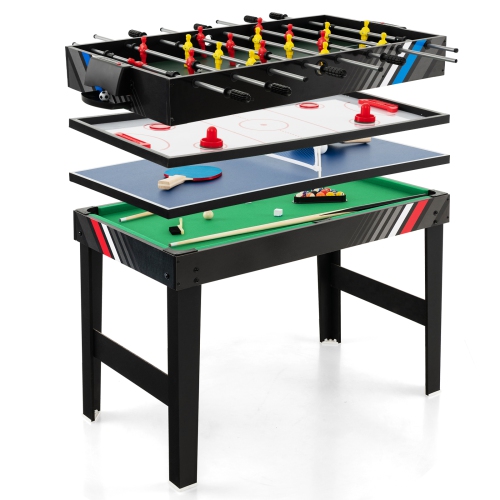 Your price for this item is $175.99
 -
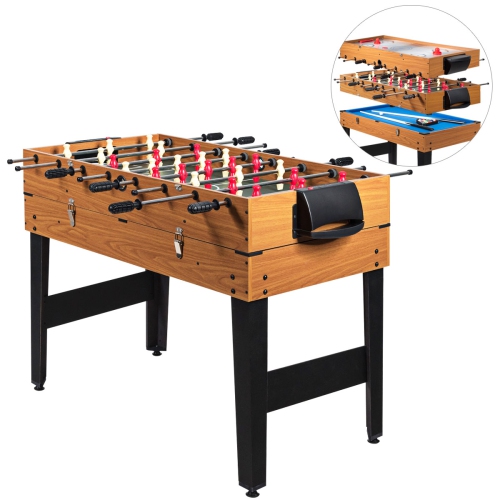 Your price for this item is $206.99
 -
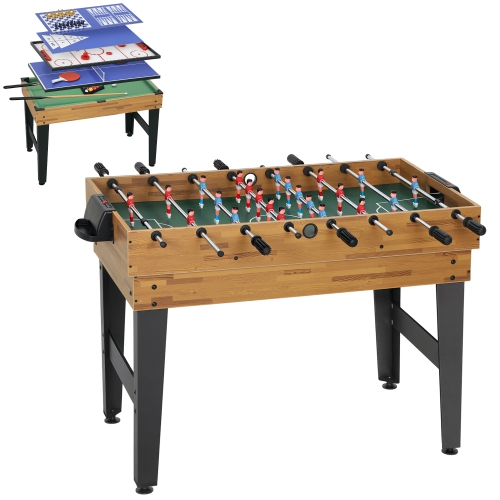 Your price for this item is $199.99
 -
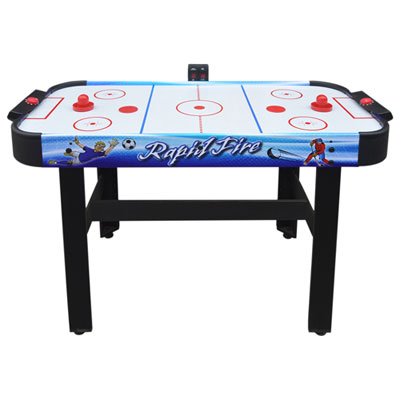 Your price for this item is $169.95
Discover more categories related to Table Hockey
Top Collections:
Pokemon Centers, Kindle Devices, Best Budget Office Chairs, Apple iPhones 16, Samsung Galaxy Phones, Canon G7X Cameras, iPhone 15 Apple, Flip Phones, Best Laptops for Writers, Alarm Clock
Some products may be subject to Environmental Handling Fees
(EHF) depending on your province.
Learn more about EHFs.