Fishing Rod Storage
Organizing your fishing gear is crucial for any angler, and a well-designed fishing rod storage solution can make all the difference. Whether you're a seasoned pro or just starting out, having a dedicated space to store your fishing rods not only keeps them protected but also makes it easier to locate and access them when you're ready to hit the water. At Best Buy Canada, we offer a wide selection of fishing rod storage options that cater to different needs and preferences. From wall-mounted racks to freestanding holders, our collection has everything you need to keep your fishing rods neatly organized and ready for your next adventure.
Sort
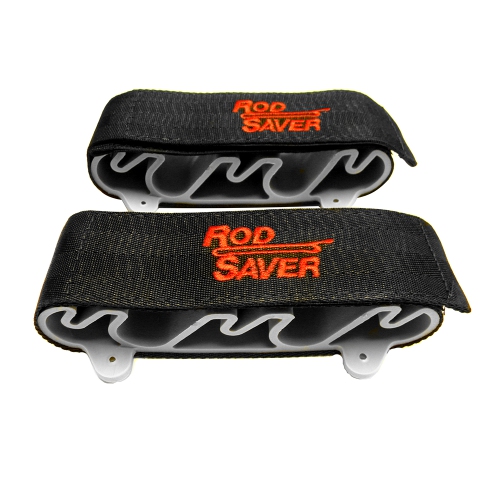
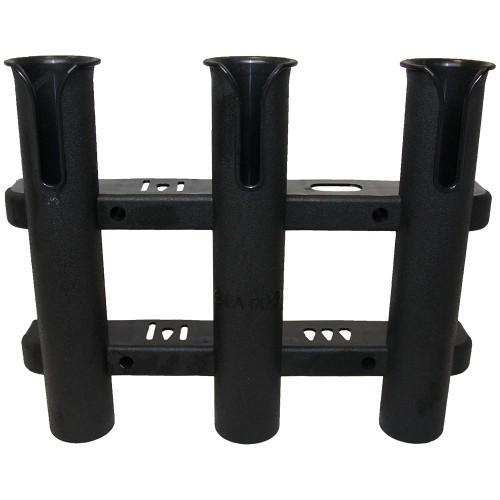
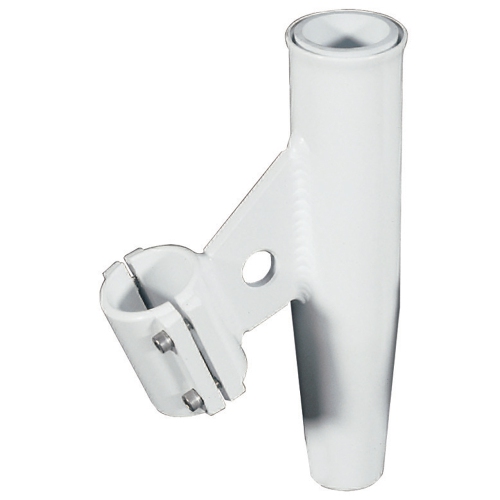
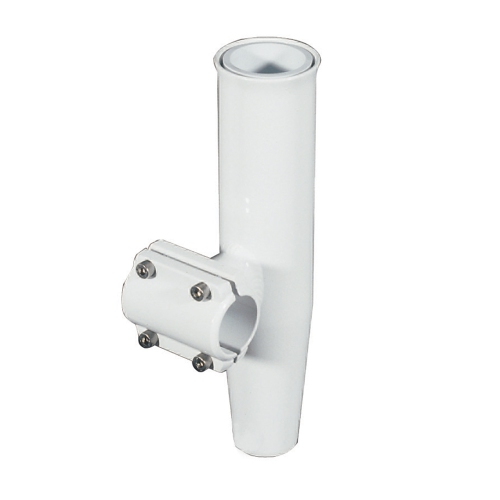
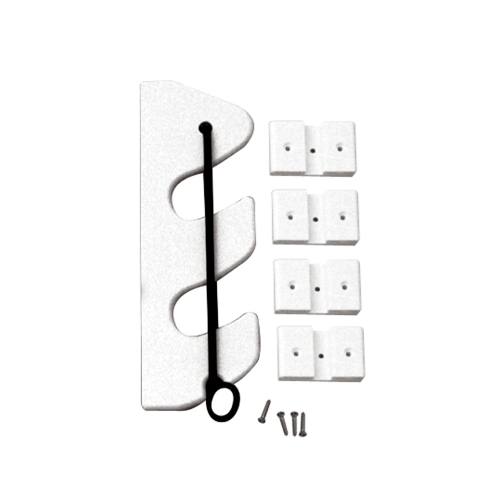
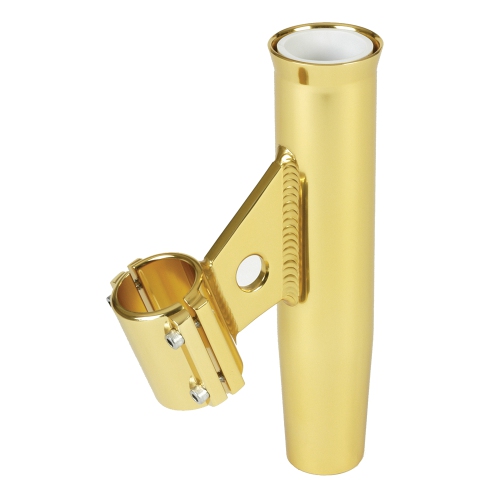
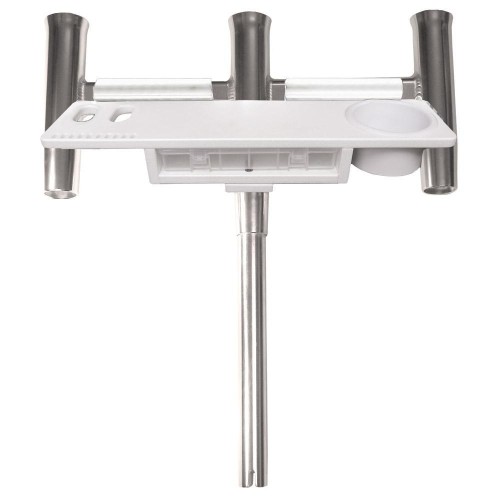

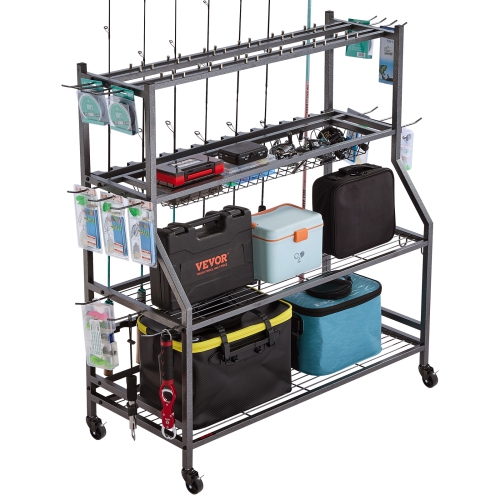
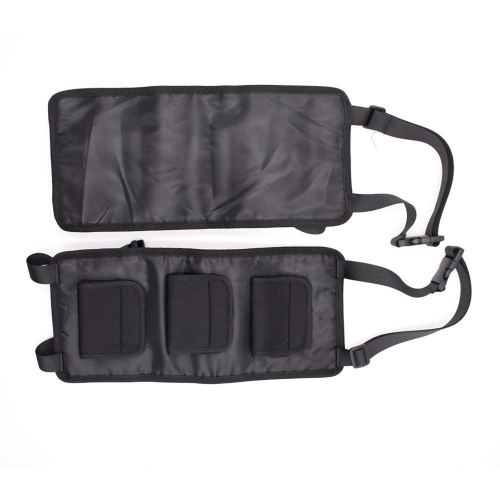
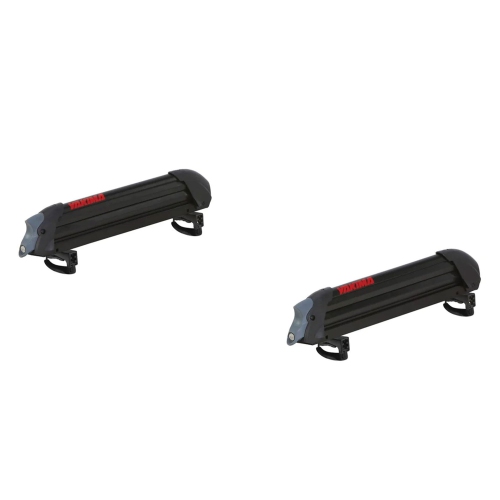
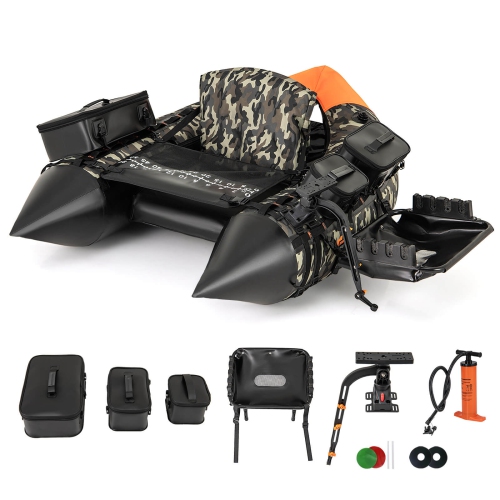
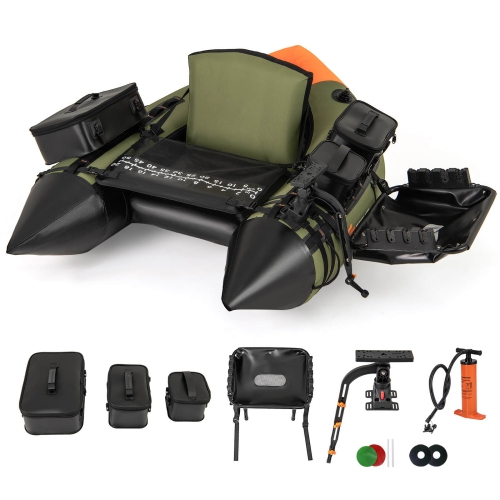
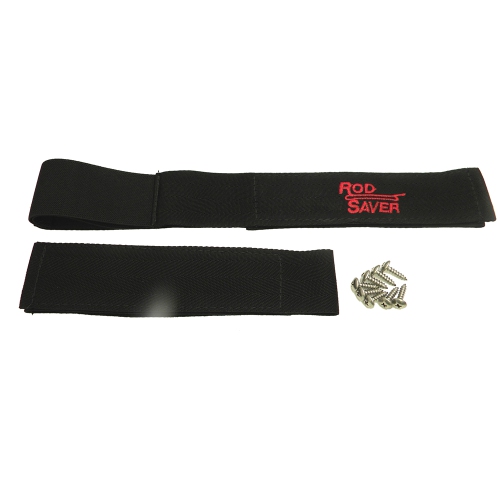
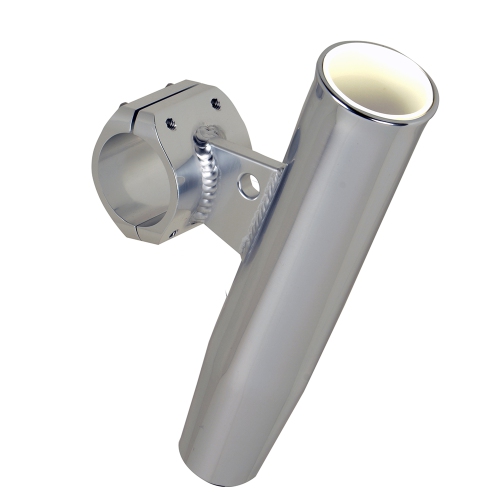
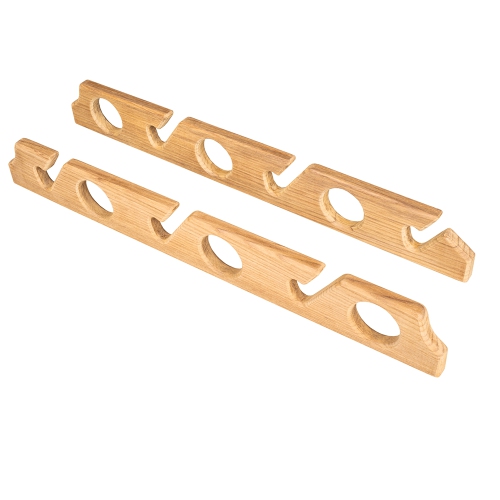
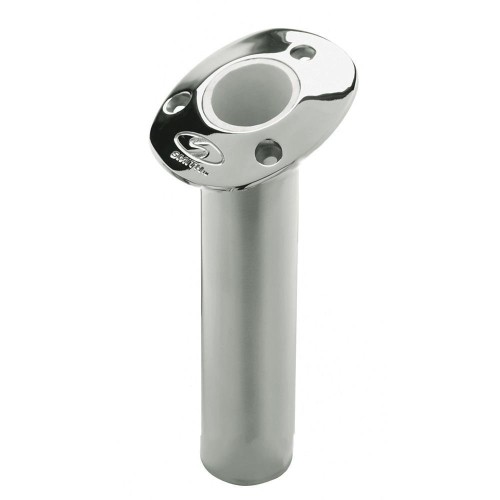
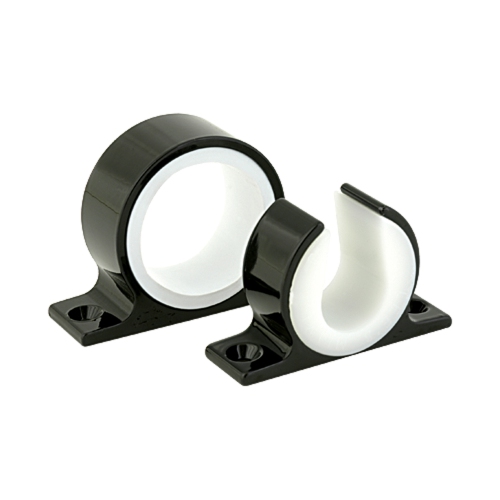
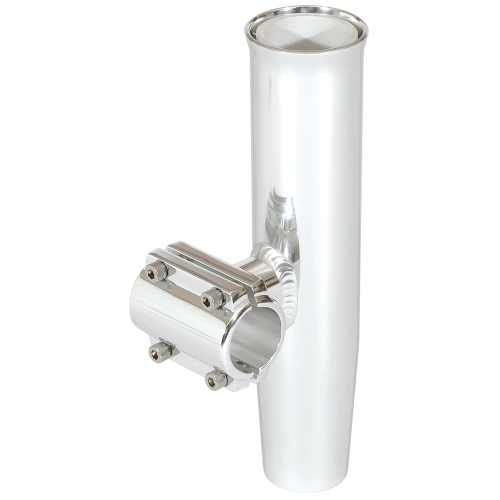
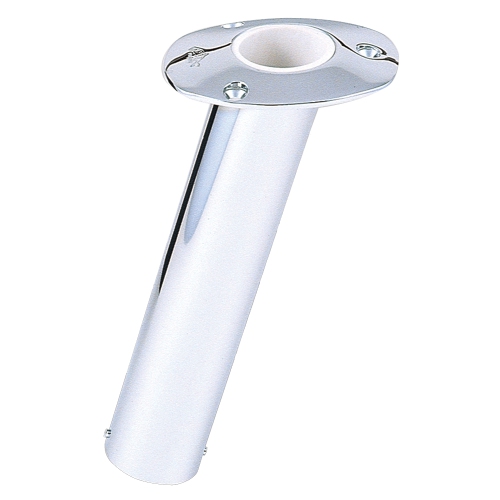
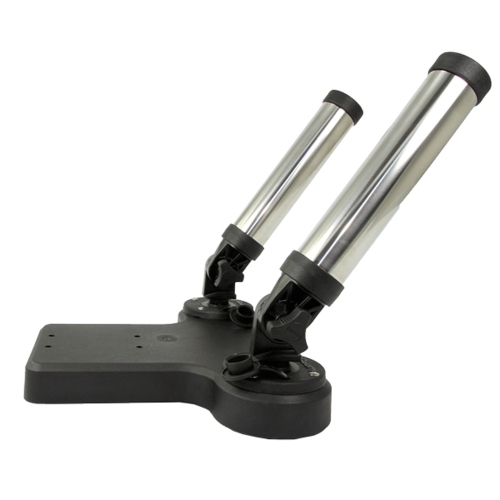
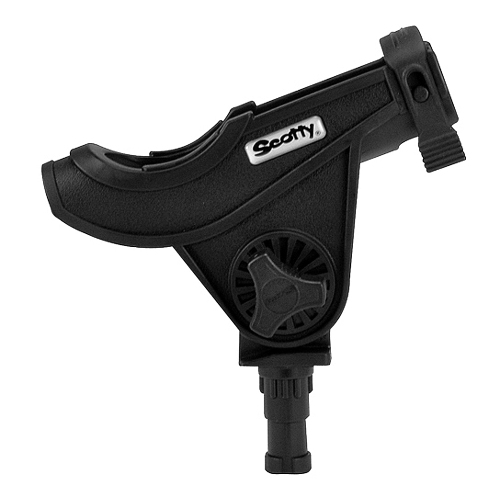
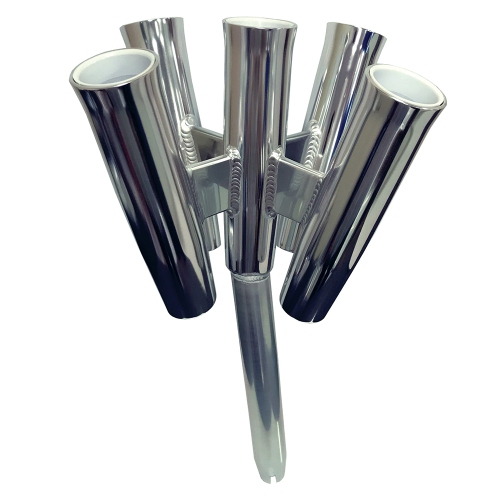
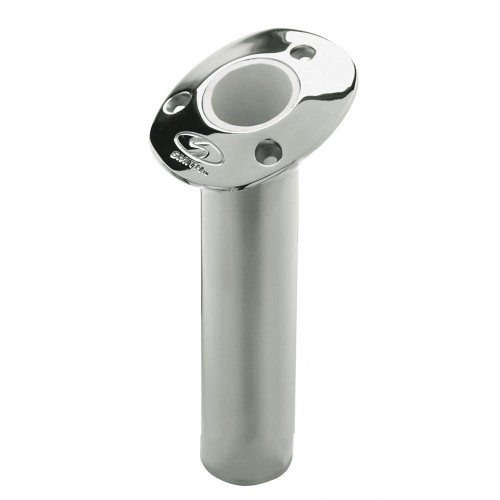
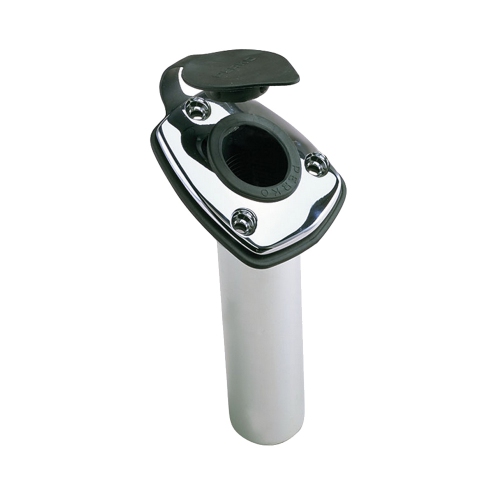
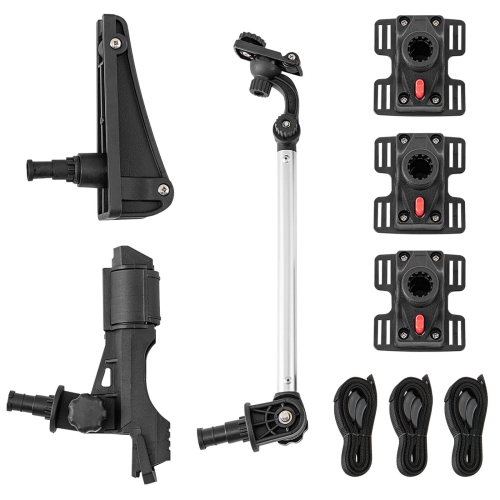
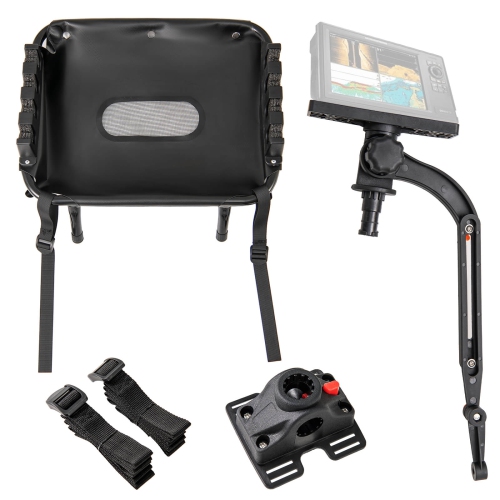
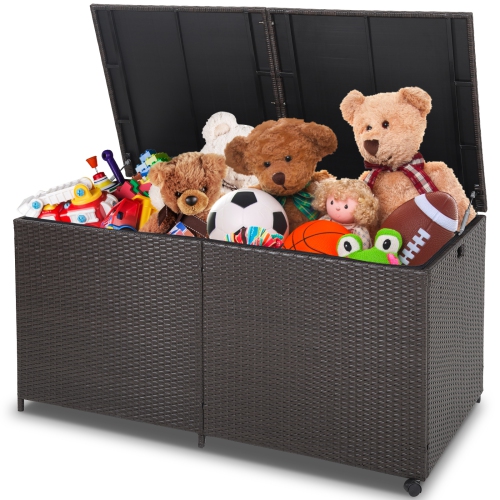
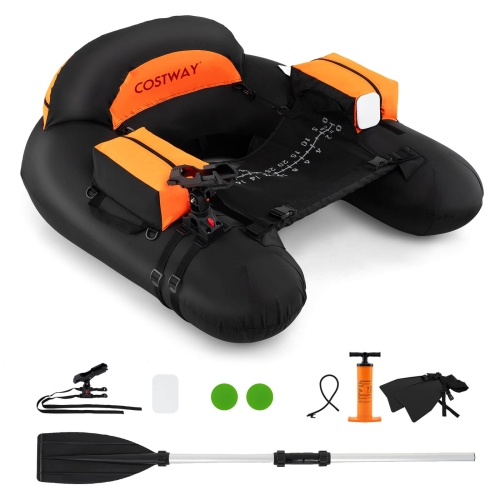
Better organization helps prevent tangles, warping and breakage
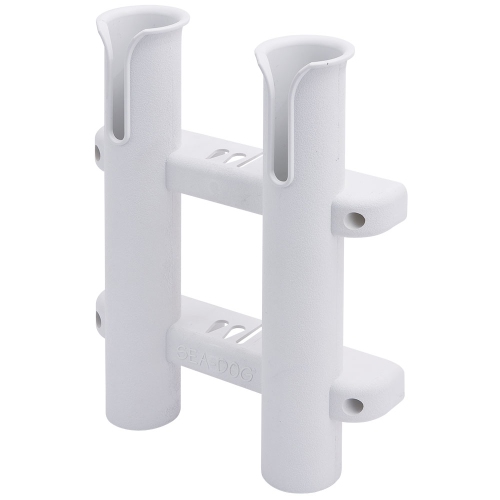
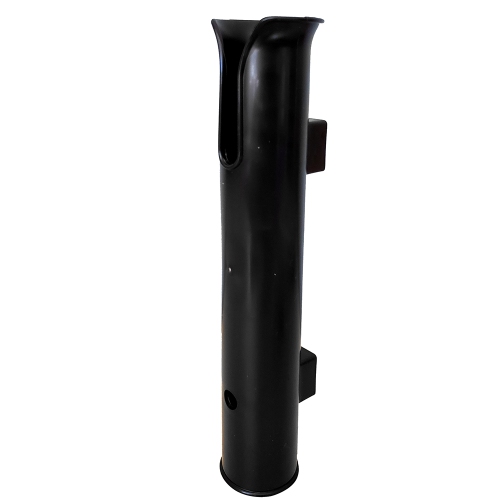
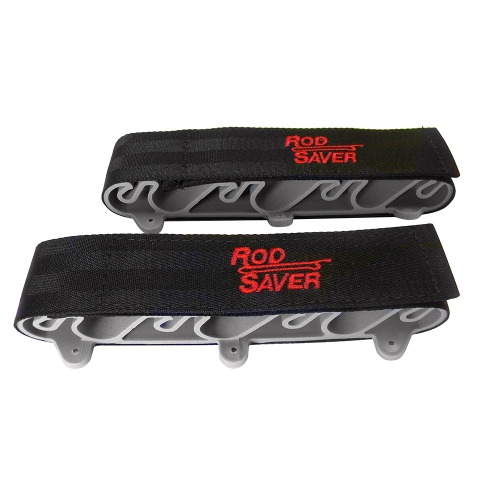
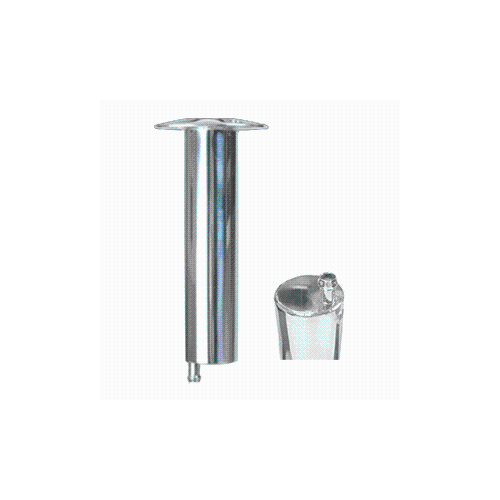
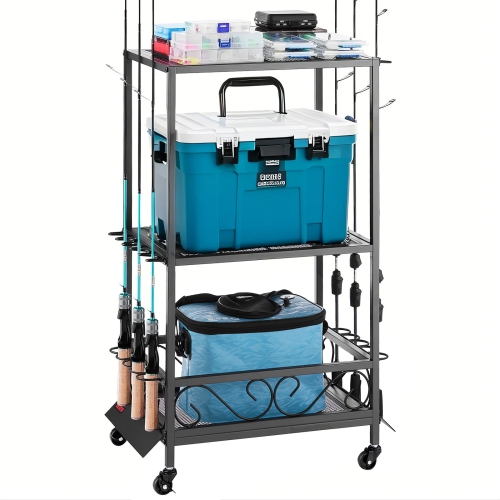
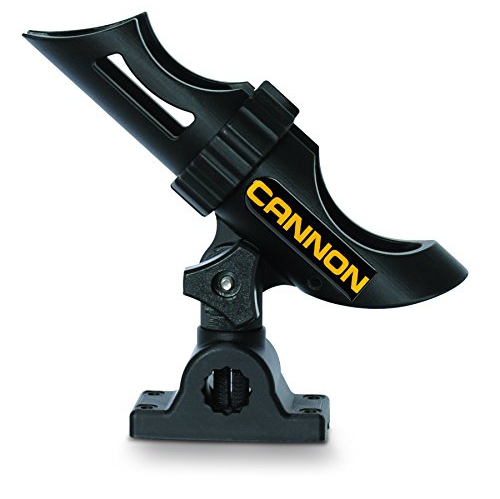
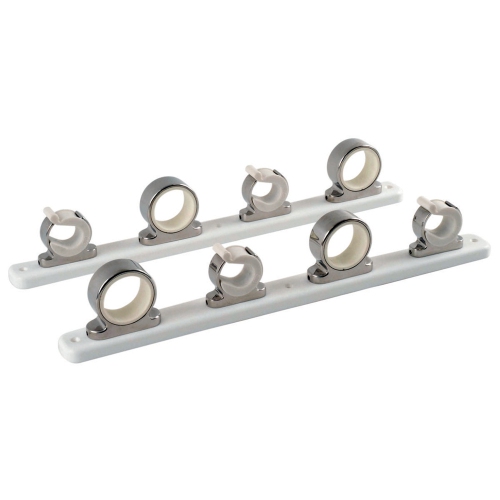
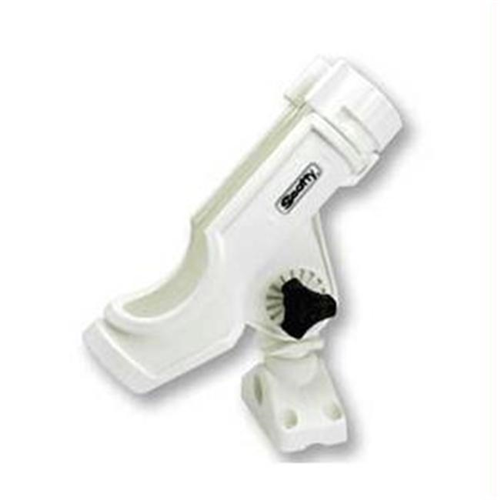
Fishing rod storage helps keep rods, reels, line and tackle organized between outings while reducing the risk of warping, tangling and accidental breakage. Whether the gear lives in a garage, shed, basement, boat, vehicle or cottage, the right storage setup gives each rod a secure place to rest instead of leaving it propped against a wall, on the floor or in the back of a vehicle. Freestanding floor racks are useful when several rods need to remain ready for quick access, particularly in a garage or utility room where floor space is available along a wall. They allow rods to stand upright with their bottom butts supported, helping prevent the long, flexible blanks from taking on a permanent bend. Wall-mounted holders are a practical choice for smaller rooms because they lift rods above foot traffic, tools, sports equipment and household clutter. Depending on the available space, rods can be secured vertically or arranged horizontally with clips or supports attached to suitable wall studs. Ceiling-mounted storage makes use of otherwise empty overhead space in a garage, workshop or boathouse, keeping long rods away from bicycles, vehicles and busy walkways. Before installing any wall or ceiling solution, check the mounting surface, fasteners and spacing so the rack can support the combined weight of the rods and reels without shifting. A properly positioned storage system should hold the equipment securely while still allowing each rod to be removed without dragging guides, line or handles across neighbouring gear.
Different fishing setups call for different kinds of protection. A casual angler with a few frequently used rods may prefer an open rack that makes it easy to see the right length and action at a glance. Someone who owns several setups for different species or techniques may benefit from a combination of upright storage, wall supports and rod sleeves. Mesh sleeves can help separate rods, reduce line tangles and protect guides when multiple pieces are placed together in a locker, rack or vehicle. They are especially handy after a long day on the water, when rods may be loaded quickly and the last thing anyone wants is to untangle crossed lines beside the launch. For road trips, boat transport or airline travel, a hard-sided telescoping case offers an additional layer of protection against impacts, crushing and rough handling. Cases with adjustable interiors can accommodate different rod lengths and may be useful for anglers who travel between lakes, rivers and coastal destinations during the warmer months, then pack their equipment away for the cooler months. Before choosing a case or rack, consider how many rods need to be stored, whether the reels will remain attached, the length of the longest rod, and where the gear will be used. A compact solution may suit a condominium or apartment, while a larger household with children, pets or several outdoor hobbies may need a covered or elevated option. Fishing rod storage can also be a thoughtful gift for a parent, partner, friend or new angler who has started building a collection of gear. It is a practical way to bring order to a favourite pastime, especially when a growing assortment of rods has begun to fill corners, closets and vehicle compartments.
Good storage habits matter just as much as the holder or case itself. Before putting rods away, rinse off any salt, mud or lake debris and allow every part to dry thoroughly. Moisture trapped around reel seats, guides or handles can contribute to corrosion, odours and material wear over time, so a short drying period can make a noticeable difference. Store rods away from direct sunlight, heaters, radiators and locations with sharp temperature swings. Strong sunlight can fade finishes and prolonged heat may affect adhesives, line and other components. Avoid leaning a rod at a steep angle against a wall for extended periods, since the blank may gradually bend under its own weight. If a rod must be stored vertically, make sure the bottom is supported and the upper section is held steady rather than left to sway. Reels should be secured so they do not knock against nearby rods, and backing off the drag slightly can help relieve tension while the setup is stored. Loose hooks and lures should be placed in a tackle container or secured to the designated keeper rather than left hanging from a guide, where they can scratch the blank or catch on line. For boat owners, pairing organized rod storage with other Fishing Boat Storage Solutions can help keep the deck, compartments and launch-day equipment easier to manage. A well-planned arrangement means less time searching for a particular rod and more time watching the line settle on the water, whether preparing for a quiet afternoon at the cottage, a family fishing trip or a focused outing during the cooler months.
Different fishing setups call for different kinds of protection. A casual angler with a few frequently used rods may prefer an open rack that makes it easy to see the right length and action at a glance. Someone who owns several setups for different species or techniques may benefit from a combination of upright storage, wall supports and rod sleeves. Mesh sleeves can help separate rods, reduce line tangles and protect guides when multiple pieces are placed together in a locker, rack or vehicle. They are especially handy after a long day on the water, when rods may be loaded quickly and the last thing anyone wants is to untangle crossed lines beside the launch. For road trips, boat transport or airline travel, a hard-sided telescoping case offers an additional layer of protection against impacts, crushing and rough handling. Cases with adjustable interiors can accommodate different rod lengths and may be useful for anglers who travel between lakes, rivers and coastal destinations during the warmer months, then pack their equipment away for the cooler months. Before choosing a case or rack, consider how many rods need to be stored, whether the reels will remain attached, the length of the longest rod, and where the gear will be used. A compact solution may suit a condominium or apartment, while a larger household with children, pets or several outdoor hobbies may need a covered or elevated option. Fishing rod storage can also be a thoughtful gift for a parent, partner, friend or new angler who has started building a collection of gear. It is a practical way to bring order to a favourite pastime, especially when a growing assortment of rods has begun to fill corners, closets and vehicle compartments.
Good storage habits matter just as much as the holder or case itself. Before putting rods away, rinse off any salt, mud or lake debris and allow every part to dry thoroughly. Moisture trapped around reel seats, guides or handles can contribute to corrosion, odours and material wear over time, so a short drying period can make a noticeable difference. Store rods away from direct sunlight, heaters, radiators and locations with sharp temperature swings. Strong sunlight can fade finishes and prolonged heat may affect adhesives, line and other components. Avoid leaning a rod at a steep angle against a wall for extended periods, since the blank may gradually bend under its own weight. If a rod must be stored vertically, make sure the bottom is supported and the upper section is held steady rather than left to sway. Reels should be secured so they do not knock against nearby rods, and backing off the drag slightly can help relieve tension while the setup is stored. Loose hooks and lures should be placed in a tackle container or secured to the designated keeper rather than left hanging from a guide, where they can scratch the blank or catch on line. For boat owners, pairing organized rod storage with other Fishing Boat Storage Solutions can help keep the deck, compartments and launch-day equipment easier to manage. A well-planned arrangement means less time searching for a particular rod and more time watching the line settle on the water, whether preparing for a quiet afternoon at the cottage, a family fishing trip or a focused outing during the cooler months.
Top selling and popular products
-
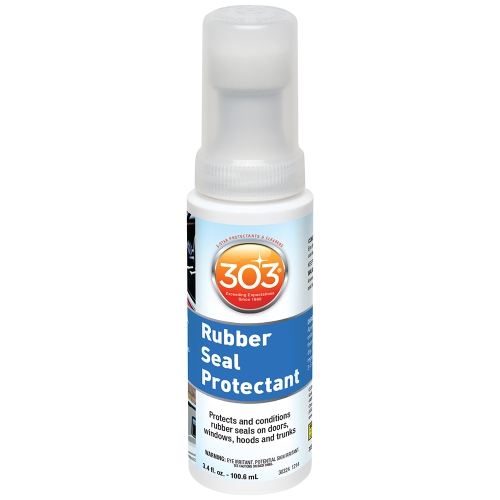 Your price for this item is $31.43
 -
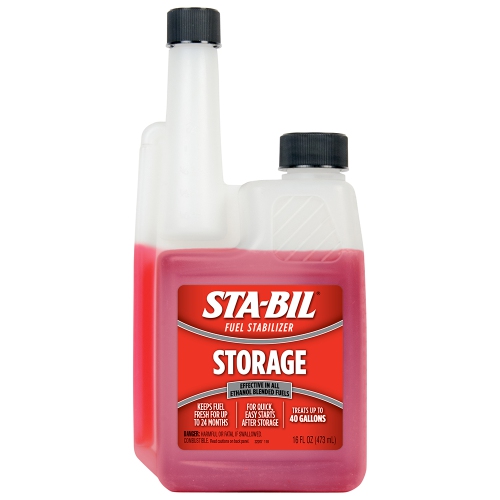 Your price for this item is $30.54
 -
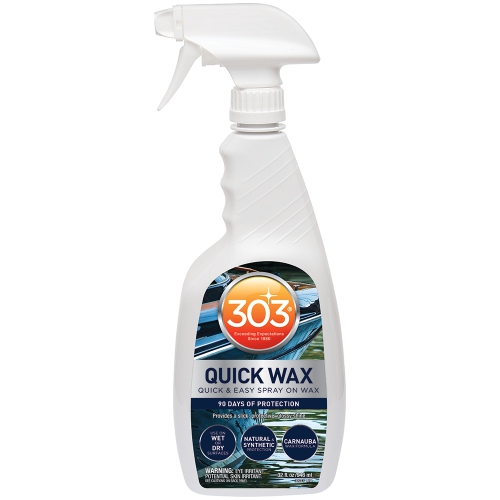 Your price for this item is $38.85
 -
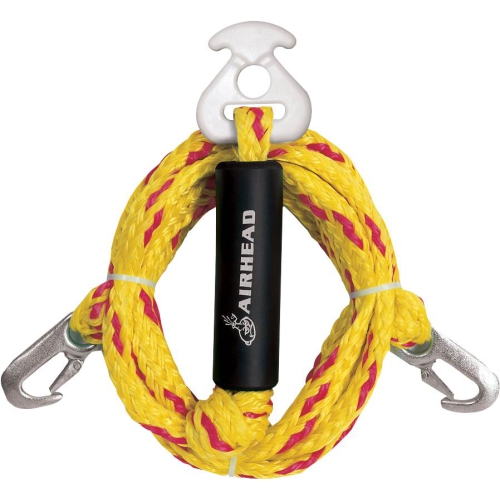 Your price for this item is $92.99
 -
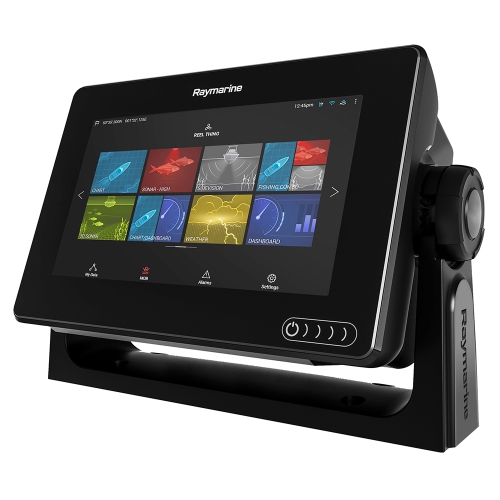 Your price for this item is $917.79
 -
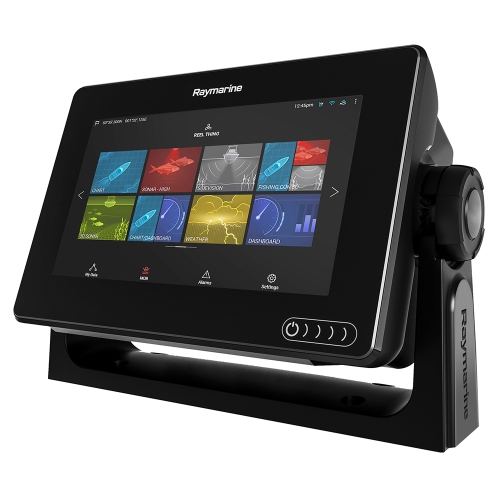 Your price for this item is $844.31
 -
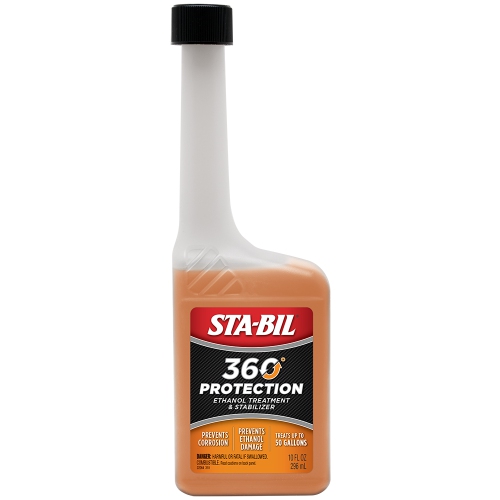 Your price for this item is $31.46
 -
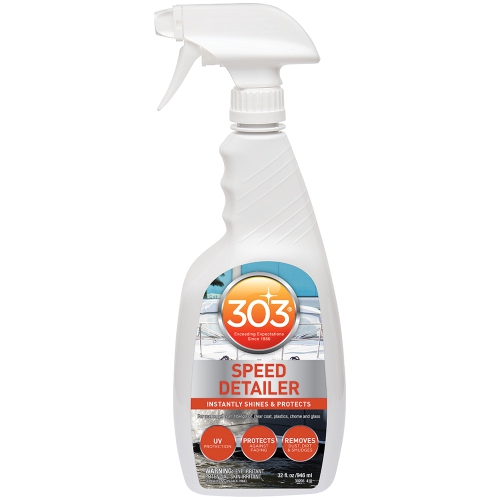 Your price for this item is $34.93
Discover more categories related to Fishing Rod Storage
Top Collections:
Pokemon Centers, Kindle Devices, Best Budget Office Chairs, Apple iPhones 16, Samsung Galaxy Phones, Canon G7X Cameras, iPhone 15 Apple, Flip Phones, Best Laptops for Writers, Alarm Clock
Some products may be subject to Environmental Handling Fees
(EHF) depending on your province.
Learn more about EHFs.