Detroit Red Wings Collectibles
Show off your team spirit and celebrate your favorite hockey moments with Detroit Red Wings Collectibles. Whether you’re a dedicated fan or searching for the perfect gift, explore a wide selection of memorabilia that highlights the pride and tradition of Detroit’s legendary team. From unique keepsakes to display-worthy items, find the ideal addition to your collection and showcase your passion for the Red Wings all year long.
Sort
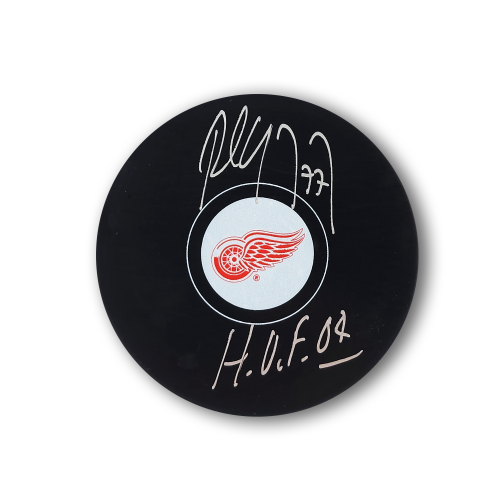
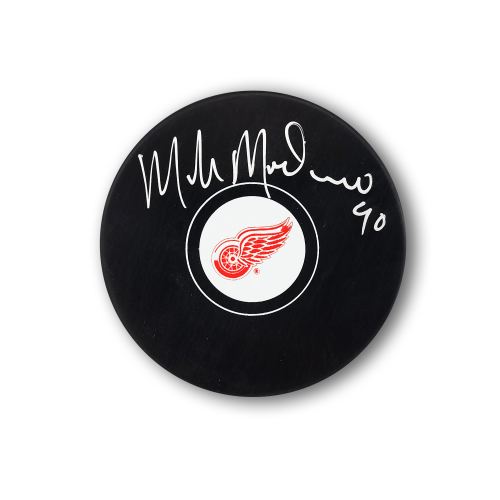

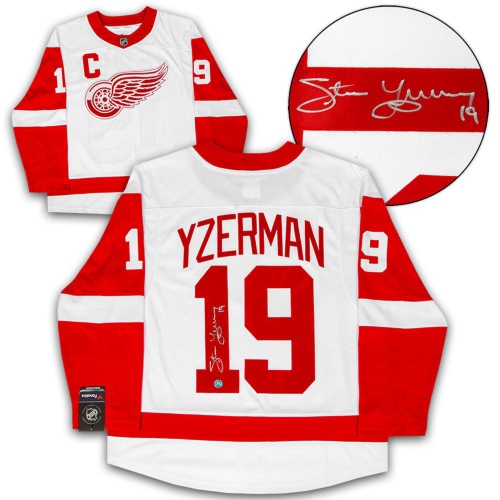
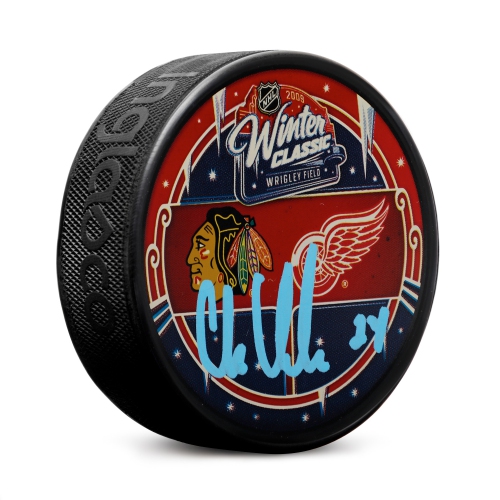

Detroit’s hockey history lives on in personal displays
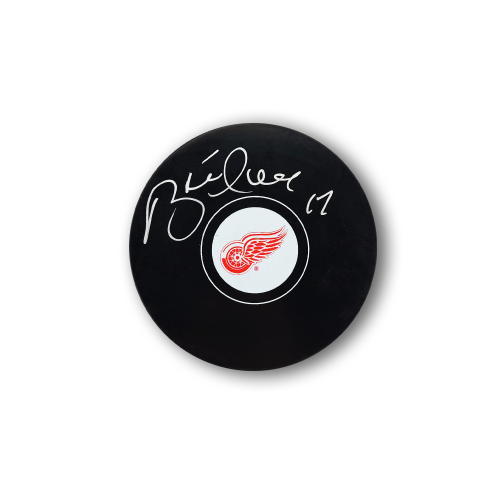
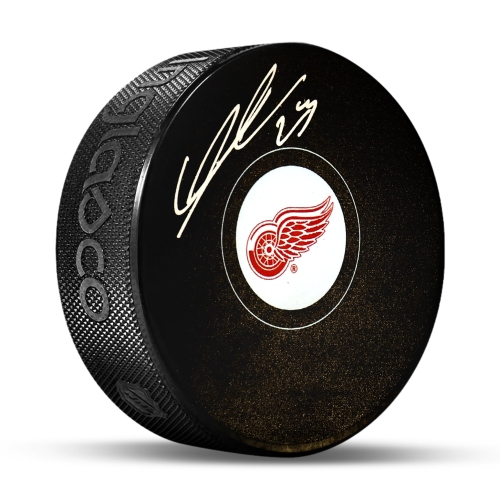
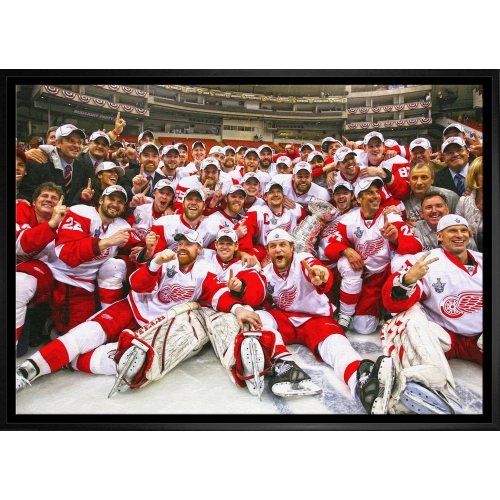
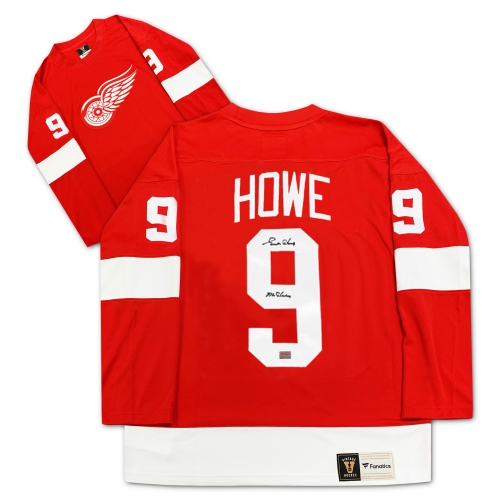
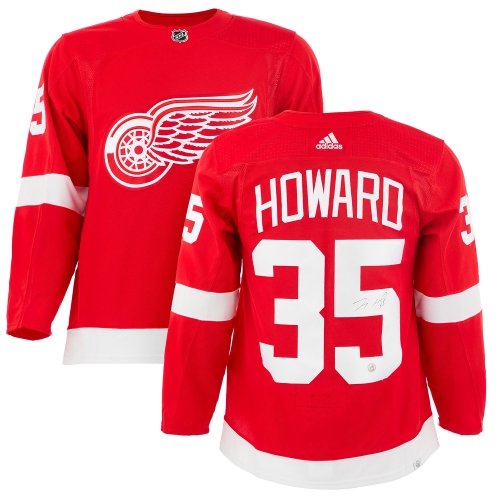
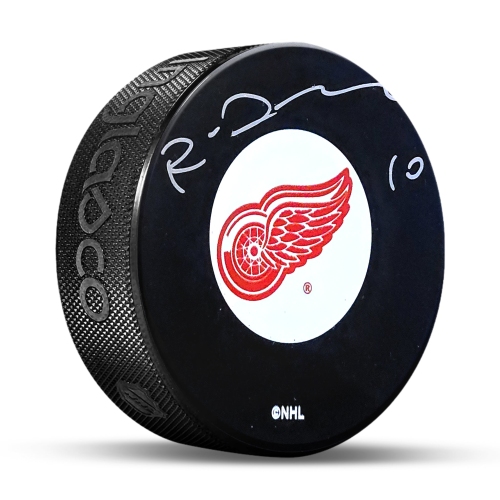
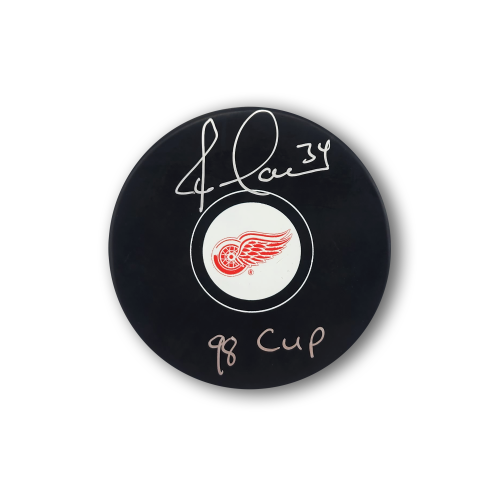
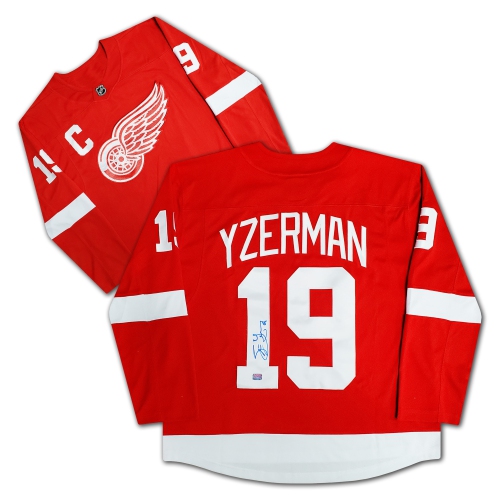
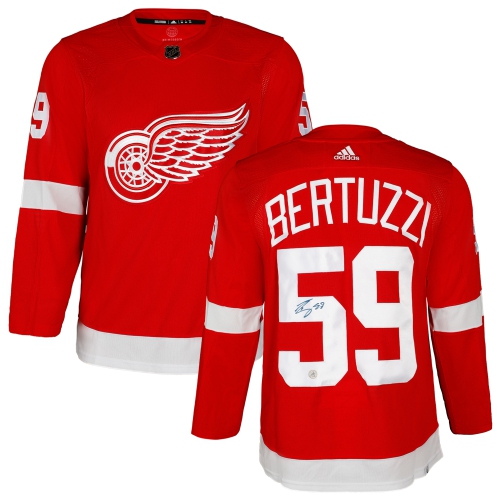
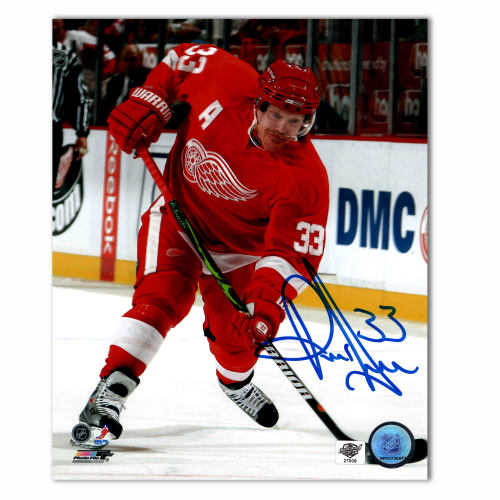
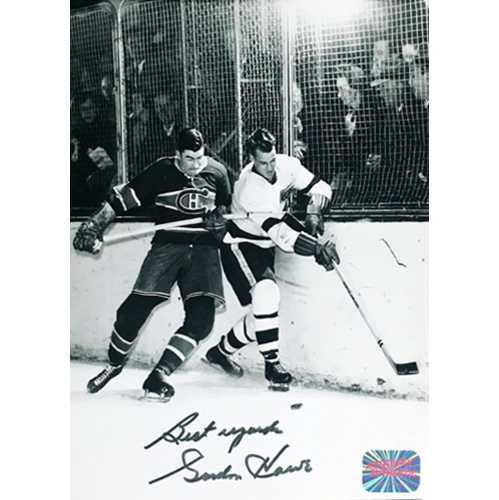
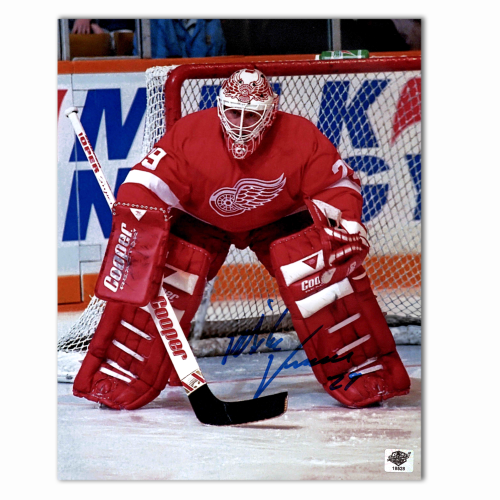
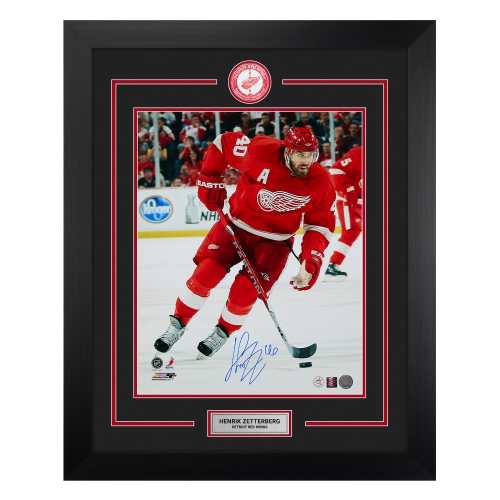
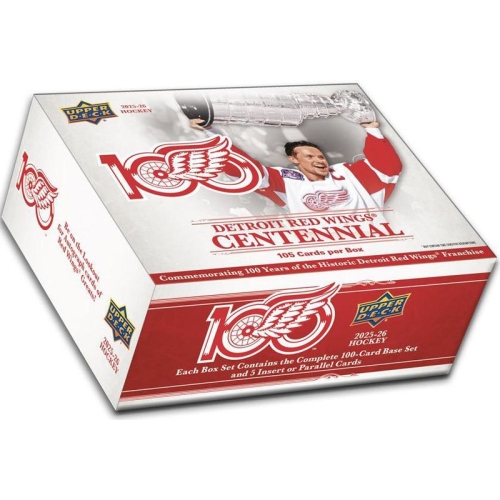
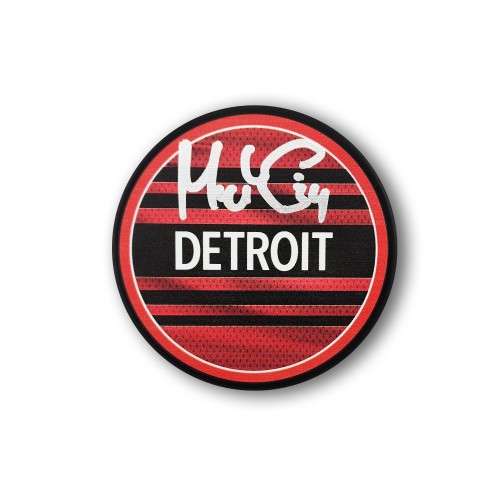
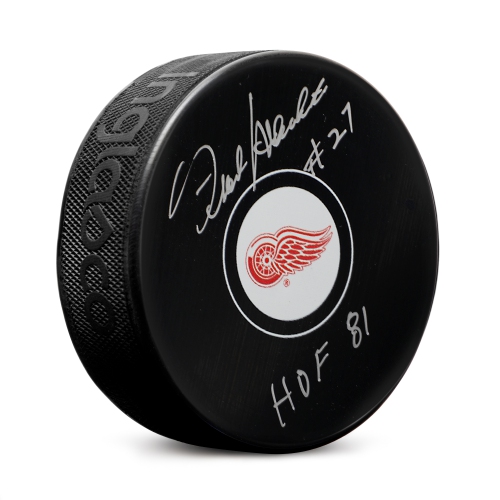
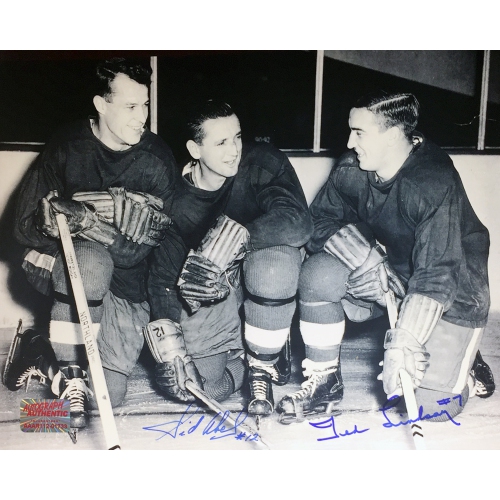
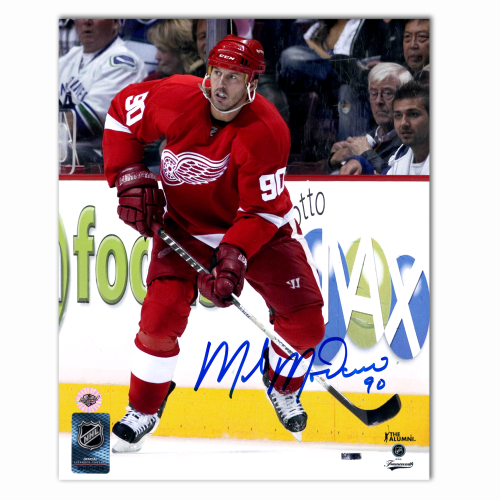
Detroit Red Wings collectibles bring a century of hockey history into personal displays, from a single keepsake on a desk to a carefully arranged wall of team memorabilia. Common collectible categories include autographed jerseys, signed hockey pucks, trading cards, framed photographs, collector pins, figurines, and bobbleheads. Each offers a different connection to the team: a photograph captures a memorable moment, a jersey puts the winged wheel front and centre, and a trading card preserves a player’s place in a particular era. The franchise began playing in Detroit in 1926 and adopted the Red Wings name in 1932, giving collectors a long history of team identities, championship achievements, and celebrated careers to explore. As one of hockey’s Original Six teams, Detroit has a following that often stretches across generations, with collections reflecting family traditions as much as individual favourites. Some fans focus on a particular player or championship team; others prefer the familiar red-and-white colours and winged wheel crest across a mix of keepsakes. Historical imagery and modern designs can sit comfortably together when the shared thread is a meaningful connection to the club. A small arrangement of cards and a puck can suit an office shelf, while a framed jersey or photograph can become the focal point of a dedicated hockey room. For fans who follow more than one team, Detroit memorabilia also fits naturally into a broader collection of NHL collectibles, whether organized around league history, favourite players, or memorable rivalries. The appeal is not limited to longtime collectors. A first keepsake can mark a visit to a game, celebrate a shared interest between relatives, or give a younger fan a tangible link to stories about earlier generations of hockey. Collections built around those personal associations tend to feel distinctive, whether they fill a cabinet or occupy just one well-chosen corner. Their character comes from the stories attached to them, not simply the number of pieces on display.
Materials, construction, and documentation help distinguish the different types of Detroit Red Wings memorabilia. Collectible pucks are typically made from rubber and may feature printed artwork, commemorative graphics, or an autograph; their surfaces benefit from protection against rubbing and repeated handling. Trading cards require a different approach because paperboard edges, corners, and glossy finishes can show wear easily. Properly sized sleeves and rigid holders help protect cards without forcing them into a tight space, while albums make it possible to browse a collection with less direct contact. For framed photographs and printed artwork, the frame material, backing, glazing, and mounting method all affect presentation and long-term care. A clear front panel helps keep dust away, but protection from light depends on the glazing’s stated properties rather than its appearance alone. Jerseys introduce textile considerations, including fabric weight, stitching, embroidery, and the placement of signatures or patches. A jersey intended for display does not need to fit its owner, but its dimensions should work with the frame or case without excessive folding or pressure on signed areas. If a jersey is intended to be worn, sizing and garment care information matter alongside its collectible appeal. Painted resin figures, moulded plastic figurines, and metal pins each have their own handling needs: projecting details can be fragile, painted finishes can chip, and pin backs should be secured away from delicate surfaces. For autographed memorabilia, a certificate of authenticity is most useful when it clearly identifies the piece and connects to a traceable authentication process. Matching serial numbers, holograms, or supporting records can add clarity where provided, although documentation should be assessed on its details rather than treated as a blanket guarantee. A printed signature is not the same as a hand-signed autograph, and a replica jersey is not the same as a game-worn jersey. Similarly, an edition number describes a stated production run; it does not establish condition, authenticity, or future value on its own. These distinctions help keep the history represented by a collectible separate from assumptions about how it was made or used.
A satisfying display gives Detroit Red Wings collectibles enough room to be seen while protecting them from everyday household activity. On a bookshelf, a stable puck holder or a fitted case can keep a round keepsake upright rather than leaning against books. A figurine with a broad base may suit a desk, but a shelf away from elbows and passing bags is a better home for delicate sticks, raised arms, or other projecting details. Wall displays need suitable mounting hardware and enough clearance from doors, furniture, and busy walkways. Before choosing a display location, the overall frame depth and weight deserve as much attention as its height and width. Direct sunlight can fade fabric, photographs, ink, and packaging, while damp areas can damage paper and encourage corrosion on some metal components. A dry indoor location away from heat sources generally offers a more dependable setting. Care should follow the material and any supplied instructions: gentle dusting may suit a case exterior, but household cleaners, polish, or moisture can harm signatures and painted surfaces. Signed textiles should not be treated like ordinary laundry, and older paper keepsakes are best handled with clean, dry hands and supported rather than bent. Original packaging and authentication records can be kept together in a clearly labelled storage area so their connection to the collectible remains easy to establish. For gifting, the recipient’s relationship with the team is often the most useful starting point. A devoted player follower may appreciate memorabilia tied to that career, while someone who watches every game with family may prefer a team-centred design that represents the shared ritual. Compact keepsakes can suit smaller homes and workspaces; larger framed displays require a little knowledge of the recipient’s wall space and taste. Younger fans may enjoy the visual detail of figures or cards, although display collectibles are not automatically toys, and age guidance matters when small parts or sharp pin backs are involved. Whether given for a birthday, a graduation, or a personal milestone, a thoughtfully chosen collectible can carry a story that remains meaningful long after the occasion.
Materials, construction, and documentation help distinguish the different types of Detroit Red Wings memorabilia. Collectible pucks are typically made from rubber and may feature printed artwork, commemorative graphics, or an autograph; their surfaces benefit from protection against rubbing and repeated handling. Trading cards require a different approach because paperboard edges, corners, and glossy finishes can show wear easily. Properly sized sleeves and rigid holders help protect cards without forcing them into a tight space, while albums make it possible to browse a collection with less direct contact. For framed photographs and printed artwork, the frame material, backing, glazing, and mounting method all affect presentation and long-term care. A clear front panel helps keep dust away, but protection from light depends on the glazing’s stated properties rather than its appearance alone. Jerseys introduce textile considerations, including fabric weight, stitching, embroidery, and the placement of signatures or patches. A jersey intended for display does not need to fit its owner, but its dimensions should work with the frame or case without excessive folding or pressure on signed areas. If a jersey is intended to be worn, sizing and garment care information matter alongside its collectible appeal. Painted resin figures, moulded plastic figurines, and metal pins each have their own handling needs: projecting details can be fragile, painted finishes can chip, and pin backs should be secured away from delicate surfaces. For autographed memorabilia, a certificate of authenticity is most useful when it clearly identifies the piece and connects to a traceable authentication process. Matching serial numbers, holograms, or supporting records can add clarity where provided, although documentation should be assessed on its details rather than treated as a blanket guarantee. A printed signature is not the same as a hand-signed autograph, and a replica jersey is not the same as a game-worn jersey. Similarly, an edition number describes a stated production run; it does not establish condition, authenticity, or future value on its own. These distinctions help keep the history represented by a collectible separate from assumptions about how it was made or used.
A satisfying display gives Detroit Red Wings collectibles enough room to be seen while protecting them from everyday household activity. On a bookshelf, a stable puck holder or a fitted case can keep a round keepsake upright rather than leaning against books. A figurine with a broad base may suit a desk, but a shelf away from elbows and passing bags is a better home for delicate sticks, raised arms, or other projecting details. Wall displays need suitable mounting hardware and enough clearance from doors, furniture, and busy walkways. Before choosing a display location, the overall frame depth and weight deserve as much attention as its height and width. Direct sunlight can fade fabric, photographs, ink, and packaging, while damp areas can damage paper and encourage corrosion on some metal components. A dry indoor location away from heat sources generally offers a more dependable setting. Care should follow the material and any supplied instructions: gentle dusting may suit a case exterior, but household cleaners, polish, or moisture can harm signatures and painted surfaces. Signed textiles should not be treated like ordinary laundry, and older paper keepsakes are best handled with clean, dry hands and supported rather than bent. Original packaging and authentication records can be kept together in a clearly labelled storage area so their connection to the collectible remains easy to establish. For gifting, the recipient’s relationship with the team is often the most useful starting point. A devoted player follower may appreciate memorabilia tied to that career, while someone who watches every game with family may prefer a team-centred design that represents the shared ritual. Compact keepsakes can suit smaller homes and workspaces; larger framed displays require a little knowledge of the recipient’s wall space and taste. Younger fans may enjoy the visual detail of figures or cards, although display collectibles are not automatically toys, and age guidance matters when small parts or sharp pin backs are involved. Whether given for a birthday, a graduation, or a personal milestone, a thoughtfully chosen collectible can carry a story that remains meaningful long after the occasion.
Top selling and popular products
-
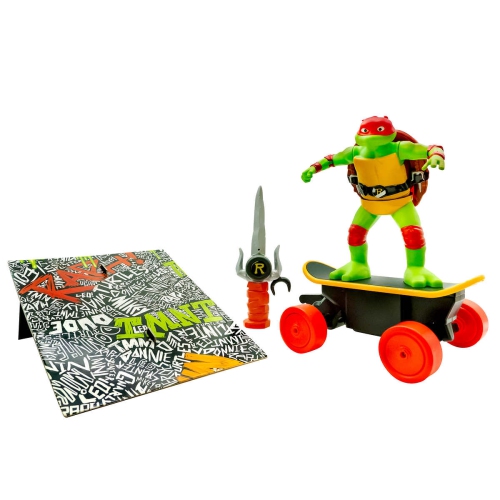 Your price for this item is $82.47
 -
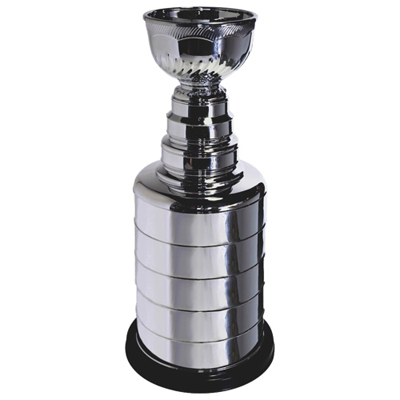 Your price for this item is $356.99
 -
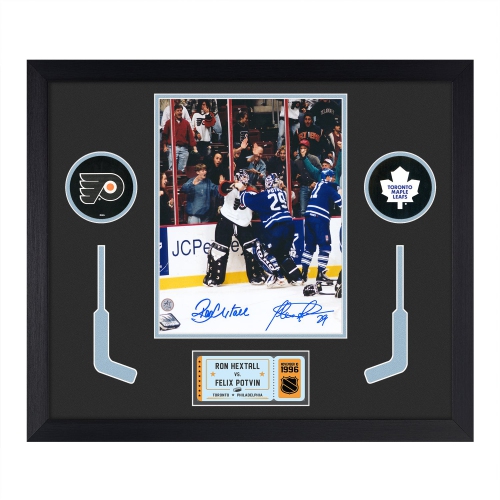 Your price for this item is $379.99
 -
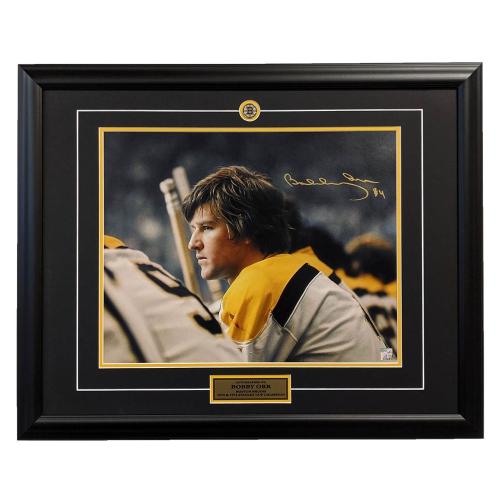 Your price for this item is $1299.99
 -
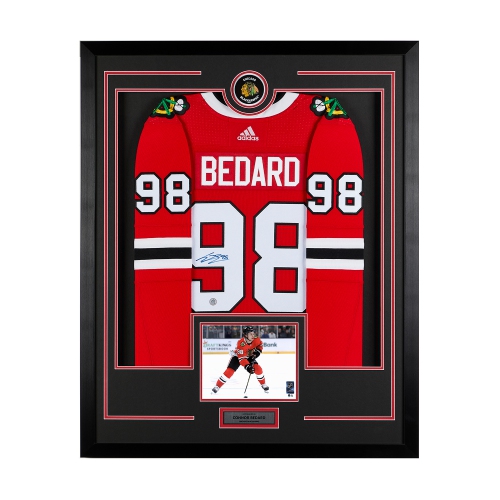 Your price for this item is $1378.99
 -
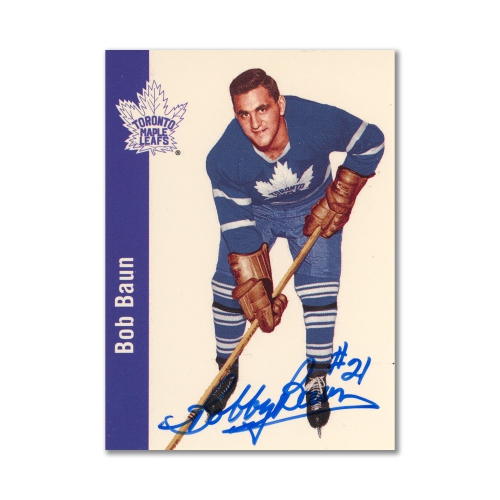 Your price for this item is $79.99
 -
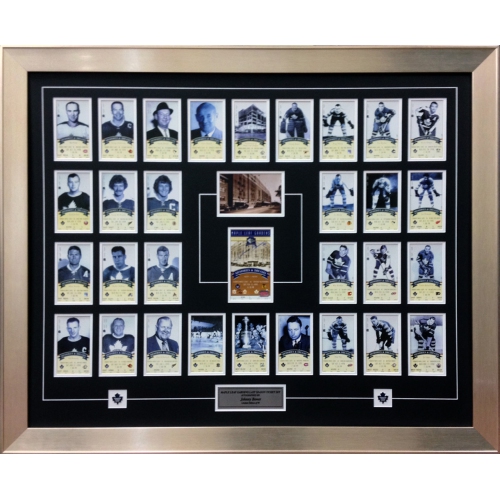 Your price for this item is $439
 -
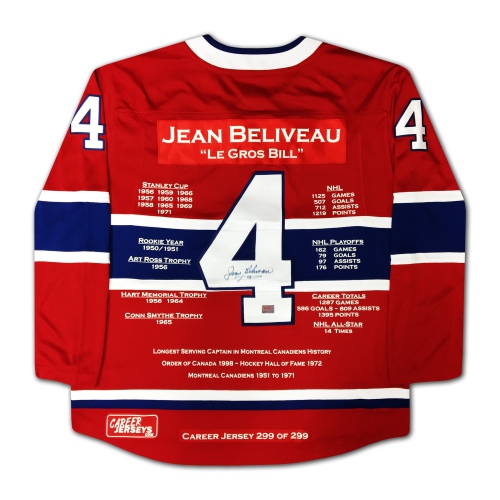 Your price for this item is $1995
Discover more categories related to Detroit Red Wings Collectibles
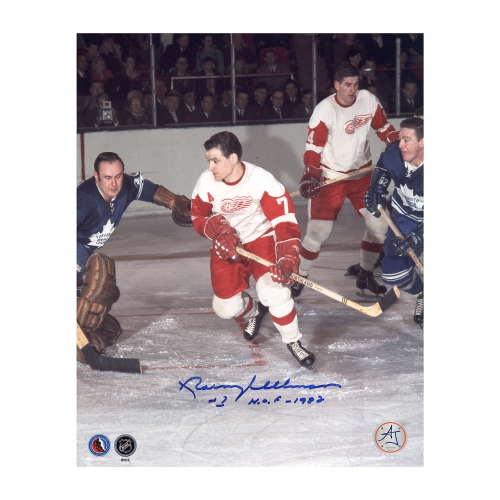
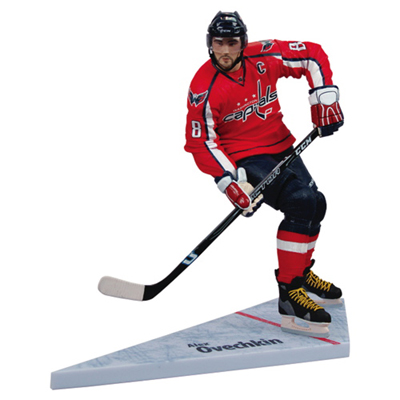
Top Collections:
Pokemon Centers, Kindle Devices, Best Budget Office Chairs, Apple iPhones 16, Samsung Galaxy Phones, Canon G7X Cameras, iPhone 15 Apple, Flip Phones, Best Laptops for Writers, Alarm Clock
Some products may be subject to Environmental Handling Fees
(EHF) depending on your province.
Learn more about EHFs.