Outdoor Tree Swings
Transform your backyard into a magical wonderland with these outdoor tree swings. Whether you're looking to create a whimsical play area for your little ones or want to add a touch of nostalgia to your outdoor space, these tree swings are sure to delight. From classic wooden designs to modern, weather-resistant materials, we have the perfect swing to suit almost any style and preference. So, gather the family and get ready for endless hours of laughter, fun, and relaxation under the shade of your favorite tree.
Sort
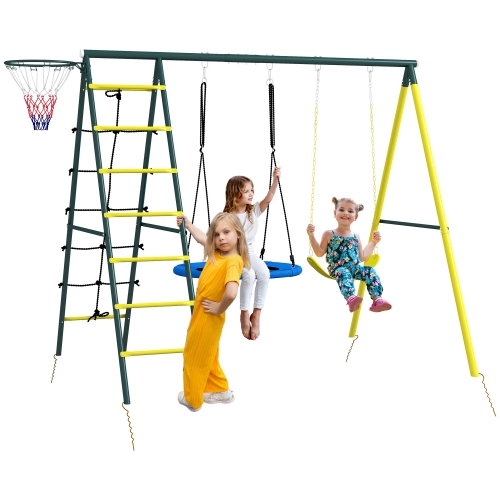
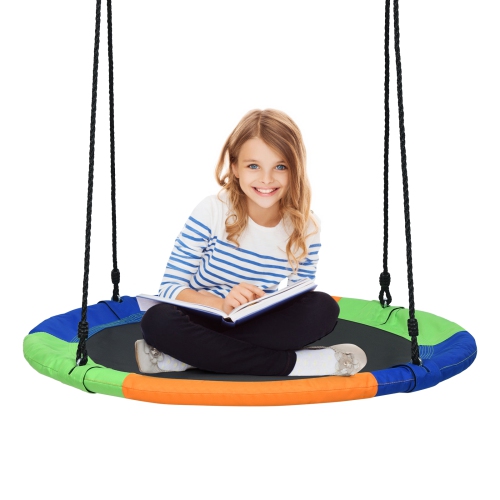
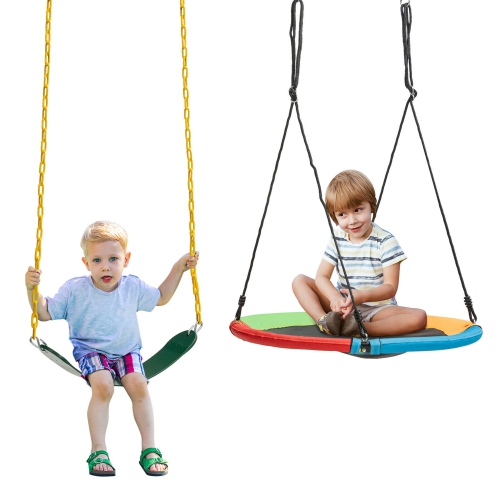
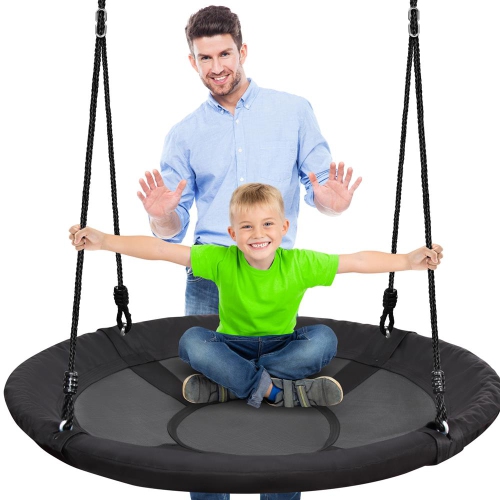
What to know about selecting, installing and caring for swings
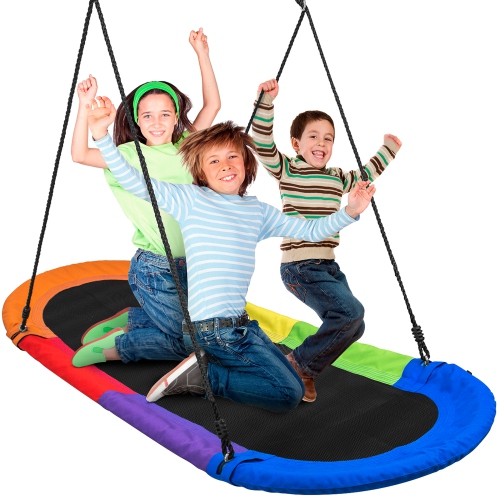
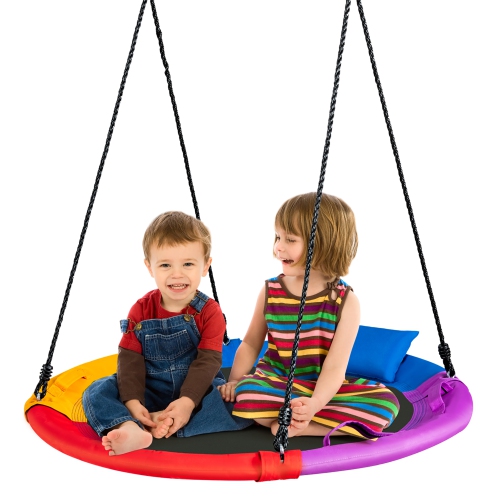
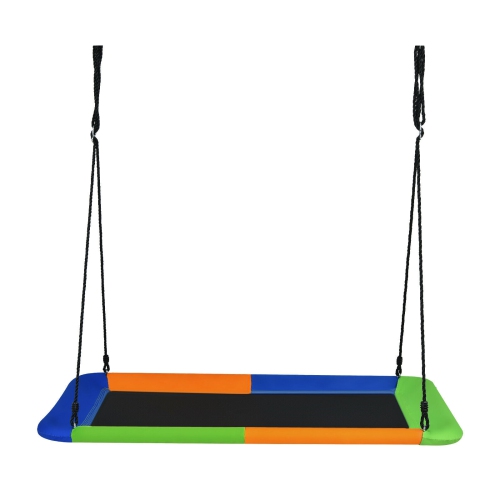
Outdoor tree swings can turn a quiet corner of a yard into a place for movement, imagination and everyday relaxation. Unlike a traditional playground swing that moves in a single direction, many tree-mounted designs encourage a more open style of play, with room to sway, spin gently or settle in with a book. Large saucer-style seats are especially popular for shared use, offering a broad surface where children can sit together or where one person can stretch out and enjoy the motion. Compact disc and climbing styles tend to suit active children who like to hold, balance and experiment with different ways to move, while classic plank-style seats provide a familiar swinging experience. When choosing outdoor tree swings, consider who will use the swing, how many people may use it at once and how much room is available in the yard. A generous seat may be a thoughtful gift for a family with children, grandparents who enjoy watching backyard play or anyone creating a more engaging outdoor space. For a birthday or special occasion, a tree swing can feel particularly personal because it becomes part of the recipient’s home and daily routines rather than a toy that is quickly outgrown. Look for details that match the intended use, such as a strong frame, durable fabric, comfortable seating, textured climbing rope, integrated handles or a weight rating that allows a suitable margin above the combined weight of the users. A wide saucer can be a welcoming place for siblings to share stories after school, while a smaller disc swing may be a better fit for a child who prefers active play and independent movement. Families comparing styles may also want to explore Saucer Swings For Backyard Trees when a roomy, round seat is the right match for their outdoor area.
The tree and the installation site are just as important as the swing itself. Choose a healthy, mature hardwood tree with a sturdy branch that can handle both the listed weight and the movement created while swinging; a thick branch measuring at least 8 inches in diameter is often recommended, although the tree’s condition, shape and manufacturer instructions should always guide the final decision. Avoid dead, cracked or visibly weakened branches, and do not attach a swing to a branch that has significant decay, loose bark or a sharp bend near the hanging point. The swing should sit far enough from the trunk to move freely, with roughly 3 to 5 feet of clearance from the trunk and additional space from fences, sheds, play structures, garden edges and other obstacles. Before installation, look above and around the intended area for low branches, lighting, overhead lines and anything that could interfere with movement. The bottom of the seat is commonly positioned about 1 to 3 feet above the ground, depending on the style, the height of the users and the instructions provided with the swing. A lower position may make it easier for younger children to climb on and off, while the seat still needs enough clearance to avoid brushing the ground during normal movement. Wide polyester tree straps or purpose-built hanging kits are generally preferable to bare rope wrapped directly around a branch, since broad straps distribute pressure more evenly and help reduce friction against the bark. Follow the assembly and attachment instructions carefully, use hardware rated for the expected load and make sure knots, carabiners, connectors and straps are fully secured before anyone climbs aboard. If the branch, hardware or installation point is difficult to assess, a qualified professional or experienced installer can provide useful peace of mind. A level surface beneath the swing is also important. Grass, mulch or another suitable impact-absorbing surface is typically more forgiving than paving stones, concrete or exposed roots, especially in a busy play area.
Outdoor tree swings need occasional attention because they live through changing temperatures, rain, wind and repeated use. Before each session, take a quick look at the seat, ropes, straps and connection points. Check for fraying, stretched stitching, rust, loose bolts, damaged fabric and sharp edges, and replace worn parts rather than trying to reinforce them with improvised materials. Press gently on the seat and inspect the branch from ground level for changes that may have appeared since installation. Children should be shown how to sit or hold on properly, and active designs that allow climbing or standing should be used only as directed and with close supervision. Respect the swing’s stated capacity, even when the seat appears large enough for additional users, because swinging creates dynamic force that can be greater than a person’s stationary weight. During strong wind, heavy rain, freezing conditions or other severe weather, suspend use and follow the care recommendations for the particular materials. Some fabric seats and accessories can be removed and stored in a dry place during the cooler months, helping keep them ready for use as the weather warms again. A clean, dry storage area can also be useful for detachable cushions, ropes or hanging hardware. With the right style, a sound installation and regular checks, outdoor tree swings can become a memorable part of the backyard: a spot where children burn off energy, siblings make up games, adults take a slow break and families gather for a few minutes of simple outdoor fun.
The tree and the installation site are just as important as the swing itself. Choose a healthy, mature hardwood tree with a sturdy branch that can handle both the listed weight and the movement created while swinging; a thick branch measuring at least 8 inches in diameter is often recommended, although the tree’s condition, shape and manufacturer instructions should always guide the final decision. Avoid dead, cracked or visibly weakened branches, and do not attach a swing to a branch that has significant decay, loose bark or a sharp bend near the hanging point. The swing should sit far enough from the trunk to move freely, with roughly 3 to 5 feet of clearance from the trunk and additional space from fences, sheds, play structures, garden edges and other obstacles. Before installation, look above and around the intended area for low branches, lighting, overhead lines and anything that could interfere with movement. The bottom of the seat is commonly positioned about 1 to 3 feet above the ground, depending on the style, the height of the users and the instructions provided with the swing. A lower position may make it easier for younger children to climb on and off, while the seat still needs enough clearance to avoid brushing the ground during normal movement. Wide polyester tree straps or purpose-built hanging kits are generally preferable to bare rope wrapped directly around a branch, since broad straps distribute pressure more evenly and help reduce friction against the bark. Follow the assembly and attachment instructions carefully, use hardware rated for the expected load and make sure knots, carabiners, connectors and straps are fully secured before anyone climbs aboard. If the branch, hardware or installation point is difficult to assess, a qualified professional or experienced installer can provide useful peace of mind. A level surface beneath the swing is also important. Grass, mulch or another suitable impact-absorbing surface is typically more forgiving than paving stones, concrete or exposed roots, especially in a busy play area.
Outdoor tree swings need occasional attention because they live through changing temperatures, rain, wind and repeated use. Before each session, take a quick look at the seat, ropes, straps and connection points. Check for fraying, stretched stitching, rust, loose bolts, damaged fabric and sharp edges, and replace worn parts rather than trying to reinforce them with improvised materials. Press gently on the seat and inspect the branch from ground level for changes that may have appeared since installation. Children should be shown how to sit or hold on properly, and active designs that allow climbing or standing should be used only as directed and with close supervision. Respect the swing’s stated capacity, even when the seat appears large enough for additional users, because swinging creates dynamic force that can be greater than a person’s stationary weight. During strong wind, heavy rain, freezing conditions or other severe weather, suspend use and follow the care recommendations for the particular materials. Some fabric seats and accessories can be removed and stored in a dry place during the cooler months, helping keep them ready for use as the weather warms again. A clean, dry storage area can also be useful for detachable cushions, ropes or hanging hardware. With the right style, a sound installation and regular checks, outdoor tree swings can become a memorable part of the backyard: a spot where children burn off energy, siblings make up games, adults take a slow break and families gather for a few minutes of simple outdoor fun.
Top selling and popular products
-
 Your price for this item is $133
 -
 Your price for this item is $149
 -
 Your price for this item is $149.99
 -
 Your price for this item is $182.55
 -
 Your price for this item is $182.55
 -
 Your price for this item is $182.55
 -
 Your price for this item is $182.55
 -
 Your price for this item is $139.65
Discover more categories related to Outdoor Tree Swings


Top Collections:
Pokemon Centers, Kindle Devices, Best Cell Phones Under $500, Alarm Clock, Canon G7X Cameras, iPhone 15 Apple, Apple iPhones 16, Laptops for Students, iPhone 14 256GB, Budget Smartphones
Some products may be subject to Environmental Handling Fees
(EHF) depending on your province.
Learn more about EHFs.