Pokemon Card Canada
Dive into the captivating world of Pokémon cards and discover a treasure trove of collectible fun. Whether you're a seasoned collector or just starting your journey, Pokémon cards offer endless excitement and nostalgia for fans of all ages. Explore a diverse range of cards that showcase beloved characters, each with its own unique charm and allure. Perfect for battling, trading, or simply admiring, these cards are more than just collectibles; they're gateways to a universe where strategy meets imagination. Unleash your inner Trainer and embark on an adventure as you build your ultimate deck with Pokémon cards available at Best Buy.
Sort
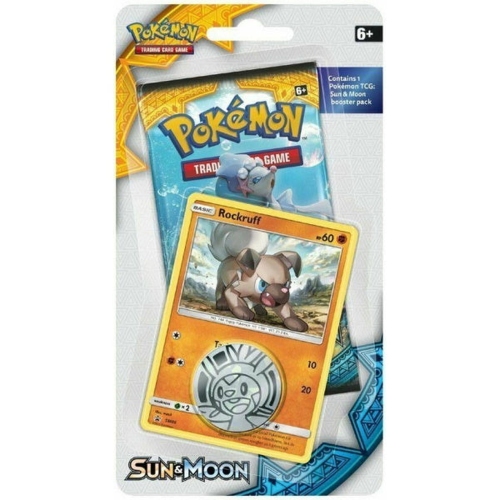
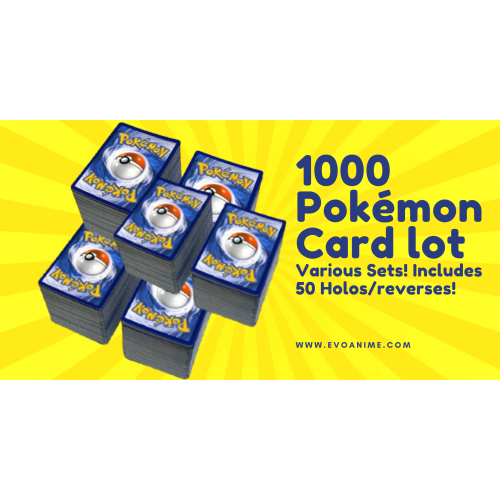
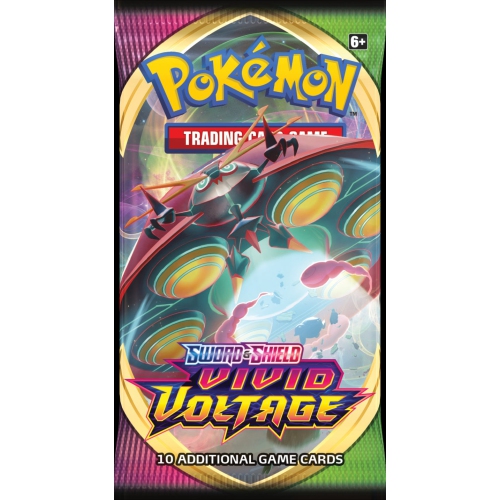
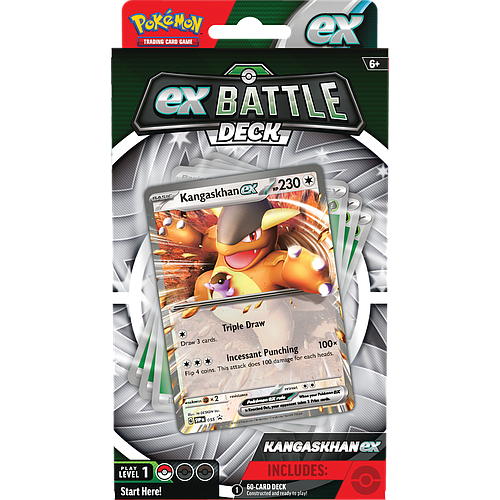
![POKEMON Tcg: Sword & Shield High Class Pack Shiny Star V Booster Box [Jpn] - 10 Packs](https://multimedia.bbycastatic.ca/multimedia/products/500x500/153/15396/15396151.jpeg)

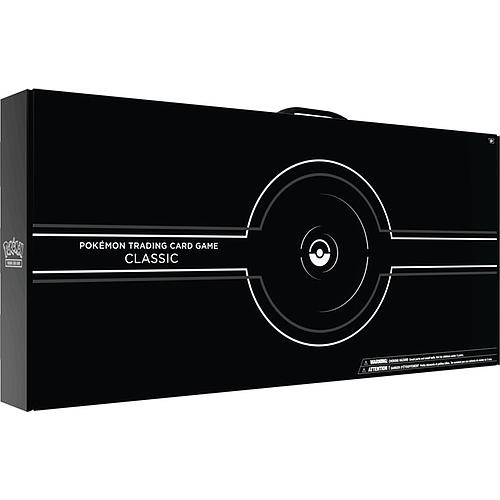

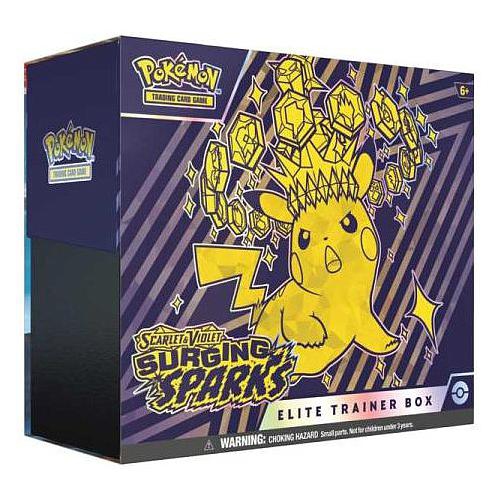
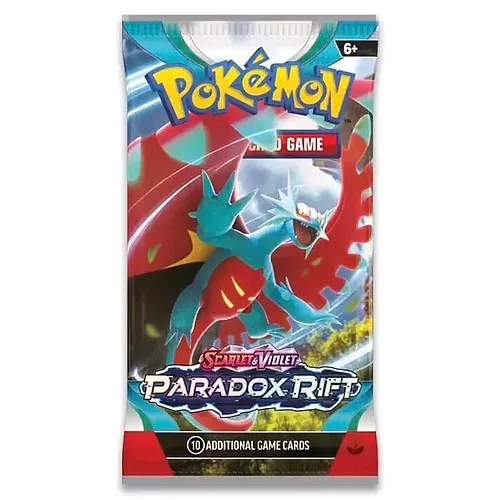
![POKEMON Tcg: Scarlet & Violet 151 Booster Box [Jpn] - 20 Packs](https://multimedia.bbycastatic.ca/multimedia/products/500x500/193/19383/19383131.jpeg)
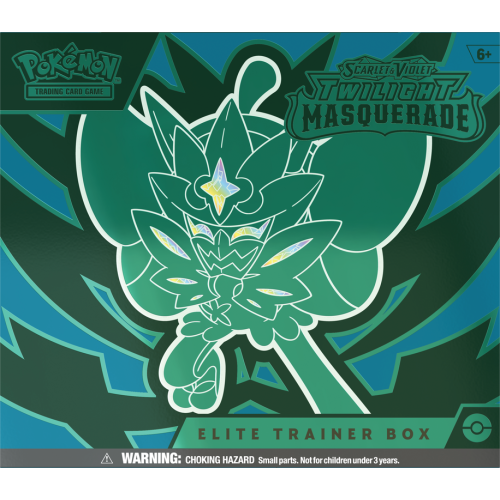
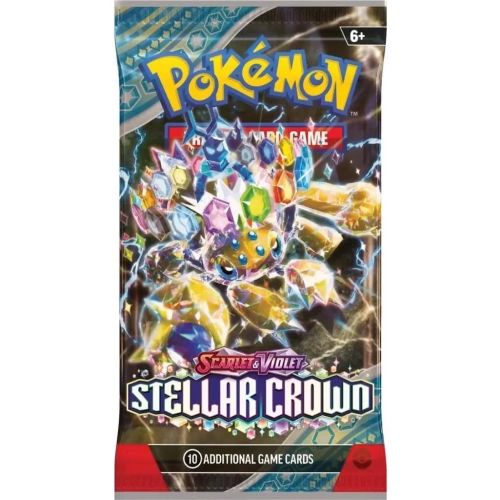
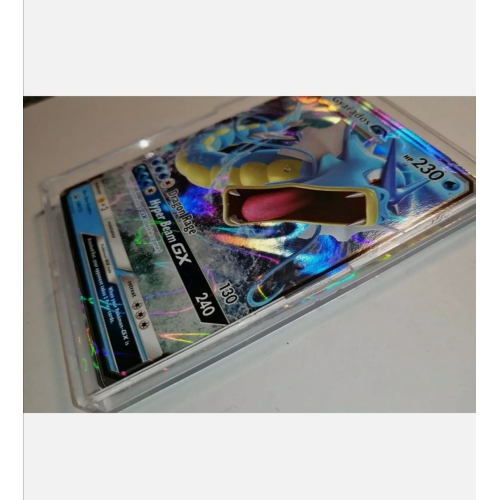
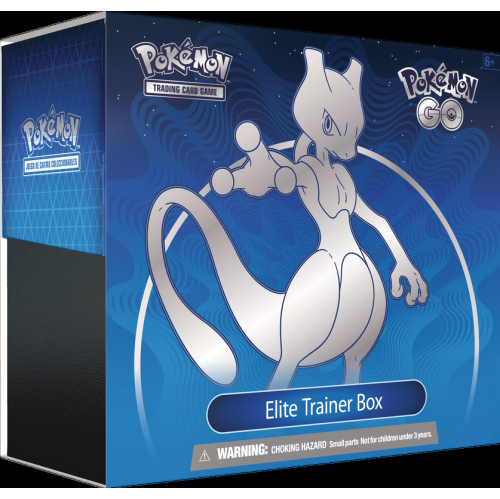
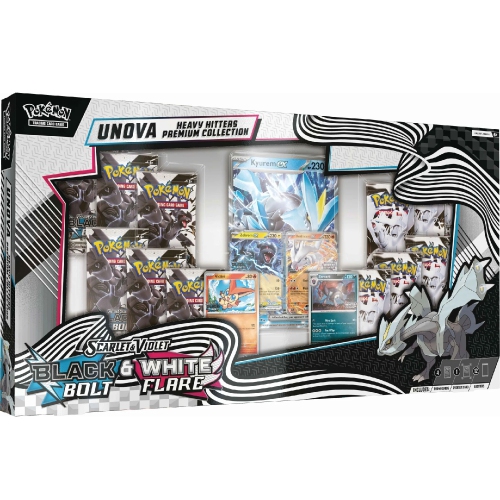
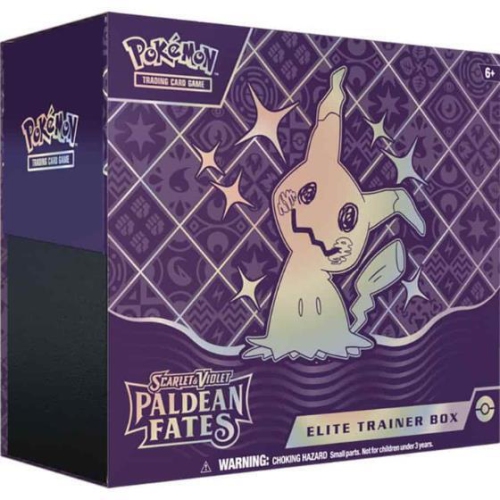
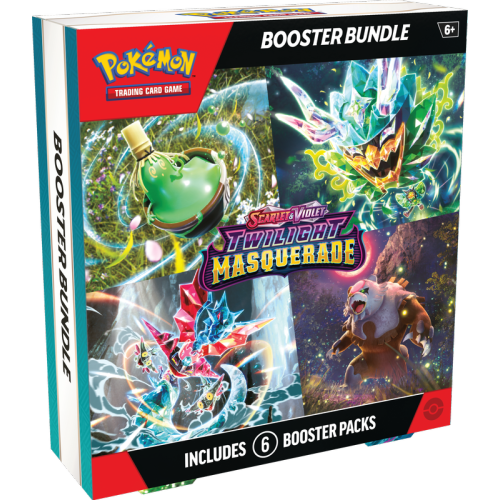
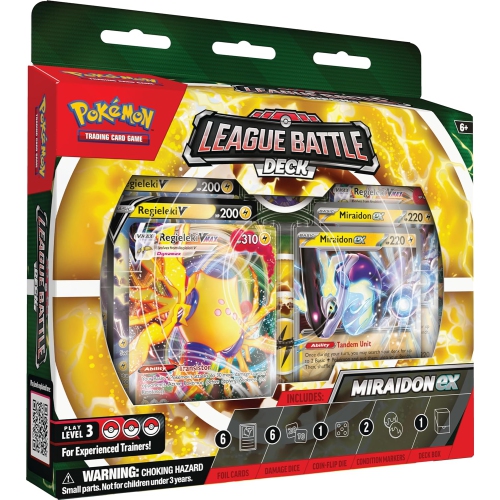
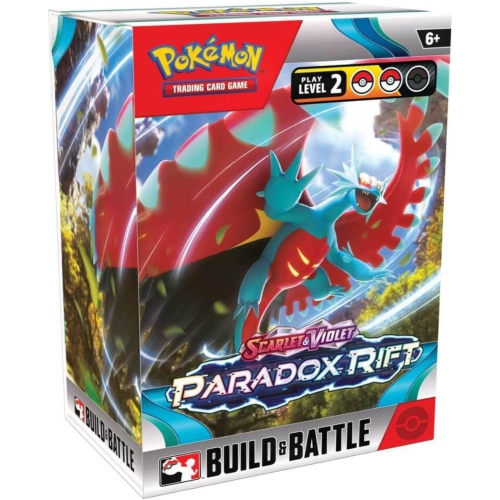
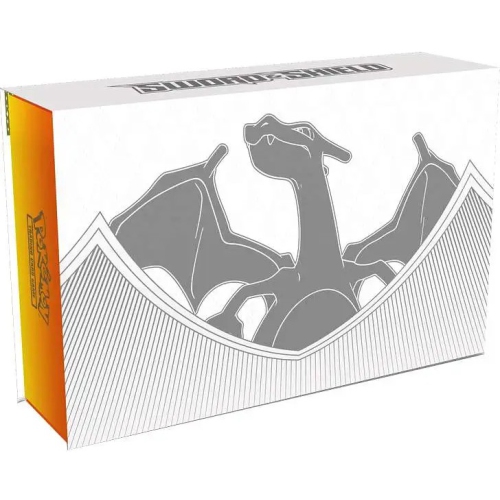
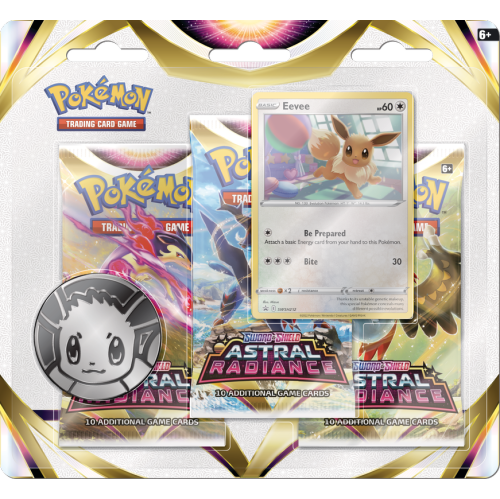

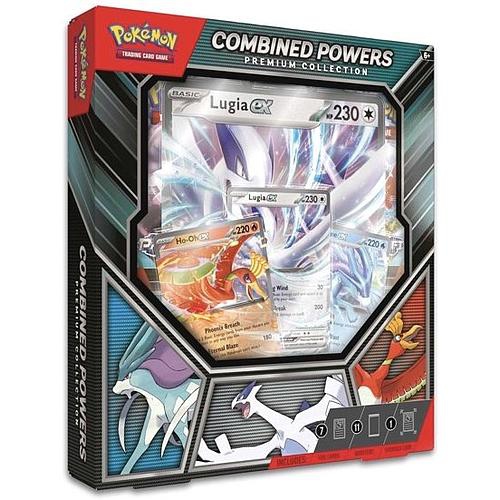
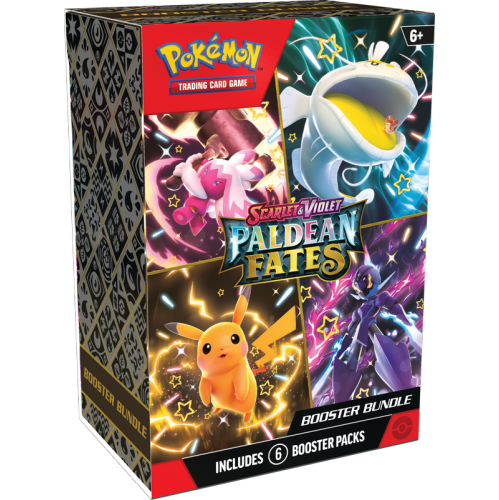
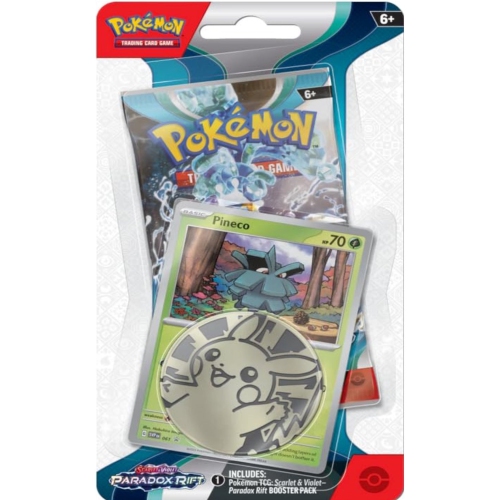
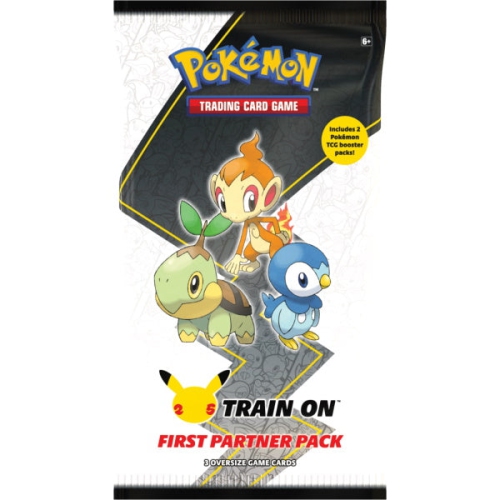
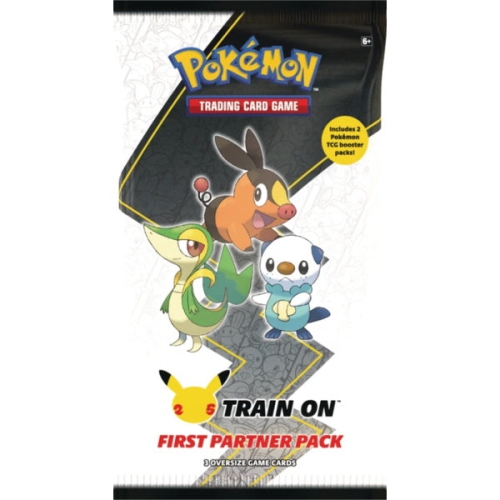
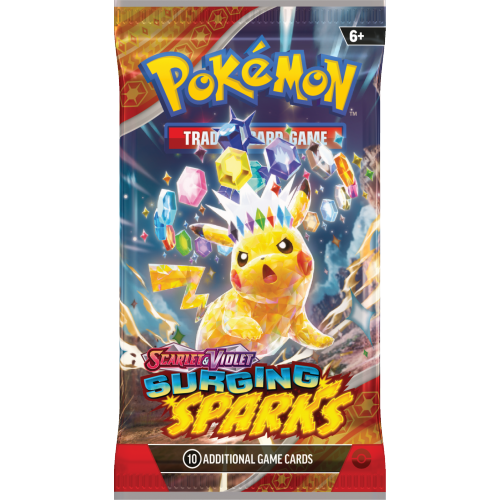
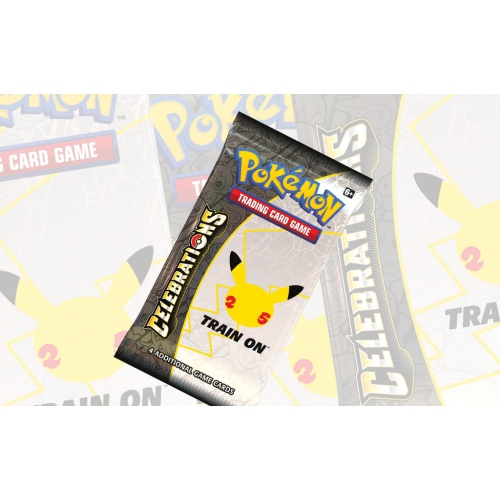
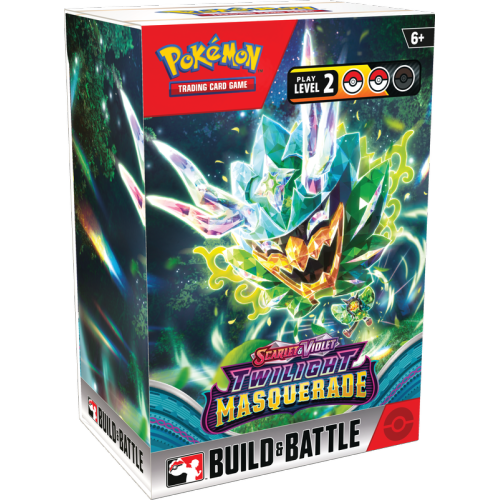
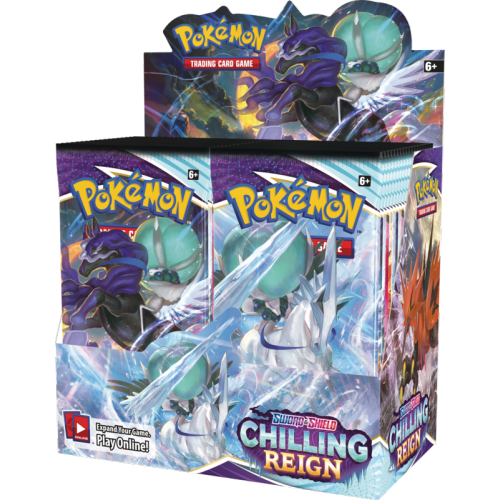
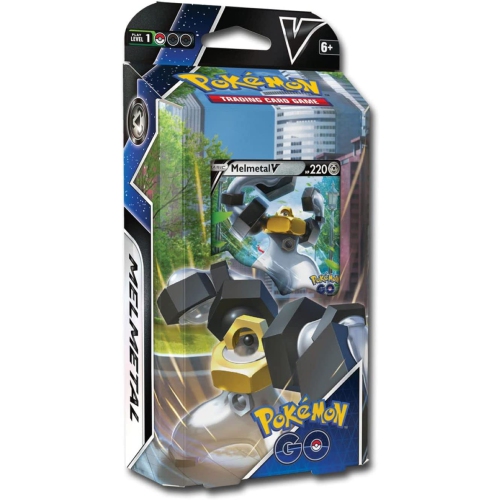
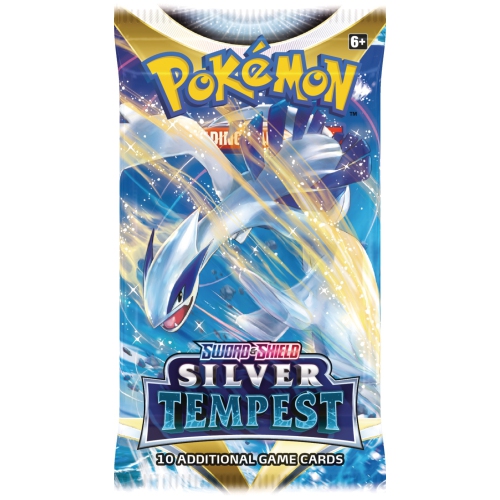
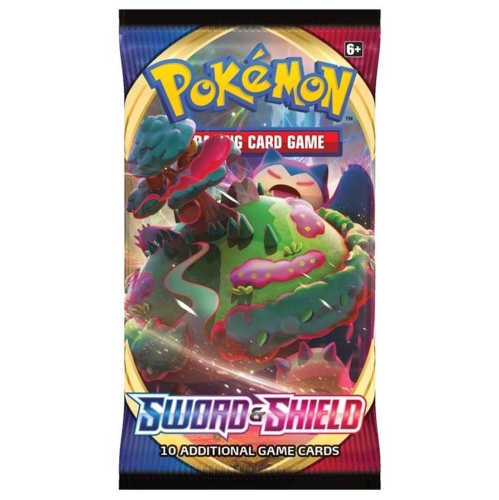
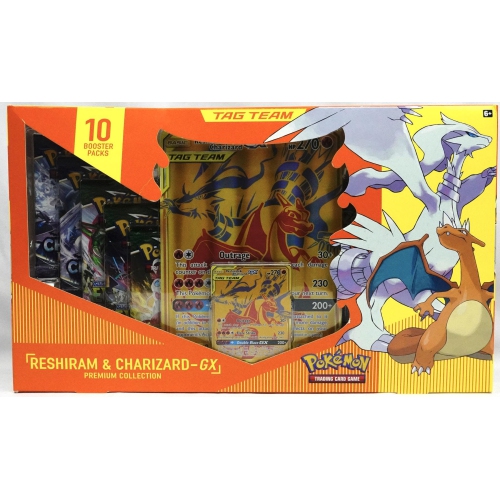
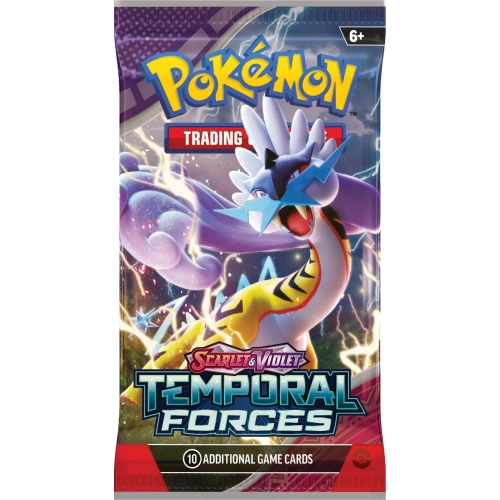
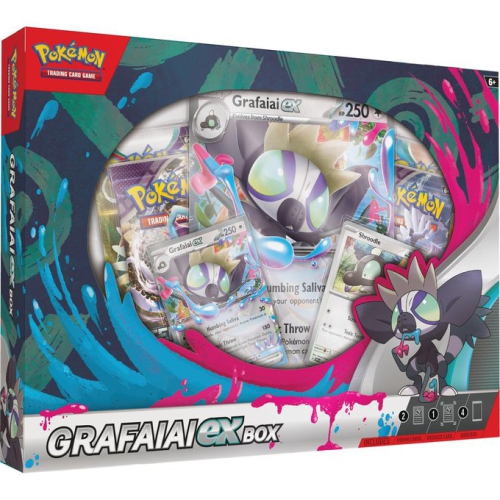
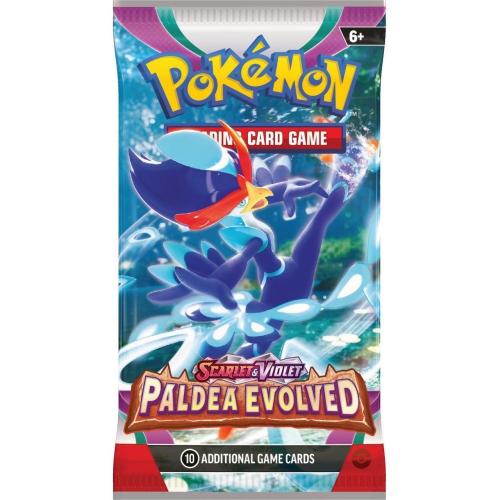
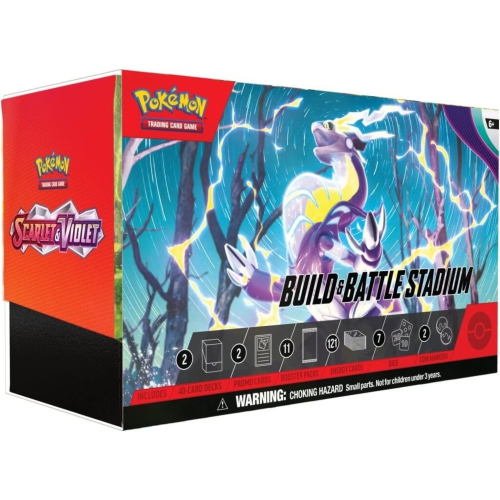


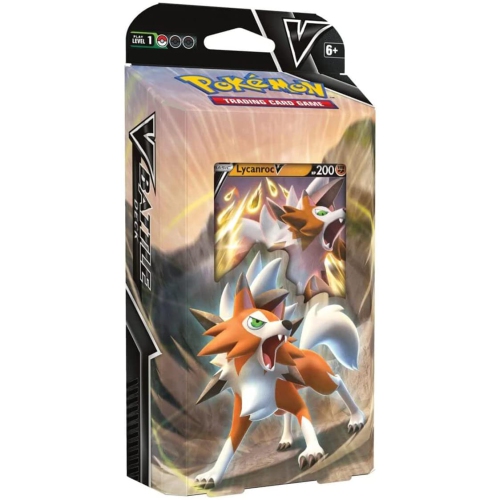

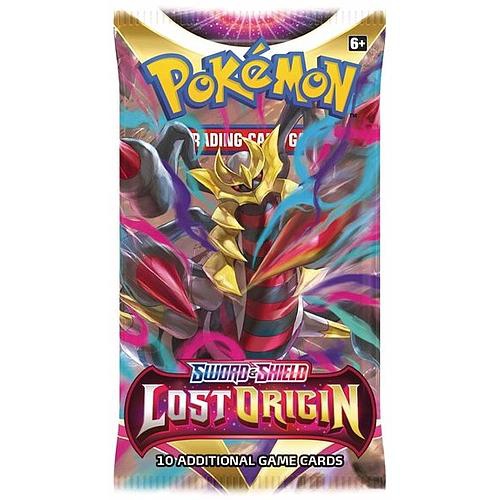
![POKEMON Tcg: Sword & Shield - Lost Origin Sleeved Booster Pack [Card Game, 2 Players]](https://multimedia.bbycastatic.ca/multimedia/products/500x500/165/16590/16590634.jpeg)
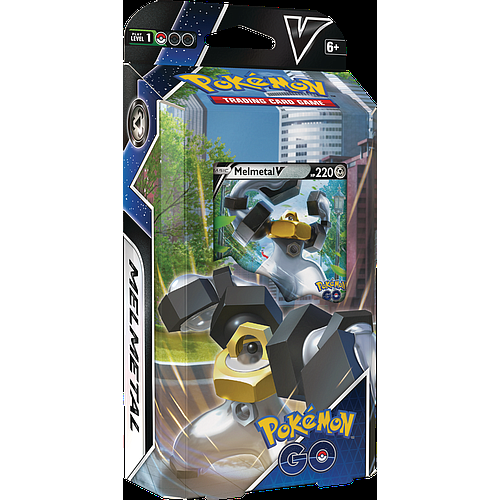
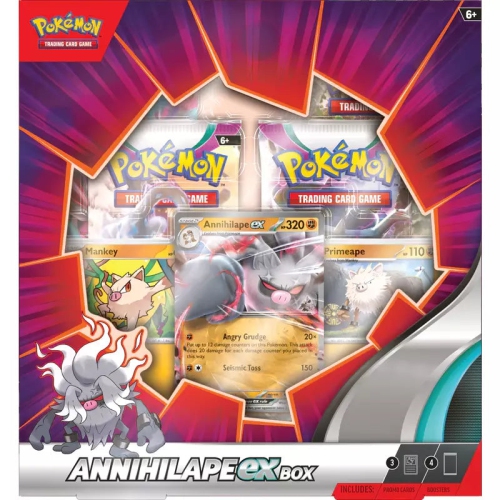
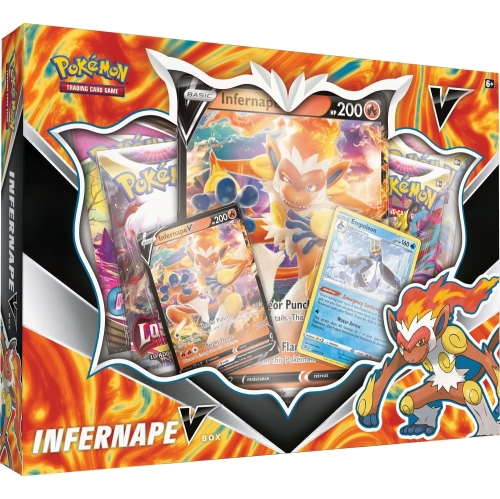
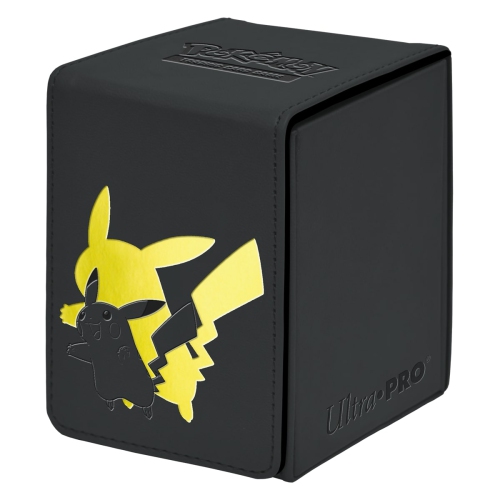
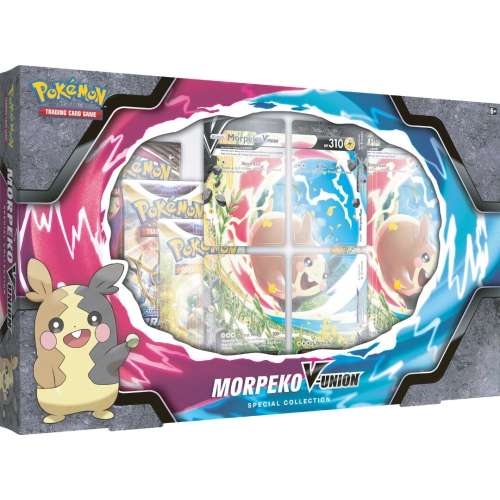
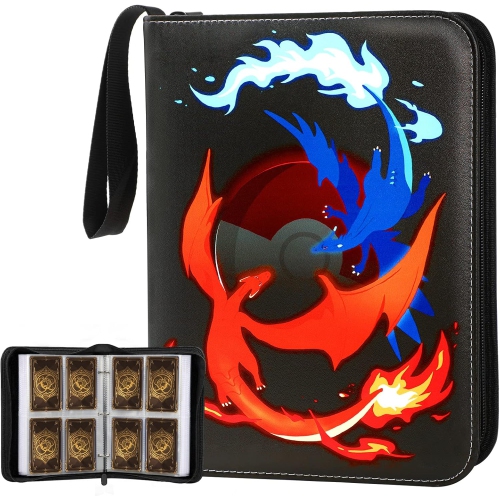
![POKEMON Tcg: Sword & Shield - Go Promo Pack [Jpn]](https://multimedia.bbycastatic.ca/multimedia/products/500x500/169/16982/16982492.jpeg)
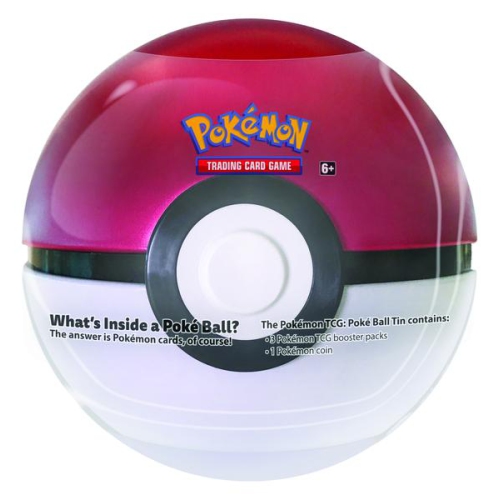
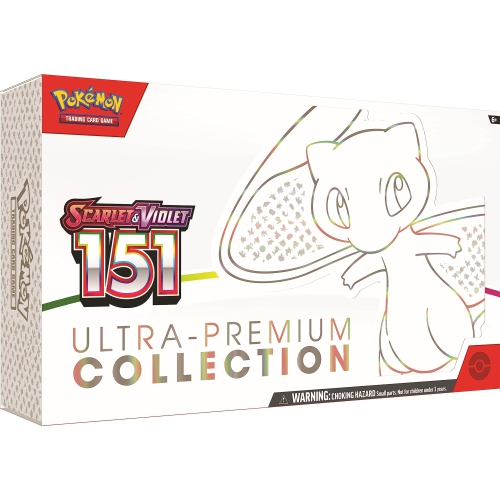
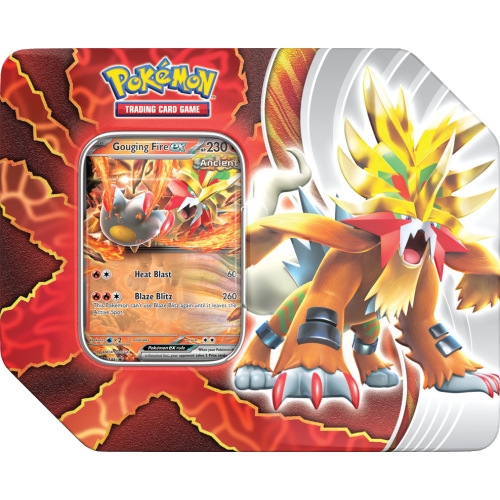
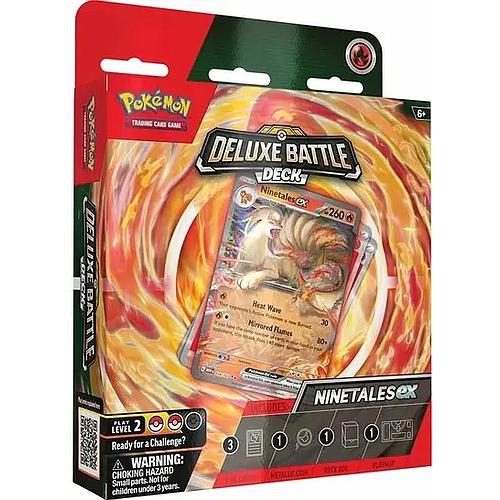
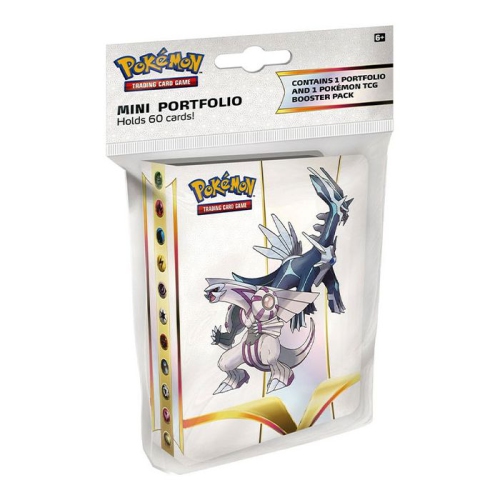
Where favourite Pokémon artwork meets game-night strategy
Pokémon cards bring together collecting, illustrated artwork and a tabletop game that can grow with a player’s interests. For shoppers in Canada, the appeal might start with a familiar character, a striking foil finish or the chance to build a deck for games with friends. Some collectors arrange cards by expansion or card number, while others dedicate binder pages to a favourite Pokémon and its different illustrations. Players tend to focus on how cards work together, balancing Pokémon, Trainer and Energy cards around a particular strategy. These interests often overlap: a card can be a favourite for its artwork and still earn a place in a regularly played deck. Pokémon trading card formats serve different purposes, from sealed booster packs with randomized contents to preconstructed decks designed to provide a defined starting point for play. Larger packaged sets may combine cards with accessories, although their contents vary and should be assessed from the package description rather than the outer artwork alone. A featured character on a booster wrapper does not guarantee that character will appear inside. For someone hoping to start playing promptly, a ready-to-play deck generally offers a more direct route than an assortment of randomized packs. For a collector who enjoys sorting new additions and filling spaces in a binder, the surprise of opening packs may be part of the attraction. Individual cards, where relevant, serve a different purpose by letting collectors focus on a particular gap or players target a deck requirement. Beyond the card table, the broader Pokemon Canada collection connects with the same interest in characters and imaginative play. Whether the goal is a neatly organized collection or a deck that travels to game nights, the most useful distinction is between cards intended for collecting, cards intended for playing and accessories intended to protect them.
Language, edition and intended use are important details when considering Pokémon cards in Canada. English and French cards can appeal to different households, and readable card text makes a meaningful difference when children or new players are learning attacks, abilities and turn sequences. Packaging language, card language and included instructions are worth distinguishing, particularly when a gift will be shared by siblings or used with a local play group. A standard Pokémon trading card deck contains 60 cards, but a stack of 60 assorted cards is not necessarily a playable deck. Card combinations, Energy requirements and deck-building rules all affect how smoothly a game unfolds. Organized play also has format requirements, so an older card that fits beautifully into a collection may not qualify for a particular tournament. Casual games at the kitchen table offer more flexibility when everyone agrees on the rules beforehand. For collectors, details such as expansion symbols, collector numbers, illustration treatments and card condition help distinguish cards that may otherwise look similar. A foil finish alone does not establish rarity or authenticity, and no single visual check can reliably settle every concern about a card. Clear packaging information and accurate descriptions provide a better basis for understanding what a sealed format contains. Package quantities also deserve attention: the number of packs, cards and accessories are separate details, and similarly sized boxes can contain quite different combinations. These distinctions matter for gifts as much as personal collections. A younger fan who wants to admire character artwork may enjoy a different format from a confident player refining a deck for weekly matches. Someone returning to the hobby after several years may appreciate straightforward card text and a manageable collection more than a large assortment to sort at once. Age recommendations on packaging remain useful, especially when sets include dice, counters or other small components. For shared family use, cards that match the recipient’s reading comfort and interest in the game are more likely to find their way onto the table.
Physical protection helps cards stand up to the handling that comes with collecting, trading and repeated play. Most Pokémon trading cards are paper-based, with printed surfaces and finishes that can show scratches, worn edges, creases or moisture damage. Standard cards measure approximately 63 by 88 mm, making sleeve dimensions a useful consideration; oversized display cards require a different fit. Sleeves intended for standard-size trading cards should hold cards comfortably without forcing the corners, while a deck box needs enough room for the full deck with sleeves in place. Snug storage can keep cards from sliding around, but an overfilled box puts unnecessary pressure on edges and makes cards harder to remove. Collectors often use binders for easy browsing and more rigid holders for individual cards that need extra protection. Acid-free, PVC-free storage materials are generally preferable for long-term contact with paper cards. Binder pockets should allow cards to sit flat, and filled pages should turn without bending against an overloaded cover. During play, a clean, dry surface or a playmat helps limit contact with crumbs and rough tabletops. Clean, dry hands are usually enough for ordinary handling; liquid cleaners and household wipes can damage printed surfaces and should stay away from the cards themselves. Drinks set off to the side, rather than beside an open binder, can prevent an accidental spill from reaching an entire page. Storage away from direct sunlight, excess humidity and heat helps preserve both the card stock and printed artwork. During the cooler months, a deck carried between home and a gathering benefits from a protective case inside a bag, rather than loose cards tucked into a coat pocket. For gift giving, birthdays, family celebrations and indoor game nights all offer natural occasions for Pokémon cards, especially when the format reflects how the recipient enjoys the hobby. A binder suits someone who likes arranging artwork into tidy rows, while sleeves and a deck box support a player who regularly shuffles and transports cards. That connection between cards, care and everyday use gives a collection room to grow without losing sight of the simple pleasure of sharing a favourite illustration or playing a close match across the table.
Language, edition and intended use are important details when considering Pokémon cards in Canada. English and French cards can appeal to different households, and readable card text makes a meaningful difference when children or new players are learning attacks, abilities and turn sequences. Packaging language, card language and included instructions are worth distinguishing, particularly when a gift will be shared by siblings or used with a local play group. A standard Pokémon trading card deck contains 60 cards, but a stack of 60 assorted cards is not necessarily a playable deck. Card combinations, Energy requirements and deck-building rules all affect how smoothly a game unfolds. Organized play also has format requirements, so an older card that fits beautifully into a collection may not qualify for a particular tournament. Casual games at the kitchen table offer more flexibility when everyone agrees on the rules beforehand. For collectors, details such as expansion symbols, collector numbers, illustration treatments and card condition help distinguish cards that may otherwise look similar. A foil finish alone does not establish rarity or authenticity, and no single visual check can reliably settle every concern about a card. Clear packaging information and accurate descriptions provide a better basis for understanding what a sealed format contains. Package quantities also deserve attention: the number of packs, cards and accessories are separate details, and similarly sized boxes can contain quite different combinations. These distinctions matter for gifts as much as personal collections. A younger fan who wants to admire character artwork may enjoy a different format from a confident player refining a deck for weekly matches. Someone returning to the hobby after several years may appreciate straightforward card text and a manageable collection more than a large assortment to sort at once. Age recommendations on packaging remain useful, especially when sets include dice, counters or other small components. For shared family use, cards that match the recipient’s reading comfort and interest in the game are more likely to find their way onto the table.
Physical protection helps cards stand up to the handling that comes with collecting, trading and repeated play. Most Pokémon trading cards are paper-based, with printed surfaces and finishes that can show scratches, worn edges, creases or moisture damage. Standard cards measure approximately 63 by 88 mm, making sleeve dimensions a useful consideration; oversized display cards require a different fit. Sleeves intended for standard-size trading cards should hold cards comfortably without forcing the corners, while a deck box needs enough room for the full deck with sleeves in place. Snug storage can keep cards from sliding around, but an overfilled box puts unnecessary pressure on edges and makes cards harder to remove. Collectors often use binders for easy browsing and more rigid holders for individual cards that need extra protection. Acid-free, PVC-free storage materials are generally preferable for long-term contact with paper cards. Binder pockets should allow cards to sit flat, and filled pages should turn without bending against an overloaded cover. During play, a clean, dry surface or a playmat helps limit contact with crumbs and rough tabletops. Clean, dry hands are usually enough for ordinary handling; liquid cleaners and household wipes can damage printed surfaces and should stay away from the cards themselves. Drinks set off to the side, rather than beside an open binder, can prevent an accidental spill from reaching an entire page. Storage away from direct sunlight, excess humidity and heat helps preserve both the card stock and printed artwork. During the cooler months, a deck carried between home and a gathering benefits from a protective case inside a bag, rather than loose cards tucked into a coat pocket. For gift giving, birthdays, family celebrations and indoor game nights all offer natural occasions for Pokémon cards, especially when the format reflects how the recipient enjoys the hobby. A binder suits someone who likes arranging artwork into tidy rows, while sleeves and a deck box support a player who regularly shuffles and transports cards. That connection between cards, care and everyday use gives a collection room to grow without losing sight of the simple pleasure of sharing a favourite illustration or playing a close match across the table.
Top selling and popular products
-
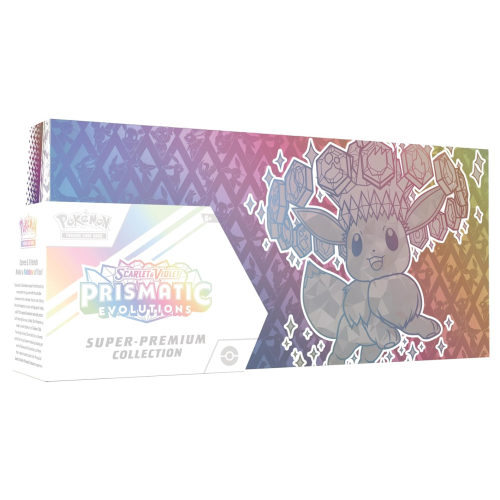 Your price for this item is $489.88
 -
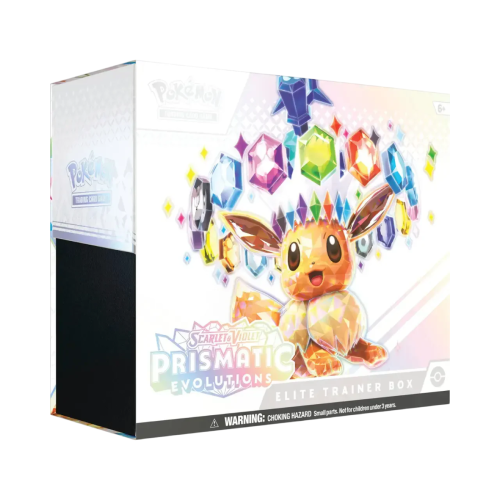 Your price for this item is $279.97
 -
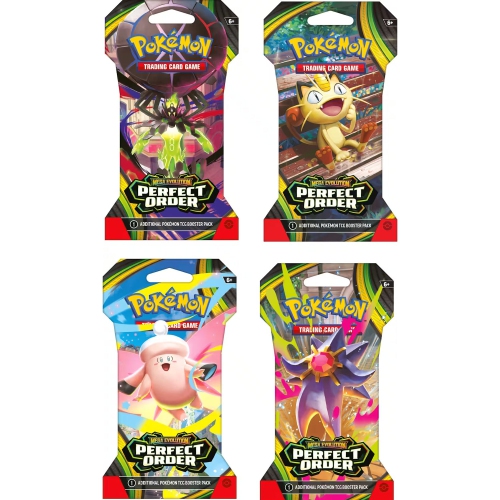 Your price for this item is $10.29
 -
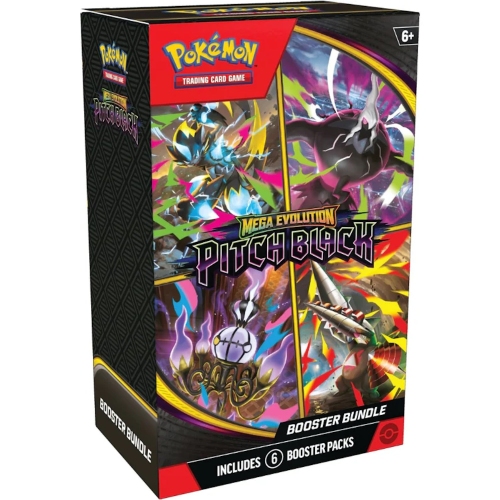 Your price for this item is $59.99
 -
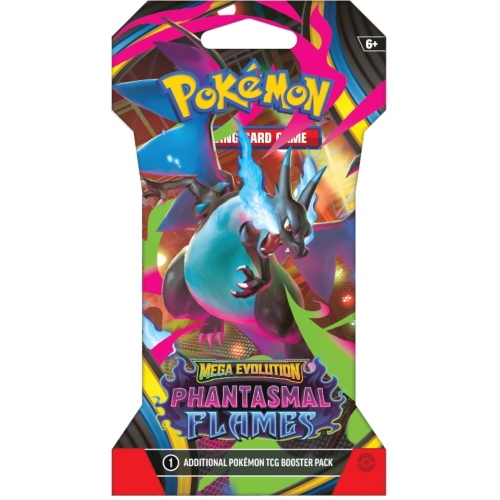 Your price for this item is $22.94
 -
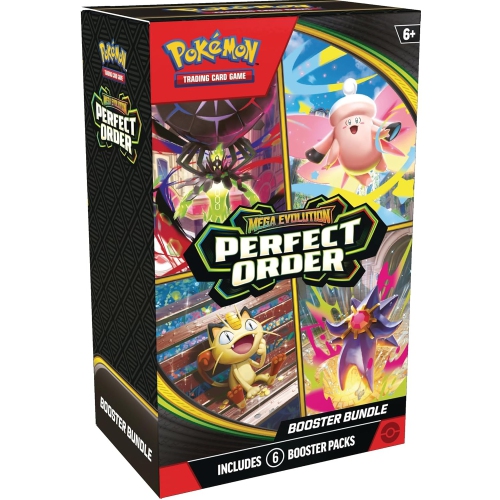 Your price for this item is $72.39
 -
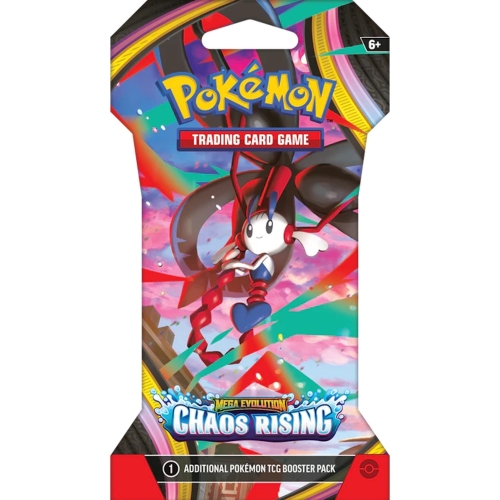 Your price for this item is $14.48
 -
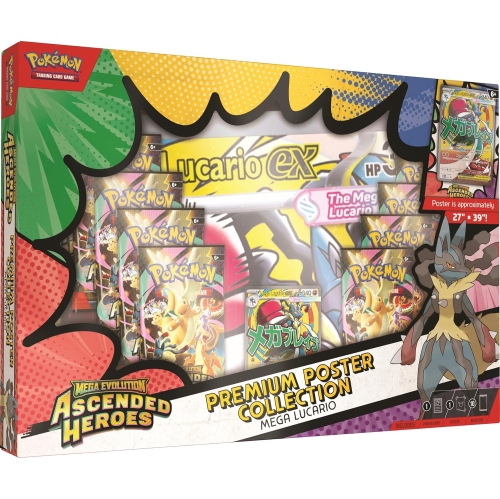 Your price for this item is $284.05
Discover more categories related to Pokemon Card Canada

Top Collections:
Pokemon Centers, Kindle Devices, Best Budget Office Chairs, Best Laptops for Writers, Apple iPhones 16, iPhone 15 Apple, Canon G7X Cameras, Best Cell Phones Under $300, Alarm Clock, Flip Phones
Some products may be subject to Environmental Handling Fees
(EHF) depending on your province.
Learn more about EHFs.