36 Inch Duffle Bags
Whether you're traveling for work or play, a good bag can be a huge help. It should be lightweight, durable, and easy to carry. The best duffel bags offer plenty of room for your stuff, whether you're packing for a weekend trip or an extended business trip. Here are some great options in 36-inch sizes.
Sort

Why bag shape matters as much as length
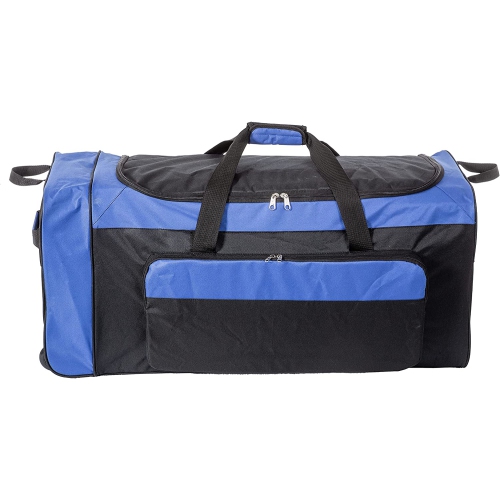
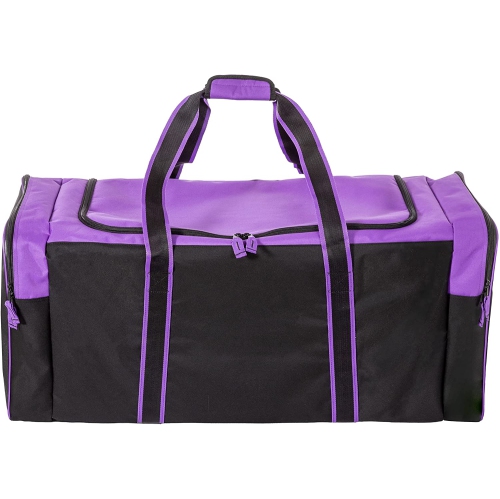
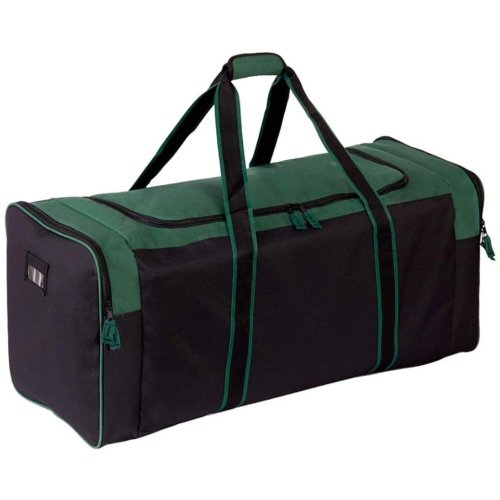
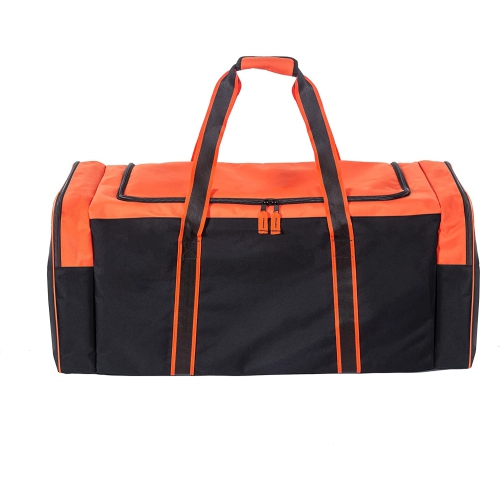
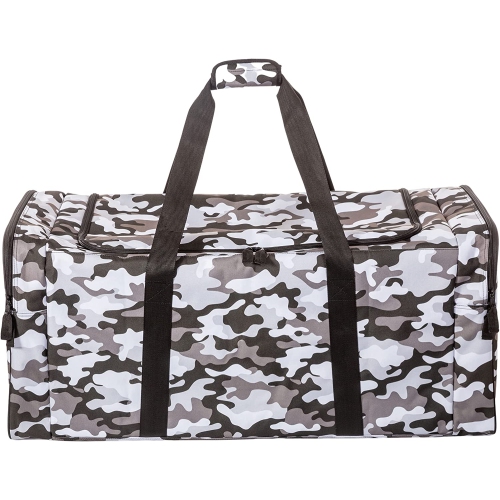
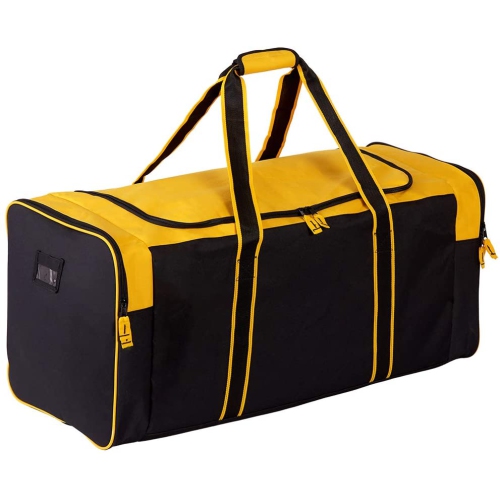
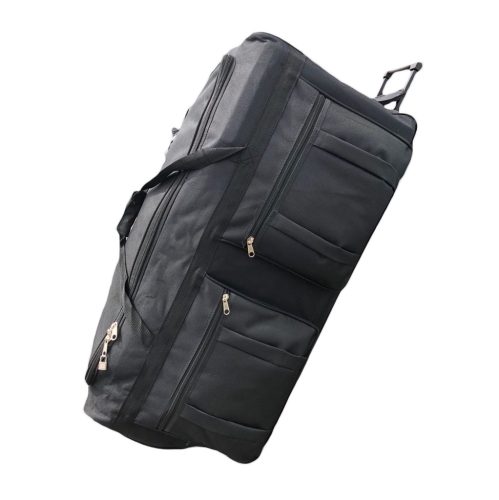
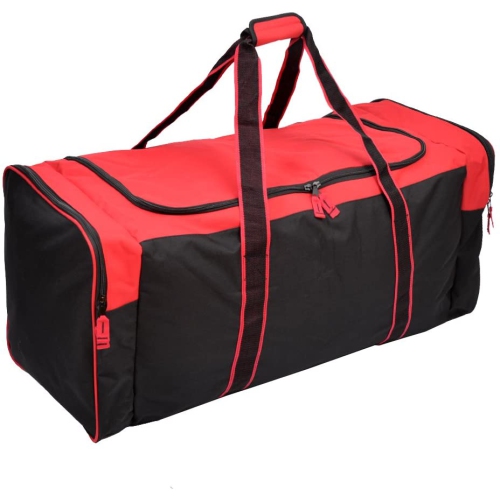
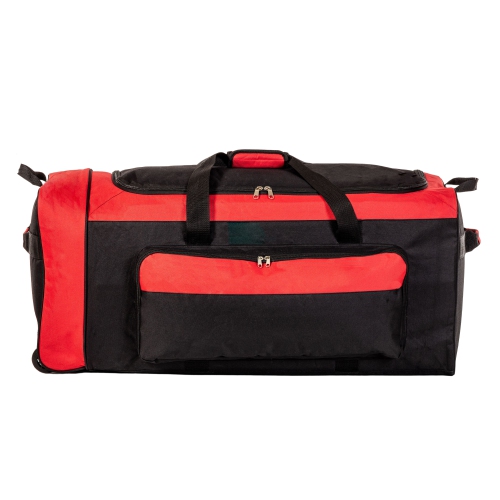
A 36-inch duffle bag is an extra-large travel or equipment bag suited to bulky sports gear, camping supplies, and clothing for extended trips. The stated size usually refers to its length—approximately 91.4 cm—rather than its total storage capacity, so width, height, and the shape of the main compartment matter just as much when comparing bags. A long, narrow design may accommodate equipment comfortably, while a deeper rectangular bag can make better use of folded clothing and packing cubes. This size is useful for hockey players carrying protective equipment, families grouping several people’s belongings together, students moving between residences, and travellers who prefer one large checked bag over several smaller pieces. Soft-sided construction can provide flexibility around irregular loads, although rigid bases, wheel housings, and reinforced panels affect how much a bag can compress. A broad top opening makes it easier to place a helmet beside padded gear or lift out a stack of clothing without emptying everything above it. Straight zippered openings offer a simpler layout, while U-shaped openings expose more of the interior for packing and unpacking. Internal dividers, end compartments, and exterior pockets can separate footwear, toiletries, or small accessories from the main load, but their usefulness depends on what needs to fit. A shoe compartment, for example, often takes space from the central packing area rather than adding capacity outside it. For shared family packing, separate pouches help keep each person’s belongings together inside a single roomy compartment. The extra length also makes these bags practical for transporting bedding or soft camping equipment, provided individual pieces fit within the actual internal dimensions. For shorter trips or lighter loads, 20 inch duffle bags offer a more compact alternative. A 36-inch bag generally exceeds airline carry-on limits, and even as checked baggage it may exceed standard size allowances. Airline rules typically assess combined exterior length, width, and height, including protruding parts, so the nominal bag length alone cannot establish whether it meets a particular carrier’s requirements.
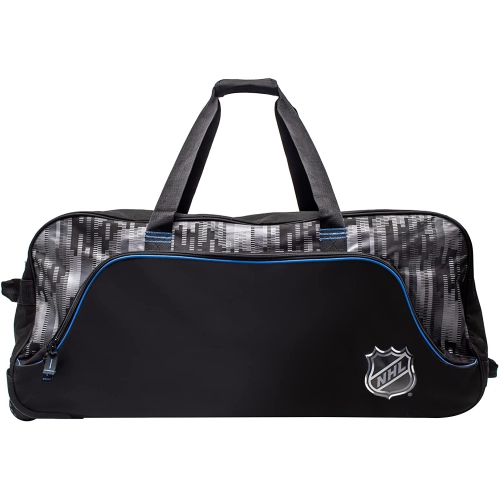
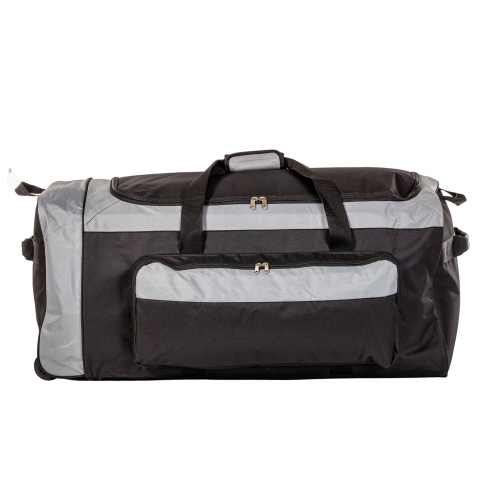
Materials and construction influence how a large duffle handles repeated lifting, crowded luggage spaces, and the weight of its contents. Polyester and nylon are common choices for soft-sided bags because they balance fabric weight with everyday practicality. A fabric’s denier rating describes the thickness of its individual fibres, but it does not, by itself, establish how durable the finished bag will be; weave, coatings, stitching, and reinforcement also contribute. Canvas has a substantial feel and can suit equipment transport or general travel, though heavier fabric adds to the empty weight before packing begins. Mesh panels or mesh bodies allow airflow around athletic equipment and make contents easier to spot, but they provide less separation from dust and surrounding surfaces than a closed fabric compartment. Water-resistant fabrics and coatings can help protect against incidental splashes, yet they should not be treated as a guarantee that liquid cannot enter through seams or zippers. Toiletries still belong in a separate pouch, especially when sharing space with clothing or fabric gear. At this size, reinforced handle attachment points are particularly important because a fully packed bag places considerable strain on a small number of seams. Handles that extend down the sides or connect to supporting webbing can help distribute that force. A structured bottom helps the bag hold its shape, while a removable base panel may allow it to fold flatter between uses. Zipper access deserves attention, too: large pulls are easier to grasp, and an opening that closes without stretching the fabric puts less stress on the teeth and surrounding stitching. Wheeled duffle bags add a frame and rolling hardware, which can make a heavy load easier to move along smooth floors. Those components also increase empty weight and take up some packing space. Standard carry duffles generally have fewer rigid parts and may fit more easily into storage spaces, but their practicality depends on how far the packed bag needs to be carried and whether its weight remains manageable.
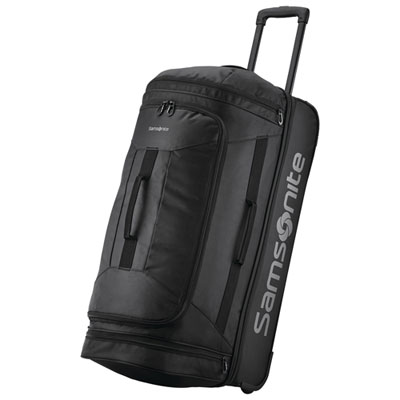
The right carrying arrangement makes a noticeable difference when moving a 36-inch duffle from a bedroom floor to a vehicle, through a terminal, or into a team changing room. Paired top handles provide a straightforward lifting point, while end grab handles can help with repositioning a long bag in a boot or luggage compartment. A padded, adjustable shoulder strap can be useful for brief carries, but even a comfortable strap cannot make an overloaded bag easy to manage. Its adjustment range should let the bag sit close enough to the body that it does not repeatedly knock against the legs. For rolling designs, handle reach and wheel placement affect how comfortably the bag follows behind; a long bag that drags or twists can be awkward even on an unobstructed floor. Packing heavier belongings low and near the wheel end can improve balance, while keeping frequently needed accessories in an accessible pocket reduces rummaging. Dense objects should be cushioned and kept away from delicate belongings, since a soft duffle is not a substitute for a protective equipment case. Before loading up for a trip, measuring the intended storage space can prevent an inconvenient surprise: the bag needs to fit through the opening of a vehicle’s cargo area as well as within the space beyond it. Care is usually simplest when spills and dirt are addressed promptly according to the care label. Many structured or wheeled bags need spot cleaning rather than machine washing, and removable panels may require separate treatment. Emptying pockets, brushing debris away from zippers, and allowing the interior to dry fully before storage help keep the bag ready for its next use. Athletic clothing and damp towels should be removed after transport rather than left inside a closed compartment. Store the bag without forcing folds through rigid panels or trapping straps beneath heavy objects. As a gift, an extra-large duffle can suit a frequent traveller, a student preparing to move, or someone transporting team equipment, particularly when the recipient’s usual load, carrying preferences, and storage space are known.
Materials and construction influence how a large duffle handles repeated lifting, crowded luggage spaces, and the weight of its contents. Polyester and nylon are common choices for soft-sided bags because they balance fabric weight with everyday practicality. A fabric’s denier rating describes the thickness of its individual fibres, but it does not, by itself, establish how durable the finished bag will be; weave, coatings, stitching, and reinforcement also contribute. Canvas has a substantial feel and can suit equipment transport or general travel, though heavier fabric adds to the empty weight before packing begins. Mesh panels or mesh bodies allow airflow around athletic equipment and make contents easier to spot, but they provide less separation from dust and surrounding surfaces than a closed fabric compartment. Water-resistant fabrics and coatings can help protect against incidental splashes, yet they should not be treated as a guarantee that liquid cannot enter through seams or zippers. Toiletries still belong in a separate pouch, especially when sharing space with clothing or fabric gear. At this size, reinforced handle attachment points are particularly important because a fully packed bag places considerable strain on a small number of seams. Handles that extend down the sides or connect to supporting webbing can help distribute that force. A structured bottom helps the bag hold its shape, while a removable base panel may allow it to fold flatter between uses. Zipper access deserves attention, too: large pulls are easier to grasp, and an opening that closes without stretching the fabric puts less stress on the teeth and surrounding stitching. Wheeled duffle bags add a frame and rolling hardware, which can make a heavy load easier to move along smooth floors. Those components also increase empty weight and take up some packing space. Standard carry duffles generally have fewer rigid parts and may fit more easily into storage spaces, but their practicality depends on how far the packed bag needs to be carried and whether its weight remains manageable.
The right carrying arrangement makes a noticeable difference when moving a 36-inch duffle from a bedroom floor to a vehicle, through a terminal, or into a team changing room. Paired top handles provide a straightforward lifting point, while end grab handles can help with repositioning a long bag in a boot or luggage compartment. A padded, adjustable shoulder strap can be useful for brief carries, but even a comfortable strap cannot make an overloaded bag easy to manage. Its adjustment range should let the bag sit close enough to the body that it does not repeatedly knock against the legs. For rolling designs, handle reach and wheel placement affect how comfortably the bag follows behind; a long bag that drags or twists can be awkward even on an unobstructed floor. Packing heavier belongings low and near the wheel end can improve balance, while keeping frequently needed accessories in an accessible pocket reduces rummaging. Dense objects should be cushioned and kept away from delicate belongings, since a soft duffle is not a substitute for a protective equipment case. Before loading up for a trip, measuring the intended storage space can prevent an inconvenient surprise: the bag needs to fit through the opening of a vehicle’s cargo area as well as within the space beyond it. Care is usually simplest when spills and dirt are addressed promptly according to the care label. Many structured or wheeled bags need spot cleaning rather than machine washing, and removable panels may require separate treatment. Emptying pockets, brushing debris away from zippers, and allowing the interior to dry fully before storage help keep the bag ready for its next use. Athletic clothing and damp towels should be removed after transport rather than left inside a closed compartment. Store the bag without forcing folds through rigid panels or trapping straps beneath heavy objects. As a gift, an extra-large duffle can suit a frequent traveller, a student preparing to move, or someone transporting team equipment, particularly when the recipient’s usual load, carrying preferences, and storage space are known.
Top selling and popular products
-
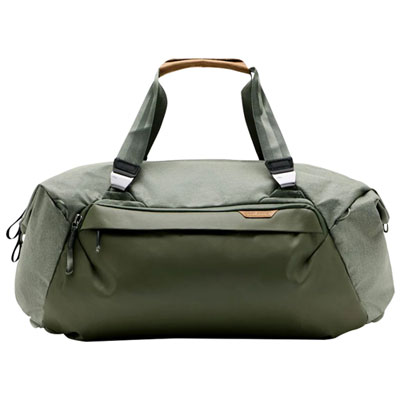 Your price for this item is $209.97
 -
 Your price for this item is $75
 -
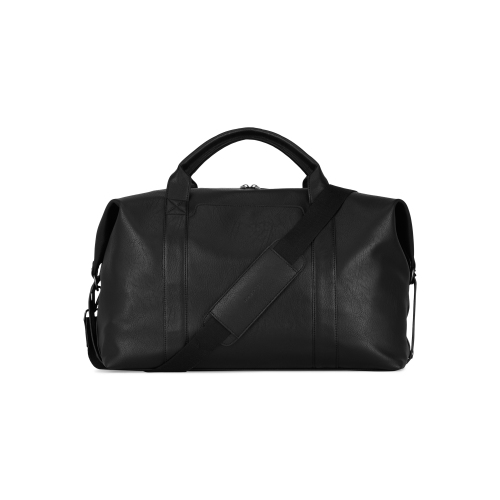 Your price for this item is $75
 -
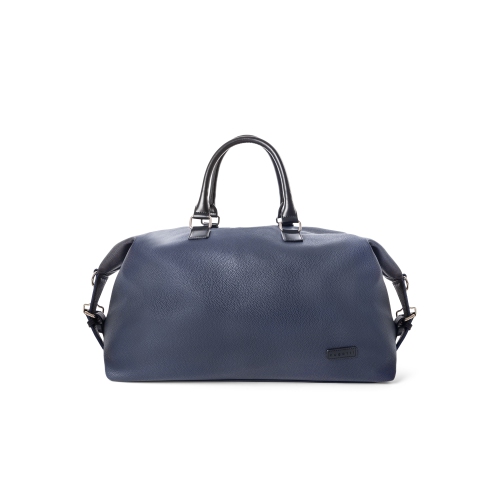 Your price for this item is $97.5
 -
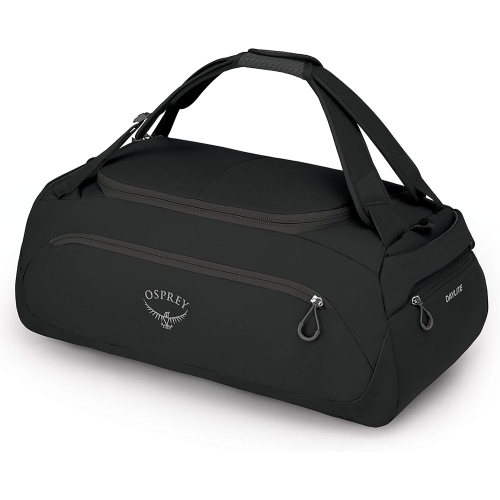 Your price for this item is $189.05
 -
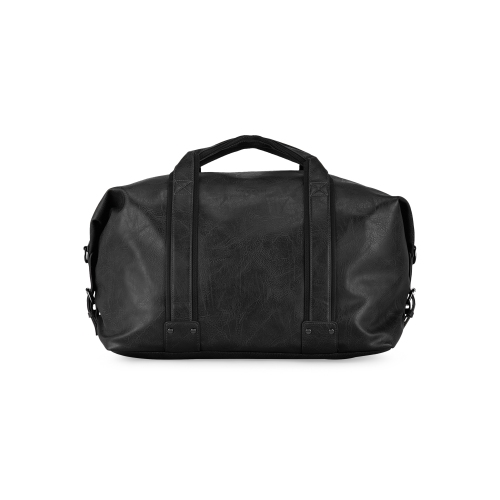 Your price for this item is $97.5
 -
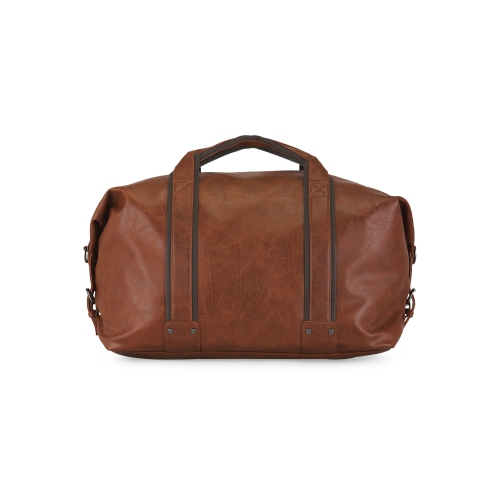 Your price for this item is $97.5
 -
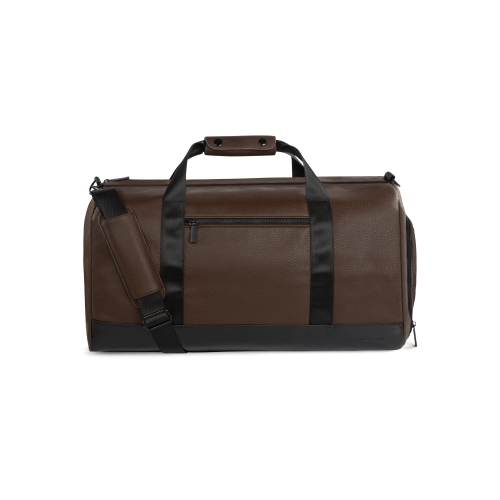 Your price for this item is $97.5
Discover more categories related to 36 Inch Duffle Bags
Top Collections:
Pokemon Centers, Kindle Devices, Best Budget Office Chairs, Apple iPhones 16, Samsung Galaxy Phones, Canon G7X Cameras, iPhone 15 Apple, Flip Phones, Best Laptops for Writers, Alarm Clock
Some products may be subject to Environmental Handling Fees
(EHF) depending on your province.
Learn more about EHFs.