Duffle Bags for Camping
Gear up for your next outdoor adventure with our collection of versatile duffle bags designed for camping enthusiasts. Whether you're heading out for a weekend getaway or a week-long expedition, these durable and spacious bags are the perfect companions for all your gear and essentials. With a range of sizes, styles, and features to choose from, you can find the ideal duffle bag to suit your camping needs. Stay organized and ready for anything with these reliable and rugged options that are built to withstand the demands of the great outdoors.
Sort
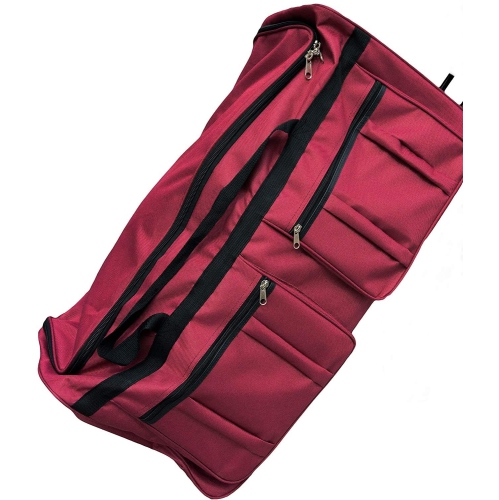

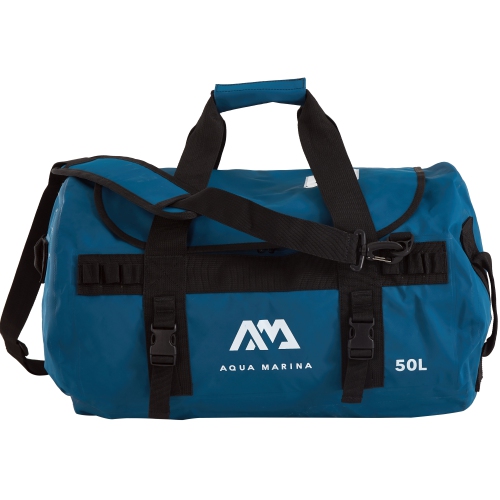
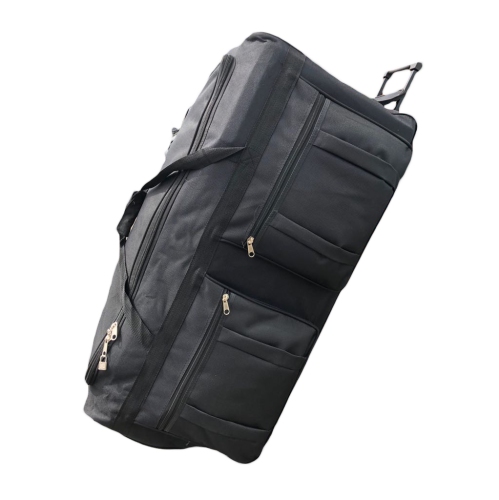

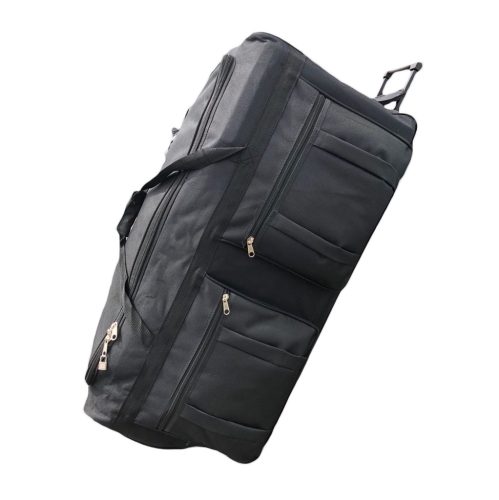
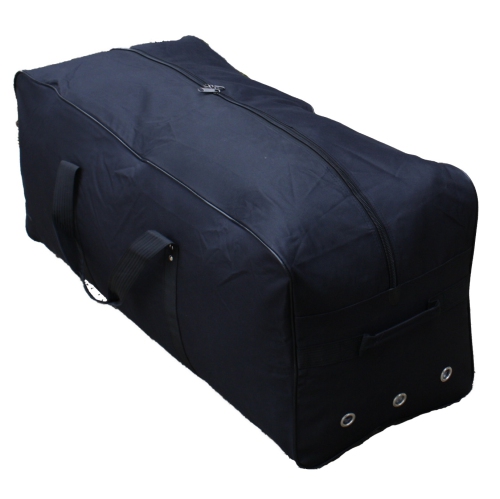
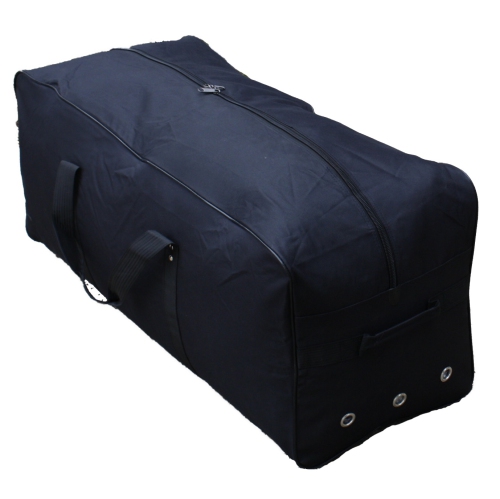
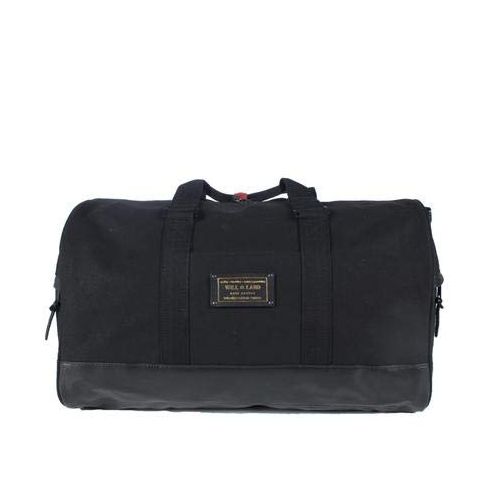
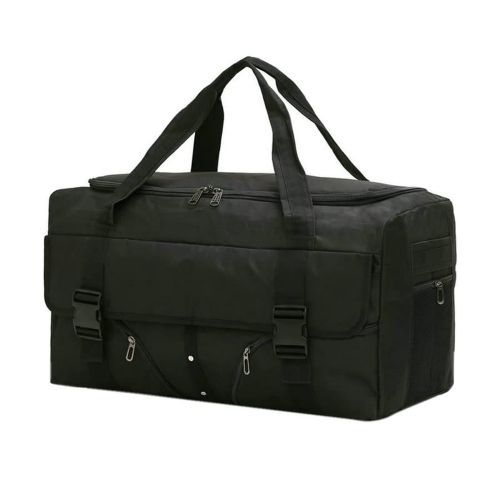
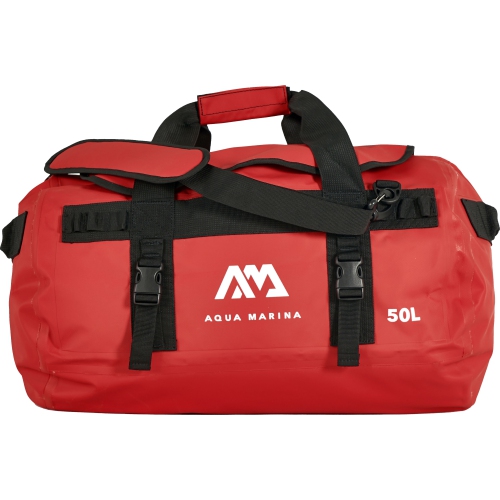
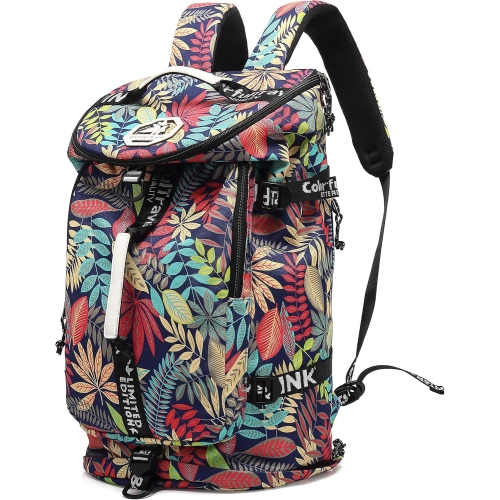
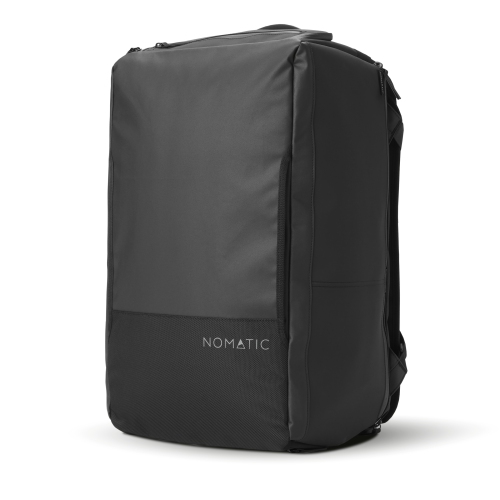
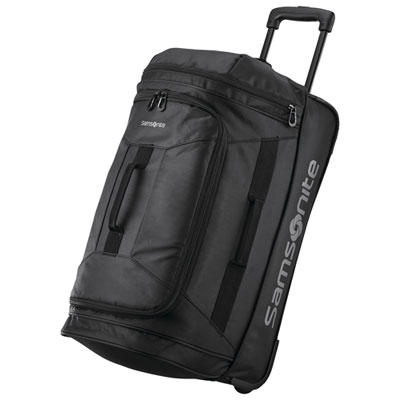
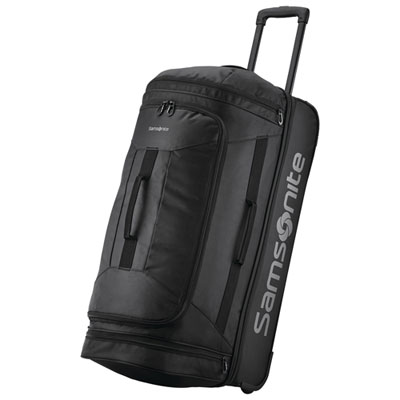
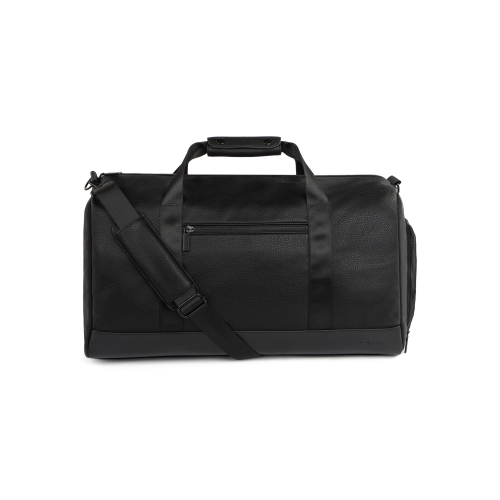
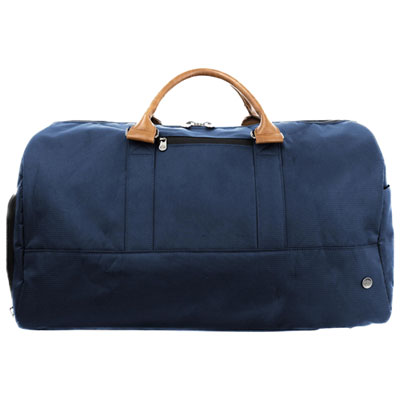
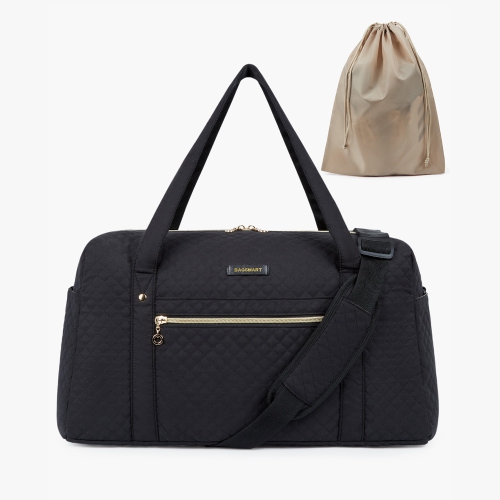
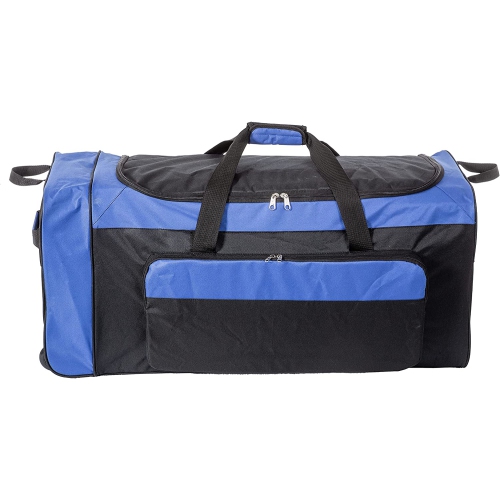
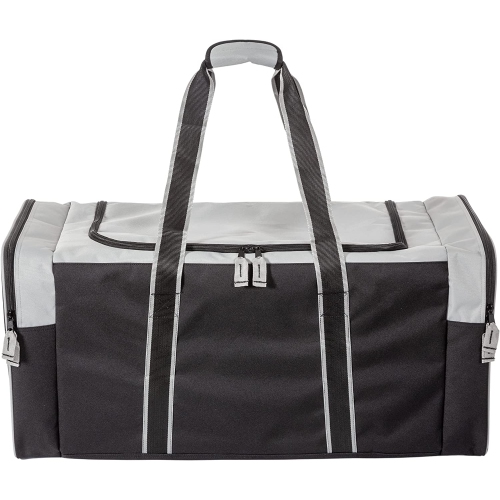
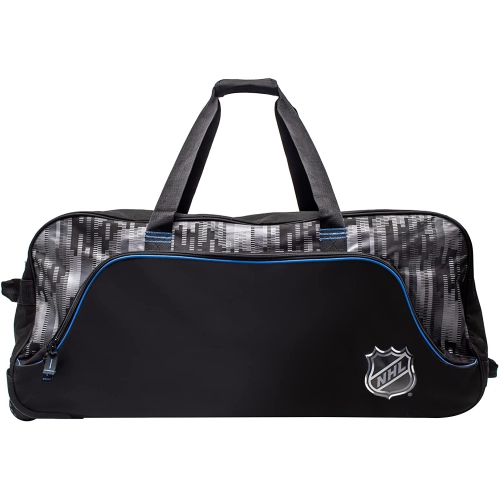
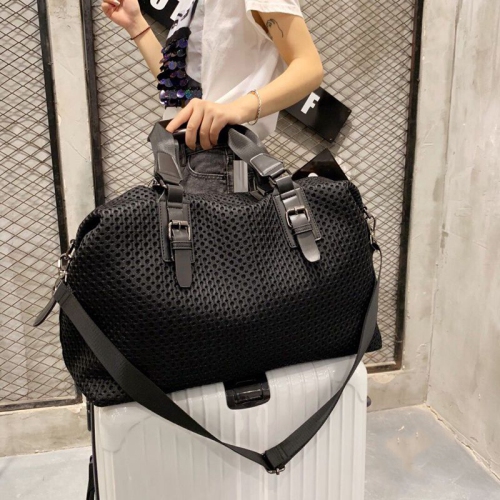
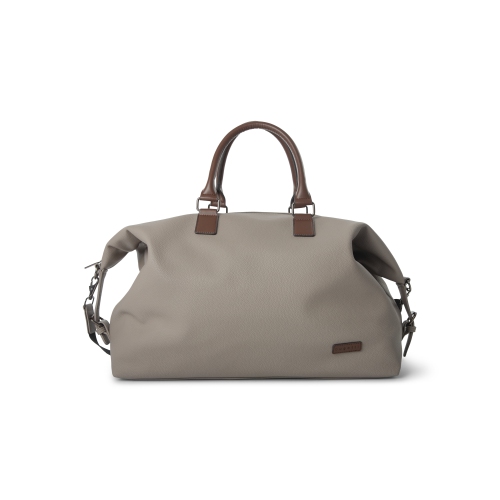
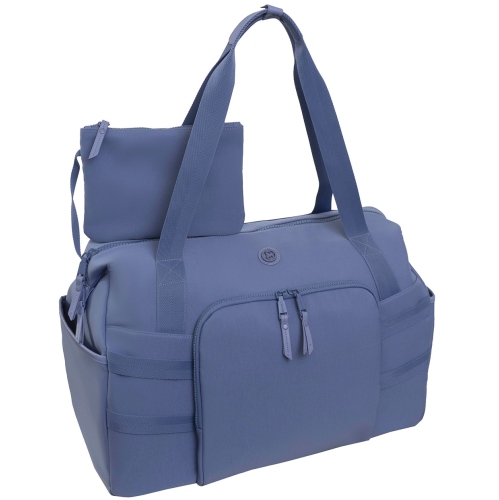
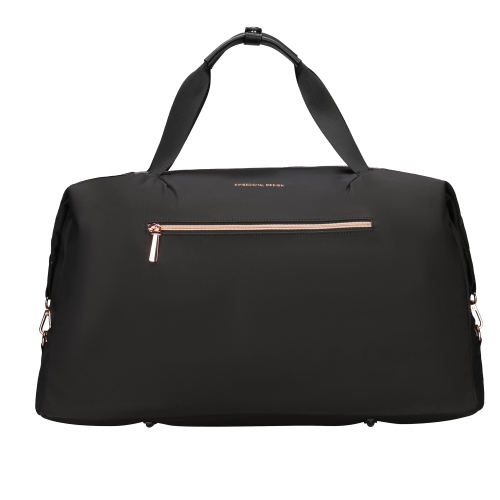
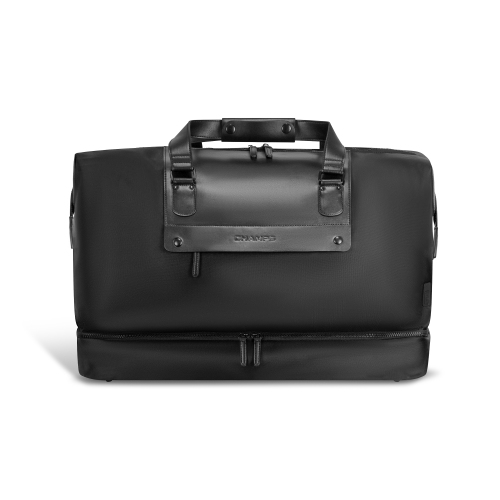
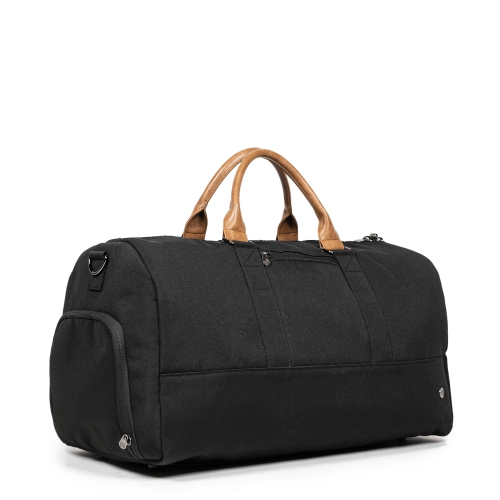
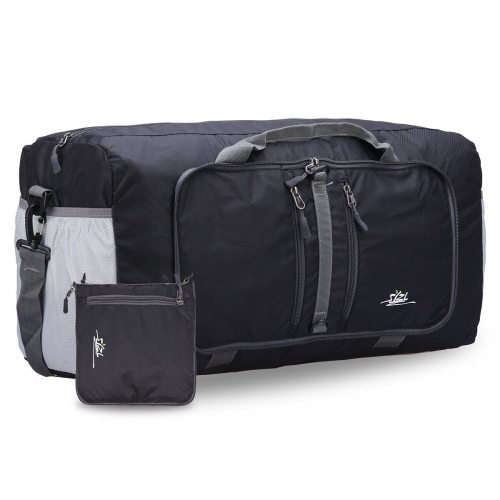
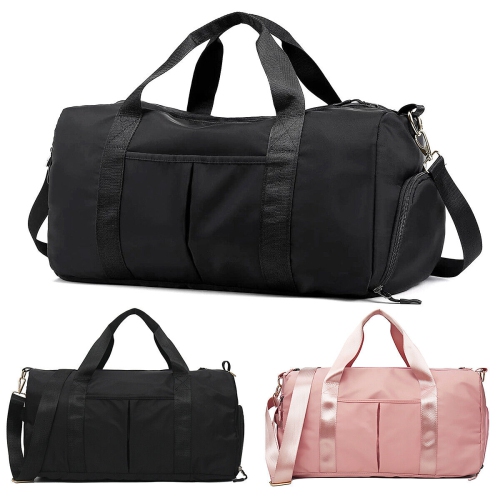
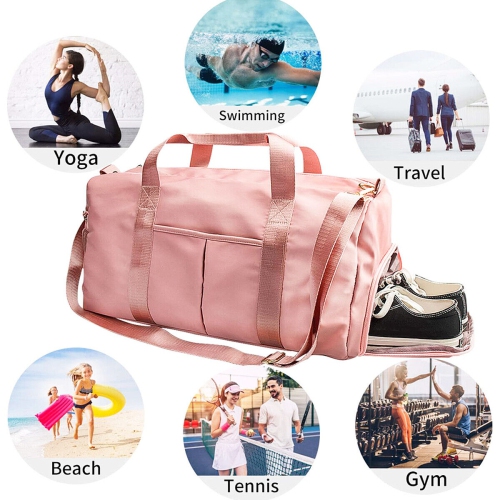
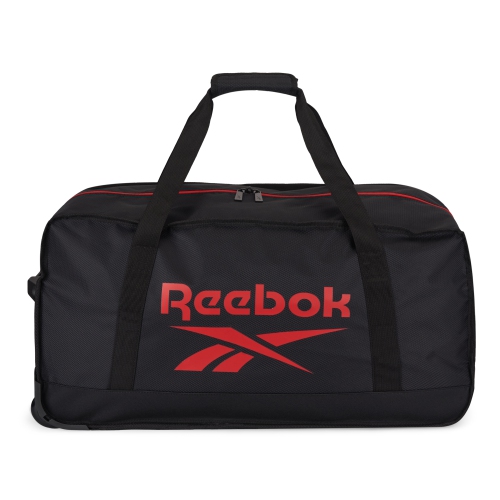
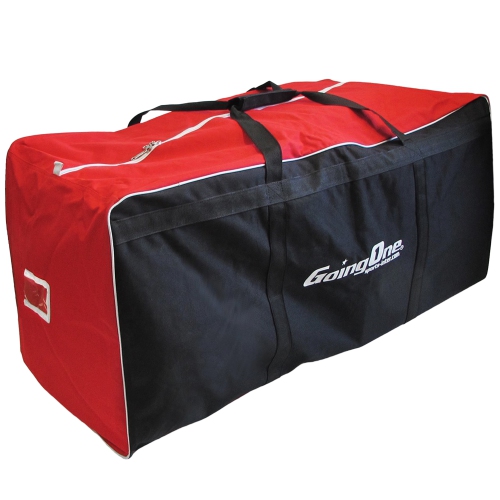
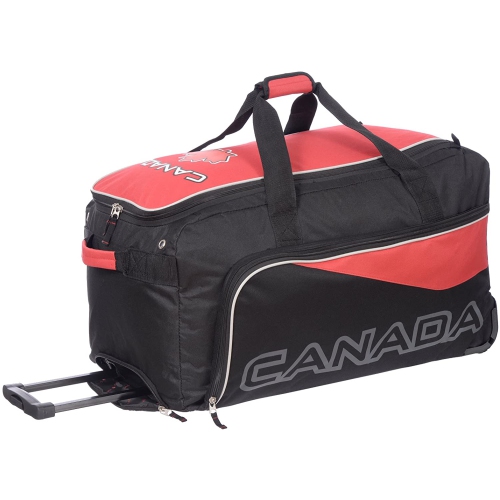
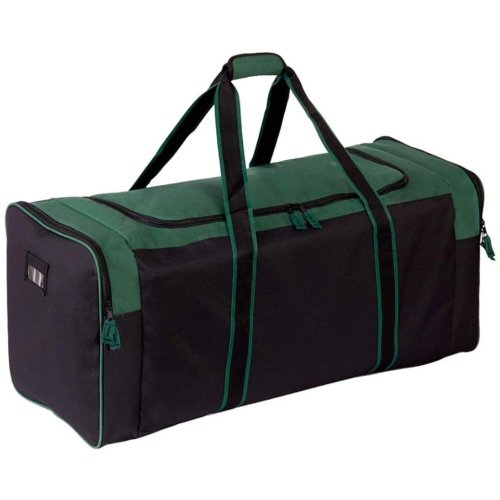
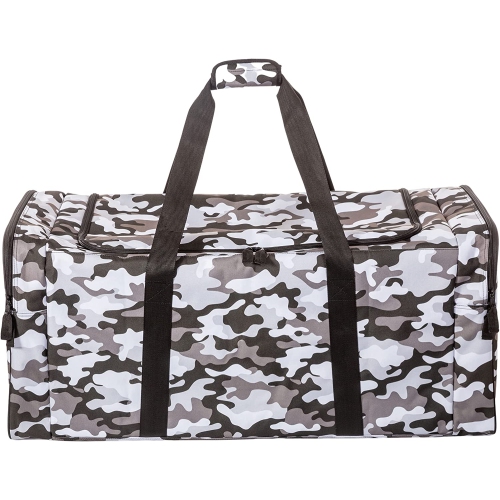
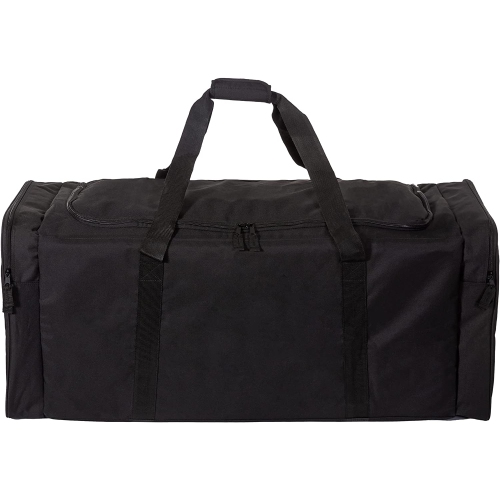
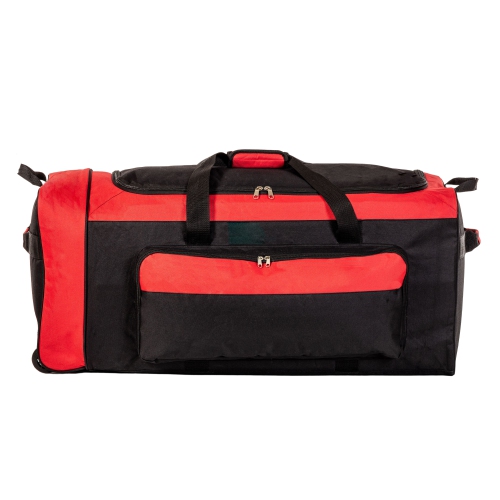
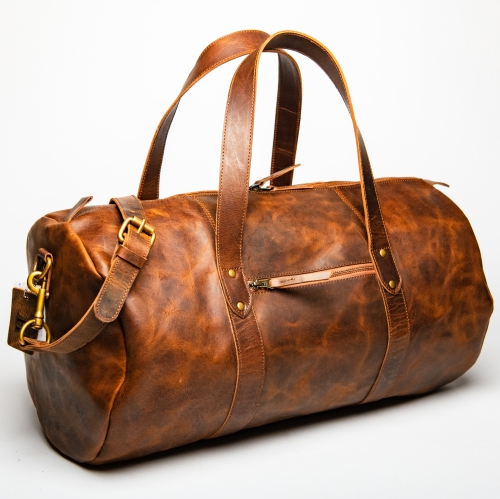
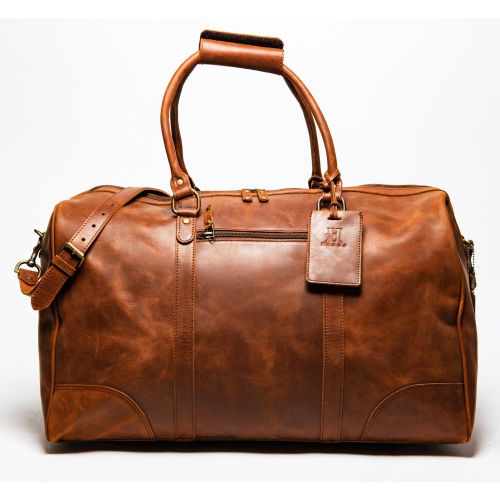
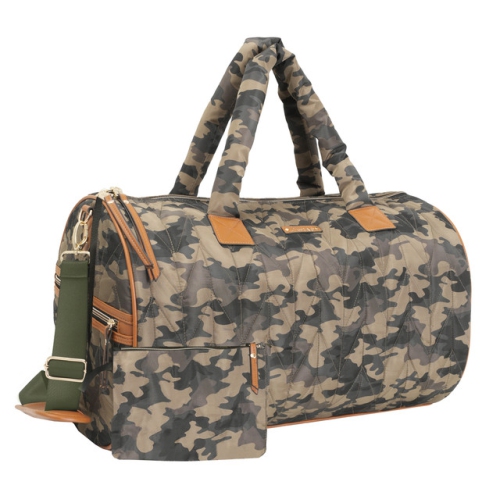
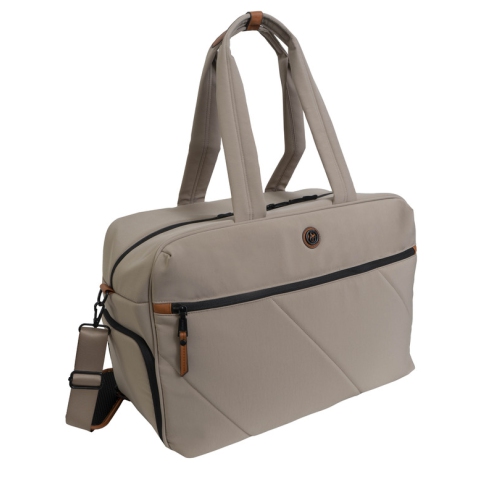

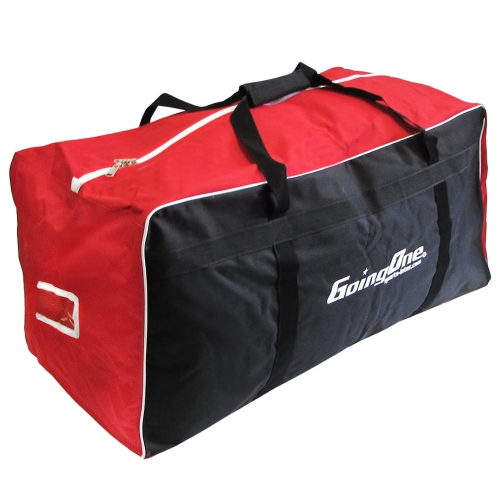
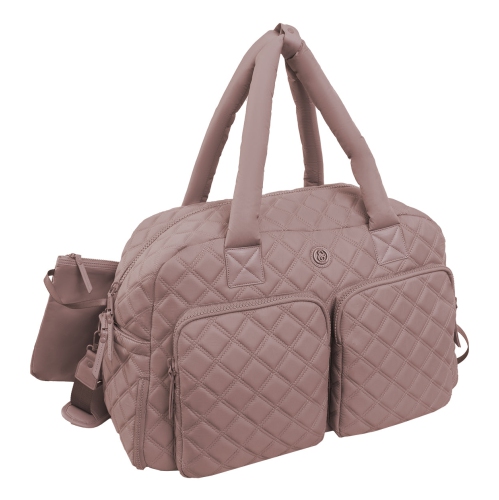
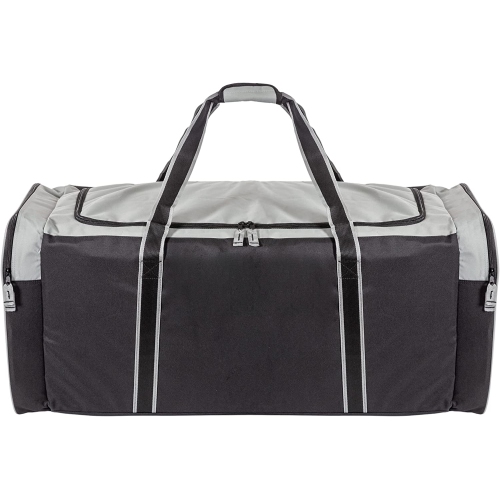
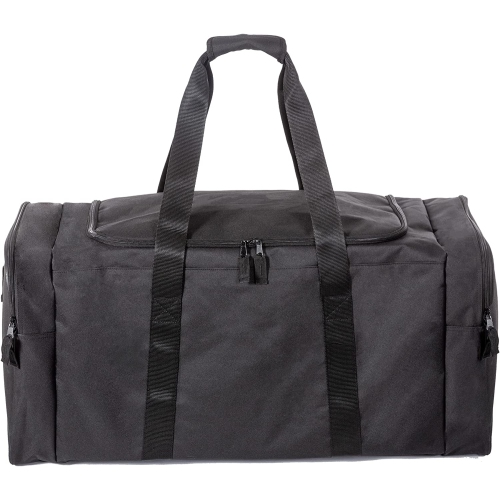
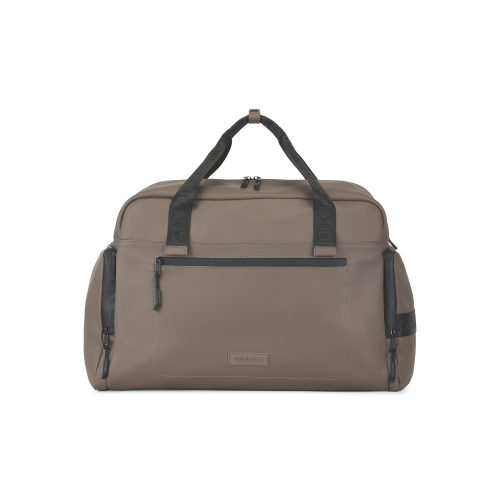
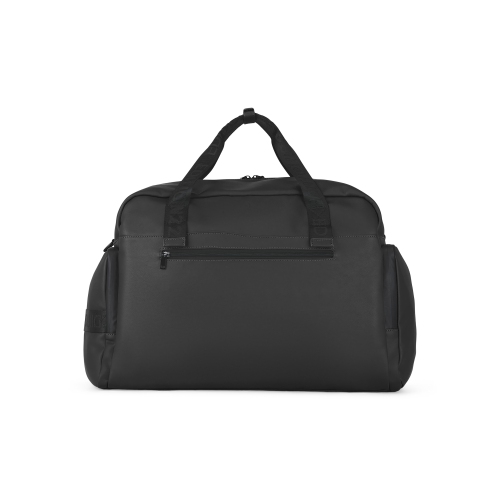
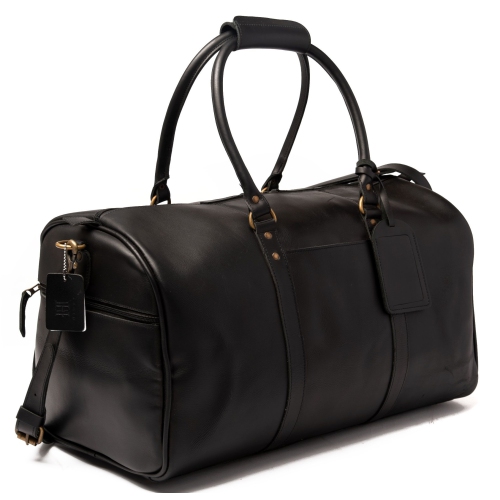

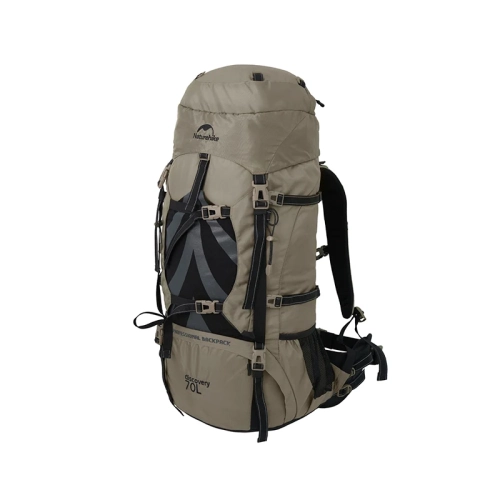
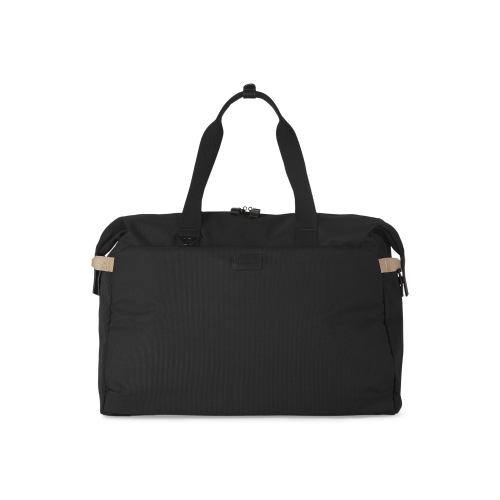
Flexible space for bulky layers and campsite essentials
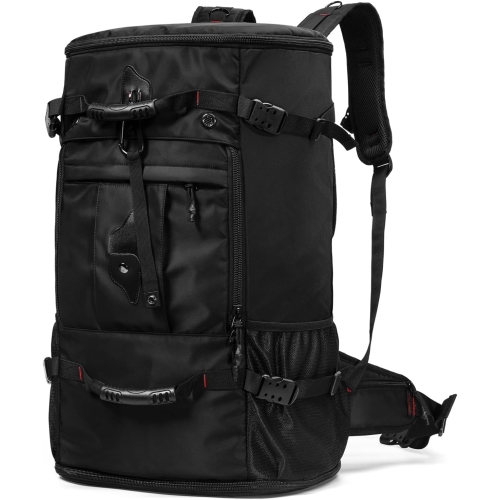
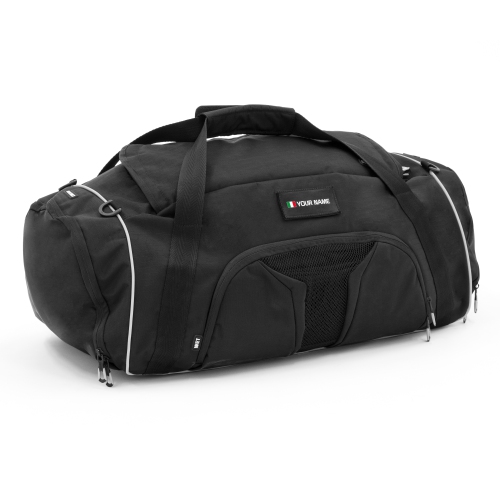
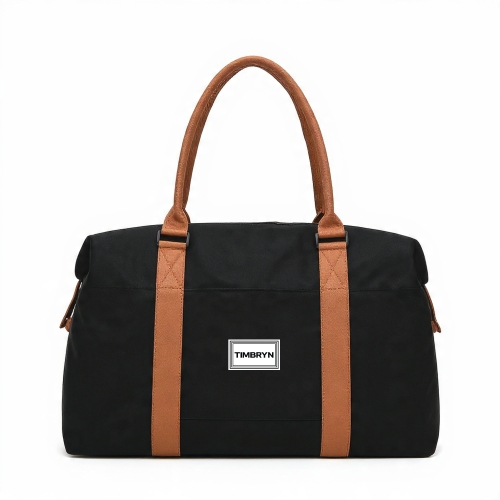
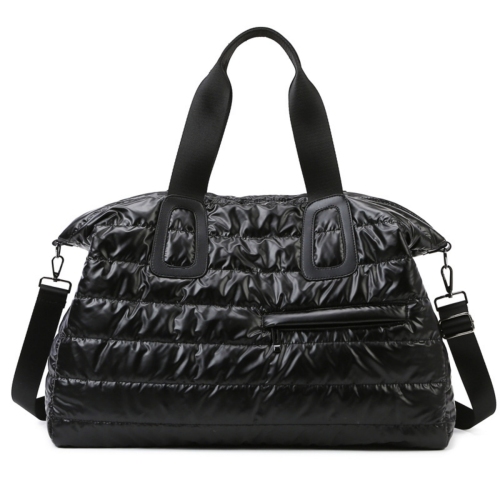
Duffle bags for camping bring clothing, bedding, and personal essentials together in a flexible shape that fits naturally into a packed vehicle, a cabin bunk, or the corner of a tent. Their broad openings make bulky layers easier to load than they would be through a narrow pack opening, while soft sides can fit around other luggage when the bag is not filled to capacity. They are particularly well suited to car camping, campground stays, and trips where equipment travels most of the distance by vehicle rather than on someone’s back. A camping duffle can also keep each person’s belongings separate on a family trip, making it easier to find a fleece or dry pair of socks without unpacking everyone’s gear. Capacity is usually measured in litres, but the useful amount of space depends on both the bag’s shape and what goes inside. A bag around 30 to 50 litres may suit a short stay when sleeping equipment is packed separately, while 60 to 90 litres can offer more room for extra clothing and bulky layers. Capacities above 100 litres are better suited to shared equipment or particularly large loads, provided the packed weight remains manageable. These ranges are starting points rather than promises of how many days a bag will cover: a thick sleeping bag takes up much more space than a few changes of clothing. During the cooler months, spare mitts, warm base layers, and an extra blanket can quickly fill otherwise generous space. Dimensions matter as much as capacity when fitting luggage beneath a sleeping platform or beside a cooler. A long, shallow duffle may slide into a vehicle more easily, while a taller shape can accommodate bulky bedding. For campers who share equipment, several manageable bags can be easier to lift and sort than one oversized load. The most useful size leaves enough room to close the bag without straining the zip, yet remains comfortable to carry from the parking area to the campsite.
Materials and construction determine how a camping duffle handles damp ground, repeated loading, and contact with rough surfaces. Nylon and polyester are common choices for their balance of weight, strength, and ease of cleaning, while canvas offers a substantial feel but may be heavier and slower to dry, depending on its finish. Denier describes the thickness of the individual fibres used in a fabric; a higher number can indicate a heavier fabric within a similar construction, but it does not tell the whole story about durability. Weave, coatings, seam quality, and reinforcement all contribute to how well a bag stands up to use. A reinforced base is especially useful when luggage is set down on gravel, wooden tent platforms, or a gritty vehicle floor. Handles that are securely anchored into the body, tidy stitching at stress points, and sturdy zip pulls matter when a full bag is lifted repeatedly. Weather protection deserves a separate look because water-resistant and waterproof are not interchangeable descriptions. Water-resistant fabric may shed light rain or splashes, but moisture can still enter through seams, openings, or an untreated base. Waterproof designs rely on the whole construction, which may include coated fabric, welded seams, and a roll-top closure or a purpose-built waterproof zip. Even then, protection depends on the stated limits and correct closure; a waterproof claim does not automatically mean a bag is suitable for prolonged immersion. For trips involving wet docks, exposed luggage, or frequent rain, Waterproof Travel Duffel Bags offer a closely related category to explore. Separate sealed liners or dry bags can provide another layer of protection for spare clothing and bedding, particularly when opening the main bag in wet conditions is unavoidable. An exterior pocket is convenient for quick access, but it may not have the same level of water protection as the main compartment. Keeping damp footwear and rainwear apart from dry layers also helps prevent moisture and mud from spreading through the load.
Carrying comfort and interior layout make a noticeable difference once a duffle leaves the vehicle. Paired grab handles suit short lifts, padded shoulder straps can make the walk to a campsite more comfortable, and end handles give another person a practical place to help lift a heavy load. Backpack-style straps are useful for short stretches when both hands are needed, although a convertible duffle generally does not provide the same support or weight distribution as a fitted hiking backpack on a long trail. Strap adjustment should allow the bag to sit securely without swinging into the legs, and padding should rest comfortably over a jacket rather than bunching against the neck. Wheeled duffles can be convenient on paved paths and firm campground lanes, but wheels are less helpful on sand, roots, deep gravel, or uneven portage routes. Inside, a simple open compartment accommodates blankets and other bulky gear, while smaller pockets help contain keys, charging cables, and personal essentials. Packing cubes or separate pouches can divide clean clothing from worn layers without requiring a heavily partitioned bag. A wide opening is particularly useful in a small tent, where being able to see the contents reduces rummaging and keeps belongings off the floor. After a trip, emptying every pocket and brushing away grit helps protect fabric and zip tracks from unnecessary wear. Most coated bags benefit from gentle spot cleaning with mild soap and water, subject to their care instructions; machine washing, strong cleaners, and direct heat can damage some finishes. A bag should be fully dry inside and out before storage to discourage musty odours and mould. Leaving closures open while it dries helps release trapped moisture, especially around folds and pocket linings. For a camper receiving a duffle as a gift, a manageable size, comfortable handles, and an easy-to-clean interior often prove more useful than sheer capacity. Those practical details support everything from a quiet campground weekend to a family cabin stay, with less fuss when it is time to pack up and head home.
Materials and construction determine how a camping duffle handles damp ground, repeated loading, and contact with rough surfaces. Nylon and polyester are common choices for their balance of weight, strength, and ease of cleaning, while canvas offers a substantial feel but may be heavier and slower to dry, depending on its finish. Denier describes the thickness of the individual fibres used in a fabric; a higher number can indicate a heavier fabric within a similar construction, but it does not tell the whole story about durability. Weave, coatings, seam quality, and reinforcement all contribute to how well a bag stands up to use. A reinforced base is especially useful when luggage is set down on gravel, wooden tent platforms, or a gritty vehicle floor. Handles that are securely anchored into the body, tidy stitching at stress points, and sturdy zip pulls matter when a full bag is lifted repeatedly. Weather protection deserves a separate look because water-resistant and waterproof are not interchangeable descriptions. Water-resistant fabric may shed light rain or splashes, but moisture can still enter through seams, openings, or an untreated base. Waterproof designs rely on the whole construction, which may include coated fabric, welded seams, and a roll-top closure or a purpose-built waterproof zip. Even then, protection depends on the stated limits and correct closure; a waterproof claim does not automatically mean a bag is suitable for prolonged immersion. For trips involving wet docks, exposed luggage, or frequent rain, Waterproof Travel Duffel Bags offer a closely related category to explore. Separate sealed liners or dry bags can provide another layer of protection for spare clothing and bedding, particularly when opening the main bag in wet conditions is unavoidable. An exterior pocket is convenient for quick access, but it may not have the same level of water protection as the main compartment. Keeping damp footwear and rainwear apart from dry layers also helps prevent moisture and mud from spreading through the load.
Carrying comfort and interior layout make a noticeable difference once a duffle leaves the vehicle. Paired grab handles suit short lifts, padded shoulder straps can make the walk to a campsite more comfortable, and end handles give another person a practical place to help lift a heavy load. Backpack-style straps are useful for short stretches when both hands are needed, although a convertible duffle generally does not provide the same support or weight distribution as a fitted hiking backpack on a long trail. Strap adjustment should allow the bag to sit securely without swinging into the legs, and padding should rest comfortably over a jacket rather than bunching against the neck. Wheeled duffles can be convenient on paved paths and firm campground lanes, but wheels are less helpful on sand, roots, deep gravel, or uneven portage routes. Inside, a simple open compartment accommodates blankets and other bulky gear, while smaller pockets help contain keys, charging cables, and personal essentials. Packing cubes or separate pouches can divide clean clothing from worn layers without requiring a heavily partitioned bag. A wide opening is particularly useful in a small tent, where being able to see the contents reduces rummaging and keeps belongings off the floor. After a trip, emptying every pocket and brushing away grit helps protect fabric and zip tracks from unnecessary wear. Most coated bags benefit from gentle spot cleaning with mild soap and water, subject to their care instructions; machine washing, strong cleaners, and direct heat can damage some finishes. A bag should be fully dry inside and out before storage to discourage musty odours and mould. Leaving closures open while it dries helps release trapped moisture, especially around folds and pocket linings. For a camper receiving a duffle as a gift, a manageable size, comfortable handles, and an easy-to-clean interior often prove more useful than sheer capacity. Those practical details support everything from a quiet campground weekend to a family cabin stay, with less fuss when it is time to pack up and head home.
Top selling and popular products
-
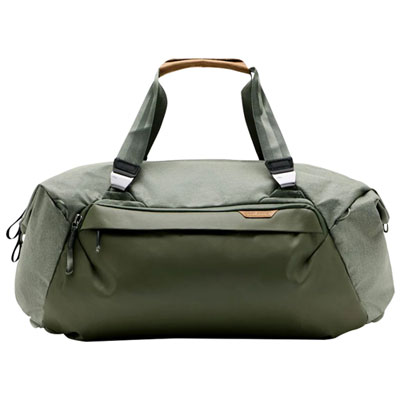 Your price for this item is $209.97
 -
 Your price for this item is $75
 -
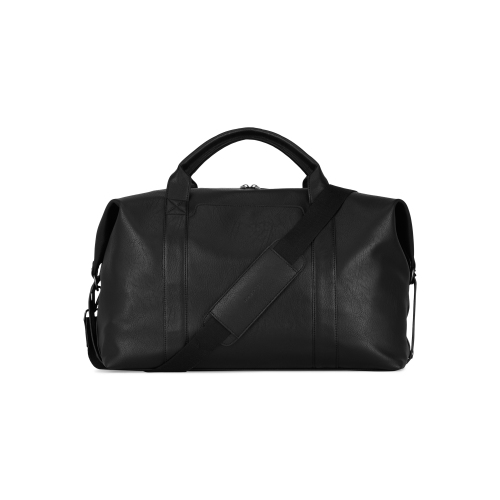 Your price for this item is $75
 -
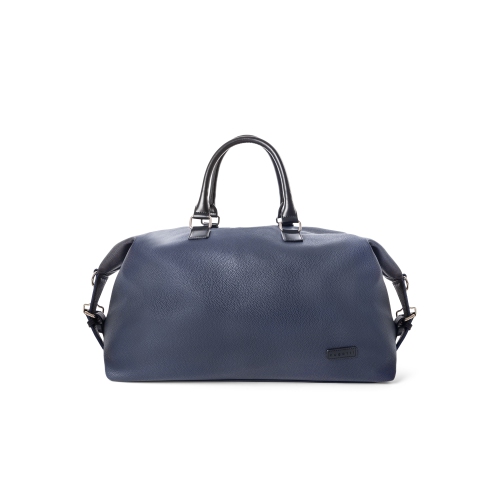 Your price for this item is $97.5
 -
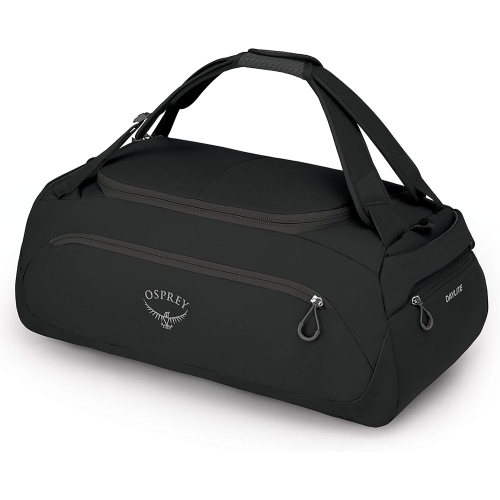 Your price for this item is $189.05
 -
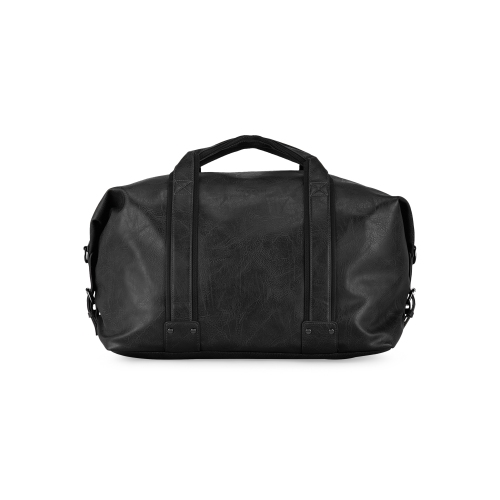 Your price for this item is $97.5
 -
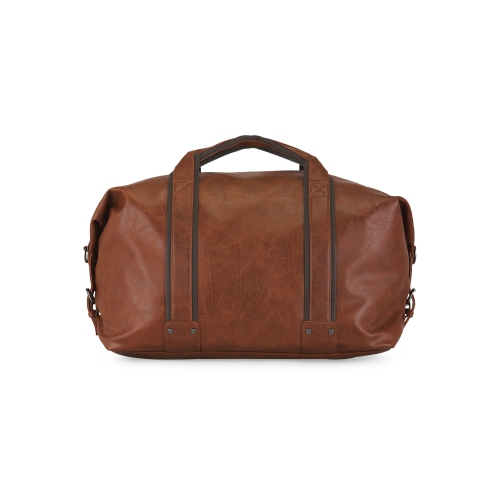 Your price for this item is $97.5
 -
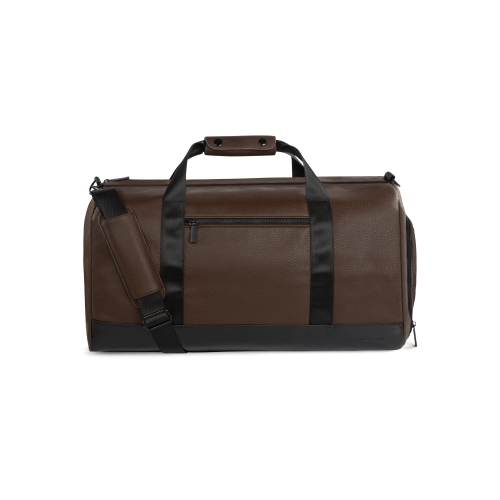 Your price for this item is $97.5
Discover more categories related to Duffle Bags for Camping
Top Collections:
Pokemon Centers, Kindle Devices, Best Budget Office Chairs, Apple iPhones 16, Samsung Galaxy Phones, Canon G7X Cameras, iPhone 15 Apple, Flip Phones, Best Laptops for Writers, Alarm Clock
Some products may be subject to Environmental Handling Fees
(EHF) depending on your province.
Learn more about EHFs.