Foldable Packing Cubes
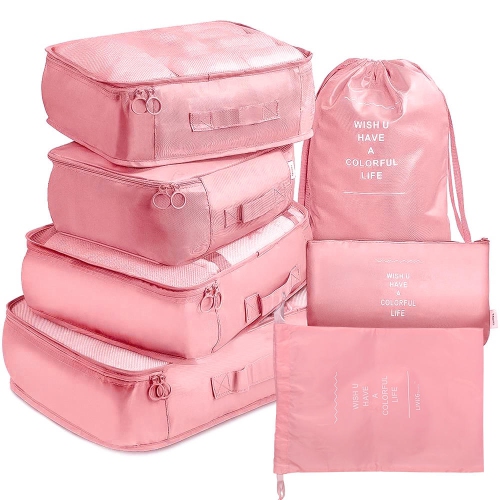
Organize your travel essentials with ease using foldable packing cubes. These versatile storage solutions are designed to keep your belongings neatly packed and easily accessible during your adventures. Whether you're jetting off on a weekend getaway or embarking on a long-awaited vacation, these packing cubes are a must-have for almost any traveler. With their collapsible design, they can be conveniently folded and stored when not in use, saving precious space in your luggage.
Sort
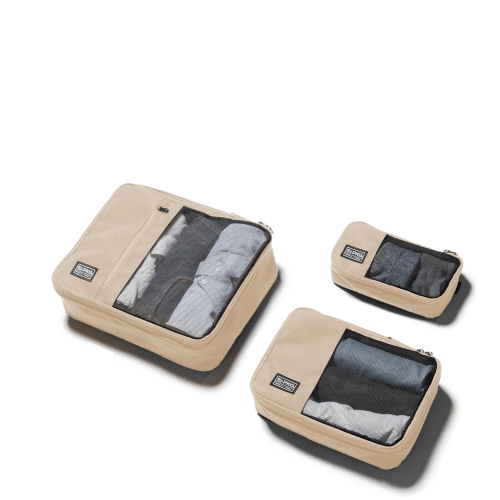
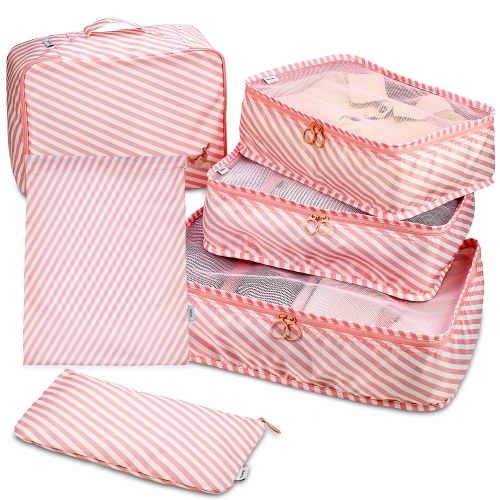
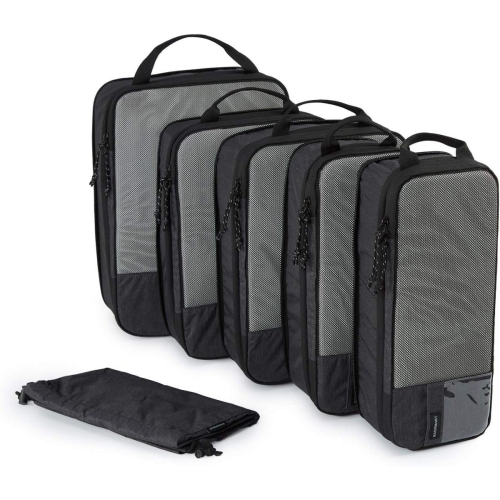
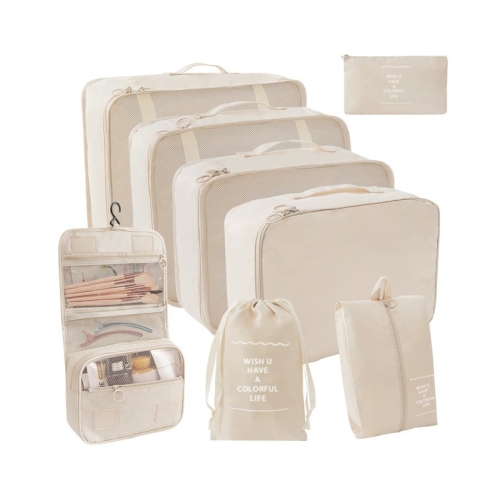
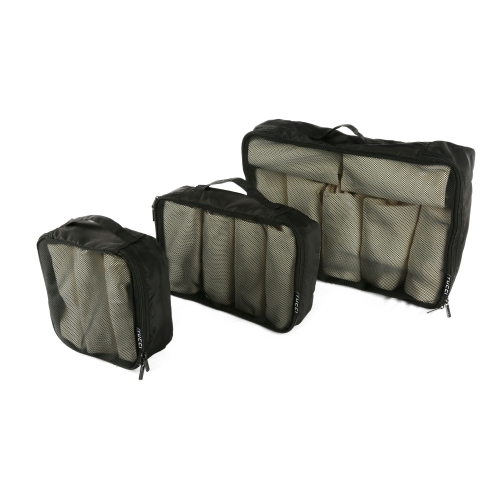
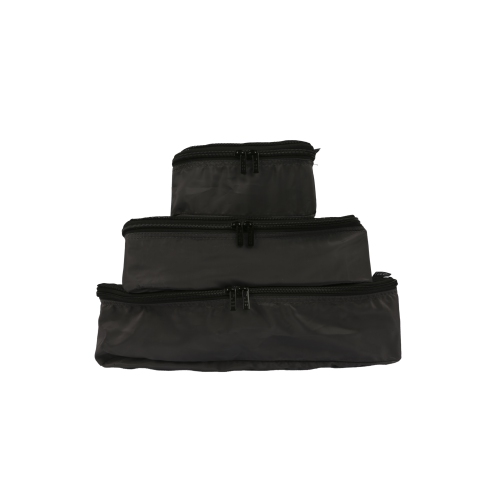
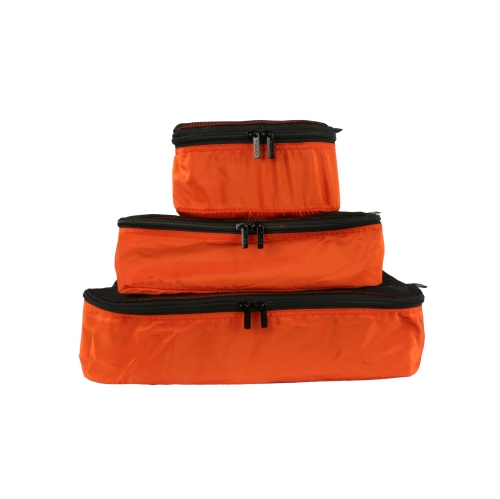
Compression and organization simplify packing for every journey
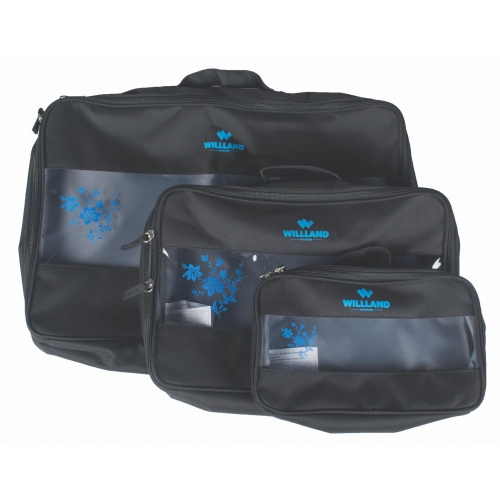
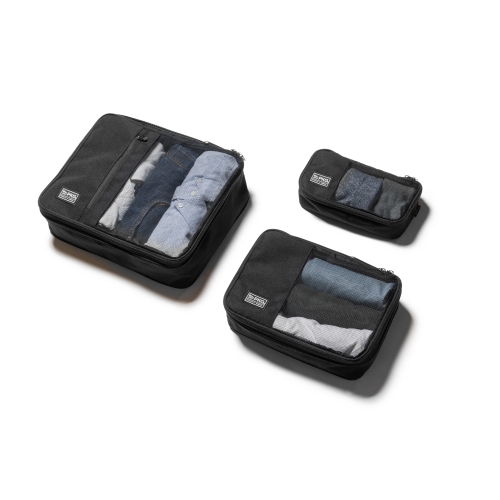
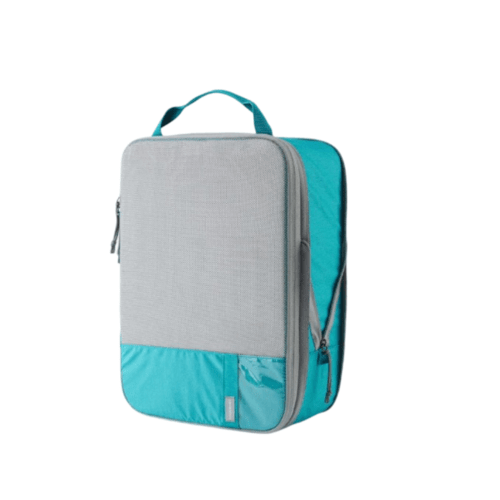
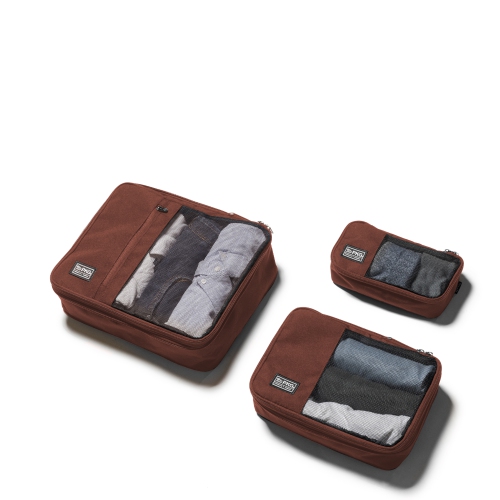
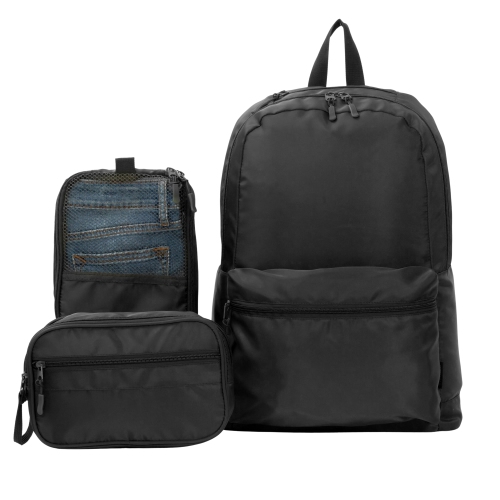
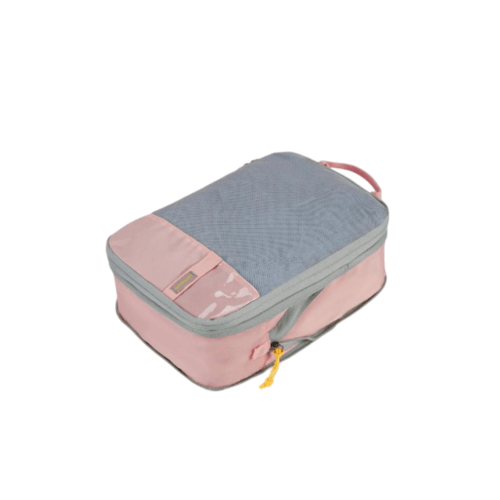
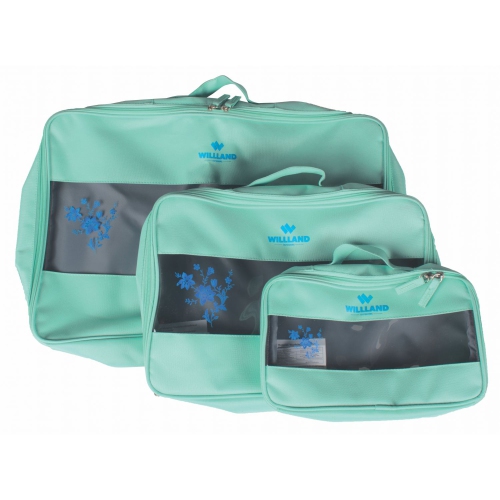
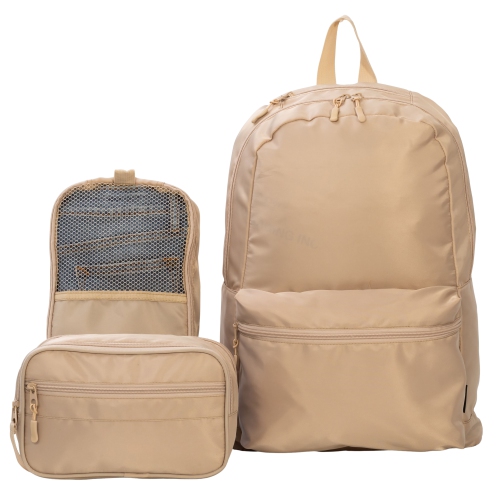
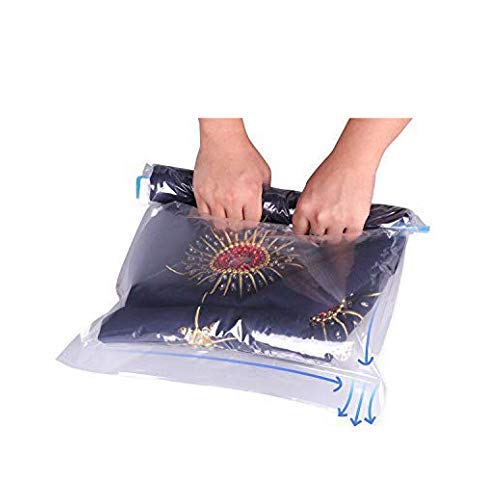
Foldable packing cubes are practical travel organizers designed to make clothing and accessories easier to sort, carry, and store. Unlike rigid luggage organizers, they can collapse or fold down when they are empty, making them convenient for travellers who want to save space on the return journey or store them neatly at home between trips. Some foldable packing cubes are simple zippered compartments that keep outfits separated, while compression styles include a second zipper that helps remove excess air and reduce the volume of soft items. Depending on the fabric, the amount packed, and how bulky the clothing is, compression cubes may reduce the space used by clothing by approximately 40% to 60%. They are especially useful in carry-on luggage, compact suitcases, weekenders, backpacks, and larger checked bags where every section of available space matters. A cube can hold shirts, trousers, sweaters, sleepwear, undergarments, swimwear, or children’s clothing, while smaller compartments are useful for socks, scarves, chargers, and other loose essentials. Separating items by outfit or category can also make unpacking less disruptive: instead of opening a suitcase and searching through every layer, you can lift out one organized cube at a time. Travellers moving between several hotels, visiting family during the cooler months, or packing clothing for changing weather may appreciate this simple arrangement. Foldable packing cubes can also be a thoughtful gift for students moving into residence, frequent flyers, road-trip travellers, cabin visitors, or anyone preparing for a first extended holiday. For a coordinated luggage setup, they can be paired with a Foldable Suitcase or used inside an existing suitcase to create a more orderly packing system.
When choosing foldable packing cubes, start by considering the size and shape of the luggage they will occupy. A tall cube may be useful for sweaters and jackets, while a flatter style can fit beneath a suitcase lid or inside the narrow section of a backpack. Sets with several sizes provide flexibility for complete outfits, bulky layers, and small accessories, whereas individual cubes may be better when you need to replace one organizer or match a particular compartment. Compression cubes are helpful when packing soft, compressible items, but they are not intended to make hard objects or heavily structured clothing take up less room. Look for durable fabric, reinforced seams, a dependable main zipper, and a smooth compression zipper that can close without catching. Ripstop nylon and other tightly woven materials are common choices for travel organizers because they are lightweight and resist everyday abrasion. Semi-transparent panels or mesh windows make it easier to identify the contents without opening every cube, while water-resistant fabric can provide some protection from minor spills or damp surroundings. Water-resistant does not mean waterproof, so toiletries, wet swimwear, and shoes should still be packed in suitable sealed bags or separate compartments. Handles are another useful feature, particularly when cubes are moved between a suitcase, a hotel drawer, and a vehicle. Before buying, check the listed dimensions against the interior measurements of your luggage, including the wheel wells and telescoping handle housing that can take up space. Consider whether you prefer to fold clothing flat or roll it, and choose a cube with enough height and width for that method. A cube that is too small can create bulky, uneven bundles, while one that is too large may allow clothing to shift and waste the space it was meant to organize.
Packing technique has a noticeable effect on how well foldable packing cubes work. Begin by grouping similar items or creating complete outfits, then fold or roll each piece so it matches the approximate width and length of the cube. For compression styles, avoid filling the compartment to its absolute limit; leaving roughly 10% of the interior empty gives the zipper room to close smoothly and helps prevent strain on the seams. Place heavier garments at the bottom, keep delicate fabrics near the centre, and use small items to fill gaps rather than forcing everything into one dense bundle. Once the main zipper is closed, press down gently on the centre of the clothing and tuck the edges inward as you guide the compression zipper around the cube. The goal is a flatter, more stable package, not a tightly crushed one. Over-compressing can wrinkle clothing, stress the zipper, and make the cube difficult to fit into a suitcase. Delicate shirts, knitwear, and garments that need to arrive looking polished may be better placed in a standard foldable cube without compression, while socks, casual tops, fleece layers, and other resilient items can usually handle more pressure. Keep a separate cube for laundry so worn clothing does not mix with clean items, and use a smaller organizer for cables or personal accessories. After a trip, empty the cubes fully, allow any moisture to dry, and fold them flat for storage according to the care instructions. With a thoughtful mix of sizes and a little room left for easy closing, foldable packing cubes can turn a crowded suitcase into a clear, manageable collection of ready-to-lift sections for work travel, weekend escapes, family visits, and longer journeys.
When choosing foldable packing cubes, start by considering the size and shape of the luggage they will occupy. A tall cube may be useful for sweaters and jackets, while a flatter style can fit beneath a suitcase lid or inside the narrow section of a backpack. Sets with several sizes provide flexibility for complete outfits, bulky layers, and small accessories, whereas individual cubes may be better when you need to replace one organizer or match a particular compartment. Compression cubes are helpful when packing soft, compressible items, but they are not intended to make hard objects or heavily structured clothing take up less room. Look for durable fabric, reinforced seams, a dependable main zipper, and a smooth compression zipper that can close without catching. Ripstop nylon and other tightly woven materials are common choices for travel organizers because they are lightweight and resist everyday abrasion. Semi-transparent panels or mesh windows make it easier to identify the contents without opening every cube, while water-resistant fabric can provide some protection from minor spills or damp surroundings. Water-resistant does not mean waterproof, so toiletries, wet swimwear, and shoes should still be packed in suitable sealed bags or separate compartments. Handles are another useful feature, particularly when cubes are moved between a suitcase, a hotel drawer, and a vehicle. Before buying, check the listed dimensions against the interior measurements of your luggage, including the wheel wells and telescoping handle housing that can take up space. Consider whether you prefer to fold clothing flat or roll it, and choose a cube with enough height and width for that method. A cube that is too small can create bulky, uneven bundles, while one that is too large may allow clothing to shift and waste the space it was meant to organize.
Packing technique has a noticeable effect on how well foldable packing cubes work. Begin by grouping similar items or creating complete outfits, then fold or roll each piece so it matches the approximate width and length of the cube. For compression styles, avoid filling the compartment to its absolute limit; leaving roughly 10% of the interior empty gives the zipper room to close smoothly and helps prevent strain on the seams. Place heavier garments at the bottom, keep delicate fabrics near the centre, and use small items to fill gaps rather than forcing everything into one dense bundle. Once the main zipper is closed, press down gently on the centre of the clothing and tuck the edges inward as you guide the compression zipper around the cube. The goal is a flatter, more stable package, not a tightly crushed one. Over-compressing can wrinkle clothing, stress the zipper, and make the cube difficult to fit into a suitcase. Delicate shirts, knitwear, and garments that need to arrive looking polished may be better placed in a standard foldable cube without compression, while socks, casual tops, fleece layers, and other resilient items can usually handle more pressure. Keep a separate cube for laundry so worn clothing does not mix with clean items, and use a smaller organizer for cables or personal accessories. After a trip, empty the cubes fully, allow any moisture to dry, and fold them flat for storage according to the care instructions. With a thoughtful mix of sizes and a little room left for easy closing, foldable packing cubes can turn a crowded suitcase into a clear, manageable collection of ready-to-lift sections for work travel, weekend escapes, family visits, and longer journeys.
Top selling and popular products
-
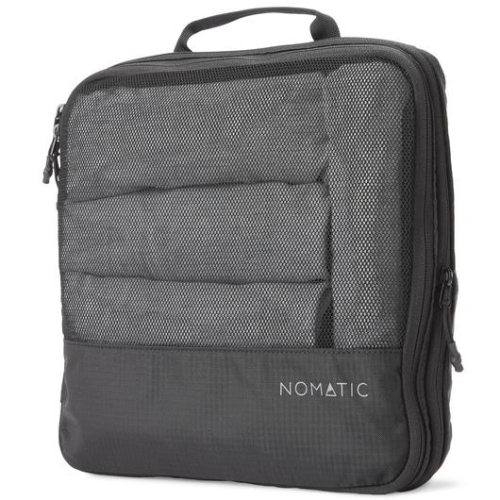 Your price for this item is $54.99
 -
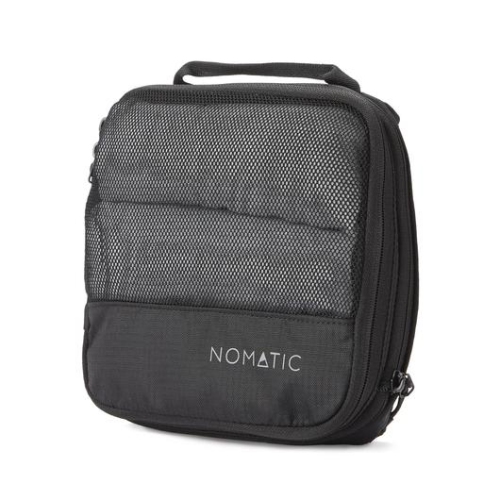 Your price for this item is $39.99
 -
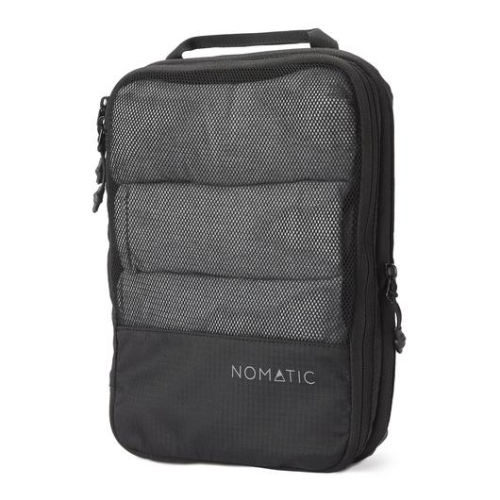 Your price for this item is $44.99
 -
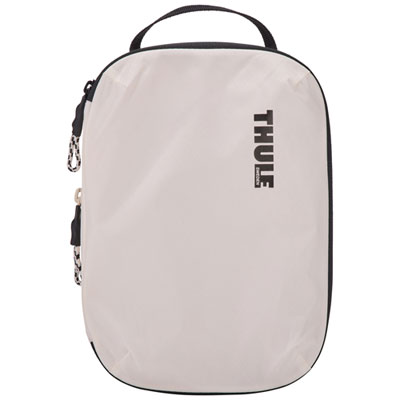 Your price for this item is $29.99
 -
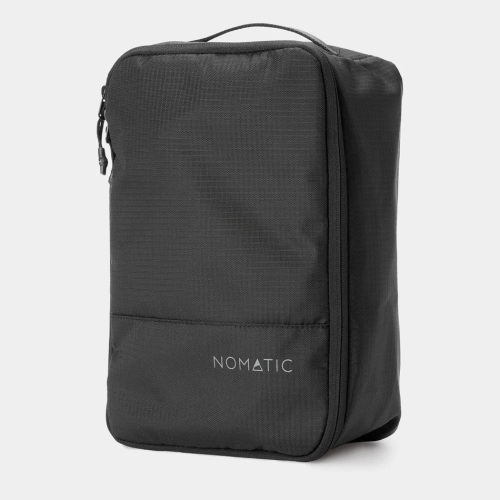 Your price for this item is $49.99
 -
 Your price for this item is $23.99
 -
 Your price for this item is $30
 -
 Your price for this item is $40.96
Discover more categories related to Foldable Packing Cubes
Top Collections:
Pokemon Centers, Kindle Devices, Best Budget Office Chairs, Apple iPhones 16, Samsung Galaxy Phones, Canon G7X Cameras, iPhone 15 Apple, Flip Phones, Best Laptops for Writers, Alarm Clock
Some products may be subject to Environmental Handling Fees
(EHF) depending on your province.
Learn more about EHFs.