Sports Duffle Bags
Duffel bags are pieces of luggage that can be used for travel, storage, or both. Sports duffle bags are a great option for athletes who need to transport their gear from place to place. They are typically larger than regular duffel bags and have more features to make them specifically suited for sports use. Here are some great options available.
Sort
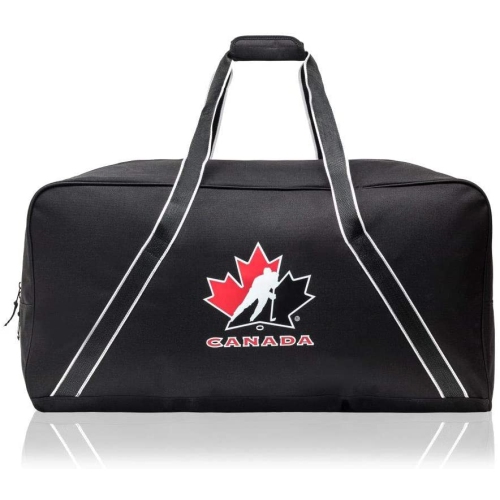
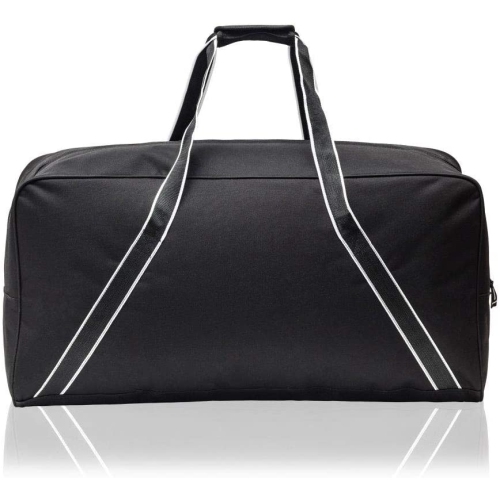
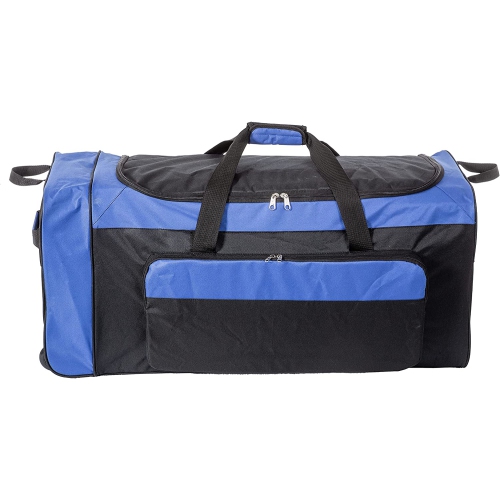
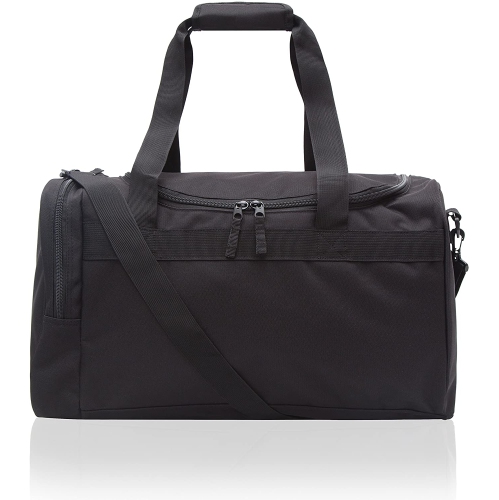
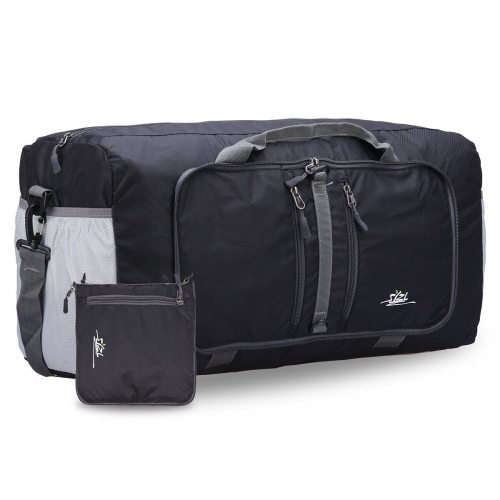
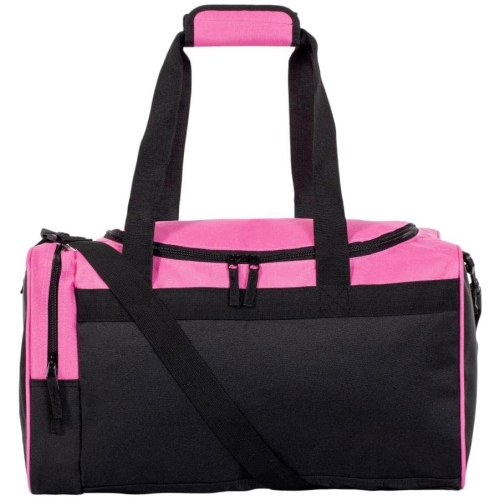
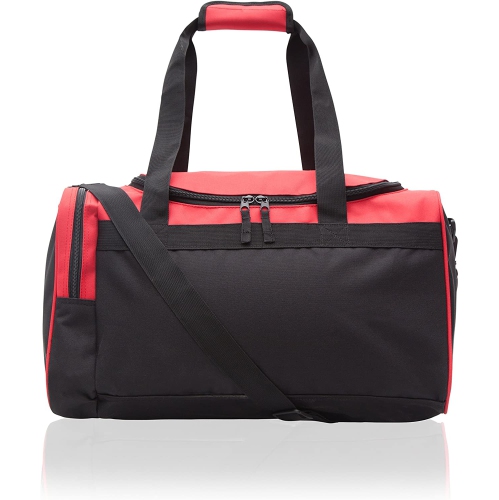
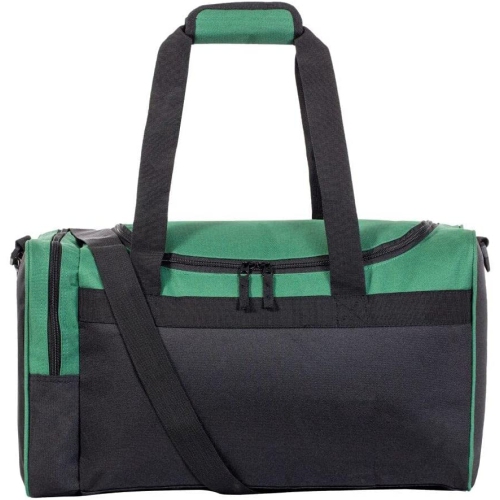
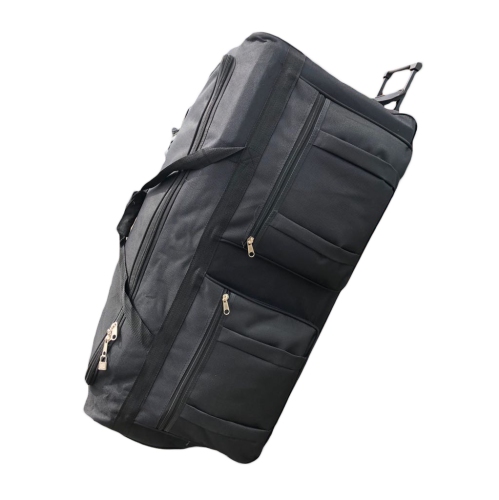
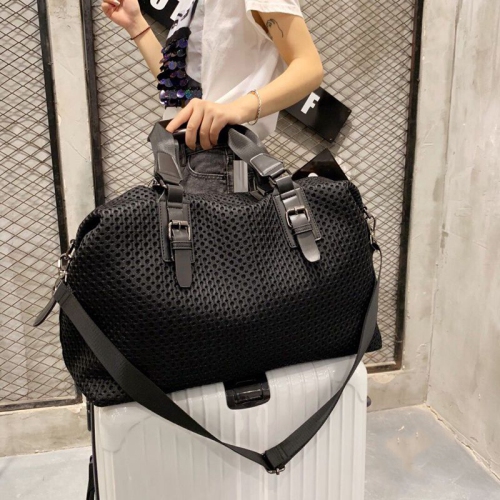
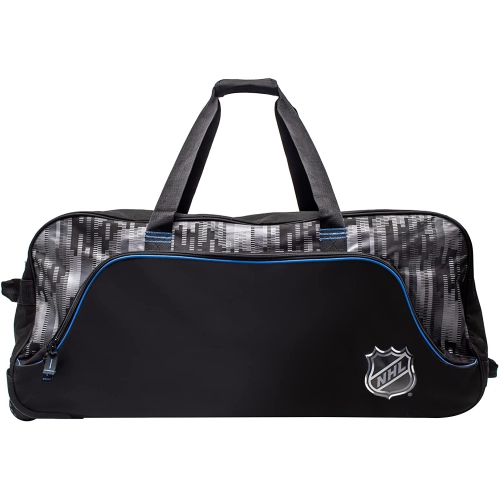
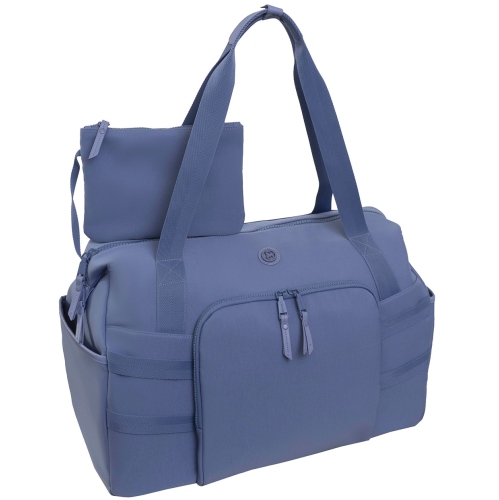
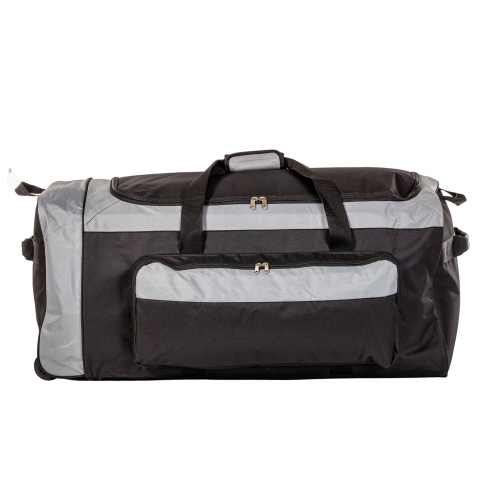
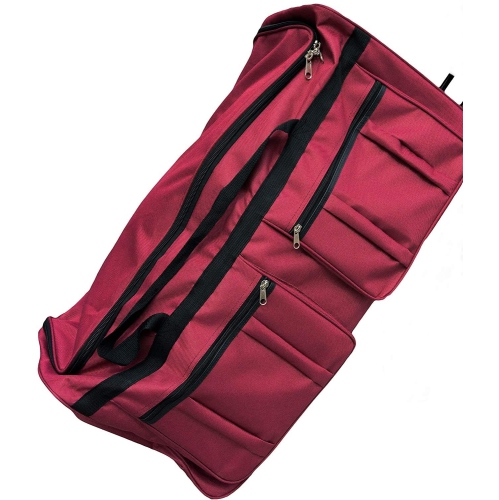
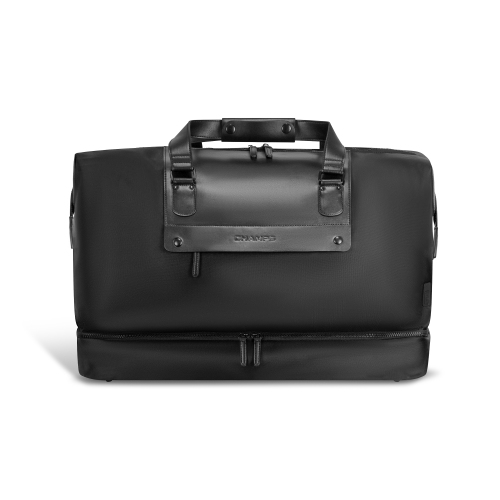
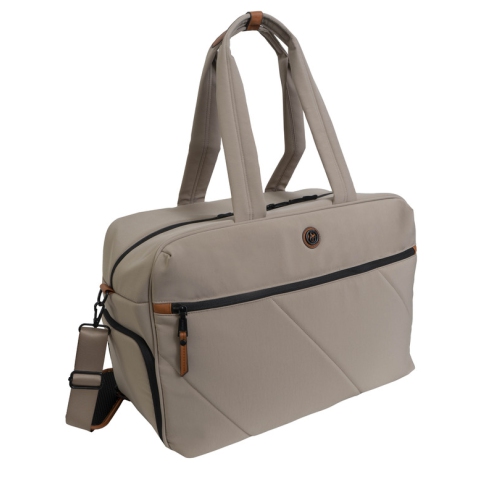
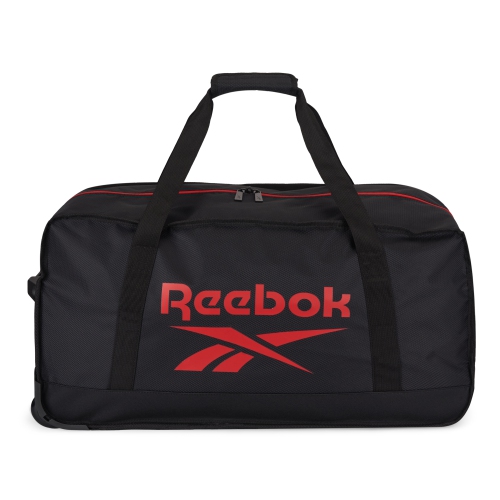
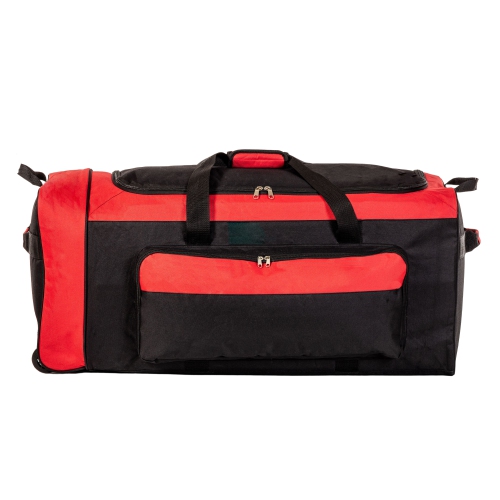
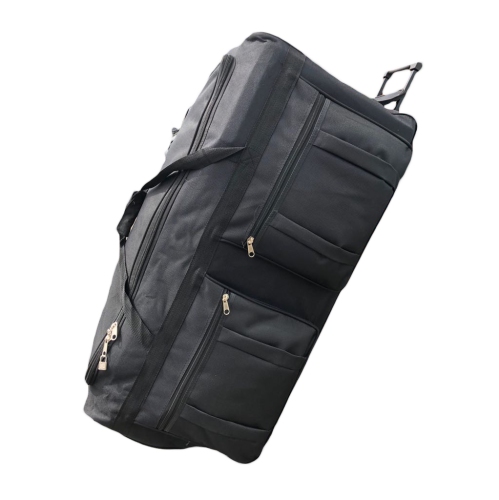

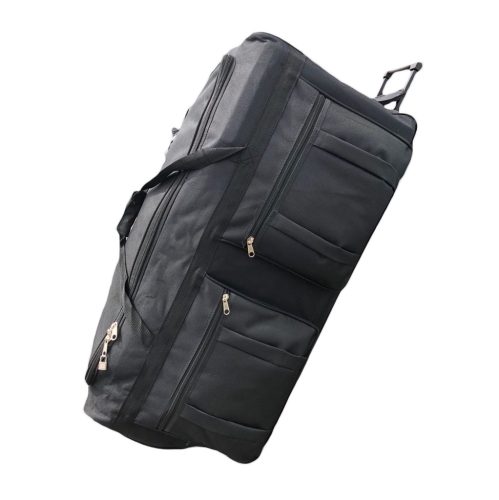
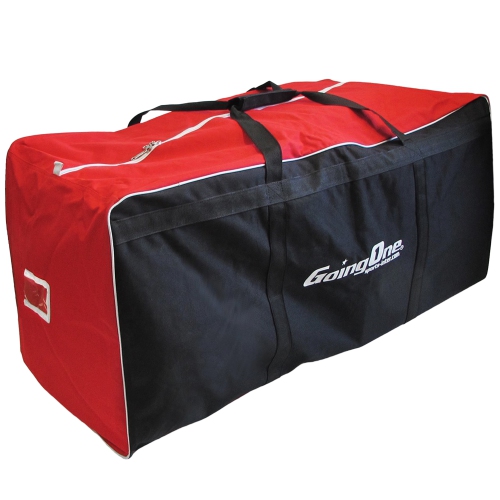
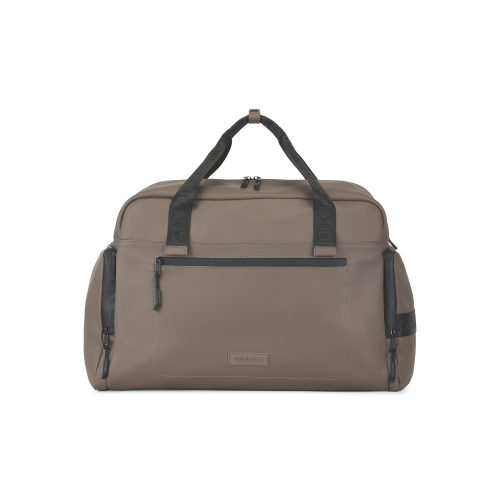
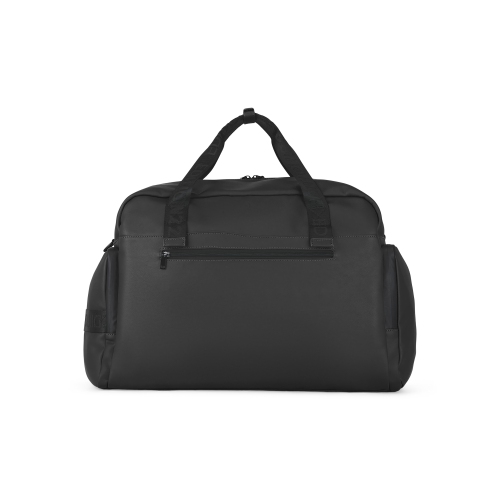
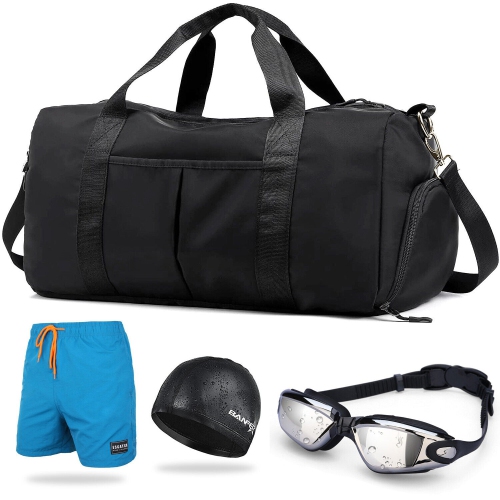

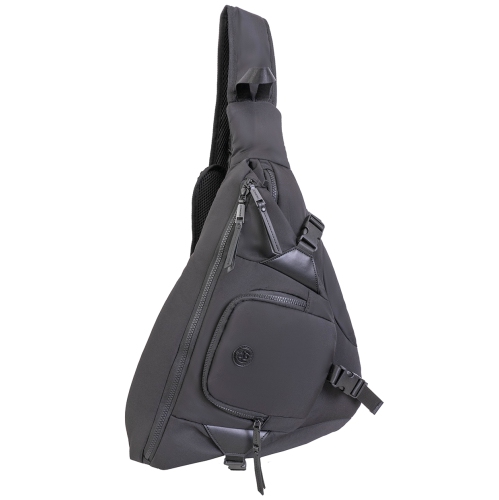
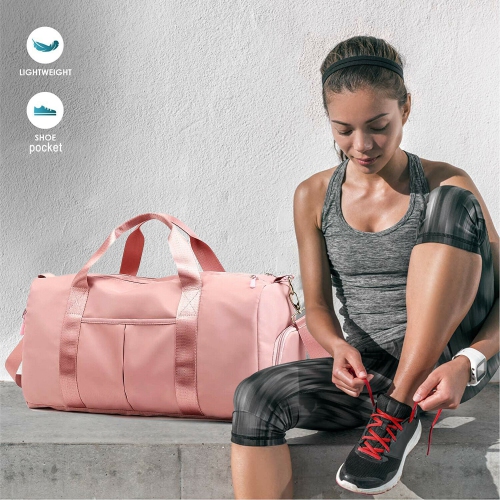
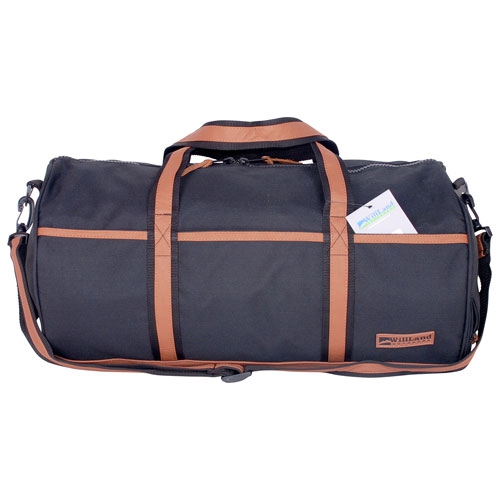
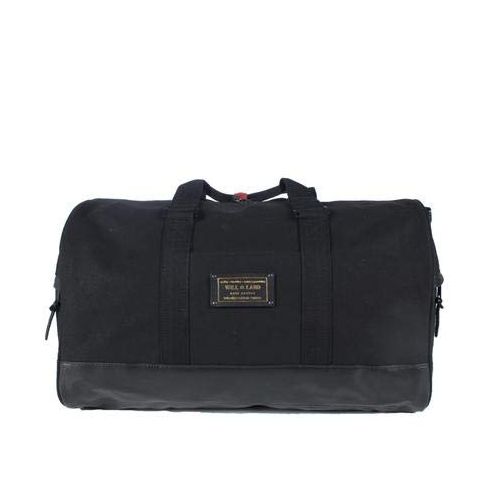

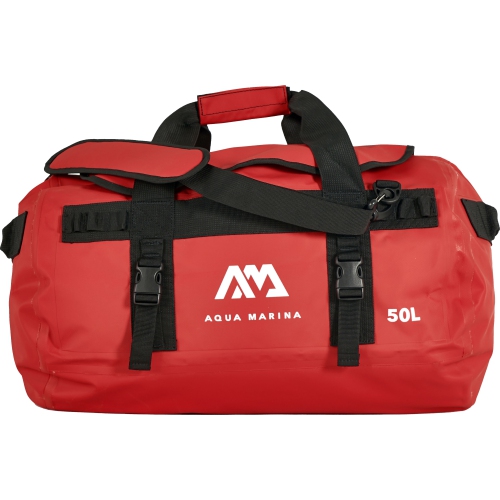
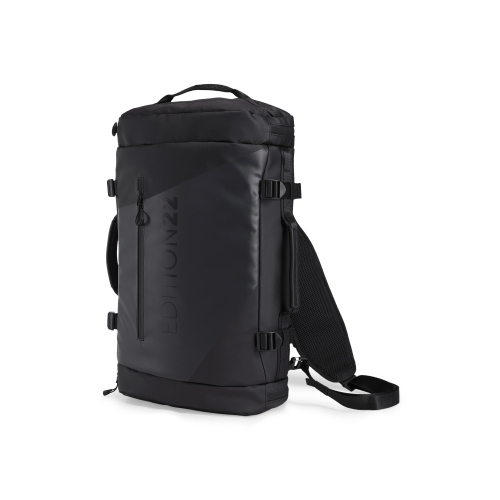
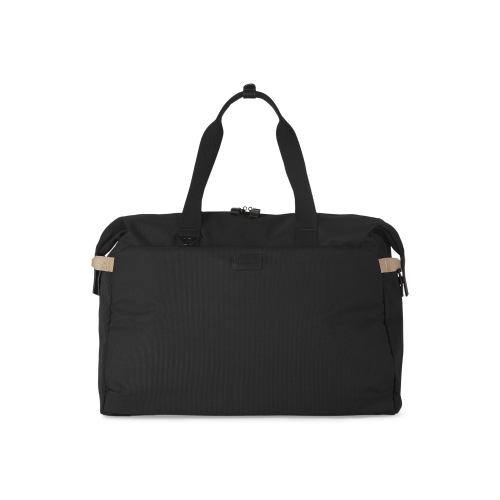
Practical features for carrying and organizing active gear
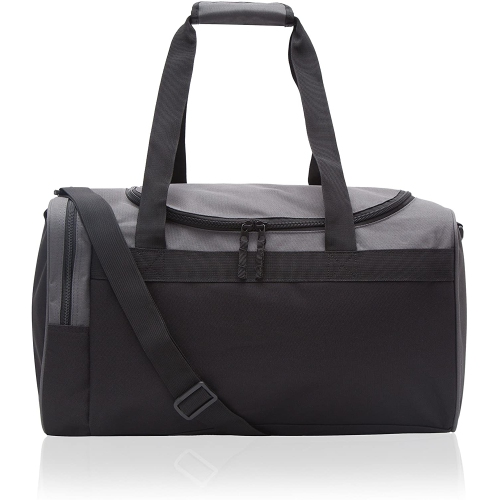
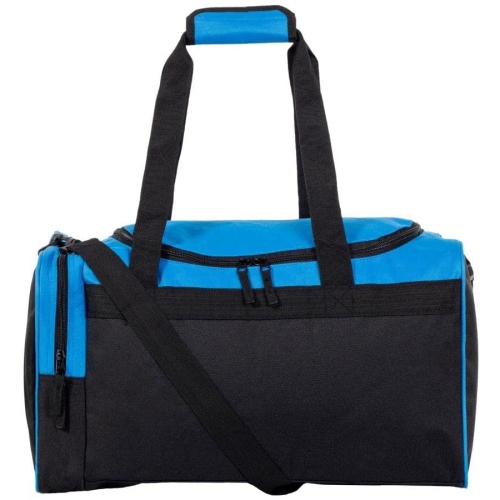
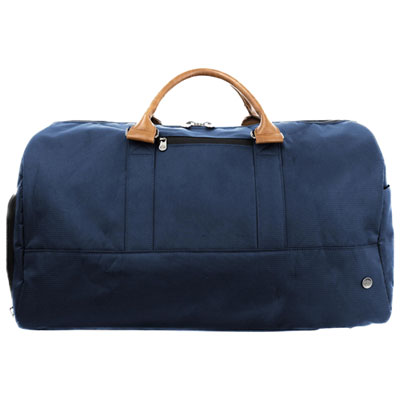
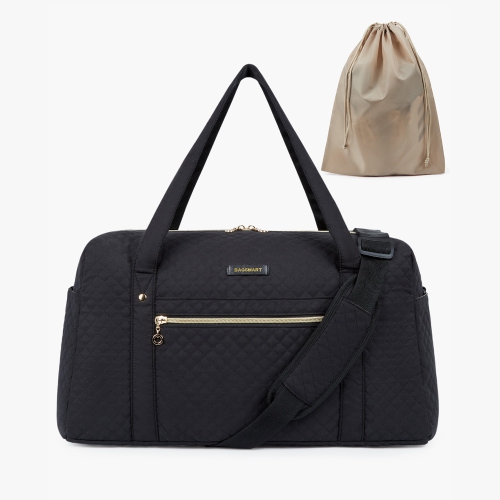
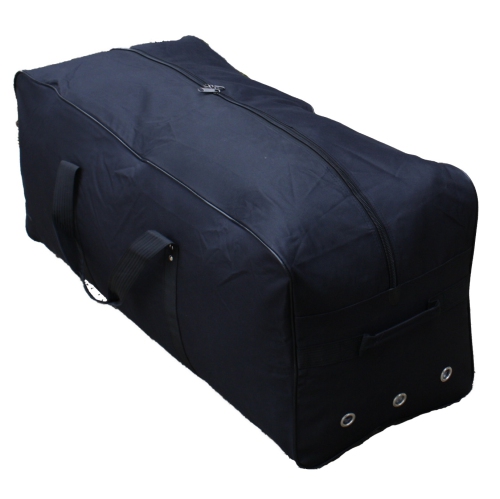
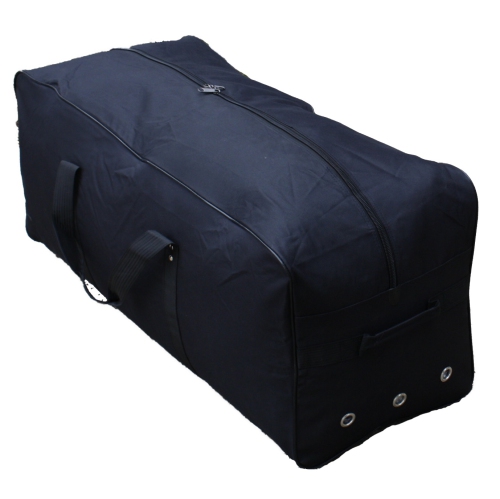
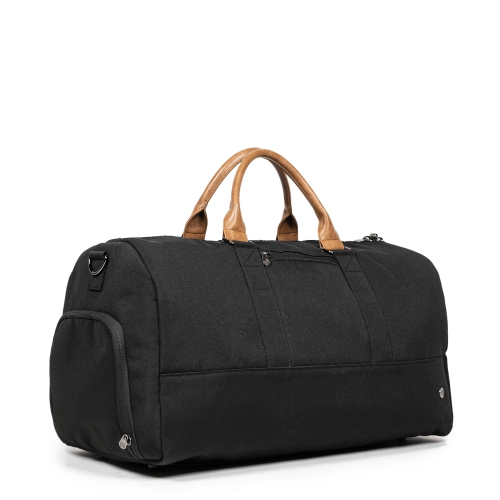
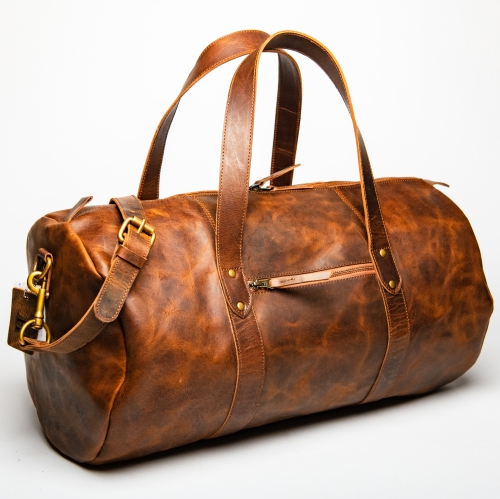
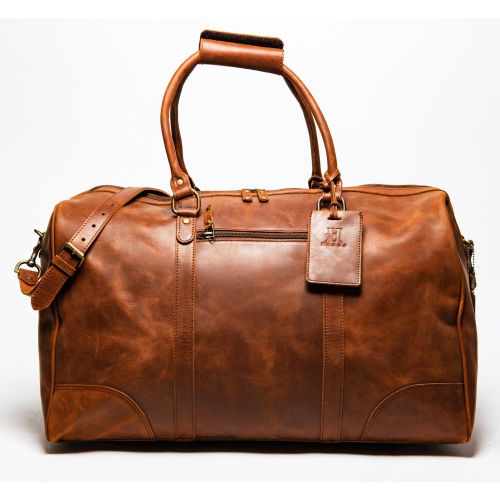
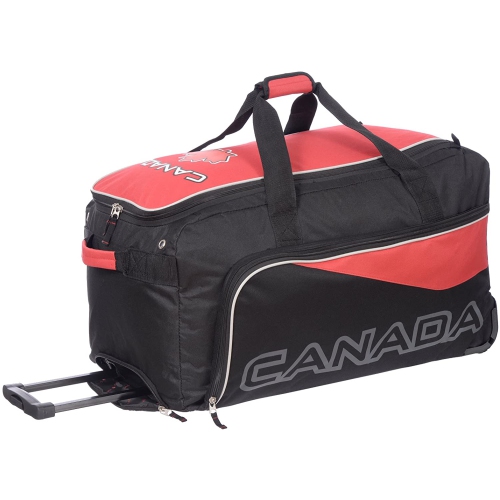
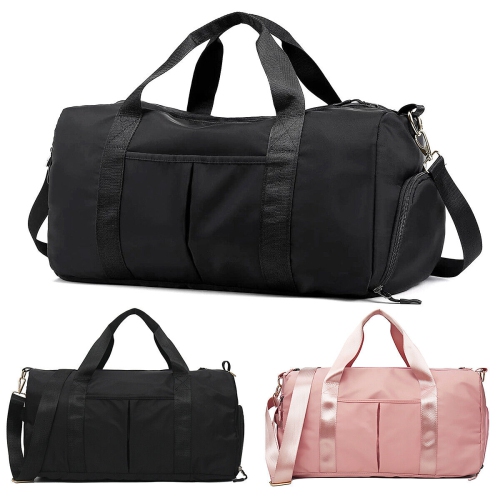
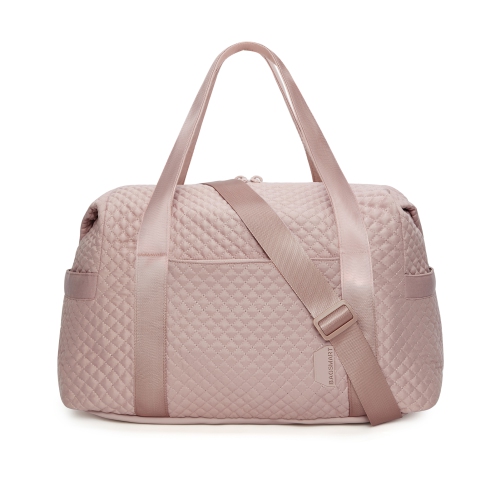
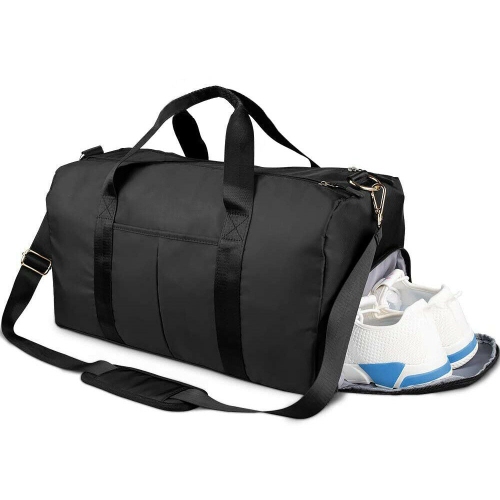
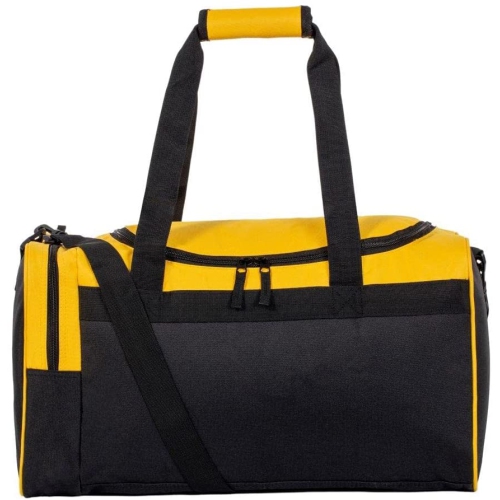
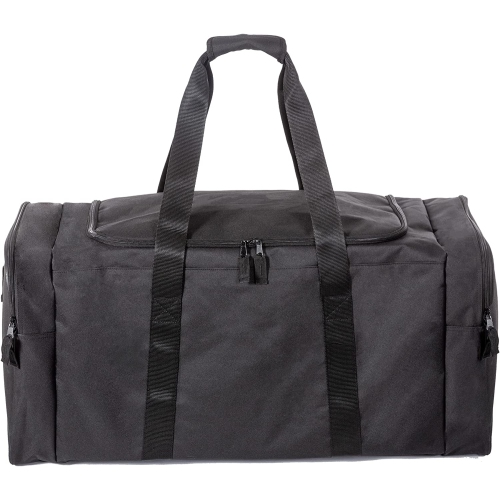
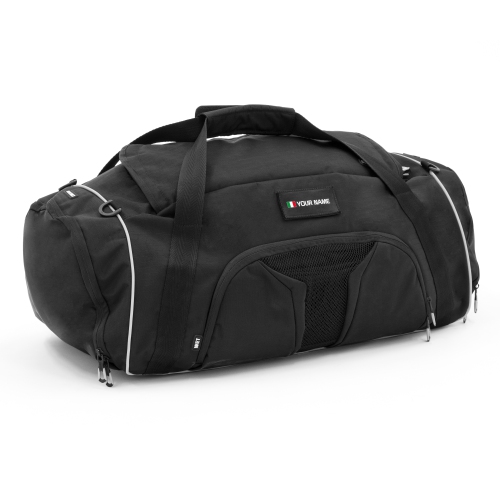
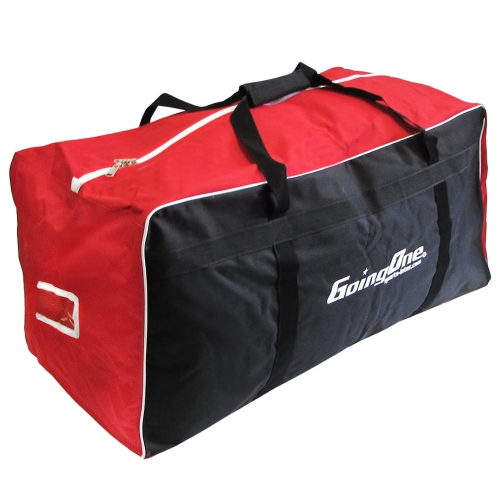
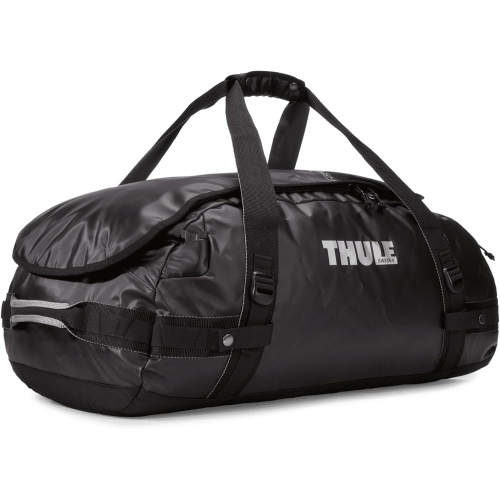
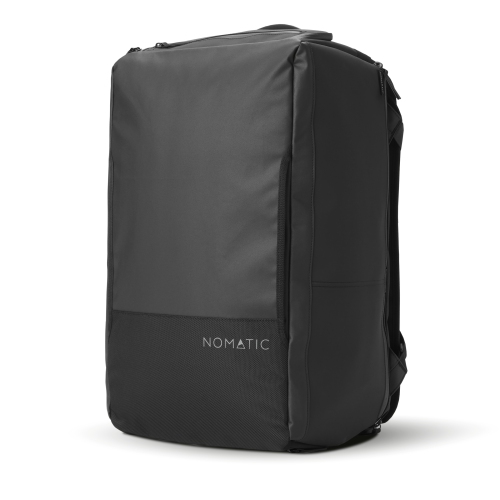
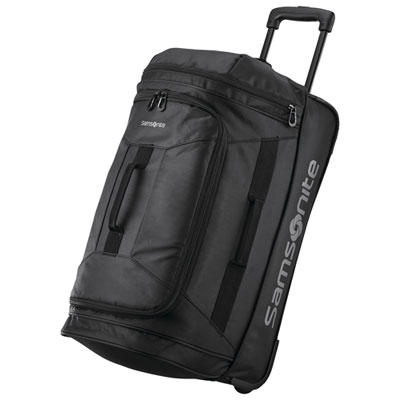
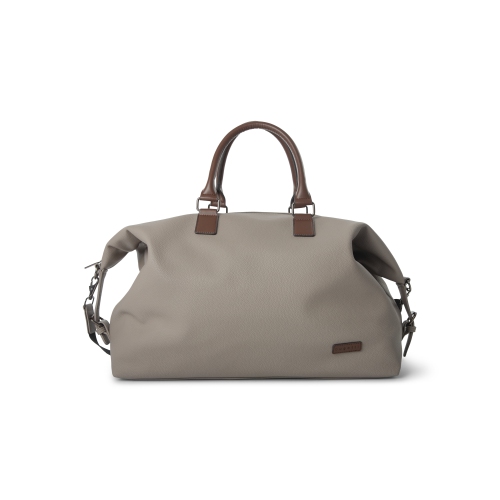
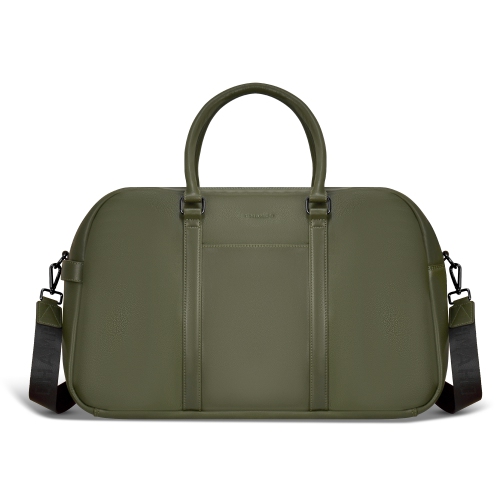
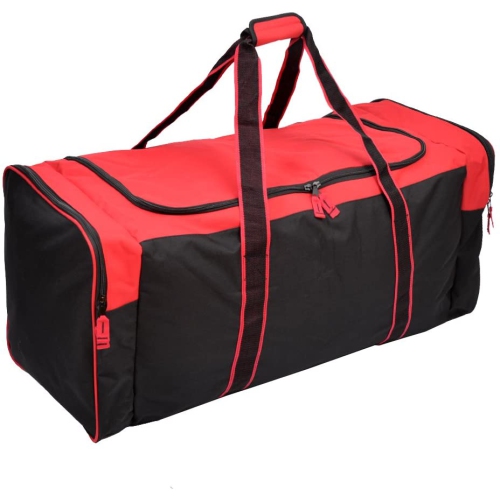
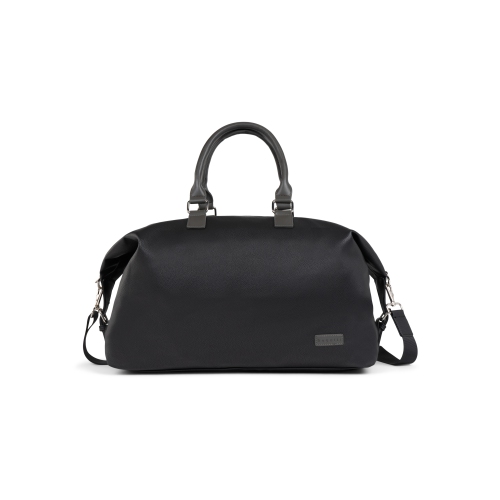
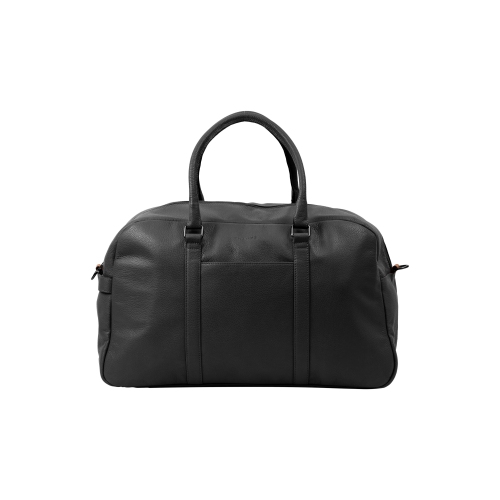
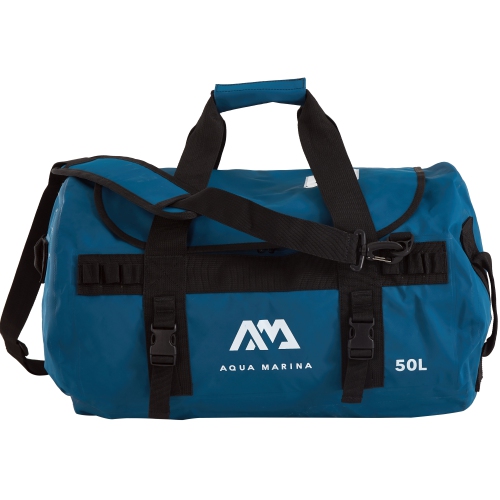
Sports duffle bags are practical carryalls for athletes, gym-goers, students, coaches, travellers, and anyone who likes to keep activity gear organized in one place. They are roomy enough for clothing, footwear, towels, toiletries, water bottles, and small accessories, while remaining easier to carry than a rigid suitcase. A well-designed sports duffle bag can move from the trunk of a car to a locker room bench, a school hallway, a community centre, or an overnight stay without feeling out of place. Many people use one as a reliable gym bag for everyday workouts, while others reserve it for hockey practices, dance classes, swimming, tennis, running events, martial arts, or weekend tournaments. They can also make thoughtful gifts for students heading into a new school year, recreational athletes joining a team, or anyone preparing for a fresh fitness routine. When choosing a sports duffle bag, start with the type and amount of gear it needs to hold. Compact designs are useful for a change of clothes, shoes, a towel, and basic personal items, while medium and larger capacities are better suited to bulky layers, multiple pairs of footwear, protective equipment, or travel between games. A bag that is too small can become difficult to close and awkward to pack, while an oversized style may be cumbersome when it is only carrying lightweight essentials. Think about the complete load rather than the empty bag: shoes with thick soles, padded gloves, helmets, toiletry kits, and folded outerwear can take up more room than expected.
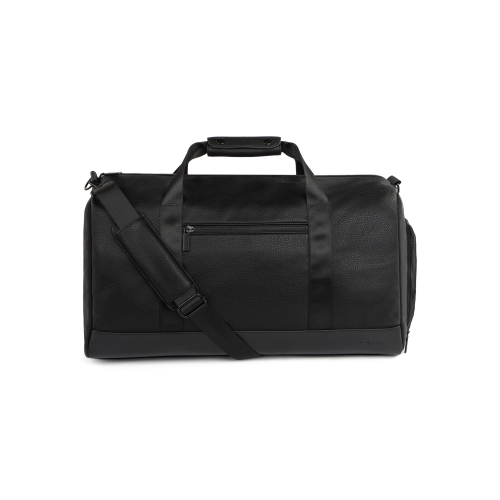
Organization can make a noticeable difference when a bag is used several times a week. Look for a spacious main compartment for clothing and larger equipment, along with exterior or interior zip pockets for keys, cards, earbuds, a phone, and other small items that tend to disappear beneath a pile of fabric. A separate shoe compartment is especially useful after a workout or game, helping keep footwear away from clean clothes and making it easier to find shoes without unpacking the entire bag. Vented pockets can provide additional separation for damp towels, swimwear, or worn clothing after an intense practice. This kind of layout is helpful in real-life moments, such as rushing from the field to the car while the sky is beginning to darken, or unpacking at home when a family member has another activity shortly afterward. Pay attention to the opening as well. A wide zippered top can make it easier to see and reach the contents, while reinforced seams and sturdy closures are valuable when the bag is filled to capacity. Materials should suit the way the bag will be used. A water-resistant base or coated bottom can help protect the contents from damp locker room floors, wet grass, or moisture in a vehicle cargo area, while durable fabric and reinforced stress points can stand up to frequent loading and unloading. Water resistance is not the same as complete waterproofing, so sensitive items such as electronics, documents, and medication should still be protected in suitable cases. If the bag will travel outdoors, look for fabric that is easy to wipe clean and hardware that feels secure in the hand.
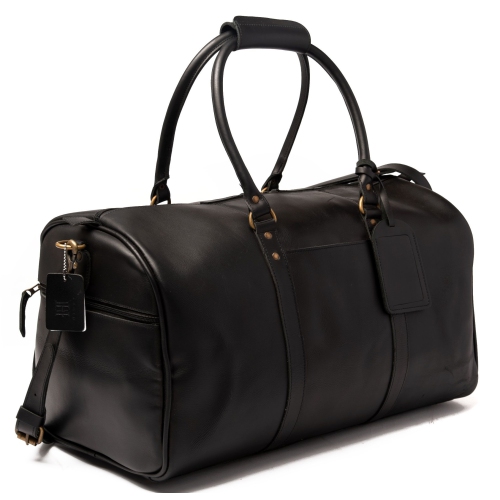
Carrying comfort matters just as much as storage space, particularly when the bag will be taken across a large sports complex or carried from public transit to a practice facility. Padded grab handles are convenient for short distances, while a removable, adjustable shoulder strap can make a heavier load easier to manage. Some designs offer multiple carrying options so the bag can be held by hand, worn over one shoulder, or lifted quickly from a bench or car seat. Check whether the strap length can be adjusted to suit different users and whether the attachment points appear firmly stitched. A young athlete may need a size that is manageable on the walk to school, while an adult carrying equipment for a full training session may prefer a longer strap and more generous capacity. Keep proportions in mind as well: a bag should have enough room for the intended gear without extending so far that it catches on doorways or becomes uncomfortable in crowded spaces. A dark colour can be an easy match for team apparel and everyday clothing, and Black Duffle Bags can offer a versatile look for trips between the gym, workplace, and home. During the warmer season, a sports duffle bag may carry lighter clothing, sunscreen, a cap, and outdoor recreation essentials; during cooler months, it can accommodate a sweatshirt, extra socks, and a jacket without replacing a separate coat bag. For team members and families, labelling a bag or adding a distinctive tag can make it easier to identify among similar belongings. Before making a selection, consider where the bag will be stored, how often it will be carried, whether footwear needs its own compartment, and whether the contents are likely to include damp or dirty gear. The right sports duffle bag keeps essentials together, makes transitions between activities smoother, and gives everyday equipment a dependable place to go.
Organization can make a noticeable difference when a bag is used several times a week. Look for a spacious main compartment for clothing and larger equipment, along with exterior or interior zip pockets for keys, cards, earbuds, a phone, and other small items that tend to disappear beneath a pile of fabric. A separate shoe compartment is especially useful after a workout or game, helping keep footwear away from clean clothes and making it easier to find shoes without unpacking the entire bag. Vented pockets can provide additional separation for damp towels, swimwear, or worn clothing after an intense practice. This kind of layout is helpful in real-life moments, such as rushing from the field to the car while the sky is beginning to darken, or unpacking at home when a family member has another activity shortly afterward. Pay attention to the opening as well. A wide zippered top can make it easier to see and reach the contents, while reinforced seams and sturdy closures are valuable when the bag is filled to capacity. Materials should suit the way the bag will be used. A water-resistant base or coated bottom can help protect the contents from damp locker room floors, wet grass, or moisture in a vehicle cargo area, while durable fabric and reinforced stress points can stand up to frequent loading and unloading. Water resistance is not the same as complete waterproofing, so sensitive items such as electronics, documents, and medication should still be protected in suitable cases. If the bag will travel outdoors, look for fabric that is easy to wipe clean and hardware that feels secure in the hand.
Carrying comfort matters just as much as storage space, particularly when the bag will be taken across a large sports complex or carried from public transit to a practice facility. Padded grab handles are convenient for short distances, while a removable, adjustable shoulder strap can make a heavier load easier to manage. Some designs offer multiple carrying options so the bag can be held by hand, worn over one shoulder, or lifted quickly from a bench or car seat. Check whether the strap length can be adjusted to suit different users and whether the attachment points appear firmly stitched. A young athlete may need a size that is manageable on the walk to school, while an adult carrying equipment for a full training session may prefer a longer strap and more generous capacity. Keep proportions in mind as well: a bag should have enough room for the intended gear without extending so far that it catches on doorways or becomes uncomfortable in crowded spaces. A dark colour can be an easy match for team apparel and everyday clothing, and Black Duffle Bags can offer a versatile look for trips between the gym, workplace, and home. During the warmer season, a sports duffle bag may carry lighter clothing, sunscreen, a cap, and outdoor recreation essentials; during cooler months, it can accommodate a sweatshirt, extra socks, and a jacket without replacing a separate coat bag. For team members and families, labelling a bag or adding a distinctive tag can make it easier to identify among similar belongings. Before making a selection, consider where the bag will be stored, how often it will be carried, whether footwear needs its own compartment, and whether the contents are likely to include damp or dirty gear. The right sports duffle bag keeps essentials together, makes transitions between activities smoother, and gives everyday equipment a dependable place to go.
Top selling and popular products
-
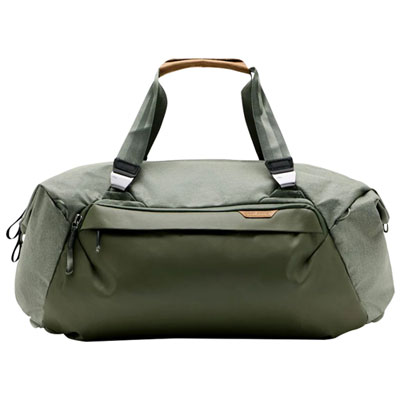 Your price for this item is $209.97
 -
 Your price for this item is $75
 -
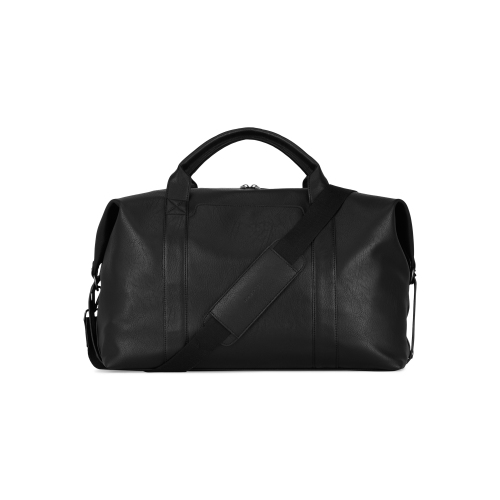 Your price for this item is $75
 -
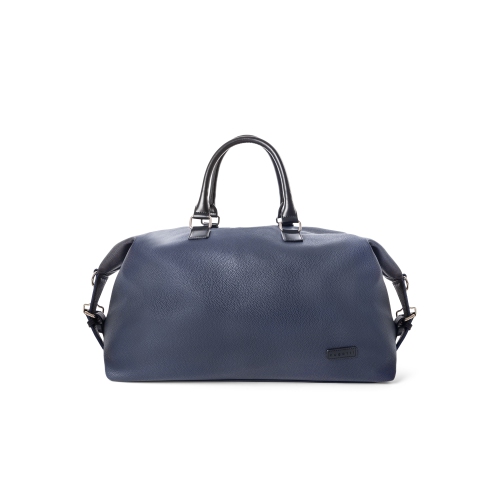 Your price for this item is $97.5
 -
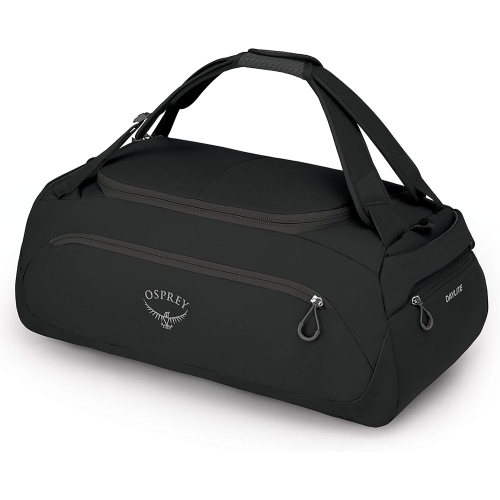 Your price for this item is $189.05
 -
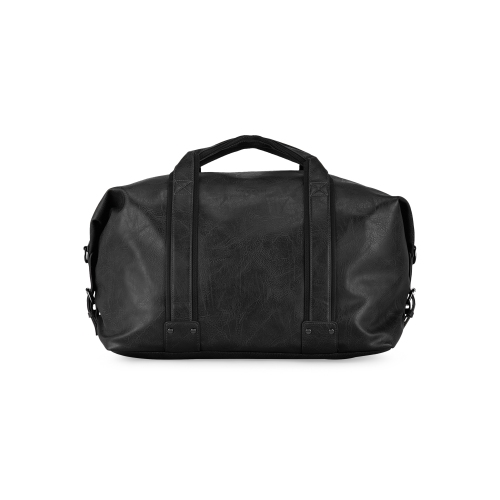 Your price for this item is $97.5
 -
 Your price for this item is $97.5
 -
 Your price for this item is $97.5
Discover more categories related to Sports Duffle Bags
Top Collections:
Pokemon Centers, Kindle Devices, Best Budget Office Chairs, Apple iPhones 16, Samsung Galaxy Phones, Canon G7X Cameras, iPhone 15 Apple, Flip Phones, Best Laptops for Writers, Alarm Clock
Some products may be subject to Environmental Handling Fees
(EHF) depending on your province.
Learn more about EHFs.