Student Productivity Tech
From lecture notes to late-night study sessions, the right tech setup can help you stay organized, cut distractions, and get more done—wherever you work.
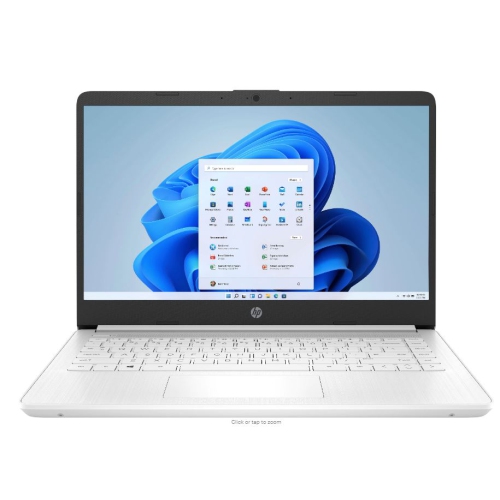
Laptops for School
Fast, portable picks for note-taking, research, group projects, and everyday multitasking.
Tablets for Notes
Write, highlight, and organize class materials with touch-first devices and precision styluses.
Noise-Cancelling Headphones
Lock in during study time with audio that helps quiet distractions at home, on campus, or on the go.
Portable Monitors and Laptop Screens
Create a dual-screen workflow anywhere—perfect for writing, research, spreadsheets, and presentations.
Styluses
One cable, more ports—connect your monitor, accessories, and storage in seconds.
Keyboard and Mouse Combos for Study Setups
Type more comfortably and work faster with wireless combos built for everyday productivity.
Tips
- Start with your workload: writing-heavy programs can prioritize battery life and a great keyboard, while STEM and creative courses may need more RAM and faster performance.
- If you’re taking lots of notes, consider a tablet or paper tablet paired with a stylus so you can handwrite, highlight PDFs, and keep everything searchable in one place.
- Use noise cancelling headphones or earbuds for library focus and commute time—then switch to transparency mode when you need to stay aware on campus.
- Add a portable monitor to turn any table into a dual-screen setup for research, writing, and group work.
- A USB-C hub or dock can simplify your desk: connect your monitor, keyboard, mouse, and Ethernet with fewer cable swaps.
- Set up “class mode” on your device: silence notifications, use focus timers, and create separate browser profiles for school and personal accounts.
- Back up your files automatically (cloud or external storage) so you’re covered if a laptop goes missing or a project file gets corrupted.
Frequently Asked Questions
A laptop is the simplest all-around choice for essays, research, and multitasking. A 2-in-1 or tablet can be a great add-on (or primary device) if you prefer handwriting notes, marking up PDFs, or want a lighter carry for class. If you’re unsure, choose a laptop first and build your setup with accessories like a stylus, portable monitor, or hub.
For everyday schoolwork (docs, web research, video calls), 8GB RAM can work, but 16GB RAM is a strong pick for smoother multitasking over multiple years. Storage depends on your files—128GB to 512GB is common, while larger projects (media, design, labs) may benefit from 1TB or an external drive.
Yes—especially if you study in shared spaces, commute, or live with roommates. Noise cancelling can reduce background noise so you can focus at lower volume, and many models also include modes that let in outside sound when you need it.
You don’t need one, but it can be a big productivity boost. A second screen makes it easier to keep lecture slides or research open while you write, code, or build presentations—without constant tab switching.
A hub is usually compact for travel and adds a few key ports (HDMI, USB-A, SD card). A dock is more of a desk command centre, often with more ports, stronger video support, and a cleaner one-cable setup for your monitor and accessories.
Keep it simple: a compact keyboard and mouse combo can improve typing comfort, a hub can reduce cable clutter, and a portable monitor can add screen space without committing to a full desktop display. If you’re using a laptop all day, raising it on a stand and using an external keyboard can also help with posture.
Some products may be subject to EHFs depending on your province. Learn more about EHFs.