EV Charging at Home
Make charging at home simple. Shop Level 2 and Level 1 EV chargers, plus adapters and cable-management add-ons to match your vehicle and your setup.
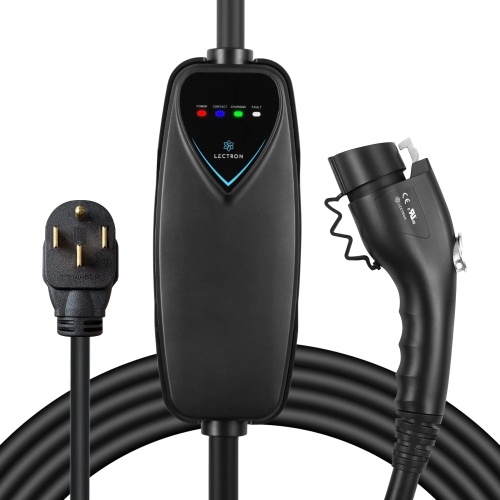
Level 2 EV Chargers
Wall-mounted Level 2 chargers with Wi-Fi/app features for scheduling, monitoring, and everyday convenience.
Portable EV Chargers
Flexible Level 2 options that plug into compatible 240V outlets—great for garages, driveways, and travel kits.
Level 1 EV Chargers
Simple plug-and-charge solutions for overnight top-ups using a standard household outlet.
Tesla EV Chargers
NACS chargers and compatible adapters to help you build a Tesla-ready home charging setup.
EV Charger Cable Holders
Keep your setup neat with holsters, hooks, and EV-rated extension cables for better reach and storage.
Tips
- Start with your connector: most non-Tesla EVs use J1772, while many Tesla models use NACS. Choose a charger (or adapter) that matches your vehicle.
- Decide between plug-in and hardwired: plug-in models typically use a NEMA 14-50 outlet, while hardwired installs can support higher amperage depending on your electrical setup.
- Match amperage to your circuit: a higher-amp charger can charge faster, but it must be paired with the right breaker, wiring, and installation.
- Pick the right cable length for your parking spot. Measure from the mounting location to your charge port, then add extra slack so the cable reaches comfortably.
- Look for smart features if you want more control. Wi-Fi/app scheduling can help you set charging times and track sessions from your phone.
- Keep it tidy and protected: add a holster, hook, or wall mount to keep the connector off the ground and reduce cable wear.
- Skip household extension cords. If you need extra reach, use an EV-rated J1772 extension cable designed for charging.
Frequently Asked Questions
Level 1 charging plugs into a standard household outlet and is a convenient option for topping up over longer periods. Level 2 charging uses a 240V connection (often via a dedicated outlet or a hardwired install) and typically charges much faster, making it a popular choice for daily home charging.
Only if you choose a plug-in Level 2 charger that requires a NEMA 14-50 connection. Some Level 2 chargers are hardwired instead, and Level 1 chargers usually plug into a standard outlet. Check the charger’s plug type and your available power source before you buy.
Plug-in chargers can be easier to swap or take with you if you move, but they require the correct 240V outlet. Hardwired chargers can be a clean, permanent setup and may support higher amperage depending on your electrical panel and wiring. A licensed electrician can help confirm what’s best for your home.
Many EVs use J1772 for Level 2 charging, while Tesla vehicles often use NACS. Some chargers are built specifically for one connector type, and adapters can help bridge compatibility in certain cases. Always confirm what your vehicle supports and what the charger outputs.
In many cases, yes—adapters can allow cross-compatibility between J1772 and Tesla/NACS equipment. Make sure the adapter is rated for the amperage you’ll use and that it’s designed for your specific charging scenario.
Think about your driving habits and how quickly you want to recharge, then match the charger’s output to what your home’s electrical system can safely support. Many Level 2 chargers let you set or limit amperage, and some include load-management features to help fit charging into your available capacity.
Some products may be subject to Environmental Handling Fees (EHF) depending on your province. Learn more about EHFs.