Portable Power for Camping & Road Trips
Keep phones, cameras, laptops, and small essentials charged on the go. Explore portable power stations, foldable solar panels, power banks, car chargers, inverters, and jump starters built for weekends away and long drives.
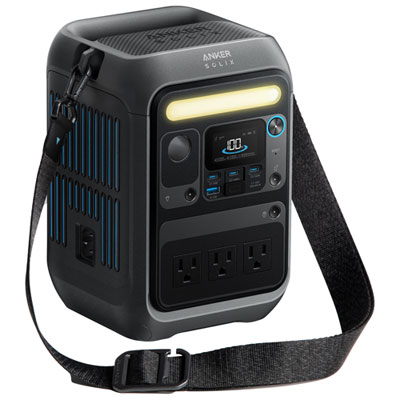
Portable Power Stations
Charge and power essentials at camp or at a stop with AC outlets, USB ports, and travel-friendly designs.
Solar panels for Power Stations
Add a daylight recharge option for longer stays—great for topping up power stations and USB devices.
20000mAh Power banks
Pocketable backup power for hikes, travel days, and emergency top-ups between stops.
USB-C Portable Charger
USB-C Power Delivery power banks built for bigger devices—ideal for work-from-anywhere road trips.
USB-C Adapter
Fast, convenient charging from your vehicle—perfect for keeping everyone topped up on the highway.
Power inverters
Convert 12V vehicle power to an AC outlet for compatible gear when you need a plug on the go.
Outdoor Travel Essentials
Road-trip peace of mind: compact boosters that can help restart a vehicle and often double as a USB charger.
Tips
- Start with your must-power list (phones, lights, cooler, CPAP, laptop) and note each device’s watts (W) or watt-hours (Wh) to size your setup.
- Match output to your gear: USB-C Power Delivery for modern phones/laptops, and AC outlets for devices that only take a wall plug.
- If you plan to run sensitive electronics, look for steady AC output (often described as pure sine wave) for smoother performance.
- Bring the right cables and adapters: USB-C to USB-C, USB-C to Lightning, and a 12V car charger can cover most road-trip charging needs.
- Use car chargers for day-to-day top-ups while driving, and save the power station for nights at camp or when you’re parked for longer stops.
- Keep batteries comfortable: avoid leaving power gear in direct sun or extreme heat in a closed vehicle for extended periods.
- For solar charging, place panels in full sun, adjust angle a few times a day, and keep the surface clean for the best results.
- Pack a jump starter even if you have a power station—jump starters are purpose-built for vehicle starting and are quick to deploy.
Frequently Asked Questions
Think in watt-hours (Wh). For phones, lights, and small gadgets, a smaller unit can be enough. If you want to power higher-draw items (like a small cooler, fan, or camera charging hub) for longer, look at higher Wh capacity and higher AC output (W).
A power bank is mainly for USB charging (phones, earbuds, tablets). A portable power station is larger, with more capacity and more output options—often including AC outlets and 12V ports—so you can run a wider range of gear.
Many models support pass-through charging, meaning you can recharge the station (from a wall outlet, car, or solar panel) while it powers devices. Check the product details for supported charging modes and any limits.
Not always. If you’ll be driving most days, a car charger can keep devices topped up. A solar panel is most helpful when you’re parked for long periods (camping, festivals, remote photo trips) and want another way to recharge without relying on the vehicle.
An inverter uses your vehicle’s 12V system to create an AC outlet—handy for occasional use on the road. A power station gives you stored battery capacity you can use when parked, plus it can often be recharged from the car while driving. The right choice depends on how long you need AC power and what you’re running.
Yes—especially for longer drives or shoulder seasons. A compact lithium jump starter can help you restart a vehicle quickly, and many also work as a backup USB charger and emergency light.
Some products may be subject to Environmental Handling Fees (EHF) depending on your province. Learn more about EHFs.