Hybrid Learning Essentials
Get set for class anywhere. Build a flexible hybrid learning setup with the right device, steady Wi-Fi, and clear audio/video for every lecture and group project.
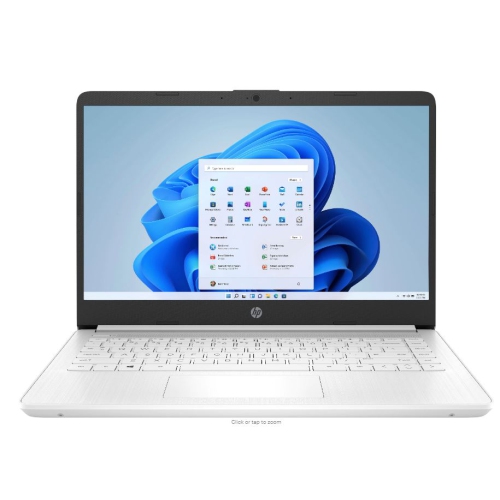
Student Laptops
Everyday laptops for research, essays, and lectures—lightweight options included for commutes and campus days.
Tablets for Note-Taking
Flexible devices for handwriting notes, highlighting readings, and switching between touch and typing.
Webcams for Online Classes
Look and sound your best in virtual lectures, presentations, and group calls.
Wi-Fi Routers and Mesh Systems
Reduce lag and dropouts with faster Wi-Fi and better coverage across your home.
Wireless Printers for Assignments
Print readings, scan handwritten work, and keep projects moving with all-in-one options.
Headsets
Upgrade your home study space with a second screen and comfortable input gear for long sessions.
Laptop Backpacks
Carry your tech between home, campus, and the library with padded protection and smart organization.
Tips
- Choose your main device first: a laptop is the simplest all-in-one pick, while a 2-in-1 or tablet is great for handwritten notes and reading.
- For smooth multitasking in class, look for at least 8GB RAM and enough storage for your files—go bigger if you’re running creative apps or lots of browser tabs.
- Improve call clarity fast with a headset that has a noise-cancelling mic (especially for shared spaces).
- If your camera angle or lighting is awkward, an external webcam can make a noticeable difference for presentations and interviews.
- Prioritize a strong home connection: place your router centrally, use mesh if you have dead zones, and connect via Ethernet when you can.
- Make assignment scanning easy with an all-in-one printer—especially useful when instructors ask for signed forms or handwritten work.
- Upgrade your study setup with a second screen and a wireless keyboard/mouse to stay comfortable during long sessions.
Frequently Asked Questions
Start with a reliable laptop or tablet, then add a headset with a good microphone and a strong Wi-Fi setup. After that, consider an all-in-one printer for scanning assignments and a monitor for easier multitasking at home.
A laptop is the best all-around choice for typing, multitasking, and running course software. A 2-in-1 gives you laptop power with a touch display for note-taking. A tablet is excellent for reading and handwritten notes, especially with a keyboard case, but some programs may still require a full laptop.
For HD video calls, a good baseline is around 25 Mbps download and 5 Mbps upload for one person, with more headroom if multiple people are streaming or calling at the same time. If Wi-Fi coverage is the issue, a mesh system can help you stay connected in every room.
Not always. Built-in webcams are fine for everyday classes, but an external webcam can deliver a better angle, improved image quality, and more flexibility for presentations or remote interviews.
Use a headset with a boom mic or a noise-cancelling microphone, keep the mic close to your mouth, and mute when you’re not speaking. If your room is noisy, turning on background noise suppression in your meeting app can also help.
It depends on your courses. Many students can go fully digital, but an all-in-one printer is helpful if you regularly need to print readings, submit hard copies, or scan handwritten work back into a PDF.
Some products may be subject to EHFs depending on your province. Learn more about EHFs.