Tech for Study Groups
From shared notes to screen sharing and video calls, the right gear can make group studying smoother. Build your setup with devices and accessories made for collaborating anywhere.
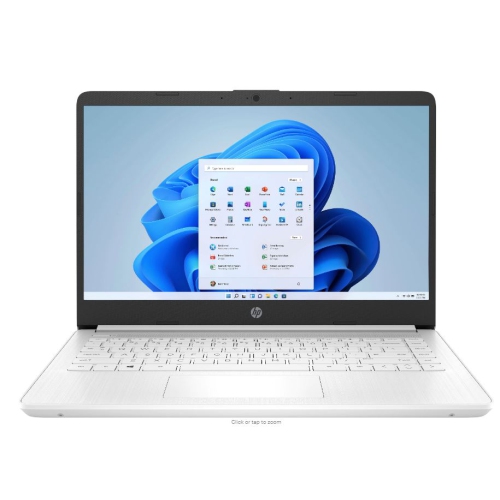
Laptops for Group Projects
Write, research, build slides, and multitask across shared docs with portable laptops and flexible 2-in-1 designs.
Tablets for Shared Notes and Markups
Take notes, annotate readings, and export clean PDFs your whole group can use.
Portable Monitors
Sound clearer on calls and stay focused with comfortable headsets built for long sessions.
Bluetooth Speakers
Upgrade your on-camera look for presentations, tutoring, and remote group work.
Portable Projectors for In-Person Reviews
Share slides, practice presentations, and review diagrams on a bigger screen—wherever you meet.
Wi-Fi 6 Routers
Strengthen your connection and simplify hookups with Wi-Fi 6 routers and multiport USB-C gear.
Tips
- Pick one “home base” device for the group (laptop or 2-in-1) and keep everything else focused on connecting, sharing, and presenting.
- For online sessions, prioritize audio first: a headset with a good mic usually improves clarity more than upgrading your camera.
- If you meet in person, bring a portable projector or plug in to a larger display so everyone can review slides, spreadsheets, and diagrams together.
- Use a USB-C hub or multiport adapter so you can connect HDMI, USB-A peripherals, and power without scrambling for the right cable.
- Keep your group docs consistent: agree on one file format and one shared folder structure (notes, slides, references, final submission).
- When you’re taking notes live, a tablet or paper-style tablet can be quicker than typing and easier to share as a PDF afterward.
- If Wi-Fi is spotty where you meet, a Wi-Fi 6 router or mesh setup can help reduce dropped calls and lag during screen sharing.
Frequently Asked Questions
A reliable laptop (or 2-in-1) for creating and editing work, a headset for clear voice chat, and an easy way to share your screen in person (projector, HDMI setup, or a larger monitor) usually deliver the biggest day-to-day improvement.
Not always. Built-in laptop cameras are fine for quick check-ins, but a dedicated webcam can look sharper, handle tricky lighting better, and give you more flexible placement for group calls or presentations.
Focus on microphone quality, comfort for longer sessions, and easy switching between laptop and phone. Noise reduction on the mic can also help if you’re joining from a shared space.
A tablet can be great for shared note-taking, marking up PDFs, sketching diagrams, and quickly exporting pages to the rest of the group. It’s especially handy when you want handwriting-style notes without carrying notebooks.
Use a portable projector or connect to a larger display with an HDMI cable (often through a USB-C adapter). That way everyone can see the same content while one person drives the deck and others take notes.
It’s less about peak speed and more about stability. A strong Wi-Fi 6 router, good placement, and fewer dead zones can help keep video calls smooth and reduce dropouts during screen sharing.
Some products may be subject to handling fees (EHF) depending on your province. Learn more about EHFs.