Campus Commuter Tech
From early lectures to late-night study sessions, commuter-friendly tech helps you stay powered, connected, and organized. Build a carry-ready setup with lightweight laptops, noise-cancelling audio, fast charging, and pocket-sized extras you’ll actually use every day.
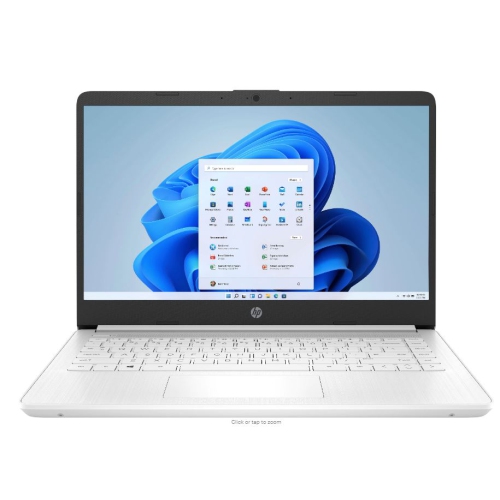
Lightweight Laptops
Easy-to-carry picks for commuting, note-taking, and getting real work done between classes.
Noise-Cancelling Earbuds and Headphones
Tune out the commute and focus in shared spaces with ANC audio that travels well.
Fast Charging Power Banks
Backup power for long days—from quick phone top-ups to higher-capacity packs for multiple devices.
Laptop Backpacks and Commuter Bags
Carry your laptop, chargers, and everyday essentials with pockets that keep things easy to grab.
USB-C Hubs
Add the ports you need for presentations, peripherals, and group work setups.
Portable External SSDs
Fast, pocket-sized storage for backups, group projects, and big files you don’t want to lose.
Bluetooth Trackers for Keys and Bags
Find everyday essentials fast—great for keys, backpacks, and travel pouches.
Tips
- Aim for a 13 inch to 14 inch laptop if you’re commuting daily—it’s easier to carry and still roomy enough for docs and spreadsheets.
- Prioritize battery life and USB-C charging so you can top up with a single cable in the library, cafe, or between classes.
- Keep a compact power bank in your bag for phone emergencies (and look for higher-watt USB-C PD models if you want to charge a laptop).
- Noise-cancelling earbuds are great for transit; over-ear headphones can feel more comfortable for long study blocks.
- Add a USB-C hub with HDMI if you present in class or plug into shared displays—it can save you from last-minute adapter hunts.
- Back up assignments and project files to a portable SSD so you’re not relying on one device right before deadlines.
- Clip a Bluetooth tracker to keys or a backpack pocket so you can find essentials fast when you’re rushing out the door.
Frequently Asked Questions
Focus on portability first (size and weight), then battery life, and finally the ports you’ll use most. A 13 inch to 14 inch laptop with USB-C charging is a strong everyday pick, especially if you move between classrooms, transit, and study spaces.
They can be, especially if you take handwritten notes, annotate PDFs, or like presenting with the screen folded back. A 2-in-1 gives you laptop productivity plus tablet-style flexibility without carrying two devices.
If you take transit, study in busy common areas, or share living space, active noise cancelling can make a big difference. It helps reduce steady background sounds (like engines and fan noise) so you can listen at lower volume and stay focused.
Some can, but you’ll need a USB-C Power Delivery power bank with enough wattage for your laptop. Phones are easy to charge with most power banks, while laptops typically need higher output—check your laptop’s charger wattage and match it.
You’ll want one if your laptop has limited ports, or if you regularly connect to HDMI projectors/monitors, USB-A flash drives, or wired Ethernet. A compact hub can turn one USB-C port into the connections you need for class and group work.
For most students, 1TB is a comfortable starting point for documents, course folders, and project files. If you work with large photo, video, design, or coding projects, 2TB gives you more breathing room for backups and versioned files.
Some products may be subject to EHF depending on your province. Learn more about EHFs.