Fitness & Smart Wellness Tech
Power every workout, recovery session, and daily routine with fitness and smart wellness tech designed to help you move more, track more, and feel ready for what’s next.
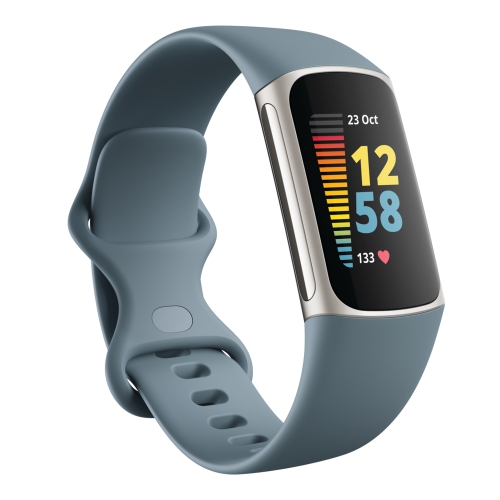
Fitness Trackers & Smartwatches
Track steps, heart rate, workouts, and more with wearables built for everyday movement and training days alike.
Smart Rings for Daily Tracking
Go low-profile with smart rings that keep tabs on sleep, activity, and wellness without the look of a watch.
Smart Scales & Body Composition Tools
See more than just your weight with smart scales that help you follow progress from one check-in to the next.
Recovery Tech & Massage Guns
Add recovery to your routine with massage guns and muscle relief tools made for post-workout use and everyday comfort.
Tips
- Choose a wearable that matches how you move: fitness trackers are great for all-day activity, while smartwatches can add GPS, calls, and app features.
- If recovery is part of your routine, add a massage gun to help target sore muscles after training days or long shifts.
- Smart scales are most useful when you track trends over time instead of focusing on a single weigh-in.
- Look for battery life, comfort, and app compatibility before you buy, especially if you plan to wear your device day and night.
- If you want a more discreet way to monitor sleep and activity, smart rings offer always-on tracking in a compact design.
- For outdoor runs, rides, and hikes, built-in GPS can make it easier to map workouts without carrying your phone.
- Create a more complete setup by pairing a wearable with a smart scale and recovery tech for better visibility into activity, sleep, and progress.
Frequently Asked Questions
Fitness and smart wellness tech includes connected devices that help track activity, sleep, heart rate, recovery, and progress over time. Popular options include fitness trackers, smartwatches, smart rings, smart scales, and recovery devices like massage guns.
It depends on your routine. Fitness trackers are great for lightweight all-day wear and core stats, smartwatches add more features like GPS and notifications, and smart rings offer a low-profile way to track sleep, readiness, and daily activity.
Smart scales can be a helpful addition if you want to log weight and body composition metrics in one place. Many models also sync to an app, which makes it easier to follow long-term progress.
Massage guns are often used after workouts, runs, or long days to target tight muscles and support recovery. They’re a useful complement to trackers and scales because they focus on how your body feels, not just the numbers.
Focus on the features you’ll actually use most, such as heart rate tracking, sleep monitoring, GPS, battery life, water resistance, and app compatibility. Comfort and fit matter too, especially for overnight wear.
Some products may be subject to Environmental Handling Fees (EHF) depending on your province. Learn more about EHFs.