Attic TV Antennas
If you want to watch local channels without cable, you need an antenna. The good news is that there are plenty of options out there for people who want to install one themselves. We've rounded up the best attic TV antennaes for your home.
Sort
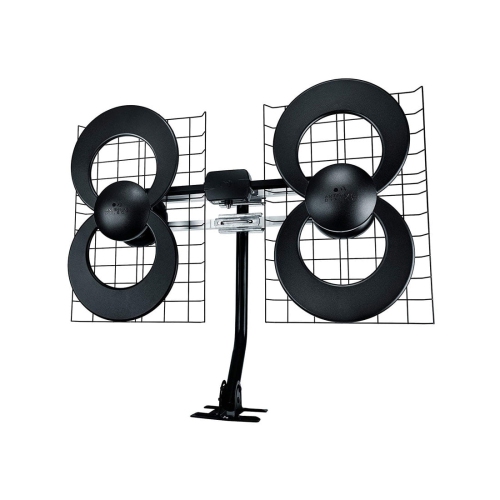
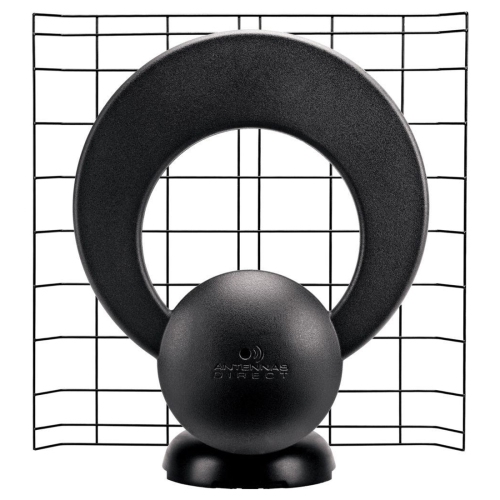
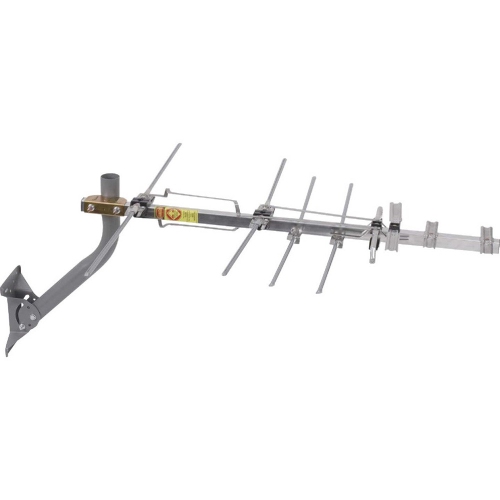
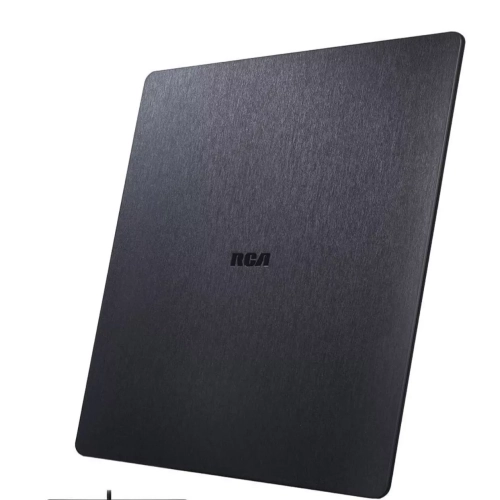
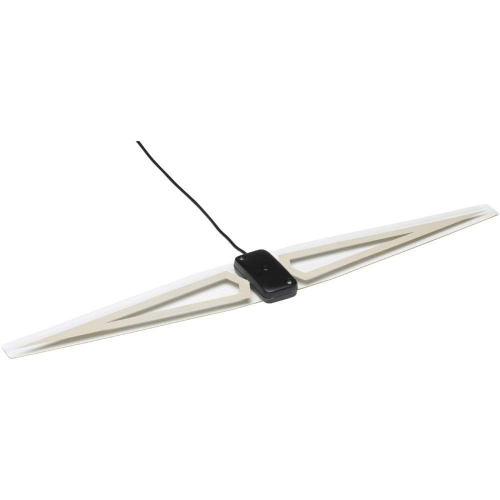
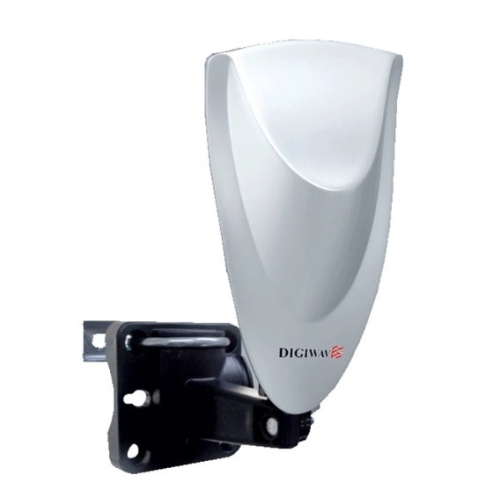
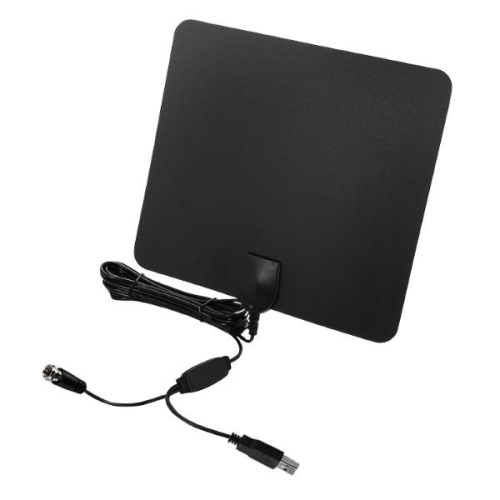
Reliable attic reception starts with thoughtful placement
Attic TV antennas offer a practical way to receive free over-the-air television while keeping the antenna protected from rain, snow, wind, and direct sunlight. Installed above the living space but below the roofline, an attic antenna can benefit from added height without changing the appearance of your home. It may be a good choice for households that want access to local broadcast channels for news, sports, weather, and entertainment, especially when paired with an existing television that includes a digital tuner. An attic installation can also suit rental properties or homeowners’ associations where exterior equipment is restricted, as well as homes where a compact indoor antenna does not receive a reliable signal. The best results depend on the distance and direction of nearby broadcast towers, the construction of the roof, and the antenna’s ability to receive both VHF and UHF frequencies. VHF channels generally occupy the lower broadcast range, while UHF channels use higher frequencies, so a dual-band antenna is important when local stations operate across both ranges. A higher position often improves reception compared with placing an antenna behind a television or near a window, but attic height alone cannot overcome every obstruction. Roofing materials, insulation, siding, ductwork, wiring, and other building components may weaken incoming signals. Metal roofing, foil-backed insulation, radiant barriers, and some tile or brick construction can be especially challenging because they may reflect or block broadcast signals. A home with conventional shingles and minimal metal between the antenna and the outside air may provide more favourable conditions, though every attic is different.
Before mounting an attic TV antenna permanently, take time to identify the location of local broadcast towers and note their approximate direction from your home. Online reception maps can help estimate tower distance, signal strength, and the channels that may be available in your area. These tools are useful starting points, but nearby buildings, trees, hills, and roof materials can change the real-world result. In many homes, the most effective position is on the side of the attic facing the towers, with the antenna mounted as high as practical and away from large metal objects. Try several locations and orientations, then connect the antenna to the television and run a channel scan after each adjustment. A small change in angle or position can make the difference between a stable picture and a channel that breaks up into blocks or loses audio. Digital broadcasts typically appear clearly when reception is strong, but they can become intermittent when the signal falls below a usable level, which is why careful placement matters. Use quality coaxial cable and keep the cable run as short and direct as reasonably possible. Long cable runs, loose connectors, sharp bends, and multiple splitters can reduce signal strength before it reaches the television. If several TVs will share one antenna, a properly selected splitter may be needed, and an amplified distribution solution can help in some larger installations. Amplification is not a substitute for a suitable antenna location, however; a booster can strengthen a signal that is already usable but may also magnify interference when the original signal is weak or noisy. For a clean installation, secure the antenna to a stable surface, keep it clear of electrical equipment, and follow the manufacturer’s instructions for cable routing and grounding. Attics can become very hot during warm weather and difficult to access during cooler months, so complete adjustments carefully and make sure the equipment remains safely supported.
Attic TV antennas are useful for viewers who want a straightforward way to complement streaming services or maintain access to local programming when internet service is unavailable. They can be especially helpful in family rooms, kitchens, guest rooms, cabins, and home offices where local channels are watched regularly but a visible indoor antenna would be inconvenient. A household might use streaming for on-demand shows while relying on broadcast television for local weather alerts, community news, live events, and scheduled programming. They can also make a thoughtful housewarming gift for someone moving into a new home, setting up a television in a workshop, or simplifying a media room. During the warmer part of the year, an attic installation keeps the equipment away from outdoor exposure while allowing regular viewing without bringing an antenna indoors each time it is needed. As the weather turns cooler, dependable local reception can be particularly convenient for checking changing conditions, following regional coverage, or enjoying familiar programming from the comfort of home. For the clearest experience, rescan for channels after relocating the antenna, changing its direction, replacing a cable, or adding another television. Broadcast lineups and signal conditions can vary by location, so the number of channels received in one neighbourhood may differ from the results in another, even when homes are close together. Consider the size of the attic, the available mounting surface, the cable distance to each TV, and whether the antenna needs to support one screen or several. If you are comparing related reception equipment for audio use, you can also explore Radio Antennas. With thoughtful placement, suitable cabling, and realistic expectations about local signal conditions, an attic TV antenna can provide discreet access to free over-the-air television and fit neatly into an existing home entertainment setup.
Before mounting an attic TV antenna permanently, take time to identify the location of local broadcast towers and note their approximate direction from your home. Online reception maps can help estimate tower distance, signal strength, and the channels that may be available in your area. These tools are useful starting points, but nearby buildings, trees, hills, and roof materials can change the real-world result. In many homes, the most effective position is on the side of the attic facing the towers, with the antenna mounted as high as practical and away from large metal objects. Try several locations and orientations, then connect the antenna to the television and run a channel scan after each adjustment. A small change in angle or position can make the difference between a stable picture and a channel that breaks up into blocks or loses audio. Digital broadcasts typically appear clearly when reception is strong, but they can become intermittent when the signal falls below a usable level, which is why careful placement matters. Use quality coaxial cable and keep the cable run as short and direct as reasonably possible. Long cable runs, loose connectors, sharp bends, and multiple splitters can reduce signal strength before it reaches the television. If several TVs will share one antenna, a properly selected splitter may be needed, and an amplified distribution solution can help in some larger installations. Amplification is not a substitute for a suitable antenna location, however; a booster can strengthen a signal that is already usable but may also magnify interference when the original signal is weak or noisy. For a clean installation, secure the antenna to a stable surface, keep it clear of electrical equipment, and follow the manufacturer’s instructions for cable routing and grounding. Attics can become very hot during warm weather and difficult to access during cooler months, so complete adjustments carefully and make sure the equipment remains safely supported.
Attic TV antennas are useful for viewers who want a straightforward way to complement streaming services or maintain access to local programming when internet service is unavailable. They can be especially helpful in family rooms, kitchens, guest rooms, cabins, and home offices where local channels are watched regularly but a visible indoor antenna would be inconvenient. A household might use streaming for on-demand shows while relying on broadcast television for local weather alerts, community news, live events, and scheduled programming. They can also make a thoughtful housewarming gift for someone moving into a new home, setting up a television in a workshop, or simplifying a media room. During the warmer part of the year, an attic installation keeps the equipment away from outdoor exposure while allowing regular viewing without bringing an antenna indoors each time it is needed. As the weather turns cooler, dependable local reception can be particularly convenient for checking changing conditions, following regional coverage, or enjoying familiar programming from the comfort of home. For the clearest experience, rescan for channels after relocating the antenna, changing its direction, replacing a cable, or adding another television. Broadcast lineups and signal conditions can vary by location, so the number of channels received in one neighbourhood may differ from the results in another, even when homes are close together. Consider the size of the attic, the available mounting surface, the cable distance to each TV, and whether the antenna needs to support one screen or several. If you are comparing related reception equipment for audio use, you can also explore Radio Antennas. With thoughtful placement, suitable cabling, and realistic expectations about local signal conditions, an attic TV antenna can provide discreet access to free over-the-air television and fit neatly into an existing home entertainment setup.
Top selling and popular products
-
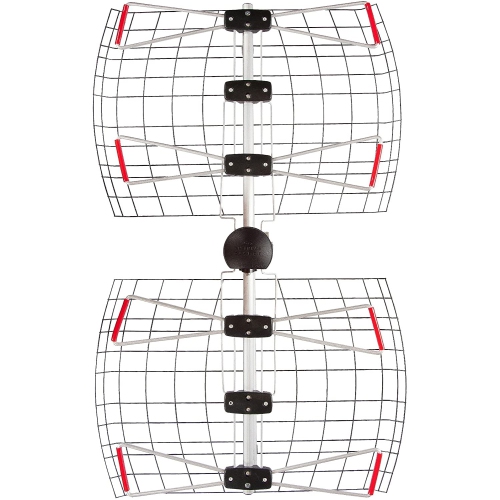 Your price for this item is $99.99
 -
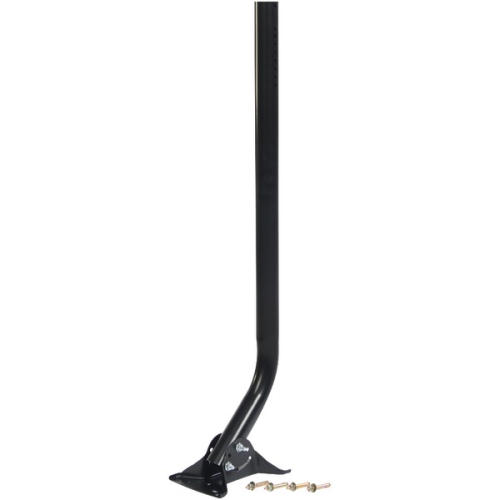 Your price for this item is $49.99
 -
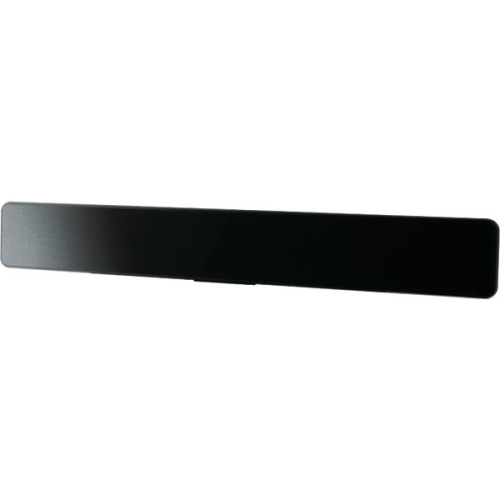 Your price for this item is $29
 -
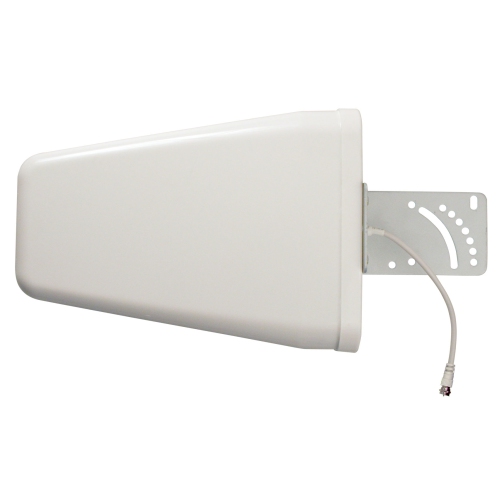 Your price for this item is $139.99
 -
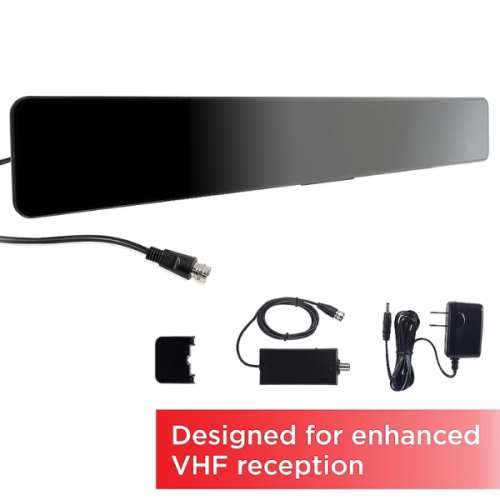 Your price for this item is $34.99
 -
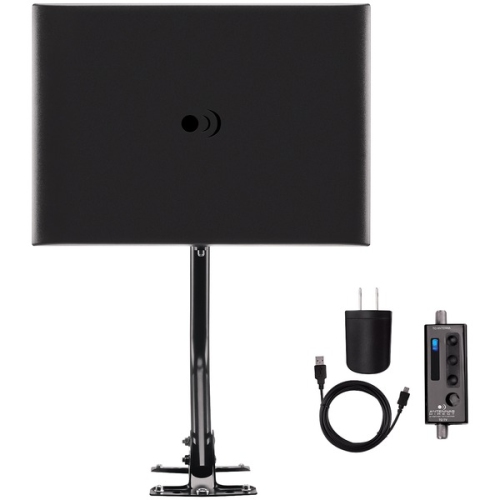 Your price for this item is $59
 -
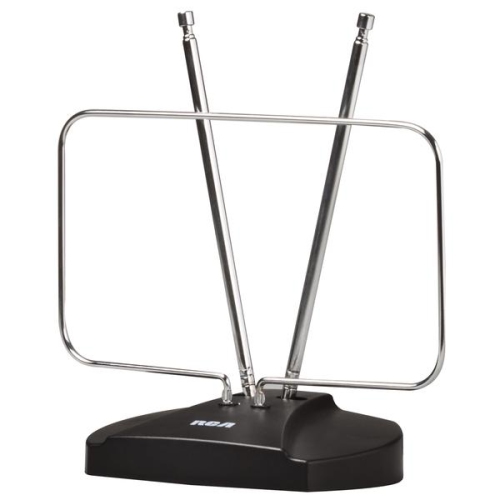 Your price for this item is $38.68
 -
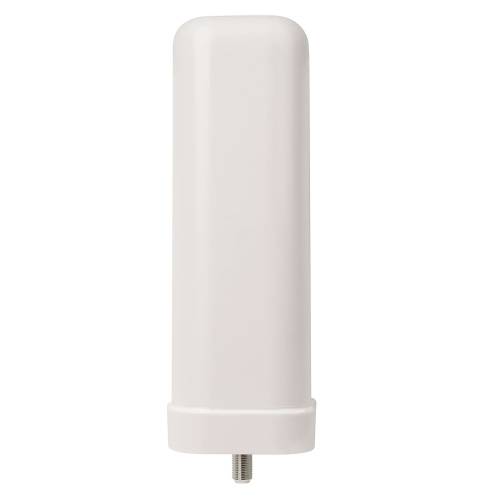 Your price for this item is $111.99
Discover more categories related to Attic TV Antennas
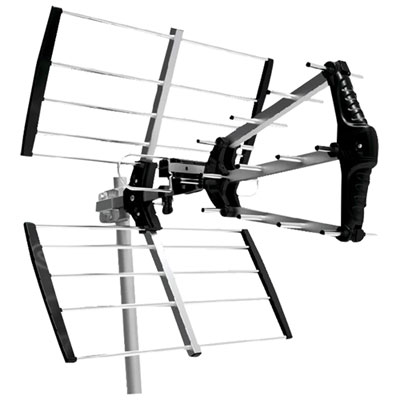
Top Collections:
Pokemon Centers, Kindle Devices, Best Cell Phones Under $500, Alarm Clock, Canon G7X Cameras, iPhone 15 Apple, Apple iPhones 16, Laptops for Students, iPhone 14 256GB, Budget Smartphones
Some products may be subject to Environmental Handling Fees
(EHF) depending on your province.
Learn more about EHFs.