Tempered Glass Tv Stands
Enhance your living room's style and functionality with sleek and contemporary tempered glass TV stands. Designed to elevate your television and enhance your viewing experience, these modern stands offer a perfect blend of elegance and practicality. Crafted with durable tempered glass, these stands provide a sturdy and secure platform for your TV while adding a touch of sophistication to your home decor.
Sort
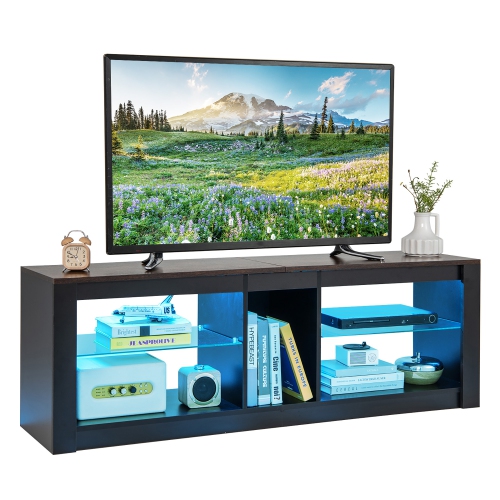
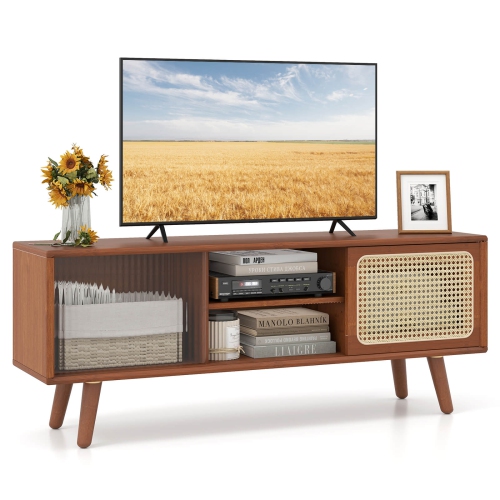
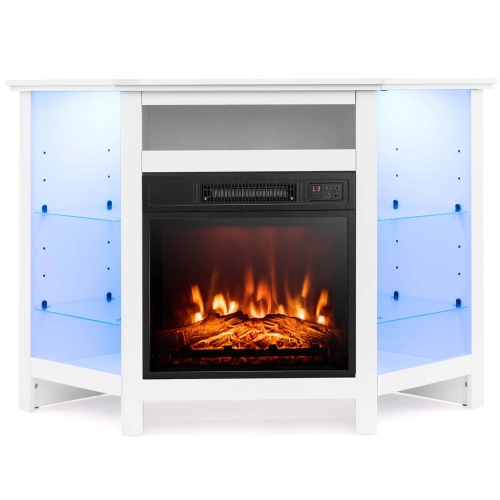
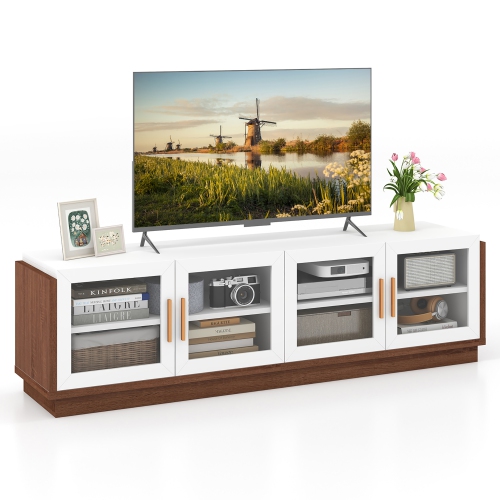

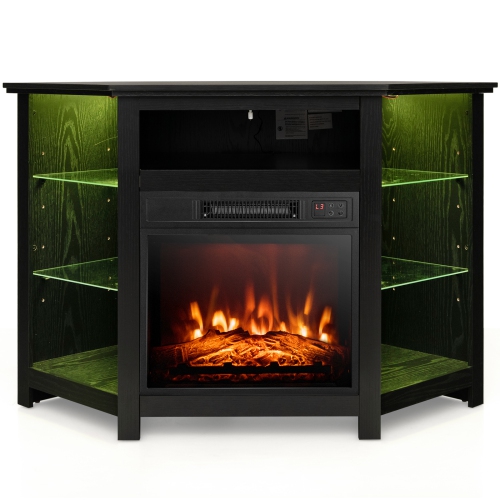

A lighter look with room for your entertainment essentials
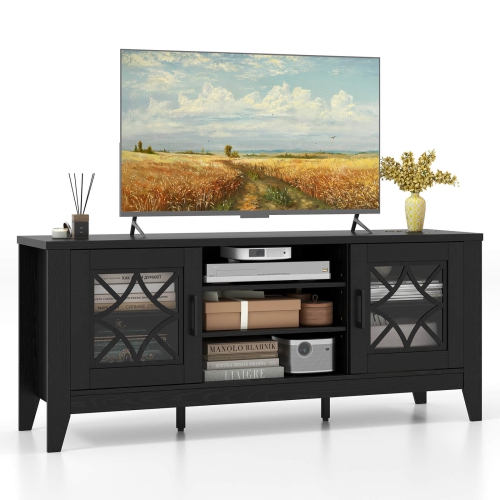
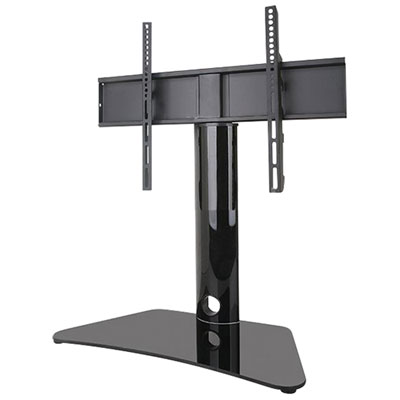
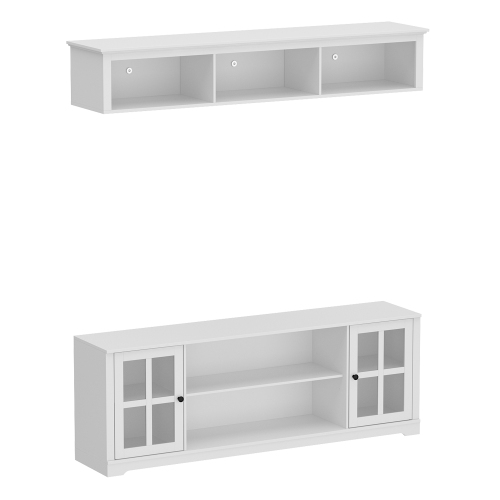
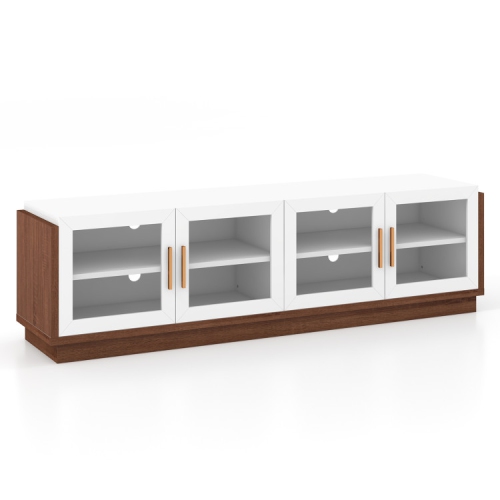
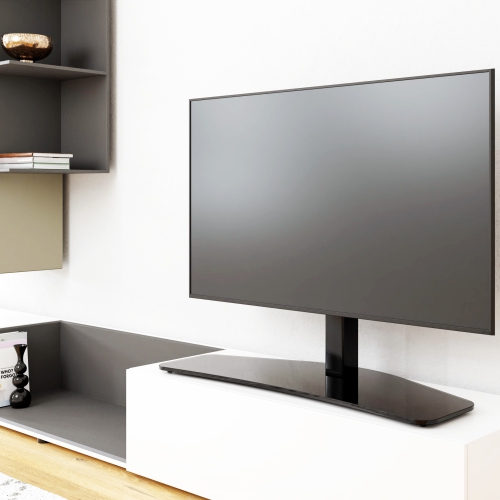
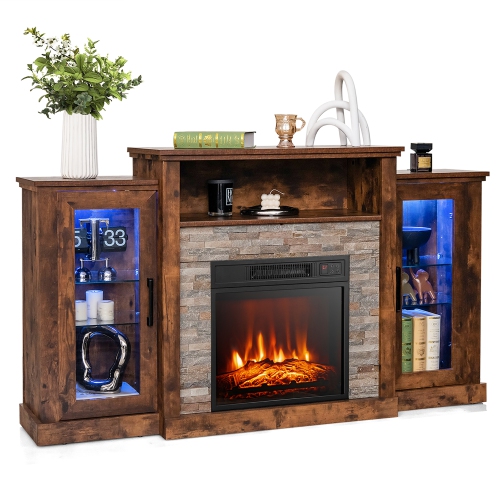
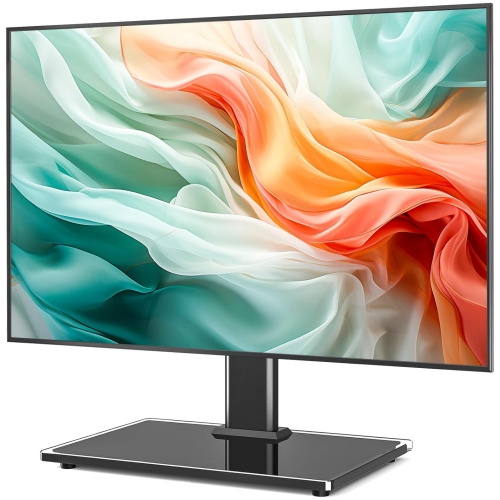
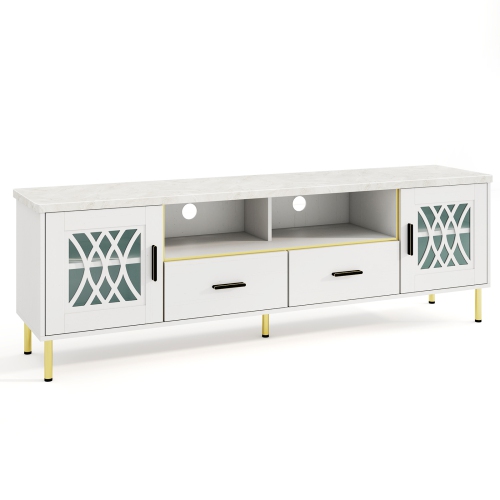
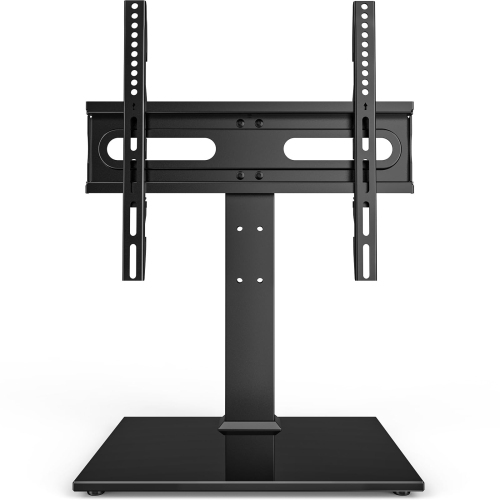
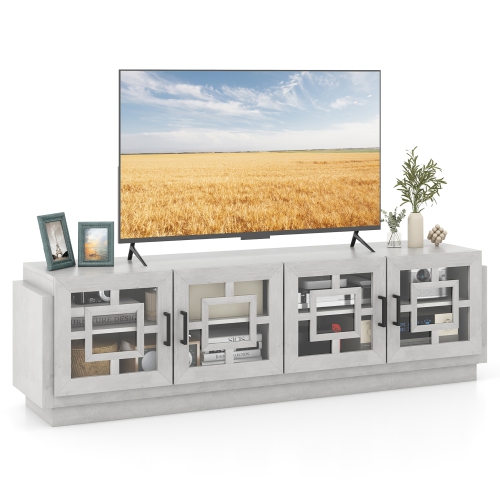
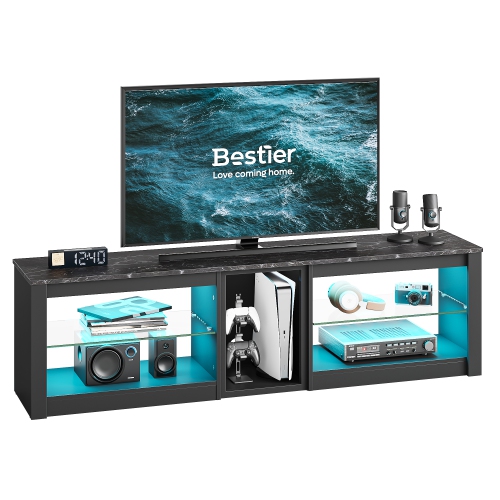
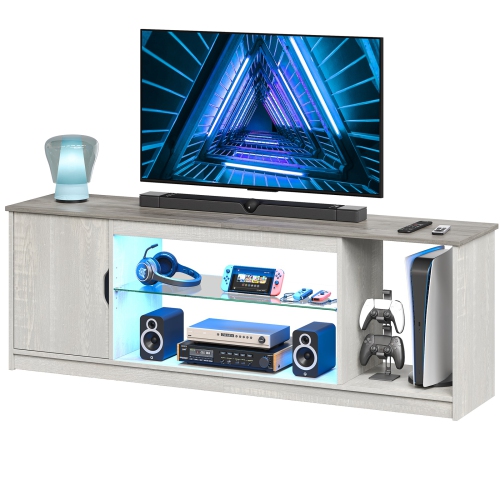
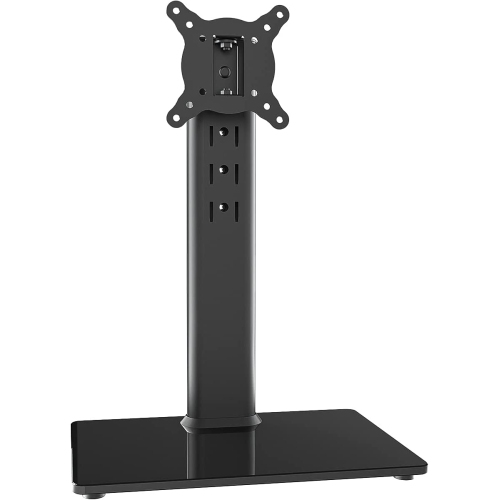
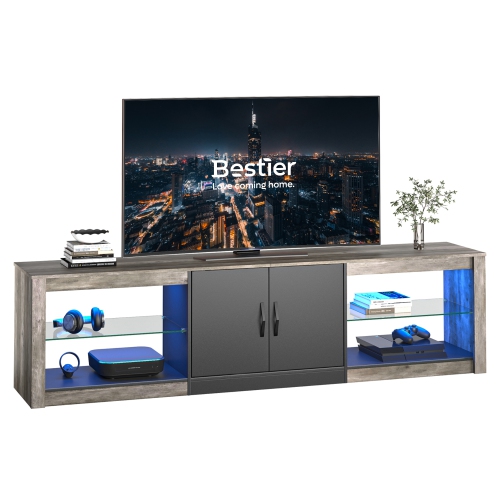
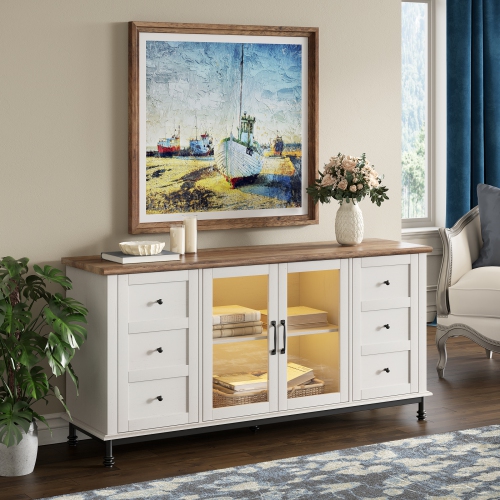
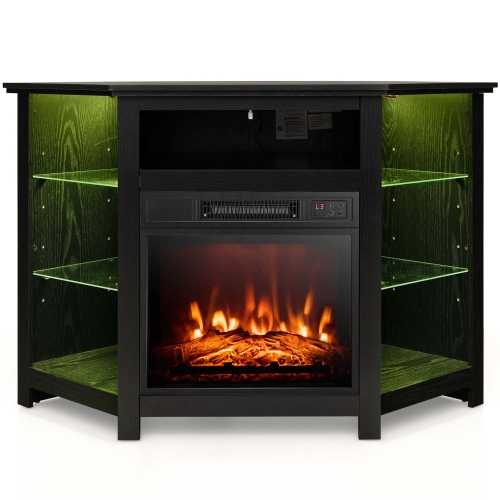
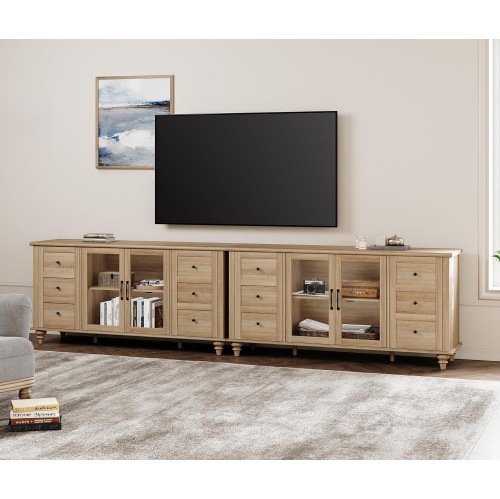
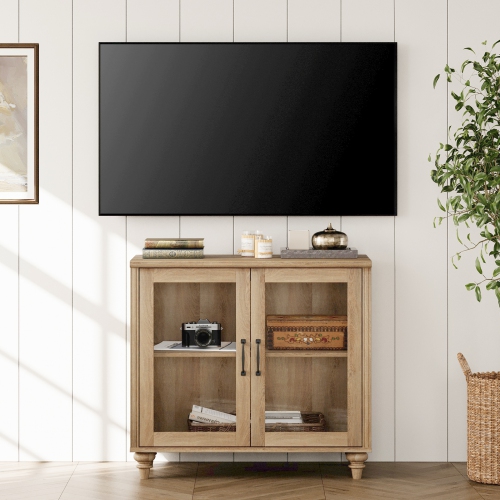
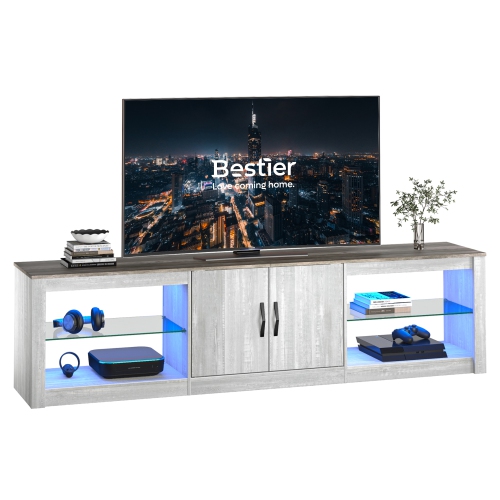
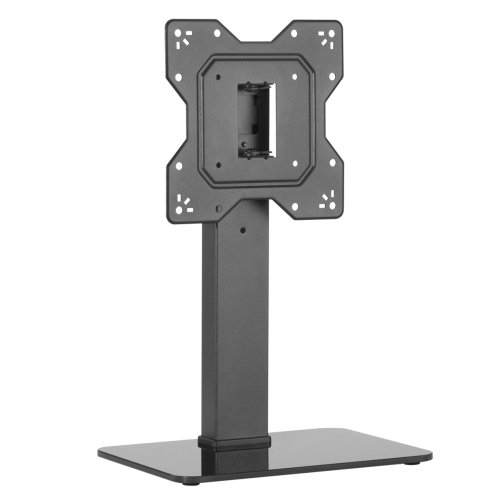
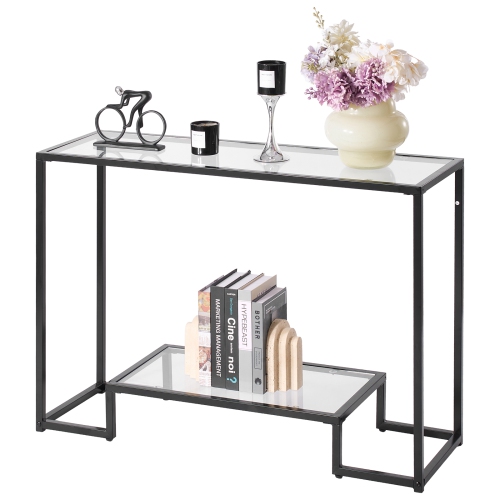
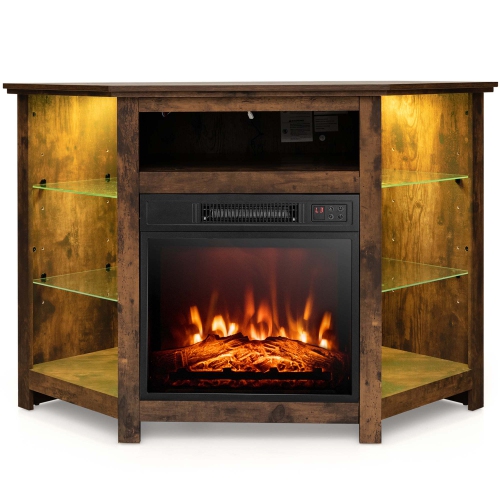
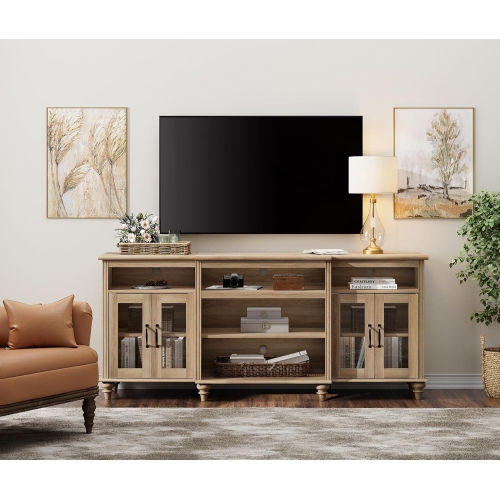
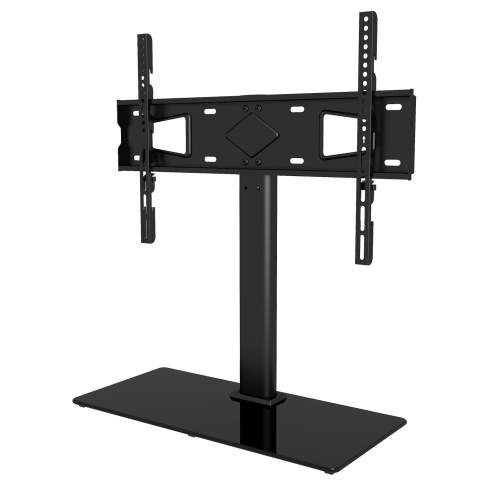
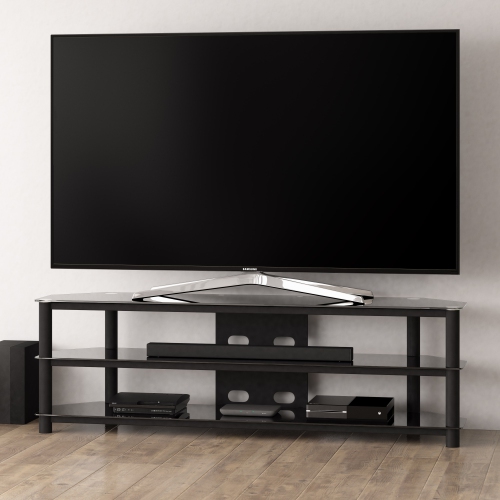
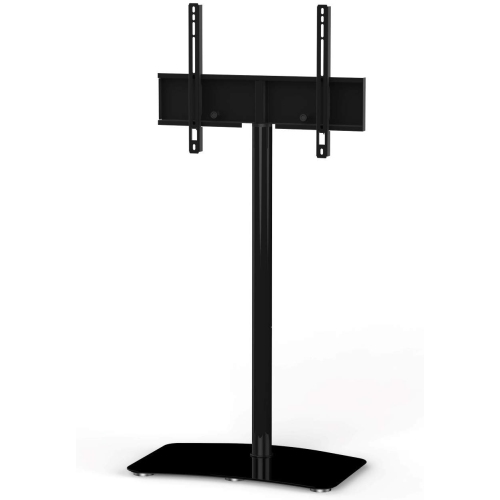
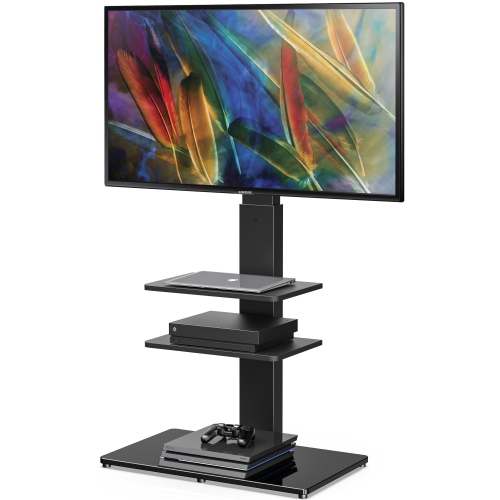
Tempered glass TV stands combine a smooth, streamlined surface with practical support for televisions and home entertainment equipment. Their transparent or tinted shelves create a lighter visual presence than many solid cabinets, making them a natural fit for living rooms, condos, bedrooms, and shared family spaces where bulky furniture can feel intrusive. The category includes several distinct styles: media consoles with multiple glass shelves, floor-standing TV mounts supported by a tempered glass base, and tabletop replacement stands that sit on an existing piece of furniture. Each serves a different purpose. A multi-tier console brings a television, soundbar, gaming console, and streaming equipment together in one place, while a pedestal-style floor stand can suit a smaller viewing area with less need for storage. A tabletop stand replaces the television’s original feet or base, but still needs a stable supporting surface with sufficient depth and load capacity. Tempered glass is heat-treated to increase its strength compared with ordinary annealed glass; it is not unbreakable, and the capacity of a finished stand depends on its entire construction. Glass thickness, shelf supports, frame design, fasteners, and the position of the load all matter. Metal frames can add crisp lines and structural support, while wood accents bring warmth to a room with upholstered seating and soft lighting. Clear glass lets flooring and wall colours show through, whereas black or smoked glass gives the entertainment area a more defined silhouette. Neither finish hides everything: clear shelves reveal cables behind them, and darker glass can make dust and fingerprints more noticeable. For a related contemporary look, Modern Glass TV Stands offer another way to explore the style. The appeal of tempered glass is its balance of useful surface space and an open appearance, whether the television is the room’s focal point or part of a quiet corner for evening viewing. Rounded shelf profiles, angular frames, and different base shapes also influence how comfortably a stand fits alongside existing furniture.
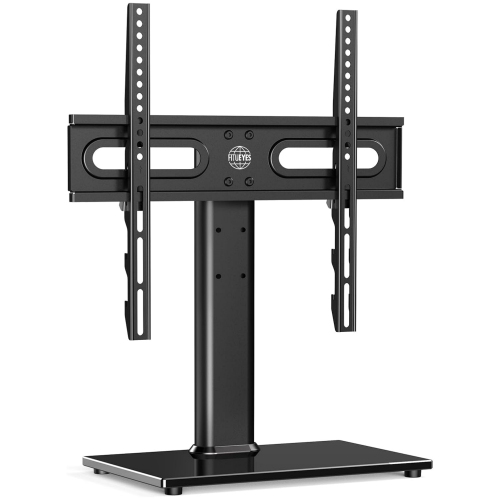
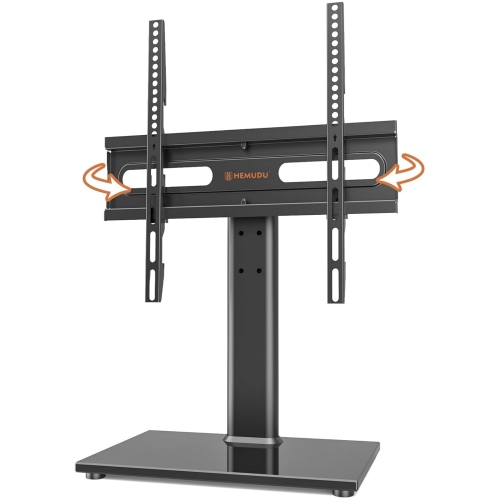
Fit involves more than matching a stand to the television’s advertised screen size. Screen measurements describe the diagonal, not the distance between the television’s feet or the depth those feet occupy. On a shelf-style stand, both feet need to rest fully on the designated support surface, with the television positioned according to the stand and TV manufacturers’ instructions. The television’s weight must stay within the top shelf’s stated capacity, and any equipment sharing that shelf contributes to the load. Individual shelves may have different limits, so a substantial receiver belongs only on a shelf rated to support it. For stands with an integrated mount, compatibility also depends on the television’s mounting-hole pattern, commonly described as VESA, as well as the supported screen range and maximum mounted weight. A universal mount is not necessarily compatible with every TV. The supplied hardware, access to rear connections, and clearance around the mounting bracket are relevant, especially when ports face straight backwards. Height-adjustable and swivel designs can make viewing more comfortable from different seats, but those functions vary by model. In a living room with a sofa opposite the screen and an armchair off to one side, a swivel mount may help direct the picture towards either seating position. Enough clearance is still needed for the television to turn without touching a wall, shelving, or nearby objects, and cables need sufficient slack to move without pulling on connections. Stand height also affects how naturally the screen sits within a seated viewer’s line of sight. A tall arrangement that looks balanced from across the room may feel less comfortable during a long film. Soundbar placement deserves similar attention: a bar positioned in front of the television should not cover the lower picture area or block its remote-control sensor. Shelf spacing, overall width, and usable depth help determine whether the complete setup fits, rather than just the screen. In a narrow room, the stand’s footprint should also leave a comfortable route between the seating and television.
Everyday usefulness often comes down to what happens below and behind the screen. Open tempered glass shelves keep equipment visible and accessible, making them convenient for households that regularly change game discs, connect controllers, or reach for a receiver’s controls. Open sides can also support airflow, although electronics still need the ventilation clearances specified by their manufacturers; a close-fitting shelf is not suitable simply because a device can slide into it. Cable channels, rear columns, and retaining clips, where included, help route power and signal cables without leaving loose loops across the floor. This is particularly useful with clear glass, where an orderly cable path makes a noticeable difference to the finished appearance. Closed compartments offer more concealment, while open shelving makes the arrangement easier to see and reach. For renters, a freestanding design may provide a viewing setup without a wall-mounted television, although anchoring requirements still apply. In homes with children or pets, a stable footprint, correctly fitted hardware, and manufacturer-specified anti-tip measures are especially important. Glass shelves should never be used as steps, and their edges need protection from knocks during cleaning, assembly, and furniture moves. Tempered glass can break following a hard impact, particularly at an edge, and damaged panels should not remain in use. It generally breaks into small fragments rather than the large sharp shards associated with ordinary glass, but breakage can still cause injury. Care is usually straightforward: a soft microfibre cloth lifts dust, and a cleaner approved for the glass and surrounding finishes helps remove marks without abrasive scrubbing. Liquid should not be allowed to pool around joints or fittings. During assembly, padding beneath glass panels helps prevent contact with hard floors, while following the specified fastening method avoids unnecessary stress on the material. Moving the stand is safer with the television and other equipment removed first, using the handling method described by the manufacturer. With a suitable load rating, a layout that accommodates the equipment, and careful handling, a tempered glass TV stand can provide an uncluttered home for everything from a simple bedroom television to a frequently used family entertainment setup.
Fit involves more than matching a stand to the television’s advertised screen size. Screen measurements describe the diagonal, not the distance between the television’s feet or the depth those feet occupy. On a shelf-style stand, both feet need to rest fully on the designated support surface, with the television positioned according to the stand and TV manufacturers’ instructions. The television’s weight must stay within the top shelf’s stated capacity, and any equipment sharing that shelf contributes to the load. Individual shelves may have different limits, so a substantial receiver belongs only on a shelf rated to support it. For stands with an integrated mount, compatibility also depends on the television’s mounting-hole pattern, commonly described as VESA, as well as the supported screen range and maximum mounted weight. A universal mount is not necessarily compatible with every TV. The supplied hardware, access to rear connections, and clearance around the mounting bracket are relevant, especially when ports face straight backwards. Height-adjustable and swivel designs can make viewing more comfortable from different seats, but those functions vary by model. In a living room with a sofa opposite the screen and an armchair off to one side, a swivel mount may help direct the picture towards either seating position. Enough clearance is still needed for the television to turn without touching a wall, shelving, or nearby objects, and cables need sufficient slack to move without pulling on connections. Stand height also affects how naturally the screen sits within a seated viewer’s line of sight. A tall arrangement that looks balanced from across the room may feel less comfortable during a long film. Soundbar placement deserves similar attention: a bar positioned in front of the television should not cover the lower picture area or block its remote-control sensor. Shelf spacing, overall width, and usable depth help determine whether the complete setup fits, rather than just the screen. In a narrow room, the stand’s footprint should also leave a comfortable route between the seating and television.
Everyday usefulness often comes down to what happens below and behind the screen. Open tempered glass shelves keep equipment visible and accessible, making them convenient for households that regularly change game discs, connect controllers, or reach for a receiver’s controls. Open sides can also support airflow, although electronics still need the ventilation clearances specified by their manufacturers; a close-fitting shelf is not suitable simply because a device can slide into it. Cable channels, rear columns, and retaining clips, where included, help route power and signal cables without leaving loose loops across the floor. This is particularly useful with clear glass, where an orderly cable path makes a noticeable difference to the finished appearance. Closed compartments offer more concealment, while open shelving makes the arrangement easier to see and reach. For renters, a freestanding design may provide a viewing setup without a wall-mounted television, although anchoring requirements still apply. In homes with children or pets, a stable footprint, correctly fitted hardware, and manufacturer-specified anti-tip measures are especially important. Glass shelves should never be used as steps, and their edges need protection from knocks during cleaning, assembly, and furniture moves. Tempered glass can break following a hard impact, particularly at an edge, and damaged panels should not remain in use. It generally breaks into small fragments rather than the large sharp shards associated with ordinary glass, but breakage can still cause injury. Care is usually straightforward: a soft microfibre cloth lifts dust, and a cleaner approved for the glass and surrounding finishes helps remove marks without abrasive scrubbing. Liquid should not be allowed to pool around joints or fittings. During assembly, padding beneath glass panels helps prevent contact with hard floors, while following the specified fastening method avoids unnecessary stress on the material. Moving the stand is safer with the television and other equipment removed first, using the handling method described by the manufacturer. With a suitable load rating, a layout that accommodates the equipment, and careful handling, a tempered glass TV stand can provide an uncluttered home for everything from a simple bedroom television to a frequently used family entertainment setup.
Top selling and popular products
-
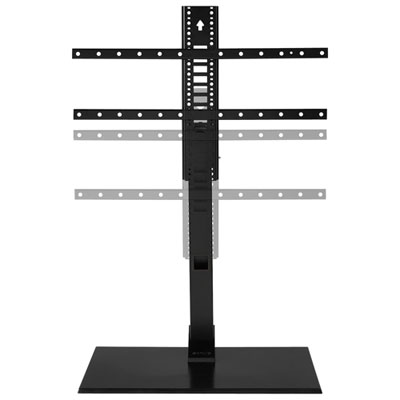 Your price for this item is $249.99
 -
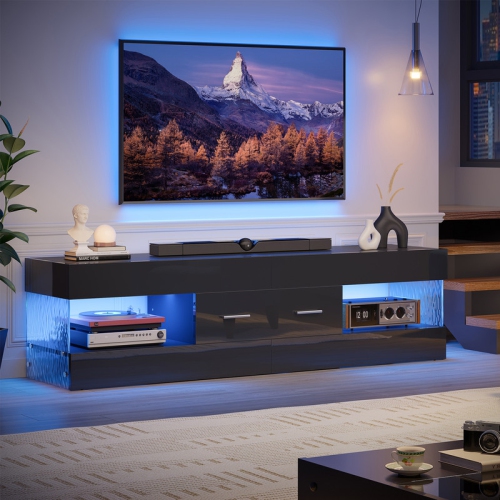 Your price for this item is $179.99
 -
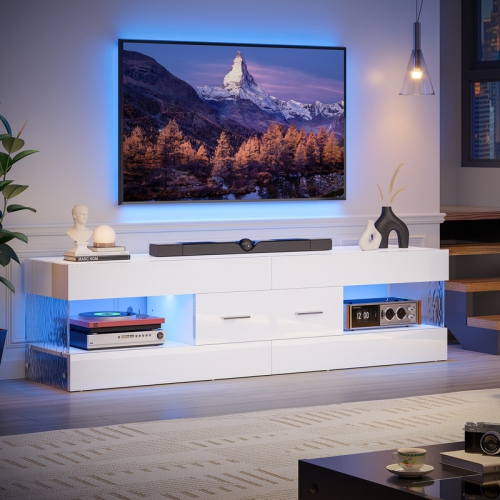 Your price for this item is $149.99
 -
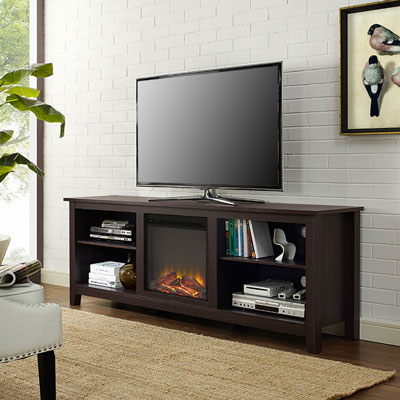 Your price for this item is $689.99
 -
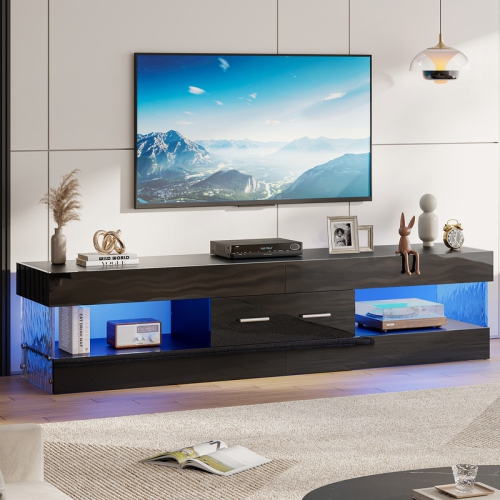 Your price for this item is $189.99
 -
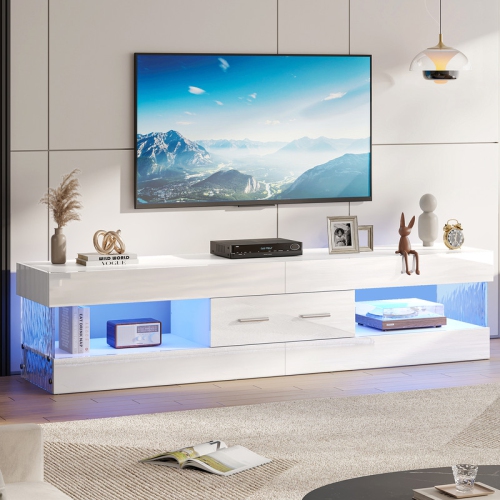 Your price for this item is $189.99
 -
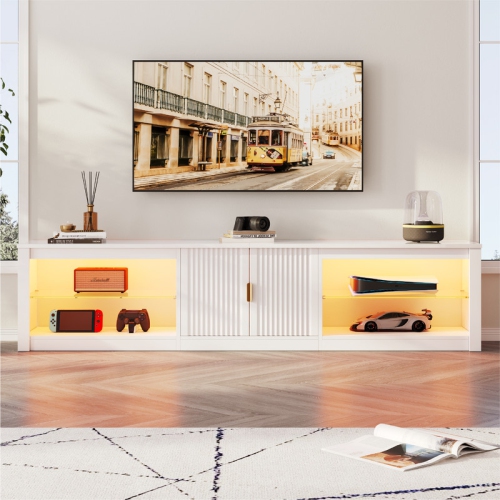 Your price for this item is $269.99
 -
 Your price for this item is $324.99
Discover more categories related to Tempered Glass Tv Stands
Top Collections:
Pokemon Centers, Kindle Devices, Best Budget Office Chairs, Apple iPhones 16, Samsung Galaxy Phones, Canon G7X Cameras, iPhone 15 Apple, Flip Phones, Best Laptops for Writers, Alarm Clock
Some products may be subject to Environmental Handling Fees
(EHF) depending on your province.
Learn more about EHFs.