Wood TV Media Stands
A wood TV media stand provides an attractive and sturdy base for your television and other entertainment equipment. It also adds a natural and warm touch to your living space while organizing your media devices and cables. Here are some of the best TV media stands made of wood that we offer.
Sort

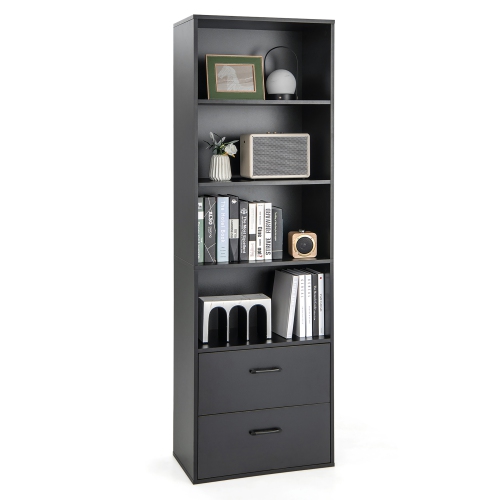
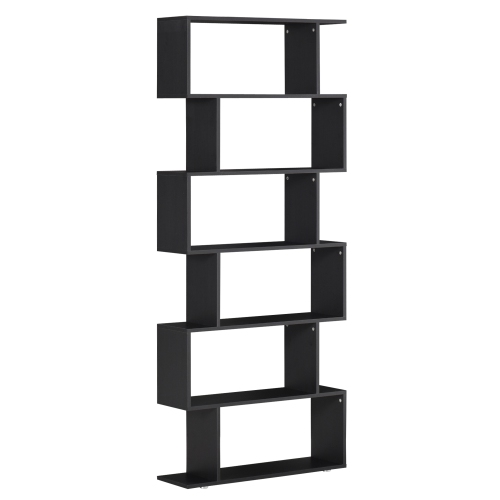
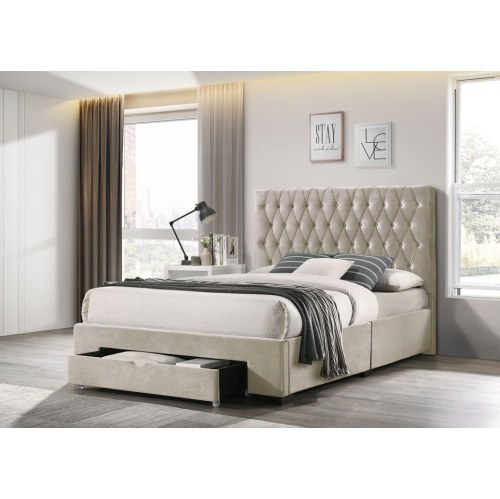
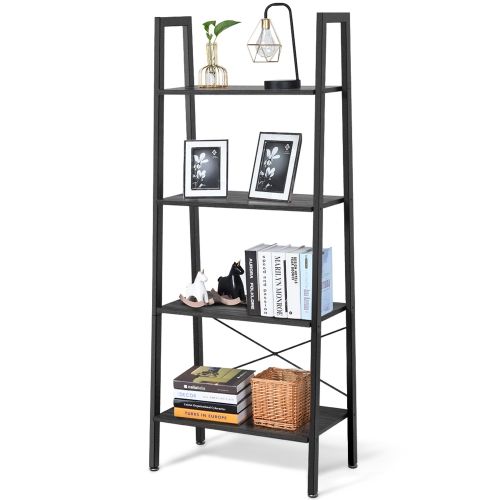
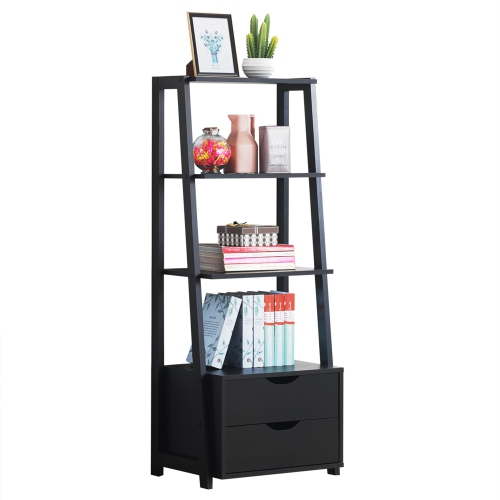
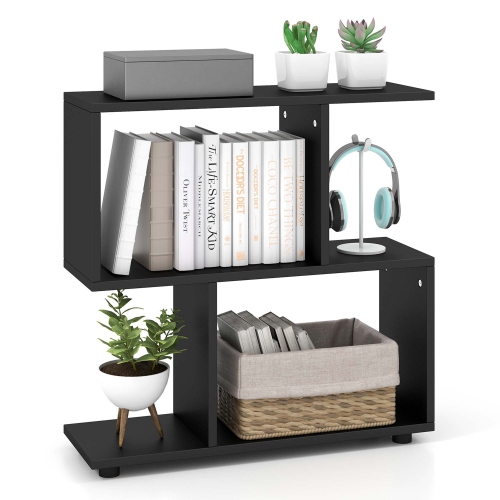
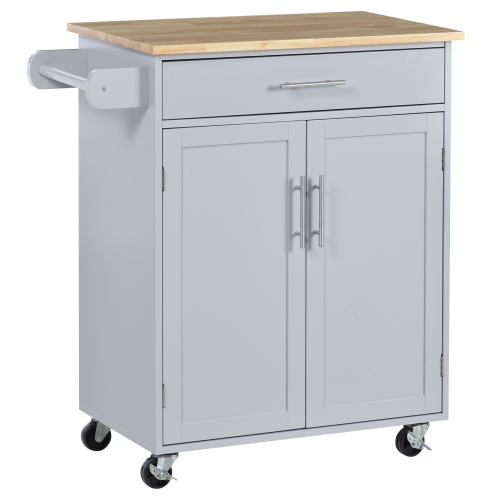
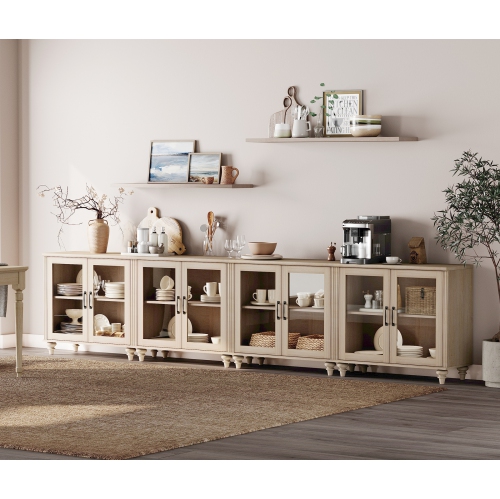



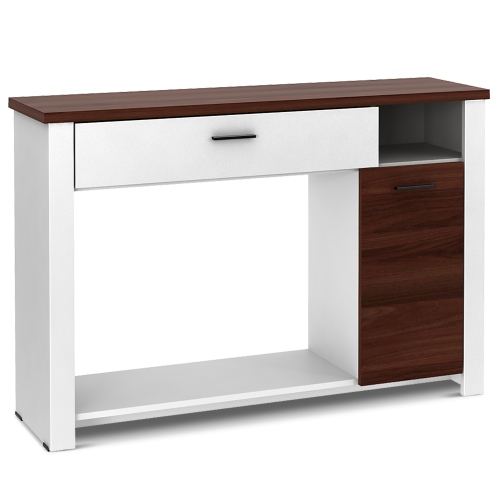
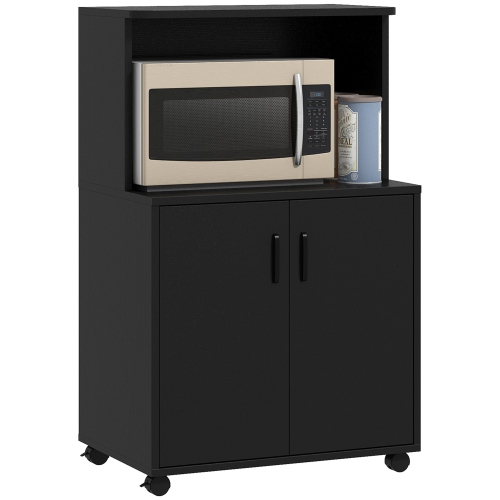
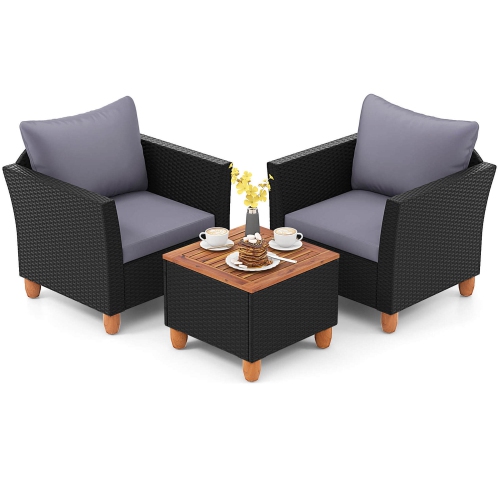
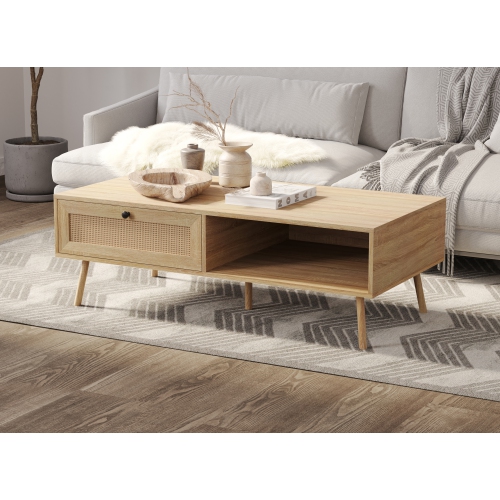
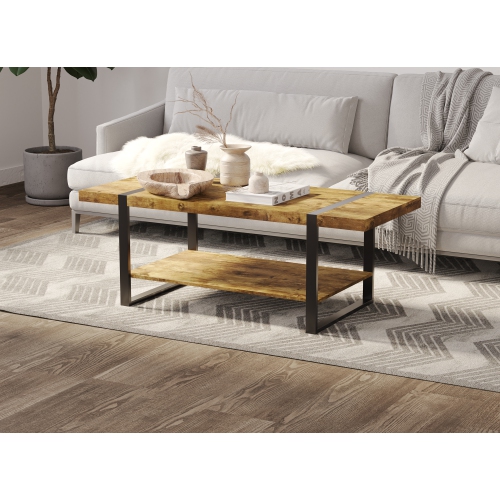
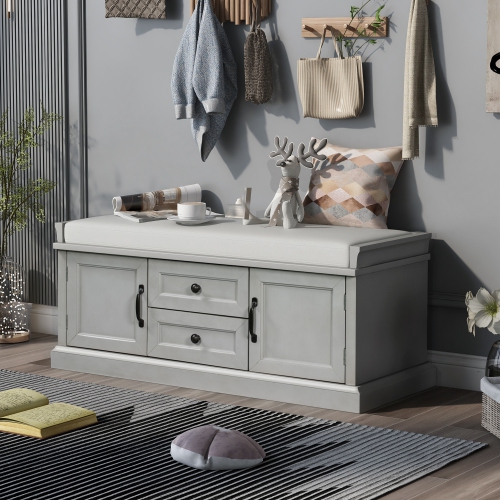
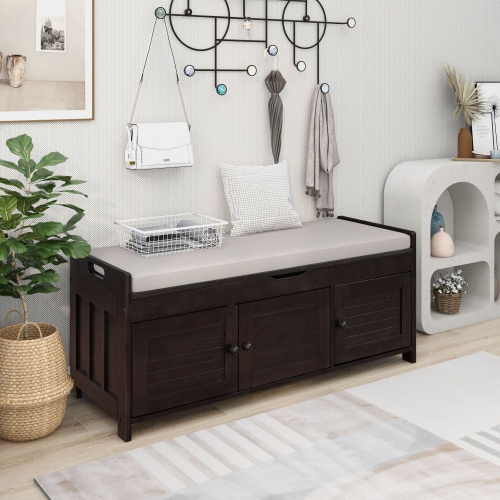
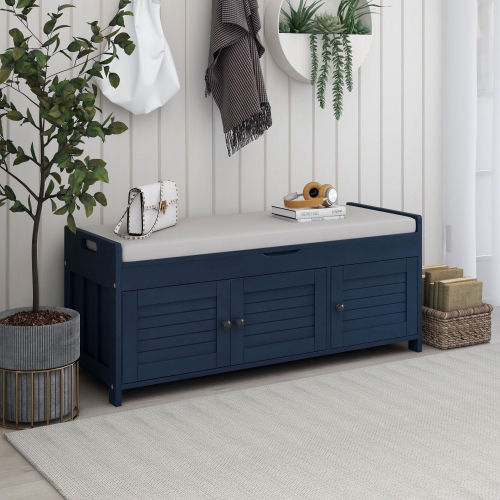
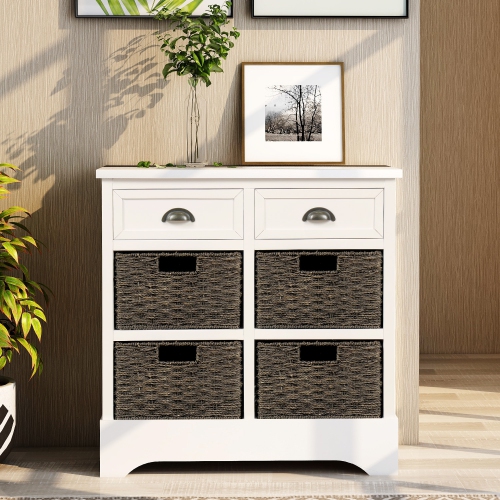
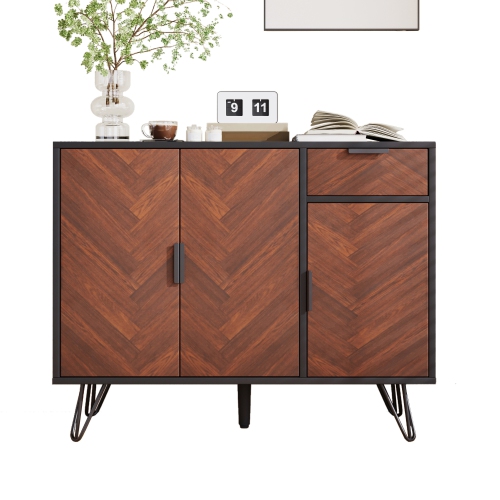
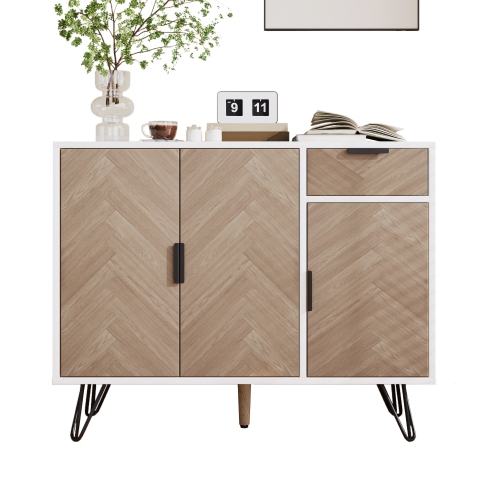
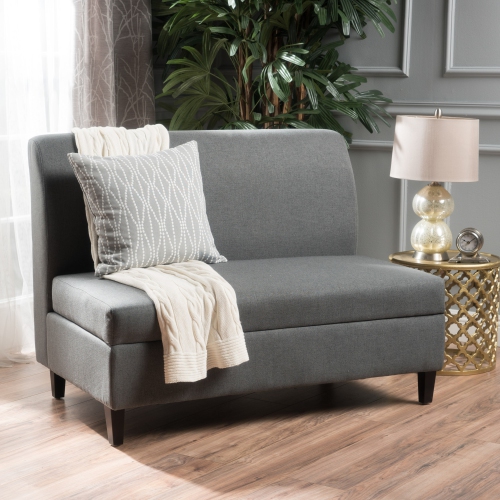
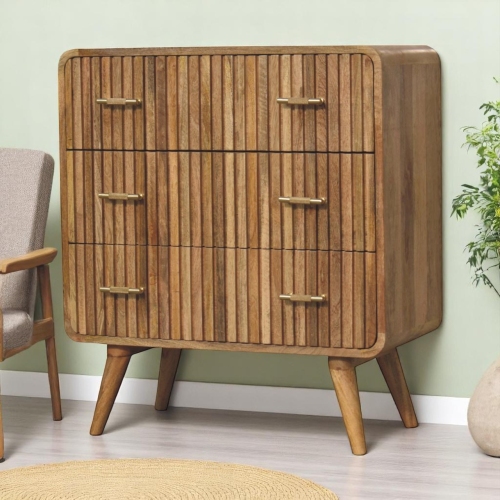
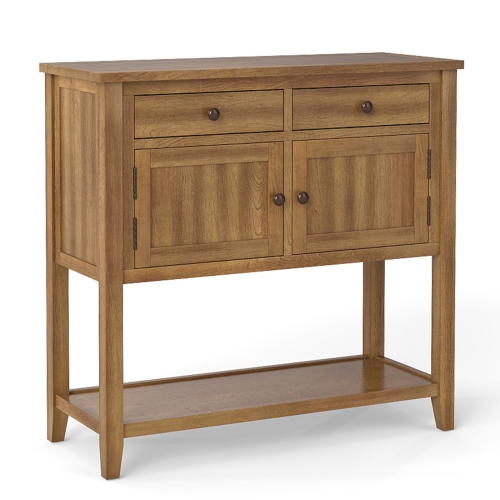
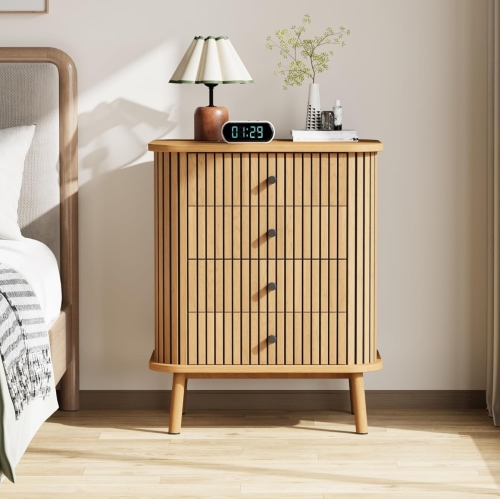
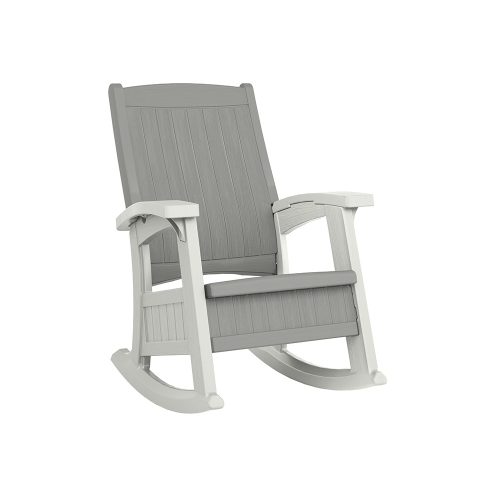


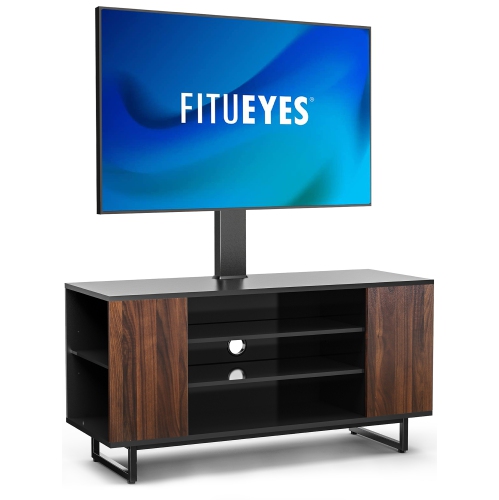
Warm wood tones with storage beyond the screen
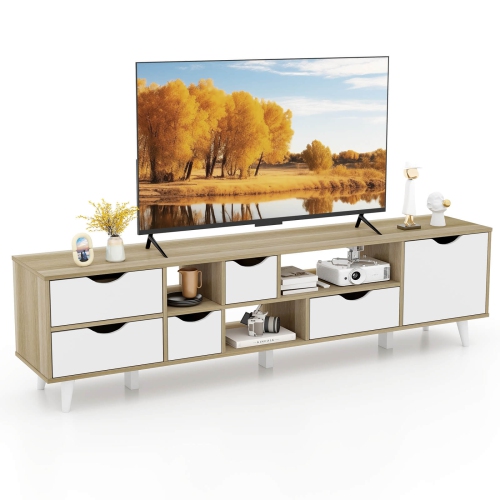
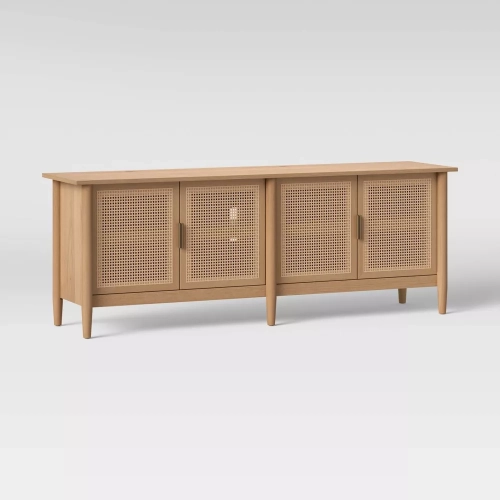
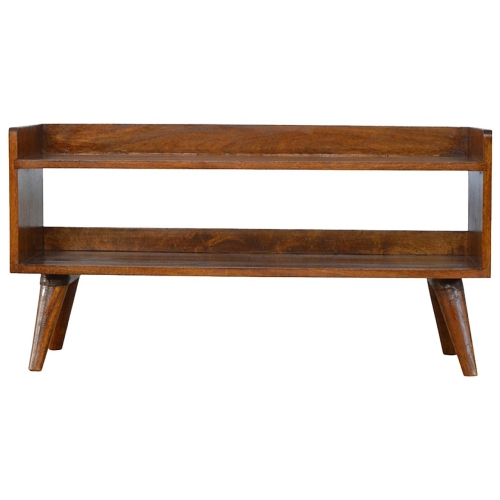
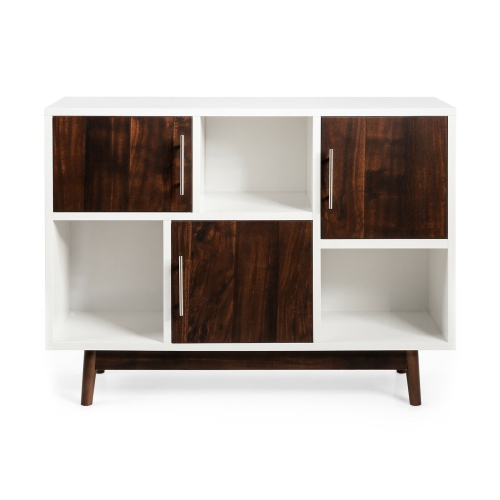
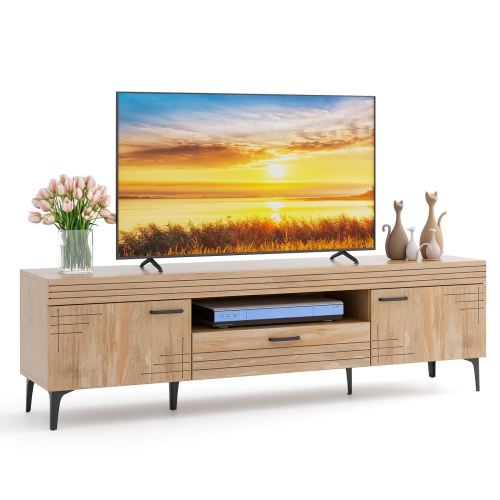
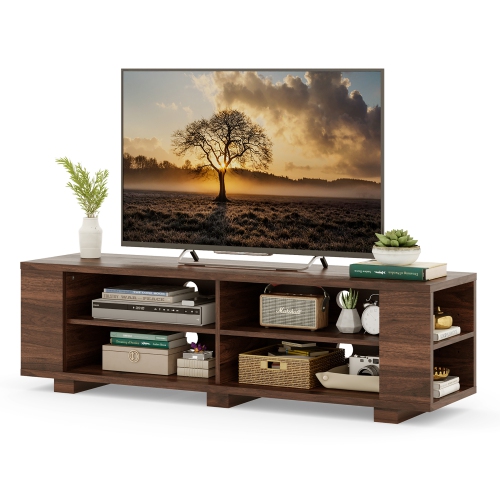
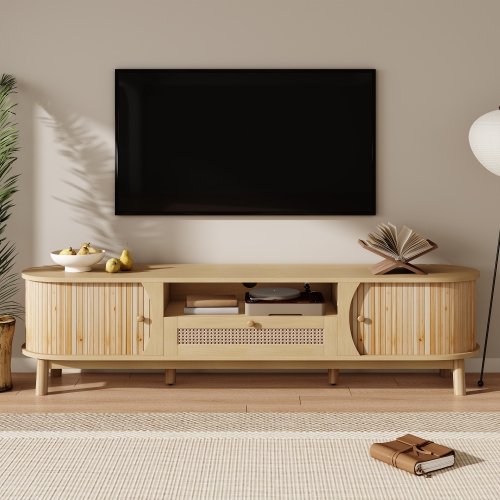
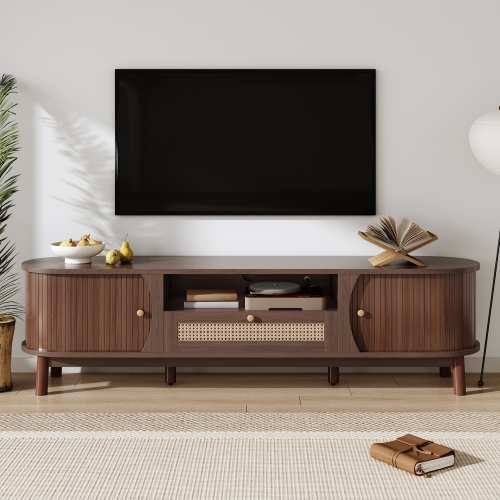
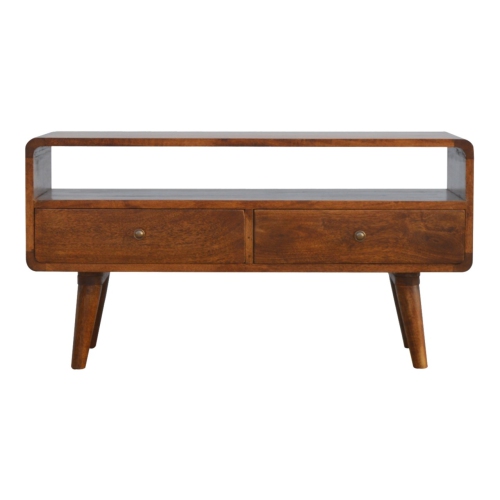
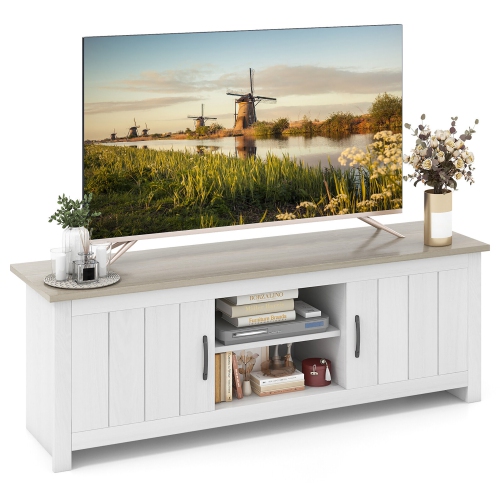
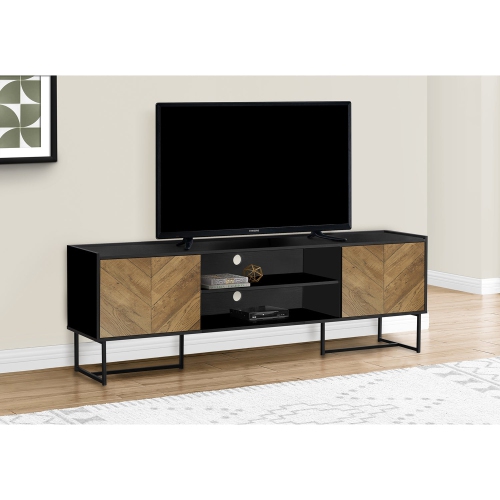
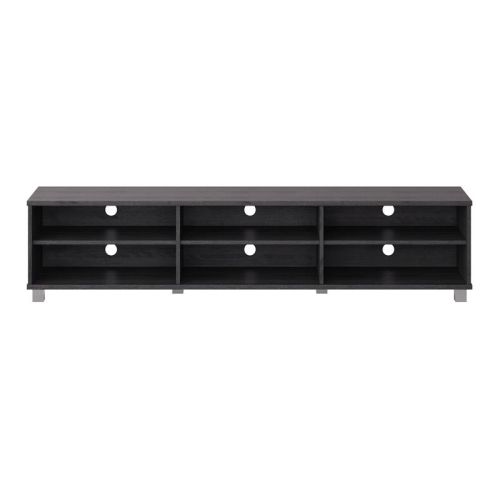
Wood TV media stands bring together a stable place for a television, storage for entertainment essentials, and the warmth of wood tones in a living room, den, or bedroom. Their appeal extends beyond the screen: a well-proportioned console can anchor a seating area, soften the look of electronics, and keep everyday clutter out of sight. The category includes low-profile TV benches, enclosed media cabinets, open shelving units, and wider consoles with a mix of drawers and doors. Different materials create different appearances and care needs. Solid wood has natural grain variation and can develop character with use, although it may expand or contract as indoor humidity changes. Wood veneer consists of a thin layer of real wood over a supporting core, offering genuine grain with a construction that differs from solid timber. Engineered wood with a laminate or printed finish can provide a consistent wood-look surface; its resistance to scratches and moisture depends on the finish and construction. Material descriptions matter because a wood appearance does not necessarily mean a stand is made entirely from solid wood. Oak tones often bring visible grain and a lighter, relaxed feel, while walnut tones add depth alongside pale upholstery or warm lighting. Light finishes can keep a compact room feeling open, and darker finishes give a media wall more visual weight. Mid-century-inspired shapes tend towards tapered legs and simple fronts, while rustic styles may feature pronounced grain, substantial framing, or metal accents. Fluted doors and flat-front cabinets offer different ways to introduce texture without filling the room with small objects. For a darker contrast against wood furniture elsewhere in the room, black TV media stands offer another finish direction. Matching every piece of furniture is not essential; repeating a wood undertone or a hardware finish can help a TV console sit comfortably beside an existing coffee table, bookcase, or sideboard.
Fit depends on more than the television’s advertised screen size. That measurement runs diagonally across the screen, whereas the stand must accommodate the actual width and depth of the TV base or the spacing of its feet. A television with legs near its outer edges needs a different support footprint from one with a central pedestal, even when the screens have the same diagonal measurement. The usable top surface, the manufacturer’s supported TV size, and the stated weight capacity all matter, with any soundbar or other equipment on top included in the load assessment. A console wider than the television can create a balanced appearance and leave some breathing room at either side, provided it also fits the room. Height affects everyday comfort: the relationship between the sofa seat, the stand, and the screen should allow relaxed viewing without a prolonged upward tilt of the head. A lower bench may suit a lounge with deep seating, while a bedroom arrangement can call for a different height depending on the bed and viewing position. In narrow rooms, cabinet depth and the space needed to open doors or drawers can be just as important as width. Leaving a clear path past the console helps keep an entertainment area comfortable to move through. Storage layouts also shape how useful a wood media stand feels once everything is connected. Open shelves make frequently used equipment easy to reach, while closed cabinets keep controllers, spare cables, and game cases tucked away. Adjustable shelves can accommodate components of different heights, but each shelf still has its own load limit. Cable openings help route power and signal leads, and their placement should suit the equipment rather than force tight bends in connectors. Receivers and game consoles need the ventilation clearances specified by their manufacturers; a cabinet that looks tidy with its doors closed is not automatically suitable for equipment that produces heat. Some remote controls also require a clear line of sight, which can affect whether an enclosed compartment is practical.
Day-to-day durability comes from the whole construction, not just the wood species or surface colour. Secure joints, an adequately supported top, stable legs or a continuous base, and properly fitted hinges and drawer runners all contribute to a stand that feels steady in regular use. A long console carrying a television and several components needs support appropriate to its span, while drawers filled with games or accessories must stay within their stated limits. In family living rooms, enclosed storage can keep small accessories organised, although cabinet doors should not be treated as childproofing. Furniture restraints and TV anchoring should follow the relevant manufacturers’ instructions, especially in homes with children or pets. A stand is not designed for climbing or sitting, and cables should be routed away from walking paths. Care is usually straightforward, but the finish determines which cleaning methods are suitable. A soft, dry cloth removes routine dust; where the care instructions permit it, a lightly dampened cloth followed by prompt drying can lift fingerprints without leaving moisture behind. Spills should be wiped up quickly, particularly around seams and edges where liquid can reach the core of an engineered wood panel. Abrasive cleaners and unapproved polishes can damage or alter a finish, while felt pads beneath accessories can help reduce surface scratches. Direct sunlight and nearby heat sources may affect colour or contribute to wood movement over time, so placement deserves attention as well as appearance. Space underneath can make cleaning easier, whether that means room for a vacuum head or sufficient clearance for a robot vacuum. For apartment dwellers, a compact wood TV bench can combine a screen surface and useful storage without overwhelming the seating area. Larger households may value a wider cabinet with separate spaces for shared equipment and personal accessories. In a guest room or quieter sitting room, a simple console can hold a smaller entertainment setup while leaving space for books or a lamp. Across these settings, thoughtful proportions, accessible storage, and a finish suited to everyday care help wood TV media stands serve as lasting furniture rather than merely a platform for a screen.
Fit depends on more than the television’s advertised screen size. That measurement runs diagonally across the screen, whereas the stand must accommodate the actual width and depth of the TV base or the spacing of its feet. A television with legs near its outer edges needs a different support footprint from one with a central pedestal, even when the screens have the same diagonal measurement. The usable top surface, the manufacturer’s supported TV size, and the stated weight capacity all matter, with any soundbar or other equipment on top included in the load assessment. A console wider than the television can create a balanced appearance and leave some breathing room at either side, provided it also fits the room. Height affects everyday comfort: the relationship between the sofa seat, the stand, and the screen should allow relaxed viewing without a prolonged upward tilt of the head. A lower bench may suit a lounge with deep seating, while a bedroom arrangement can call for a different height depending on the bed and viewing position. In narrow rooms, cabinet depth and the space needed to open doors or drawers can be just as important as width. Leaving a clear path past the console helps keep an entertainment area comfortable to move through. Storage layouts also shape how useful a wood media stand feels once everything is connected. Open shelves make frequently used equipment easy to reach, while closed cabinets keep controllers, spare cables, and game cases tucked away. Adjustable shelves can accommodate components of different heights, but each shelf still has its own load limit. Cable openings help route power and signal leads, and their placement should suit the equipment rather than force tight bends in connectors. Receivers and game consoles need the ventilation clearances specified by their manufacturers; a cabinet that looks tidy with its doors closed is not automatically suitable for equipment that produces heat. Some remote controls also require a clear line of sight, which can affect whether an enclosed compartment is practical.
Day-to-day durability comes from the whole construction, not just the wood species or surface colour. Secure joints, an adequately supported top, stable legs or a continuous base, and properly fitted hinges and drawer runners all contribute to a stand that feels steady in regular use. A long console carrying a television and several components needs support appropriate to its span, while drawers filled with games or accessories must stay within their stated limits. In family living rooms, enclosed storage can keep small accessories organised, although cabinet doors should not be treated as childproofing. Furniture restraints and TV anchoring should follow the relevant manufacturers’ instructions, especially in homes with children or pets. A stand is not designed for climbing or sitting, and cables should be routed away from walking paths. Care is usually straightforward, but the finish determines which cleaning methods are suitable. A soft, dry cloth removes routine dust; where the care instructions permit it, a lightly dampened cloth followed by prompt drying can lift fingerprints without leaving moisture behind. Spills should be wiped up quickly, particularly around seams and edges where liquid can reach the core of an engineered wood panel. Abrasive cleaners and unapproved polishes can damage or alter a finish, while felt pads beneath accessories can help reduce surface scratches. Direct sunlight and nearby heat sources may affect colour or contribute to wood movement over time, so placement deserves attention as well as appearance. Space underneath can make cleaning easier, whether that means room for a vacuum head or sufficient clearance for a robot vacuum. For apartment dwellers, a compact wood TV bench can combine a screen surface and useful storage without overwhelming the seating area. Larger households may value a wider cabinet with separate spaces for shared equipment and personal accessories. In a guest room or quieter sitting room, a simple console can hold a smaller entertainment setup while leaving space for books or a lamp. Across these settings, thoughtful proportions, accessible storage, and a finish suited to everyday care help wood TV media stands serve as lasting furniture rather than merely a platform for a screen.
Top selling and popular products
-
 Your price for this item is $754.99
 -
 Your price for this item is $1490.99
 -
 Your price for this item is $234.68
 -
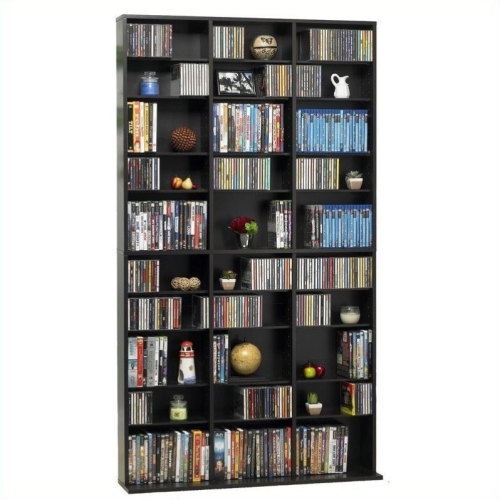 Your price for this item is $365.85
 -
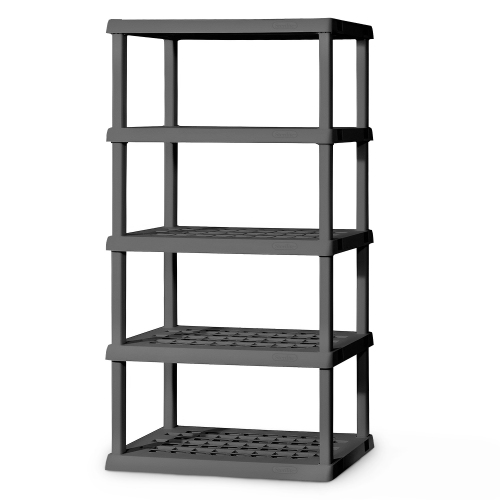 Your price for this item is $467.99
 -
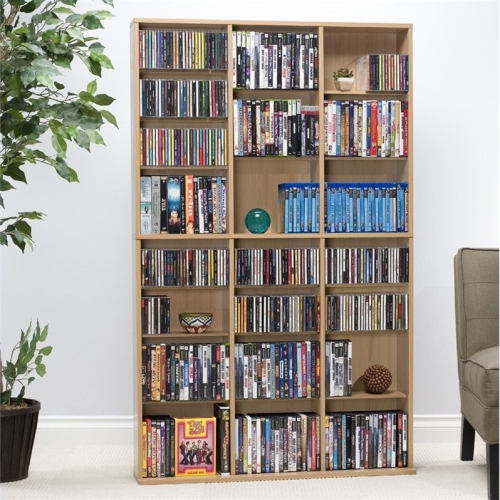 Your price for this item is $295.5
 -
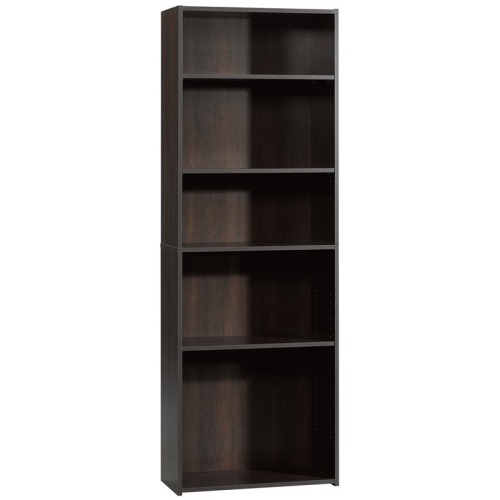 Your price for this item is $208.99
 -
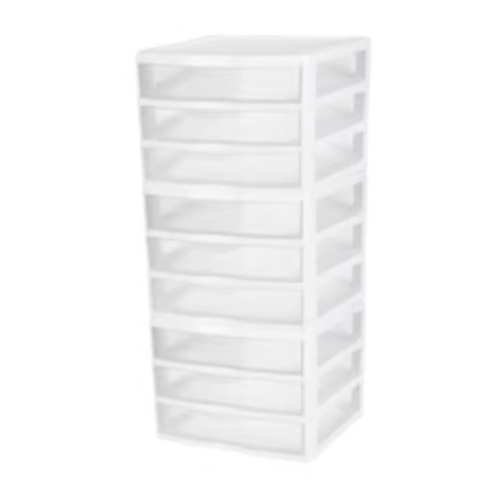 Your price for this item is $132.99
Discover more categories related to Wood TV Media Stands
Top Collections:
Pokemon Centers, Kindle Devices, Best Budget Office Chairs, Apple iPhones 16, Samsung Galaxy Phones, Canon G7X Cameras, iPhone 15 Apple, Flip Phones, Best Laptops for Writers, Alarm Clock
Some products may be subject to Environmental Handling Fees
(EHF) depending on your province.
Learn more about EHFs.