1 64 Scale Die Cast Toy Cars and Trucks

Browse 1:64 scale die-cast toy cars and trucks to find miniature vehicles for play, collecting or display. Compare vehicle styles and product details to choose a model for your collection or a gift, and check the recommended age and dimensions to make sure it’s the right fit.
Read More

Sort

Miniature vehicles with detail worth a closer look

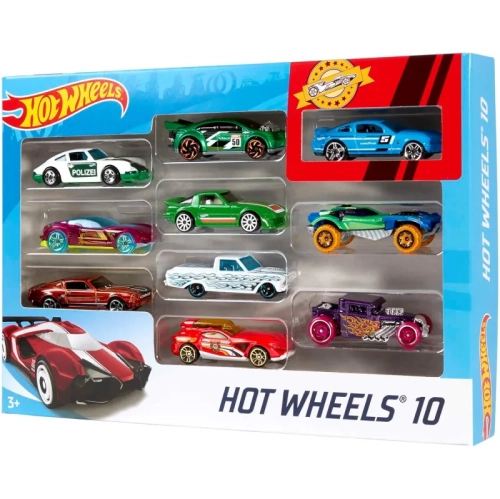
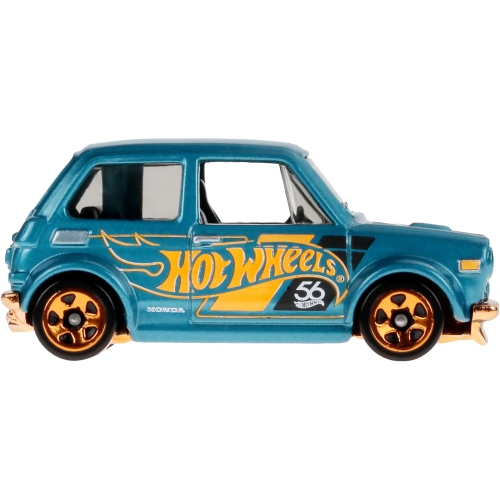
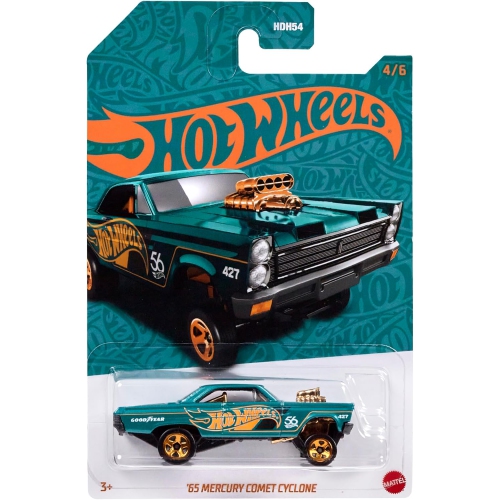
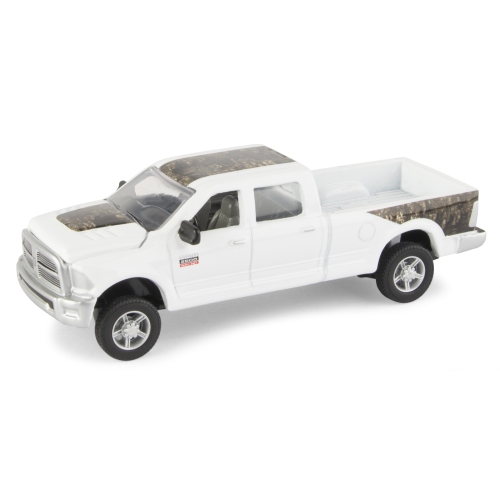
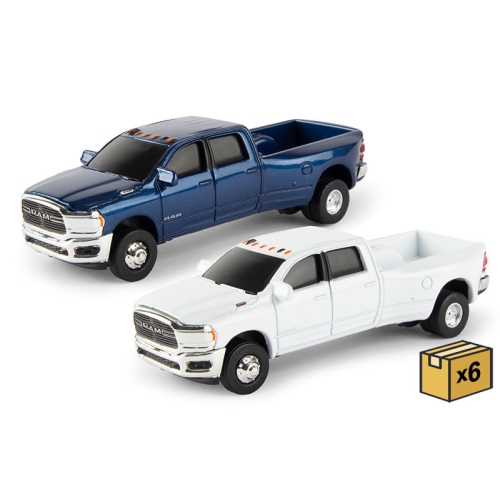
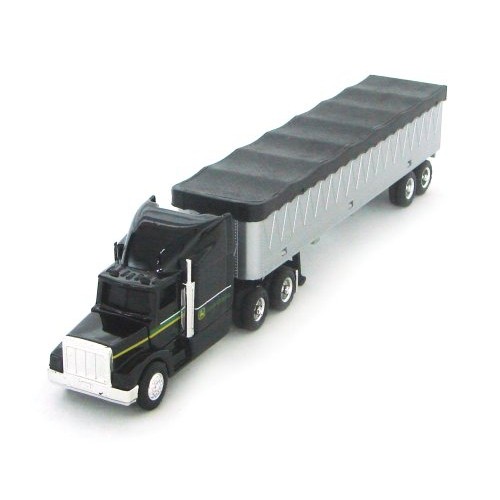
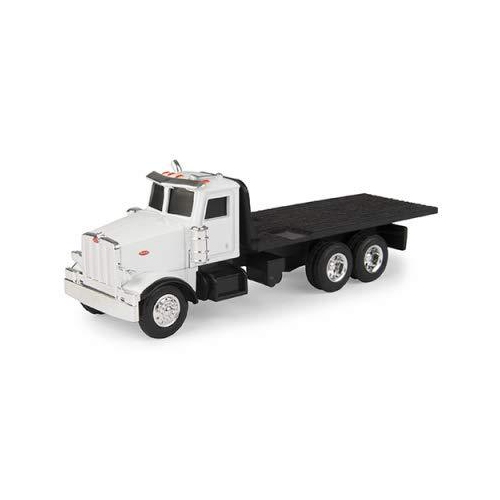
1:64 scale die-cast toy cars and trucks bring familiar road vehicles into a compact format suited to hands-on play, collecting, and miniature displays. At true 1:64 scale, each measurement is one sixty-fourth of the corresponding full-size vehicle, so a car that is 4.8 metres long becomes a model about 7.5 centimetres long. Many passenger-car models measure roughly 2.5 to 3 inches in length, while pickup trucks, delivery vehicles, and tractor-trailers can be longer, depending on the vehicle represented. That small footprint makes it possible to arrange a varied traffic scene on a shelf or set up a busy play area without needing a large room. Scale describes proportion rather than a fixed toy size, and some pocket-sized vehicles use approximate proportions to suit their design. Listed dimensions therefore matter when matching vehicles to display compartments, garages, transporters, or road layouts. Die-cast construction generally means molten metal has been formed in a mould, often using a zinc alloy for the body. Other components may include a plastic base, clear plastic windows, separate interior pieces, and either plastic or rubber-like tires. A metal body gives a miniature vehicle a satisfying weight, but it does not necessarily mean every component is metal or equally resistant to rough handling. Differences in construction also influence how a model looks and moves. Smooth-rolling wheels and simple, sturdy shapes suit everyday play, while finer paintwork, detailed grilles, separate mirrors, and carefully reproduced wheels may appeal more to collectors. Opening doors or hoods can add interest when included, though many models have fixed panels. Neither approach is automatically better: a streamlined toy can be enjoyable to race across a play mat, while a detailed replica can reward a closer look in a display case. Body shape, wheel design, paint finish, and the treatment of small details all help distinguish one miniature from another. For a coordinated collection, consistent scale and believable proportions often matter more than the number of moving features.

For children, 1:64 scale die-cast cars and trucks can turn a simple arrangement of roads, parking spaces, and buildings into a scene with plenty of activity. A pickup can carry out pretend deliveries, a tow truck can come to the rescue, and a group of everyday cars can fill a miniature neighbourhood. These familiar roles give children room to invent stories, practise taking turns, and sort vehicles by colour, shape, or purpose. The most suitable models for this kind of play are those whose age rating and construction match the child using them. Small wheels, detachable accessories, and other tiny components can present a choking hazard, so the stated age recommendation and safety warnings take priority over the apparent simplicity of the toy. Detailed collector models are not necessarily intended for children, even when they resemble sturdier play vehicles. Intended use also matters when pairing cars with accessories. A 1:64 label alone does not guarantee that a vehicle will fit a particular track, launcher, garage, or carrying case. Body width, wheelbase, ground clearance, and overall height can affect compatibility; a tall truck may catch beneath a low bridge, while a long vehicle may struggle through a tight curve. Smooth, clean surfaces generally allow freely rolling wheels to work better than deep carpet, where fibres can interfere with movement. For repeated play, securely fitted wheels, a robust body, and fewer exposed trim pieces can be more practical than delicate mirrors or thin attachments. Durability still has limits: hard impacts can chip paint, bend axles, or loosen parts. As gifts, these miniatures can suit a child who enjoys vehicle play, an adult with an interest in automotive design, or someone who likes building small-scale scenes. The recipient’s interests help shape the choice, whether that means everyday traffic, working trucks, classic body styles, or performance-inspired designs. A small group of vehicles with complementary roles can support a richer play scene than an assortment chosen only for matching colours.

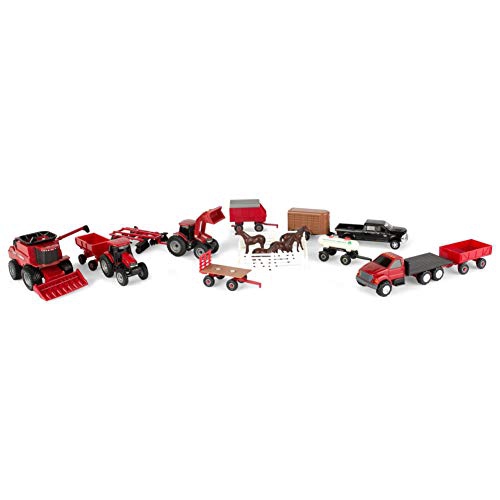
For collectors, the appeal of 1:64 scale vehicles often lies in how much character fits into such a small space. A neatly arranged shelf can show differences in body lines, cab shapes, wheel styles, and paint treatments without requiring the room needed for larger models. Cars displayed side by side make changes in automotive design easy to notice, while trucks add variety through different beds, cargo bodies, and trailers. A miniature streetscape might combine parking bays, a service station, and a loading area, with vehicle sizes kept consistent so the scene looks convincing. For layouts that extend into fields or farmyards, 1 64 Scale Farm Tractors can complement road-going trucks and add another type of working vehicle to the scene. Storage and care help preserve both appearance and function, whether a collection is handled frequently or kept mainly for display. Divided cases reduce contact between models, which can otherwise leave paint scuffs or put pressure on projecting parts. Compartment dimensions should accommodate the full vehicle, including mirrors, roof accessories, and any attached trailer. Models with delicate features benefit from being lifted by the main body rather than by small attachments. A soft, dry brush can remove dust from grilles, interiors, and wheel openings; a lightly dampened cloth may be suitable for sturdy exterior surfaces when the manufacturer’s care guidance allows it. Harsh cleaners, abrasive pads, and soaking can damage finishes, decorations, or components. Clean wheels are especially useful for play vehicles, since accumulated hair and debris can restrict rolling. For display, a stable shelf or enclosed case helps limit accidental knocks and dust, while keeping models out of prolonged direct sunlight can help protect their colours. Organizing vehicles by type, scale, or visual theme makes a collection easier to enjoy and keeps frequently used toys within reach. Whether the focus is imaginative play or careful display, these small cars and trucks offer an engaging way to appreciate the shapes, details, and everyday roles of road vehicles.
Read More

FAQ

Some products may be subject to Environmental Handling Fees (EHF) depending on your province. Learn more about EHFs.